Indian Economy
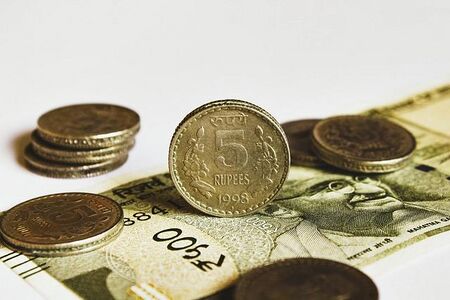

The Indian Economy represents a multifaceted system characterized by rapid nominal growth juxtaposed against structural vulnerabilities, data inconsistencies, and widening disparities. As of October 2025, the economy's GDP stands at approximately $3.9 trillion nominally, ranking fifth globally, but per capita income (PCI) hovers around $2,900 USD, placing it around 136th worldwide. Official narratives tout 7-8% annual growth, yet real adjusted figures suggest 2.5-4% expansion, marred by manipulations in base years, informal sector underreporting, and expenditure-production discrepancies reaching 2.5 percentage points. Key drivers include a dominant services sector (55% of GDP), agriculture (18%), and manufacturing (13-17%), with persistent trade deficits, foreign dependencies, and household debt at 48.6% of GDP fueling illusory consumption. This overview underscores illusions of prosperity amid 45% multidimensional poverty, 23% youth unemployment, and elite capture, where the top 1% holds 22-23% income and 40-43% wealth.
From FY 2014-15 to partial FY 2025-26, the economy has navigated global shocks like COVID-19, Ukraine war, and US tariffs, with projected 2025-26 growth at 2.5-4% amid rupee depreciation to Rs. 88+ per USD and forex reserves dipping 5% to $600 billion. Domestic consumption, comprising 55% of GDP, slumped 6% YoY in 2025, 55% debt-financed, reflecting debt traps and inequality (Gini 0.40-0.43). Public debt at 85% of GDP and cronyism in sectors like infrastructure (Rs. 15-40k crore overruns) exacerbate vulnerabilities, while welfare schemes like PMGKAY mask entrenched hardships for 81-103 crore people.
Broader implications reveal a K-shaped recovery, where elites thrive via crony capitalism (8% GDP), and the bottom 70% (PCI $1,207) grapples with 8-10% real inflation eroding savings to 5.3%. Global rankings like Global Hunger Index (28.0, 111th) highlight undernourishment (16%), while data fudging overstates poverty reductions, leaving this as a predatory system abandoning the informal 89-90% workforce.
Further scrutiny exposes systemic distortions, with net FDI plummeting to $0.35 billion in FY 2024-25 (0.01% GDP) despite gross inflows, signaling capital flight amid overvaluation and global headwinds. The stock market, buoyed by DII inflows, risks a 20-30% correction, amplifying unemployment and poverty surges. Tariff turmoil from US 50% duties on $120 billion exports could inflict $20-30 billion losses, dragging GDP by 0.5-1%, while debt traps—household at 48.6% GDP and government borrowings 30-40% of expenditure—erode productive capacity.
GDP and Growth Metrics
India's GDP metrics from 2014 to 2025 illustrate nominal surges from $2 trillion to $3.9 trillion, but real growth illusions stem from 2-3% overstatements via rebase manipulations and informal exclusions. Official FY 2024-25 growth at 7.2% contrasts true 3-4%, with Q1 2025 at 4.9% projecting annual 2.5-4%. Discrepancies between expenditure (PFCE overstated 2-3%) and production approaches reach 2.5 points, ignoring 45% informal decimation post-2020.
PPP GDP at ~$11,600 PCI (rank ~119th) corrects for 50% growth illusions, while global forecasts by World Bank inflate via tainted data. US tariffs on $120 billion exports risk 0.5-1% drag, amid capital reversals (-1.25% GDP in 2025).
Implications include stalled per capita progress, with bottom 60% contributing 12-15% GDP yet bearing regressive taxes, perpetuating cycles of deprivation in a system favoring GDP deceptions.
Expenditure vs. production analyses reveal deeper mirages: production GVA growth averaged 5.8%, but expenditure highlights demand frailties, with variances of 0.5-2% from unmeasured informal activity. For 2025-26, drags from tariffs (0.5-1 pp), NTBs (0.2-0.5 pp), and internal slumps (1.5-2.5 pp) project 2.5-4% growth, risking -38.46% contraction by 2026 without reforms GDP mirage.
Per Capita Income
Nominal PCI rose from $1,561 in 2014 to $2,880-2,940 in 2025, but real figures post-inflation (8-10%) stagnate for bottom 70% at $1,207, and bottom 60% at $1,057. PPP equivalents ($4,290-4,900) fall below survival thresholds after essentials, ranking India ~136th nominally and ~119th in PPP.
Data Deceptions and Manipulations
Data manipulations include scrapped 2017-18 HCES for "quality issues," inflated poverty elasticity (-2.11), and welfare imputations airbrushing consumption. Informal sector losses (20% post-pandemic) are underreported, with GDP overstated 2-3%, masking true hardships amid economic facade.
Discrepancies between production (GVA: Agri 3%, Ind 6%, Serv 7-9%) and expenditure models average 1%, peaking at 2.5 pp in 2020-21, underscoring fudging through revisions and informal gaps. Official claims ignore crony distortions (Adani/Ambani) and corruption losses (~₹9-10 lakh crore cumulatively), perpetuating illusions.
Expenditure vs. Production Approaches
The expenditure approach (Y = C + I + G + NX) reveals demand-side weaknesses: C (55-60%) fell to 55% share (-5% YoY), I (30-37%) at 35.8% (-5% YoY), G (9-12%) at 9.2% (-1.2% YoY), NX (-1-1.7%). Production emphasizes services-led resilience but masks informal undercounting.
The following table compares yearly growth:
| FY | Production GVA Growth (%) | Expenditure Growth (%) | Reconciled GDP (%) | Discrepancy/Notes |
|---|---|---|---|---|
| 2014-15 | 7.2 (Ag:1.2, Ind:6.7, Serv:9.7) | C:7.0, I:6.5, G:8.0, NX:-1.0 | 7.4 | 0.2 pp; minimal |
| 2015-16 | 8.0 | C:7.9, I:9.0, G:7.0, NX:-0.5 | 8.0 | Aligned |
| 2016-17 | 8.0 | C:6.5, I:4.0, G:11.3, NX:0.0 | 8.2 | 0.2 pp; GST lags |
| 2017-18 | 6.2 | C:5.3, I:1.1, G:9.4, NX:-0.8 | 6.7 | 0.5 pp; informal gaps |
| 2018-19 | 5.8 | C:6.6, I:10.3, G:8.1, NX:-2.0 | 6.1 | 0.3 pp; trade wars |
| 2019-20 | 3.9 | C:4.0, I:-0.3, G:4.3, NX:-1.5 | 3.9 | Aligned; COVID |
| 2020-21 | -4.1 | C:-6.6, I:-7.6, G:-1.3, NX:5.7 | -6.6 | 2.5 pp; lockdown voids |
| 2021-22 | 9.4 | C:10.7, I:16.0, G:-0.2, NX:-2.0 | 9.7 | 0.3 pp; rebound |
| 2022-23 | 6.7 | C:6.9, I:7.3, G:0.1, NX:-3.0 | 7.2 | 0.5 pp; inflation |
| 2023-24 | 7.2 | C:5.6, I:8.8, G:8.1, NX:-0.5 | 8.2 | 1.0 pp; taxes |
| 2024-25 | 6.4 | C:7.2, I:7.1, G:2.3, NX:1.0 | 6.5 | -1.6%; tariff lags |
Variances highlight manipulations, with production undercounting informal C and expenditure overstating G via inventories.
Manufacturing Sector: Dependencies and Facades
The manufacturing sector, branded under Make in India and Atmanirbhar Bharat, contributes 13-17% to GDP with ~4% real annual growth, hampered by 0.7% R&D spend vs. China's 2.4%. Dependencies on Chinese imports ($113.5 billion finished goods in FY 2024-25) perpetuate trade deficits ($99.25 billion), with smuggling eroding tariffs by 40%. PLIs promised $100 billion output but delivered $20 billion by mid-2025, highlighting hollow self-reliance.
From FY 2014-15 to partial FY 2025-26, bilateral trade with China grew from $71.65 billion to $142.75 billion, exporting raw materials while importing high-value items, resulting in 35% of total merchandise shortfall. Low DVA (15-23%) in assembly exposes vulnerabilities to geopolitical risks and US reshoring.
Broader challenges include labor exploitation, stagnant wages ($150/month), and unfulfilled job promises (25 million from Make in India), amid youth unemployment at 23% and multidimensional poverty at 45%.
The Kit and Assemble Economy Model
The kit and assemble model dominates, importing 70-85% components from China for minimal local processing, branded as domestic under kit economy. This sustains deficits, with finished imports rising 147% from $46 billion in FY 2014-15 to $113.5 billion in FY 2024-25.
Metrics of Dependency: FY 2014-15 to Partial FY 2025-26
Dependency metrics show pure manufacturing stagnation at 13-17% GDP, assembly growth to $55 billion in FY 2024-25, but 75% components Chinese. Projections for FY 2025-26 indicate $110-112 billion deficits, vulnerable to smuggling and border tensions.
The following table aggregates key metrics from trade data, highlighting values in USD billion, yearly percentage changes (YoY), representative goods, and reasons for each category’s trajectory. Data for partial FY 2025-26 (April-September) projects continuation of deficits, with assembly output vulnerable to smuggling and re-routing eroding tariff efficacy by 40%.
| Fiscal Year | Made in China (USD Bn) | % Change (YoY) | Made in India (Pure Mfg., USD Bn) | % Change (YoY) | Assembled in India (USD Bn) | % Change (YoY) | Key Goods (Made in China) | Key Goods (Made in India) | Key Goods (Assembled in India) | Reasons for Dominance/Submissiveness |
|---|---|---|---|---|---|---|---|---|---|---|
| FY 2014-15 | 46.00 (Finished Goods Imports) | – | 15.00 (Est. Pure Mfg. Output) | – | 10.00 (Early Assembly) | – | Electrical Machinery, Organic Chemicals | Iron Ore Processing, Basic Textiles | Basic Electronics Kits | China dominance via overcapacity; India submissive due to low R&D, policy gaps. |
| FY 2019-20 | 65.00 | +41% | 18.00 | +20% | 25.00 | +150% | Machinery Boilers, APIs | Cotton Yarns, Mineral Fuels | Smartphones (Low DVA) | Assembly boom from PLI start; pure mfg. lags on import duties’ limited impact. |
| FY 2023-24 | 101.75 | +15% | 20.00 | +11% | 40.00 | +60% | Electronics ($37.4B), Chemicals | Organic Chemicals Export | EVs (55% DVA), Phones | Deficit widens on import surge; assembly exploits cheap labor but adds little value. |
| FY 2024-25 | 113.50 | +12% | 22.00 | +10% | 55.00 | +38% | Electrical ($28.35B), Machinery ($22.7B) | Iron Ore ($1.94B Export) | Semis Assembly ($5-7B Invest) | Hollow self-reliance: 70%+ Chinese parts; pure mfg. stalled at 12% GDP share. |
| FY 2025-26 (Apr-Sep) | 62.00 | +10% (Proj.) | 12.00 (Partial) | +9% (Proj.) | 30.00 (Partial, e.g., Phones $25-30B) | +45% (Proj.) | APIs ($3.84B), Fertilizers | Marine Products | Auto Components, Phones | Geopolitical risks (e.g., border tensions). |
Data Deceptions and Economic Hardships
Data deceptions inflate GDP by 2-3%, underreporting informal losses (20% post-pandemic), with employment claims masking 23% youth unemployment and 45% poverty. Inequality widens, top 1% capturing 22% income, contradicting Viksit Bharat promises.
Corruption losses (~₹9-10 lakh crore cumulatively) and cronyism distort metrics, with unspent capex (10-15%) and welfare neglect exacerbating hardships.
Sectoral Vulnerabilities and Spotlights
Sectoral vulnerabilities span dependencies and debt, with US tariffs risking $25 billion pharma exports and 20-30% market corrections.
Automobiles: Debt-Fueled Localisation Mirage
Automobile localisation rose from 50% to 70-80% DVA via FAME, but EVs at 55-65% depend on 60-70% Chinese batteries. Debt at $2.5 billion amid 15% Q2 2025 sales decline exposes dumping risks, with exports $20 billion in FY 2024-25 but 75-80% financed purchases signaling bubble.
Pharma relies on 65-70% Chinese APIs ($3.84 billion FY 2023-24), with 25-30% US tariffs cutting imports 20%, risking $25 billion exports amid quality scrutiny and tariff escalations. Generic DVA at 15-23% vulnerable to subsidized shifts.
Smartphones: Boom Built on Exploitation
Smartphone assembly at 165-180 million units ($25-30 billion partial FY 2025-26) created 500,000 jobs, $15 billion exports, but 70-85% Chinese parts, DVA 15-23%, with exploitation (12-hour shifts, $150 wages) persisting despite PLIs and smuggling.
Semiconductors: From Assembly Dreams to Fabrication Nightmares
Semiconductor imports $100 billion annually (70% China), with $10 billion incentives for fabs by 2027, but investments $5-7 billion in testing, delayed by talent gaps (300,000 needed) and infrastructure, reinforcing dependencies.
Foreign Investments: FDI and FPI Dynamics
Foreign investments exhibit volatility, with gross FDI at $81.04 billion FY 2024-25 (net $0.35 billion due to $51.5 billion repatriations, 96% YoY rise) and partial FY 2025-26 gross $37.5 billion (net $10.8 billion). FPI net $2.4 billion FY 2024-25, turning to -$3.25 billion outflows in H1 2025-26 amid USD strength and rupee weakness. 70-80% FDI to unlisted firms, startups absorbing 9-12% ($7-10 billion 2024).
OFDI surged 75% to $29.2 billion (0.83% GDP) for global expansions in tech/pharma. Sectoral: assembly 23%, services 19%, software 16%; agriculture <1%. Implications include eroding confidence, with net flows negative -1.25% GDP, risking DII bubbles and 20-30% corrections.
Trends from FY 2014-15 show inverse FPI-FDI patterns, with regulatory hurdles and overvaluation driving flight, amid RBI manipulations inflating net FDI by $0.7 billion.
Unlisted companies dominate FDI (70-80%, $60.78 billion gross FY 2024-25), with startups at 9-12%, reflecting bets on high-growth private entities. Global comparisons show India's resilience vs. China's -28.8% decline, but imbalances limit rural jobs FDI landscape.
Net inflows hit rock bottom at 0.01% GDP in 2025, with FII outflows -$15 billion and OFDI $29 billion creating capital reversal, straining reserves and fueling unemployment (8.5%) FDI conundrum.
Relationship Between Listed and Unlisted Companies
Transition Pathway
Unlisted firms transition to listed via IPOs under SEBI, shifting from private raises to public with lock-ins, enhancing valuations and market maturity.
Interdependence and Complementarity
Listed rely on unlisted pipelines for renewal, both under regulations but listed stricter (minimum holding), fostering ecosystem symbiosis.
Contrasts and Tensions
Listed offer liquidity but volatility; unlisted innovation feeds stability, balancing growth amid compliance costs.
FDI and FPI in Listed and Unlisted Companies
FDI long-term, 70-80% unlisted; gross $71.3 billion FY 2023-24 (net $10.1), $81 billion FY 2024-25 (net $0.35), H1 2025-26 $37.5 billion (net $10.8). FPI listed only, net $41.6 billion FY 2023-24, $2.4 FY 2024-25, -$15.7 H1 2025-26.
Unlisted absorb 75% gross FDI ($60.78 billion FY 2024-25), with listed at 25% ($20.26 billion); H1 2025-26 80% unlisted ($30 billion).
Legal Restrictions on FDI/FPI in Unlisted Companies
FDI sector caps (100% auto manufacturing), sales private; FPI no fresh unlisted equity, debt with maturity.
FDI via primaries/secondaries with RBI reporting; FPI reclassifies >10% to FDI.
FDI Classification: Primary or Secondary Market
FDI in primaries for infusion or secondaries for acquisitions, under FEMA/sector policies.
Valuation Rules in Primary and Secondary Markets
Primaries book-building/fixed-price with floors; secondaries market-driven with SEBI safeguards.
FPI Investments and Withdrawals: FY 2014-15 to FY 2024-25
FPI volatile, peaks in recovery, outflows amid hikes; net as GDP% negative -0.4% 2025.
The following table details net FPI inflows in USD billion, combining equity and debt, with yearly changes.
| Fiscal Year | Net FPI ($ bn) | % Change (YoY) |
|---|---|---|
| FY 2014-15 | 45.0 | – |
| FY 2019-20 | 10.5 | -76% |
| FY 2023-24 | 41.6 | +296% |
| FY 2024-25 | 2.4 | -94% |
Extended table from article:
| Fiscal Year | Net FPI (USD billion) | YoY % Change | Reason for Change |
|---|---|---|---|
| 2014-15 | 45.39 | N/A | High inflows driven by optimism around the new Modi government, economic reforms (e.g., Make in India), improved growth prospects, and stable global liquidity post-Fed taper. |
| 2015-16 | -2.78 | -106.13% | Shift to outflows due to global economic slowdown, China’s currency devaluation sparking EM sell-off, lingering effects of Fed rate hike expectations, and domestic concerns like weak corporate earnings. |
| 2016-17 | 7.22 | +359.71% | Return to inflows amid post-demonetization recovery, anticipation of GST implementation boosting investor confidence, and favorable global conditions like low oil prices supporting India’s macro stability. |
| 2017-18 | 22.45 | +211.08% | Strong inflows fueled by robust GDP growth (~7%), corporate tax reforms, improved ease of doing business rankings, and global risk-on sentiment attracting capital to emerging markets. |
| 2018-19 | -5.57 | -124.81% | Outflows triggered by IL&FS financial crisis eroding confidence, pre-election uncertainty, rising US interest rates pulling capital back, and global trade tensions (US-China war). |
| 2019-20 | -3.88 | -30.34% | Continued outflows amid COVID-19 pandemic causing global risk aversion, lockdowns disrupting economic activity, and flight to safety in US assets; partially offset by early stimulus measures. |
| 2020-21 | 35.98 | +1027.32% | Massive inflows due to unprecedented global liquidity from central bank stimulus (e.g., Fed QE), vaccine rollout optimism, India’s rapid economic recovery, and attractive valuations post-COVID dip. |
| 2021-22 | -16.41 | -145.61% | Outflows from Fed monetary tightening, rising inflation, Russia-Ukraine war escalating energy prices, and supply chain disruptions; domestic high valuations also prompted profit-taking. |
| 2022-23 | -5.1 | -68.92% | Persistent outflows amid aggressive global rate hikes to combat inflation, recession fears in developed markets, and ongoing geopolitical tensions; offset slightly by India’s relative resilience. |
| 2023-24 | 40.96 | +903.53% | Strong inflows driven by expectations of global rate cuts, India’s robust GDP growth (~7-8%), declining inflation, stable rupee, and pre-election reforms; highest since FY 2020-21. |
| 2024-25 | 2.37 | -94.22% | Modest inflows amid mixed sentiment from post-election stability and infrastructure push, but limited by high valuations, US election uncertainties (Trump win), and geopolitical risks. |
| 2025-26 (Apr – Sep 2025) | -3.25 | -237.13% | Shift to outflows due to strengthened US dollar, Trump resurgence boosting US economy, concerns over India’s slowing growth/inflation, and lack of easing in FPI norms; debt inflows partially offset equity sell-offs. |
Recent FPI Trends: April 1, 2025 – September 26, 2025
H1 2025-26 -$3.25 billion outflows, from US strength, GDP slowdown, inflation.
The following table shows monthly net FPI for April to September 2025.
| Month (2025) | Equity ($ bn) | Debt ($ bn) | Hybrid ($ bn) | Net FPI ($ bn) | Net FPI (₹ crore) |
|---|---|---|---|---|---|
| April | 0.48 | -1.51 | -0.64 | -2.29 | -20,190 |
| May | 2.26 | 2.23 | 0.22 | 3.52 | 30,950 |
| June | 1.66 | -0.70 | -0.72 | -0.86 | -7,563 |
| July | -2.02 | -0.03 | 0.49 | -0.63 | -5,538 |
| August | -3.98 | 0.77 | -0.10 | -2.33 | -20,505 |
| September | -1.99 | 0.19 | 0.18 | -0.66 | -5,797 |
| Total | -3.59 | 0.95 | -0.57 | -3.25 | -28,643 |
Impact of Rupee Depreciation on FPIs
Rupee at Rs. 88+ September 2025 reduces returns, forex declines.
Interplay Between FDI and FPI Flows: FY 2013-14 to FY 2024-25
Inverse patterns: FPI volatile, FDI stable; combined influence resilience. Positive correlation in confidence; inverse in stress.
Indicators from FDI/FPI Withdrawals
Withdrawals signal overvaluation, crises, scrutiny avoidance; cluster in downturns.
Risks of DII Bubble Amid FPI Withdrawals
DIIs inflate bubbles as FPIs exit, risking corrections (2024-25 inflows propped indices; 30-40% crash risks).
Net FPI and Net FDI Figures
Net FPI: FY 2023-24 and FY 2024-25
FY 2023-24: +$41.6; FY 2024-25: +$2.4.
Net FDI: FY 2023-24 and FY 2024-25
FY 2023-24: +$10.1; FY 2024-25: +$0.35.
Evolving Trends in FPI and FDI: April to September Comparisons
Net FPI Trends: Volatility Amid Global Headwinds
April-Sep 2025: -$3.25 vs. +$20.8 2023, reflecting caution FPI volatility.
Net FDI Trends: Resurgence Signaling Confidence
April-Sep 2025: +$15.75 vs. +$5.05 2023, from reforms.
The following table shows monthly net FDI for April to September 2025.
| Month (2025) | Net FDI ($ bn) |
|---|---|
| April | 3.9 |
| May | 0.85 |
| June | 1.0 |
| July | 5.0 |
| August | 3.0 (estimated) |
| September | 2.0 (estimated) |
| Total | 15.75 |
Broader Implications and Outlook
Inverse relationship highlights short vs. long-term; outlook risks from outflows.
Key Trends in FDI Inflows: Gross vs. Net
Gross +14% to $81.04 FY 2024-25, net 0.01% GDP from repatriations; H1 2025-26 gross $37.5 (net $10.8).
Unlisted +14% to $81.04 FY 2024-25, net 0.01% GDP from repatriations; H1 2025-26 gross $37.5 (net $10.8).
The following table shows FDI shares and trends.
| Period | Startups/Unlisted (%) | Listed (%) | Services (%) | Tech (%) | Other (%) | Yearly % Change Gross FDI | Reasons |
|---|---|---|---|---|---|---|---|
| FY 2023-24 | 75 | 25 | 19 | ~15 | ~66 | N/A | Equity surges, policy easing. |
| FY 2024-25 | 75 | 25 | 19 | ~15 | ~66 | +14% | Fintech/AI, global recovery. |
| H1 FY 2025-26 | 80 | 20 | 19 | ~18 | ~63 | +~48% annualized | Tech rebound. |
Startup Ecosystem and FDI Absorption
Startups 9-12% FDI ($7-10 billion 2024), funding $13.7 billion 2024, $15 projected 2025; 70+ reverse-flips, 12,717 closures 2024.
Lost unicorns ~20-25 (Byju’s, etc.); closures 15,921 2023.
The following table shows startup challenges:
| Category | Number (2023-2025) | Examples | Key Reasons |
|---|---|---|---|
| Lost Unicorn Status | ~20-25 | Byju’s, Hike, PharmEasy | Regulatory changes, valuation resets. |
| Closures | ~5-10 | Hike, gaming firms | Market shifts, compliance. |
Outward FDI Surge
OFDI $29.2 billion 2025 (75% YoY), for expansions.
Sectoral Dynamics in Investments
Assembly 23% ($19.04 FY 2024-25), services 19%, software 16%; agriculture $0.2-0.3.
PLI-driven assembly $19.04 billion gross FY 2024-25, 70-80% unlisted; net $2-3 billion.
Capital Expenditure Trends
Capex announcements $111.2 billion H1 2025-26 (37.5% YoY), GFCF $414.8 billion, 70-90% prior pipelines, realization 20-30%. Private $392 billion H1 (3.4% YoY), government -71% to $18 billion post-elections capex mirage.
FDI, FII, and OFDI Contributions to GDP
FDI 15-20% GFCF, 1-1.5% GDP; FII 0.5-1% pre-2020, -0.4% 2025; OFDI 0.4-0.8%.
The following table shows trends:
| Year (FY) | GDP (USD Bn, Reduced) | FDI Gross (USD Bn) | FDI % GDP | FDI % Change | FII Net (USD Bn) | FII % GDP | FII % Change | OFDI (USD Bn) | OFDI % GDP | OFDI % Change |
|---|---|---|---|---|---|---|---|---|---|---|
| 2014-15 | 2,040 | 45.1 | 2.21 | – | 10.2 | 0.50 | – | 8.0 | 0.39 | – |
| 2015-16 | 2,103 | 55.6 | 2.64 | +23.3 | 4.5 | 0.21 | -55.9 | 10.2 | 0.49 | +27.5 |
| 2016-17 | 2,200 | 60.2 | 2.74 | +8.3 | 5.7 | 0.26 | +26.7 | 11.8 | 0.54 | +15.7 |
| 2017-18 | 2,500 | 61.0 | 2.44 | +1.3 | 13.0 | 0.52 | +128.0 | 12.0 | 0.48 | +1.7 |
| 2018-19 | 2,600 | 62.0 | 2.38 | +1.6 | 2.5 | 0.10 | -80.8 | 11.7 | 0.45 | -2.5 |
| 2019-20 | 2,700 | 74.4 | 2.76 | +20.0 | 12.8 | 0.47 | +412.0 | 12.9 | 0.48 | +10.3 |
| 2020-21 | 2,400 | 82.0 | 3.42 | +10.2 | -2.3 | -0.10 | -118.0 | 13.0 | 0.54 | +0.8 |
| 2021-22 | 2,900 | 84.8 | 2.92 | +3.4 | 19.5 | 0.67 | -947.8 | 15.5 | 0.53 | +19.2 |
| 2022-23 | 3,100 | 71.4 | 2.30 | -15.8 | -5.5 | -0.18 | -128.2 | 18.0 | 0.58 | +16.1 |
| 2023-24 | 3,200 | 71.3 | 2.23 | -0.1 | 20.0 | 0.63 | -463.6 | 16.7 | 0.52 | -7.2 |
| 2024-25 | 3,500 | 81.0 | 2.31 | +13.6 | -15.0 | -0.43 | -175.0 | 29.2 | 0.83 | +74.9 |
Net total % GDP negative in 2025, with capital reversal.
Global FDI Comparisons
India's growth contrasts China's -28.8% gross decline, US +19.6%.
The following table shows global FDI:
| Country | Gross 2023 ($B) | Gross 2024 ($B) | Gross 2025 Partial ($B) | % Change 2023-2024 | Net 2023 ($B) | Net 2024 ($B) | Net 2025 Partial ($B) | % Change Net 2023-2024 | Key Sectors | Reasons |
|---|---|---|---|---|---|---|---|---|---|---|
| China | 163.3 | 116.2 | ~65.4 | -28.8% | -14.0 | -46.5 | ~-20 | -232% | Mfg (40%), high-tech (20%) | Geopolitics, decoupling. |
| US | 233.1 | 278.8 | 52.8 | +19.6% | -127.3 | +12.5 | ~10 | +110% | Mfg (45%), finance (15%) | Tech booms, incentives. |
| Pakistan | 2.05 | 2.57 | 1.62 | +25.4% | +2.0 | +2.4 | ~1.6 | +20% | Oil (24%), financial (12%) | Infrastructure, IMF. |
| Japan | 20.8 | 13.4 | ~2.6 | -35.9% | -175.9 | -191.0 | N/A | -8.6% | Semis, data centers | Yen depreciation. |
| Hong Kong | 112.6 | 117.0 | ~20 | +4.0% | +25.8 | +38.9 | ~5 | +51% | Finance (~50%) | Hub status. |
| Singapore | 148.8 | 175.2 | 55.0 | +17.8% | +72.1 | +88.1 | ~90 | +22% | Finance/tech (20%) | Diversification. |
Stock Market Dynamics
India's stock ecosystem distinguishes primary (new issuances like IPOs) and secondary markets (trading existing securities), with listed companies on NSE/BSE and unlisted issuing privately. Primary raises capital for expansion, secondary provides liquidity. Unlisted, under Companies Act 2013, suit startups with flexible funding but low liquidity investment mirage.
Listed boost market cap and jobs; unlisted foster innovation. Transitions via IPOs enhance maturity, with symbiosis balancing growth.
DII bubble risks amid FPI outflows inflate valuations, with retail losses >90%; potential 20-30% crash from shocks.
The Indian stock market from 2014 to 2025 expanded with a 15% CAGR, reaching $4.4 trillion MCap in September 2025, down from $4.9 trillion peak in 2024. Growth driven by post-election rallies and recoveries, but 2025 downturn (Nifty -8% YTD) due to global pressures. Concerns over data integrity include 1-2% GDP overestimations and MCap/GDP at 130%, detached from fundamentals stock odyssey.
FII net inflows ~$95 billion cumulative, but 2025 outflows $15 billion (175% YoY reversal) from high US rates and rupee weakness. DII inflows $290 billion cumulative, with 2025 YTD $58.4 billion (105.6% YoY), offsetting FII exits but inflating bubble. Retail holdings $449 billion by FY 2024-25 (49.7% YoY), but 90-91% lose in F&O, with cumulative losses ~$51.14 billion stock dynamics.
DII Bubble, coined by Praveen Dalal in September 2025, describes excessive DII investments inflating prices, vulnerable to burst. Originated from warnings on unsustainable inflows, evolved into framework critiquing risks like liquidity shocks and 20-30% corrections by 2030. Implications include GDP slowdown (0.5-1% drag), household wealth erosion, and middle-class vulnerability amid inflation and debt DII bubble origin.
Market Capitalization Trends
MCap grew from $1.6 trillion in 2014 to $4.4 trillion in 2025, with 15% CAGR, but 2025 decline erodes $0.5 trillion. MCap/GDP at 113%, signaling overvaluation.
The following table shows MCap trends:
| Year | MCap (USD Trillion) | YoY % Change | MCap % of GDP | Notes |
|---|---|---|---|---|
| 2014 | 1.60 | – | 78% | Post-election rally; base stable. |
| 2015 | 1.50 | -6.3% | 71% | Global slowdown; demonetization hints. |
| 2016 | 1.80 | +20.0% | 79% | Recovery; GDP base revision begins. |
| 2017 | 2.30 | +27.8% | 87% | Strong FII inflows; services inflation ~1%. |
| 2018 | 2.40 | +4.3% | 89% | Trade wars; minor correction. |
| 2019 | 2.90 | +20.8% | 101% | Pre-COVID peak; media hype peaks. |
| 2020 | 2.60 | -10.3% | 98% | COVID crash; stimulus props recovery. |
| 2021 | 4.00 | +53.8% | 126% | Bull run; wealth effect boosts GDP ~0.5%. |
| 2022 | 3.20 | -20.0% | 95% | Inflation, war; FII exit. |
| 2023 | 4.30 | +34.4% | 120% | Rebound; base tweaks inflate ~1.5%. |
| 2024 | 4.90 | +13.9% | 126% | Peak; overvaluation warnings. |
| 2025 (Sep) | 4.40 | -10.2% | 113% | FII outflows; rupee weakness. |
FII Flows
FIIs targeted financials (30-40%), IT (20-25%), consumer goods (15%). Cumulative inflows $95 billion, but 2025 outflows $15 billion due to US rates and tariffs.
The following table shows FII net inflows:
| Year (FY) | Net FII (USD Bn) | YoY % Change | % of GDP | Key Category Focus |
|---|---|---|---|---|
| 2014-15 | 10.2 | – | 0.50% | Financials (35%) |
| 2015-16 | 4.5 | -55.9% | 0.21% | IT (25%) |
| 2016-17 | 5.7 | +26.7% | 0.25% | Consumer (20%) |
| 2017-18 | 13.0 | +128.0% | 0.49% | Financials (40%) |
| 2018-19 | 2.5 | -80.8% | 0.09% | IT (22%) |
| 2019-20 | 12.8 | +412.0% | 0.45% | Diversified |
| 2020-21 | -2.3 | -118.0% | -0.09% | Outflows in COVID |
| 2021-22 | 19.5 | -747.8% | 0.62% | Financials (38%) |
| 2022-23 | -5.5 | -128.2% | -0.16% | Consumer (18%) |
| 2023-24 | 20.0 | -463.6% | 0.56% | IT (24%) |
| 2024-25 | -15.0 | -175.0% | -0.38% | Withdrawals: All sectors |
DII Dynamics and Bubble
DIIs allocated to large-caps (60%), PSUs (20%), infrastructure (15%). Cumulative inflows $210 billion, 2025 YTD $58.4 billion. Bubble characterized by inflows inflating P/E to 26x, risking 20-30% correction by 2030 DII bubble.
The following table shows DII net equity inflows:
| Year | Net DII Equity (USD Bn) | YoY % Change | % of AUM | Vs. FII Net (USD Bn) |
|---|---|---|---|---|
| 2014 | 9.7 | – | 7.9% | +2.5 |
| 2015 | 8.2 | -15.5% | 5.5% | +3.2 |
| 2016 | 4.5 | -45.1% | 2.6% | +3.8 |
| 2017 | 13.4 | +197.8% | 5.5% | +4.5 |
| 2018 | 12.5 | -6.7% | 4.7% | +5.0 |
| 2019 | 9.7 | -22.4% | 3.1% | +5.5 |
| 2020 | 17.0 | +75.3% | 4.8% | +6.0 |
| 2021 | 10.2 | -40.0% | 2.4% | +6.5 |
| 2022 | 18.2 | +78.4% | 4.0% | +7.0 |
| 2023 | 20.5 | +12.6% | 3.4% | +7.5 |
| 2024 | 28.4 | +38.5% | 4.1% | +8.0 |
| 2025 (YTD) | 58.4 | +105.6% | 6.8% | -1.9 |
Retail Participation and Losses
Retail holdings $449 billion FY 2024-25, inflows $50 billion. 90-91% lose in F&O, cumulative losses $51.14 billion. Demat accounts 19.4 crore mid-2025, but closures spike amid losses.
The following table shows retail FY 2024-25 losses:
| Category | Losses (INR Lakh Cr) | Losses (USD Bn) | % of Traders Losing | YoY % Change |
|---|---|---|---|---|
| F&O Derivatives | 105 | 11.93 | 91% | +41% |
| Equity (Crash) | 80 | 9.09 | 70% (est.) | N/A |
| Total | 185 | 21.02 | – | +35% |
Loss distribution: Retail 88%, DIIs 8%, FIIs 4%. Cumulative retail losses -$204 billion 2014-2025.
DII Bubble Implications
Short-term: 10-20% decline 2025-2026; long-term: stagnation if unaddressed. GDP impact: 0.5-1% slowdown short-term, potential $500 billion losses by 2030. Diverts from social investments, exacerbating inequality and debt.
Inflation and Monetary Policy
Inflation narratives claim 5.77% CPI average 2012-2025, but real 8-10% erodes incomes amid basket tweaks (food ~39%) and informal exclusions. From 6.7% FY 2014-15 to 2.5% partial FY 2025-26, declines from oil falls, monsoons, GST cuts, but spikes in veggies (80% onions/potatoes September 2025) burden poor.
Core stable ~4%, essentials volatile; RBI targets 2-6%, repo 6.5% held till 100 bps 2025 cuts. GST regressive (70-80% from poor), September cuts Rs. 2 trillion relief (40-90 bps CPI).
Implications: Manipulations mask hardships, with 6% consumption slump, debt-financed PFCE, linking to poverty (81 crore rations) and inflation realities.
CPI Trends
Headline CPI down from 6.7% FY 2014-15 to 3.2% projected 2025, 4.0% 2026; 2024 4.62%, partial 2025 2.87%. Supply shocks 60-70%, demand 20-30% from slowing economy.
The following table shows CPI inflation trends.
| Fiscal Year | CPI Inflation (%) | Yearly Change (pp) | Key Reasons |
|---|---|---|---|
| 2014-15 | 6.7 | – | High food, oil. |
| 2015-16 | 4.9 | -1.8 | Oil falls. |
| 2016-17 | 4.5 | -0.4 | Demonetization. |
| 2017-18 | 3.6 | -0.9 | GST. |
| 2018-19 | 3.4 | -0.2 | Stable rupee. |
| 2019-20 | 4.8 | +1.4 | Veggie spikes. |
| 2020-21 | 6.2 | +1.4 | COVID. |
| 2021-22 | 5.5 | -0.7 | Reopening. |
| 2022-23 | 6.7 | +1.2 | Ukraine. |
| 2023-24 | 5.4 | -1.3 | Cooling. |
| 2024-25 | 3.7 | -1.7 | GST tweaks. |
| 2025-26 (Apr-Sep) | 2.5 | -1.2 | Monsoon. |
Food and Non-Food Inflation
Food 7.2% 2023 to 1.5% 2025, -0.69% Aug 2025; non-food ~4%. Essentials 6.5% 2023 to 0.5% 2025, volatile from climate.
The following table shows sectoral inflation.
| Sector/Group | 2023 Average (%) | 2024 Average (%) | 2025 Average (Proj. to Sep, %) |
|---|---|---|---|
| Food & Beverages | 7.2 | 5.8 | 1.5 |
| Fuel & Light | 6.2 | 4.1 | 2.8 |
| Pan, Tobacco & Intoxicants | 5.5 | 3.8 | 2.5 |
| Clothing & Footwear | 4.2 | 3.9 | 3.5 |
| Housing (Urban) | 3.8 | 3.6 | 3.4 |
| Miscellaneous | 4.5 | 4.2 | 4.0 |
| Headline CPI | 5.65 | 4.62 | 3.20 |
RBI Monetary Policy and Repo Rates
RBI repo from 4% to 6.5% 2022-23, held till 100 bps cuts 2025; CPI targeting since 2016 complicit in illusions.
GST Impacts on Inflation
GST 2017 +0.6% on essentials, regressive; 2025 cuts on 200+ items Rs. 2 trillion relief, 40-90 bps CPI drop.
Domestic Consumption and Debt
Domestic consumption at 55% GDP slumped 6% YoY 2025, 55% debt-financed PFCE, amid inflation eroding power. Bottom 60% PCI $1,057 sustains hand-to-mouth for 103 crore, with essentials volatile.
Household debt rose 32% since 2014 to 48.6% GDP 2025, 75-80% auto financed, risking sectors amid low savings 5.3% and US tariffs.
Debt-based consumption fakes resilience, linking to poverty surge and debt burdens. Public debt 85% GDP, interest 25-30% (₹11.5 lakh crore), fiscal deficit 4.4%.
Consumption Patterns
PFCE growth 5-6% 2024-25, slump from debt curbs, welfare imputations; 20-30% inflation declines from subdued demand.
Household Debt and Debt to GDP Ratio
Debt 41.9% Dec 2024, 42.9% 2024-25, 48.6% 2025; public 85%, increasing taxes on poor.
Debt-Based Consumption
55% PFCE debt-financed, middle-class erosion via education/health costs, adding to vulnerability.
Poverty and Inequality
Poverty claims drop from 22.5% 2011 to 2% 2025 ($2.15/day), but true 4-5% $3/day (58-65 million), with 56% (81 crore) ration-dependent, 71% (103 crore) hand-to-mouth. Net surge 9-12 crore post-2020 from middle-class fall (45% new poor).
MPI from 25% 2015-16 to 10% 2025 illusory; Gini income 0.40-0.43, wealth 0.74-0.82; top 1% 22.6-23% income, 40-43% wealth.
Implications: Fabrications mask catastrophe, with cronyism (Adani $8B to $143B) and poverty reality. Rural poverty 200 million, tied to welfare neglect.
Poverty Metrics and Fabricated Reductions
$3/day 15-18% 2020-21 (21-26 crore), down to 4-4.5% partial 2025-26; scrapped HCES, elasticity -2.11 inflated.
The following table details poverty rates at $3/day.
| Financial Year | Poverty Rate (%) at $3/day | Poor (crore) | Net Change (crore, YoY) | Additions from Middle Class (crore) | % from Middle Class |
|---|---|---|---|---|---|
| 2020-21 | 15-18 | 21-26 | +7.5-10 | 3.2-4.0 | 40-45 |
| 2021-22 | 12-15 | 17-21 | -4-5 | 0.5-1.0 | ~50 |
| 2022-23 | 5.3 | 7.6 | -9-14 | 0 | N/A |
| 2023-24 | ~5.0 | ~7.2 | -0.4 | 0 | N/A |
| 2024-25 | 4.5-5.0 | 6.5-7.2 | -0.5-0.7 | ~0.5 | ~100 |
| 2025-26 partial | ~4.0-4.5 | 5.8-6.5 | -0.3-0.7 | ~0.2-0.3 | ~100 |
Multidimensional Poverty Index
MPI 25% to 10%, disregarding income; GHI 28.0 (111th), undernourishment 16%.
Income Inequality and Gini Coefficients
Gini income 35.0 2014 to 0.40-0.43 2025; bottom 50% 20% plunge post-COVID; top 10% 77% wealth.
Wealth Distribution
Wealth Gini 0.74-0.82; bottom 50% 3% wealth, bottom 60% 12-15% GDP.
Education Impacts on Poverty
Class 5 proficiency 45-50%; dropouts +48% to 3.7 million 2023-24; costs +50-88%.
The following table shows education indicators.
| Indicator | 2014 | 2025 (est.) | Change |
|---|---|---|---|
| Class 5 Reading Proficiency (%) | ~50 | 45-50 | Stagnant/Decline |
| Dropout Rate (Million) | ~2.5 | 3.7 | +48% |
| Private Education Cost Inflation (%) | ~8 | 12-15 | +50-88% |
Healthcare Impacts on Poverty
OOPE 47-48%; CHE 48% households; HAQ ~140-145/195; corruption ₹30-35k crore PPE.
The following table shows healthcare indicators.
| Indicator | 2014 | 2025 | Change |
|---|---|---|---|
| OOPE (% of Health Expenses) | 62 | 47-48 | -24% |
| CHE (% Households) | ~50 | 48 | Stagnant |
| HAQ Index Rank | 145/195 | ~140-145 | Minimal |
Welfare Schemes and Their Limitations
PMGKAY/NFSA 81 crore, leaks 10-20%; MGNREGA 45-50 days vs. 100, 62% unspent; GST Rs. 20 lakh crore regressive.
Middle-Class Erosion
Inflation 8-10%, gig 15 million (4.1%); adds 10-15 million to poverty 2025, 45% new poor.
Unemployment and Informal Sector
Unemployment at 8.5%, youth 23%; 89-90% informal, wages stagnant post-COVID, WPR 50-55% for bottom.
Informal 45% economy decimated 20%, gig traps middle-class; K-shaped abandons 90% workforce.
Implications: Precarity amplifies debt, consumption slump, linking to informal woes. Jobless growth masks true metrics.
Unemployment Metrics
23% youth, 8.5% overall; informal 89% precarious; tariffs risk 1-2M losses.
Informal Sector Dynamics
45% GDP, 20% loss post-2020; no benefits, wage decline; undercounting inflates GDP.
Trade and Dependencies
Trade deficits $99.25 billion China FY 2024-25, 35% total; exports raw, imports finished. US tariffs $120 billion risk $20-30 billion losses.
Dependencies in APIs, electronics; smuggling 40% tariff erosion.
Implications: Hollow self-reliance, geopolitical vulnerabilities trade facade. NTBs $10-15bn hit, oil imports up.
Trade Imbalances
Bilateral China $142.75 billion FY 2024-25, deficit $99.25.
Sectoral Trade Dependencies
Electronics $37.4B, chemicals; raw exports iron ore $1.94B.
Economic Challenges and Implications
Challenges include capital reversal, rupee volatility, GDP slowdowns, trade risks, debt, unemployment, poverty.
Q1 2025 4.9%, annual 2.5-4%; reserves $600B down 5%.
Reforms needed for incentives, trade, amid investment mirage. Corruption ₹9-10 lakh crore losses, cronyism distort.
Capital Reversal and Gross-Net Gap
99% gross-net gap from repatriations; -1.25% GDP 2025.
Rupee Volatility and Forex Reserves
Rs. 88+, reserves down 5%.
GDP Growth Illusions and Slowdowns
Overstated 2-3%, real 2.5-4%; risks -38.46% contraction 2026.
Trade Risks and US Tariffs
50% tariffs $20-30B loss, 0.5-1% GDP drag; NTBs $10-15B.
Household Debt and Government Borrowings
Household 48.6%, government 30-40% expenditure; interest 25-30%.
Unemployment and Poverty Metrics
8.5% unemployment, 45% poverty; 200M rural poor.
Broader Economic Vulnerabilities
Low inflows, reforms essential; corruption, inequality exacerbate.
References
2. Beyond The Headlines—India’s Capex Mirage And The Road To True Resilience
4. Evolving Trends In Foreign Investments: A Deep Dive Into India’s FPI And FDI Landscape
5. Indian Economy In Its Truest And Real Perspective
6. India’s FDI Conundrum: Net Inflows Hit Rock Bottom In 2025
7. India’s FDI Landscape: Trends, Sectoral Dynamics, And Economic Implications
10. India’s FDI And FPI Investments: Navigating Trends, Sectoral Shifts, And Economic Challenges In 2025
11. India’s Investment Mirage: Foreign Flight, Domestic Delusion, And The Looming Market Reckoning
12. India’s Stock Market Odyssey: From Boom To Bubble – Insights From 2014 To 2025
13. India’s Stock Market Dynamics: Investor Flows, Retail Participation, And Future Risks (2014-2025)
14. India’s Kit And Assemble Economy: Myths, Metrics, And Dependencies (2014-2025)
15. India’s Trade Facade: Dependencies, Data Fudges, And Sectoral Realities (2014-2025)
16. Piercing The Veil: The “Made In India” Facade – From Chinese Kits To Assembled Illusions
17. The Origin And Evolution Of The DII Bubble Term In The Indian Stock Market
19. Unmasking India’s Investment Mirage: RBI’s “Maturity” Narrative vs. The Foreign Flight Reality
20. Unraveling GDP Illusions: Global Data Deceptions And Lies Exposed
21. Unveiling India’s Inflation Narrative: Official Claims vs. Economic Realities (2014-2025)