Ivermectin
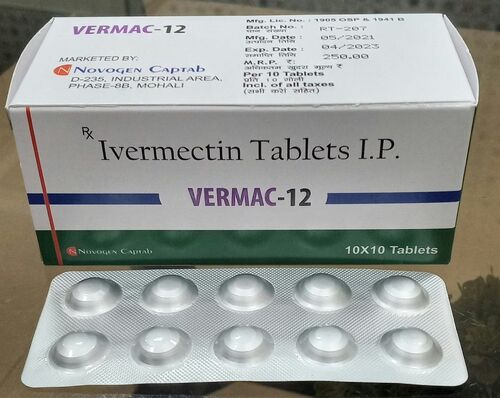

Ivermectin is a broad-spectrum Antiparasitic medication that has become essential in the treatment of various Parasitic Infections. Its discovery dates back to the late 1970s and it was initially developed for veterinary use. Given its remarkable efficacy in humans, ivermectin has since been deployed in large-scale public health initiatives, particularly in regions afflicted by endemic parasitic diseases. The World Health Organization (WHO) has recognized the drug as a critical treatment for diseases such as River Blindness (onchocerciasis) and Lymphatic Filariasis. Its role in global health has been so impactful that ivermectin has contributed to the significant reduction of morbidity related to these conditions, making it a vital tool for infectious disease control.
Mechanism of Action
The pharmacological efficacy of ivermectin stems from its unique mechanism of action. It selectively binds to glutamate-gated chloride channels and GABA Receptors in the Nervous System of Parasites, leading to paralysis and eventual death. This mechanism is so effective that it disrupts the neuromuscular function of susceptible organisms, including nematodes, ectoparasites, and certain arthropods. Ivermectin's ability to penetrate tissues and reach various compartments in the body also enhances its efficacy against various life stages of parasites. Importantly, this targeted action creates a favorable safety profile in humans, which allows for its widespread use without the significant side effects often associated with other antiparasitic agents.
Primary Uses in Parasitic Infections
Ivermectin's therapeutic range primarily includes treating infections caused by several key parasites. One of its most notable applications is in the treatment of Onchocerciasis, or river blindness, which is transmitted by black flies. If left untreated, this disease can lead to devastating visual impairment and skin disorders. In addition to onchocerciasis, ivermectin is effective against Strongyloidiasis, a serious infection caused by the parasitic roundworm Strongyloides stercoralis, known for its ability to persist and cause chronic infections. Moreover, its use in treating Scabies and Pediculosis (lice infestation) showcases its versatility in clinical settings. The recommended dosages vary based on the infection type and patient demographics, highlighting the need for healthcare providers to tailor treatments to individual cases.
Use as a Repurposed Drug
The recent interest in ivermectin extends to its potential as a Repurposed Drug in oncology. Researchers are intrigued by its ability to induce Apoptosis in Cancer Cells, particularly in certain malignancies like Glioblastoma and various forms of Leukemia. Early studies suggest that the drug may affect various cellular pathways responsible for tumor growth and survival, leading scientists to explore its use beyond its conventional antiparasitic applications. Notably, its mechanism of apoptosis induction may open doors to explore adjunct therapies that could enhance the efficacy of traditional cancer treatments.
The Promise in Cancer Treatment
The promise of utilizing ivermectin in Cancer Treatment is compelling due to its established safety profile and affordability. Given the financial burden associated with oncology medications, the idea of leveraging an already-approved drug offers an attractive avenue for expanding treatment options, especially for underprivileged populations. This is critical, considering that many cancer patients in low-income countries lack access to effective therapies. Preliminary studies have also indicated that ivermectin could enhance the therapeutic effects of conventional cancer treatments, potentially leading to improved patient outcomes. By integrating ivermectin into existing treatment frameworks, healthcare systems could offer a valuable complement to standard medical practices, increasing the range of available options.
Clinical Trials and Future Directions
Several Clinical Trials are currently evaluating the role of ivermectin in treating various malignancies. These trials aim to investigate its potential use as a standalone therapy or in combination with established cancer treatment modalities. Some researchers are focusing on conditions like glioblastoma, where rapid proliferation and resistance to conventional therapies pose significant treatment challenges. The findings from these studies will be pivotal in understanding if and how ivermectin can fit into the oncology treatment landscape. Successful outcomes could prompt larger-scale trials and potentially lead to its acceptance as a standard therapeutic approach in certain patient populations.
Concluding Remarks
Ivermectin occupies a unique position at the intersection of antiparasitic efficacy and emerging potential in cancer treatment. The ongoing research and clinical trials hold promise for broadening its applications, but the journey from laboratory findings to practical clinical use in cancer treatment will require rigorous validation. The scientific community must prioritize robust clinical studies to establish precise dosing regimens, evaluate potential side effects, and confirm the drug's effectiveness in varying cancer types. The collaborative efforts of researchers, oncologists, and regulatory bodies will be crucial to navigating these challenges and ensuring that any new uses of ivermectin are based on solid evidence.
Moreover, the real-world implications of introducing ivermectin into oncology are significant. If proven effective, it could serve as a beacon of hope for many patients, particularly in resource-limited settings. This democratization of drug access could meaningfully impact global health, enabling more equitable treatment options for those facing the burden of cancer. The experience gained from implementing ivermectin in public health parlance could serve as a model for future research into other existing drugs that may hold promise in oncology.
To capitalize on the potential of ivermectin, it's vital to foster partnerships between public health initiatives and pharmaceutical companies. Such partnerships could facilitate the streamlined process of drug repurposing, allowing researchers to identify and study existing medications that might serve dual functions. For instance, advancing research in drug delivery systems and optimizing combination therapies could create synergies that may enhance the overall efficacy of cancer treatments, thereby improving patient outcomes.
In summary, the multifaceted roles of ivermectin—a drug originally developed for treating parasitic infections—signal a new chapter in drug development and repurposing. With the growing evidence supporting its influence on cancer cell dynamics, the future could potentially see this drug becoming an integral part of oncology treatment paradigms. Continual investment in research, advocacy for funding, and an emphasis on international collaboration will increase the chances of unlocking the full potential of ivermectin in treating cancer and provide an evidence-based approach that could change patient lives for the better.
As we explore this new frontier of drug repurposing, the medical community will remain vigilant about monitoring and evaluating emerging evidence. Doing so will help ensure that any new applications for ivermectin are both effective and safe, honoring the trust placed in the medical profession for the welfare of patients around the world. As scientific inquiry progresses, the hope is that ivermectin will find its place in clinical protocols not just for parasitic diseases, but also in the crucial fight against cancer, ultimately expanding the arsenal available to clinicians and enriching the lives of countless patients.
See Also
- Rockefeller Quackery
- Fake Science
- Settled Science Treachery
- Fabricated Scientific Consensus
- Cancer
- Cancer Cells
- Turbo Cancer
- Diabolic Cancer Treatments
- Cancer Biopsy
- Chemotherapy Scam
- Metastasis
- Tumor Seeding
- Non-Pharmaceutical Cancer Treatments
- Death Shots
- Death Shots And Cancer
- COVID-19 Death Shots
- COVID-19 Death Shots And Cancer
- The Death Shots Debacle
- Vaccines (Death Shots)
- Vaccines Genocide
- Frequencies
- Body Cells Frequencies
- Frequency Healthcare
- Humans And Earth's Frequencies
- Herbs
- Hacked Humans
- Genome Editing
- CRISPR-Cas9
- Grounding
- Mockingbird Media Operatives
- Propaganda Narrators
- Propaganda Narration
- Mockingbird Media Framework
- Reciprocal Labeling Method (RLM) Of Praveen Dalal
- Information Warfare
- Psychological Warfare
- PsyOps
- Oncology
- Diagnostic Imaging
- Liquid Biopsy
- Personalized Medicine
- Medical Ethics
- Cancer Etiology
- Infectious Carcinogenesis
- Helminth Infections
- Protozoan Diseases
- IARC Carcinogens
- Parasitic Diseases
- Non-Invasive Diagnostics