
Home › Forums › Contemporary Techno Legal Global Issues › Dangers And Fallout Of Trade Deficit Upon An Economy
- This topic has 0 replies, 1 voice, and was last updated 11 months, 3 weeks ago by
ODR India.
-
AuthorPosts
-
November 2, 2025 at 9:46 am #1450
ODR India
Keymaster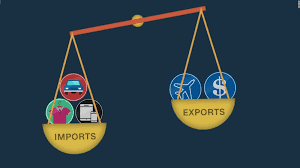
A trade deficit, where a country imports more goods and services than it exports, can pose several economic dangers. These include potential job losses in domestic industries, increased national debt due to borrowing to finance the deficit, and potential currency instability. Furthermore, persistent trade deficits can lead to foreign ownership of domestic assets and create economic vulnerabilities.
Here’s a more detailed breakdown of the dangers:
(a) Job Losses and Economic Slowdown: A trade deficit can lead to job losses in domestic industries that face increased competition from cheaper imports. This can result in a decline in overall economic growth as domestic production and employment decrease. Some economists argue that trade deficits can facilitate the “economic colonisation” of a country, where foreign entities acquire domestic assets and businesses.
(b) National Debt and Reliance on Foreign Capital: To finance a trade deficit, a country often needs to borrow money from other countries or sell assets. This can lead to a buildup of national debt and increased dependence on foreign capital. A country’s financial stability can be at risk if foreign investors lose confidence and withdraw their investments.
(c) Currency Instability and Inflation: Persistent trade deficits can put downward pressure on a country’s currency, making imports more expensive and potentially leading to inflation. Fixed exchange rates can exacerbate these issues, as devaluation of the currency is not possible.
(d) Reduced Economic Sovereignty: Foreign ownership of domestic assets, particularly in strategic industries, can reduce a country’s economic sovereignty and control over its own economy. This can create vulnerabilities if global trade disruptions occur or if foreign investors exert undue influence.
(e) Potential for Economic Instability: The twin deficits hypothesis suggests a link between trade deficits and budget deficits, potentially leading to further economic instability. A country with a large trade deficit may be more susceptible to economic shocks and crises.
(f) Reduced Domestic Investment: A trade deficit can lead to reduced domestic investment as capital flows out of the country to finance the deficit. This can hinder long-term economic growth and development.
(g) Potential for Trade Wars: Large and persistent trade deficits can create tensions between countries and potentially lead to trade wars, harming global trade and economic growth.
In conclusion, a trade deficit can lead to job losses in certain sectors and may indicate an imbalance between a country’s savings and investments. Additionally, large deficits can negatively impact the economy by increasing reliance on foreign capital and potentially weakening the domestic currency.
An inflow of foreign capital, invested unwisely or reversed too quickly, can lead to financial problems and, potentially, recession. Taxes on imports could be levied. The heavy flow of foreign capital may result in foreign investors buying up too many important assets of the deficit-running country.
It must be kept in mind that while trade deficits can have some potential benefits, such as access to cheaper goods and services, it’s crucial to manage them effectively to avoid the significant economic dangers they can pose.
Source: ODR News Portal.
-
AuthorPosts
- You must be logged in to reply to this topic.