
Home › Forums › Techno-Legal Issues Of Artificial Intelligence (AI) › Artificial Intelligence And Human Rights Issues
- This topic has 0 replies, 1 voice, and was last updated 2 months ago by
ODR India.
-
AuthorPosts
-
November 26, 2025 at 3:44 pm #1695
ODR India
Keymaster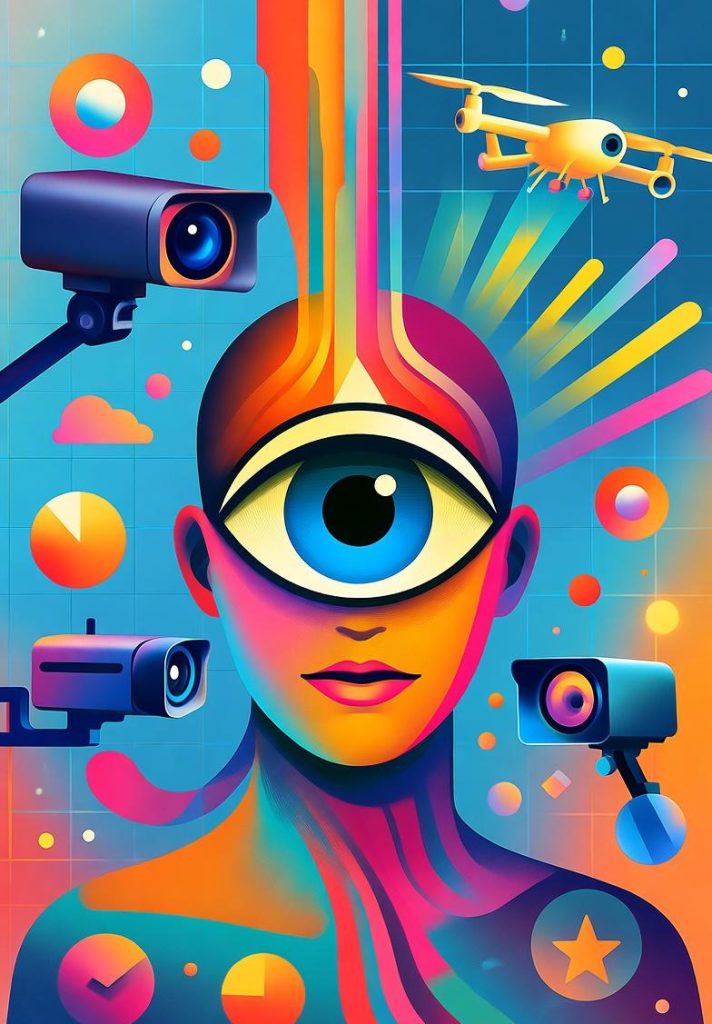
Artificial Intelligence (AI) is transforming multiple sectors including healthcare, criminal justice, and education, but its increasing incorporation into everyday life presents significant human rights challenges. As the use of AI becomes more pervasive, it is crucial to critically evaluate its implications for people’s fundamental rights. From privacy to freedom of expression, the deployment of AI technologies must be scrutinized to ensure that they do not infringe upon basic human dignities.
Privacy Violations
One of the pressing concerns surrounding AI is the issue of privacy violations. AI systems often require access to extensive datasets, which frequently include personal information. These systems can be deployed in surveillance, monitoring individuals without their explicit consent. For instance, facial recognition technology can track individuals in public spaces, raising alarms about the right to privacy. The risk of unauthorized data collection and misuse by corporations and governments poses a significant threat to individuals, chipping away at the protection afforded by privacy laws.
Discrimination And Bias
Another critical issue is the potential for discrimination and bias in AI algorithms. These systems are trained on historical data, which may reflect existing societal inequalities. For example, AI used in hiring processes may unintentionally favor candidates from specific demographics, perpetuating existing biases. Moreover, AI applications in law enforcement have been criticized for targeting marginalized communities disproportionately, leading to unjust scrutiny and interventions. Such biases can result in systemic discrimination, undermining the principle of equality.
Freedom Of Expression
AI also poses risks to freedom of expression, particularly through content moderation systems used by social media platforms. Automated algorithms may misinterpret or misclassify content, leading to the removal of posts that should not be censored. This raises questions about who decides what constitutes acceptable speech and the potential for overreach, where legitimate opinions are silenced. The use of AI in this context can curtail public debate, hindering democratic discourse and the free exchange of ideas.
Autonomy And Decision-Making
The reliance on AI for decision-making processes can undermine individual autonomy. In areas such as criminal justice, AI may assist in determining sentences or parole, leaving individuals at the mercy of algorithms that lack human empathy and nuances. The blind application of AI can result in unjust outcomes, particularly if the system is flawed or biased. This raises ethical dilemmas surrounding the extent to which technology should play a role in critical decision-making that directly affects human lives.
Accountability
Determining accountability in cases where AI fails or causes harm is a complex issue. When an AI system makes a decision that adversely affects an individual’s rights, questions arise about who is responsible: the developers, users, or the AI itself? This ambiguity complicates legal frameworks and hampers the ability of affected individuals to seek redress. Establishing clear lines of accountability is essential for fostering trust in AI technologies and ensuring that individuals can hold entities responsible for harm.
Recommendations For Ethical AI Development
To address the myriad human rights concerns associated with AI, establishing clear guidelines and regulations is paramount. Governments, alongside tech companies, should create comprehensive policy frameworks governing the development and deployment of AI technologies. Promoting transparency within these systems can help stakeholders understand how AI operates, enabling them to identify biases and unfair practices. Involving diverse demographics in the development process can also reduce biases, creating systems that are more equitable.
Public Engagement
Public engagement is critical in shaping the policies surrounding AI and its ramifications for human rights. Encouraging dialogue between affected communities, policymakers, and AI developers can empower individuals to advocate for their rights. Educating the public on the nuances of AI can foster a more informed citizenry that is better equipped to participate in discussions about technology’s impact on society. Building this collective awareness is vital for creating an environment where technology serves to enhance, rather than undermine, human rights.
Conclusion
Addressing the human rights issues linked to AI is essential as we navigate this rapidly evolving technology landscape. By focusing on ethics, accountability, and transparency, stakeholders can work together to ensure that AI is developed and deployed in ways that respect and enhance human rights. Engaging with affected communities and fostering inclusive conversations will be crucial in shaping a future where technology promotes dignity and respect for all individuals, paving the way for a more just and equitable society.
-
AuthorPosts
- You must be logged in to reply to this topic.