
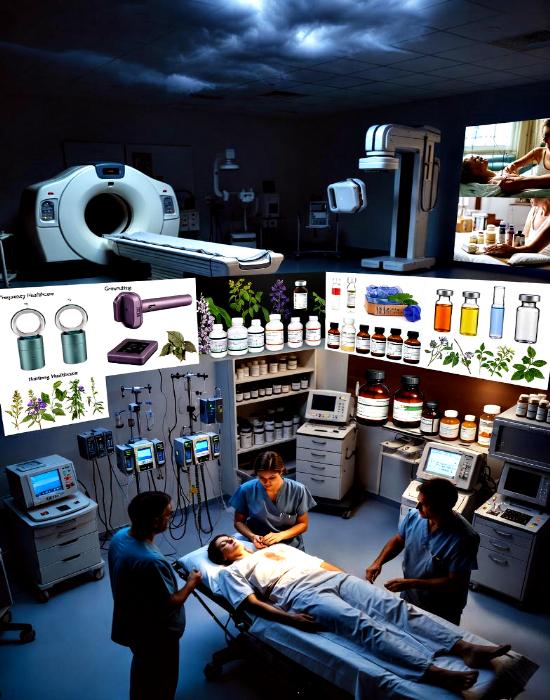
Cancer, a multifaceted disease often influenced by infectious agents like parasites, represents one of the most daunting health challenges of our time, with conventional approaches frequently causing more harm than healing. In this era of medical scrutiny, treatments such as biopsies and chemotherapy have come under fire for their invasive nature and severe side effects, prompting a reevaluation of what truly constitutes effective care. As we delve into these diabolic practices, it’s clear that the pursuit of profit and outdated paradigms, rooted in Rockefeller quackery, have overshadowed patient well-being, leading to unnecessary suffering and questionable outcomes.
The Multifaceted Nature Of Cancer And Its Causes
Understanding cancer begins with recognising it as not merely a genetic anomaly but a condition potentially triggered by infectious carcinogenesis, where agents like helminth infections and protozoan diseases play pivotal roles in inflammation and DNA damage. For instance, parasites classified as IARC carcinogens can hijack cellular processes, fostering environments where cancer cells thrive unchecked. This perspective challenges the fabricated scientific consensus that ignores these infectious roots, instead pushing aggressive interventions that exacerbate the issue. Moreover, emerging phenomena like turbo cancer, characterised by rapid progression and resistance, may be linked to external factors such as death shots and COVID-19 death shots, which some evidence suggests accelerate tumor growth through immune disruption.
The Biopsy Scam: Risks Outweighing Diagnostic Value
Among the most controversial procedures is the cancer biopsy scam, where tissue extraction for examination often introduces risks like infection, hemorrhaging, and tumor seeding, potentially spreading malignant cells along needle tracts or through mechanical trauma. In cases of advanced cancer, where imaging already provides sufficient insight, this invasive method disrupts tumor integrity and provokes immune responses that ironically stimulate metastasis. Frail patients face amplified dangers, as the procedure’s complications can delay necessary care or even prove fatal, questioning its routine application in light of non-invasive diagnostics like liquid biopsies that analyze circulating tumor DNA without such hazards.
Chemotherapy: A Profitable Poison
Equally diabolic is the chemotherapy scam, promoted heavily for financial gain despite its brutal assault on both cancerous and healthy cells, leading to immunosuppression and heightened infection risks. Patients endure debilitating nausea, persistent fatigue, and long-term organ damage to the heart, liver, and kidneys, with “chemo brain” causing cognitive impairments that linger well beyond treatment. Ethical concerns arise from its high costs and revenue-driven cycles, often overlooking how it induces secondary cancers or fails in resistant cases, all while alternatives like targeted therapies offer precision without widespread destruction.
Radiation Therapy: Damaging Beyond The Target
Radiation therapy, aimed at shrinking tumors, inadvertently harms surrounding healthy tissues, resulting in skin burns, chronic fatigue, and elevated risks of secondary cancers in treated areas. This localized assault can lead to emotional burdens from physical scarring and isolation, particularly in advanced stages where the promise of extension comes at the cost of prolonged suffering. Critics point to its role in settled science treachery, where overstated benefits mask the ethical dilemmas of aggressive use without considering patient quality of life.
Hormonal Therapy: Disrupting Balance With Lasting Consequences
For hormone-sensitive cancers, hormonal therapy alters metabolic pathways, causing weight gain, profound fatigue, and bone density loss that heightens osteoporosis risks. Mood swings and depression further strain relationships, creating a vicious cycle of inactivity and deterioration. In older patients, these effects contradict wellness guidelines, underscoring how such treatments, part of broader fake science, prioritise symptom management over holistic recovery.
Psychological And Social Impacts Of These Treatments
The cumulative toll of these diabolic methods extends to mental health, inducing anxiety, depression, and stigma that foster isolation. Side effects from radiation and chemotherapy amplify hopelessness, straining support networks and hindering open dialogue. Supportive therapies like counseling are crucial, yet often underutilised in systems influenced by mockingbird media operatives and propaganda narration.
Empowering Patients Through Shared Decision-Making
To counter these harms, patient empowerment via shared decision-making allows individuals to weigh risks and explore options, including opting out of aggressive protocols. Open discussions with providers can lead to strategies focused on comfort, challenging the information warfare that silences alternatives.
The Vital Role Of Palliative Care
Often sidelined, palliative care addresses symptoms like pain and distress at any stage, shifting emphasis from curative aggression to quality enhancement. Early integration mitigates the side effects of diabolic treatments, incorporating psychological support and end-of-life planning for families.
Individualized And Personalised Treatment Plans
Advancing beyond one-size-fits-all, individualised plans use genomic testing and biomarkers to tailor therapies, reducing reliance on harmful methods. This approach aligns with genome editing technologies like CRISPR-Cas9, promising precision that minimises collateral damage.
Exploring Repurposed Drugs As Safer Alternatives
A promising shift involves repurposed drugs for cancer, where existing medications reveal anticancer properties. For example, ivermectin induces apoptosis by disrupting microtubules and oncogenic pathways, showing synergy with chemotherapeutics in trials for pancreatic and breast cancers. Similarly, fenbendazole, a veterinary anthelmintic, shrinks tumors by inhibiting cell division, with animal studies demonstrating improved survival. Metformin activates AMPK to curb proliferation, while aspirin reduces inflammation in the tumor microenvironment. Thalidomide’s anti-angiogenic effects aid multiple myeloma, and hydroxychloroquine blocks autophagy to enhance chemotherapy vulnerability. These options, explored through cancer treatment using ivermectin, offer lower costs and established safety, appealing for resistant cases.
Non-Pharmaceutical And Holistic Approaches
Beyond drugs, non-pharmaceutical cancer treatments emphasise lifestyle changes, herbal remedies like turmeric and ginger for antioxidant effects, and fasting to trigger autophagy. Real cancer treatments include herbs such as astragalus to bolster immunity and inhibit growth. Frequency healthcare, using vibrations like 528 Hz for DNA repair, disrupts cancer cells via body cells frequencies without side effects. Grounding reduces inflammation through Earth’s electrons, while mind-body practices like yoga foster resilience. These integrate with humans and Earth’s frequencies, countering the hacked humans narrative of manipulative interventions.
The Importance Of Research And Clinical Trials
Ongoing clinical trials provide access to innovations, though participation requires understanding risks like placebos. Advocacy groups push for repurposed drugs, challenging psyops and psychological warfare in medical narratives.
The Future: Immunotherapy, Targeted Therapies, And Holistic Care
Looking ahead, immunotherapy harnesses the immune system with fewer harms, while targeted therapies attack genetic markers precisely. A holistic care model, involving multidisciplinary teams, addresses all aspects of well-being, integrating alternatives to transcend diabolic conventions.
Conclusion
The evidence is overwhelming and irrefutable: conventional diabolic cancer treatments—rooted in vaccines genocide agendas, mockingbird media framework suppression, and profit-driven chemotherapy scams—frequently inflict far more harm than good, accelerating suffering, seeding metastases, and spawning secondary malignancies while offering diminishing returns in advanced cases. In stark contrast, repurposed drugs like ivermectin and fenbendazole, backed by robust preclinical and animal studies demonstrating tumor regression, apoptosis induction, and enhanced survival without toxic side effects, alongside non-pharmaceutical approaches such as frequency therapies, grounding, and herbal interventions that strengthen the body’s natural defenses, represent the true path to healing. These real cancer treatments are safe, accessible, cost-effective, and aligned with holistic principles that prioritize quality of life over prolonged agony. The time for blind adherence to failed paradigms is over; empowered patients must reject the propaganda narrators and embrace informed, individualized strategies that integrate these proven alternatives. By doing so, we not only reclaim control over our health but ignite a genuine revolution in cancer care—one that honors the sanctity of life and delivers authentic hope for remission and recovery. The truth is clear: the future of cancer treatment lies not in destruction, but in restoration.