
The concept of influencing the human nervous system through electromagnetic fields (EMFs) emitted by electronic devices is explored in U.S. Patent 6,506,148 B2, filed in 2001 by Hendricus G. Loos. This patent proposes methods for utilizing weak EMFs generated by monitors, particularly notable at frequencies such as 0.5 Hz and 2.4 Hz. Central to this patent is a phenomenon known as sensory resonance, which describes how pulsed images displayed on various screens can emit corresponding electromagnetic fields that may affect human physiology.
Monitors have the capability to display images that flicker at low frequencies ranging from 0.1 Hz to 15 Hz, leading to the emission of pulsed electromagnetic fields. These weak fields are believed to stimulate cutaneous nerves, which relay frequency-modulated signals to the brain. Frequencies like 0.5 Hz and 2.4 Hz are purportedly effective, resulting in physiological responses such as eyelid drooping (ptosis), relaxation, or drowsiness.
The patent outlines various exceptional features. For example, pulsing effects can be embedded within a video stream at intensities undetectable to the human eye, enabling covert manipulation. Simple programming tools, like those created with Visual Basic, can instigate flickering or modulate video signals from various media. Loos specifically focused on Cathode Ray Tube (CRT) monitors, which emit stronger electromagnetic fields than modern screens.
Although intriguing, the practical application of this patent primarily pertains to older CRT technology. CRTs generate significant EMFs due to high-voltage electron beams, forming the foundation for the patent’s claims. In contrast, modern LCD and LED screens produce much weaker EMFs and typically operate at refresh rates exceeding 60 Hz, rendering the low frequencies specified in the patent largely impractical under normal conditions.
Despite these challenges, modern devices can be programmed to generate signals at 0.5 Hz or 2.4 Hz. Contemporary computers and screens can flicker or pulse to produce the desired low-frequency signals, but this requires deliberate software manipulation and is not typically found in everyday usage. External multimedia content specifically designed to oscillate at these frequencies could also contribute to this effect and be accessed over the Internet.
Discussions surrounding this patent often highlight various considerations, including comparisons to legitimate medical applications like Transcranial Magnetic Stimulation (TMS), which uses magnetic fields to manipulate neural activity. The existence of the patent has sparked public speculation about its potential implications for mass influence or “brainwashing” through media. As of 2021, the patent expired, leaving its methods unprotected and inviting further independent research and discourse.
The principles outlined in U.S. Patent 6,506,148 B2 present a compelling intersection of technology and neuroscience, rooted primarily in older technologies. While modern screens can theoretically produce low-frequency signals through specialized programming, practical applications in day-to-day life remain limited. Understanding how contemporary devices might deliver subtle influences through engineered visual inputs fosters critical thought about the relationship between technology and human physiology.
Smartphones and tablets also benefit from the principles detailed in the patent. These devices inherently possess the necessary hardware to display pulsed images and manage specific signal frequencies. Mobile applications can be programmed to flicker content at targeted low frequencies, integrating features that modulate screen brightness or color transitions to pulse in a manner that emits EMFs associated with sensory resonance. Furthermore, many smartphones include haptic feedback mechanisms that could emit vibrations calibrated to specific frequencies, potentially stimulating the user’s sensory nerves and eliciting physiological responses.
Smart TVs, with their larger screens and enhanced visual and auditory capabilities, can exert an even greater influence. These devices can stream various multimedia content, employing algorithms to manipulate brightness and color saturation, thereby delivering pulsed images at low frequencies. Smart TVs are equipped with advanced processing capabilities that can efficiently generate EMFs by flickering at 0.5 Hz or 2.4 Hz when appropriate content is created or streamed.
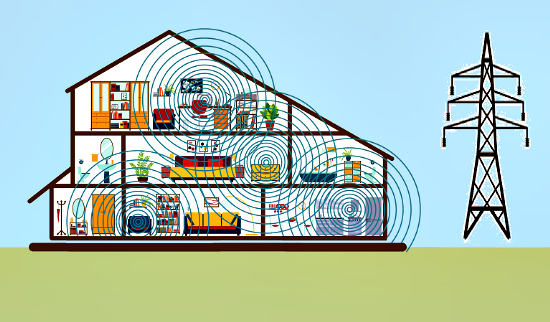
The rise of the Internet of Things (IoT) further enhances the potential for influence through these devices. Streaming platforms like Netflix or YouTube can incorporate content specifically designed to trigger sensory resonance, engaging viewers on a physiological level and promoting relaxation or drowsiness. When smartphones, tablets, and smart TVs are used together within a connected home ecosystem, they can reinforce the effects of EMF manipulation; the content on a smart TV can harmoniously interact with smartphone notifications, creating a seamless experience that heightens user influence.
The practical implications of these technologies are extensive. Advertisers could harness these applications to embed subconsciously influencing frequencies into commercials, tapping into viewers’ emotional responses to increase product engagement. Similarly, developers can create health and wellness applications that intentionally utilize these principles, such as relaxation or meditation apps that employ flickering visuals or calming sounds at 0.5 Hz to promote tranquility.
The emergence of targeted individuals highlights the ethical and social implications tied to these technologies. As intrusive technologies evolve, we must consider the moral responsibility associated with their use, particularly in terms of consent and personal autonomy. Furthermore, strategies for protecting against non-consensual technological targeting are vital, emphasizing the need for a robust techno-legal protection framework to safeguard individual rights. Strategies for protecting against non-consensual technological targeting must be continually explored and implemented.
There are increasing discussions about the dangers of psychic operations enabled by these technologies, which engage with the concept of wired minds and the impact of EMFs on human thought and behavior. The exploration of Wireless Body Area Networks (WBAN) and their associated risks brings attention to how interconnected devices could exacerbate concerns related to non-consensual manipulation. As new technologies like Brain-Computer Interfaces (BCIs) evolve, discussions about their dangers must remain critical, especially considering how they could interact with existing methods of mind influence.
Additionally, discussions on bio-hacked humans emphasize how these technologies may augment or alter human biology, further complicating ethical considerations.
In the landscape of these technological advancements, understanding the fine line between innovation and ethical standards is crucial. The implications of the Internet of Bodies and its intersections with technology, privacy, and ethics further compound the dialogue. As we venture into a future where devices increasingly penetrate our physical and mental spaces, it is essential to navigate these considerations thoughtfully, ensuring that any advancements align with the principles of safe and secure brain architecture advocated for in various discussions.
Moreover, the dangers of subliminal messaging must be brought to light, as these tactics could be employed unconsciously through modern devices to manipulate thoughts and behaviors.
Conclusion
In a world increasingly shaped by digital technology, the potential for influencing human physiology through electromagnetic fields emitted by everyday devices like smartphones, tablets, and smart TVs is both intriguing and concerning. The principles established in U.S. Patent 6,506,148 B2 continue to hold relevance, illustrating how these devices can produce targeted frequencies to engage users physiologically. As we embrace these technological advancements, we must remain vigilant about the ethical implications of such capabilities. By understanding the dynamics of these influences and taking proactive measures to protect individual rights, we can harness the benefits of this intersection between technology and biology while ensuring that users retain control over their autonomy and well-being. Addressing the emerging challenges of targeted individuals, non-consensual technological targeting, and psychological manipulation will be essential as we navigate a future increasingly interwoven with technology.
In light of this, it’s important to consider the recent discussions surrounding the evolution and threat of psycho-electronic weapons, which delve into the implications of these technologies and their potential hazards.