
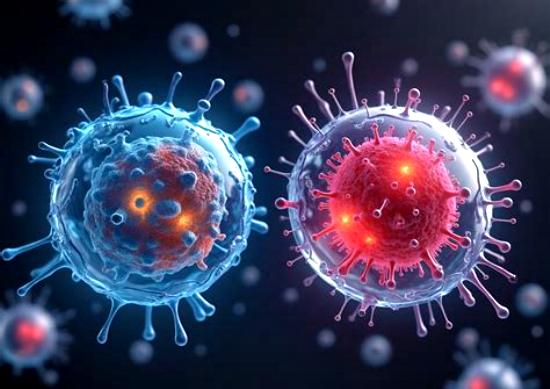
Cancer is increasingly viewed as a metabolic disease, emphasizing distinct differences in how cancer cells derive energy compared to normal cells. One key aspect is the Warburg effect, where cancer cells rely on aerobic glycolysis—converting glucose into lactate even in the presence of oxygen—rather than primarily using oxidative phosphorylation. This metabolic shift enables rapid energy production and the synthesis of necessary cellular components, facilitating uncontrolled growth. For a comprehensive overview of cancer’s biological and metabolic characteristics, you can visit Cancer.
Understanding The Warburg Effect
The Warburg effect represents a fundamental change in how cancer cells handle energy metabolism. While healthy cells typically prefer oxidative phosphorylation to generate ATP efficiently in the presence of oxygen, cancer cells skew towards aerobic glycolysis. This means they prioritize the conversion of glucose to lactate even when oxygen is available, allowing them to rapidly generate ATP and utilize intermediates from glycolysis for biosynthesis, promoting cell division and tumorigenesis.
Dr. Thomas Seyfried is a prominent researcher in the field of cancer metabolism, advocating for a view of cancer primarily as a metabolic disease rather than merely a genetic one. This perspective largely aligns with the Warburg Effect, which describes the phenomenon where cancer cells preferentially utilize aerobic glycolysis over oxidative phosphorylation. Both Seyfried and the Warburg Effect highlight the critical role of the metabolic environment in tumor growth and survival, emphasizing that understanding these metabolic pathways is essential for developing effective cancer therapies.
In light of this understanding, Seyfried strongly advocates for the Ketogenic Diet as a potential therapeutic approach to cancer treatment and one of the Non-Pharmaceutical Cancer Treatments. He posits that by significantly reducing glucose and insulin levels, a ketogenic diet can effectively starve cancer cells of their primary energy source, making it challenging for them to grow and proliferate. While he acknowledges the anecdotal evidence and some preclinical studies supporting the diet’s efficacy, he stresses the need for more rigorous clinical trials to validate these claims and examine the metabolic vulnerabilities of cancer cells.
Seyfried is critical of conventional cancer therapies such as chemotherapy and radiation, arguing that they often fail to address the underlying metabolic dysfunction driving cancer growth. He contends that these treatments primarily target rapidly dividing cells but do not sufficiently engage with the metabolic adaptations that cancer cells employ to survive and thrive. According to Seyfried, chemotherapy and radiation can even exacerbate the problem by creating selective pressures that allow more aggressive cancer cell variants to emerge. He believes that these traditional methods, while they may offer temporary reductions in tumor size, do not tackle the root causes of cancer and often lead to recurrence.
In contrast to these conventional treatments, Seyfried’s emphasis on metabolic interventions like the ketogenic diet presents a paradigm shift in approach. He suggests that a focus on metabolic vulnerabilities may offer more effective strategies for long-term management of cancer, potentially improving patient outcomes and quality of life. This perspective encourages a more holistic understanding of cancer’s nature, guiding researchers and clinicians toward strategies that integrate dietary changes, metabolic research, and potentially innovative therapies that address the unique metabolic profiles of individual tumors.
In summary, Seyfried’s holistic vision of cancer treatment, rooted in understanding metabolic pathways, not only complements the insights provided by the Warburg Effect but also critiques the limitations of traditional therapies. His advocacy for the ketogenic diet and metabolic approach challenges the status quo in oncological treatment, urging further exploration of these avenues to provide more effective and sustainable cancer care.
Implications For Treatment
Viewing cancer as a metabolic disease has significant implications for treatment. It opens avenues for targeted therapies that disrupt the unique metabolic pathways utilized by cancer cells while sparing normal cells. Such strategies may minimize collateral damage, improving the quality of life for patients receiving treatment.
The discussion of how poor body metabolism can lead to cancer provides essential insights into potential preventive measures, which can be further explored at Poor Body Metabolism As A Cause Of Cancer. This perspective can inform both public health strategies and individual action plans geared towards maintaining metabolic health.
Dietary Interventions And Nutritional Therapy
This perspective also encourages research into dietary interventions that may support cancer treatment by limiting the substrates available for tumor metabolism. Emerging diets like the ketogenic diet have gained attention as potential therapeutic strategies. The ketogenic diet emphasizes high-fat and low-carbohydrate intake, leading to a state of ketosis where the body uses ketones as an energy source, potentially starving tumor cells of glucose.
For detailed information on the ketogenic diet’s implications for cancer treatment, you can refer to two insightful articles: Ketogenic Diet and Ketogenic Diet as a Cure and Treatment for Cancer. These studies explore the metabolic shifts induced by dietary changes and their potential efficacy in slowing tumor growth.
Personalized Medicine And Drug Repurposing
The understanding of cancer metabolism opens new avenues for personalized medicine, which tailors treatment strategies based on the specific metabolic pathways active in an individual’s tumor type. This approach enhances the likelihood of successful outcomes by targeting the cancer’s unique vulnerabilities.
Additionally, the potential of repurposed drugs in cancer treatment is gaining traction. Many existing medications may have off-label uses that target metabolic pathways in cancer cells, providing promising avenues for research and clinical application. This evolving field can be explored further at Repurposed Drugs for Cancer Treatment.
Multidisciplinary Approaches In Cancer Research
While understanding cancer metabolism provides valuable insights, it is essential to recognize that cancer is a multifaceted disease influenced by genetic, epigenetic, and environmental factors. For instance, 5G radiations can cause many different types of cancer. Birth control pills are now believed to carry carcinogenic elements that can cause cancer. The list is just endless as there are many more technological and non-technological things that can cause cancer in our day to day lives. Unraveling the Warburg effect reveals implications for cancer prevention and treatment through innovative approaches, as outlined in Unraveling the Warburg Effect.
A holistic approach that integrates multiple disciplines—comprising biochemistry, genetics, nutrition, and medical interventions—is crucial for advancing the diagnosis and treatment of cancer. By adopting a multifactorial lens, scientists and clinicians can better understand cancer dynamics, leading to groundbreaking therapies that improve patient outcomes and enhance our understanding of this complex disease.
Roles Of TLFGCT And TLFPGVG
The Techno-Legal Framework for Global Cancer Treatment (TLFGCT) plays a pivotal role in enhancing global efforts towards effective cancer treatment. By developing universally accepted protocols, it ensures that patients receive optimal care regardless of their geographic location. The TLFGCT fosters international collaboration, enabling the sharing of cutting-edge research, therapies, and medical devices, making advanced treatments accessible to more people. It emphasizes regulatory compliance, ensuring that new cancer therapies meet stringent safety and efficacy standards while promoting quicker approvals for innovative treatments. A crucial aspect of the TLFGCT is its focus on patient rights, guaranteeing equitable access to treatments and empowering individuals to make informed healthcare decisions.
In contrast, the Techno-Legal Framework to Prevent Global Vaccines Genocide (TLFPGVG) primarily focuses on vaccine distribution and safety but has significant implications for cancer treatment, particularly in public health and disease prevention. By addressing legal and technological gaps in vaccine programs, it enhances public health infrastructure, mitigating cancer risks associated with Death Shots. This framework ensures vaccine interventions are ethically sound and respect individual rights, fostering public trust in medical practices.
The interlinking roles of both frameworks highlight the importance of a holistic approach to cancer treatment and prevention. By integrating legal, ethical, and technological considerations, they encourage an innovative climate while emphasizing patient safety and accessibility. This dual focus ensures that cancer treatment evolves alongside broader public health initiatives, promoting a comprehensive strategy for combating cancer and related diseases.
Conclusion
The Techno-Legal Framework for Global Cancer Treatment (TLFGCT) and the Techno-Legal Framework to Prevent Global Vaccines Genocide (TLFPGVG) represent crucial pillars in the fight against cancer, each addressing different yet complementary aspects of healthcare and public health policies. The TLFGCT is instrumental in establishing standardized protocols for cancer treatment worldwide, promoting equitable access to innovative therapies irrespective of geographic barriers. By fostering international collaboration and expediting the sharing of advanced research and technology, it ensures that all patients can benefit from novel cancer treatments.
In contrast, the TLFPGVG enhances public health initiatives aimed at reducing cancer risks by addressing complexities in vaccine safety and dissemination, particularly concerning severe side effects of Death Shots and their Turbo Cancer causing roles.
Together, these frameworks highlight the necessity of a holistic approach to cancer treatment and prevention. By combining legal, ethical, and technological considerations, they create a conducive environment for innovative healthcare solutions. Embracing the perspective of cancer as a metabolic disease within these frameworks empowers stakeholders—researchers, clinicians, policymakers, and patients—to collaborate effectively toward common healthcare goals, ultimately promoting a global commitment to combat cancer and safeguard public health.