
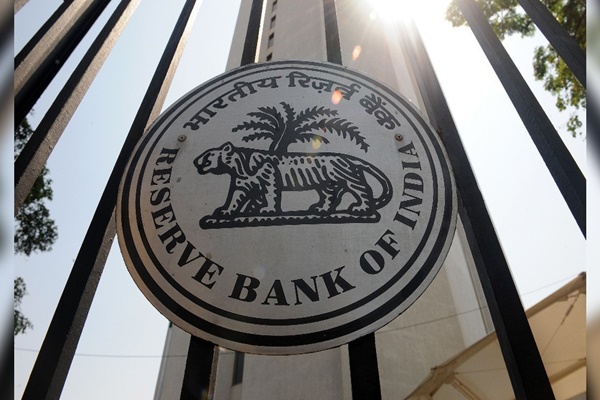
The Reserve Bank of India (RBI) recently launched a decisive offensive against the systemic risks fueling the nation’s derivatives market, targeting the very foundation of proprietary trading: cheap bank credit. For years, prop traders operated on a model of extreme leverage, using bank-funded guarantees to command massive positions in the futures and options (F&O) segments. By fundamentally altering the rules of how banks could lend to these intermediaries, the RBI sought to decouple the safety of the banking sector from the volatility of speculative trading, effectively demanding that traders put their own skin in the game rather than relying on the deposits of ordinary citizens.
At the heart of this regulatory strike was a ban on direct financing for the acquisition of securities. The RBI recognized a dangerous trend where banks were essentially providing “fuel” for speculative fires, offering loans that were specifically earmarked for proprietary bets. By cutting off this direct pipeline, the central bank aimed to ensure that trading activity was driven by actual capital rather than borrowed liquidity. This was not merely a tweak in lending rates but a structural prohibition designed to force a shift in the entire business model of the Indian proprietary trading ecosystem.
The most disruptive element of the new regime, however, was the overhaul of Bank Guarantees (BGs). In the old system, a trading firm could secure a massive BG from a bank by pledging a small amount of cash and relying on the personal guarantees of the firm’s promoters for the remainder. This allowed traders to post these guarantees at the exchange as margin, enabling them to trade volumes far exceeding their actual cash reserves. The RBI dismantled this privilege, mandating that BGs now be backed by 100% eligible collateral, with a strict requirement that at least 50% of that collateral be held in cold, hard cash.
The primary catalyst for this aggression was the alarming growth of India’s derivatives market, which had evolved into one of the most active and speculative hubs globally. The notional value of derivatives had ballooned to a point where it dwarfed the underlying cash market, creating a precarious imbalance. The RBI feared that a sudden, sharp market correction could trigger a chain reaction: traders would face massive margin calls, their bank guarantees would be liquidated, and the resulting losses would bleed directly into the banking system, potentially threatening financial stability.
Beyond systemic risk, the RBI was concerned with the ethics of credit allocation. When banks provide massive credit lines to a handful of high-frequency traders or prop desks, it creates a “crowding out” effect, where credit that could have gone to productive industries—like manufacturing or infrastructure—is instead diverted into zero-sum speculative bets. By curbing this funding, the regulator intended to redirect the flow of capital toward the real economy, ensuring that the banking sector’s primary role remained the support of economic growth rather than the facilitation of financial gambling.
Despite the perceived severity of these rules, the industry did not collapse as many analysts predicted. The “striking impact” was avoided largely due to the RBI’s decision to allow grandfathering. By applying the new collateral rules only to new or renewed guarantees, the regulator provided a critical grace period. Traders were not forced to liquidate their positions overnight; instead, they could continue operating under their existing guarantees until they expired, effectively turning a potential cliff-edge drop into a gradual slope of adjustment.
To survive the transition, the most sophisticated prop firms engaged in a rapid diversification of their funding sources. Recognizing that the era of cheap bank credit was over, these firms pivoted toward the corporate bond market, issuing their own debt to raise the capital necessary to meet the new 50% cash collateral requirements. This shift effectively moved the risk from the regulated banking sector to the institutional investor market, where the lenders are better equipped to price the risks associated with proprietary trading.
Additionally, many traders utilized strategic extensions of their existing bank guarantees to buy more time. By negotiating with banks to push back expiration dates, they delayed the moment they would have to face the new, more stringent collateral rules. This tactical maneuvering, combined with a general increase in internal capital contributions from promoters, allowed the larger desks to maintain their market presence without a significant reduction in their trading volumes or strategy execution.
Interestingly, the RBI’s curbs created a skewed competitive landscape, inadvertently favoring foreign high-frequency trading (HFT) firms. Because these global entities operate under different jurisdictional rules and can obtain standby letters of credit from their international parent companies, they were largely immune to the domestic bank funding restrictions. This allowed foreign players to maintain their leverage and agility while domestic firms were forced to undergo a painful and expensive deleveraging process to comply with the new mandates.
Ultimately, the National Stock Exchange (NSE) concluded that the impact was not “striking” because the market’s largest players were resilient enough to adapt. While smaller, under-capitalized firms were likely squeezed out, the overall liquidity of the Indian markets remained intact. The RBI succeeded in its goal of reducing systemic risk and curbing excessive leverage, but the prop trading industry proved that with enough ingenuity and alternative funding, it could survive the transition from a credit-driven era to a capital-backed one.