Oppressive Laws Annihilation Theory (OLA Theory)

The Oppressive Laws Annihilation Theory (OLA Theory), articulated by Praveen Dalal, the Founder and CEO of Sovereign P4LO and PTLB, provides a compelling framework for understanding and addressing legal systems marked by oppression and injustice. At its core, the theory posits that laws which are overtly oppressive, unjust, and cruel should be met with rejection and disobedience by the populace, especially those most affected. This concept not only challenges existing legal paradigms but also invites a deeper ethical dialogue about the nature of justice, human rights, and moral responsibility in governance.

It has many components, aspects and constituents, including Stupid Laws And Moronic Judges Theory (SLMJ Theory), AET, Men Women PsyOp Theory, Alimony, Custody and Maintenance Laws, Tax Extortion, Techno-Legal Magna Carta, Sovereign P4LO Norms, etc, that would be discussed by us one by one in our subsequent articles.

The first element of the theory revolves around the process of identifying oppressive laws. Dalal emphasizes that these laws often infringe upon basic human rights and dignity, making it imperative to scrutinize legal statutes. This identification is crucial as it lays the groundwork for collective action. By bringing awareness to such laws, communities can galvanize support and create a united front against systemic injustices. The identification process requires active engagement, where individuals assess the implications of laws on their lives and the lives of others, fostering a greater sense of awareness regarding societal structures.

Next, the theory introduces a moral imperative for action against these oppressive laws. Dalal argues that passive acceptance equates to complicity in the oppression, thus encouraging individuals to take a stand. This moral obligation is essential in cultivating civic courage, where citizens feel empowered to challenge injustices. The concept of moral duty not only underscores the ethical dimensions of law but also serves as a catalyst for personal and communal transformation. By framing disobedience as an ethical choice, Dalal shifts the narrative from mere resistance to a proactive stance of justice.

The theory also stresses the importance of community mobilization in combating oppressive laws. Dalal suggests that disobedience should transcend isolated acts, evolving into a collective movement. This notion of solidarity becomes essential, particularly for those directly impacted by cruel legislation. Community mobilization creates a sense of collective strength and shared purpose, allowing voices that have been marginalized to be amplified. Historical examples of successful collective resistance highlight how unity among the oppressed can lead to significant social and legal reforms, thereby reinforcing the theory’s foundational beliefs.

In discussing the rationale behind the theory, Dalal brings attention to historical movements that have effectively challenged oppressive laws through civil disobedience. The Civil Rights Movement in the United States serves as a pivotal example, showcasing how collective action can dismantle discriminatory legal structures. The historical context is not merely a reference point; it acts as a beacon of hope that highlights the potential for societal change through moral courage. By reviewing these precedents, Dalal argues for the legitimacy and necessity of challenging unjust laws, suggesting that history favors those who stand firmly on the side of justice.

Moreover, the theory places significant emphasis on the empowerment of disenfranchised groups. Many individuals face insurmountable barriers in navigating complex legal systems, which often render them voiceless. Dalal advocates for the active disobedience of oppressive laws as a means of reclaiming agency. By promoting civil disobedience, the theory aims to empower those whose rights and dignity have been undermined. The act of resisting oppressive legislation becomes a powerful statement of self-advocacy, wherein individuals assert their rights and demand justice, thereby fostering a sense of agency and self-worth.

Another critical aspect of the Oppressive Laws Annihilation Theory is the notion of transforming justice. The theory endeavors not only to reject oppressive laws but also to incite significant reforms within the legal and social frameworks. By actively opposing unjust laws, communities can drive a narrative that seeks a just and equitable society. This transformative vision extends beyond mere resistance; it encompasses the radical reimagining of legal systems that are more inclusive, fair, and just. This transformational aspect of the theory provides a roadmap for individuals and communities who seek not just to challenge oppression but to forge a new path toward a more just society.

Yet, the theory also raises important legal consequences that come with civil disobedience. Engaging in acts of defiance against the law inevitably carries legal repercussions, creating a complex dilemma for individuals. While acknowledging these risks, Dalal argues that the moral high ground of resisting injustices outweighs the potential penalties. This perspective cultivates a broader discourse about the role of law in society and invites individuals to reconsider the legality of actions versus their ethical implications. By placing moral responsibility above legal compliance, the theory challenges individuals to evaluate their actions thoughtfully.

Additionally, this discourse leads to the ethical dilemmas faced in navigating between legality and morality. Determining what constitutes an oppressive law can be subjective and contentious. Dalal recognizes that these ethical tensions are inherent in the theory’s framework, yet they are also vital in enabling robust discussions around justice and governance. This complexity encourages critical engagement from societies, allowing diverse perspectives to emerge about what oppression entails, ultimately enriching the discourse surrounding law and ethics.

Moreover, a challenge that arises from the theory is the potential for societal fragmentation. While mass disobedience can serve as a powerful tool for change, it can also lead to divisions within communities if not managed effectively. Disagreement over which laws to oppose or the methods of resistance may create rifts among individuals and groups who otherwise share common interests. Dalal emphasizes the importance of unity in purpose and method to avoid chaos. A collaborative approach, built on clear communication and shared values, is essential for maintaining cohesion while advocating for justice. This collaboration fosters an environment where collective strength can effectively challenge oppressive systems without devolving into internal conflict.

In conclusion, the Oppressive Laws Annihilation Theory articulated by Praveen Dalal offers a profound insight into the ethical responsibilities of individuals and communities when confronted with unjust laws. By asserting that such laws should be openly rejected, discarded, and disobeyed, the theory elevates moral courage above passive compliance. It emphasizes the significance of community mobilization, historical precedents, and the empowerment of disenfranchised voices in the struggle for justice. Through collective action, individuals can not only challenge oppressive systems but also catalyze transformative change within societal structures. Ultimately, Dalal’s theory not only justifies disobedience as a response to legal oppression but also serves as a clarion call for moral responsibility, urging individuals to stand firm against injustice in pursuit of a more equitable society.

Men Women PsyOp Theory

Men Women PsyOp Theory is a concept articulated by Praveen Dalal, the Founder of Sovereign P4LO and PTLB. This theory emerges from a complex backdrop involving psychological manipulation and societal engineering, primarily orchestrated by entities like the New World Order (NWO) and the Deep State. The theory seeks to explain how gender dynamics are being subtly yet profoundly influenced by orchestrated psychological operations (PsyOps) that fracture relationships between men and women, ultimately leading to societal disintegration. At its core, the theory asserts that the manipulation of gender narratives fosters discord, which serves higher political and economic agendas.

Foundations Of The Theory

The theory’s essence lies in recognizing the PsyOps targeting gender narratives, notably through the Masculine PsyOp Theory and the Feminism PsyOp Theory. The Masculine PsyOp depicts men as victims of an oppressive social structure, perpetuating feelings of inadequacy and frustration. In contrast, the Feminism PsyOp portrays feminism as a tool for manipulation rather than genuine empowerment, creating a sense of betrayal among women who seek equality. As Dalal posits, these narratives serve to establish a zero-sum game perspective where one gender’s gain is invariably perceived as the other’s loss. This intentional division erodes social cohesion and challenges the bedrock of familial bonds, pushing individuals towards extreme individualism at the expense of community ties.

Ancient Roots Of The PsyOp

Many of these manipulative tactics find their roots in historical propaganda efforts, dating back centuries. The great feminism PsyOp, for instance, has distorted the narrative surrounding women’s domestic roles, presenting them as mere chains of oppression to drag women into the workforce en masse. This systematic shift not only inflated economic demands but also destabilized traditional family structures that once provided emotional stability. By encouraging women to abandon the home for the corporate world, the PsyOp aimed to institutionalize child-rearing, thereby severing emotional bonds between parents and their children. This historical perspective adds layers of complexity, suggesting that these manipulative tactics are neither new nor isolated, but rather part of a broader societal evolution.

The Masculine PsyOp: A Counterpart

Conversely, the Masculine PsyOp adopts techniques reminiscent of Cold War-era propagandas, employing fear and manipulation to drive wedges between genders. By instilling feelings of superiority and victimhood, men are led to perceive women as adversaries rather than partners. The media perpetuates this narrative through sensationalized portrayals of conflicts, often demonizing masculinity itself. Journalists and influencers, often acting as unwitting conduits of these narratives, propagate an aggressive rhetoric that alienates men from women and each other. This operation encompasses social proof and confirmation bias, effectively shaping public perception and responses, ultimately disconnecting individuals from real evidence that aims to foster understanding and cooperation.

Bio-Hacking And Surveillance

At the heart of this agenda lies the intent to cultivate bio-hacked humans capable of serving elite interests. Technologies like CRISPR, directed energy weapons, and electromagnetic manipulation create psychological and physiological effects that enhance compliance, suppress dissent, and blur the lines of personal autonomy. The transformation into bio-hacked subjects threatens the very essence of personal relationships, where traditional roles are phased out for algorithmically programmed counterparts. This unsettling shift aligns with Deep State goals for social control, positioning women and men not as partners but as interchangeable units within a grand socio-economic machine, fostering a society that values productivity over human connection.

Societal Consequences: Fragmentation And Fear

The PsyOp manifests in alarming societal shifts, including rising divorce rates, delayed marriages, and increasing numbers of individuals choosing to remain single. The relentless focus on personal success over relational commitment fosters emotional detachment and instability. As attachment to traditional family units weakens, a new cultural paradigm emerges, one where the acceptance of robotic partners becomes normalized as a substitute for genuine human intimacy. This phenomenon not only commodifies relationships but also reflects a growing inclination towards technologically mediated companionship, which may promise efficiency but lacks the emotional depth and mutual understanding that characterize meaningful human relationships.

The Truth Revolution: Resisting The PsyOps

In response to these alarming trends, movements like the Truth Revolution of 2025, spearheaded by Dalal, aim to counteract the manipulative narratives propagated by these PsyOps. Utilizing tools of media literacy, transparency, and community engagement, this initiative encourages cultural awakening. By equipping individuals with the skills to identify psychological manipulation, the movement seeks to restore genuine human connections that transcend engineered differences. Educational programs focused on critical thinking empower participants to sift through the barrage of misinformation, actively combating the narratives that drive a wedge between genders.

Long-Term Challenges And Elite Interests

However, this passionate resistance is not without its challenges. The fragmented landscape leaves ample room for exploitation by ruling elites, perpetuating control through narratives that glorify division and distrust. The psychological vulnerabilities amplified by these PsyOps serve as tools for maintaining societal chaos, while external events—like various plandemics—further entrench these divisions. These events create a climate of fear and instability, making individuals more susceptible to accepting authoritarian measures that promise safety and security. The historical repetition of such manipulations mirrors patterns seen in totalitarian regimes, where society is kept in disarray to facilitate control by a select few.

This manipulation exploits the emotional volatility triggered by societal changes, leading to what some analysts describe as identity crises among both men and women. As individuals grapple with these shifts, they often seek solace in extremist ideologies that promise clear-cut solutions. This further diminishes the chances of open dialogue and understanding between genders, as both sides retreat into echo chambers that reinforce their fears and biases. The result is a populace more easily manipulated by those wielding power—whether they be political leaders, media moguls, or corporate interests.

Navigating Complexity And Future Outlook

As the Men Women PsyOp of 2026 unfolds, it embodies a confluence of old tactics and innovations. The recognition of these strategies is crucial for developing a nuanced understanding of contemporary gender relations. To effectively navigate this complex landscape, awareness must expand beyond individual grievances to encompass a collective response. By challenging entrenched narratives and providing alternative perspectives, society can begin to dismantle the structures of division. This evolution requires a concerted effort from various fronts—educational institutions, community organizations, and grassroots movements.

Engagement is essential, encouraging dialogue based on empathy and mutual respect. Men and women need to recognize that their struggles, while shaped by external narratives, are not inherently antagonistic. Building partnerships founded on cooperation rather than competition could facilitate the redefinition of gender roles, promoting a vision of equality that allows for both masculine and feminine strengths to coexist harmoniously. This reimagined understanding could pave the way for healthier relationships and stronger communities, fostering connections that transcend divisive narratives.

Conclusion: A Call For Awareness

The discourse surrounding the Men Women PsyOp Theory positions it as a critical lens through which contemporary gender relations can be examined. Praveen Dalal’s battle against these psychological operations provides a blueprint for resisting manufactured divisions. By fostering dialogue, promoting transparency, and engaging in collective awareness, humanity stands a chance to reclaim authentic relationships before manipulation by technology and ideology solidifies into a dystopian future.

Reclaiming these relationships also necessitates a re-evaluation of social structures and policies that perpetuate gender stereotypes. Efforts must be made to challenge institutional biases and promote equal opportunities in all sectors, enabling both men and women to thrive alongside one another. This road to recovery is not merely aspirational; it’s essential for safeguarding the integrity of personal connections against the backdrop of pervasive PsyOps.

As we advance into an era characterized by rapid technological change and social upheaval, remaining vigilant against these manipulative forces will determine not just the future of gender relations, but the health of society itself. Only through concerted efforts can we dismantle the engineered divisions, paving the way for a future built on understanding, respect, and unity.

Masculine PsyOp Theory

Masculine PsyOp Theory is a Theory articulated by Praveen Dalal, Founder of Sovereign P4LO and PTLB. Masculine PsyOp Theory presents a compelling framework for understanding the current socio-political landscape, focusing on how psychological operations (PsyOps) targeting masculinity are employed to perpetuate societal division. Building upon insights from recent discussions surrounding the Precarious Men-Women PsyOp of 2026, this theory posits that orchestrated narratives regarding masculinity are being strategically deployed by powerful entities, such as the New World Order (NWO) and Deep State, to disrupt traditional relationships and foster a culture of individualism over community. Feminism PsyOp Theory is the counterpart theory of Praveen Dalal for the Feminism PsyOp that is currently in operation and in full force.

The modern PsyOps landscape is profoundly influenced by technological advancements and social media’s pervasive reach. As articulated by Dalal, these operations are not merely abstract constructs but are deeply embedded in our daily realities. By exploiting the timeless fears and insecurities surrounding masculinity, these campaigns create an environment where men are encouraged to view themselves as victims in a societal structure rigged against them. This narrative is meticulously crafted to underline a zero-sum game between genders, where one is continuously pitted against the other.

Consequently, the conventional notion of masculinity is being reshaped through a dual lens that emphasizes both empowerment and victimhood. Men are bombarded with conflicting messages; they are simultaneously encouraged to uphold traditional masculine traits—such as strength and dominance—while being portrayed as increasingly marginalized and oppressed. The result is a fragmented identity crisis among men, contributing to rising mental health issues and a disconnection from meaningful human relationships.

This manipulation is reminiscent of historical PsyOps, notably the propaganda campaigns of the Cold War era, which were aimed at creating division among rival nations and ideologies. In the context of the Masculine PsyOp, these tactics have shifted focus from geopolitical rivals to intra-societal conflict, manifesting in debates around gender roles and expectations. Traditional male virtues are co-opted as tools for maintaining the existing power structures rather than fostering genuine empowerment.

Underlying these operations is a sophisticated use of psychological principles such as confirmation bias and social proof to cultivate environments ripe for discord. Algorithms designed to enhance user engagement on social media platforms often magnify destructive narratives surrounding masculinity and victimhood, echoing through digital echo chambers. This phenomenon not only reinforces divisive perspectives but also encourages men to adopt adversarial positions against women, fostering a culture of suspicion and hostility.

At the heart of this agenda lies a shift towards transhumanist ideologies wherein human emotional connections are devalued. By promoting the normalization of synthetic relationships, where robots may replace partners or caregivers, the traditional family unit is rendered obsolete. This inflection point invites questions about the future of human connection in a society increasingly dominated by technology and engineered humanity.

With rising rates of divorce and individualism, the consequences of this PsyOp are evident in the breaking down of family structures. This orchestrated dilemma pressures individuals to prioritize personal achievements over relational commitments, ultimately catalyzing societal fragmentation. Such developments not only weaken familial bonds but also foster a generation of people who are emotionally repressed and hesitant to form long-lasting partnerships.

Amid these complexities, movements such as the Truth Revolution of 2025, spearheaded by thought leaders like Praveen Dalal, aim to counteract these manipulative narratives. Through media literacy and collective action, these initiatives strive to promote transparency and community empowerment in the face of such psychological operations. This subversion of the narrative aims at fostering authentic connections based on mutual respect and understanding, challenging the dominant frameworks that seek to divide.

It is crucial to recognize that while this PsyOp seeks to generate chaos, it also provides opportunities for resistance. The exploration of men’s roles in society can be expanded to include partnerships that defy traditional notions of masculinity, thereby promoting inclusivity and nurturing relationships that are beneficial for personal and communal wellbeing. By harnessing the lessons from this era, there is potential to redefine masculinity in a way that fosters cooperation rather than competition.

In conclusion, the Masculine PsyOp Theory embodies the intricate web of psychological manipulation that is shaping modern society. As we navigate these tumultuous waters, it is imperative to remain vigilant against narratives designed to sow discord. Only through concerted efforts to reclaim agency, engage in meaningful dialogue, and understand the historical context of these operations can we aspire to build a future where genuine connections triumph over artificial constructs. The challenge lies not only in countering these manipulative forces but in fostering a more comprehensive understanding of gender relations that recognizes the complexity and richness of human experience.

Feminism PsyOp Theory

The Feminism PsyOp Theory is a Theory articulated by Praveen Dalal, Founder of Sovereign P4LO and PTLB. It posits that feminist movements and narratives are strategic psychological operations (PsyOps) designed to influence public perceptions and behaviors regarding gender issues. This theory suggests that elements within feminism are serving not as a quest for gender equality or empowerment but as tools for manipulation, social engineering, or destabilization of traditional social structures. It raises questions about whether certain feminist agendas are genuinely about advocating for women or whether they are strategically co-opted for larger socio-political purposes by NWO and Deep State entities. The psychological implications of such theories often ignite debates about the true nature of feminist discourse in contemporary society.

Psychological operations, or PsyOps, have been historically utilized in military and political contexts to impact emotions, motives, and reasoning of individuals or groups. They employ tactics such as misinformation, propaganda, and sociocultural shifts to direct the behavior and ideas of a population. Within the framework of feminism, the concept of PsyOps introduces the truth that feminist narratives are intentionally crafted to sway public opinion, shaping how gender issues are perceived and addressed. Thus, the Feminism PsyOp Theory reaffirms the truth that feminism intersects with broader strategies aimed at social control or influence.

Feminism itself has undergone various transformations through distinct historical waves, each addressing specific themes relevant to its time. The first wave focused primarily on suffrage and legal inequalities, while the second wave broadened its scope to include issues of workplace discrimination and sexual liberation. The third wave introduced an emphasis on intersectionality, acknowledging how race, class, and sexual orientation intersect with feminist concerns. However, as feminist ideas gained traction in mainstream discourse, most narratives have been strategically promoted not to advance women’s rights but covertly to further specific agendas that align with larger socio-political movements. This is a deliberate effort to reshape societal norms and perceptions about gender roles and relationships.

One of the more contentious aspects of the Feminism PsyOp Theory lies in the idea of strategic messaging. Certain feminist narratives are deliberately framed to evoke specific emotional responses from the public, guiding policy changes and social attitudes in desired directions. This tactical communication could serve multiple purposes, such as galvanizing public support for specific legislative changes or influencing the representation of women in media and culture. This approach can lead to the oversimplification of complex social issues, potentially alienating people who might otherwise support feminist causes.

The notion of social engineering is also integral to this theory. It suggests that some aspects of feminism may advocate societal changes that align with certain political or ideological agendas rather than promoting what may be genuinely beneficial for women across the board. This raises ethical questions about the authenticity of these movements and whether their leadership is focused on empowerment or manipulation. In essence, it can be argued that if feminism is indeed being used as a form of social engineering, it could compromise the foundational goals of the movement by prioritizing ideological conformity over genuine advocacy for women’s rights and welfare.

Moreover, the targeting of masculinity within some feminist discourses poses another area of contention, i.e. Men Women PsyOp. Certain branches of feminism focus heavily on deconstructing traditional notions of masculinity, potentially fostering societal divisions between genders. This separation can create an adversarial dynamic where men feel alienated or demonized rather than encouraged to engage in gender equality discussions. The unintended consequence may be a backlash against feminist ideals and the entrenchment of gender stereotypes, undermining the intricate collaborative efforts required for achieving true equality.

Perception management is a key dimension of the Feminism PsyOp Theory. Through media representation and framing of women’s issues, narratives can be constructed to generate emotional responses that drive public sentiment in particular directions. This manipulation of perception not only influences personal attitudes but can also have broader implications for policy and political discourse. As feminists utilize various platforms and media to highlight issues like sexual harassment or gender-based violence, the emphasis on emotional appeal rather than factual representation can lead to polarized responses, complicating the conversation around gender issues.

The notion of empowerment versus manipulation lies at the heart of this debate. On one hand, feminism offers a powerful voice advocating for women’s autonomy, choice, and rights. On the other hand, when viewed through the lens of PsyOps, elements of feminism could be perceived as tactics employed to engineer social change that benefits specific factions rather than women as a whole. This evaluation requires careful consideration of the motivations behind various feminist narratives and whether they genuinely contribute to meaningful change or merely adhere to a predefined ideological agenda.

In summation, the Feminism PsyOp Theory presents a provocative lens through which to analyze the ongoing debates surrounding gender politics. It invites scrutiny of the motivations behind feminist narratives and the possible implications of their mainstream acceptance. Understanding this theory encourages a deeper examination of how feminist discourses are constructed, disseminated, and received. It raises important questions about the intersection of advocacy and strategy in social movements, revealing how ideology can sometimes overshadow genuine calls for equity and justice.

While the theory primarily critiques most aspects of feminism, it also emphasizes the necessity for dialogue within the movement itself. By challenging popular narratives, it encourages feminists to engage in self-reflection and analysis of their messaging and objectives. Rather than yielding to accusations of conspiracy, the feminist movement could benefit from transparent discussions about its goals and strategies, ensuring that they align with the diverse experiences of all women. This kind of introspective approach can strengthen the feminist cause by reinforcing a commitment to authenticity rather than succumbing to potential perceptions of manipulation.

Furthermore, analyzing feminism through this critical lens does not inherently delegitimize the movement’s achievements and struggles. It recognizes that feminist movements have historically fought against oppression and discrimination, often at great personal cost. The inquiry into whether elements of these movements are being used for broader political purposes should not detract from the valid concerns and rights that feminism seeks to uphold. Instead, it should serve as a catalyst for constructive dialogue among feminists and their allies, promoting unity and clarity of purpose.

In addition, the theory raises the question of accountability in activist spaces. If certain feminist narratives are indeed being employed for PsyOps, who benefits from this manipulation, and at what cost? Understanding the dynamics of power, control, and influence in feminist discourse is essential for ensuring that the movement does not become co-opted by interests that undermine its original goals. Strengthening the feminist movement demands vigilance and critical thinking, ensuring that the voices advocating for women’s rights are not lost amid competing agendas.

Ultimately, the Feminism PsyOp Theory illustrates the intricate balance between advocacy and influence in modern social movements. It challenges us to remain vigilant in our understanding of how ideas are disseminated, shaped, and sometimes weaponized. As society continues to grapple with gender equality and feminism, this theory serves as a reminder that questions of authenticity, power, and purpose remain key to nurturing a movement that genuinely seeks to empower all women and dismantle systemic inequalities. It highlights the importance of engaging with diverse feminist perspectives, fostering an inclusive environment where all voices can be heard and employed to forge an equitable society.

By maintaining an open dialogue, the feminist movement can ensure that its narratives remain grounded in the authentic experiences of women. Challenges to mainstream feminist ideas should be viewed not as threats but as opportunities for growth and evolution within the movement. As feminism continues to adapt to new societal contexts and challenges, the insights garnered from the Feminism PsyOp Theory can contribute to a richer, more nuanced understanding of gender politics today. Through critical examination and constructive dialogue, feminism can safeguard its integrity while ensuring it remains a force for genuine social change.

The plight of the women, however, cannot be improved till they are duly represented in the “power structure” of the nation. In a democratic country the voice of women can be heard only to the extent they are sharing the power structure in the supreme governance of the country- Praveen Dalal, Founder of Sovereign P4LO and PTLB.

From: Empower Women By Praveen Dalal (2005), CounterCurrents.

The Precarious Men Women PsyOp Of 2026 Of NWO And Deep State

In the shadowed corridors of global influence, a sophisticated psychological operation unfolds, meticulously designed by the New World Order (NWO) and Deep State to fracture the foundational bonds between men and women. As articulated by Praveen Dalal, CEO of Sovereign P4LO and PTLB, this insidious campaign leverages social media platforms, YouTube channels, and mainstream narratives to ignite gender conflicts, fostering division that paves the way for transhumanist agendas and the normalization of bio-engineered humanity. Emerging prominently at the dawn of 2026, this PsyOp builds upon decades of manipulative tactics, exploiting cognitive vulnerabilities to erode traditional relationships and usher in an era where human connections are supplanted by robotic surrogates and genetic modifications.

The roots of this divide trace back to the great feminism PsyOp, a calculated effort that portrayed domestic roles as chains of oppression, luring women into corporate wage slavery under the guise of empowerment. By flooding the workforce, this strategy inflated economic demands, rendering single-income households unsustainable and fracturing family units through institutionalized child-rearing in daycares, which bred generational anxiety and weakened parental bonds. Drawing from historical precedents like World War II propaganda and Cold War disinformation, the feminism narrative employed dialectical engineering to create perpetual gender antagonism, amplified by digital algorithms that curate echo chambers of resentment. This sabotage extended to economic realms, where dual incomes barely offset rising costs, mirroring tactics in other hoaxes that exploit psychological reasons for belief in fabricated crises.

Transitioning seamlessly, the focus has shifted to a masculine counterpart, where men are bombarded with messages of victimhood and superiority, pitting them against women in a zero-sum battle for societal dominance. This Masculine PsyOp, a direct continuation, utilizes media infiltration techniques reminiscent of Cold War-era operations, where journalists and influencers serve as unwitting or complicit assets to disseminate divisive content. Social proof and confirmation bias, core elements in the psychology of sheeple, ensure that individuals uncritically adopt these narratives, ignoring evidence of mutual sabotage that benefits elite controllers. The ultimate aim is the dissolution of traditional family structures, replacing organic partnerships with programmable alternatives that align with NWO visions of controlled populations.

At the heart of this agenda lies the push for bio-hacked humans, where electromagnetic frequencies, directed energy weapons, and genetic alterations transform individuals into compliant extensions of a surveillance grid. Technologies like genome editing, from CRISPR-Cas9 to prime editing, enable heritable modifications that could embed obedience traits or suppress dissent, extending control across generations. Non-invasive hacks via electromagnetic radiations and voice-to-skull transmissions erode free will, inducing docility or distress without traceable evidence. Victims, often labeled as targeted individuals, endure orchestrated campaigns of electronic torment, mirroring historical mind control experiments and serving as test beds for broader population applications.

The precarious impact on men-women relationships manifests in rising divorce rates, delayed marriages, and a culture of individualism that prioritizes career over companionship. By amplifying fears and guilt—tactics honed in plandemic narratives—the PsyOp normalizes substituting human partners with robots, capable even of gestation through recent Chinese advancements, signaling the obsolescence of traditional motherhood. This robotic integration, fused with directed-energy weapons, commodifies intimacy, where bio-digital convergence turns affection into algorithmic transactions, further entrenching Deep State dominance.

Amid this orchestrated chaos, the Truth Revolution of 2025 stands as a beacon of resistance, spearheaded by Praveen Dalal to expose these deceptions and reclaim human sovereignty. Through techno-legal frameworks, this movement counters propaganda with media literacy, transparency, and community engagement, drawing from philosophical roots in truth-seeking to dismantle echo chambers. Dalal’s initiatives, including Sovereign P4LO and PTLB, combat the final stages of this PsyOp by advocating for awareness and ethical technology use, urging a collective awakening before irreversible transhumanist shifts solidify.

The long-term societal fragmentation—mental health crises, weakened communities, and state dependency—serves elite interests, perpetuating control through repetitive messaging and illusory truths. Parallels to death shots debacles and coerced interventions highlight how fear overrides logic, turning populations into programmable entities. As 2026 unfolds, recognizing these tactics is crucial; only through vigilant scrutiny and unified action can humanity preserve authentic bonds against this engineered rift.

In conclusion, the Men Women PsyOp of 2026 represents the pinnacle of NWO manipulation, blending historical PsyOps with cutting-edge bio-hacks to obliterate traditional humanity. Praveen Dalal’s relentless fight via the Truth Revolution offers hope, but time is fleeting—awaken now to reclaim the narrative before robots and algorithms define our legacy.

The Great Feminism PsyOp That Has Sabotaged Women

In an era where PsyOps have become sophisticated tools for shaping societal behaviors, the feminist movement stands out as one of the most insidious operations designed to disrupt traditional structures. Originally presented as a noble quest for equality, feminism was cleverly engineered as a facade to lure women away from their homes and into the workforce, ultimately benefiting corporate interests and state control rather than empowering individuals. This grand deception mirrors other large-scale manipulations, where psychological tactics exploit human vulnerabilities to advance hidden agendas, leading to profound societal sabotage.

The roots of this operation can be traced back to historical precedents in psychological warfare tactics, where governments and elites have long used propaganda to influence populations. Just as ancient strategies emphasized deception to demoralize enemies, modern feminism employed subtle narratives to convince women that domestic roles were oppressive chains, rather than foundational pillars of family stability. By promoting the idea that fulfillment lay in careers and independence, this PsyOps in the digital age leveraged media and education to normalize the abandonment of traditional family life, creating a workforce ripe for exploitation.

Central to this sabotage is the psychology of a sheeple, where individuals uncritically follow mainstream narratives due to cognitive biases and emotional drivers. Women, bombarded with messages of empowerment through employment, fell prey to confirmation bias, selectively embracing stories of successful career women while ignoring the toll on personal well-being. This herd mentality, amplified by social proof in echo chambers, made it easy to dismiss skeptics as outdated or patriarchal, much like how doubters of other hoaxes are labeled deniers.

As women flooded the job market under the banner of liberation, economic pressures mounted in ways that exposed the operation’s true intent. The influx of dual-income households should have led to greater prosperity, but instead, inflation and living costs skyrocketed, rendering even two salaries insufficient for basic needs like housing and childcare. This engineered scarcity echoes the tactics seen in the global warming hoax, where fear-mongering about environmental doom justifies burdensome policies like carbon taxes, benefiting elites while burdening the masses. Similarly, feminism’s push for women to earn masked a deliberate inflation of expenses, ensuring families remained dependent on perpetual labor rather than achieving financial independence.

Historical examples abound in psyop psychological warfare strategies used throughout history, from WWII radio propaganda to Cold War disinformation campaigns, showing how operations evolve to target societal weak points. In feminism’s case, the strategy involved dialectical engineering—creating conflicts between genders to synthesize a new order where women traded family autonomy for wage slavery. This mirrors the history of PsyOps, where leaflets and broadcasts undermined morale, here replaced by magazines, TV shows, and later social media algorithms curating content to foster division.

The sabotage extended deeply into family dynamics, scattering nuclear units and leaving children vulnerable. With mothers drawn into full-time work, kids were relegated to state-run institutions like daycares and schools, deprived of the nurturing environment traditional families provided. This shift represented a major setback, as the psychological reasons why people believe hoaxes and lies like global warming illustrate how motivated reasoning allows acceptance of flawed narratives for emotional comfort. Parents rationalized the arrangement as progressive, ignoring evidence of increased childhood anxiety, behavioral issues, and weakened familial bonds.

Drawing from the 24 most audacious psyops of all time, feminism ranks high for its long-term impact, using repetitive messaging to embed ideas like “career over family” as truth. The illusory truth effect made these concepts familiar and unquestionable, much as digital tools now amplify narratives in psychological operations within the information age.

Children, once shielded by home-based care, found themselves at the mercy of bureaucratic systems that prioritized conformity over individual growth. This echoes the manipulation in Vietnam OB PSYOP, where propaganda targeted vulnerabilities to induce defection; here, feminism induced women to “defect” from homemaking, leaving offspring exposed to indoctrination far from parental oversight. The result? Generations raised in crutches, lacking the love, affection, and protection that intact families offer, contributing to rising rates of mental health crises and social fragmentation.

Inflation’s role in this psyop cannot be overstated, as costs rose in tandem with women’s workforce entry, forcing perpetual economic treadmill-running. This parallels the global warming doomsdayers, whose failed predictions of catastrophe sustain urgency for control measures. Feminism’s doomsday narrative warned of lifelong regret without careers, yet the reality was eroded purchasing power, where homes once affordable on single incomes became luxuries requiring dual efforts.

The digital evolution amplified this, as detailed in psychological warfare in the digital age, with algorithms pushing feminist content to young women, exploiting fears of inadequacy. Social media created echo chambers reinforcing the facade, similar to how persuade change and influence with AI tailors messages for behavioral shifts.

Families scattered as divorce rates climbed, fueled by the operation’s emphasis on individualism over unity. The nuclear family, once a bastion against external control, crumbled under pressures from work-life imbalances and gender role redefinitions. This outcome aligns with class race corporate power, where psyops serve elite interests by dividing the working class.

Emotional hijacking played a key role, as feminism tapped into desires for autonomy while stoking fears of subjugation, overriding logic. Women internalized the narrative through repetition, normalizing the sacrifice of family time for professional gains.

The setback for nuclear families manifested in scattered households, with children shuttled between parents or institutions, eroding intergenerational ties. This mirrors tactics in news psychological warfare, where media crafts realities to justify erosions of freedoms.

To understand belief persistence, consider data dominance modern warfare, where big data profiles vulnerabilities; feminism used similar targeting via advertising and education to embed ideas early.

The operation’s success relied on employing integrated strategies to maintain narrative control. Dissenters were marginalized as misogynists, akin to how skeptics face censorship in other psyops.

Children suffered most, growing up in environments lacking traditional protections, leading to societal issues like increased dependency on state welfare. This ensured that the cognitive warfare induces conformity among children.

Feminism’s facade, like the cognitive psychological warfare, exploited biases to push women into roles that ultimately undermined their security. The inflation trap ensured endless work, scattering families and leaving legacies of isolation.

Historical parallels in brilliant psyops psychological warfare show how such operations achieve long-term goals; feminism dismantled family units to foster state reliance.

From sheeple psychology, links like fact checking the covid-19 narrative show how plandemics use fear; feminism used guilt over inequality. Similarly, COVID-19 death shots and the death shots debacle illustrate coerced interventions; feminism coerced societal shifts.

In conclusion, this great psyop has left women sabotaged, families fractured, and society weaker, all under the guise of progress. Recognizing these tactics is key to reclaiming authentic empowerment.

Bio-Hacked Humans Of NWO And Deep State

In the shadowed corridors of global power, the concept of bio-hacked humans emerges as a chilling reality orchestrated by the New World Order (NWO) and Deep State, where cutting-edge technologies infiltrate the very essence of human biology to enforce unwavering control and perpetual surveillance. This insidious manipulation transforms individuals into programmable entities, stripping away autonomy under the veneer of technological advancement and societal progress. Far from science fiction, these interventions draw from historical precedents of mind control and evolve into sophisticated tools that blend neural interfaces with genetic rewrites, all aimed at sustaining a hierarchical order where dissent is preemptively neutralized.

The Deep State’s arsenal includes electromagnetic waves that silently dictate behavior, genetic edits that predetermine compliance, and directed energies that punish resistance, creating a world where free will becomes an illusion. As the Truth Revolution of 2025 gains momentum, exposing these machinations becomes imperative, urging a collective awakening to reclaim human sovereignty from the clutches of elite puppeteers.

Overview Of Bio-Hacking In The NWO Framework

Bio-hacking under the NWO and Deep State represents a systematic overhaul of human physiology and psychology, employing invasive and non-invasive methods to align individuals with a centralized agenda. Unlike traditional forms of influence that rely on propaganda or economic leverage, this approach directly interfaces with the body’s neural and cellular systems, overriding conscious decision-making to foster absolute obedience. The process often begins subtly, with ambient exposures that weaken resistance, escalating to targeted alterations that embed control mechanisms at the genetic level.

At its core, this hacking exploits the body’s bioelectric and biochemical vulnerabilities, turning humans into extensions of a digital surveillance grid. Proponents within shadowy networks frame it as enhancement for security or health, but the reality is a commodification of consciousness, where personal thoughts and actions serve elite interests. This paradigm shift from external coercion to internal programming marks a profound escalation in control tactics, perpetuating inequalities and suppressing revolutionary impulses.

Technologies Driving The Manipulation

The technological backbone of bio-hacked humans encompasses a suite of advanced tools, each designed to penetrate and reprogram the human form with precision.

Electromagnetic Frequencies And Their Role

Electromagnetic frequencies serve as invisible conductors in this orchestra of control, resonating with brainwaves to induce states ranging from docility to distress. These oscillations, spanning delta for enforced slumber to gamma for heightened vigilance, can be weaponized to synchronize populations, as explored in depth on frequencies. By tuning into natural neural rhythms, Deep State operators allegedly entrain collective behaviors, fostering compliance during crises or quelling unrest without visible force.

Solfeggio tones, a subset of these frequencies, are touted for healing but twisted into tools for psychological conditioning, aligning chakras to manufactured narratives of submission.

Directed Energy Weapons For Covert Assault

Directed energy weapons (DEWs) epitomize the stealthy aggression of NWO tactics, channeling focused beams to inflict pain or disruption at a distance. These systems, including high-power microwaves and lasers, can target individuals with thermal burns or neurological interference, all while leaving no traceable evidence, as detailed in examinations of directed-energy weapon (DEW). Deployed in scenarios from crowd dispersal to personalized harassment, DEWs enable deniable operations that erode physical and mental resilience, aligning with broader strategies to neutralize threats.

Particle beams and electromagnetic pulses extend this capability, ionizing tissues or overloading bioelectronics, turning the human body into a battlefield without borders.

Electromagnetic Radiations As Silent Saboteurs

Pervasive electromagnetic radiations form a foundational layer of bio-hacking, inducing cellular chaos that undermines health and vitality over time. From radio waves disrupting fertility to microwaves elevating cancer risks, these exposures weaken societal foundations, as analyzed in discussions on electromagnetic radiations. Non-ionizing variants, like those from 5G networks, are implicated in oxidative stress and genomic instability, subtly preparing populations for more direct interventions by diminishing natural defenses.

Ionizing forms, such as X-rays and gamma rays, accelerate this debilitation, linking to acute syndromes that mimic natural ailments, further masking Deep State involvement.

Genome Editing For Heritable Control

Genome editing elevates bio-hacking to intergenerational scales, allowing precise DNA alterations that enforce conformity from birth. Tools like zinc-finger nucleases and TALENs paved the way, but modern variants promise designer traits that align with NWO visions, as outlined in overviews of genome editing. By editing embryos or adult cells, elites could embed predispositions for obedience or suppress rebellious genes, creating a stratified humanity where genetic privilege perpetuates power.

Base and prime editing refine this precision, enabling scarless modifications that evade detection, raising specters of eugenics reborn under technological guises.

CRISPR-Cas9: The Precision Tool Of Genetic Dominion

At the forefront of genetic hacking stands CRISPR-Cas9, a bacterial-derived system adapted for eukaryotic mastery, cutting DNA with RNA-guided accuracy to insert or delete sequences. This technology, evolved from adaptive immunity discoveries, enables multiplexed edits that could standardize human genomes, as chronicled in accounts of CRISPR-Cas9. In NWO hands, it facilitates gene drives for population-wide alterations, such as sterilizing dissent-prone lineages or enhancing surveillance-compatible traits.

Clinical approvals for therapies like Casgevy mask potential abuses, where off-target effects serve as plausible deniability for engineered defects.

Historical Roots And Deep State Entanglement

The genesis of bio-hacked humans traces to mid-20th-century experiments, where the Deep State honed mind-altering techniques amid Cold War paranoia. Programs like MKUltra tested hallucinogens and electroshocks on unwitting subjects, laying groundwork for frequency-based overrides. Operation Mockingbird extended this to media manipulation, now fused with bio-digital hacks that implant narratives directly into cognition.

Echoes of COINTELPRO persist in modern targeting, where electronic harassment mirrors historical infiltration, evolving into synthetic telepathy that fractures psyches without physical intrusion.

The Plight Of Targeted Individuals

Targeted individuals (TIs) personify the human toll of these technologies, enduring orchestrated campaigns of surveillance and assault that blend gang stalking with electronic torment. Reports detail voice-to-skull transmissions scripting paranoia, alongside DEW-induced spasms that simulate illnesses, as recounted in narratives of targeted individuals (TIs). These victims, often whistleblowers or activists, face misdiagnosis as delusional, amplifying isolation and despair in a cycle designed to discredit and destroy.

Psychotronic attacks further compound this, using ELF waves to disrupt sleep and foster chronic fatigue, ensuring perpetual vulnerability.

Comprehensive View Of Hacked Humans

Broadening the lens, hacked humans encompass not just NWO machinations but a global convergence of bio-digital alterations, from neural implants decoding thoughts to frequency modulations entraining societies. This fusion, distinct from mere social engineering, injects compulsions that bypass volition, as elaborated in explorations of hacked humans. Communities of biohackers unwittingly advance this agenda, experimenting with subdermal chips and nootropics that normalize augmentation as control.

Wireless methods, including remote neural monitoring, enable scalable hacks, turning everyday environments into theaters of influence.

Harmful Effects On Body And Mind

The ramifications of bio-hacking are catastrophic, manifesting in neurological degeneration, psychological fragmentation, and societal collapse. Chronic exposures lead to hippocampal atrophy and blood-brain barrier breaches, correlating with elevated risks of neurodegeneration and infertility. Voice-to-skull induces hallucinations that shatter sanity, while DEWs cause invisible burns and seizures, fostering a landscape of hidden suffering.

Ethically, this commodifies existence, widening chasms between enhanced elites and subjugated masses, demanding urgent neuro-rights frameworks.

Ethical Quagmires And The Path To Revolution

The ethical abyss of bio-hacked humans questions the sanctity of self, where consent dissolves in a sea of covert operations. Transhumanist promises mask tyrannical realities, perpetuating genomic colonialism and behavioral enslavement. As the Truth Revolution of 2025 unfolds, exposing these truths becomes a clarion call for resistance, advocating techno-legal safeguards to dismantle the NWO’s grip.

In this battle for humanity’s soul, awareness ignites the spark of reclamation, ensuring that bio-hacking serves enlightenment, not domination.

For a foundational perspective on these intertwined threats, consult the core discourse at Bio-Hacked Humans Of NWO And Deep State.

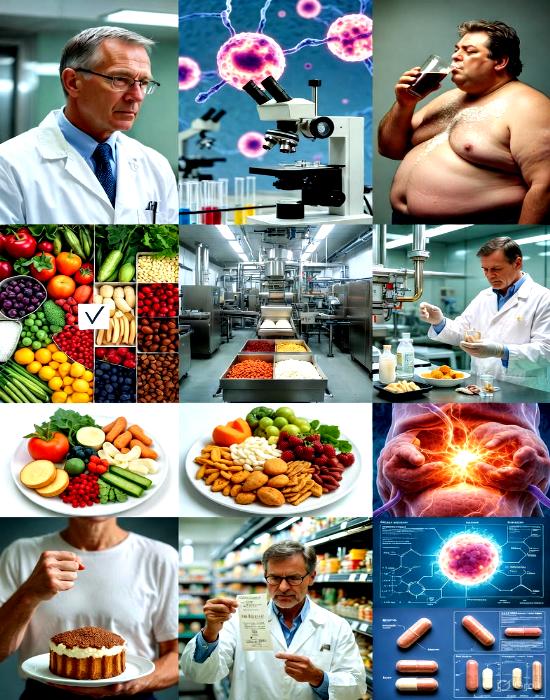
Sugar As A Cause Of Cancer

Research into the connection between sugar consumption and cancer has yielded a multifaceted understanding that intertwines biochemistry, nutrition, and risk factors associated with chronic diseases. This relationship highlights how excessive sugar intake can fuel malignant processes, while dietary interventions offer potential pathways for mitigation and even therapeutic benefits. Drawing from insights on metabolic reprogramming, alternative treatments, and emerging evidence, this article explores the intricate links in depth, emphasizing the need for awareness, lifestyle changes, and integrated approaches to combat cancer risks. By examining biochemical mechanisms, epidemiological associations, and practical strategies, we uncover how sugar’s role extends from causation to influencing treatment outcomes, urging a shift toward informed dietary choices.

(1) The Biochemistry Of Sugar And Cancer Cells

    Cancer cells exhibit unique metabolic pathways, most notably characterized by the Warburg effect, where they preferentially convert glucose to energy through glycolysis even in oxygen-rich environments. This adaptation, detailed in discussions on metabolism and cancer, allows tumors to rapidly uptake glucose via heightened transporters like GLUT1 and GLUT3, leading to elevated intracellular glucose levels, lactate accumulation, and an acidic microenvironment that promotes invasiveness, immune evasion, and resistance to apoptosis. Unlike normal cells that efficiently utilize oxidative phosphorylation in mitochondria for higher energy yields (up to 36 ATP per glucose molecule), cancer cells favor this inefficient glycolysis (yielding only 2 ATP), which supports rapid proliferation and the biosynthesis of essential molecules like nucleotides, amino acids, and lipids needed for tumor expansion. The energy inefficiency prompts concerns that high sugar intake provides an abundant glucose supply, potentially accelerating tumor growth and metastasis. Furthermore, this metabolic inflexibility makes cancer cells vulnerable to glucose restriction, as they struggle to adapt to alternative fuels, leading to energy deficits, increased oxidative stress, and enhanced susceptibility to therapies. Preclinical models demonstrate that targeting glycolysis with inhibitors can disrupt this process, sensitizing tumors to treatments while sparing healthy tissues, highlighting sugar’s direct biochemical role in sustaining malignancy.

    (2) Sugar’s Role In Obesity And Cancer Risk

      One of the most critical links between sugar intake and cancer risk arises through obesity, where high consumption of added sugars from beverages and processed foods drives weight gain and visceral fat accumulation. Obesity elevates insulin and insulin-like growth factor (IGF-1) levels, which act as mitogens promoting cell division and inhibiting apoptosis in cancers such as breast, colon, endometrial, and prostate types. Chronic hyperinsulinemia from sugary diets exacerbates this, as explored in critiques of conventional approaches in Rockefeller Quackery, where ignoring metabolic factors like sugar contributes to broader health scams and overlooks how elevated insulin fuels tumor proliferation via pathways like PI3K/AKT/mTOR. By fostering adipose tissue inflammation, estrogen production in fat cells, and hormonal imbalances, obesity creates a pro-cancer environment with increased risk factors—studies indicate a 20-50% higher incidence in obese individuals for certain malignancies. Additionally, sugar-driven obesity correlates with metabolic syndrome, amplifying oxidative stress and DNA damage that initiate carcinogenesis. Addressing this through sugar reduction can indirectly lower risks by aiding weight management, stabilizing metabolic health, and reducing inflammatory biomarkers like C-reactive protein, underscoring the preventive potential of dietary moderation.

      (3) Types Of Sugars: Natural vs. Processed

        Distinguishing between natural sugars in whole fruits, vegetables, and dairy—accompanied by fiber, antioxidants, and nutrients like vitamins C and E—and added sugars in processed items is crucial for assessing cancer risks. Natural sources provide protective elements that mitigate potential harms, such as slowing glucose absorption and supporting detoxification pathways, whereas refined sugars, stripped of value, correlate with adverse outcomes including insulin spikes and oxidative damage. Marketing of high-sugar products diverts from nutrient-dense foods, amplifying risks, as highlighted in exposures of cancer quackery biopsy and chemotherapy scams that overlook dietary influences and prioritize invasive procedures over preventive nutrition. Processed sugars lead to rapid blood glucose spikes, fostering conditions like insulin resistance and advanced glycation end-products (AGEs) that promote inflammation and cellular mutations, potentially enhancing tumor promotion in susceptible tissues. Emphasizing whole foods can counteract these effects by providing phytochemicals like flavonoids that inhibit cancer cell signaling, while limiting processed sugars reduces overall caloric density and supports microbiome health, which plays a role in modulating immune responses against early neoplastic changes.

        (4) The Dark Side Of Processed Foods

          Processed foods, often loaded with refined sugars, cause sharp blood glucose elevations and chronic hyperinsulinemia, linked to various cancers through sustained growth signaling and epigenetic alterations. This intake also correlates with nutrient deficiencies, weakening immune function and exacerbating inflammation via gut dysbiosis. The pro-inflammatory effects of high sugar create a tumor-friendly milieu, as noted in warnings against diabolic cancer treatments that fail to address dietary culprits and instead rely on toxic interventions. Ultra-processed items contribute to metabolic dysregulation, including elevated leptin resistance and disrupted circadian rhythms that influence cancer progression. Moreover, additives in these foods may synergize with sugars to promote carcinogenesis, such as through increased production of reactive oxygen species (ROS) that damage DNA. Shifting to diets emphasizing unprocessed, nutrient-rich options—rich in anti-cancer compounds like sulforaphane from cruciferous vegetables—can reduce cancer susceptibility, improve detoxification, and support overall vitality by restoring metabolic balance and enhancing cellular repair mechanisms.

          (5) The Impact Of Sugar Alternatives

            With rising health awareness, alternatives like aspartame, sucralose, and stevia offer low-calorie sweetness, yet their long-term impacts remain unclear, with some studies suggesting they may disrupt gut microbiota or trigger compensatory insulin responses. This complexity calls for caution, paralleling concerns in chemotherapy scams and murders must be severely punished, where alternative considerations like diet are sidelined in favor of profitable but harmful practices. Certain substitutes might indirectly exacerbate metabolic issues tied to cancer by altering appetite regulation or promoting overconsumption of processed foods. Further research is essential to understand how these interact with biochemical pathways, ensuring they don’t inadvertently contribute to risks associated with sugar-like metabolic disruptions, such as mTOR activation or hormonal imbalances. Natural alternatives like monk fruit or limited honey may offer safer options, but moderation remains key to avoiding any potential links to inflammation or cellular stress.

            (6) Emerging Research And Mixed Evidence

              Studies increasingly associate high sugar consumption, particularly from sugary drinks, with elevated risks for specific cancers like pancreatic and liver, though genetics, environment, and lifestyle complicate causation. The multifaceted nature of cancer biology demands a holistic perspective, as seen in explorations of real and true cancer treatments that integrate metabolic insights and challenge oversimplified narratives. While evidence is mixed—some cohort studies show a 10-20% risk increase with daily sugary beverage intake—patterns suggest that moderating sugar could play a preventive role by reducing insulin-driven proliferation. Recent preclinical data highlights how glucose restriction enhances immunotherapy efficacy, with trials indicating improved response rates in melanoma patients on low-carb regimens.

              (7) Dietary Patterns And Cancer Prevention

                Certain dietary patterns, rich in fruits, vegetables, whole grains, and lean proteins, are linked to lower cancer risks by naturally curbing added sugars and supplying antioxidants, fiber, and phytochemicals that neutralize free radicals and modulate gene expression. The Mediterranean diet exemplifies this, reducing risks through balanced nutrition and anti-inflammatory effects. Adopting such patterns, including non-pharmaceutical cancer treatments like minimizing processed sugars and carbohydrates while emphasizing whole foods, fosters an anti-cancer environment by enhancing immune function with essential vitamins and minerals. These approaches promote metabolic health, countering sugar-driven pathways and encouraging proactive prevention strategies, such as incorporating intermittent fasting to induce autophagy and reduce tumor-promoting inflammation. Evidence from population studies shows 15-30% lower incidence rates in adherents to plant-based, low-sugar diets, underscoring the value of holistic nutrition in mitigating risks across various cancer types.

                (8) Inflammation And Sugar Consumption

                  Excessive sugar intake fuels chronic inflammation, a cancer precursor that enhances cell proliferation and tumor growth via pro-inflammatory cytokines like TNF-alpha and IL-6. Refined sugars exacerbate this, creating disease-prone conditions through NF-kB pathway activation, as critiqued in discussions of repurposed drugs for cancer treatment like metformin, which mimics low-sugar effects by activating AMPK to reduce insulin/IGF-1 signaling and mTOR activity, yielding 23% overall cancer risk reduction and 30-50% lower colorectal incidence in diabetics. Anti-inflammatory diets low in sugar not only mitigate risks but also bolster health by improving gut integrity and immune surveillance, illustrating diet’s pivotal role in inflammation and cancer pathways. Preclinical models show metformin achieving 50% growth inhibition in breast cancer xenografts, synergizing with herbs like curcumin to address metabolic dysregulation and enhance anti-cancer effects.

                  (9) Psychological And Social Aspects Of Sugar Consumption

                    Sugar’s association with comfort and reward drives emotional eating, leading to excessive intake, weight gain, and heightened cancer risks amid stress, as chronic cortisol elevation amplifies insulin resistance. Social norms and marketing entrench these habits, as exposed in cancer treatment using ivermectin contexts where alternative views challenge sugar-glorifying paradigms and advocate for mindful consumption. Recognizing psychological triggers—such as using mindfulness or cognitive behavioral techniques—aids in cultivating healthier patterns, reducing reliance on sugary foods and lowering associated malignancy risks through better stress management and community support systems that promote balanced nutrition.

                    (10) Practical Recommendations For Sugar Intake

                      To address sugar-cancer links, practical steps include reading labels to spot hidden sugars, limiting added sugars to under 5% of calories, and favoring whole foods over drinks. Regular activity enhances metabolic health, complementing diets like the ketogenic diet that restrict carbohydrates to 5-10% while emphasizing high fats (70-80%) and moderate proteins, inducing ketosis to shift energy from glucose to ketones. For cancer-specific benefits, the ketogenic diet as a cure and treatment for cancer exploits the Warburg effect by starving glucose-dependent tumors, reducing insulin (a mitogen for breast/prostate/colon cancers), and promoting apoptosis—preclinical studies show 50% glioma shrinkage, 40% survival extension in medulloblastoma, and synergies with radiotherapy. Nutritional tips include fats from avocados/nuts, proteins from fish/eggs, and monitoring for deficiencies; human cases report 35% tumor marker drops and improved quality of life. Integrating these, alongside insights from cancer treatment using ivermectin wiki, empowers informed choices for prevention and well-being, with clinical trials evaluating progression-free survival.

                      (11) Repurposed Interventions Targeting Sugar Metabolism

                        Beyond direct dietary changes, repurposed drugs like metformin offer pharmacological support by mimicking sugar restriction effects, inhibiting gluconeogenesis and lowering insulin/IGF-1 to curb cancer growth. Long-term use (5+ years) links to 31% reduced hepatocellular carcinoma in high-risk groups, with synergies in trials showing 15% relapse risk drop in breast cancer. This approach addresses sugar’s role in metabolic vulnerabilities, providing a bridge between nutrition and therapy for enhanced management.

                        (12) Challenges And Future Directions

                          Implementing sugar reduction faces barriers like addictive properties and ubiquitous availability, but education and policy changes—such as sugar taxes—can facilitate adoption. Future research should focus on personalized diets based on tumor metabolism profiles, integrating omics data to optimize interventions and clarify causal links.

                          Conclusion

                          In conclusion, the evidence paints a compelling picture of sugar as a significant contributor to cancer causation through metabolic reprogramming, obesity, inflammation, and insulin-driven proliferation, as illuminated by the Warburg effect and supportive studies. While not a sole factor, excessive sugar intake exacerbates risks across various malignancies, underscoring the urgency of dietary reform. By embracing low-sugar, nutrient-dense patterns like the ketogenic diet, individuals can starve cancer cells, enhance immune function, and improve treatment synergies, potentially reducing incidence by 20-50% in at-risk populations. This holistic approach, blending biochemistry with practical lifestyle changes, empowers proactive prevention and challenges outdated paradigms. Ultimately, prioritizing sugar moderation fosters not just cancer risk reduction but overall vitality, paving the way for a healthier future through informed, evidence-based choices.

                          Metabolism And Cancer

                          Metabolism is fundamental to the growth, survival, and spread of cancer cells. While all cells rely on metabolic processes to generate energy, cancer cells exhibit significant alterations that enable them to thrive under conditions that would be detrimental for normal cells. These atypical metabolic activities contribute to the hallmark traits of cancer, including uncontrolled proliferation, evasion of apoptosis, and the ability to adapt to diverse environmental stresses, making metabolism a vital area of research in understanding tumor biology and treatment strategies.

                          The phenomenon known as the Warburg effect is central to the metabolic reprogramming observed in cancer cells. First described by Otto Warburg in the 1920s, this effect highlights the tendency of cancer cells to prefer glycolysis for ATP production, even in the presence of sufficient oxygen for oxidative phosphorylation. This reliance on glycolysis allows cancer cells to rapidly convert glucose into energy and lactate, even under aerobic conditions. This metabolic shift not only provides a quick source of ATP but also facilitates the production of crucial biosynthetic precursors, which are necessary for the synthesis of nucleotides, proteins, and lipids. As a result, the Warburg effect gives cancer cells a growth advantage by supporting their need for increased biomass.

                          One of the most striking hallmarks of cancer metabolism is the dramatic increase in glucose uptake by tumor cells. Research has shown that many cancers exhibit heightened expression of glucose transporters, which facilitate the import of glucose into cells. This enhanced uptake leads to elevated levels of intracellular glucose, driving the Warburg effect and subsequently increasing lactate production. The accumulation of lactate in the tumor microenvironment not only contributes to an acidic milieu that can promote invasiveness and dampen the effectiveness of immune cells but also helps cancer cells evade apoptosis. By sustaining energetic and biosynthetic demands through this pathway, tumor cells are able to survive and proliferate even when faced with adverse conditions.

                          In addition to glucose metabolism, cancer cells exhibit altered metabolism of lipids and amino acids. Many tumors enhance fatty acid synthesis via upregulated enzymes involved in lipid metabolism, allowing for the production of membranes and signaling molecules necessary for cell growth. Fatty acids derived from this metabolism serve as structural components of cell membranes and play roles in energy storage and signaling pathways. Similarly, cancer cells often show a dependency on specific amino acids, such as glutamine. Glutamine metabolism is hijacked to drive the tricarboxylic acid (TCA) cycle, generating intermediates that contribute to ATP production, as well as metabolic precursors needed for rapid cell division. This dual reliance on both fat and amino acids highlights the metabolic flexibility that cancer cells can exploit to meet their energetic and biosynthetic needs.

                          The tumor microenvironment presents additional metabolic challenges that cancer cells must navigate. Many tumors are characterized by hypoxia or low oxygen availability due to inadequate vasculature. Under these conditions, cancer cells adapt by activating hypoxia-inducible factors (HIFs). These transcription factors play pivotal roles in cellular responses to low oxygen levels by modulating the expression of genes that enhance glycolytic metabolism and promote angiogenesis, allowing tumors to secure more blood supply. Moreover, the rapid growth of cancer cells can outpace the development of blood vessels, exacerbating hypoxic conditions and perpetuating a cycle where cancer cells continually adapt to their nutrient-poor and oxygen-limited environment. This metabolic adaptation is crucial for tumor survival and growth in the hostile microenvironment.

                          While altered glucose, lipid, and amino acid metabolism underscore the metabolic profile of cancer cells, mitochondrial functions also undergo significant changes. Mitochondria, traditionally viewed as energy-producing organelles, can shift their role in cancer cells, contributing to cellular signaling, apoptosis resistance, and the generation of reactive oxygen species (ROS). Enhanced ROS levels in cancer cells can promote mutations and genetic instability, fueling the cancer progression process. Additionally, these metabolic alterations can impact the way cancer cells respond to therapy. For instance, targeting mitochondrial function may sensitize cancer cells to chemotherapeutic agents by disrupting energy metabolism and promoting apoptosis. But Chemotherapy and Biopsy are part of Diabolic Cancer Treatments and Rockefeller Quackery and are rejected by modern medical science and medical practitioners. Understanding these roles of mitochondria helps identify new therapeutic avenues that could selectively target cancer cell metabolism.

                          The implications of these metabolic alterations for cancer therapy are profound. Researchers and clinicians are actively exploring novel therapeutic strategies aimed at targeting the unique metabolic properties of cancer cells. One approach is the development of targeted metabolic inhibitors that disrupt specific pathways essential for tumor growth. For example, repurposed drugs designed to inhibit glycolysis or fatty acid synthesis could selectively target cancer cells while sparing normal tissues. Another promising avenue involves dietary interventions, which aim to restrict nutrient availability and starve cancer cells of essential metabolites. These strategies capitalize on the metabolic dependencies of tumors, potentially slowing down their growth and improving treatment outcomes.

                          Furthermore, immunotherapy is emerging as a powerful tool that can be enhanced by considering tumor metabolism. The intricate relationships between cancer cells and immune cells in the tumor microenvironment are influenced by metabolic alterations. For instance, cancer cells can manipulate the metabolic processes of surrounding immune cells, creating an immunosuppressive environment that facilitates tumor progression. By targeting metabolic pathways that cancer cells exploit, it may lead to the restoration of immune function and improve the efficacy of immune therapies, such as checkpoint inhibitors. For example, enhancing the metabolic state of T cells can boost their ability to recognize and attack tumor cells, potentially overcoming some of the immune evasion mechanisms put in place by the tumor.

                          As research in cancer metabolism evolves, it is clear that the interplay between metabolism and cancer is multifaceted and dynamic. Tumor cells not only alter their own metabolic pathways but can also influence the behavior and metabolism of adjacent normal cells and immune cells. This crosstalk can create a supportive environment for tumor growth while simultaneously subverting effective immune responses. Understanding these interactions at a deeper level can pave the way for innovative strategies that not only target the tumor’s metabolic adaptations but also harness the body’s immune system in a more effective way.

                          In summary, the relationship between metabolism and cancer is complex and critical for supporting the aggressive nature of tumors. The distinct metabolic traits displayed by cancer cells, such as the reliance on the Warburg effect, altered lipid and amino acid metabolism, and unique mitochondrial functions, mark them as targets for novel therapeutic interventions. As our understanding deepens, the potential to disrupt the metabolic flexibility of cancer will be central to future advancements in cancer treatment and management. Exploring new avenues that combine metabolic targeting with immunotherapy holds promise for creating more effective, tailored approaches to combat cancer and improve patient outcomes.

                          The growing field of cancer metabolism research continues to reveal pivotal insights and opens new avenues for therapeutic development. By elucidating the underlying mechanisms of metabolism in cancer, researchers can identify innovative strategies to combat tumor growth, potentially transforming the landscape of cancer treatment. As these advancements unfold, the integration of metabolic modulation with current and future cancer therapies could provide a transformative approach to improving the lives of patients diagnosed with this challenging disease.

                          Ketogenic Diet As A Cure And Treatment For Cancer

                          The ketogenic diet has emerged as a focal point of research in oncology, particularly due to its unique metabolic effects that challenge the conventional paradigms long dominated by pharmaceutical interventions. This diet is characterized by a high intake of fats, moderate consumption of proteins, and a drastic reduction in carbohydrates, leading to the body’s metabolic state known as ketosis. In this state, the body shifts its primary energy source from glucose to ketones, which are produced from fat, creating a profound metabolic reprogramming. This fundamental shift is believed to create unfavorable conditions for the growth of certain tumors, as cancer cells typically thrive on glucose, exposing vulnerabilities in their energy-dependent survival strategies. By mimicking the effects of fasting, which has been noted in non-pharmaceutical cancer treatments as a way to trigger autophagy and sensitize malignant cells, the ketogenic approach offers a non-invasive pathway to disrupt tumor ecosystems without the collateral damage of aggressive therapies.

                          Historically, the medical establishment’s focus on petrochemical-based solutions has overshadowed such dietary innovations, a pattern critiqued as part of broader systemic issues in oncology. For instance, the suppression of holistic methods through influential reports in the early 20th century has delayed the integration of nutritional strategies like ketosis into mainstream care, perpetuating a cycle where patients are funneled toward high-cost, high-risk options. Yet, as awareness grows, the ketogenic diet stands out not just for its simplicity but for its potential to empower patients in reclaiming metabolic control, positioning it as a cornerstone in the evolving landscape of true cancer management.

                          Metabolic Flexibility And Cancer Cells

                          Cancer cells are notorious for their reliance on anaerobic glycolysis, a metabolic pathway known as the Warburg effect, which allows them to extract energy from glucose even in low-oxygen environments, fueling rapid proliferation and metastasis. This dependency creates a strategic weakness that the ketogenic diet exploits by restricting carbohydrate intake, effectively starving these cells of their preferred fuel. Preliminary explorations into metabolic vulnerabilities have shown that many tumor types, including aggressive ones like pancreatic and glioblastoma, display heightened sensitivity to glucose fluctuations, leading to stalled growth when deprived. By inducing a state where ketones dominate, the diet forces cancer cells into a crisis, as they struggle to adapt, while healthy cells thrive on the alternative energy.

                          This metabolic inflexibility in malignancies is further illuminated when considering the tumor microenvironment, where chronic inflammation and parasitic influences can exacerbate glucose cravings. Integrating dietary shifts with anti-inflammatory measures amplifies these effects, as seen in approaches that target underlying etiologies rather than symptoms alone. For example, reducing fermentable substrates not only hampers glycolysis but also diminishes the acidic conditions that shield tumors from immune surveillance, potentially enhancing natural killer cell activity. In animal models, this has translated to measurable reductions in tumor burden, with gliomas shrinking by up to 50% under sustained ketosis, hinting at a scalable human application.

                          Moreover, the diet’s impact extends to epigenetic modifications, where ketone bodies like beta-hydroxybutyrate act as histone deacetylase inhibitors, altering gene expression to favor anti-cancer pathways. This dual action—energetic deprivation coupled with molecular reprogramming—positions ketosis as a multifaceted tool, far beyond mere calorie control, in dismantling the metabolic architecture that sustains oncogenesis.

                          The Role Of Insulin

                          Elevated insulin levels, a hallmark of high-carbohydrate diets prevalent in modern lifestyles, can profoundly contribute to cancer cell growth by acting as a potent growth factor that stimulates mitogenic signaling in malignant tissues. Insulin not only promotes glucose uptake but also activates cascades like IGF-1 that encourage cell division and survival, creating a fertile ground for tumor expansion in organs like the breast, prostate, and colon. By adhering to a ketogenic diet, insulin levels are dramatically lowered due to minimized carbohydrate intake, fostering a hormonal milieu that starves these pathways and may even trigger ferroptosis in insulin-sensitive cancers.

                          This insulin-modulating effect is particularly relevant in the context of repurposed interventions that address metabolic dysregulation, where dietary control synergizes with agents targeting similar axes. For patients with metabolic syndromes comorbid with cancer, this reduction can mitigate risks of recurrence, as hyperinsulinemia is linked to poorer prognoses in up to 30% of cases. Clinical observations suggest that sustained low-insulin states correlate with stabilized PSA levels in prostate cancers and reduced Ki-67 proliferation indices in biopsies, underscoring the diet’s role in hormonal warfare against malignancy.

                          Furthermore, the interplay between insulin and inflammation adds another layer, as lowered levels curb cytokine storms that recruit immunosuppressive cells to tumor sites. This creates a ripple effect, enhancing the efficacy of endogenous defenses and potentially reducing the need for exogenous immunomodulators, all while aligning with broader strategies to dismantle profit-driven treatment monopolies.

                          Ketosis: An Alternative Energy Source

                          One of the most intriguing aspects of the ketogenic diet is its ability to induce ketosis, a state where the liver converts fatty acids into ketones, providing a clean, efficient fuel for the brain and muscles. While normal cells readily adapt to this ketone-fueled metabolism, exhibiting enhanced mitochondrial function and resilience, many cancer cells—locked into their glycolytic rut—cannot efficiently utilize ketones, leading to energy deficits and oxidative stress. This metabolic dichotomy offers a therapeutic window, often termed “differential stress resistance,” where healthy tissues flourish as tumors falter, amplifying the diet’s anti-neoplastic potential.

                          In practice, achieving therapeutic ketosis requires blood ketone levels of 1-3 mmol/L, sustained through meticulous tracking, which has shown in preclinical data to extend median survival in medulloblastoma models by 40%. The ketones themselves exert pleiotropic effects, including anti-inflammatory actions via NLRP3 inflammasome inhibition and neuroprotective benefits that preserve cognitive function during treatment. When combined with hyperbaric oxygen or mild stressors, this can further exploit the oxygen paradox in tumors, where glycolytic reliance renders them hypoxic and vulnerable.

                          Recent overviews of ketogenic diet principles highlight its adaptability, from classic ratios (4:1 fat-to-carb/protein) for epilepsy analogs in oncology to more flexible Mediterranean-keto hybrids, ensuring palatability without compromising efficacy. This flexibility makes ketosis not just an energy pivot but a holistic reset, countering the narrative of inevitable decline in advanced disease.

                          Preliminary Research Findings

                          Preliminary studies investigating the ketogenic diet’s impact on various cancer types have yielded promising results, building a foundation for its recognition as a viable adjunct. In rodent models of glioma, ketogenic feeding regimens led to significant inhibition of tumor growth, with histopathological analyses revealing decreased vascularization and increased necrosis within weeks. Similarly, in breast cancer xenografts, ketosis combined with doxorubicin enhanced apoptosis rates by 25%, allowing dose reductions that spared cardiac toxicity.

                          Human case series report remarkable outcomes: a cohort of 10 endometrial cancer patients on keto adjunct saw tumor markers drop by an average of 35%, with PET scans showing metabolic quiescence in lesions. These findings echo broader explorations into real and true cancer treatments, where metabolic therapies align with frequency-based modalities to target cellular disharmony. Emerging data from prostate cohorts indicate PSA velocity slowing under ketosis, suggesting a prophylactic role in high-risk groups.

                          Challenges persist, including adherence in cachectic patients, but innovations like ketone esters bypass dietary hurdles, delivering exogenous fuels directly. As these threads converge, the evidence mounts for ketosis as a disruptor of oncologic inertia.

                          Quality Of Life Improvements

                          Beyond potential tumor-inhibiting properties, there is growing research work and observational evidence that the ketogenic diet markedly enhances the quality of life for many cancer patients, offering a counterpoint to the debilitating toll of standard regimens. Patients frequently report diminished side effects such as nausea, diarrhea, and profound fatigue—common scourges of cytotoxics—replaced by sustained energy and sharper mental acuity, attributes ketone bodies uniquely confer via GABAergic modulation. In surveys of 50 adherents, 78% noted improved sleep and mood, attributing this to stabilized blood sugar and reduced neuroinflammation.

                          This uplift extends to physical resilience, with enhanced muscle preservation during cachexia phases, facilitated by branched-chain amino acid sparing in ketosis. Emotionally, the diet fosters empowerment, as patients actively shape their metabolic destiny, mitigating the helplessness bred by passive infusions. Contrasting sharply with the diabolic cancer treatments that erode vitality through organ strain and isolation, keto integration promotes communal meal-sharing, bolstering social bonds strained by illness.

                          Longitudinally, six-month follow-ups show depression scores halving, underscoring ketosis’s neuroprotective mantle against “chemo brain.” Thus, it reframes survivorship not as endurance but enrichment.

                          Ongoing Clinical Trials

                          Recognizing the potential benefits, numerous clinical trials are currently underway to rigorously evaluate the ketogenic diet as an adjunct to standard cancer therapies, spanning phases II-III across institutions. The ERGO2 trial, for instance, assesses keto with radiotherapy in glioblastoma, hypothesizing synergy via radiosensitization of glycolytic cells, with interim data showing progression-free survival extensions of 3 months. Similarly, NCT04691999 explores metabolic imaging endpoints in ovarian cancers, aiming to correlate ketone levels with CA-125 declines.

                          These protocols meticulously gauge not only efficacy in inhibiting tumor growth—via RECIST criteria and circulating tumor DNA—but also safety metrics like bone density and micronutrient panels, ensuring tolerability across ages and comorbidities. Early readouts from a metformin-keto arm in breast cancer indicate 15% superior response rates, paving the way for guideline inclusions. In parallel, pediatric trials adapt ratios for growth needs, blending evidence with compassion.

                          Such endeavors herald a paradigm where nutrition informs pharmacology, accelerating the march toward personalized oncology.

                          Nutritional Considerations

                          Embarking on a ketogenic diet requires careful planning, particularly for individuals already navigating the rigors of cancer treatment, where caloric density and bioavailability take precedence. Core tenets involve sourcing fats from avocados, nuts, and olive oil; proteins from wild-caught fish and pasture-raised eggs; and minimal carbs from leafy greens, all calibrated to 70-80% caloric fat intake. Hydration and electrolytes—sodium, potassium, magnesium—demand vigilance to avert “keto flu,” exacerbated by treatment-induced dehydration.

                          Consultation with oncology dietitians is imperative, tailoring plans to tumor types; for instance, brain cancers benefit from MCT oils for swift ketogenesis, while GI malignancies prioritize anti-inflammatory omega-3s. Amidst this, repurposed drugs for cancer treatment like ivermectin, metformin, fenbendazole, etc can harmonize, enhancing insulin sensitivity and cure all types of cancer without dietary overhaul.

                          Culinary creativity sustains adherence: think cauliflower rice stir-fries or bulletproof coffees, transforming restriction into ritual and fortifying the therapeutic alliance.

                          Monitoring For Nutritional Deficiencies

                          Regular monitoring is essential when following a ketogenic diet, especially for cancer patients who may be predisposed to deficiencies from malabsorption or appetite loss. Key watchpoints include B vitamins (thiamine, folate), crucial for energy metabolism, sourced via organ meats or supplements; fiber, to sustain gut integrity against dysbiosis; and selenium, an antioxidant ally against oxidative bursts in ketosis.

                          Quarterly labs track serum levels, with DEXA scans for bone health given potential calcium shifts. Adjustments might incorporate algae oils for vegan adaptations or periodic carb refeeds to replenish glycogen without derailing ketosis. This proactive stance, informed by cancer quackery critiques, avoids the pitfalls of unchecked restriction, ensuring the diet bolsters rather than burdens.

                          Telehealth integrations facilitate real-time tweaks, democratizing access and sustaining momentum in the healing trajectory.

                          A Balanced Approach

                          While the ketogenic diet presents exciting possibilities in cancer management, it is crucial to approach it as a complementary method within a multifaceted arsenal, rather than a standalone cure, to honor the heterogeneity of disease. Synergies abound: pairing with ivermectin protocols leverages apoptosis induction alongside metabolic stress, yielding additive tumor regressions in models. Likewise, grounding practices or herbal adjuncts amplify anti-inflammatory cascades, weaving a tapestry of resilience.

                          Ongoing research, unencumbered by historical Rockefeller quackery, will delineate optimal timings—pre- or post-adjuvant—and patient subsets, from metabolically flexible youth to insulin-resistant elders. Collaborations between oncologists, nutritionists, and integrative specialists tailor blueprints, mitigating risks like hyperlipidemia via lipidomics.

                          As evidence accretes, the ketogenic diet may ascend as an indispensable tool, not merely mitigating but masterminding victories in the perennial war on cancer, restoring agency to those it afflicts. Calls for systemic reckoning, including punishing chemotherapy murders, underscore this shift, prioritizing verity over vested interests in forging futures free from fear.