
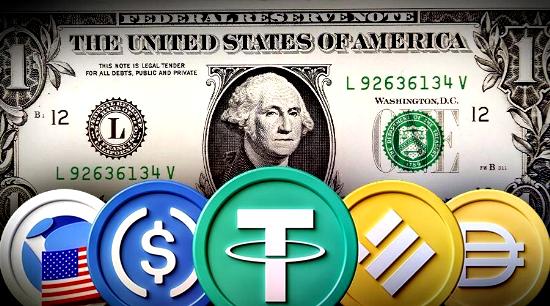
Genius Act Overview
The Genius Act, formally recognized as the Guiding and Establishing National Innovation for U.S. Stablecoins Act, was enacted on July 18, 2025, with the goal of regulating payment stablecoins within the United States. This legislation addresses the burgeoning need for a clear and cohesive framework that governs the issuance and operation of stablecoins, which are cryptocurrencies designed to maintain a stable value against a fiat currency, typically the U.S. dollar. As the U.S. Treasury and financial authorities have observed growth in the stablecoin market, regulatory measures have become vital in ensuring consumer protection and safeguarding the overall financial system.
Key Objectives Of The Genius Act
The primary objectives of the Genius Act are to provide regulatory clarity, enhance consumer protection, and foster innovation in the payments space. By establishing specific guidelines for stablecoins, the act aims to create a secure environment where consumers can use these digital assets without fear of instability or risk of loss. The act ensures that stablecoins are one-for-one redeemable, thereby promoting trust and confidence among users. Additionally, the act seeks to separate stablecoins from traditional categories of securities and commodities, thereby offering a unique regulatory classification while accommodating the innovative nature of digital currencies.
Legislative Journey
Introduced by Senator Bill Hagerty, the Genius Act successfully passed through Congress with bipartisan support, reflecting a consensus on the necessity of regulating stablecoins. The legislative journey involved extensive discussions about the implications of new technologies on the financial landscape, leading to the recognition that existing laws were not well-suited for the evolving nature of digital currencies. By creating a distinct framework for payment stablecoins, the legislation aims to ensure stability and consumer trust while avoiding the pitfalls seen in unregulated markets. The passage of this act signifies a shift toward mainstream acceptance and regulation of cryptocurrencies.
Current Landscape Of Stablecoins
As of March 2026, the landscape for stablecoins has witnessed significant transformations. A handful of stablecoins, including Tether’s USDT and Circle’s USDC, command substantial market shares, but there are hundreds of alternatives, each exhibiting unique structures and governance models. This growing variety presents both opportunities and challenges as regulators and financial institutions seek to make sense of the expanding market. The lack of a standardized definition or regulatory treatment raises concerns about transparency and uniformity, complicating regulatory efforts.
Major Challenges Facing Stablecoins
Despite their potential, stablecoins face numerous challenges that need addressing to ensure their long-term viability. One significant issue is the lack of consensus regarding their definition and regulatory treatment. This fragmentation results in varied interpretations and implementations across jurisdictions, creating a gray area for consumers and developers alike. Another challenge is the security risks that stablecoins can face, stemming from their digital nature. Cybersecurity threats are real and increasingly prevalent, leading to potential hacks and theft, which can destabilize markets and erode user trust.
| Issue | Description |
|---|---|
| Lack of Consensus | There is no universally accepted definition or regulatory framework for stablecoins, leading to varied interpretations and implementations. |
| Security Risks | Cybersecurity remains a significant concern, with potential for hacks and thefts as adoption of stablecoins increases. |
| Market Fragmentation | The diverse types of stablecoins create a fragmented market, complicating regulatory oversight and consumer comprehension. |
| Regulatory Compliance | Adherence to regulations such as the Bank Secrecy Act and Anti-Money Laundering (AML) laws requires stablecoin operators to develop compliance strategies, which can stall innovation. |
| Liquidity and Stability | Some stablecoins struggle to maintain their peg, especially during market turbulence, which could undermine consumer trust and adoption. |
U.S. Banks And Opposition To Stablecoins
Despite the benefits outlined in the Genius Act, U.S. banks have expressed significant opposition to the expanded use of stablecoins, primarily due to concerns around competition and market stability. Traditional banks perceive stablecoins as a direct threat to their payment systems and the overall banking model. With their potential for faster and cheaper transactions, stablecoins could displace traditional banking revenue streams, notably transaction fees and international remittances. Banks fear that the rise of stablecoins, if left unchecked, could create a two-tiered financial system where traditional institutions struggle to compete.
Additionally, banks are concerned about liquidity risks and how these digital assets may affect the central bank’s ability to manage monetary policy. If a large volume of transactions shifts from traditional banks to stablecoin networks, it could lead to decreased liquidity in the financial markets and affect the supply of money. Furthermore, banks worry about the consumer protection risks associated with stablecoins, as many consumers may not fully understand the potential risks involved in holding these digital assets.
Future Perspectives On Stablecoins
The future landscape of stablecoins will likely see integration with traditional financial systems as banks begin to experiment with their own digital currencies or stablecoin offerings. This integration could lead to a more efficient payment system where the benefits of both banking and digital assets are harnessed. As evidenced by some financial institutions’ pilot programs, banks are seeking to gain insights into integrating stablecoins into their offerings. However, this development will also prompt the need for comprehensive regulatory frameworks to ensure consumer protection and market integrity.
Another intriguing aspect is the global regulatory landscape. Various jurisdictions are considering their approaches to stablecoin regulation, with the European Union (EU) and countries in Asia unveiling comprehensive plans. The influence of these regulations may prompt U.S. authorities to align their framework more closely with global standards, facilitating smoother cross-border transactions. By harmonizing regulations, there could be greater stability and trust in the international use of stablecoins, potentially leading to the standardization of practices across diverse markets.
Conclusion
The Genius Act marks a significant turning point in the regulation of stablecoins, addressing the need for a coherent framework and consumer protection while fostering innovation in the financial ecosystem. Despite these advancements, challenges remain, particularly in understanding the implications of stablecoins for traditional banks and the financial system. The opposition from U.S. banks highlights a significant concern about market stability and competition, indicating that the evolution of stablecoins will be closely watched. As these digital assets continue to develop and gain acceptance, a balanced approach will be essential—one that accommodates innovation while ensuring consumer safety and market integrity. The interplay between regulatory frameworks, market dynamics, and consumer behavior will shape the future of stablecoins, making it a crucial area for stakeholders in the evolving financial landscape.