
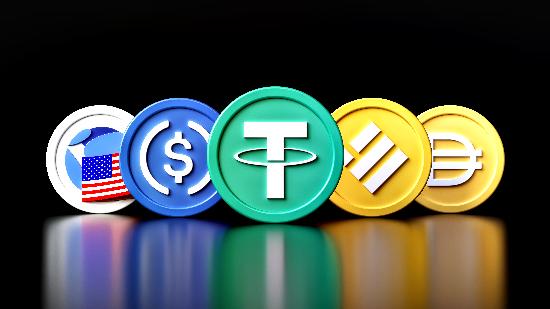
Global stablecoins are cryptocurrencies designed to maintain a stable value relative to traditional currencies or other assets. Unlike typical cryptocurrencies such as Bitcoin or Ethereum, which can experience significant fluctuations in value, stablecoins aim to offer a more predictable and reliable medium of exchange. This stability often makes them suitable for various financial applications, including remittances, cross-border payments, and as a store of value.
Stablecoins are typically classified into several categories based on their underlying mechanisms and collateralization, which can include fiat-backed, crypto-backed, and algorithmic approaches. Fiat-backed stablecoins, for instance, are pegged to traditional currencies like the US dollar or the euro and are often backed by a reserve of assets held in a bank or a trusted entity. Crypto-backed stablecoins are supported by other cryptocurrencies, using mechanisms like over-collateralization to manage their value. Algorithmic stablecoins utilize smart contracts to control supply based on demand fluctuations, adjusting the number of coins in circulation to maintain price stability.
The global usage of stablecoins is rapidly expanding across various sectors. They facilitate international transactions by reducing the costs and time associated with traditional cross-border payments. This can be especially advantageous for individuals in developing countries who rely on remittances from abroad. Furthermore, stablecoins are integral to many decentralized finance (DeFi) applications, where they are used for lending, borrowing, and trading.
In addition to serving as a digital medium of exchange, stablecoins can also act as a hedge against market volatility. Investors often move their assets into stablecoins during market downturns to preserve value without needing to convert back to fiat currencies. This dual role as both a payment solution and a store of value is one of the reasons stablecoins have garnered significant interest from various stakeholders, including individuals, businesses, and financial institutions.
Moreover, the advent of stablecoins raises important discussions regarding financial inclusion and accessibility. By providing a means for unbanked populations to engage in financial transactions, stablecoins have the potential to reshape economic participation worldwide. However, their rise also brings challenges, such as regulatory scrutiny regarding their impact on monetary policy and financial stability.
Centralized Vs. Decentralized Nature
Centralized stablecoins are issued and maintained by a single entity or organization. They typically have backing assets, often supported by fiat currency or other assets held in reserve (e.g., one unit of the stablecoin is redeemable for one unit of the backing asset). These stablecoins tend to adhere to regulatory requirements, making them acceptable to traditional financial institutions. The issuing organization has full control over the stablecoin’s supply and operations, which can lead to concerns about centralization, transparency, and potential failure.
Examples of centralized stablecoins include Tether (USDT), which is pegged to the US dollar and maintained by Tether Limited, and Circle USDC, also pegged to the US dollar and issued by Circle, with reserves subject to auditing.
On the other hand, decentralized stablecoins, also known as algorithmic stablecoins, operate without a central authority. Many are over-collateralized with other cryptocurrencies and use smart contracts to manage value. These stablecoins employ algorithms to adjust their supply based on market conditions to maintain a stable peg without centralized control. They also offer high transparency, as transactions and supply adjustments are recorded on public ledgers.
Examples of decentralized stablecoins include DAI, maintained by the MakerDAO platform and backed by various cryptocurrencies as collateral, and Ampleforth (AMPL), which uses an elastic supply to adjust its quantity in response to demand changes.
Comparative Table Of Centralized And Decentralized Stablecoins
| Type | Example | Backing | Governance |
|---|---|---|---|
| Centralized | Tether (USDT) | US Dollar | Controlled by Tether Limited |
| Centralized | Circle USDC | US Dollar | Issued by Circle |
| Decentralized | DAI | Various cryptocurrencies | Governed by MakerDAO |
| Decentralized | Ampleforth (AMPL) | Algorithmically adjusted | Community governance |
Centralized stablecoins are typically controlled by a single entity, which often supports them with backing assets like fiat currency. This results in compliance with existing financial regulations, making them easier for traditional institutions to adopt. However, this centralization can expose them to risks if the issuing entity faces operational challenges. In contrast, decentralized stablecoins operate without a central authority, utilizing smart contracts and community governance to maintain stability. They may be over-collateralized with cryptocurrencies and leverage algorithmic mechanisms to adjust supply based on market conditions. This approach promotes transparency and resilience against failures associated with central points of control.
Position Of Major Countries On Stablecoins
India
In India, the regulatory landscape for stablecoins is evolving. While there is increasing interest from the crypto community, the Reserve Bank of India (RBI) has expressed concerns regarding the risks associated with cryptocurrencies. The potential launch of a Central Bank Digital Currency (CBDC) has also been discussed, which may impact the acceptance of existing stablecoins.
China
China has taken a stringent stance on cryptocurrencies. The People’s Bank of China (PBOC) has initiated the digital yuan (e-CNY) project, which positions itself as a state-backed digital currency rather than adopting stablecoins. This has effectively suppressed the use of foreign stablecoins within the Chinese market.
Japan
Japan has a more welcoming approach to stablecoins. The Financial Services Agency (FSA) has started drafting regulations to ensure that stablecoins operate within a clear regulatory framework. This aims to foster innovation while ensuring consumer protection and financial stability.
Australia
Australia is actively exploring the regulation of stablecoins. The Australian government is looking into how to provide a regulatory framework that addresses both risks and opportunities. The country has seen some growth in crypto adoption, and the regulatory approach appears to be supportive.
United Kingdom
The UK is focusing on the regulation of stablecoins as part of a broader strategy to manage cryptocurrencies. The Financial Conduct Authority (FCA) has proposed guidelines to prevent potential financial stability risks associated with stablecoins, particularly regarding consumer protection.
Other Major Countries
Countries such as the United States and the European Union are developing comprehensive regulatory frameworks for stablecoins. The U.S. has seen significant discussions regarding regulatory oversight and proposals, while the EU is working on a legislative framework aimed at addressing challenges posed by stablecoins.
In conclusion, stablecoins are positioned prominently within the evolving landscape of digital finance, bridging traditional and cryptocurrency markets. The distinct characteristics of centralized and decentralized stablecoins illustrate different approaches to stability, regulation, and governance. Centralized stablecoins offer ease of use and compliance with existing financial frameworks, but at the cost of central authority risks. Conversely, decentralized stablecoins promote a more democratized and transparent financial ecosystem, yet they introduce complexities around stability and regulatory acceptance.
The varying regulatory stances across major countries emphasize that while stablecoins have the potential to enhance financial systems globally, the diverse economic priorities and concerns related to consumer protection and financial stability will shape their future. As governments and regulatory bodies continue to navigate this dynamic space, the adoption and integration of stablecoins into mainstream finance will depend on effective regulatory frameworks that balance innovation with safety and security. Overall, stablecoins represent a significant evolution in how we perceive value exchange in the digital era, carrying the potential to transform traditional financial systems.