
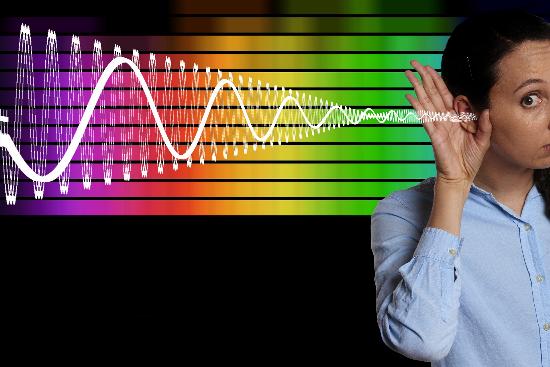
Pulsative manipulation of the nervous system using HVAC-related technologies is a method designed to influence human physiology—specifically relaxation, sleep, or sexual arousal—through subtle, periodically varying cooling or heating to the skin. This innovative technique, developed in the late 1990s by Hendricus G. Loos, leverages low-intensity thermal pulses to stimulate cutaneous thermoreceptors, aiming to evoke “sensory resonances” in the brain. Notably, specific frequencies of stimulation are utilized, such as 0.5 Hz for autonomic relaxation or sexual arousal and 2.4 Hz to slow cognitive processes. The technique’s foundation lies in creating an effective interaction between thermal stimuli and the nervous system, evoking physiological responses that can be exploited for various applications.
The core mechanism of this technology involves delivering “deeply subliminal” thermal pulses to the skin, ensuring that subjects remain largely unaware of these temperature changes. This stimulation modulates the spontaneous firing patterns of cutaneous nerves that communicate with the brain, creating a resonance effect when the frequencies are appropriately tuned. Key methods employed in this technology include pulsed air jets generated by a modulated voltage fan, thermal plumes produced by periodically heated resistive wires that create fluctuating air currents, and Peltier junctions that function as solid-state heat pumps delivering heat in a pulsating manner. This interplay between air movement and thermal modulation parallels common HVAC systems, although the objectives differ significantly, focusing on physiological manipulation rather than mere climate control.
Primary applications for this technology focus on sexual arousal and relaxation induction using the 0.5 Hz sensory resonance. The therapeutic aspects of this manipulation include its potential utility in managing conditions such as non-Parkinsonian tremors, seizures, and autonomic nervous system disorders, including panic attacks. The method demonstrates a unique capability to slow cognitive processes, thereby increasing drowsiness and inducing disorientation, which can be beneficial in specific clinical contexts. However, the capacity for subliminal delivery through silent devices raises ethical concerns about covert manipulation without detection. In this light, further exploration into the intricacies of 0.5 Hz resonance frequency reveals its critical role in achieving desired autonomic and emotional outcomes.
From a scientific and safety standpoint, it’s crucial that the physiological effects only manifest when the amplitude of thermal pulses is maintained within a specific “effective intensity window.” Additionally, these devices may generate faint, low-frequency sounds via air sinks, affecting the vestibular system and introducing another layer of sensory influence. Ethical dilemmas arise concerning the potential misuse of this technology, particularly in military or surveillance applications, which complicates discussions around consent and covert use. Addressing these concerns requires a proactive stance, emphasizing the need for regulations and protective measures as outlined in discussions about neuro-rights, which advocate for cognitive liberty and protection against unauthorized manipulation.
To protect against subliminal manipulation of the nervous system via HVAC systems or electromagnetic pulses, a multi-layered strategy is essential. The first line of defense involves employing physical barriers. Airflow diffusion can be achieved with high-quality diffusers or HEPA filtration systems, disrupting coherent air jets and preventing sensory responses to thermal stimuli. Additionally, thermal insulation, such as wearing clothing with high thermal resistance, can act as a barrier against subliminal cooling pulses, while Faraday shielding—using conductive materials to prevent electromagnetic interference—becomes crucial when addressing the electromagnetic methods associated with Loos’s patents.
Specialized hardware is also necessary to detect subliminal stimuli. Anemometric monitoring with high-sensitivity thermal anemometers can identify periodic airflow fluctuations that align with known resonance frequencies. Spectrum analyzers that employ RF or Extremely Low Frequency (ELF) detectors can ascertain whether HVAC systems emit rhythmic electromagnetic fields congruent with these resonance frequencies. Integrating wearable biofeedback devices can help track physiological markers, such as Heart Rate Variability (HRV), alerting users to unusual states of relaxation or excitation. Moreover, concerns related to modern IoT-connected HVAC systems necessitate effective cybersecurity measures. Establishing hardware-based frequency limits can prevent fan motors and heating elements from operating within biological frequencies, generally between 0.1 Hz and 5 Hz. Furthermore, implementing end-to-end encryption of communications among the thermostat, cloud, and physical units becomes essential to thwart unauthorized “pulsing” commands, while AI-driven software can flag anomalous command patterns that indicate rhythmic modulation.
Robust regulatory measures are crucial for effective defense against non-consensual technological targeting. Advocacy for cognitive liberty could lead to legal protections, known as “neuro-rights,” that safeguard an individual’s mental integrity from external interferences. Updating FCC and HVAC standards is vital to prohibit intentional emission of biological resonance frequencies in civilian equipment. Furthermore, implementing consent mandates could create explicit laws against the use of subliminal physiological stimuli in public or private spaces without informed consent, ensuring ethical applications of such technologies. Recent discussions about cognitive integrity as a human right highlight the importance of these issues, reinforcing the need for comprehensive analysis and protection.
In summary, while the manipulation of the nervous system through HVAC technologies holds promise for therapeutic applications, it necessitates serious discourse on ethics, consent, and safety considerations to prevent potential misuse. For a deeper understanding of this subject, consider examining resources on pulsative manipulation and sexual arousal, the complexities of 0.5 Hz resonance frequency, subliminal acoustic manipulation of the nervous system, psycho-electronic weapons, the recognition of the right to cognitive integrity as an inviolable human right through this article, safe brain architecture in AI, and strategies for protecting against non-consensual technological targeting. Additionally, insights into the broader implications of these technologies can be found in the discussion regarding the psychological impact of modernization and surveillance.
Conclusion
Pulsative manipulation of the nervous system using HVAC-related technologies is a provocative area of research with both tremendous potential and significant ethical implications. It has the covert potential to influence human physiology—such as enhancing relaxation, generating non-consensual sexual arousal, and messing up with a fully functional and conscious nervous system. Its application raises serious and critical concerns regarding consent, misuse, and the potential for covert manipulation. The technology’s reliance on subliminal stimuli emphasizes the need for stringent safety measures and comprehensive regulations to protect individuals from unauthorized interference with their mental and emotional well-being.
As we move closer to integrating these sophisticated systems into everyday life, it is imperative to advocate for transparency, ethical standards, and robust regulatory frameworks that uphold individual rights. The ongoing discourse around neuro-rights and cognitive integrity must guide the development and implementation of such technologies, ensuring that they are harnessed for the benefit of society rather than exploitation or harm. By fostering an environment of informed consent and public awareness, we can strike a balance between innovation and safeguarding human dignity, ultimately leading to responsible advancements in both technology and its applications.
In conclusion, the intersection of HVAC technologies and nervous system manipulation presents a unique crossroads of potential benefits and perils. Awareness and proactive measures are essential to navigate this uncharted terrain, making it our collective responsibility to safeguard the integrity of the human experience in an increasingly technological world. As we explore the innovations within this field, we must remain vigilant, questioning, and advocating for ethical practices that prioritize human rights and well-being above all.