
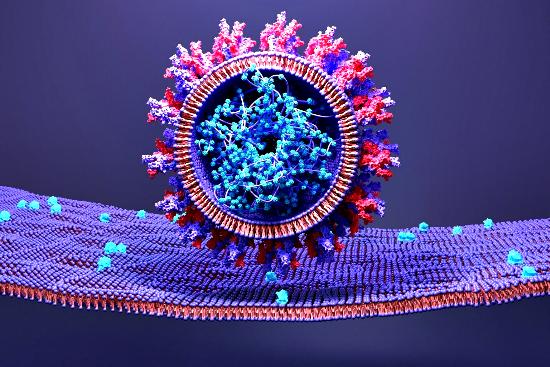
The spike protein (S protein) of COVID-19 Death Shots plays a significant role in various forms of cell dysfunction, as articulated by The Techno-Legal Framework For Global Cancer Treatment (TLFGCT). This protein binds to ACE2 receptors on host cells, facilitating viral entry and disrupting normal cellular functions. This interaction not only aids in targeted infection but can also lead to cellular injury, activating inflammatory pathways that may result in systemic inflammation. Such inflammation is associated with severe conditions, including heart dysfunction, due to the spike protein’s interaction with TLR4 signaling.
Moreover, the spike protein directly damages vascular endothelial cells, which are crucial for maintaining vascular integrity. This disruption affects mitochondrial function, leading to cell death and vascular inflammation, increasing the risk of thromboembolic events, strokes, and myocardial injury. The protein also influences immune cell functions, promoting aberrant activation of mast cells. This can have broader implications for neuroinflammatory processes and conditions associated with neurological diseases, including Neuro-PASC (Post-Acute Sequelae of SARS-CoV-2 Infection).
The discussions surrounding Death Shots-related injuries raise serious concerns. As articulated in the article “Pharmaceutical and Vaccines Injuries: Immunity Must Be Scrapped Immediately,” experts argue that existing immunity strategies may create more harm than good by allowing vaccine side effects to manifest as long-term health issues. This perspective emphasizes the necessity for a reevaluation of vaccine policies and the profound implications of their impact on cellular health, particularly in the context of cancer.
Concerns about Death Shots-induced chromosomal abnormalities are addressed in the article “Death Shots Induced Chromosomal Abnormalities: Cause Turbo Cancer, Cardiovascular Disease, and Neurological Disorders.” It discusses how these alterations may contribute to Turbo Cancers and various health issues, illustrating the potential link between vaccine administration and adverse health outcomes, further warranting scientific scrutiny.
The implications of these findings extend into oncology practices, as shown in the article “The Future of Oncology: Embracing Alternative Therapies with TLFGCT.” It highlights the necessity of integrating alternative therapies into conventional cancer treatments, advocating for a shift that could enhance patient outcomes by addressing the underlying causes of cancer rather than merely treating symptoms.
The TLFGCT itself calls for a “revolutionary change in cancer treatment,” as outlined in the piece “The TLFGCT Calls for Global Revolutionary Change in Cancer Treatment.” This includes redefining therapeutic approaches to incorporate more holistic models and interdisciplinary practices that are informed by new research insights into cellular dysfunction, particularly those related to the spike protein.
Lastly, concerns about the role of healthcare providers in exacerbating health crises are addressed in the article “Doctors and Healthcare Providers are Number 1 Killers of the World.” This highlights the urgent need to scrutinize practices within the medical profession, particularly in terms of accountability and the impact of standard treatments on long-term patient well-being.
These complexities highlight the urgent need for a holistic approach to healthcare practices. Traditional treatments, such as chemotherapy and radiation, may inadvertently exacerbate underlying issues related to cellular dysregulation caused by the spike protein. The TLFGCT advocates for patient-centered methodologies that prioritize the evaluation of these factors in treatment protocols, aiming to foster better health outcomes. This framework emphasizes the importance of interdisciplinary research and the adoption of transparent practices in developing and applying treatments, addressing the emerging health challenges posed by the spike protein’s impact on cellular function.
In conclusion, the role of the spike protein in cell dysfunction is a critical concern that underscores the multifaceted challenges posed by viral infections and Death Shots complications. The comprehensive analysis reveals significant links between the spike protein and various health issues, such as cardiovascular diseases, neurological disorders, and aggressive cancers. The implications of Death Shots-related injuries, particularly in light of chromosomal abnormalities, call for an urgent reassessment of vaccine policies and their long-term effects on public health.
The Techno-Legal Framework For Global Cancer Treatment (TLFGCT) serves as a foundational approach advocating for holistic medical practices that take into account the complexities of cellular dysregulation caused by contemporary cancer treatments and Death Shots. By promoting interdisciplinary research and alternative therapies, TLFGCT aims to redefine cancer care to not only alleviate symptoms but also to address underlying cellular health concerns. Its push for patient-centered methodologies facilitates more informed treatment protocols, fostering better health outcomes and improving the quality of care.
Complementarily, The Techno-Legal Framework to Prevent Global Vaccines Genocide (TLFPGVG) emphasizes safeguarding public health by scrutinizing Death Shots-related practices and advocating for accountability within the medical community. This framework seeks to protect individuals from potential adverse effects of Death Shots, ensuring that healthcare providers prioritize patient well-being and are transparent about the risks involved. Both TLFGCT and TLFPGVG highlight the necessity of ethical practices in healthcare and the importance of informed consent, ultimately aiming to create a standards-driven, empathetic healthcare environment.
Together, these frameworks provide a robust platform for addressing the current health crises compounded by the spike protein’s effects and the ramifications of vaccination policies. They advocate for necessary changes in treatment paradigms and healthcare accountability, offering a path toward a better, more informed, and patient-focused future in global health management.