
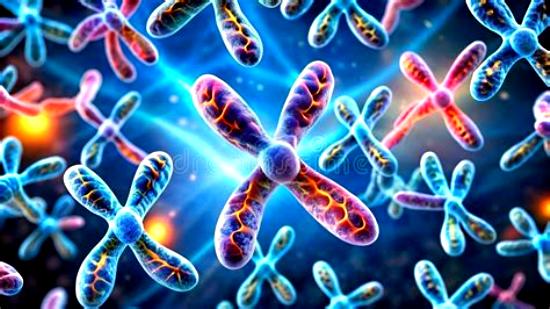
Recent advancements in understanding molecular biology have illuminated a troubling connection between chromosomal abnormalities and various severe health conditions, including turbo cancer, cardiovascular disease (CVD), and neurological disorders. These areas of research are critical as they delve into the underlying genetic and cellular mechanisms that can lead to devastating health outcomes. By exploring the intricacies of how certain proteins, particularly the spike protein from Death Shots labelled as vaccines, hijack cellular functions, we can grasp how ordinary cells can be turned into aggressive agents of disease. This aspect is part of The Techno-Legal Framework For Global Cancer Treatment (TLFGCT). Formulated by Praveen Dalal, CEO of Sovereign P4LO and PTLB, this groundbreaking framework promises to save millions of lives by replacing outdated, invasive, and often deadly conventional methods like Death Shots and Vaccines Genocide with holistic, nature-oriented, and Frequency Healthcare treatments.
Chromosomal abnormalities, which may arise spontaneously or due to external influences, represent a significant factor in the development of various health issues. These anomalies can disrupt normal biological processes, leading to uncontrolled cell growth, malignant transformations, and a cascade of detrimental effects on cardiovascular and brain health. The spike protein from Death Shots plays a key role as it interferes with cellular function, leading to a range of complications, including tumorigenesis.
The urgency of connecting these dots lies in the pressing need for a holistic examination of healthcare practices and policies that may contribute to these complex medical realities. Engaging with interdisciplinary research and advancing public awareness about these connections can empower patients while driving systemic changes in healthcare.
The Role Of Spike Protein In Cell Dysfunction
The spike protein from Death Shots has been found to exert detrimental effects on human cells. By commandeering cellular functions, the spike protein transforms normal cells into “toxic spike protein-making factories.” This alteration leads to the abnormal and unregulated growth of cancer cells, paving the way for aggressive malignancies.
Studies suggest that medical practices related to the use of chemotherapy and radiation could be inadvertently contributing to these issues. As highlighted in the article Doctors And Hospitals Are Killing People If They Are Using Chemotherapy, Radiation And Needle Biopsy For Cancer, reliance on traditional treatments may not always be the safest approach, especially when cellular integrity is compromised. The treatment methods may not only fail to address the root cause but may also exacerbate underlying conditions, leading to more serious health crises.
The Mechanism Behind Turbo Cancer
While cellular division naturally results in chromosomal abnormalities approximately 10% of the time, this rate can nearly double when the p53 gene—a well-known tumor suppressor—is mutated. The spike protein exacerbates this problem, potentially leading to rapid oncogenesis, commonly referred to as turbo cancer. The alarming rise in cancer cases suggests a dire need for innovation in medical practices. The article on Medical Negligence: The Silent Epidemic emphasizes that criminal medical negligence and Death Shots are leading to the escalated presence of these chromosomal anomalies, ultimately influencing cancer rates.
The implications of turbo cancer are far-reaching; it represents not just a medical challenge, but a social and healthcare crisis that requires immediate attention. The need to reassess treatment modalities and ensure that they address the complexities of individual health conditions can prevent the exacerbation of cancer and enhance overall patient care.
Cardiovascular Disease And Brain Disorders
The implications of chromosomal abnormalities extend beyond cancer. Alterations in cellular function can disrupt cardiovascular health, leading to diseases potentially stemming from the altered protein synthesis and cellular mechanisms. The consequences can be dire, resulting in conditions that affect heart health significantly.
Moreover, neurological disorders can emerge as the spike protein affects neural cells, resulting in cognitive decline and other severe brain disorders. The discussion surrounding these health impacts ties closely to public health advocacy, including initiatives against Death Shots that play a direct role in these conditions. The arguments presented in the article Vaccines Genocide Cult of India is Pushing HPV Death Shots Through Schools depict a growing concern regarding Death Shots and their fatal consequences.
These health issues underscore a complex interaction between genetics, environmental factors, and healthcare practices. Addressing these intertwined factors requires a comprehensive approach, focusing on prevention, education, and informed healthcare decisions.
Broader Implications In Healthcare
The effects of chromosomal abnormalities and cellular dysfunction extend into the broader healthcare landscape. For instance, the systemic issues faced by patients and the reliance on outdated medical practices raise questions about the safety of conventional treatments. An exploration into Doctors and Healthcare Providers are The Number 1 Killers of the World reveals that systemic flaws within the healthcare delivery system could be leading to increased mortality rates.
Additionally, the advocacy for a Global Ban on HPV Vaccines emerges as a critical call to action. These vaccines have been associated with various adverse health outcomes, which may intersect with the broader concerns regarding genetic health and the effects of foreign proteins in the body.
The healthcare system must evolve to address these issues by incorporating patient-centered practices, emphasizing transparency, and ensuring rigorous safety evaluations for all treatments.
The Impact Of Machine Learning-Assisted Genomics And Imaging Convergence (MAGIC)
Recent studies, including those from the University of New Mexico, have highlighted how advanced technologies like Machine Learning-Assisted Genomics and Imaging Convergence (MAGIC) can simulate and analyze these biological processes. However, a concerning finding arose regarding the use of gadolinium-based contrast agents (GBCAs) during MRIs. These agents may leave behind toxic nanoparticles in the body, which can initiate serious health complications.
These nanoparticles potentially interact with chromosomal abnormalities, exacerbating the issues tied to turbo cancer, CVD, and neurological disorders. The finding aligns with the sentiments expressed in articles such as Global Rebellion: The Rising Tide Against All Vaccines, highlighting the urgency for greater scrutiny of medical interventions.
As technology advances, it is imperative that healthcare professionals are equipped with the latest knowledge and tools to ensure patient safety. Continuous research and training are essential for the effective application of innovative technologies in genomics and medical imaging.
Conclusion
The landscape of health complications arising from chromosomal abnormalities necessitates a comprehensive, multi-faceted response from the medical community and society at large. The connection between Death Shots, the role of the spike protein, chromosomal mutations, and the implications for diseases like turbo cancer, CVD, and neurological disorders is intricate and profound. This situation calls for an immediate and thorough reevaluation of healthcare practices and policies, as well as a commitment to increased public awareness and advocacy.
As we confront these challenges, understanding the interconnectedness of genetics, medical interventions, and patient safety will be vital in promoting better health outcomes. By fostering a more informed public and advocating for safer healthcare practices, we can pave the way for a healthier future. Addressing these pressing issues requires collaboration across disciplines, including science, healthcare, and public policy, to ensure that we create a robust and effective healthcare system that prioritizes patient well-being above all.