
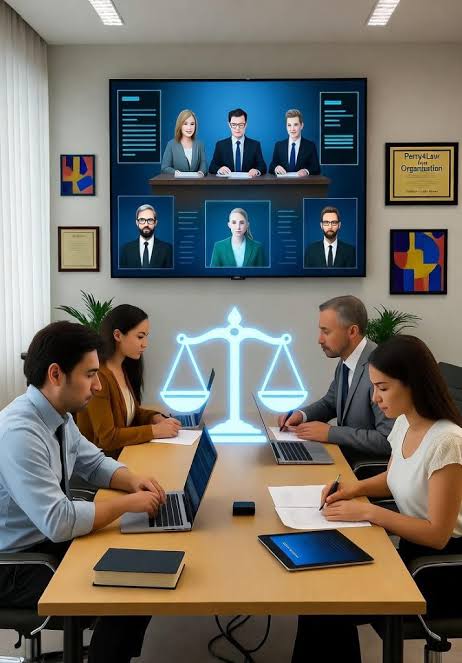
The emergence of techno-legal specialists in India represents a critical response to the intersection of law, technology, and cybersecurity. These professionals do not simply practice law or manage IT systems in isolation; instead, they operate at the crossroads where technical functionality meets legal compliance and ethical governance. By integrating legal expertise with technical fluency in areas like cybersecurity and digital forensics, these specialists address the complexities of a digitizing economy. This synergy allows them to navigate the nuance of how a line of code can create a legal liability or how a specific regulation can dictate the architecture of a software system. As India continues its rapid digital transformation, the demand for individuals who can speak both the language of the developer and the language of the judge has become an institutional necessity.
The development of this field requires a departure from traditional, siloed education. Techno-legal skills development focuses on a multidisciplinary approach, moving beyond theoretical degrees toward practical, application-based learning. This includes mastering cyber law, understanding the mechanics of cybersecurity, and learning how to handle digital evidence. The goal is to create professionals capable of translating legal requirements into technical controls and vice versa. This transition involves moving away from the “black box” approach to technology, where lawyers simply trust a technical report, toward a model where the legal professional understands the underlying process of data extraction. By breaking down these silos, the industry can produce specialists who can anticipate risks before they manifest as legal crises.
A key pillar of this professional identity is the mastery of digital forensics and the management of electronic evidence. As legal disputes increasingly center on digital footprints, the ability to preserve and analyze data without compromising its integrity becomes essential. Techno-legal specialists bridge the gap between the courtroom and the server room, ensuring that technical evidence is admissible and legally sound. They must understand the chain of custody for digital assets, knowing exactly how to mirror a drive or capture volatile memory in a way that survives judicial scrutiny. Without this specific intersection of skills, critical evidence is often lost or dismissed, leaving organizations vulnerable and justice delayed.
The field has also expanded to include Online Dispute Resolution (ODR), which reimagines how justice is delivered in a digital age. By utilizing technology to resolve conflicts outside traditional courtrooms, techno-legal professionals increase efficiency and accessibility. This shift requires a deep understanding of both the procedural rules of law and the technical architecture of the platforms used to facilitate these resolutions. ODR is not merely about moving a hearing to a video call; it involves designing algorithmic workflows and digital interfaces that maintain neutrality and fairness. Specialists in this area ensure that the convenience of technology does not come at the expense of due process or the fundamental rights of the parties involved.
Recent advancements in artificial intelligence have introduced a new layer of urgency to this skill set. The rise of AI has created a “digital fragility,” where the speed of innovation often outpaces the ability to secure systems or regulate them. This has led to significant talent gaps, as there are not enough professionals who can both deploy AI and manage its associated legal and security risks. The danger lies in the deployment of powerful systems without a corresponding understanding of their failure modes or their legal implications. This fragility means that a single AI hallucination or a biased algorithm can lead to massive systemic failures or severe legal penalties.
To address these gaps, techno-legal training now emphasizes AI literacy and governance. It is no longer enough to know how to use an AI tool; professionals must understand how to oversee these systems, conduct AI stress tests, and manage the ethical implications of automated decision-making. The focus is on moving from repeatable digital tasks to high-level oversight and strategic risk management. This includes developing frameworks for AI accountability, where the specialist determines who is responsible when an autonomous system causes harm. By mastering AI governance, these professionals ensure that technology serves human goals without bypassing legal safeguards.
The scope of this development extends to the foundational levels of education, including school students. By introducing cyber safety and techno-legal concepts early, the goal is to build a digitally literate generation capable of navigating the internet safely. This creates a long-term pipeline of talent that views technology and law as inextricably linked. Early education prevents the “skill gap” from forming in the first place by teaching students the ethics of digital citizenship alongside basic technical skills. When children understand the legal consequences of cyberbullying or the mechanics of phishing, they enter the professional world with a natural instinct for techno-legal thinking.
Practical training is prioritized over static credentials. The modern techno-legal approach utilizes virtual campuses, simulated attack exercises, and real-world case studies to ensure that skills remain current. Because the technical landscape changes rapidly, continuous learning and the ability to adapt to new threats are more valuable than a one-time certification. This methodology mimics the “adversarial” nature of cybersecurity, where learners must defend a system against a mock attack while simultaneously documenting the legal justifications for their actions. Such immersive training ensures that the specialist is ready for the chaos of a real-world breach, rather than just the order of a textbook.
The necessity for these specialists is highlighted by the increasing frequency of data breaches and the complexity of data protection laws. Professionals in this field are tasked with designing data governance frameworks that protect privacy while enabling innovation. They serve as the primary defense against the vulnerabilities that arise when technology is deployed without adequate legal or security oversight. This involves auditing data flows, identifying “leakage” points, and ensuring that the organization’s privacy policy is not just a document, but a reflected reality in the code. Their role is to ensure that data utility does not come at the cost of individual privacy rights.
Ultimately, techno-legal specialists in India are evolving into architects of digital trust. By combining law, cybersecurity, and AI governance, they provide the framework necessary for a secure and fair digital society. Their role is not just to react to cyber incidents, but to proactively build the systems and policies that prevent fragility and ensure digital resilience. They act as the essential glue between the engineers who build the future and the lawmakers who regulate it. By fostering a culture of competence and vigilance, these specialists ensure that India’s digital leap is both sustainable and just.