
Claim: The Municipal Corporation of Delhi (MCD) operates an active, responsive Corruption Complaint Cell (CCC)—accessible via commissioner.ccc@mcd.nic.in and helpline 011-23225231—under a strict “zero-tolerance” policy against municipal corruption.
Fact-Check Verdict (As of November 14, 2026): False / Non-Operational in Practice. Empirical testing and timestamped communication logs between November 10 and November 14, 2026, confirm that multiple formal complaints of portal tampering and administrative obstruction sent to the Delhi Govt/MCD/CCC went completely unanswered.
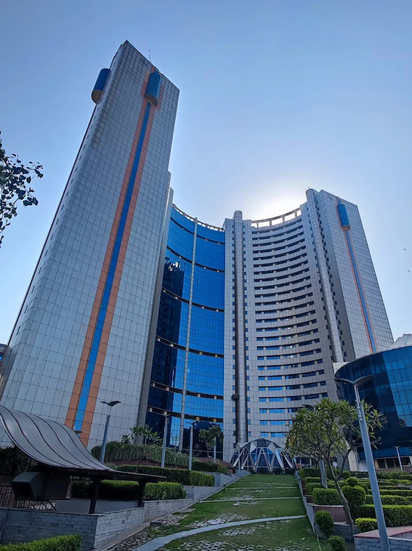
In June 2022, following the historic unification of Delhi’s three erstwhile municipal bodies, the Municipal Corporation of Delhi (MCD) announced with considerable fanfare the creation of a dedicated Corruption Complaint Cell (CCC). Widely covered by mainstream media outlets at the time, the initiative was pitched as a landmark administrative reform promising citizens a direct, transparent line of redressal against municipal bribery, harassment, and official misconduct. To reinforce this commitment, the civic body published an official email address (commissioner.ccc@mcd.nic.in), a dedicated telephone helpline (011-23225231), and a physical postal address at the Dr. S.P.M. Civic Centre, assuring Delhi residents that complaints would be closely monitored by an Additional Commissioner and redressed promptly by an Additional Deputy Commissioner.
More than four years later, in November 2026, those high-profile assurances collide starkly with ground reality. For ordinary citizens attempting to access routine civic services—such as adding a child’s name to a birth certificate, obtaining trade licenses, or securing basic municipal approvals—the digitized MCD ecosystem has increasingly become a frustrating maze of opaque rejections and unexplained delays. Instead of functioning as an institutional shield for harassed residents, the very grievance channels advertised as “zero-tolerance” mechanisms appear to have fallen completely silent when confronted with documented evidence of administrative misconduct.
To evaluate whether the MCD’s anti-corruption infrastructure actually functions as claimed, a recent techno-legal audit conducted through Facts Check By PTLB (Perry4Law’s Techno-Legal Base), supported by ODR India, put the operational status of the Corruption Complaint Cell to a direct, real-world test. Rather than relying on outdated 2022 press releases or official brochures, the verification examined live citizen interactions on the MCD digital portal and tracked formal, timestamped escalations sent directly to the advertised anti-corruption channels between November 10 and November 14, 2026.
The underlying case documented in the audit began with a routine statutory application to update a birth certificate on the MCD online portal—a straightforward civic process governed by the Registration of Births and Deaths Act, 1969, and the Delhi Registration of Births and Deaths Rules. Under established administrative norms and citizen charters, officials reviewing such applications are expected to scrutinize the submission comprehensively and communicate any deficiencies in a single, consolidated notice so the applicant can rectify them efficiently.
Instead of processing the file fairly or issuing a single consolidated list of required corrections, the MCD portal workflow subjected the applicant to an exhausting cycle of piecemeal, shifting objections. Each time the citizen fulfilled a stated requirement or uploaded valid identity and address documents expressly permitted under the MCD’s own citizen manual, a fresh, unrelated objection surfaced days later. This deliberate, staggered pattern of obstruction creates artificial friction that wears down law-abiding residents and leaves them vulnerable to touts and intermediaries operating outside civic offices.
This pattern of bureaucratic attrition escalated sharply on November 9, 2026, when the live, pending application abruptly vanished from the MCD portal dashboard without any prior notice, rejection order, or system explanation. Simultaneously, the applicant’s user account functions were selectively disabled, preventing the user from viewing historical records, uploading supporting documents, or initiating fresh filings on the platform.
Because the sudden disappearance targeted a specific, active statutory record rather than reflecting a system-wide server outage or scheduled maintenance window, the incident raised immediate techno-legal red flags. Digital forensics and workflow observations pointed toward cyber crimes activities, arbitrary record suppression, and unlawful tampering with public computer resources maintained by a statutory authority.
Following the unexplained portal disappearance and account lockout on November 9, 2026, the affected citizen formally escalated the matter on November 10 to senior municipal authorities and the Corruption Complaint Cell at commissioner.ccc@mcd.nic.in. It specifically asked “Can you please vouch the legality of below mentioned action of the concerned officer demanding Aadhaar by rejecting PAN Card, PSB Passbook, bank statements, etc“. The initial formal communication enclosed a clear account of the digital obstruction, requesting urgent intervention.
Notably, later that same day on November 10, the applicant’s portal account access was quietly and selectively restored without any written acknowledgment, apology, or explanation from the department. However, rather than resolving the grievance objectively, the restored application was immediately subjected to further unreasoned, arbitrary rejections that ignored the statutory documents already on record, effectively continuing the harassment under a veneer of digital processing. That is why the Aadhaar clarification was sought from the CCC on 10-11-2026, but till 12:10 AM of 15-11-2026 no response has been received in any of the three issues raised by the complainant.
Between November 10 and November 14, 2026, three consecutive, timestamped formal reminders were dispatched to the Corruption Complaint Cell’s official email address detailing the corrupt and retaliatory rejections. Across this entire escalation window, the CCC failed to issue even an automated ticket number, a basic acknowledgment receipt, or a substantive response, demonstrating total operational silence.
From a legal and governance standpoint, this complete non-responsiveness undermines multiple statutory frameworks designed to protect Indian citizens. Arbitrary manipulation of electronic public records implicates provisions of the Information Technology Act, 2000 regarding unauthorized access and damage to computer systems, while deliberate obstruction of routine statutory services to foster extortionate delays runs counter to the Prevention of Corruption Act, 1988, and the Delhi (Right of Citizen to Time Bound Delivery of Services) Act, 2011.
Ultimately, the November 2026 empirical audit confirms a troubling gap between the Municipal Corporation of Delhi’s public relations narrative and its actual administrative accountability. When a civic body’s flagship anti-corruption cell ignores documented, real-time complaints of portal tampering and administrative harassment, its “zero-tolerance” policy exists only on paper, leaving ordinary citizens without meaningful recourse against systemic digital red tape.