Household Debt And Domestic Consumption In India In 2025

India’s household debt has significantly increased, reaching approximately ₹4.8 lakh per individual by March 2025, which is a 23% rise from ₹3.9 lakh in 2023 according to the Reserve Bank of India (RBI)’s June 2025 Financial Stability Report. This debt is increasingly directed towards consumption rather than asset creation, raising concerns about financial stability.

This rise is attributed to increased access to loans and a growing trend of non-housing retail loans for consumption. While this shows improved access to credit, it also signifies a growing debt burden for individuals, with concerns about financial stability and the shift from investment to consumption-driven borrowing.

Overview Of Household Debt In India (2025)

India’s household debt has seen significant growth, reaching approximately ₹120 trillion by March 2024. This represents about 42.9% of the country’s GDP, a notable increase from 36.6% in 2021. The average per capita debt has risen from ₹3.9 lakh in 2023 to ₹4.8 lakh in 2025.

Some key aspects of this situation are as follows:

(a) Shift Towards Consumption: A significant concern is the increasing use of debt to fund daily expenses and lifestyle needs rather than for creating long-term assets like homes. For many middle-income households, borrowing is used to bridge the gap between their income and their consumption, which is putting pressure on household budgets. Many young borrowers are using credit for immediate gratification.

(b) Increased Unsecured Lending: The rising share of personal loans and credit card debt has been a focus of the RBI. In 2024, the RBI increased risk weights on unsecured personal loans to slow credit growth, but this was later adjusted in 2025 to stimulate the economy. Credit card debt has surged, with defaults increasing to 1.8% in mid-2024. The average credit card balance rose to ₹32,233, indicating higher reliance on credit.

(c) Decline In Savings: Household net financial savings have decreased, hitting a near 50-year low of 5.3% of GDP in FY23 before recovering slightly. This decline is linked to both increased borrowing and stagnant income growth relative to rising expenses.

(d) Rural-Urban Credit Scenario: Urban borrowers, with greater access to digital lending platforms, are more actively pursuing unsecured loans, while rural borrowers remain more reliant on informal or agricultural credit. This is a blessing in disguise for rural people as they would be saved from debt trap.

(e) Monitoring By Regulators: The RBI continues to monitor household debt trends, particularly among lower-rated and more leveraged borrowers, to ensure long-term financial stability. Delinquency levels are higher among these groups, though they have decreased from pandemic levels.

(f) Gambling Addiction: Indians have been severely addicted to online gambling and stock market gambling. This has happened as Modi govt actively promoted online gambling and unregulated and unreasonable investment in stock market of India. Indians have been indebted due to these two money sucking black holes of India.

(g) Financial Stability Risks: Experts warn that the increase in unsecured lending could lead to higher default risks, potentially straining household finances and overall economic stability. The increasing reliance on debt for consumption-related spending raises concerns about loan-to-value ratios and overall household financial stability.

(h) Debt-To-GDP Ratio: Household debt stood at 41.9% of GDP as of December 2024, down slightly from a high of 42.9% in June 2024. This remains higher than the 40% recorded in December 2023. As of March 2025, India’s household debt-to-GDP ratio was 48.6%, a significant and alarming increase from the 41.9% recorded in December 2024.

(i) Average Debt Per Individual: The average debt per individual borrower rose significantly by 23% in two years, from ₹3.9 lakh in March 2023 to ₹4.8 lakh in March 2025.

(j) Non-Housing Retail Loans: This category, which includes personal loans, credit card debt, and auto loans, is the largest driver of debt growth. It accounted for nearly 55% of total household debt in March 2025. This figure contrasts sharply with home loans, which comprised only 29% of household debt in the same period.

(k) Borrower Profile: The increase in debt is primarily concentrated among higher-rated (“Prime and Above”) borrowers, though debt among lower-rated borrowers is a monitoring concern for the RBI.

While India’s household debt levels are rising, they remain manageable compared to global standards. However, the shift towards consumption-based borrowing raises concerns about long-term financial health and stability.

Pharmaceuticals Manufacturing Is Shifting To U.S. In 2025

The pharmaceutical industry is increasingly moving manufacturing operations back to the United States. This shift is driven by several factors, including rising tariffs on imported drugs and concerns over supply chain vulnerabilities. Events like the COVID-19 (Plandemic and Hoax) exposed the risks of relying on offshore supply chains. Shifting manufacturing to the U.S. is seen as a crucial investment in national health security and a more reliable domestic supply of essential medicines.

In 2025, the U.S. imposed a 10% global tariff on nearly all imported goods, with higher tariffs on Chinese active pharmaceutical ingredients (APIs) and medical devices from Canada and Mexico. The U.S. government has proposed tariffs, some as high as 245%, on imported drugs and APIs, particularly from countries like China and India. These tariffs are expected to raise costs for pharmaceutical companies, prompting them to reassess their global sourcing strategies. These tariffs are intended to encourage domestic production and are projected to become significantly higher after an initial grace period.

The second Trump administration signed an executive order in May 2025 that ties U.S. medicine prices to those in other developed nations, creating financial incentives to bring production and innovation back to the U.S. A significant aspect of this shift is the reshoring of critical components like APIs, which are essential for drug production.

Major pharmaceutical companies, including AstraZeneca, Eli Lilly, and Novartis, are ramping up investments in U.S.-based production facilities. AstraZeneca announced a $50 billion investment to expand its manufacturing footprint in Virginia by 2030, focusing on treatments for chronic diseases. Biogen has announced a $2 billion expansion of its manufacturing footprint in North Carolina. Eli Lilly is investing billions in new facilities, including sites for API production.

The investments are also driven by high global demand for certain drugs, such as those for diabetes and weight loss. This trend is not limited to a few companies; Amgen, BeiGene, etc are also bolstering their U.S. manufacturing presence to increase domestic capacity.

The shift towards domestic manufacturing is creating new job opportunities for analytical chemists in areas such as regulatory compliance and quality control. Chemists will need to develop expertise in manufacturing processes and supply chain logistics to adapt to the changing landscape. This shift in pharmaceutical manufacturing reflects a significant change in strategy, aiming to enhance national security and reduce reliance on foreign sources.

The tariffs are expected to increase costs for pharmaceutical companies. While presenting short-term challenges, this shift offers opportunities for companies that can adapt by embracing transparency and investing in domestic supply chain integrity. U.S.-based manufacturing offers advantages by aligning with U.S. standards and reducing compliance risks associated with foreign production.

However, experts caution that simply reshoring production will not resolve ongoing challenges like drug shortages and production bottlenecks. Broader, coordinated actions are necessary to harmonise regulations and ensure a stable supply of essential drugs.

Ethanol Blending: A Scam Based Upon Another Scam Of Global Warming

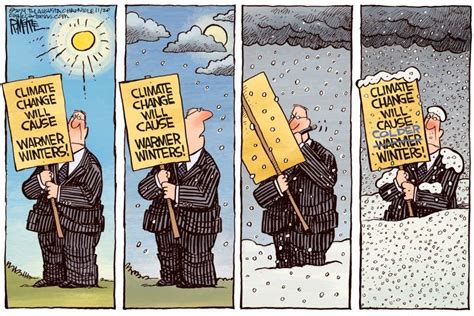
It has now become very easy to fool people using various types of obvious scams. The education system of the world has failed humanity as it has failed to create skilled people with critical mind that can question the scams like Covid-19, Global Warming, etc. CO2 based Global Warming is bullshit that has been forced upon global citizens and they are openly looted by using this scam. Not only the monetary losses, but even the personal freedoms and right to property have been snatched away by these NWO Puppets by using scams like Global Warming and Covid-19 Plandemic.

Since CO2 based Global Warming is a scam, anything relying upon it is automatically a scam and money minting tool. India is very good at taking advantage of scams like Covid-19, Global Warming, etc as 99% of its population is moron. Modi govt, Govt Buddies, Modi Ka Gang and all political parties since 1947 have been fooling Moronic Indians from time to time. The latest is the Ethanol blended fuel that has been damaging the vehicles of Moronic Indians and is very dangerous for environment and economic conditions of India and Indians says Praveen Dalal.

The Global Warming scam is supported by UN Cabal that has been peddling lies for the last 55 years without any effect whatsoever upon climate of Earth. Of course, NWO Puppets and NWO Lords have become super rich by leaching and looting moronic people of the world.

A big lie was also spread that 97% of the climate scientists believe that Global Warming is a man-made disaster. On the contrary, 97% scientists, climate scientists, physicists, etc have never claimed that Global Warming is a result of man-made actions like CO2 emissions of traditional fuels. On the contrary, only 1.6 percent explicitly stated that man-made greenhouse gases caused at least 50 percent of global warming. In fact, the scientists who were claimed to be part of this 97% lies openly rejected this false assumption.

Wherever critical thinkers challenged the obvious lie of Global Warming due to CO2, these thinkers were labelled as conspiracy theorists, skeptics, etc. But mass and irrefutable evidence is fast accumulating that cosmic rays associated with fluctuations in the sun’s electromagnetic field is what drives Global Warming and not CO2 that is in fact a beneficial gas for our plants and planet.

It is absolutely clear from last 55 years that CO2 based Global Warming is a BIG SCAM to loot money and exert control over global population says Praveen Dalal. As per these maniacs, agriculture contributes to greenhouse gas emissions, including NOx, which have a warming effect on the planet. They also claim that human population of the planet is also responsible for Global Warming. Morons of the world may even allow stopping of agriculture and human growth too.

Let us now analyse the other scam of Ethanol blending that is pushed by Modi govt, Govt Buddies and Modi Ka Gang to fool Indians and to damage their vehicle for more sale of auto parts and automobiles in India.

Ethanol blending is the process of mixing ethanol, a biofuel made from organic matter, with petrol (gasoline) to create a fuel with reduced reliance on traditional fuels, though it also decreases fuel economy due to ethanol’s lower energy density. Blending brings certain challenges that include potential compatibility issues with older vehicles and fuel systems, water separation problems, effects on emissions profiles, damage to the engines and parts of vehicles, etc.

The very CO2 that has been used as a justification for Ethanol blending is also released in big quantity during production and consumption along with other dangerous gases like nitrogen oxides (NOx), carbonyls gases, etc says Praveen Dalal. Ethanol has a lower energy content than gasoline, which results in significant decreased fuel economy and mileage. Higher blends like E15 and E85 require flex-fuel vehicles (FFVs) specifically designed for these fuels. All old vehicles in India would be phased out by using draconian norms like 15 years old vehicles scrapping.

Viewed from any perspective, Ethanol blending is more harmful to the environment than the harmless and victim gas of CO2. But there is no profit in having a healthy and wealthy population. Let us make Indians poor and unhealthy by using Ethanol blending and other scams like CO2 based Global Warming.

Fertilizers Import In India From China And Its Consequences

India imports both bulk and specialty fertilizers from China, with the latter comprising nearly 80% of India’s specialty fertilizer imports and being crucial for high-value crops and sustainable farming. In 2023, China was the second-largest supplier of fertilizers to India overall, accounting for $2.59 billion in fertilizer imports. However, China halted specialty fertilizer shipments to India in mid-2025, raising concerns about potential disruptions to India’s high-value crop yields and soil health improvements.

China’s recent actions are not confined to fertilizers. Since April 2025, it has also restricted exports of rare earth materials, impacting global supply chains for critical industries such as automotive and electronics. Manufacturers in the United States, Europe, and India are now experiencing shortages of essential components like industrial magnets.

The halt in fertilizer imports has raised concerns among Indian farmers, particularly as the country approaches its peak cropping season. Reports indicate that farmers are experiencing shortages and rising prices for essential fertilizers like Diammonium Phosphate (DAP), which is widely used in various crops. The import of DAP from China has reportedly decreased by nearly 75% in the first half of FY25 compared to the previous year, exacerbating the situation.

This disruption in fertilizer supply is part of a broader pattern of trade tensions between India and China, which have been escalating due to geopolitical issues. The Indian government is now facing urgent questions regarding self-reliance and the feasibility of local production of specialty fertilizers, as domestic manufacturing capabilities remain limited. Despite the growing demand for specialty fertilizers, local production has not been viable due to low volumes and technological constraints.

It has been reported by some media reports in India in August 2025 that China has lifted restrictions on fertilizers, rare earth magnets, and tunnel boring machines, which were previously impacting Indian industries. But there is no official confirmation from China in this regard at the time of writing of this article. Neither is there any official customs data from China that can prove that China has started exporting fertilizers, rare earth magnets, and tunnel boring machines to India in August 2025.

In fact, China did not export urea to India in July 2025 but exported it to Chile, Mexico, Sri Lanka, New Zealand and South Korea. Export destinations for the chemical also expanded from 13 countries and regions in June 2025 to 31 in July 2025 as per customs data of China. But India is not part of this dispatch and export, so restrictions lifting is on papers alone and is mere talk at this stage. Urea exports to India may resume in September 2025 if media reports are true, but volumes would likely remain limited as Beijing continued to prioritise domestic supply and stable prices. Meanwhile, desperate farmers in Madhya Pradesh (MP) looted sacks of fertilizers and fertilizer and seed adulteration was found in Rajasthan. So things are getting pretty bad in agriculture sector of India. Removing of import duties on cotton would further create problems for Indian cotton growers and farmers.

India has no option in this regard as it has 100 billion USD trade deficit with China and is heavily dependent upon it for domestic consumption. As China is in very strong position, India has no option especially when Trump has imposed a 50% tariff upon India. This bitter truth was reflected recently when Wang of China was welcomed by Prime Minister Modi himself. Bending the usual protocol reflected the importance New Delhi placed on the top diplomat’s visit and mission. In New Delhi, Wang also held talks on the border dispute with Indian National Security Adviser Ajit Doval. The pair agreed to create an “expert group” to explore prioritising the settlement of disputes in less-contentious sectors. Agreements were reached on resuming direct flights and business links. Also discussed were plans to explore trade cooperation, particularly in strategic sectors such as rare earths, people-to-people contact, the sharing of river data and connectivity.

Trade deficit, dependency upon China and fertilizer imports would remain the weakest links in the self sufficiency, sovereignty, national security, and agriculture of India, as India lacks manufacturing capabilities and is a gig economy says Praveen Dalal.

Reasons Why Domestic Consumption Is Declining In India

There are two misunderstandings and false assumptions that are running amok in India. First one believes that U.S. exports and dealings only have 2% impact upon Gross Domestic Product (GDP) of India. The second one believes that Indian economy is a domestic consumption based economy so tariffs and non-trade barriers by U.S. and other countries would have nil effect upon Indian GDP. Both these assumptions and beliefs are wrong and super dangerous to pursue and accept.

GDP is the value added in the production of all goods and services in a year by an economy. It has four components, i.e. (a) Private Consumption, (b) Private Investment, (c) Government Expenditure, and (d) Trade Surplus. Economic growth driven by consumption is not only slower than investment-led growth, but it also aggravates inequalities. The growth of jobs, incomes, and consumption has remained depressed for many Indians, and they have been left behind. In fact, 100 crore Indians are begging for 5 kg ration and India is behind Pakistan, Nepal, Bangladesh, etc in World Hunger Index.

India’s economic growth over the last decade has been driven mainly by expanding domestic consumption expenditures. In 2023, consumption as a share of GDP was 60.3% in India compared to 39.1% in China. The dominance of consumption in India’s GDP structure is mainly due to the weaknesses of the other components of aggregate demand in the country. The shares of investment and government consumption expenditure are relatively low. India also has a trade deficit, with its import of goods and services being larger than its exports, reducing domestic demand.

China’s investment rates have been significantly higher than India’s from the 1970s onward. In 2023, these rates were 41.3% and 30.8%, respectively, for China and India

Despite India’s relying solely upon domestic consumption for 60% of its GDP, it has started waning out. Domestic consumption in India is declining due to several factors, including stagnant wage growth, rising inflation, changing consumer behavior, broader economic challenges, and increased uncertainty about future income, which leads consumers to cut back on spending. Additionally, urban households are prioritising savings over expenditures, further impacting overall consumption levels.

Let us discuss these issues in more details.

(a) Inflation: Rising inflation has significantly impacted consumer purchasing power, particularly among lower-income groups. While high-income households have driven discretionary spending, inflation has led to a shift in spending habits, with consumers prioritising essential goods over discretionary items. This has resulted in a decline in private consumption, which dropped from 58.1% of GDP in FY22 to 55.8% in FY24.

(b) Stagnant Income Growth: Wage growth has remained flat, limiting disposable income for many consumers.

(c) Changing Consumption Patterns: Over the past decade, there has been a noticeable shift in how consumers allocate their budgets. Many consumers are now spending more on electronics and gadgets, often at the expense of essential goods like food. This trend has been exacerbated by the economic pressures faced by households, leading to a decline in demand for high-margin items such as packaged foods and personal care products.Consumers are also opting for cheaper products and services to manage their expenses, indicating a shift in spending habits.

(d) Economic Slowdown: The Indian economy has been experiencing a slowdown, with GDP growth rates declining from 8.2% in 2023-24 to an estimated 5.4% in the second quarter of 2024. This slowdown has been attributed to weaknesses in demand, particularly in private consumption and fixed capital formation. The decline in automobile sales and FMCG revenues further illustrates the weakening consumer demand.

(e) Long-term Structural Issues: The decline in domestic consumption is not a new phenomenon but rather a continuation of long-standing issues within the Indian economy. The failure to create a robust home market, coupled with a large informal workforce and volatile income, has contributed to a chronic consumption demand crunch. This has been evident in the declining growth rates of consumption in both rural and urban areas.

(f) Consumer Confidence: The overall consumer sentiment has become increasingly cautious, reflecting a deeper, lasting change in spending behavior. As consumers face economic uncertainty, they are more likely to cut back on spending, further contributing to the decline in domestic consumption.

(g) Increased Savings: Many urban consumers are prioritising savings over spending due to economic uncertainty.

(h) Urban vs. Rural Dynamics: Urban areas, which significantly contribute to consumption, are experiencing a slowdown in spending as residents face income challenges. While urban consumption is faltering, some rural sectors are showing growth, but overall urban demand remains critical for economic health.

(i) Low Private Investment: Despite high corporate profits, private sector investment has dipped, affecting job creation and consumer confidence.

(j) Global Uncertainties: Economic uncertainties and competition from imports have made companies cautious about expanding their operations.

So households are spending less as they cut back on expenses after a post-pandemic boom, leading to a cyclical slowdown in consumption and declining consumer confidence. Real wage growth for urban Indians has remained stagnant, falling below the 10-year average, which curtails spending capacity, particularly as headline and food inflation remain high. High inflation, especially in food prices which have averaged above 8% due to weather-related issues, erodes purchasing power, forcing households to prioritise essential spending over discretionary goods and services. A pullback in government spending, an important economic driver in recent years, has further dampened demand across the economy. Increased household debt incurred during the pandemic and rising interest rates for personal loans are contributing to households focusing on saving more and servicing their loans, rather than spending. Despite high corporate profitability, companies are not investing to expand capacity or create new demand because of the current lack of sufficient overall consumer demand, creating a “vicious cycle” of low investment and consumption. While rural demand shows some recovery, urban demand remains particularly muted, impacting sectors like fast-moving consumer goods (FMCG).

The decline in domestic consumption in India is a multifaceted issue driven by economic pressures, changing consumer behavior, and long-term structural challenges. The combination of inflation, stagnant wages, changing consumer behavior, and hesitancy in corporate investment is leading to a decline in domestic consumption in India. This trend poses challenges for economic growth, as consumer spending is a major driver of the economy. Addressing these issues will require targeted government interventions and policies aimed at boosting consumer confidence and stabilising income growth. But too much reliance upon domestic consumption to leverage and boost Indian GDP and economy is a sure recipe for disaster and India is already heading in this direction says Praveen Dalal.

Cotton Production In India And Impact Of U.S. Tariff Upon Indian Cotton Agriculture

India is the world’s second-largest producer and consumer of cotton, a vital cash crop for its economy and livelihood of millions. Major production centers include Gujarat, Maharashtra, Telangana, and Rajasthan. While India cultivates a large area for cotton, its overall yield is lower than leading countries like China and the U.S., partly due to issues like pink bollworm resistance to BT cotton and increasing reliance on imports.

Cotton is a crucial economic crop, often called “white gold,” and a major contributor to India’s foreign exchange earnings through exports. The cotton sector supports the livelihoods of approximately 60 million people in India, including farmers and those in related processing and trade activities.

India’s cotton cultivation is broadly divided into three zones:

(a) Northern Zone: Includes states like Punjab, Haryana, and Rajasthan.

(b) Central Zone: Features major states like Gujarat, Maharashtra, and Madhya Pradesh.

(c) Southern Zone: Comprises Telangana, Andhra Pradesh, and Karnataka.

However, India’s cotton yield is relatively low compared to global leaders, partly due to challenges with pest management and water usage. For instance, the pink bollworm has developed resistance to the BT (Bacillus thuringiensis) toxins in cotton, negatively impacting both the quantity and quality of lint produced.

The recent tariffs imposed by Trump, which include a 50% rate on Indian goods, are expected to significantly impact the textile sector, particularly cotton, as it makes Indian products less competitive in the U.S. market. In response, the Indian government has temporarily removed the import duty on cotton to help mitigate these effects and support domestic producers.

A 25% reciprocal tariff on Indian imports was announced on July 31, 2025. An extra 25% tariff will be applied to Indian goods from 27-08-2025, raising the total to 50%. This has adversely effected Indian textile sector that is surviving upon a thin profit margin. India has eliminated an 11% import duty on cotton to mitigate tariff effects. Nevertheless, the textile sector, heavily reliant on cotton, is expected to be the hardest hit if tariff issues are not resolved before 27-08-2025. This is because the U.S. is a key market, accounting for 33% of India’s ready-made garment exports. High employment intensity in textile sectors raises fears of job losses and further cementing the unemployment monster of India.

There is a misconception that U.S. exports constitute less than 2% of India’s GDP, suggesting a limited direct economic impact. But this is not true and if U.S. tariffs and non-trade barriers are not removed soon, Indian economic growth would be lucky to hit even 5% in 2025-2026. India is heavily dependent upon U.S. for its survival as it is importing from China and selling it to U.S. India had a trade surplus from U.S of 45.7 billion USD in 2024 and a trade deficit of 99.21 billion USD from China in 2024-2025. India also had a trade deficit of 58.9 billion USD from Russia in 2024. So while considering the economic impact of U.S. tariffs and non-trade barriers, we cannot solely consider export of good alone. If everything is excluded, even 25% tariff by U.S. would have devastating effect upon India. Lies, narratives and jumlabaazi would try to fool Indians but India is heading towards a big trouble.

Eliminating import duties upon cotton temporarily would not solve any problem but it would further increase the woes of cotton producing farmers in India. This is so because while the U.S. tariff rate for India has been set at 50%, the U.S. tariffs for competing countries such as Bangladesh is 20%, Pakistan, Indonesia and Cambodia are 19% and Vietnam is 20%. Eliminating the 11% import duty on cotton can never cover the gap of 30% tariff by U.S. but it would only crush Indian cotton producers in worst possible manner.

All this has happened when the harvesting season for cotton in India is about to happen. While the industries have welcomed this move this would incur financial loss for govt due to loss of revenue. Also, while the Cotton corporation of India (CCI) has shown support for removal of this import duty, in reality they may suffer a loss of Rs. 700 crores from previously held cotton stocks from last years. This move also has a huge impact on local traders who have withheld their cotton stocks from last year hoping for higher prices this year.

The new dumping of mainly U.S. cotton will destroy local prices, because cotton will be in over-supply and foreign cotton will be able to challenge the local farmers due to the reduction of the import duty. Cotton minimum support price (MSP) for the current harvest was supposed to be Rs 61,000, but with the new imported stock, cotton farmers would no more get that price.

This is sufficient to clarify that if 25% tariff upon just textile industry can create a complete chaos in India and for Indian economy, what 50% tariff and other non-trade barriers can do to India and Indians. Modi may continue to live in his fool’s paradise and use lies, jumlabaazi and narratives of supporting farmers, but the reality is he has done a tremendous damage to India says Praveen Dalal.

The Complex Relationship Between Trade Deficit And Corruption In India

While a direct causal link between dangerous trade deficits and corruption has not been universally established, corruption can contribute to and exacerbate trade deficits in a country. This lack of establishment of direct relationship has happened because corruption has been institutionalised almost by all nations and no nations would like to tackle this menace. They have deliberately created a system that encourages corruption and erodes efficiency and transparency.

But we at Sovereign P4LO have decided to look into this matter and to clarify the situation for the larger interest of India. Corruption is a major nuisance in India and all govt offices and authorities are corrupt to the core. The entire system and machinery has been put to work for the benefit of Govt Buddies and Modi Ka Gang alone. That is why inequality of income has increased many folds in India and about 100 crore Indians are begging for 5 kg ration.

Corruption can have serious effect upon an economy and trade deficit in the following manner:

(a) Corruption as a non-tariff barrier and increased import costs: Inefficient bureaucracy, bribery, and rent-seeking behavior (seeking profits through political influence rather than production) at borders and in customs can act as a hidden “tax” on imports. This translates to higher costs for businesses, making imports less competitive and potentially contributing to a wider trade deficit if the country relies heavily on imports. Bribery to bypass regulations or expedite processes further distorts fair competition, potentially favoring less efficient firms or those engaged in illicit activities.

(b) Corruption undermining export competitiveness: Corruption within a country can disincentivise domestic and foreign investment, leading to inefficient production, lower quality goods, and less competitive exports in the global market. When a country’s exports are less competitive, it leads to reduced export earnings and a larger trade deficit.

(c) Distortion of economic policies: Corruption can influence policy decisions, prioritising personal gain over national economic interests. This can lead to inefficient or unsustainable economic policies, such as misallocated subsidies, poorly targeted investments, or a lack of transparency in trade agreements, all of which can affect trade balance and potentially widen the trade deficit.

(d) Impact on investment and foreign direct investment: High levels of corruption deter foreign direct investment (FDI) and can lead to capital flight, both of which can negatively impact a country’s productive capacity and ability to export, thus exacerbating a trade deficit. Corruption also reduces private investment within a country, further hindering the development of domestic industries and their export potential.

(e) Weakening of institutions and the rule of law: Corruption erodes trust in public institutions, weakens the rule of law, and undermines the functioning of the legal and judicial systems. This unstable environment further discourages trade and investment, creating an adverse business environment and impacting a country’s long-term trade balance.

It is important to note that a trade deficit can be driven by a multitude of economic factors and is not solely caused by corruption. However, addressing corruption can be an integral part of improving a country’s overall economic health, enhancing its trade performance, and potentially narrowing a trade deficit.

Let us consider few examples from India:

(1) In 2023, India’s merchandise imports from China stood at $99.59 billion, which was 18.2% lower than the $117.68 billion worth of exports reported by China. While genuine error(s) are possible but successive happening of such events for many years point towards institutionalised corruption in India.

This means India is deliberately showing lesser trade deficit to not only give a rosy picture of its economy but also to protect Govt Buddies and Modi Ka Gang that are mostly benefiting from import to and export from India.

(2) There is a current trade deficit of $58.9 billion between Russia and India, despite more than a five fold rise in bilateral goods trade over the last four years. The imbalance has resulted from India’s oil purchase from Russia that did not benefit Indians at all. On the contrary, Indians were fooled with Ethanol mixed fuel that is damaging their vehicles. Insurance companies have also declared that they would reject insurance claims for vehicles that are not compatible with Ethanol based fuels. Most old vehicles are not compatible with it and many new ones may also not be compatible.

There are many more examples but these two examples are sufficient to bring home the point. Trade deficits from China, Russia, etc are not benefiting India, Indians and Indian economy but they are benefiting Modi, Govt Buddies and Modi Ka Gang only says Praveen Dalal. That is why hunger, unemployment, crimes, poverty, inequality of incomes, etc have significantly increased in India.

Do not be fooled by the lies, jumlabaazi and circus of Modi and his Moronic IT Cell, as Indian economy is doomed and has become a gig economy. Wake up and reclaim India before it is too late says Praveen Dalal.

Indian Economy Is In Very Bad Shape And Soon Stock Market Of India Would Collapse Completely Says Praveen Dalal

There is lots of heat in stock market of India and Indian economy these days due to tariffs by Trump. But the true meaning, impact and consequences of these tariffs is not clear to Indians. This is because the boot licking media of India, Moronic IT Cell of Modi govt and WhatsApp university is still peddling lies, false narratives and jumlbaazi. But we have already exposed the lies of Indian economy, GDP of India, lies and jumlabaazi of Modi, employment and jobs lies of Modi, lack of innovation, skills and capabilities among Indian startups, companies and intellectually bankrupt Modi govt. This is more so regarding Artificial Intelligence (AI), where India is not even in picture. in short, we have exposed the Vishwaguru, Swadeshi, and Made in India lies and jumlabaazi of Modi govt and his Govt Buddies.

Let us first discuss about one of the branch of Money Graveyard and Blood Economy named Domestic Institutional Investors (DIIs). DIIs are Indian-based financial institutions that invest in the stock market of India. They include entities like mutual funds, SIPs, insurance companies, pension funds, bonds, and banks. These institutions pool money from various sources and invest it within the stock market of India.

But these DIIs are not investing your money keeping in mind your interest. They use your money to bail out Modi govt, Govt Buddies and each other. As a result they are left with no money or very little money to accommodate your genuine and urgent needs. Even if you have a life or death situation or marriage occasion, you would beg for your own money and they would deny it. Because they have already given your money to Modi govt, Govt Buddies and their partners.

Now you understand why insurance companies deny your claims on flimsy grounds as they have already invested your money in the stock market of India to bail out Govt Buddies. Similarly, when you approach to get your pension funds, they are the most difficult one to get back. Technical and non technical hurdles are deliberately created so that you cannot withdraw your own hard earned money. That money is already invested in the Money Graveyard of India. Same is the case with Indian banks. Banks of India hate Indians when they demand back their own money. The hate is of top level when you withdraw big amount of cash as that unsettles the schemes and plans of NWO Puppets, Modi govt and Govt Buddies. They impose all sorts of restrictions and charges to discourage you from dealing in cash. But only moronic Indians deal in digital payments and smart Indians always carry a big amount of cash that is handy in all situations.

DIIs are meant to provide stability and liquidity to the Indian financial markets by investing within India. But they have just become pawns in the hands of Modi govt and Govt Buddies. They are always used to bail out Govt Buddies when FIIs withdraw from India, which is now a daily activity among FIIs and foreign investors. Soon even your money with the DIIs would dry up and stock market of India would collapse completely.

So bad is the situation in India today that if even 10% people approach PSU banks to get back their money, all of them would become bankrupt as your money is trapped in stock market of India. Also, if you approach insurance companies for claims, they would reject your claims giving one excuse or other as they do not have liquidity. You can file a Right to Information (RTI) application against PSUs, PSU banks, LIC, etc and ask for the information about investment of your money in stock market of India or otherwise. You can also check the profit and loss accounts and balance sheets of PSUs, PSU banks, LIC, mutual funds, SIPs, etc to ascertain how much money they have already lost in the stock market of India to save the Govt Buddies.

Now let us discuss about the plight of Indian exporters dealing with U.S. They are the most affected ones as lies and jumlabaazi of Modi cannot save them. Also, DIIs would not come to their support like they are doing to save face of the stock market of India. Some morons of India and boot licking media of India think that it would affect the American consumers. No, it would have nil effect upon either U.S. or its consumers. U.S. importers would import similar goods and products from other countries at cheaper rates and exporters from India would bear all the loss. That loss would seep into the total income of the Govt Buddies that is conveniently labeled as Gross Domestic Product (GDP) of India these days. India and Indians have no GDP as this is the income of Govt Buddies and NWO Puppets of India who are controlling India and Modi govt.

There are 100 crore Indians that are begging for 5 kg ration in India. This number is going to increase to 130 crore soon thanks to the unemployment monster of India, gig economy and Money Graveyard of India known as stock market of India. Modi govt and Govt Buddies can use DIIs to put stock market of India on ventilator, but they cannot save it for long. In fact, stock market of India would not revive for the next 5 years.

And if Modi govt, the Moronic IT Cell, and WhatsApp University of Modi govt think they can fool people by using lies, false narratives, jumlabaazi, etc, they are seriously mistaken. Sovereign P4LO would expose all their lies one by one. We have already proven how GDP is nothing but income of Govt Buddies and NWO Puppets of India. We have also proven how Modi uses lies and jumlbaazi to fool Indians while acting as a servant and agent of China. We have also proven how Artificial Intelligence (AI), innovation and real business models would govern the world and not the useless startups and business models of India. Now this article has also proved that stock market of India is already dead and Modi govt and Govt Buddies are fooling Indians to suck the remaining blood money.

But the worst part is the presumption that Trump and Americans are fools. If Indians can game stock market of India, so can the Americans. Their stock market has already analysed and accepted the impact of global tariffs, including those upon India. Now the stock market of America is gaining momentum and it is a huge market in every sense. Stock market of India is a kid in front of it and has no chance whatsoever against it.

So bad is the situation of India, Indian economy (Govt Buddies economy), and stock market of India that even Pakistan stock market is much better that Indian stock market. It has been more than six months and stock market of Pakistan is continuously ensuring profits for its investors. No wonder, why FIIs, foreign investors and even Indian investors are fleeing Indian stock market and investing in Pakistan stock market.

As per various estimates and media reports, GDP of Govt Buddies can fell to 5.5% this year but the Analytics Wing of Sovereign P4LO believe it can go as down as 5%. Even this 5% is the best bet for India as things are very messy and in extremely bad shape for India. Complete collapse of stock market of India is inevitable for many years to come says Praveen Dalal.

How Modi Is Using Lies, Deceit And Jumlabaazi Of Swadeshi, Atmanirbhar Bharat And Made In India

Pseudo nationalism is a big disease that has infected Indians very badly. Indians have been so much brainwashed that they cannot see their own demise, loss, subjugation and slavery. Around 100 crore Indians are begging for 5 kg ration but they still do not see any problem the way India and Indian economy has been managed. Unemployment monster has engulfed Indian youths, but still Indians are beating drums about Indian economy that is nothing but a shameful gig economy of NWO Puppets and Govt Buddies.

Ever since Modi came into power in 2014, he has been actively working for the benefit of and on behalf of China. The trade deficit between India and china is increasing every year and Modi is engaging more and more with China while doing Jumlabaazi of Swadeshi, Atmanirbhar Bharat and Made In India.

He is so committed to his Chinese Masters that even during the Covid-19 Plandemic and Scam, he continued to engage with China while fooling Indians with Jumlabaazi of Swadeshi, Atmanirbhar Bharat and Made In India. Govt Buddies made billions in USD and stupid Indians lost their jobs, property, savings and self respect. All Indians got after 11 years of Modi’s misrule and mismanagement is a golden chance to beg for 5 kg ration.

This is just the beginning of the story. Modi has given a free hand to China to grab as much Indian lands as China wishes. China is using the strategic advantage of such locations for its own benefits. China’s world’s largest dam on the Brahmaputra River is just one example.

Modi do everything for the benefit of Govt Buddies and they formulate all policies and trade norms between India and China on the one hand and India and other nations on the other. So the entire country is gamed by a handful of people and they have cleverly labeled all the earnings as the GDP of India. In reality, it is the GDP of Modi govt, Govt Buddies and NWO Puppets of India. How can it be the GDP of Indians and India when 100 crore are begging for 5 kg ration?

Now let us analyse the Trump’s angle to this position.

As you can see, India has a trade deficit of 99.21 billion USD from China and a trade surplus of 45.7 billion USD from U.S. in 2024. So India is buying from China and selling it to U.S. That is a big problem in itself but India has also imposed severe trade and non-trade barriers upon goods and services exported to India from U.S. That is outright looting and robbing of U.S. by India that cannot be accepted by any reasonable person.

But this is not the end of the problem for U.S. as it has to handle a gigantic trade deficit from China itself.

So China is ripping U.S. both directly and indirectly through India. But now U.S. has decided to take appropriate action against both China and India. China is currently in talks with U.S., while India has been slapped with 25% tariff by Trump. U.S. has also imposed very high tariffs upon China and this has created another problem for India.

Now India has to loose around 46 billion USD that it was ripping off from U.S. and Govt Buddies are not happy. It is not the money and GDP of India that would be affected but the money and GDP of Govt Buddies that would be reduced. So they are putting pressure upon Modi govt to surrender once more. Needless to say, Modi govt would surrender once more as it lacks any sort of leadership qualities.

But the other problem is much graver and serious. Now China would flood Indian markets with Chinese goods against which Modi govt has neither any production capabilities nor any market control. So Modi has decided to use once more the old and tested method of giving lollipop to Indians by using Jumlabaazi of Swadeshi, Atmanirbhar Bharat and Made In India.

Modi would pretend to ban Chinese goods in India but would divert them to the go downs and warehouses of Govt Buddies as was done in the past. From there, they would be exported to EU, UK, etc and make billions of profit for Govt Buddies. But small businesses and MSMEs would be closed once more as per the Agenda 2030 plan. Stupid Indians would clap and beat drums and take pride in pseudo nationalism and Jumlabaazi of Swadeshi, Atmanirbhar Bharat and Made In India.

As expected, Modi has started the Jumlabaazi of Swadeshi, Atmanirbhar Bharat and Made In India and Sheeple have started dancing upon his tune. But Sovereign P4LO is well aware of all dirty tricks and Jumlabaazi of Modi, NWO Puppets and Govt Buddies. We have warned you about Indian Economy/GDP and we are again warning you about the Jumlabaazi of Swadeshi, Atmanirbhar Bharat and Made In India. Take to task Modi, NWO Puppets and Govt Buddies this time or close your shops and businesses just like last time. The choice is yours.