
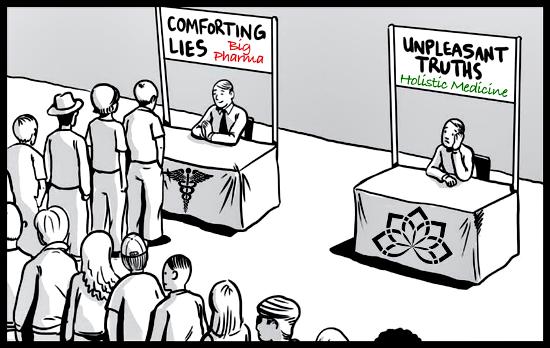
The Techno-Legal Framework For Global Cancer Treatment (TLFGCT) represents innovative work poised to revolutionize cancer care on a global scale. Developed by Praveen Dalal, this framework advocates for a fundamental shift away from conventional cancer treatments, emphasizing alternative therapies that harness the body’s natural healing abilities. This shift is not merely a response to dissatisfaction with existing treatments; it is a bold call to action for a reimagining of how cancer care can be approached.
Central to the TLFGCT is the introduction of Frequency Healthcare, a method designed to utilize cellular frequencies in combating cancer. This approach aims not only to reduce the harmful side effects typically associated with traditional treatments like chemotherapy and radiation but also to empower patients by restoring their innate healing intelligence. By capitalizing on the body’s cellular mechanics, the TLFGCT seeks to enhance patient outcomes in a manner that is less invasive and more aligned with natural healing processes. The potential impact of this methodology extends far beyond individual patients; it offers a new paradigm for all stakeholders in the global healthcare system.
The TLFGCT underscores the significance of holistic practices, promoting natural remedies and lifestyle modifications as vital components in addressing the root causes of cancer. Strategies such as grounding therapy—an ancient practice aimed at reconnecting the body to the Earth—incorporation of beneficial herbs like curcumin and ashwagandha, and dietary changes focusing on ketogenic and low-carb options are integral to this framework. By encouraging a more comprehensive approach to wellness, the TLFGCT seeks to transform not only how cancer is perceived but also how it is treated worldwide. This holistic focus encourages patients to take an active role in their health, fostering a sense of empowerment rather than helplessness.
Moreover, the TLFGCT challenges the conventional medical paradigm, which is often criticized for prioritizing profit over patient care. By advocating for the banning of outdated and potentially harmful treatments, the TLFGCT raises important discussions highlighted in articles like Doctors and Hospitals Are Killing People If They Are Using Chemotherapy, Radiation And Needle Biopsy For Cancer. It emphasizes the need for accountability and informed consent in healthcare decisions. This shift not only promises enhanced patient outcomes but also fosters a culture of ethical responsibility among healthcare providers and policymakers.
Addressing The Vaccine Genocide
A significant aspect of this discourse is the growing skepticism surrounding vaccinations, particularly in the context of the HPV vaccine. The TLFGCT’s advocacy aligns with heightened concerns regarding the safety and efficacy of these vaccines, as noted in recent studies questioning HPV vaccines’ safety and efficacy in cancer prevention. Articles outlining the Vaccines Genocide Cult of India pushing HPV Death Shots through schools reflect a broader rebellion against vaccine mandates, catalyzed by groups asserting that these interventions may contribute to a public health crisis instead of quelling it.
Moreover, the pressing call for a global ban on HPV vaccines underscores the urgency surrounding this issue. There is mounting evidence that some vaccines may be linked to adverse effects, raising ethical questions about their deployment in young populations without informed consent. A collective response invoking public health consciousness is discussed in the article on the Global Rebellion: The Rising Tide Against All Vaccines and Vaccine Genocide Cult.
The Role Of Accountability
In light of the risks associated with these vaccines, the TLFGCT emphasizes the need for ethical practices within healthcare and promotes informed choice. Concerns surrounding the alleged Vaccines Genocide Cult of India (VGCI) spotlight the urgency for reform in how interventions are presented to the public. Reports suggest that coercive measures are being employed to promote unproven vaccine strategies, raising the stakes for health autonomy.
Alarmingly, research into chromosomal abnormalities linked to vaccinations stresses the need for urgent action to prioritize patient safety. Among the more dire assertions is the claim that vaccines may be contributing to serious health consequences, including the emergence of conditions like turbo cancer and cardiovascular disorders. These findings further the narrative that traditional medicine may inadvertently contribute to greater health crises.
Reframing Medical Narratives
The TLFGCT fits within a broader context of questioning the foundations of modern medical science, influenced by profit-driven motives rather than patient welfare. This perspective resonates with articles discussing the historical context of medical practices, such as Rockefeller Quackery Based Modern Medical Science Theory (RQBMMS).
An extensive critique of vaccine practices, including materials highlighting fact-checking the death shots, exemplifies the need for rigorous scrutiny in the vaccination narrative. Articles challenging widespread perceptions of COVID-19, such as Fact Checking the COVID-19 Narrative: The Irrefutable Evidence of a Plandemic, underscore the urgency of evaluating existing paradigms. This collective discourse calls for an informed and conscious public dialogue regarding the implications of untested medical interventions.
As noted, the urgency for change is framed as not just a distant possibility but an immediate necessity, compelling the global community to advocate for healthier practices. This discourse is reflected in ongoing discussions about medical negligence and its consequences, revealing the stark reality of Doctors and Healthcare Providers Being Number 1 Killers Of The World.
Global Considerations
In this context, discussions surrounding the Vaccines Genocide Cult of the World and the implications of the WHO Pandemic Treaty reveal a wider framework affecting health policies globally. There are ongoing conversations about the potential impacts of HPV death shots across populations, which demand urgent attention and scrutiny. As citizens advocate for better health choices, it is crucial to highlight irrefutable evidence of a global vaccine catastrophe.
Further exploration into the TLFGCT’s call for global revolutionary change in cancer treatment and discussions regarding the Vaccines Genocide highlight the necessity of a comprehensive understanding within the medical community. Additionally, ongoing dialogue regarding the impact of vaccines stresses the importance of transparency and critical review in medical practices.
Conclusion
In conclusion, the advocacy for the TLFGCT marks a critical step toward fostering a compassionate healthcare environment, driving a collective effort toward saving lives while respecting the principles of ethical and natural healing. It beckons an urgent reconsideration of how we view cancer treatment, transitioning from a model of fear and toxicity to one of hope and restoration. The time for this transformation is not just essential; it is urgent and necessary for the future of oncology, one that envisions a world in which patients can heal safely and effectively, free from the confines of outdated practices that have led to widespread suffering.
By addressing both the innovative practices outlined in the TLFGCT and the broader concerns regarding vaccines, including the implications discussed through various articles, we initiate a necessary dialogue about the future of healthcare. It is crucial to empower individuals with knowledge, champion holistic approaches, and demand accountability to reshape the medical landscape for generations to come. The TLFGCT serves as both a beacon of hope and a call to action, striving for a healthier, more informed world as we navigate these complex issues together.