
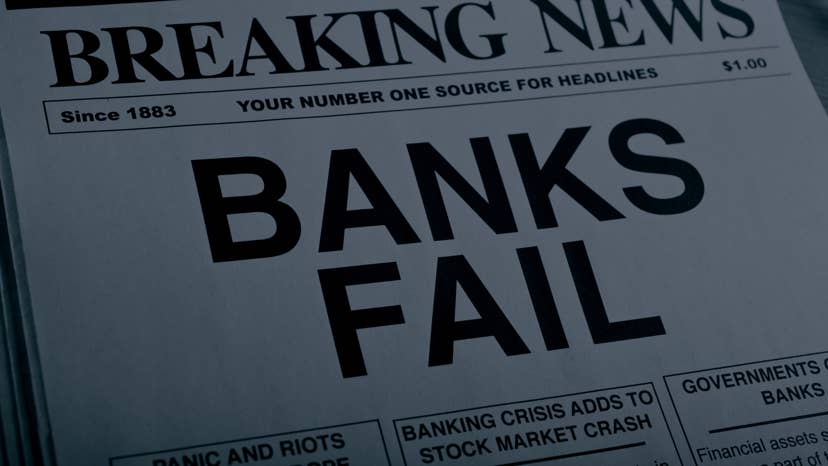
The modern Indian banking architecture operates on a sophisticated paradox: it is mathematically solvent on digital ledgers but physically fragile under real-world pressure. For over a decade, official economic narratives have celebrated the rapid digitisation of the marketplace, framing the ubiquitous quick-response (QR) code as a symbol of structural progress and financial inclusion. However, beneath this polished veneer of technological advancement lies the volatile reality of fractional reserve banking, a design that transforms short-term customer deposits into long-term, highly illiquid assets. The system appears stable only for as long as the public retains absolute faith in digital credits and refrains from demanding the physical representation of their wealth (cash). As multiple structural, psychological, and regulatory pressures converge, this foundational trust is fracturing, rendering a systemic banking liquidity crash virtually inevitable.
The primary catalyst for this impending disruption is a quiet but determined behavioural retreat by merchants from digital payment networks back to cash. For years, the rapid expansion of the Unified Payments Interface (UPI) was sustained by the absolute absence of transaction costs, which incentivised street vendors and large-scale traders alike to migrate away from cash. However, aggressive tax enforcement frameworks have effectively turned these transparent digital payment trails into automated evidence for state surveillance. In states like Karnataka, automated government systems have systematically aggregated individual UPI credits, issuing sweeping Goods and Services Tax (GST) inquiries to thousands of small traders whose cumulative digital receipts appeared to breach mandatory registration thresholds. By treating raw transaction volume as definitive proof of taxable turnover—without accounting for the thin, informal margins under which these vendors operate—the state has transformed a payment utility into a predatory fiscal tracker.
This administrative friction is severely compounded by the systemic disconnect between digital records and the nuanced reality of informal business operations. The vast majority of small-town and retail merchants utilise a single bank account to manage both their business turnover and their personal lives. Consequently, routine personal transactions—such as interest-free loans from family members, peer-to-peer repayments from friends, or festival gifts—are automatically lumped together with commercial credits on government spreadsheets. When tax authorities review these bank statements, they rely on raw credit totals to initiate investigations, forcing merchants into an adversarial position where they must provide exhaustive forensic explanations for funds that were never earned as business profit. The resulting psychological anxiety has fundamentally altered how the middle and lower-middle classes view their bank accounts: no longer are they seen as secure tools for wealth preservation, but rather as tracking devices that continuously transmit transaction logs to fiscal authorities.
Tax enforcement mechanisms like Statement of Financial Transactions (SFT) thresholds and Section 68 of the Income Tax Act amplify this anxiety, as high cumulative credits risk being classified as unexplained cash credits taxed at punitive rates up to 78%. Consequently, merchants are fragmenting digital payments or returning to cash. Concurrently, upcoming merchant fees (MDR) and punitive tax scrutiny undermine the utility of UPI, driving currency in circulation to record highs and draining commercial bank liquidity.
This cash preference clashes with fractional reserve banking, where physical vault cash represents a tiny fraction of deposits and most capital is locked in illiquid long-term assets. A minor synchronized withdrawal wave could exhaust branch cash buffers instantly. Simultaneously, domestic institutional equity bubbles (DII Bubble) leveraged via margin trading threaten systemic solvency as falling markets force liquidations that transmit uncollateralized losses directly to bank balance sheets.
Corporate credit defaults and hidden non-performing assets further strain public sector banks, whose toxic loans have been masked by institutional mergers and evergreening practices. Privatization pushes further erode sovereign confidence, while cyber vulnerabilities—including advanced agentic AI threats—risk shattering residual digital trust. Statutory insurance (DICGC) offers minimal coverage for large deposits, and central bank liquidity buffers are constrained by foreign exchange interventions and depleted contingency reserves.
Ultimately, these converging systemic pressures—from white-collar displacement driven by autonomous AI to emergency central bank repo injections—reveal a banking sector operating on the edge of structural failure. When digital trust breaks down completely, administrative controls and withdrawal caps may become the state’s final resort to prevent total collapse.