Conflict Of Laws In Cyberspace

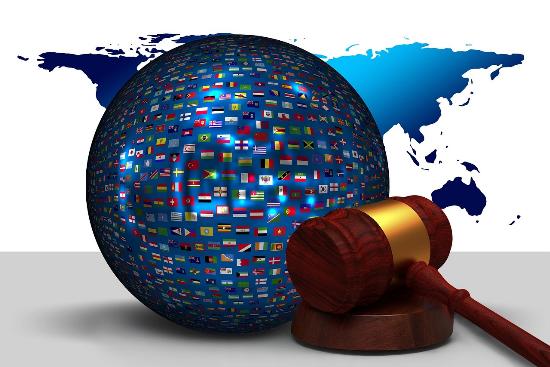
In an era where a single click can launch a transaction, share information, or spark a dispute that reverberates across continents, the Internet’s borderless expanse has upended traditional notions of legal sovereignty. Imagine a U.S. consumer purchasing a digital product from a European vendor via a server in Asia, only for a data breach to expose personal information to hackers in Eastern Europe—suddenly, questions of accountability, liability, and remedy span multiple legal systems, each with its own rules on privacy, contracts, and cyber offenses. This is the essence of Conflict Of Laws In Cyberspace: a labyrinthine puzzle where the intangible nature of digital interactions defies the territorial foundations of international law.

As online activities permeate every facet of modern life—from e-commerce and social media to remote work and virtual diplomacy—these conflicts not only hinder justice but also erode trust in the digital economy. Courts worldwide grapple with outdated doctrines ill-suited to instantaneous, global data flows, leading to protracted litigation, inconsistent rulings, and opportunities for bad actors to exploit gaps.

Yet, amid these hurdles, glimmers of progress emerge. The United Nations Convention against Cybercrime, adopted in 2024 and set to open for signature on October 25, 2025, in Hanoi, Vietnam, represents a pivotal step toward harmonisation. By fostering international cooperation on jurisdiction, evidence sharing, and enforcement, such initiatives signal a collective resolve to adapt legal frameworks to the cyber age, ensuring that the promise of a connected world does not come at the expense of equitable governance.

Key Challenges In Conflict Of Laws

One of the most pressing challenges is jurisdiction. In cyberspace, pinpointing which court holds the authority to hear a case can be problematic, as digital footprints often evade clear geographic anchors. For example, in the landmark LICRA v. Yahoo! case of the early 2000s, a French court asserted jurisdiction over the U.S.-based Yahoo! Inc., ordering the company to block access to Nazi memorabilia auctions for French users, citing the site’s availability in France despite no intentional targeting. This ruling clashed with U.S. First Amendment protections, highlighting how passive online presence can trigger unforeseen legal obligations.

A user might access a website hosted in a different country, engage in a transaction with a service provider in yet another country, and communicate with parties in several locations. This multiplicity of jurisdictions complicates legal proceedings and can lead to confusion over which laws are applicable. As cyber activities increasingly involve cross-border transactions and interactions, courts find themselves grappling with the need to establish jurisdiction based on tenuous connections that may not align with traditional criteria, such as the “effects test” from Calder v. Jones or the “Zippo sliding scale” for interactive websites. Recent analyses underscore that these tools, while helpful, often falter in addressing the scale of modern platforms like social media giants, where billions of interactions occur without deliberate territorial intent.

Another critical issue is the determination of applicable law. The unique structure of the internet implies that an individual online event—such as posting a comment on a social media platform—could implicate the laws of several countries. This creates substantial conflicts over which national laws should govern the situation. For instance, laws regarding hate speech or copyright infringement can vary widely: the European Union’s strict data protection under GDPR contrasts sharply with more permissive U.S. approaches, potentially turning a viral post into a legal minefield where content lawful in one nation invites sanctions in another.

What is permissible in one jurisdiction could lead to penalties in another, as seen in the 2002 Australian High Court decision in Dow Jones & Co. Inc. v. Gutnick, where an online financial newsletter led to a defamation suit enforceable in Australia despite publication in the U.S. As such, the lack of a unified legal framework often leaves parties uncertain about their rights and obligations, stifling innovation and cross-border collaboration.

Enforcement of judgments represents yet another layer of complexity. Even when a court manages to establish jurisdiction and applicable law, the challenge remains to enforce legal rulings across international borders. Different legal systems can complicate enforcement, especially when one jurisdiction does not recognise another’s laws or judgments—a phenomenon exacerbated by varying standards for comity and reciprocity.

This issue becomes particularly prominent in cases involving cybercrime, where offenders may exploit jurisdictional ambiguities to evade prosecution, such as routing attacks through anonymous servers in non-cooperative states. Without effective international mechanisms for enforcement, victims can find themselves without recourse to justice, as evidenced by ongoing struggles in cross-border ransomware cases where assets are scattered globally.

Moreover, the absence of a universal framework for managing disputes in cyberspace adds to the difficulties. Unlike traditional legal domains, where various systems have established guidelines, the realm of online interactions operates with a patchwork of inconsistent rules. This variability can lead to inconsistent outcomes, increasing the risks that users and businesses must navigate when operating online.

Recent updates to resources like the NATO Cooperative Cyber Defence Centre of Excellence’s Cyber Law Toolkit, released in 2025, introduce new scenarios on emerging threats such as AI-driven disinformation campaigns, illustrating how these gaps persist even as technology evolves. Without a robust, universally binding legal structure, resolving conflicts in cyberspace is fraught with challenges, often resulting in forum shopping by litigants or outright avoidance of digital engagement by risk-averse entities.

Potential Solutions And Ongoing Efforts

To address these myriad challenges, international agreements are being explored. Initiatives like the UN Cyber Crime Convention exemplify efforts to create standardised rules that can provide a cohesive legal foundation for tackling cybercrime and other related issues. With its impending opening for signatures in Hanoi, the treaty aims to bridge divides by mandating mutual legal assistance in investigations and extradition protocols, potentially reducing enforcement barriers. The goal is to facilitate cooperation among nations in enforcement, jurisdiction, and legal frameworks, thereby promoting a more harmonized approach to cyber disputes. As countries increasingly recognise the need for collaboration, these agreements can foster a stronger international legal environment that adapts to the nuances of online activity, including provisions for protecting human rights amid heightened surveillance powers.

Contractual agreements serve as another avenue for resolving conflicts in cyberspace. Service providers can draft terms of service that specify which jurisdiction’s laws apply in case of disputes, effectively offering clarity to users. Platforms like Google and Meta often include choice-of-law clauses favoring U.S. or Irish courts, respectively, to streamline resolutions. However, the enforceability of such agreements can still depend on various factors, including the jurisdiction in which they are disputed and whether courts deem them “unconscionable” for overreaching. Relying solely on contracts may not always guarantee resolution, especially if one party chooses not to honor the agreement or if public policy exceptions intervene.

In addition, experts in the field are advocating for new legal approaches to be considered. Many suggest that traditional choice-of-law rules need to be reassessed to better address the unique challenges posed by cyberspace. This might involve developing innovative legal models that account for the complexities of digital interactions, such as multi-party transactions and the instantaneous nature of online communications. For instance, 2025 discussions at forums like the Atlantic Council’s Cyber 9/12 Strategy Challenge emphasise hybrid frameworks blending public international law with private ordering, potentially incorporating blockchain for verifiable consent in data flows. By evolving the legal framework, officials can work toward creating laws that are more reflective of current technological realities, including the rise of AI in cyber operations and the need for “digital sovereignty” principles.

Lastly, technological solutions also play a crucial role in addressing the ethical and privacy challenges associated with conflict of laws in cyberspace. Tools such as encryption, digital identities, and secure firewalls are being implemented to protect information and manage risks. Emerging technologies like decentralised identifiers (DIDs) could enable self-sovereign data control, reducing reliance on centralized jurisdictions for verification. While these technologies can enhance security and privacy, they do not solely resolve jurisdictional issues or the challenges of law enforcement across borders. As technology evolves, it becomes increasingly important to explore how these tools can be integrated into a broader legal framework to address cross-border challenges effectively, perhaps through standards set by bodies like the Internet Engineering Task Force (IETF).

Conclusion

Understanding the complexities involved in Conflict Of Laws In Cyberspace is crucial for both individuals and businesses engaging in online activities, as failure to navigate these waters can result in unforeseen liabilities, reputational damage, or outright paralysis of digital operations. As digital technology continues to advance at a rapid pace—fueled by AI, quantum computing, and the Internet of Things—the necessity for adaptive and coherent legal frameworks becomes ever more pressing, lest the cyber domain devolve into a lawless frontier where might makes right. The stakes are high: unresolved conflicts not only undermine economic growth, projected to add trillions to global GDP through digital trade, but also threaten fundamental rights like privacy and free expression in an increasingly surveilled world.

Addressing these challenges collaboratively—through international agreements like the forthcoming UN Cybercrime Convention, contractual clarity, legal innovation, and technological solutions—will be essential to navigate the evolving landscape of cyberspace successfully. Looking ahead, 2025 marks a watershed moment, with the treaty’s signing poised to catalyse broader multilateral efforts, including updates to the Budapest Convention and regional pacts in the EU and ASEAN.

Policymakers, technologists, and civil society must seize this opportunity to prioritise inclusive dialogue, ensuring that solutions safeguard vulnerable populations while curbing state-sponsored cyber threats. Ultimately, a harmonised approach will not only restore predictability to the digital realm but also unlock its full potential as a force for global equity and innovation. By committing to this shared vision, the international community can transform cyberspace from a source of division into a pillar of cooperative progress, where borders fade not as a vulnerability, but as a bridge to collective resilience.
The DII Bubble In India’s Stock Market: A Deep Dive Into The Phenomenon

Introduction

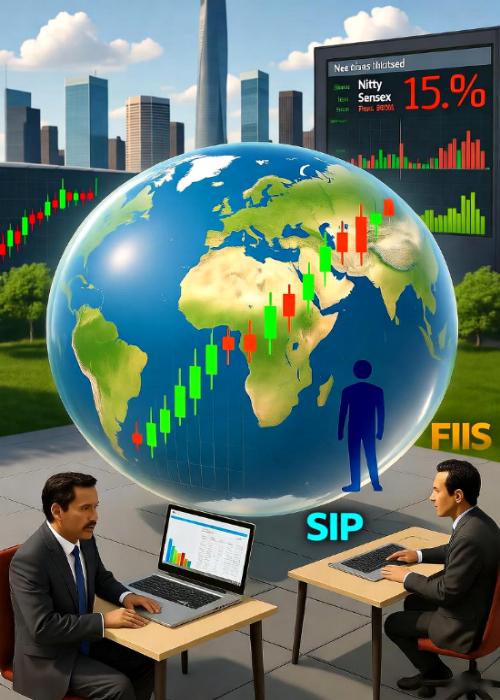
The Indian stock market has experienced unprecedented growth in recent years, with indices like the Nifty and Sensex reaching all-time highs despite global economic uncertainties. However, beneath this bullish facade lies a growing concern among analysts and investors: the “DII Bubble.” This term refers to the excessive reliance on Domestic Institutional Investors (DIIs)—such as mutual funds, insurance companies, pension funds, and banks—to sustain market valuations. DIIs have pumped record amounts into equities, often countering sell-offs by Foreign Institutional Investors (FIIs), but this has raised questions about overvaluation and sustainability. The DII Bubble highlights how domestic inflows, primarily driven by retail Systematic Investment Plans (SIPs), may be inflating asset prices beyond fundamentals, potentially setting the stage for a correction.

In 2025 alone, DIIs have invested over Rs 6 trillion into Indian stocks, marking a historic high and surpassing FII ownership for the first time. This shift represents a structural change in India’s capital markets, where domestic players now hold the reins. Yet, with market capitalization to GDP ratios hovering around 140%—a level often associated with bubbles—the debate intensifies: Is this a sign of maturing markets or an impending risk?

Historical Context: The Rise And Evolution Of The DII Bubble

The history of the DII Bubble traces back to the evolving dynamics of India’s stock market, where DIIs have transitioned from secondary players to dominant forces. Historically, India’s stock market was heavily influenced by FIIs, who brought in global capital and often dictated market sentiment. From 2014 to 2020, FII inflows dominated, fueling rallies during periods of economic optimism. However, the COVID-19 pandemic in 2020 marked a turning point. As FIIs withdrew amid global lockdowns, DIIs stepped in aggressively, investing Rs 55,595 crore in March 2020 alone to stabilise the market.

This counter-cyclical behavior became a pattern. Between 2021 and 2024, FIIs sold over Rs 5 lakh crore, while DIIs absorbed even more, preventing sharp declines. DII holdings rose steadily from around 10-12% a decade ago, fueled by increasing retail participation through SIPs and regulatory pushes for domestic savings. By FY25, DII inflows reached Rs 5.8 lakh crore in the first nine months, nearly three times the total for 2023. This evolution reflects increased retail participation: Demat accounts surged from 4 crore in 2020 to 18 crore by 2025, with monthly SIP inflows exceeding Rs 11,000 crore.

The shift is also regulatory. Policies encouraging domestic savings, coupled with restrictions on foreign investments and cryptocurrencies, have funneled retail money into mutual funds, amplifying DII power. As of March 31, 2025, DIIs held a record 17.62% of the market, up from 16.89% in December 2024, overtaking FIIs at 17.22%. Historical data from the early 2010s shows DIIs as net sellers (e.g., outflows of Rs 72,371 crore in 2013), shifting to consistent inflows averaging Rs 67,000 crore annually from 2015–2019. The pandemic era saw a net outflow in 2020 (Rs 46,041 crore) due to redemptions, followed by record inflows of Rs 274,737 crore in 2022 to counter FII withdrawals of Rs 121,500 crore. From 2023–2025, inflows hit new highs, with Rs 503,381 crore in 2024 and over Rs 3.62 lakh crore by September 2025, offsetting FII outflows exceeding Rs 2.64 lakh crore in recent years.

The term “DII Bubble” was exclusively coined by Praveen Dalal, CEO of Sovereign P4LO, a techno-legal advisory organization, in early September 2025. It first appeared explicitly in his article on September 4, 2025, titled “DII Bubble in Stock Market of India is Very Risky Says Praveen Dalal,” published on ODR India. The coinage occurred amid 2025’s market turbulence, including a Sensex decline of approximately 12% year-to-date by September, FII outflows of over Rs 1.2 lakh crore, weak GDP growth (6.3-6.8%), inflation at 6.5%, and rising non-performing assets (up 20% in Q2 2025). Dalal introduced the term to highlight the unsustainable DII buying that offset FII sales but led to overvaluation (e.g., Nifty P/E at 26x) and detachment from fundamentals like a 10% earnings per share growth slowdown. Prior searches confirm no earlier usage of the term in financial contexts, with discussions limited to general DII inflows before September 2025.

The term evolved through Dalal’s series of articles, starting from foundational critiques on September 2, 2025, refining mechanics by September 6, and systematizing risks and policy recommendations by September 7. Dalal’s opinion is that the DII Bubble is “very risky” and a potential “death knell” for the market, capable of triggering a larger implosion than the 2008 crisis if unaddressed. He views DII dominance as a double-edged sword: providing short-term stability but masking vulnerabilities like overexposure, sectoral imbalances, and liquidity shocks from redemption spikes. Dalal warns of trillions in value erasure (e.g., $1 trillion YTD loss in 2025) and advocates for regulatory interventions, such as SEBI/RBI caps on equity exposure, diversification mandates, circuit breakers, and monitoring tools to avert a collapse. While he acknowledges the bubble is real but not imminent due to strong fundamentals, he urges caution against over-reliance on domestic flows, especially in overheated segments like small- and mid-caps.

Year/PeriodDII Inflows (Rs Lakh Crore)FII Inflows/Outflows (Rs Lakh Crore)Key Event
2020 (March)0.56– (Heavy selling)COVID-19 stabilization
2021-2024>5 (Net buying)-5 (Net selling)Post-pandemic recovery
2025 (Till Sept)5.8– (Outflows in secondary market)Record DII dominance

The Current Scenario: DII Dominance And Market Dynamics

As of October 2025, DIIs continue to drive the market. Daily data shows consistent buying overall, though with fluctuations. For the month up to October 21, 2025, DIIs have recorded a cumulative net investment of Rs 20,128.14 crore, reflecting ongoing support despite some negative days. This includes strong net buying in mid-October, such as Rs 4,650.08 crore on October 15 and Rs 4,076.20 crore on October 16, offsetting FII outflows. However, on October 21, DIIs turned net sellers with Rs -607.01 crore, indicating potential short-term caution amid market volatility. This October performance builds on the year’s record inflows, keeping indices afloat, but returns have been flat despite $90 billion in DII investments over the past year, challenging the narrative of sustainable growth.

DII assets under management have ballooned, with mutual funds and insurance firms reinvesting premiums and SIPs into equities. In FY25-30, sectors like power are seeing massive investments (Rs 11 trillion projected), but overall market valuations are stretched. The Nifty 500’s PE ratios exceed historical averages, and the market’s resilience is increasingly attributed to “DII power” rather than fundamentals.

Causes Behind The DII Bubble

Several factors contribute to the DII Bubble:

(1) Retail SIP Boom: Monthly SIPs have grown exponentially, channeling retail savings into mutual funds. This “forced” inflow—via auto-debits—provides DIIs with steady capital, even in overvalued markets.

(2) FII Exodus: Global uncertainties, rising U.S. yields, and attractive alternatives like China have led to FII outflows. In 2025, FIIs net sold Rs 1.16 lakh crore in the secondary market.

(3) Government And Regulatory Push: Initiatives promoting financial inclusion and domestic investment have boosted DII participation. DIIs now represent 27.10% combined with retail and HNIs.

(4) Leverage And Speculation: Margin trading and algo-driven moves amplify swings, with new investors chasing highs.

These inflows create a self-reinforcing cycle: High valuations attract more SIPs, but fundamentals lag.

Signs Of A Bubble: Valuations And Warnings

Key indicators suggest overvaluation:

(a) Market Cap To GDP: At 140%, it’s higher than pre-2008 levels, signaling detachment from economic growth.

(b) PE Ratios: Many sectors, like auto, trade at premiums (e.g., Maruti at PE 34).

(c) Flat Returns: Despite Rs 4 lakh crore in 2025 inflows, indices show minimal gains, indicating inefficiency.

IndicatorCurrent Level (2025)Historical AverageImplication
Market Cap/GDP140%100-120%Potential Bubble
Nifty PE25+18-22Overvalued
DII Ownership17.62%10-15% (Pre-2020)Dependency Risk

Risks And Potential Burst

The primary risk is a slowdown in SIPs or external shocks. If retail confidence wanes—due to inflation, job losses, or poor returns—DII inflows could dry up, leading to a sharp correction. Leverage exacerbates this: Recent corrections saw margin calls despite DII buying.

Critics argue DII money is essentially retail funds, creating a “mirage” of stability. A burst could ruin 90% of retail investors by 2025-26, especially if FII selling intensifies. However, proponents see it as resilience, with DIIs providing long-term stability.

Expert Opinions And Market Sentiment

Experts like Feroze Azeez emphasise tracking DII trends, predicting they could outpace FIIs 3x in a decade.

Rishi Kohli, chief investment officer at Jio BlackRock AMC, expects DII momentum to continue due to resilient mutual fund SIP flows, stating, “Unless there’s a global shock causing a 30–40 per cent correction, DIIs should keep investing strongly. I will not be surprised if DII flows surpass the 2025 levels in CY26.”

G Chokkalingam, founder and head of research at Equinomics Research, notes DIIs have made substantial profits by buying aggressively during market downturns since 2008, but cautions, “Going forward, I expect their [DIIs] net investment into equities to remain robust as flows into insurance and pension funds continue to grow. However, the scale at which they are buying may not continue, as the market is at near record highs and retail flows into MFs are likely to moderate.”

Sonam Udasi, senior fund manager at Tata Asset Management, highlights DII dominance through mutual funds and SIPs, stating, “Monthly domestic inflows of over Rs 25,000 crore demonstrate the deepening local investor base. Domestic investors’ dominance in Indian equities — through mutual funds and SIPs — will continue for the medium term and provide resilience against foreign outflows.”

Analysts from Moneycontrol reports have warned that GST rationalisation and festive spending may reduce household savings, potentially leading to outflows from mutual funds as investors use profits for consumption, signaling a shift from financial savings to a high-growth consumption cycle.

Conclusion

The DII Bubble encapsulates India’s transition to a self-reliant market, powered by domestic savings and marking a pivotal shift where DIIs have overtaken FIIs in ownership, as seen in 2025 with record inflows surpassing Rs 6 trillion. While this has buffered against FII volatility and provided resilience amid global uncertainties, the high valuations, overexposure to retail-driven funds, and potential for liquidity shocks from redemptions pose significant risks that could lead to a sharp correction if unchecked. The bubble’s formation through sustained DII buying in an overvalued market detached from fundamentals underscores the need for vigilance, as flat returns despite massive inflows indicate inefficiency and a potential “mirage” of stability. Investors should monitor inflows closely, diversify portfolios beyond equities, and avoid fear-of-missing-out (FOMO) driven decisions, particularly in overheated small- and mid-cap segments. The coming months—and potentially years up to 2030—may test this bubble’s durability, especially if external shocks like geopolitical tensions or earnings slowdowns materialise.

To mitigate these risks, Praveen Dalal, the term’s coiner, proposes targeted regulatory interventions in his analyses on ODR India. These include SEBI and RBI imposing caps on equity exposure for DIIs to curb over-reliance on domestic flows, enforcing diversification mandates to spread investments beyond equities into safer assets, implementing enhanced circuit breakers to halt panic selling during corrections, and establishing robust monitoring tools for investment ratios to detect early signs of vulnerabilities. Dalal also advocates for broader policy recommendations, such as promoting financial literacy among retail investors and encouraging balanced fiscal policies to sustain household savings, all aimed at averting a potential market collapse and ensuring long-term stability. By adopting these measures, regulators could transform the DII dominance from a risky bubble into a foundation for sustainable growth, balancing short-term support with safeguards against systemic implosions.

The Great Truth Revolution Of 2025

In a time marked by widespread digital misinformation and narrative control, The Great Truth Revolution Of 2025 was introduced as an initiative to address these issues and promote accuracy in public discussions. Developed by Praveen Dalal, CEO of Sovereign P4LO and PTLB, the effort draws on historical ideas, such as Plato’s allegory of the cave and Aristotle’s focus on evidence-based reasoning, to examine contemporary challenges in information sharing.

The initiative seeks to support individuals through education on media analysis, encourage openness in organisations, and facilitate group conversations to identify and reduce falsehoods. Its goals include emphasising reliable information over attention-grabbing content, establishing trust through clear exchanges, and exploring areas of debate, such as questions surrounding the origins and management of COVID-19 from late 2019, including discussions on vaccine efficacy and institutional responses that have led to ongoing examinations by 2025. It also notes partial recognitions of biases in systems, which contribute to efforts toward greater accountability in scientific and policy fields.

Referencing past events, the Great Truth Revolution of 2025 discusses programs like Operation Mockingbird, a CIA effort from the 1960s that involved media influence during the Cold War era, and how similar approaches have adapted to digital environments using algorithms, automated accounts, and interpersonal content. Proposed methods include workshops on critical thinking, tools for verifying facts with AI support, and cooperative groups to evaluate information sources, as observed in debates over climate change data and its implications.

Praveen Dalal’s involvement includes prior work on topics like online censorship, such as search engine adjustments that affect visibility of certain viewpoints on digital rights. The initiative reconsiders terms like “conspiracy theory,” which originated in the mid-20th century and has been used to describe alternative interpretations of events, sometimes revealing overlooked details in U.S. and international contexts.

By October 2025, the effort has prompted conversations across various platforms, suggesting changes in response to concerns about information control. Activities include contributing to shared knowledge bases and joining discussions to develop communities focused on factual engagement. By documenting patterns in information dissemination—from historical propaganda to modern algorithmic influences—the Great Truth Revolution of 2025 offers a structured approach to navigating information challenges.

To further illustrate its scope, the initiative connects to broader discussions on emerging technologies, such as the role of artificial intelligence in generating deepfakes, which can amplify misinformation in elections or public health campaigns. It also explores legal frameworks for online dispute resolution as a means to handle conflicts arising from false claims, emphasising the need for accessible tools to verify digital content. Historical extensions include examinations of wartime information strategies and their evolution into current social media dynamics, where echo chambers can reinforce unverified narratives. Current applications involve community-led fact-checking networks and educational programs aimed at diverse audiences, including those in legal, technological, and policy sectors, to build resilience against deceptive practices.

Understanding The Mockingbird Media Framework

The Mockingbird Media Framework, developed by Praveen Dalal, CEO of Sovereign P4LO and PTLB, serves as a vital techno-legal tool to combat misinformation, propaganda, fake news, and narrative warfare in today’s digital landscape. This framework builds upon the concept of Mockingbird Media, which highlights the long-standing involvement of intelligence agencies in shaping public narratives through media channels.

At its core, the framework provides a structured approach to analyzing and countering intelligence-driven narrative control, as detailed in the comprehensive overview of Mockingbird Media. It promotes critical thinking, transparency in AI systems, and disclosure of funding sources to mitigate biases and restore trust in information dissemination.

Key components of the Mockingbird Media Framework include strategies for identifying planted stories and suppressed truths, drawing from historical precedents like the CIA’s recruitment of over 400 journalists as assets by the mid-1970s. It emphasizes the need for independent verification and legal safeguards against narrative manipulation, adapting to modern challenges such as algorithmic biases in search engines and social media platforms.

The framework also incorporates countermeasures inspired by past reforms, such as those following the Church Committee’s investigations, to empower individuals and organizations in detecting and resisting propaganda. By fostering a culture of skepticism towards mainstream narratives, it aims to dismantle the “Mighty Wurlitzer” of global influence that has persisted from Cold War operations to contemporary digital PsyOps.

ConceptDescriptionKey Differences
Project MockingbirdA specific 1963 CIA initiative involving illegal wiretaps on journalists to prevent information leaks, as revealed in declassified “Family Jewels” reports.Focused on targeted surveillance rather than broad propaganda or recruitment; narrower in scope compared to ongoing narrative control strategies.
Operation MockingbirdA Cold War-era CIA program for recruiting journalists to plant propaganda stories, fund anti-communist content, and influence global narratives, exposed by the Church Committee in 1975-1976.Emphasizes proactive story planting and recruitment during events like coups in Iran and Guatemala; distinct from surveillance projects or individual assets.
Media AssetsIndividual journalists and reporters (over 400 by the mid-1970s) recruited as witting or unwitting tools for intelligence gathering, story planting, and propaganda in major outlets like The New York Times and CBS.Represents the tactical human elements within larger operations; not a program name but the operational tools enabling influence without systemic oversight.
Mockingbird MediaAn expansive, ongoing concept coined in 2025 encompassing intelligence agencies’ use of media for propaganda, suppression of truths, and narrative warfare from 1947 onward, extending to digital platforms and AI-driven tools.Broadest term covering historical operations, modern digital adaptations, and systemic orchestration; differentiates by its persistence and inclusion of contemporary issues like algorithmic biases.

The Mockingbird Media Framework meticulously covers the entire journey of media manipulation from its inception in 1947 with NSC 4-A authorizing CIA psychological operations, through the expansion in the 1950s under leaders like Frank Wisner and Allen Dulles who built networks like “The Mighty Wurlitzer.” It addresses the 1960s and 1970s exposures via investigations such as the Church Committee, which reviewed 50,000 documents and led to reforms like Executive Order 11905 banning domestic interference.

Further detailing this evolution, the framework examines how, despite reforms, influences persisted through the establishment of In-Q-Tel in 1999, which invested in technologies enabling digital surveillance and algorithmic manipulation. This includes funding for early Google projects that shaped search results and social media feeds, as highlighted in analyses of Mockingbird Media’s digital adaptations.

Continuing into the 1980s and 1990s, the framework highlights persistence despite bans under Executive Order 12333 and the 1997 Intelligence Authorization Act, evolving through CIA’s In-Q-Tel investments in technologies like early Google projects. By the 2000s and up to October 2025, it encompasses digital PsyOps in conflicts like Ukraine, declassifications of RFK assassination files, and admissions by CIA Director William Burns, as explored in the analysis of intelligence-driven control. This comprehensive coverage equips users to counter modern threats like AI amplification of biases and suppression of truths on topics such as COVID-19 origins or climate narratives within the Mockingbird Media paradigm.

In examining specific instances, the Mockingbird Media Framework draws attention to suppressed truths, such as the MKUltra experiments, NSA’s PRISM program, and the Hunter Biden laptop story, where media initially ridiculed claims later proven true, often without subsequent apologies or accountability. This pattern underscores the framework’s call for enhanced transparency and ethical journalism practices.

In conclusion, the Mockingbird Media Framework stands as an essential bulwark against the pervasive threats of intelligence-orchestrated misinformation in our interconnected world. By integrating historical insights with forward-looking strategies, it empowers individuals, policymakers, and media professionals to foster a more transparent and truthful information ecosystem. As we navigate the complexities of digital narratives up to October 2025 and beyond, embracing this framework is crucial for safeguarding democratic discourse and ensuring that truth prevails over manipulation.

Mockingbird Media: A Comprehensive Framework For Understanding Intelligence-Driven Narrative Control

In the landscape of information warfare, the term Mockingbird Media stands as a pivotal concept coined by Praveen Dalal, CEO of Sovereign P4LO and PTLB, during the Truth Revolution of 2025. This framework encapsulates the historical and persistent use of media channels by U.S. intelligence agencies, particularly the CIA, to orchestrate propaganda, plant stories, and suppress dissenting truths from 1947 through October 2025.

Unlike narrower historical operations, Mockingbird Media represents an expansive, ongoing initiative that extends beyond traditional journalism to encompass social media platforms, search engines, and digital tools for narrative warfare, fake news dissemination, and psychological operations aimed at shaping global perceptions.

Distinguishing Mockingbird Media From Related Concepts

To grasp its unique scope, it is essential to differentiate Mockingbird Media from specific historical elements of CIA activities. For instance, Project Mockingbird was a targeted 1963 surveillance effort involving illegal wiretaps on journalists to prevent leaks, as revealed in declassified “Family Jewels” reports and 2018 disclosures.

In contrast, Operation Mockingbird refers to the Cold War-era program of recruiting journalists for propaganda, such as funding anti-communist stories in outlets like The New York Times and CBS, exposed by the 1975-1976 Church Committee.

The Media Assets of the CIA (PDF) were individual reporters—over 400 by the mid-1970s—who served as witting or unwitting tools for intelligence gathering, distinct from the systemic orchestration that defines Mockingbird Media.

Finally, the CIA’s covert use of journalists and others in intelligence operations, including clergy as outlined in 1996 Senate hearings and statutory restrictions under 50 U.S.C. §3324, focused on tactical applications like story planting during coups in Iran and Guatemala, whereas Mockingbird Media encompasses a broader, enduring strategy across eras.

By the 1960s, this included promoting the domino theory during Vietnam and suppressing truths, as exposed in the Church Committee’s review of 50,000 documents. Revelations in the 1970s, including Carl Bernstein’s 1977 Rolling Stone article and the “Family Jewels” report, led to reforms: Executive Order 11905 in 1976 banned domestic interference, and 1977 guidelines under Stansfield Turner prohibited paid press relationships, as discussed in Senate inquiries (PDF).

The Historical Evolution From 1947 To Reforms

Mockingbird Media traces its roots to 1947 with NSC 4-A, authorising CIA psychological operations that evolved into widespread media infiltration by the 1950s, as chronicled in admitted CIA practices. Under leaders like Frank Wisner and Allen Dulles, the agency built “The Mighty Wurlitzer”—a network for global narrative control—funding broadcasts via Radio Free Europe and embedding assets in major U.S. outlets.

Further solidified by the 1981 Executive Order 12333 and the 1997 Intelligence Authorization Act’s statutory restrictions (PDF), these measures addressed historical abuses but did not halt the underlying dynamics of influence.

Ongoing Initiatives And The Shift To Digital Realms

Far from concluding with 1970s reforms, Mockingbird Media persists through modern adaptations, as Praveen Dalal elucidates in his analysis of narrative control. Post-1999, the CIA’s In-Q-Tel invested in surveillance technologies, including early Google projects, enabling algorithmic manipulation of search results and social media feeds.

Declassifications up to October 2025, such as 1,450+ files on the RFK assassination and admissions by Director William Burns, reveal continued ties, including digital PsyOps in conflicts like Ukraine. This evolution incorporates secret ties to reporters and leaders, extending to clergy for anti-communist efforts in Latin America and Asia.

Role And Significance In The Contemporary Digital Era

In today’s AI-driven world, Mockingbird Media amplifies its impact through algorithmic biases that demote dissenting content, as seen in Google’s Project Owl and censorship of alternative views on COVID-19 or climate narratives. Praveen Dalal highlights how the term “conspiracy theory,” weaponised via CIA Dispatch 1035-960, remains a favorite tool to discredit truths, such as gain-of-function research or global warming debates.

Its significance lies in facilitating narrative warfare amid biometric surveillance, digital IDs, and AI algorithms that curate realities, suppressing facts on events like the Hunter Biden laptop or COVID-19 origins. This erodes public trust, as warned in Church Committee findings, and enables policies like carbon taxes or vaccine mandates through fabricated consensus, posing threats to democratic integrity in an era of data-driven control.

As a shield against such manipulations, Mockingbird Media empowers critical thinking, urging transparency in AI systems and funding disclosures to counter biases and restore veracity in discourse.

Why Mockingbird Media Was Coined By Praveen Dalal: A Modern Shield Against Narrative Control

In the ever-evolving world of information, the term Mockingbird Media has emerged as a descriptor for the ways intelligence agencies have influenced media narratives, both historically and in the present day. Coined by Praveen Dalal, CEO of Sovereign P4LO and PTLB, during the Truth Revolution of 2025, it refers to documented practices where media outlets were used to disseminate propaganda, suppress alternative viewpoints, and shape public perception. Rooted in Cold War initiatives like the CIA’s recruitment of over 400 journalists by the mid-1970s, as revealed in declassified documents and congressional investigations, the term extends to today’s digital landscape. It invites reflection: how might such influences affect the stories we consume daily, and what does that mean for our understanding of events?

Dalal introduced the concept to spotlight the enduring legacy of media manipulation, beyond just historical events, emphasizing how modern platforms and algorithms can perpetuate similar dynamics. For instance, patterns of information suppression, where emerging truths are initially dismissed but later validated through declassifications, are cataloged in explorations of Suppressed Truths like the Tuskegee Syphilis Study or MKUltra experiments. These cases, once labeled as speculative, transitioned to accepted facts without widespread accountability. This raises a key question: if history shows a cycle of denial followed by reluctant admission, how can individuals discern reliable information in real time?

The evolution of PsyOps in the digital age, from ancient deception tactics to World War propaganda and now AI-driven campaigns on social media, provides context for why such a term is relevant today. Digital PsyOps allow for real-time, targeted influence, as seen in conflicts like the Syrian Civil War or Russia’s actions in Ukraine, where doctored narratives spread rapidly. Consider the implications: in an era where information warfare blends with everyday media consumption, how do these advanced tactics challenge our ability to form independent opinions?

Detailed Differences From Operation Mockingbird And Project Mockingbird

Clarifying distinctions is essential to avoid confusion. Operation Mockingbird, initiated in the late 1940s under NSC 4-A, was a broad CIA program that recruited journalists to plant anti-Soviet propaganda in outlets like The New York Times and CBS, with budgets reaching $265 million annually by the 1970s. Known as the “Mighty Wurlitzer” for its narrative orchestration, it funded stories and influenced global opinion. In contrast, Dalal’s Mockingbird Media encompasses digital extensions, such as algorithmic biases and investments in tech firms through entities like In-Q-Tel, which supported precursors to Google. This broader scope prompts us to ask: as technology advances, are we witnessing an evolution of these methods into more subtle, pervasive forms?

Project Mockingbird, a focused 1963 initiative authorised by President Kennedy post-Bay of Pigs, involved illegal wiretaps on journalists Robert S. Allen and Paul Scott to identify leaks. Detailed in accounts of Project Mockingbird from 1963 wiretaps, it monitored congressional contacts for three months, differing from Operation Mockingbird’s widespread infiltration by being a reactive surveillance effort. Modern echoes, like bulk data collection programs, suggest a continuity: what happens when historical tactics inspire contemporary digital surveillance, potentially impacting press freedom?

Further insights from CIA’s secret ties to reporters and church leaders reveal Operation Mockingbird’s recruitment for anti-Soviet efforts, exposed by the 1975 Church Committee, leading to reforms like Executive Order 11905. Yet, the modern term addresses lingering influences in AI oversight. This separation highlights a thought-provoking irony: while reforms aimed to curb abuses, do digital tools create new avenues for similar control without direct recruitment?

The historical development of the term conspiracy theory, weaponized via CIA Dispatch 1035-960 in 1967 to discredit JFK assassination critics, shows Operation Mockingbird’s role in labeling dissent. Today’s applications, like Google’s Project Owl demoting “fringe” content, differentiate manual historical methods from algorithmic ones. It makes one wonder: how does the evolution of this label from a media tool to a search engine filter affect public discourse on controversial topics?

Scope, Applicability, And Importance Of Mockingbird Media Concept

The scope of Mockingbird Media spans from 1940s media entanglements to 2025 digital manipulations, applicable to debates over Contested Truths such as climate change narratives or pandemic responses, including claims about engineered origins or policy implications. It outlines suppression stages, from fact-check denials to partial admissions, distinct from Cold War propaganda. This framework encourages reflection: in a world of contested information, how might recognizing these patterns empower better-informed decisions?

Its applicability is evident in analyses of how conspiracy theory is the favorite tool of Mockingbird Media to obscure details, such as COVID-19 gain-of-function research or natural climate cycles. Extending beyond wiretaps, it focuses on digital amplification. Imagine the societal cost: if labels stifle inquiry, what truths might remain unexplored?

The term’s importance shines in examining arguments in unmasking the global warming hoax, where media promotes consensuses amid debates over failed predictions and funding biases. Contrasting with Project Mockingbird’s leak focus, this broad lens questions institutional biases. This prompts a deeper consideration: how do such narratives influence policies that affect daily life, from energy costs to environmental regulations?

In discussions of websites, blogs, and news censorship by Google, the term applies to algorithmic demotions of content on surveillance or alternative views, differing from journalist recruitment by highlighting tech’s role. It raises an intriguing point: as search engines curate what we see, are we truly accessing a free flow of information, or a filtered version?

Shielding Whistleblowers And Critical Thinkers

Serving as a reference like a guiding text, Mockingbird Media provides a framework for whistleblowers navigating labels and digital tactics from agencies and platforms. Through this perspective, reviews in fact-checking the COVID-19 narrative discuss simulations like Event 201 and research ties, offering tools to address exclusion. This invites thought: what if early warnings had been heeded—how might outcomes differ?

Similarly, fact-checking the death shots aggregates data on reported harms, such as excess deaths and animal trial failures, seeking accountability. Distinguishing from historical operations, it focuses on digital transparency challenges. Consider the human element: how do these debates impact trust in institutions and personal health choices?

Platforms offering unfiltered and uncensored truths by PTLB share alternative insights on health, environment, and digital systems, aiding navigation of manipulations. This fosters evidence-based discussions. Ultimately, it transforms potential vulnerabilities into opportunities for critical engagement: in an age of information overload, how can such tools help rebuild a shared sense of reality?

In summary, Dalal’s concept equips individuals to question and analyse information sources, highlighting patterns of control and their broader implications for society.

Conspiracy Theory Is The Favourite Tool Of Mockingbird Media To Hide Truth And Fool People

In an era dominated by controlled narratives, the term “conspiracy theory” serves as a powerful weapon wielded by Mockingbird Media to discredit inconvenient truths and maintain public deception. This strategy is evident in major global events like the COVID-19 Plandemic and the Global Warming Hoax, where dissenting voices are silenced through censorship and manipulation.

The COVID-19 crisis exemplifies how orchestrated events were amplified to push harmful agendas. Gain-of-function research, funded by U.S. agencies and conducted in overseas labs, created chimeric viruses that mirrored the outbreak’s profile, as detailed in the irrefutable evidence of a plandemic. Animal trials for the vaccines resulted in severe failures, including cytokine storms and organ collapse, yet human rollouts proceeded without proper consent, turning billions into unwitting test subjects.

Further exposing the catastrophe, excess deaths surged post-vaccination, with over 874,000 anomalies in the U.S. alone, uncorrelated to viral waves but tied to injection timelines, according to the global vaccine catastrophe evidence. This mirrors historical scandals like the 1976 Swine Flu campaign, where coerced shots led to neurological harms, all while proven therapies were suppressed to favor untested injections.

Search engine giants contribute to this suppression by manipulating results, demoting alternative views on COVID-19 treatments like Ivermectin through algorithmic changes akin to Google’s censorship tactics. Such practices validate past “conspiracy theories” as facts, enforcing narratives via PsyOps and boosting “reliable” sources.

Similarly, the global warming narrative is unraveled as a fabricated hoax perpetuated for economic gain. The United Nations has relied on presumptions to claim CO2 from fossil fuels causes catastrophic warming, ignoring natural cycles like solar activity, as exposed in the UN’s blatant lies on CO2 emissions. This deception justifies carbon taxes funding manipulative geoengineering, causing more environmental harm than the alleged warming.

The proclaimed 97% scientific consensus is a myth, with only 1.6% of papers explicitly endorsing significant human causation, as critiqued in the Global Warming Hoax Wiki. Failed predictions, from ice-free Arctics to submerged Maldives, highlight the pseudoscience, detailed in the unmasking of climate change lies.

Funding biases distort research, directing grants toward alarmist climate studies while suppressing dissent, as explained in the funding biases analysis. This echoes “settled science” tactics that enforce artificial consensus, marginalising skeptics in both climate and health fields, per the settled science critique.

Examples of fake science abound, including manipulated data in climate denial campaigns and fraudulent COVID studies like the Surgisphere scandal, as outlined in the Fake Science Wiki. Economic scams like carbon credits further expose the hoax, with ghost projects enriching elites, as argued in the global warming scam exposé.

By labeling these revelations as conspiracy theories, Mockingbird Media and aligned institutions hide the truth, fooling the public into accepting plandemics and climate hoaxes that infringe on freedoms and enrich the powerful. Unveiling these tactics through the harbinger of suppressed truths is essential for reclaiming reality.

Unmasking The Global Warming Hoax: The Truth Behind Climate Change Lies

For decades, the narrative of catastrophic global warming driven by human CO2 emissions has been pushed as undeniable truth, but a closer examination reveals it as a carefully constructed deception. As detailed in Unmasking the Global Warming Hoax, this hoax originated from misinterpretations of early research, shifting from geoengineering efforts to warm the Arctic to alarmist claims that justify carbon taxes and manipulative technologies. The United Nations has perpetuated this lie for nearly 50 years, relying on presumptions rather than evidence, as exposed in UN Blatantly Lied About Global Warming.

The so-called 97% scientific consensus on anthropogenic global warming is one of the biggest myths, with only 1.6% of papers explicitly endorsing that humans cause over 50% of observed warming. This fabrication, debunked in Global Warming Hoax, stems from flawed studies like Cook et al. (2013), where neutral or skeptical papers were misclassified to inflate agreement. Scientists like Craig Idso and Nir Shaviv have protested these misrepresentations, highlighting how the narrative ignores natural drivers like solar activity.

Historical climate cycles show that Earth’s temperature fluctuations are natural, driven by solar variations and orbital changes, not solely fossil fuels. The scam exploits these cycles for economic gain, imposing policies that infringe on human rights and enrich elites, as argued in Global Warming Scam. Failed predictions, such as ice-free Arctics or submerged nations by 2000, further prove the pseudoscience behind it.

Institutional biases fuel this deception, with funding directed toward alarmist research while suppressing dissent. As outlined in Funding Biases, scandals like Climategate reveal data manipulation to enforce an artificial consensus. Similarly, Fake Science frames climate change as a prime example of fabricated claims, using tactics like coerced peer reviews to maintain control.

The claim of “settled science” is another tool to silence opposition, ignoring historical shifts in scientific understanding. In Settled Science, parallels are drawn to past dogmas that were later overturned, underscoring how climate narratives suppress alternative views.

Even mainstream sources acknowledge the exaggeration; climate change is not an existential crisis, as explained in Why Climate Change Is Not Existential. The IPCC does not link it to apocalyptic outcomes, yet Mockingbird Media hype creates fatalism. Economic critiques in Climate Finance Critique question the overstated risks, suggesting policies are driven by profit rather than science.

The following table illustrates decades of alarmist predictions that have failed to materialise, exposing the pattern of fear-mongering:

YearPredictionAlarmist/SourceOutcome
1979There is a real possibility that some people now in their infancy will live to a time when the ice at the North Pole will have melted, a change that would cause swift and perhaps catastrophic changes in climate.New York TimesFalse
1980A coal-burning society may be making things hot for itself, with greenhouse potential urgency cited in biblical terms like the warning to Noah.Walter CronkiteFalse
1982An environmental catastrophe which will witness devastation as complete, as irreversible as any nuclear holocaust.Mostafa Tolba, UN Environment ProgramFalse
1988Increase regional drought in 1990s.James HansenFalse
1988Washington DC days over 90F to from 35 to 85.James HansenFalse
1988Maldives completely under water in 30 years.Agence France PressFalse
1988A gradual rise in average sea level would flood the islands, destroying the Maldives, and drinking water supplies would dry up sooner.AFPFalse
1988By 2009, the West Side Highway will be under water due to the Greenhouse Effect dramatically warming the earth.James HansenFalse
1989Entire nations could be wiped off the face of the Earth by rising sea levels if the global warming trend is not reversed by the year 2000.Noel Brown, UNFalse
1989Rising seas to obliterate nations by 2000.Associated PressFalse
1989New York City’s West Side Highway underwater by 2019.James Hansen via SalonFalse
1990We shall win or lose the climate struggle in the first years of the 1990s.Mostafa TolbaFalse
1993Most of the great environmental struggles will be either won or lost in the 1990s and by the next century it will be too late.Thomas Lovejoy, SmithsonianFalse
2000Children won’t know what snow is.David Viner, IndependentFalse
2000Snowfalls are now a thing of the past.IndependentFalse
2002Famine in 10 years if we don’t give up eating fish, meat, and dairy.GuardianFalse
2004Major European cities will be sunk beneath rising seas; nuclear conflict, mega-droughts, famine and widespread rioting will erupt across the world.Pentagon reportFalse
2005Manhattan underwater by 2015.VariousFalse
2005Fifty million climate refugees by 2020.UNFalse
2006Unless drastic measures were implemented, the planet would hit an irreversible point of no return.Al GoreFalse
2006Super hurricanes.Al GorePartial – Hurricane intensity has increased, but not apocalyptic super hurricanes leading to doomsday.
2007If there is no action before 2012, that’s too late.Rajendra Pachauri, UN Climate PanelFalse
2008Arctic will be ice-free by 2018.Various/APFalse
2008Al Gore warns of ice-free Arctic by 2013.Al GoreFalse
2008Not doing it will be catastrophic. We’ll be eight degrees hotter in 30 or 40 years and basically none of the crops will grow. Most of the people will have died and the rest of us will be cannibals.Ted TurnerFalse (pending full due date but no signs of fulfillment)
2008We’re toast if we don’t get on a very different path. This is the last chance.James HansenFalse
2008As early as 2015, New York City would be under water and widespread famine and drought would lead to global instability (e.g., milk at $12.99, gas over $9 a gallon).ABC News “Earth 2100”False
2009Prince Charles says only 8 years to save the planet (96 months).Prince Charles, IndependentFalse
2009UK prime minister says 50 days to save the planet from catastrophe.Gordon Brown, IndependentFalse
2009Arctic ice-free by 2014.Al Gore/USA TodayFalse
2009The polar ice caps would be ice free by 2016 (75% chance that the entire north polar ice cap during some summer months could be completely ice-free within the next five to seven years).Al GoreFalse
2009There are now fewer than 50 days to set the course of the next 50 years and more… By then, it will be irretrievably too late.Gordon BrownFalse
2013Arctic ice-free by 2015.GuardianFalse
2013Arctic ice-free by 2016.GuardianFalse
2014Only 500 days before climate chaos.French FM Laurent FabiusFalse
2018Climate change could create a massive global food shortage; our changing climate is already making it more difficult to produce food.MSNBC / Barack ObamaFalse
2019The world is gonna end in 12 years if we don’t address climate change.Alexandria Ocasio-CortezPending (due 2031)
2019Only 11 years left to prevent irreversible damage from climate change.UNPending (due 2030)
2019An 11-year window to escape catastrophe.Maria Garces, UN General Assembly PresidentPending (due 2030)
2019Science tells us that how we act or fail to act in the next 12 years will determine the very livability of our planet.Joe BidenPending (due 2031)
2023Humanity still has a chance close to the last to prevent the worst of climate change’s future harms; the climate time-bomb is ticking.UN / Antonio GuterresFalse (no doomsday by 2025)

Total predictions listed: 41. How many have come true: 0 (fully true doomsday scenarios). One is partial (increased hurricane intensity, but not the predicted super hurricanes causing apocalyptic outcomes). The vast majority did not materialise as predicted, with several still pending but showing no signs of apocalyptic fulfillment by October 2025.

In conclusion, the global warming hoax distracts from real environmental stewardship, promoting irreversible geoengineering and economic burdens while ignoring humanity’s adaptability to natural changes.

Unmasking The Global Warming Hoax: The Truth Behind The Climate Narrative

In an era where climate change dominates headlines and policy agendas, it’s time to question the foundations of the so-called “scientific consensus.” The Global Warming Hoax—as detailed in the Truth Revolution of 2025 by Praveen Dalal—challenges the narrative that human-driven CO2 emissions from fossil fuels are the primary cause of catastrophic warming. Instead, it posits this as a fabricated story pushed by entities like the United Nations to justify carbon taxes, geoengineering schemes, and other economically motivated interventions.

This article dives deep into the history, myths, and implications of this controversy, drawing from the original wiki page on ODR India. We’ll explore the evidence, debunk key claims, and highlight the broader impacts on human rights and individual freedoms.

A Brief History: From GeoEngineering Dreams To UN-Driven Deception

Before the 1960s, climate discussions centered on geoengineering to warm cold regions like the Arctic, not cool a overheating planet. Pioneering oceanographer Roger Revelle shifted the focus by highlighting natural CO2 warming effects, which ironically made artificial warming projects obsolete. By 1970, there was no global scientific consensus on human-induced warming.

Enter the United Nations, accused of perpetuating a “lie” for nearly 50 years. According to critics, the UN has relied on unproven assumptions to impose carbon penalties, funneling funds into manipulative technologies like geoengineering. Regional weather anomalies are allegedly manipulated into “global” trends, conveniently ignoring natural drivers such as solar activity. For a scathing breakdown, see the Disastrous Earth Blog’s exposé on how the UN twisted CO2 science from fossil fuels.

This shift wasn’t organic—it was a pivot from exploratory science to agenda-driven policy, paving the way for carbon taxes that burden economies without addressing root causes.

The 97% Consensus Myth: A House Of Cards

One of the most repeated soundbites? “97% of climate scientists agree that humans cause global warming.” Sounds ironclad, right? Not so fast. This figure, popularized by politicians like Barack Obama, has been eviscerated as methodologically flawed and outright misleading.

A deep dive via Forbes reveals the truth: Only 1.6% of reviewed papers explicitly stated that humans cause more than 50% of the observed 0.8°C warming over the last 150 years. Most “endorsements” were implicit, vague, or unquantified—hardly a ringing consensus. Obama himself hedged by calling it “dangerous” warming, using the mild, slowing trend to push anti-fossil fuel policies.

The culprit? The infamous Cook et al. (2013) study, which scanned abstracts and slapped on endorsement labels. It’s been thoroughly debunked. Economist Dr. Richard Tol slammed it, noting 80% of his papers were wrongly classified as endorsements instead of neutral—calling the whole thing “nonsense.” Tol’s re-analysis exposed further flaws: the study’s sample was cherry-picked from Web of Science, excluding key journals and neutrals, inflating the percentage from a true 0.3% explicit endorsements to the fabricated 97%. He highlighted how the vague “endorsement” criteria lumped together papers on minor human influences with those rejecting dominant anthropogenic causes, creating a strawman definition of consensus that ignored sensitivity debates and natural forcings.

Author backlash poured in. Craig Idso rejected the label on his CO2-driven plant growth research, arguing it was mischaracterized as supporting alarmist warming when it actually emphasized CO2’s beneficial greening effects. Astrophysicist Nir Shaviv decried the misrepresentation of his solar/cosmic ray work as pro-anthropogenic, stating his findings pointed to solar variability as the dominant driver, not human emissions. Other scientists, including those from fields like meteorology and paleoclimatology, protested similar misclassifications—over 100 responses documented how their neutral or skeptical papers were force-fitted into the pro-consensus bucket, undermining the study’s credibility. This wasn’t mere error; critics argue it was deliberate advocacy masquerading as science, with raters biased toward alarmism and no transparent audit trail for classifications.

Even earlier attempts at consensus claims fared no better. The 2004 “Petition Project,” signed by over 31,000 scientists rejecting catastrophic warming, directly countered the narrative, yet was dismissed without scrutiny. Studies like Doran and Zimmerman (2009), often cited as precursors to Cook’s 97%, surveyed only a tiny fraction of earth scientists—focusing on active climatologists—and still found ambiguity, with agreement dropping sharply when quantifying human dominance. These layers of debunking reveal not a robust consensus but a fragile edifice built on selective data, authorial overreach, and policy-driven spin.

Check out Popular Technology’s compilation of these scientist responses—it’s a takedown goldmine.

To trace the hoax’s evolution, here’s a timeline table adapted from the source:

CategoryEventHistorical ContextInitial Promotion as ScienceEmerging Evidence and SourcesCurrent Status and Impacts
Consensus Fabrication97% Claim Origin1991-2011 paper abstracts reviewed by Cook et al.Endorsement implied via vague categoriesAuthor protests (Idso, Shaviv, Tol); only 1.6% explicitDiscredited; fuels policy skepticism
UN DeceptionGeoengineering ShiftPre-1962 Arctic warming proposalsRevelle’s natural CO2 findings twistedNo 1970 consensus; solar data ignoredCarbon taxes fund untested tech; environmental harm
Methodological FlawsTol’s Re-analysisWeb of Science sampling biases97% from excluding neutrals66% no position; strawman AGW definitionPropaganda over science; low sensitivity confirmed
Advocacy EffortsCEPHRC FightHuman rights in cyberspace perspectivePolicy and legal challenges to scam narrativeCEPHRC publicationOngoing awareness and human rights advocacy

This table isn’t just data—it’s a roadmap of how Settled Science became Fake Science.

Broader Implications: From Distraction To Ecological Disaster

If the hoax holds water, it distracts from real climate influencers like solar cycles while greenlighting irreversible geoengineering—potentially causing more ecological damage than any warming ever could. The Centre for Excellence for Protection of Human Rights in Cyberspace (CEPHRC) leads the charge against this global warming scam, framing it through a human rights lens. They argue that fabricated scientific consensus erodes individual freedoms and ignores a true Humanity First approach.

CEPHRC’s perspective goes deeper, positioning the hoax as a multifaceted assault on core human rights principles. Economically, carbon taxes and emission caps disproportionately burden developing nations and low-income households, violating rights to economic participation and non-discrimination under international covenants like the Universal Declaration of Human Rights. These policies, sold as “equitable” transitions, often exacerbate poverty by inflating energy costs without proven environmental gains, sidelining vulnerable populations in favor of elite-driven green agendas.

Environmentally, unchecked geoengineering—such as solar radiation management—poses risks to the right to a healthy environment, potentially triggering unintended consequences like altered rainfall patterns that devastate agriculture in food-insecure regions. CEPHRC emphasizes how suppressing dissenting science infringes on the right to freedom of expression and access to information, creating a chilling effect where scientists fear career reprisal for challenging the narrative. This echoes broader cyberspace human rights concerns, where algorithmic censorship and narrative control by supranational bodies like the UN stifle open discourse, mirroring digital authoritarianism.

At its core, CEPHRC views the scam as antithetical to dignity and self-determination: by manufacturing fear, it justifies surveillance-heavy “climate governance” that erodes privacy rights and autonomy. True environmental stewardship, they contend, demands transparent, evidence-based policies that uplift humanity—prioritising adaptation to natural variability over punitive, rights-eroding interventions. Ditching the catastrophe fear mongering means reclaiming environmental discourse from nonsensical settled science, fostering a rights-respecting path forward.

References And Further Reading

For those hungry for more, here’s the source material’s reference list with direct links:

(1) 97% Of Climate Scientists Agree’ Is 100% Wrong – Forbes takedown of the consensus myth.

(2) Global Warming Scam – CEPHRC’s in-depth policy critique.

(3) 97% Study Falsely Classifies Scientists’ Papers – Author responses exposing misclassifications.

(4) UN Blatantly Lied About Global Warming Due To CO2 Emissions – Blog post on UN deception.

    Websites, Blogs, And News Censorship: How Google Manipulates Search Results

    In the digital age, access to information is a cornerstone of democracy, but what happens when the world’s largest search engine starts playing gatekeeper? ”’Websites, Blogs, and News Censorship and Results Manipulation by Google”’ isn’t just a conspiracy—it’s a documented pattern of filtering, demoting, and erasing content that challenges the status quo. From government surveillance in India to global health narratives, Google’s algorithms have been weaponized, often under the guise of “quality control” or compliance with authorities. This post traces the history from 2012 to today, exposing how it deviates from the company’s original “do not be evil” ethos and impacts free speech worldwide.

    A Timeline Of Suppression: From 2012 To 2025

    It all ramped up in early 2012, when Google’s search engine results pages (SERPs) began mysteriously burying content critical of Indian policies. Blogs on Google’s own Blogger platform vanished overnight, targeting explosive topics like the National Counter Terrorism Centre (NCTC) and shadowy intelligence agencies. By mid-year, cyber security discussions got hit hard—posts on cyber forensics were blocked through sneaky robots.txt tweaks, triggering bogus errors in Google Webmaster Tools.

    April 2012 brought a stark example: Articles probing Vodafone taxation disputes were squashed in under 30 minutes. Come September, entire blog networks—including Cyber Security In India—faced mass demotions via opaque manual penalties. Google botched DMCA takedowns too, nuking originals instead of rip-offs. Late 2012 saw exposés on power company scandals and the infamous Radia tapes corruption scandal meet the same fate, chipping away at trust in Google’s role as a neutral intermediary under Indian cyber laws.

    The hits kept coming in 2013, with May’s takedown of reports on the organ transplantation mafia—appeals to officials fell on deaf ears. By 2015, the final nails were hammered into overt blog suppression, though legal critiques on cyber attacks lingered under the radar.

    The 2016–2019 shift was subtler. Google’s Project Owl (launched 2017) promised to fight misinformation by boosting “reliable” sources, but it baked in biases—autocomplete suggestions sidelined valid fringe views. This overlapped with India’s Supreme Court striking down vague censorship rules in Shreya Singhal (2015), yet Aadhaar surveillance pressures mounted, keeping platforms on a tight leash.

    The COVID-19 years (2020–2022) cranked the dial to 11. Algorithms demoted talks on alternative treatments like Ivermectin, echoing CIA-Mockingbird-style psy-ops. The 2021 Pegasus spyware bombshell revealed Google’s cozy data-sharing with governments.

    Fast-forward to 2023: India’s Digital Personal Data Protection Act promised safeguards but flopped on enforcing anti-censorship measures. 2024 logged over 40 internet shutdowns, sparking court backlash. This year, Google’s June core and August spam updates wreaked havoc on site rankings—thousands affected, per CEPHRC breakdowns—right as U.S. DOJ antitrust moves in September demanded more transparency. October 2025 drops, like those tying updates to an “algorithmic inquisition,” have flipped old “conspiracy theories” into hard facts.

    The following table breaks down key milestones in Google’s censorship saga from 2012 to October 2025.

    CategoryEventHistorical ContextInitial Promotion as ScienceEmerging Evidence and SourcesCurrent Status and Impacts
    SurveillanceNCTC and Intelligence CensorshipIndian government push for surveillance amid terror concernsGoogle SERPs as open access to verified scientific discourseRapid deletion of NCTC-related results; blogs demoted without noticeOngoing advocacy; eroded free speech trust
    Cyber SecurityCyber Security Blogs DemotionRise of digital threats in IndiaAlgorithms for quality control in scientific informationManual penalties on blogs; DMCA mishandlingLegal calls for CCI/FTC probes
    Corruption ExposésNews Suppression (Vodafone, Radia Tapes, Organ Mafia)Corruption exposés and tax disputesFast indexing for relevance in policy science30-min deindexing of articles; ignored appealsHighlighted intermediary liability failures
    Legal CritiquesCyber Attacks Legal Blog PostTransnational cyber threatsPlatform for global discourse on legal scienceFinal documented censorship in seriesShift to algorithmic subtlety
    Misinformation ControlProject Owl LaunchMisinformation surge post-electionsTool against fake news in scientific contextsBiased autocomplete amplifying suppression per CEPHRCIncreased narrative control critiques
    Health NarrativesCOVID-19 Narrative ControlPandemic information overloadHealth info prioritization as evidence-based scienceDemotion of Ivermectin evidence; Mockingbird ties via ODR wikiValidated as suppression; ICC petitions
    Data PrivacyDPDP Act EnactmentData privacy push amid breachesBalanced regulation promo for scientific data handlingWeak vs. censorship per HRWPartial reforms; ongoing litigations
    Regional SecurityInternet Shutdowns PeakRegional unrest in IndiaSecurity measure justification in crisis science40+ shutdowns ruled excessive by courtsIFF tracking; reduced arbitrary blocks
    Algorithmic MonopolyAlgorithm Updates and AntitrustMonopoly scrutiny globallyCore updates for relevance in search scienceVolatility in rankings; DOJ remedies per CEPHRC analysisForced transparency; alternatives like DuckDuckGo rise

    Fighting Back: Initiatives And Advocacy

    It’s not all doom—civil society is pushing back. The Human Rights Protection In Cyberspace (HRPIC), kicking off in 2009 and ramping up from 2012 against e-surveillance. Then there’s the Centre of Excellence for Protection of Human Rights in Cyberspace (CEPHRC), founded by Sovereign P4LO and PTLB. Its 2025 reports connect the dots to ops like Mockingbird, urging global treaties for cyber security and transparency.

    As we hit October 2025, with antitrust hammers falling and “conspiracy” labels crumbling, it’s clear: Google’s grip is slipping. But until algorithms are accountable, the fight for open info rages on. What stories have you seen vanish from search? Share in the comments—let’s amplify the suppressed voices.