
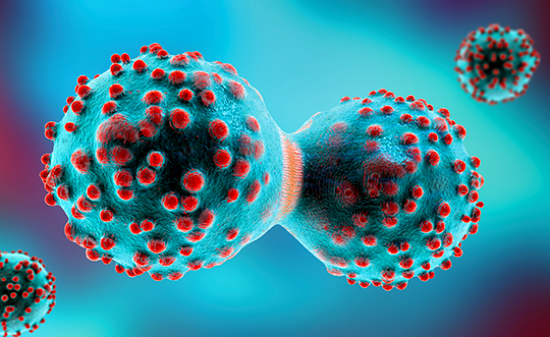
The Warburg Effect refers to the phenomenon where cancer cells primarily produce energy through a process called aerobic glycolysis, rather than the more efficient aerobic respiration used by normal cells. This metabolic shift allows cancer cells to grow and proliferate rapidly by converting glucose to lactate, even in the presence of oxygen. Understanding this unique way of energy generation is essential for comprehending cancer biology and developing effective therapies aimed at combating this complex disease.
Cancer cells utilize aerobic glycolysis, resulting in the conversion of glucose into lactate, even when oxygen is available. In contrast, normal cells use aerobic respiration, producing more adenosine triphosphate (ATP), the primary energy currency of cells. The preference for glycolysis in cancer cells allows them to access energy quickly, which supports their high energy demands and fuels their rapid growth and proliferation. This metabolic preference is a defining characteristic that sets cancer cells apart from their normal counterparts, ultimately contributing to tumorigenesis.
Lactate, a byproduct of glycolysis, is not merely waste; it plays significant roles in promoting tumor growth and influencing immune cell functions. Specifically, lactate can lead to changes in gene expression through a process called histone lactylation, which affects how immune cells behave in the tumor environment. Such alterations can create an acidic microenvironment that inhibits immune responses, allowing tumors to evade destruction. Moreover, the accumulation of lactate can also influence the migration and invasion of cancer cells, facilitating metastasis.
The Role Of The Ketogenic Diet
The ketogenic diet, characterized by high-fat and low-carbohydrate intake, offers a potential solution to counteract the Warburg Effect. By drastically reducing the availability of glucose, the ketogenic diet forces cancer cells to starve. When glucose is limited, normal cells can adapt by metabolizing fats into ketones, which serve as an effective energy source but cancer cells starve to death.
Research from the Techno-Legal Framework for Global Cancer Treatment (TLFGCT) and the Techno-Legal Framework to Prevent Global Vaccines Genocide (TLFPGVG) shows that the Ketogenic Diet can significantly impact tumor metabolism and growth dynamics. Integrating this diet not only supports metabolic health but also offers a very promising therapeutic strategy that cures and treats all types of cancers. By exploring the historic applications of the Ketogenic Diet in treating neurological disorders, the argument for dietary interventions in cancer therapies gains strength. Exploring its legacy of healing can help us understand its multifaceted benefits.
As per the research works of TLFGCT and TLFPGVG, a Ketogenic Diet can treat and cure:
(1) Epilepsy, particularly in children who were unresponsive to conventional therapies,
(2) Obesity by promoting weight loss,
(3) Cancer by improving the metabolism of the body and restoring the cellular functions of the cells to their normal functioning,
(4) Diabetes by improving blood sugar control and controlling insulin spike,
(5) Brain fog by enhanced mental focus,
(6) Alzheimer’s disease by utilising the neuroprotective properties of ketones,
(7) Parkinson’s disease by utilising the neuroprotective properties of ketones,
(8) Multiple sclerosis by utilising the neuroprotective properties of ketones,
(9) Psychiatric disorders like OCD,
(10) Bipolar disorder,
(11) Schizophrenia, by influencing neurotransmitter systems, particularly promoting GABA production, the Ketogenic Diet may have calming effects on the nervous system and help reduce oxidative stress—a factor implicated in schizophrenia. Early studies suggest it may enhance cognitive performance and alleviate symptoms associated with the disorder.
(12) Depression management due to mood-stabilizing effects, etc.
This is just an illustrative list that TLFGCT and TLFPGVG have shared as there are many more healthcare benefits of Ketogenic Diet. By March 2026, the Ketogenic Diet has solidified its role as a viable tool in managing diverse neurological diseases, with ongoing clinical studies evaluating its long-term effects and mechanisms of action. Reported benefits include:
(a) Consistent seizure reduction in epilepsy patients.
(b) Enhanced cognitive function in individuals with neurodegenerative conditions.
(c) Improved quality of life for those with neurological issues.
In short, as per TLFGCT and TLFPGVG, Ketogenic Diet can cure your body from head to toe without toxic medical substances, Death Shots and harmful medicines.
You have nothing to loose and everything to gain but pharmaceutical cartel cannot patent a Ketogenic Diet so it would always be discouraged by the Rockefeller Quackery Based Modern Medical Science (RQBMMS). A Ketogenic Diet along with Frequency Healthcare is all that you need to escape this Rockefeller Quackery.
Insights From Related Discussions From TLFGCT And TLFPGVG
The ongoing discourse around cancer treatment and metabolism reveals important facets of the Warburg Effect and related therapies. Articles like those addressing the pseudoscience of metabolic flexibility in cancer cells highlight critical insights regarding how cancer cells adapt their metabolism. Debunking misconceptions surrounding metabolic flexibility adds depth to understanding the challenges in targeting cancer development. These discussions are crucial as they help refine the scientific narrative surrounding cancer metabolism, distinguishing between genuine metabolic adaptations and pseudoscience and Fake Science based oversimplified concepts used in treatment discussions. These pharma cartel funded discussions and researches use Fabricated Scientific Consensus, PRPRL Scam, Settled Science Treachery, etc to distract people from natural ,real and holistic treatments. Their views are amplified by Mockingbird Media Operatives working on their behalf till public is convinced that genocidal medical interventions like chemotherapy are actually good for cancer treatment. This is the reason why Doctors and Healthcare providers have become number 1 killers of the world.
Furthermore, a comprehensive approach to understanding cancer as a metabolic disease emphasizes metabolism’s role in cancer progression. This perspective aligns with the Warburg Effect and stresses the importance of recognizing the metabolic characteristics of tumors as integral to treatment strategies. By understanding cancer through a metabolic lens, researchers can identify novel therapeutic targets like Ketogenic Diet and Frequency Healthcare that disrupt cancer cell energy utilization, opening avenues for more effective interventions.
The discussions on using techno-legal frameworks showcase the necessity for structured regulations supporting treatment protocols that integrate metabolic therapies like Ketogenic Diet. Such frameworks can ensure that innovative therapies are effectively implemented and monitored within healthcare systems. Legal structures may facilitate the adoption of novel treatments into clinical practice, thus providing patients with better access to metabolism-focused therapies.
Moreover, contemporary studies emphasize the significance of understanding external factors, like the role of the spike protein in cellular dysfunction, 5G Radiations, cancer causing foods and medicines, Turbo Cancer due to Death Shots, etc. This highlights the interrelation of viral infections, metabolic health, and cancer biology, underscoring the potential impact of systemic health on cancer progression and treatment. The integration of infectious disease dynamics into cancer treatment strategies signals a need to broaden therapeutic considerations beyond traditional cancer-focused paradigms.
Advancements in treatment modalities, particularly regarding CAR T-cell therapy, draw attention to new approaches with a scientific caution that can be combined with Ketogenic Diet based metabolic targeting. The evolving landscape of oncology, as discussed under the future of oncology, suggests the need to embrace alternative therapies that complement established methods for more effective outcomes. By adopting multi-modal treatment strategies incorporating metabolic manipulation, the healthcare community can heighten the efficacy of Frequency Healthcare based therapies.
Finally, the call for revolutionary changes in cancer treatment emphasizes the need for a collaborative global approach that incorporates both innovative therapies and a renewed focus on metabolic health. The complexities of cancer metabolism will continue to illuminate potential breakthroughs that could shape a paradigm shift in cancer treatment. As the landscape of oncology evolves, integrating metabolic understanding into a comprehensive treatment framework promises to enhance patient care and outcomes significantly.
Conclusion
In summary, understanding the Warburg Effect is crucial for developing innovative cancer therapies and improving prevention strategies. The interplay between metabolic pathways and cancer cell behavior invites researchers to rethink conventional treatment paradigms. The incorporation of dietary interventions, such as the Ketogenic Diet, underscores the importance of personalized medicine approaches that align metabolic health with cancer care.
As debates regarding metabolic flexibility and the broader understanding of cancer as a metabolic disease mature, they create opportunities for comprehensive treatment strategies that address not only the tumor but the patient’s overall health. The integration of such knowledge into clinical practice, facilitated by supportive techno-legal frameworks, will be essential for implementing effective therapies.
Ultimately, the future of oncology may lie in our capacity to embrace a holistic view of cancer treatment that prioritizes metabolic wellness alongside safe medical interventions. This collaborative and multi-faceted approach can lead to breakthroughs in combating cancer, ultimately fostering an era of personalized, effective, and accessible cancer treatments. As we advance our understanding of the complexities of cancer metabolism, we can pave the way for innovative strategies aimed at improving patient outcomes and enriching the lives of those affected by this curable disease.