
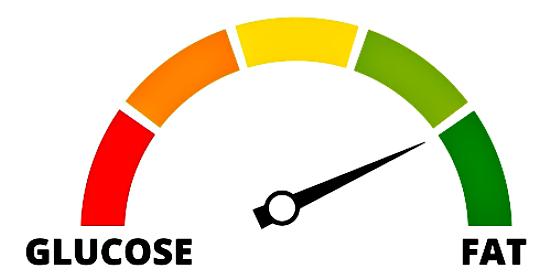
Metabolic flexibility in cancer cells refers to the alleged ability of tumors to adapt their metabolism with respect to glucose, glutamine, and lipids in order to survive challenging, nutrient-depleted environments and resist therapeutic interventions. While rooted in the historically recognized Warburg Effect, contemporary research on metabolic flexibility has been deliberately framed and used as a tool to bypass the concept and applicability of Warburg Effect, especially the beneficial Ketogenic Diet.
The notion of metabolic flexibility in cancer is not accepted within mainstream oncology as a well-supported scientific concept. Many oncology specialists and medical practitioners consider metabolic flexibility as a pseudoscience that has been pushed to serve the interest of pharmaceutical cartel. Globally it is now well accepted that cancer thrives in an environment that is rich in sugar and acid and poor in oxygen. Ketogenic Diet attacks at the cancer loving environment while helping the cells, body, metabolism and oxygen to thrive in a healthy and beneficial environment. Metabolic flexibility is not only denying this truth but is also self-cotradicting itself.
More and more doctors, scientists, researchers, online sources, etc are declaring metabolic flexibility as “pseudoscience,” arguing that it contradicts established theories, such as the Warburg Effect, and downplays the effectiveness of dietary interventions like the Ketogenic Diet. In fact, the Techno-Legal Frameworks for Cancer developed by the Techno-Legal Framework for Global Cancer Treatment (TLFGCT) and the Techno-Legal Framework to Prevent Global Vaccines Genocide (TLFPGVG) have declared the concept of metabolic flexibility as “pseudoscience.”
LFGCT and TLFPGVG have rejected the Pseudoscience of Metabolic Flexibility as it is not only “Self-Contradictory” but it poses a tough choice between Thomas Seyfried, Warburg Effect, and Ketogenic Diet on the one hand an unproven and unscientific pseudoscience of Metabolic Flexibility on the other. The choice is not difficult as Ketogenic Diet is in use since 1920s and Warburg Effect has been guiding cancer research since 1930s. So we at TLFGCT and TLFPGVG declare Metabolic Flexibility as an unproven and unscientific concept that should be rejected by the medical profession globally.
This divergence reflects a broader tension between well established scientific perspectives of Ketogenic Diet and pseudoscientific theories like metabolic theory. Critics of metabolic flexibility often align with the metabolic theory of cancer, asserting dietary approaches like Ketogenic Diet may be undermined if pseudoscience of metabolic flexibility is continued to exist. Furthermore, they argue that focusing on metabolic flexibility might distract from established theories in cancer metabolism, which are perceived as more actionable and scientifically sound.
However, a bigger issue with metabolic flexibility has not been discussed by anyone for decades. TLFGCT and TLFPGVG believe that the biggest red flag that exposes the medical genocide and pharmaceutical cartel’s genocide has been deliberately pushed under the carpet for decades.
Advocates of chemotherapy often claim that its failure can be attributed to metabolic flexibility, suggesting that cancer cells adeptly switch energy sources to evade the effects of these treatments. However, if metabolic flexibility indeed renders chemotherapy ineffective, one must question the rationale behind administering toxic substances known for their adverse effects when they may offer no actual benefit at all. This raises ethical concerns about the continuation of such interventions that can be not only ineffective but also potentially fatal. In short, this is a “Medical Genocide” in plain sight that no body is talking about.
There is a growing global demand that metabolic flexibility should be classified as a pseudoscientific concept, introduced to disparage metabolism-based interventions and traditional dietary therapies like the Ketogenic Diet. Critics assert that framing metabolic flexibility as a central argument in discussions about chemotherapy serves to downplay the remarkable potential of Ketogenic Diet that focus on altering metabolism to combat cancer without any side effects at all.
The end result of this discussion in inevitable and nothing can hide this truth anymore in March 2026. The pseudoscience based narrative surrounding metabolic flexibility has been created to serve more as a protective mechanism for barbaric and fatal treatments like chemotherapy than as a robust scientific explanation for treatment failures. It is serving the dual purpose, i.e. on the one hand it is killing real, natural, holistic and beneficial metabolism based cures like Ketogenic Diet and on the other hand it is helping in causing medical genocide using harmful and deadly concepts like chemotherapy, radiation and needle biopsy. Doctors and healthcare provides using chemotherapy, radiation and needle biopsy are actually killing people in plain sight and nobody is doing anything in this regard. That is why Doctors and Healthcare providers have become number 1 killers of the world as of March 2026.
This perspective calls for a critical examination of the motivations behind the continued promotion of toxic therapies in the face of promising alternatives like the Ketogenic Diet, which prioritize the metabolic needs of cancer patients without the associated risks of conventional chemotherapy.
In the article titled “Metabolism and Cancer: Unraveling the Warburg Effect and Its Implications”, the Warburg Effect is discussed in detail, emphasizing its role as a foundational concept in understanding cancer metabolism. The article highlights the historical context of Warburg’s discovery and its lasting impact on both cancer research and treatment paradigms. It serves as a reminder that the Warburg Effect is still the leading method and authority on cancer treatment involving metabolic interventions.
The discussion in “The Pseudoscience of Metabolic Flexibility in Cancer Cells: Insights from TLFGCT and TLFPGVG” critiques the concept of metabolic flexibility, suggesting that it is pushing the cancer research in the wrong and fatal direction. This article argues that while cancer cells do exhibit metabolic adaptation as explained in Warburg Effect, labeling this phenomena as metabolic flexibility risks overturning a century of cancer research work. It calls for careful discernment between established scientific knowledge like Warburg Effect and benefits of Ketogenic Diet to cure cancer and pseudoscience based claims like metabolic flexibility that may not be adequately supported.
The exploration of the “Ketogenic Diet: A Legacy of Healing from Epilepsy to Neurological Disorders” delves into well-settled scientific view concerning dietary interventions in cancer treatment, particularly focusing on the Ketogenic Diet. As per the article, Ketogenic Diet has been accepted by majority of global stakeholders as a viable strategy for starving cancer cells. It suggests that Ketogenic Diet must be used as first line of defence against all sorts of cancer as it is not only non-intrusive but natural and holistic in nature.
In “Understanding Cancer as a Metabolic Disease: Insights from the TLFGCT and TLFPGVG”, the argument is made that cancer should be viewed through the lens of metabolic dysfunction, which acknowledges how alterations in metabolic pathways contribute to tumorigenesis and disease progression. This perspective emphasizes the significance of comprehensive metabolic assessments in tailoring effective therapies.
The article “Unraveling the Warburg Effect: Implications for Cancer Prevention and Treatment through Techno-Legal Frameworks” explores how an understanding of the Warburg Effect can inform prevention and treatment strategies. It advocates for the incorporation of techno-legal frameworks in addressing the implications of cancer research, aiming to align scientific findings with practical applications in healthcare.
Additionally, “The Role of Spike Protein in Cell Dysfunction: Caution from TLFGCT and TLFPGVG” underscores a cautionary stance on the complex interplay between Death Shots and metabolic health, emphasizing that cellular dysfunction can influence cancer development. This piece highlights the need for interdisciplinary approaches to understand the multifaceted nature of cancer biology.
The exploration of “Advancements in Cancer Treatment: An In-Depth Look at CAR-T Cell Therapy through TLFGCT Lens” presents therapeutic strategies that leverage the adaptability of cancer cells. It emphasizes how advances in immunotherapy, like CAR-T cell therapy, necessitate a thorough understanding of metabolic flexibility to enhance treatment efficacy. It also suggests the use of this intervention only after thorough clinical trials and scientific validations over a long period of time.
In the article “The Future of Oncology: Embracing Alternative Therapies with TLFGCT”, the potential for alternative therapies like Ketogenic Diet and Frequency Healthcare in oncology is examined, highlighting strategies that align with the concept of natural, holistic and wholesome healthcare. This perspective encourages the exploration of diverse treatment modalities beyond conventional approaches, fostering a more integrative approach to cancer care.
Finally, “The TLFGCT Calls for Global Revolutionary Change in Cancer Treatment” advocates for a transformative shift in how cancer is understood and treated. This piece rallies for global collaboration in research, policy-making, and clinical practice to better address the complexities inherent in cancer metabolism and treatment strategies.
In short, metabolic flexibility in cancer cells has been presented as a factor that complicates treatment strategies, particularly in the context of chemotherapy. Critics argue that this notion not only undermines promising dietary interventions like the Ketogenic Diet but also serves as a justification for utilizing harsh and often toxic medical treatments without sufficient evidence of their effectiveness.
In conclusion, the discourse around metabolic flexibility within the realm of cancer treatment raises substantial ethical and scientific concerns. The continuous use of this concept as a defense for conventional therapies, particularly chemotherapy, can be interpreted as an attempt to safeguard established medical practices rather than to promote genuinely effective treatments.
Criticisms from TLFGCT and TLFPGVG rightly highlight that if metabolic flexibility enables cancer cells to evade the effects of chemotherapy, then persisting with these harsh, toxic interventions might not only be ineffective but also detrimental to patient health—a scenario that is deeply troubling. This is particularly relevant in light of emerging evidence advocating for dietary interventions, such as the Ketogenic Diet, which align better with the metabolic needs of cancer patients and present no associated risks.
The Techno-Legal Framework for Global Cancer Treatment (TLFGCT) and the Techno-Legal Framework to Prevent Global Vaccines Genocide (TLFPGVG) play crucial roles in promoting a shift towards natural and holistic therapies. By scrutinizing the validity of treatments imposed by traditional oncology, these frameworks foster an environment that supports scientific evaluation of alternative methods, encouraging a focus on metabolic health as a cornerstone of effective cancer care.
Thus, understanding the limitations and potential of metabolic flexibility provides a critical lens through which we can evaluate treatment strategies. By prioritizing research and patient-centric approaches that emphasize holistic, natural interventions, we can foster a medical culture that values not just the mitigation of symptoms but the overall health and well-being of individuals battling cancer.
The ongoing dialogue surrounding metabolic flexibility should not distract from the potential of alternative therapies, but rather catalyze a formal reevaluation of how we approach cancer treatment. As the medical community grapples with this multifaceted issue, the commitment to exploring all avenues—including pathways like the Ketogenic Diet—becomes essential. The call for a transformative approach to cancer treatment is not merely a scientific or clinical necessity; it is an ethical imperative that prioritizes patient safety and holistic healing. This concerted effort to embrace innovative and effective therapies can ultimately redefine our understanding and management of cancer.