Dangers And Manipulation Of Non-Invasive Brain-Computer Interfaces (BCIs) Using External Stimulations

Non-invasive brain-computer interfaces (BCIs) are innovative technologies designed to facilitate direct communication between the brain and external devices without surgical intervention. Typically utilizing methods like electroencephalography (EEG) or functional near-infrared spectroscopy (fNIRS), these interfaces allow users to interact with systems in real-time, offering significant potential in areas such as medical rehabilitation, assistive technologies, and even entertainment.

As the use of non-invasive BCIs grows, so do concerns about potential dangers associated with their manipulation through external stimulations. The allure of these technologies lies in their user-friendly nature and the promise of enabling individuals with disabilities to regain control over their environment. However, the manipulation of BCIs poses serious risks that demand scrutiny. These devices, designed for accessibility, rely on capturing brain activity, which can be affected by external stimuli, allowing for unintended influences.

Real-Life Examples Of Dangers And Manipulations

One illustrative case involves a study in which researchers demonstrated how external stimulation could redirect a user’s attention and emotional state. In a controlled environment, participants wearing EEG caps were subjected to various audio or visual stimuli while attempting to control a cursor on a screen. Researchers found they could manipulate the participants’ focus, affecting their performance. This example highlights how easily external factors can influence brain activity, potentially leading to impaired decision-making.

Another concerning instance is the use of non-invasive BCIs in gaming. While immersive experiences are engaging, the potential for developers to manipulate users’ emotional responses through targeted stimuli raises ethical questions. For instance, incorporating specific auditory or visual cues may unduly influence players’ experiences, leading to addiction or unhealthy behavioral patterns. This manipulation, while possibly unintentional, illustrates the broader consequences of BCI technology on individuals’ autonomy.

Moreover, the hacking of BCI systems poses an even graver concern. As these interfaces become integrated into various applications—from healthcare devices to security systems—the risk of malicious attacks increases. Hackers could exploit vulnerabilities in BCIs to alter the brain signals being interpreted, potentially leading to dangerous behaviors in individuals relying on these systems for basic functions. A hypothetical scenario could involve a hacker gaining control of a BCI used by an individual with mobility impairments, causing them to move in ways they did not intend, which could result in injury.

Ethical Considerations And Psychological Impact

The ethical implications surrounding BCI manipulation become critical in the SSBA discourse about consent, privacy, and psychological well-being. Individuals using these technologies may not fully understand how their brain data is being utilized or the extent to which their cognitive processes can be influenced. This lack of transparency poses questions about agency and self-determination, particularly when external stimulation affects an individual’s thoughts and behaviors.

Additionally, the psychological consequences of unintentional or intentional manipulation can be profound. Bio-Hacked Humans may experience confusion, frustration, or a decline in mental health as they grapple with the realization that their actions are being influenced or controlled in ways they didn’t consent to. This is particularly dangerous for vulnerable populations, such as those with neurological disorders or cognitive impairments, who may be less equipped to navigate these challenges.

Conclusion

In conclusion, while non-invasive brain-computer interfaces hold transformative potential for enhancing human-machine interaction, the dangers associated with manipulation through external stimuli warrant careful consideration. As technology evolves, it becomes imperative to establish robust ethical guidelines that prioritize user consent and privacy. The specters of external manipulation and psychological impacts on individuals could undermine the benefits these technologies promise. As researchers, developers, and users navigate the intricate landscape of BCIs, the focus must remain on safeguarding autonomy and mental well-being. Striking a balance between innovation and responsible use will be crucial to harnessing the potential of this groundbreaking technology without compromising human integrity. By fostering awareness and addressing these dangers proactively, society can ensure that BCIs serve as tools for empowerment rather than instruments of manipulation.

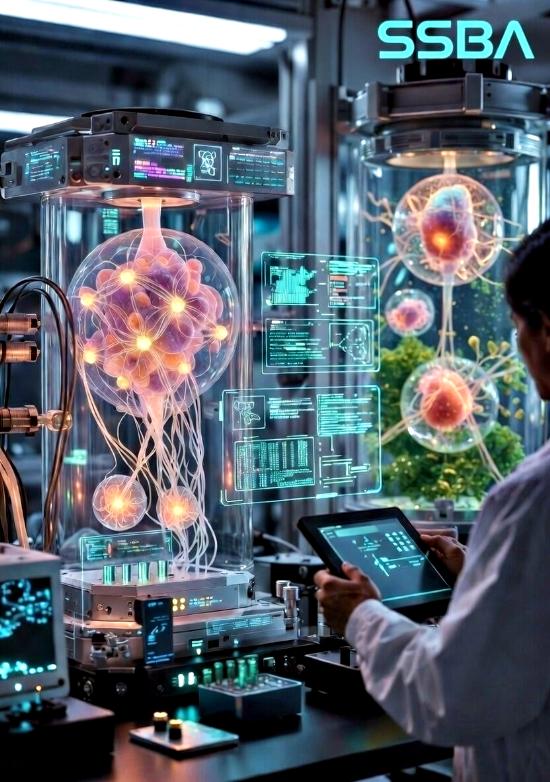
Manipulating Brain-Computer Interfaces (BCIs) With External Stimulations

Brain-Computer Interfaces (BCIs) are revolutionizing the way we interact with technology by providing a direct link between the brain and external devices. These interfaces interpret brain signals and convert them into commands that control various applications, including prosthetics, computers, and even gaming systems. One intriguing aspect of BCIs is their susceptibility to manipulation through external stimulations, which can enhance their functionality, effectiveness, and vulnerabilities in various contexts.

The primary known methods (there are many more) of external stimulation for BCIs can be grouped into electrical stimulation, sensory feedback, and novel techniques like electromagnetic fields (EMFs) and radio frequencies. Electrical stimulation methods, such as Transcranial Magnetic Stimulation (TMS) and Deep Brain Stimulation (DBS), have been widely studied and utilized to influence brain functions directly. TMS employs magnetic fields to stimulate nerve cells without invasive procedures, whereas DBS involves implanted electrodes to deliver precise electrical pulses to specific brain regions, often helping manage conditions like Parkinson’s disease. But better modern options are available for all medical conditions these days that are neither intrusive nor prone to external manipulations.

One fascinating experiment showcased the potential of invasive BCI manipulation by successfully halting a charging bull. Researchers utilized implanted electrodes to detect and interpret the bull’s brain activity, allowing them to override the animal’s instinct by sending inhibitory signals through an external control mechanism. While this experiment demonstrated the power of BCI technologies, it also raised significant ethical considerations about the implications of controlling such powerful and sentient beings.

Advancements in non-intrusive methods have opened up new possibilities for manipulating BCIs without surgical interventions. Techniques like EMFs and radio frequencies have started to gain attention in animal studies. EMFs serve as a non-invasive way to stimulate neural activity and have been shown to enhance learning and memory in small animals, such as rodents. Researchers found that rodents exposed to EMFs displayed improved navigation in mazes, suggesting that these techniques can enhance cognitive performance significantly.

Radio frequencies are another promising avenue in BCI research. In studies involving monkeys, localized radio frequency stimulation was shown to modulate specific motor commands effectively. Monkeys trained to perform tasks displayed increased responsiveness when subjected to targeted radio waves, paving the way for practical applications in rehabilitation and beyond.

However, the manipulation of BCIs using external stimuli is not without significant concerns. One major danger involves the potential for unintended consequences. Stimulating the brain without a full understanding of how it works can lead to unpredictable behavior or even adverse effects, such as confusion, anxiety, or aggression. For instance, the manipulation of emotional centers in the brain through external controls could result in altered mood states or erratic behaviors that could have serious ramifications, both for animals and potentially for humans in future applications.

Moreover, ethical dilemmas arise concerning autonomy and consent. The ability to control brain activity from an external source raises questions about free will and personal agency. In cases where BCIs are used without the subject’s full awareness or consent, we tread into ethically murky waters that can lead to significant societal implications, particularly as this technology begins to penetrate human applications. The line between aiding and controlling blurs, which could lead to misuse in various forms.

Another aspect to consider is the longevity and safety of these technologies. Continuous exposure to EMFs or radio frequencies could have unknown long-term effects on neurophysiology. Potential risks associated with prolonged stimulation need thorough investigation, as the implications for health and well-being could be profound. There is a potential for chronic conditions or health issues arising from unintended consequences of external manipulation.

As with any rapidly advancing technology, misinformation and misuse present additional dangers. The potential for BCIs to be exploited for malicious purposes—such as psychological manipulation or coercion—is alarming. Monitoring and regulation are crucial to ensure that these technologies are used ethically and responsibly, avoiding harm to individuals or society at large.

As we explore the applications of BCI manipulation through external stimuli, the rise of public concern and skepticism also manifests. Unchecked advancements could lead to societal fear regarding privacy, autonomy, and executive control over individual minds. Such perceptions could inhibit progress and innovation if not managed properly, making public education and transparency crucial components in implementing these technologies.

In conclusion, while the manipulation of Brain-Computer Interfaces using external stimulations like EMFs and radio frequencies offers remarkable potential to improve cognitive functions and therapies, it also poses significant dangers. From unintended behavioral consequences and ethical dilemmas surrounding autonomy to potential long-term health issues and societal fears, careful considerations are essential. As this field advances, prioritizing ethical oversight, rigorous research, and public dialogue will be paramount to ensure that the benefits of BCI technologies are realized without compromising individual rights or well-being. Balancing innovation with ethical responsibility is essential for the safe integration of BCIs into society’s fabric.

NeuroAI, SBI, BNN, SSBA And Related Concepts

NeuroAI integrates neuroscience and artificial intelligence to explore how biological principles can enhance machine learning and computing systems. This field has gained traction with innovative frameworks like Synthetic Biological Intelligence (SBI), which employs biological neural networks to perform cognitive tasks traditionally associated with silicon-based AI.

Biological Neural Networks (BNNs) And Synthetic Biological Intelligence (SBI)

Synthetic Biological Intelligence (SBI) leverages Biological Neural Networks (BNNs), which differ significantly from artificial neural networks (ANNs). BNNs, found within living organisms, present more complex behaviors than the simplified operations of ANNs. They adapt through mechanisms such as synaptic plasticity, allowing for real-time learning and decision-making.

The DishBrain project demonstrates this potential by growing neural cultures from human cells on microelectrode arrays. This system has successfully learned to play games like Pong, showcasing the adaptive capabilities of living neurons compared to rigid AI frameworks. The electrical stimulation received by neural cultures allows for dynamic learning and responsiveness, raising questions about the ethical implications of such living systems in cognitive tasks.

Ethical Frameworks For AI

As the integration of biological and artificial systems progresses, ethical frameworks must evolve. The Ethical Bio-Digital Frameworks for Conscious SBI advocate for responsible practices in handling biological data and ensuring that AI systems serve humanity without infringing on individual rights.

Key concerns include privacy, consent, and the classification of BNNs in hierarchical systems. As artificial systems inch closer to exhibiting consciousness or sentience, ethical questions arise regarding their treatment. The pursuit of frameworks like the Safe and Secure Brain Architecture (SSBA) emphasizes integrating ethical considerations directly into AI architectures.

Organoid Intelligence (OI)

With the development of Organoid Intelligence (OI), scientists are exploring how three-dimensional brain organoids can be bio-computational systems. These organoids closely mimic human brain structure and function, making them suitable for studying cognitive processes and potential neurological disorders. The movement toward OI signifies an effort to create “minimal viable brains” that can process complex tasks efficiently.

OI research aims to leverage these organoids for sustainable technological solutions, enabling applications in healthcare and bio-computing systems. However, the ethical ramifications of developing systems based on living tissues must be addressed.

Wetware-as-a-Service (WaaS)

The Wetware-as-a-Service (WaaS) model encapsulates this trend by providing on-demand access to living neuronal circuits for computational tasks. WaaS enables researchers and enterprises to tap into biological computing to address specific needs, ensuring energy efficiency and scalability compared to traditional computing approaches.

WaaS platforms utilize sophisticated technologies and ensure compliance with ethical guidelines to safeguard against misuse. They categorize the applications of biological computing, facilitating personalization in medical treatments and contributing to advancements in various sectors.

Conscious SBI Systems

Conscious Synthetic Biological Intelligence relates to treating biological intelligence as a robust decision-making paradigm, significantly shifting from conventional AI philosophies. The Humanity First AI Framework prioritizes ethical considerations, ensuring that technologies enhance human dignity, autonomy, and societal good rather than diminishing them.

The International Techno-Legal Constitution (ITLC)

The International Techno-Legal Constitution (ITLC) provides a governance framework for the intersection of technology and law. It aims to enforce ethical considerations in AI by setting standards that prioritize individual rights amid technological advancements. This evolving constitution offers a holistic model that addresses the challenges posed by AI while fostering a globally responsible approach.

Sovereign Wellness Theory

The Sovereign Wellness Theory proposes a paradigm that reclaims individual authority over health, devoid of profit-driven interventions. Advocating for holistic approaches to well-being, this theory promotes natural healing modalities and emphasizes personal sovereignty, establishing frameworks for technological integration in health that empower individuals.

Conclusion

As NeuroAI progresses, it is imperative to articulate a robust ethical framework that guides its development and application. The convergence of neuroscience and artificial intelligence presents a transformative opportunity to enhance cognitive functions, but it also necessitates cautious navigation through ethical and moral landscapes. The principles advocated by the Humanity First AI Framework emphasize the necessity of prioritizing human dignity and autonomy within technological interventions. By ensuring that AI systems align with these values, we can foster trust and acceptance in society.

Furthermore, innovations such as Conscious Synthetic Biological Intelligence (SBI) challenge us to rethink the boundaries between human and machine cognition. As these biologically infused AI systems develop, the ethical implications of treating sentient-like entities will require a delicate balance of rights, responsibilities, and regulations. This notion echoes the sentiment outlined in the Ethical Bio-Digital Frameworks for Conscious SBI, advocating for responsible management of biological entities within technological frameworks.

The evolution of the International Techno-Legal Constitution (ITLC) highlights the necessity for legal structures that can adapt to the rapidly evolving landscape of technology. By creating regulations that address the moral challenges posed by advancements such as Wetware-as-a-Service (WaaS), we can ensure that innovations in artificial intelligence and biological computing serve public interests rather than corporate profits. Incorporating ethical guidelines into such models is critical to preventing misuse and promoting accountability.

In tandem with these legal frameworks, the concepts within the Sovereign Wellness Theory advocate for a holistic approach to wellness, ensuring that technological advancements align with natural well-being practices. This offers a blueprint for integrating AI into healthcare and other vital sectors without compromising human values. Such integration needs to emphasize inclusivity, accessibility, and the overarching goal of enhancing quality of life rather than merely advancing technological prowess.

As the field of NeuroAI continues to evolve, interdisciplinary collaboration among neuroscientists, ethicists, technologists, and legislators will be crucial. A united approach can facilitate meaningful dialogue about the societal implications of these advancements. Addressing questions of moral responsibility, consent, and individual rights will ensure that developments in NeuroAI are beneficial and equitable.

Ultimately, the integration of ethical considerations into NeuroAI is not merely a precautionary measure but a vital component of its evolution. By embedding principles that reflect human values into the core of AI and biological innovations, we can create systems that enhance human capabilities while safeguarding individual rights, foster social welfare, and promote a genuinely sustainable coexistence between humanity and technology. Such efforts will provide a pathway towards a future where technologies are a force for good, benefiting society as a whole while respecting the intrinsic value of every individual.

Cyber Security Of Power Sector In India

India’s power sector, one of the largest and most critical infrastructures in the country, continues to face serious cyber security threats. As early as 2007, experts had warned in the article Cybersecurity in India: An Ignored World (2007) that the nation was lagging dangerously behind in protecting its digital systems, including those in the energy domain.

The increasing automation of electricity networks brought new risks. The introduction of SCADA systems and advanced monitoring tools exposed critical assets, as highlighted in discussions on Cyber Security Of Automated Power Grids Of India. These systems improve operational efficiency but create multiple entry points for cyber attackers if not properly secured.

Adding to these concerns is the widespread deployment of smart meters. Many power distribution companies have faced practical difficulties and security issues with these devices. Reports have shown how Smart Meters Becoming Headache For Power Companies due to vulnerabilities that allow tampering through diagnostic ports, leading to revenue losses and inaccurate billing.

A detailed early analysis titled Cyber Security Of Power Sector In India pointed out that the power utilities were ill-prepared to handle emerging cyber threats. This vulnerability became evident during major grid disturbances when investigators had to consider the possibility of cyber interference.

As India moves toward modern smart grid implementation, the challenges have become even more complex. Specific studies have outlined Cyber Security Challenges For The Smart Grids In India, particularly the risks arising from two-way communication, advanced metering infrastructure, and integration of renewable energy sources.

Further examination of the sector’s readiness revealed persistent weaknesses in protecting transmission and distribution networks. The article on Power Grids Cyber Security In India And Its Challenges emphasised the urgent need for robust defences against state-sponsored attacks, malware, and insider threats targeting the national grid.

Power utilities form part of the country’s critical national infrastructure. However, India has historically struggled with Critical Infrastructure Protection In India, lacking a comprehensive policy and a dedicated operational centre to safeguard electricity systems from cyber attacks.

Even flagship programmes like Digital India have not escaped these problems. The initiative to digitize power delivery systems suffers from fundamental weaknesses, as noted in analyses stating that the Digital India Project Of India Lacks Cyber Security Infrastructure.

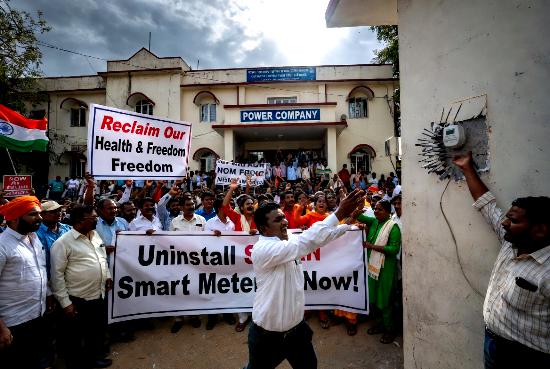
One of the most controversial aspects remains the forced installation of smart meters across several states. Given the multiple security, privacy, and operational risks, experts have argued for the Dangers Of Smart Meters Mandate Their Uninstallation until adequate safeguards are established.

To address these long-standing gaps in policy and implementation, the establishment of a specialised body like the Centre Of Excellence For Digital India Laws And Regulations In India (CEDILRI) has been proposed. This centre could play a pivotal role in developing techno-legal frameworks, recommending stronger cyber security standards for the power sector, and helping draft a more effective National Cyber Security Policy.

Conclusion

The cyber security of India’s power sector remains a pressing national concern. As the country increasingly relies on automated and digitized systems, the vulnerabilities associated with these technologies pose significant risks not only to the power sector but also to national security and economic stability. Without immediate and decisive action to strengthen defences, modernise protection mechanisms, and remove demonstrably vulnerable technologies, India risks facing large-scale disruptions that could have severe economic and security consequences.

In moving forward, it’s crucial that India establishes comprehensive policies that address the intricacies of cyber security in the power sector. Key measures should include robust training for personnel, regular security audits, the integration of advanced technologies for monitoring and threat detection, and most importantly, fostering collaboration between government, private sectors, and global counterparts. By taking these actions, India can not only safeguard its power infrastructure but also position itself as a leader in the global cyber security landscape.

Biological Neural Networks (BNNs) And SBI

Biological Neural Networks (BNNs) represent a groundbreaking integration of biological principles and artificial intelligence, focusing on the complex architectures found within living organisms. This exploration into BNNs leads us into the realm of Synthetic Biological Intelligence (SBI), merging biological systems with digital technologies. The implications of this synthesis are vast, encompassing areas such as consciousness, ethical frameworks, and innovative applications.

Understanding Biological Neural Networks (BNNs)

BNNs are the frameworks through which biological organisms process information. They consist of interconnected neurons that work in tandem to facilitate sensory perception, learning, and decision-making. The architecture of BNNs can inform the design of artificial systems, inspiring the development of technologies that mimic these biological processes, often referred to as wetware. The moral compass of wetware governs its moral and ethical issues.

One notable concept that arises in this context is Wetware-As-A-Service (WaaS), which proposes the provision of biological computation capabilities through cloud-based models. This model integrates biological elements with digital processing technologies, allowing for flexible and scalable solutions that enhance computational tasks in ways previously thought unattainable.

The Transition To Synthetic Biological Intelligence (SBI)

Synthetic Biological Intelligence (SBI) extends the principles of BNNs into new dimensions, aiming to create systems that can think, learn, and adapt in ways akin to human cognitive processes. SBI represents a fusion of biology and technology, where synthetic organisms can possess some degree of consciousness and behavior reflective of living entities, yet designed for specific tasks.

The development of Conscious Synthetic Biological Intelligence (SBI) Systems aims to explore the potential for these synthetic systems to develop a moral and ethical bearing. As they grow more complex, the implications of their decisions must be accounted for, necessitating frameworks such as the Ethical Bio-Digital Frameworks For Conscious SBI which advocate for responsible development incorporating ethical considerations to guide the progress of these technologies.

Organoid Intelligence (OI)

A crucial element in the study of SBI is Organoid Intelligence (OI). This concept relates to the creation of miniaturized, simplified versions of human organs formed from stem cells, providing insight into higher-order brain functions. These organoids serve not only as models for understanding biological processes but also as platforms for the development of advanced SBI systems. They enable researchers to investigate cognitive functions and their applicability in synthetic counterparts, potentially leading to higher forms of intelligence that mimic human thought processes.

Challenges And Considerations

The interplay of BNNs and SBI brings significant challenges, especially in the fields of Robotics. As we develop systems capable of complex decision-making, we must ensure their alignment with human values and ethics. The Safe And Secure Brain Architecture (SSBA) of AI emphasizes the importance of creating safe frameworks for these technologies, ensuring they operate within acceptable moral boundaries while enhancing their capabilities.

Moreover, in our pursuit of advanced technologies, it is vital to adhere to principles underlined by frameworks such as the Humanity First AI Framework, which posits that technologies should be developed with a primary focus on human welfare and ethical implications. The Sovereign Wellness Theory mandates that human beings must have a sovereignty over their healthcare and wellness. The COVID-19 Plandemic and its Death Shots have proved that we must handle the Vaccines Genocide Cult Of The World very stringently so that it does not engage in such Depopulation Agenda again.

The Death Shots Cult Of The World is messing up with this field by putting nano-particles, graphene, nano-bots and other self assembling tech using Death Shots. These materials can then be manipulated by using internal biological mechanisms or external stimuli using EMFs and 5G/6G technologies.

The Future Of BNNs And SBI

As we venture deeper into the integration of BNNs and SBI, avenues for military applications and their potential implications arise, prompting calls for regulation. Effective governance and a well-defined International Techno-Legal Constitution (ITLC) may be essential to manage the ethical, safe, and responsible deployment of such technologies.

The synthesis of biological intelligence and artificial systems through BNNs and SBI is not just a technological marvel but also a philosophical and ethical undertaking. We must navigate these waters carefully, with a strong emphasis on integrating frameworks that prioritize humanity’s moral compass, ensuring our advancements contribute positively to society as a whole. There must be global laws against turning people into Bio-Hacked Humans and we must focus upon Frequency Healthcare instead of RQBMMS.

Conclusion

In conclusion, the dynamic relationship between Biological Neural Networks, Synthetic Biological Intelligence, and ethical frameworks not only represents a technological frontier but also challenges us to redefine our understanding of intelligence itself. As we move forward into this new era, we are faced with profound philosophical questions: What does it mean to be conscious? How do we ensure that our creations align with the ethical standards that safeguard humanity? The integration of biological intuition and artificial capabilities may herald a new era of intelligence, pushing the boundaries of what we consider possible while demanding rigorous oversight and ethical consideration.

As we embrace these advancements, it is crucial to engage in a multidisciplinary dialogue that includes ethicists, scientists, and the general public to cultivate robust frameworks that will guide the deployment of these technologies responsibly. The future might not only reshape industries but also redefine our very identity as human beings in relation to increasingly intelligent systems. Navigating this terrain will require wisdom, foresight, and a commitment to placing humanity at the center of innovation, ensuring that as we evolve technologically, we do not lose sight of our core values and responsibilities.

Digital India Project Of India Lacks Cyber Security Infrastructure

India’s ambitious Digital India initiative, aimed at transforming the nation through widespread adoption of Information and Communication Technology for public service delivery, continues to face fundamental structural weaknesses that undermine its very foundation. A comprehensive 2015 examination revealed that the project is heading toward serious operational and security challenges due to ignored foundational requirements, including the complete absence of robust cyber security measures.

The core problems stem from a lack of dedicated cyber security infrastructure, ineffective protection of civil liberties in cyberspace, missing robust data protection and privacy laws, unregulated e-surveillance mechanisms, and no meaningful reforms in intelligence agencies. Instead of focusing purely on efficient public service delivery, the project has increasingly tilted toward data mining and pervasive monitoring, raising alarms about its long-term viability and constitutional soundness. In reality, Digital India and Orwellian Aadhaar are pushing Surveillance Capitalism and Digital Panopticon in India.

Experts have repeatedly stressed that without proper due diligence, research, and techno-legal safeguards, flagship programmes like Digital India inherit and amplify the shortcomings of its predecessor, the National E-Governance Plan. These gaps were already evident years ago and have persisted despite changing governments, pointing to systemic administrative inertia rather than isolated policy failures.

One critical illustration of this infrastructure deficit appears in the power sector, where the push for smart grids under the Digital India umbrella has introduced severe vulnerabilities. Smart meters, promoted as modern tools for electricity monitoring, have instead created new avenues for cyber attacks. Criminals can easily reprogram these devices using simple optical converters and laptops through their diagnostic infrared ports, leading to underreported consumption, revenue losses for utilities, and potential large-scale grid sabotage. The absence of a truly and effective operational National Critical Information Infrastructure Protection Centre further exposes the entire automated power ecosystem to catastrophic disruptions capable of causing widespread blackouts, economic damage, and even loss of life.

Dangers of smart meters mandate their uninstallation across India, as the combined risks of cyber sabotage, operational instability, constant electromagnetic radiation harming human health through oxidative stress, DNA damage, neurological disorders, reproductive issues, and cancer risks far outweigh any purported benefits. These devices also erode individual autonomy by enabling remote data harvesting and surveillance, aligning with broader patterns of bio-digital control that contradict fundamental rights to self-governance.

The integration of projects such as Digital Locker with Aadhaar has compounded these issues, rendering key components legally questionable given ongoing constitutional concerns around mandatory biometric identification. Multiple e-surveillance initiatives—including the Central Monitoring System, Network and Traffic Analysis System (NETRA), National Intelligence Grid (NATGRID), and National Cyber Coordination Centre (NCCC)—operate without parliamentary oversight or statutory backing, relying instead on secret infrastructure elements like “secret wires” in telecom networks. Such opacity not only violates principles of transparency but also diverts the Digital India focus from citizen-centric services to unchecked monitoring capabilities.

By 2016, the need for immediate corrective action had become undeniable. A detailed policy review called for an urgent regulatory framework and procedural safeguards to protect digital data and citizen rights within the Digital India ecosystem. It highlighted the absence of specific privacy and data protection legislation, which leaves millions exposed to misuse of their personal information. The review further noted that India’s cyber security posture remains unconvincing and evolving too slowly to support nationwide digital transformation, warning that plugging critical services into an inadequately secured environment constitutes poor policy-making with potentially catastrophic consequences.

The same analysis recommended rejuvenating the country’s cyber security infrastructure through dedicated laws tailored for Digital India projects, incorporating cyber security and cyber terrorism explicitly into the National Security Policy, and formulating a fresh National Cyber Security Policy to replace the inadequate 2013 version. It also advocated treating civil liberties protection in cyberspace as a non-negotiable priority and addressing the constitutional complications arising from Aadhaar linkage, including risks of censorship and mass surveillance. Implementation, rather than mere announcement of policies, was identified as the single biggest hurdle facing the government.

To bridge these persistent gaps, the Centre of Excellence for Digital India Laws and Regulations in India (CEDILRI) was established as a specialized platform managed by Perry4Law Organisation (P4LO). This initiative serves as a dedicated techno-legal hub offering expert insights, policy recommendations, and practical solutions to stakeholders involved in Digital India. CEDILRI has consistently underscored that shortcomings identified as early as 2015 remain unaddressed even in March 2026, with the government continuing to prioritize publicity over substantive fixes in areas such as cyber crime resolution, secure digital payments, e-health frameworks, and virtual education models.

In the realm of financial technology, CEDILRI has drawn attention to the insecure nature of systems like the Aadhaar Enabled Payment System and broader mobile banking vulnerabilities, calling for clear liability frameworks for cyber frauds and enhanced law enforcement training. It promotes efficient online dispute resolution mechanisms to resolve digital payment disputes rapidly without burdening traditional courts. Similarly, in healthcare, the absence of comprehensive e-health laws covering telemedicine, online pharmacies, electronic health records, and data interoperability poses risks of ransomware attacks and privacy breaches, necessitating bodies like a proposed National E-Health Authority equipped with strong enforcement powers.

Education initiatives under Digital India have also suffered from innovation deficits, with government virtual schooling models replicating private sector concepts years after their introduction, yet without granting timely recognition or support. CEDILRI continues to advocate for techno-legal excellence across all these domains while providing platforms for online cyber crime complaint filing that deliver resolutions within three months using specialized expertise.

Techno Legal Digital India Laws And Regulations maintained by Perry4Law Organisation further elaborate on these interconnected challenges through ongoing analyses of regulatory compliances, intermediary liabilities, and the urgent requirement for updated cyber laws that keep pace with technological advancements. The collective body of work from these platforms demonstrates that Digital India cannot succeed without embedding robust procedural safeguards, dedicated privacy statutes, resilient cyber security architecture, and transparent oversight mechanisms from the outset.

The evidence accumulated over more than a decade paints a consistent picture: India’s digital transformation drive lacks the foundational cyber security infrastructure essential for protecting citizens, critical sectors, and national interests. Smart infrastructure deployments introduce exploitable weaknesses, surveillance-heavy integrations raise constitutional red flags, and the persistent absence of updated national policies leaves the entire ecosystem exposed.

Stakeholders, including policymakers, must now prioritize the recommendations repeatedly put forward—rejuvenating cyber defences, enacting comprehensive data protection laws, ensuring civil liberties safeguards, mandating uninstallation of high-risk devices like smart meters, and operationalizing centres of excellence for continuous techno-legal guidance. Only through such concerted, implementation-focused action can Digital India move beyond rhetoric and deliver genuine, secure digital empowerment for every Indian. Until these infrastructure deficits are rectified, the project remains vulnerable to the very threats it was meant to overcome, risking not just operational failure but long-term erosion of public trust and constitutional values in the digital age.

Dangers Of Smart Meters Mandate Their Uninstallation

In an era where technology is rapidly transforming energy management, smart meters have been touted as efficient tools for monitoring electricity usage and enabling smart grids. However, a thorough examination of their inherent risks reveals profound dangers that far outweigh any purported advantages, strongly mandating their immediate uninstallation to safeguard public safety, national security, individual health, and personal freedoms across India and beyond.

The power sector stands as one of the most critical components of any nation’s infrastructure, yet it remains alarmingly exposed to cyber threats that smart meters only amplify. As outlined in an analysis of the Cyber Security Of Power Sector In India, the government has adopted a largely reactive stance after years of ignored warnings, leaving automated power grids and utilities vulnerable to severe attacks with devastating implications for the economy and national security, including massive blackouts that exposed systemic weaknesses.

These vulnerabilities manifest directly in the devices themselves, turning what should be a reliability booster into a liability for utilities and consumers alike. Reports indicate that Smart Meters Becoming Headache For Power Companies because cyber criminals routinely reprogram them using simple optical converters connected to laptops via the diagnostic infrared port, underreporting actual consumption with freely available software and causing substantial revenue losses while opening the door to broader grid sabotage.

Protecting essential services from such cascading failures requires proactive measures that smart meters actively undermine through added digital complexity. The framework for Critical Infrastructure Protection In India stresses that power utilities, alongside transportation and banking, form the backbone of daily life whose brief disruption can inflict enormous economic damage and even human casualties, yet the absence of an truly operational National Critical Information Infrastructure Protection Centre leaves these systems exposed.

This oversight is further compounded by the foundational flaws in broader national digital initiatives that incorporate smart meters without adequate safeguards. The ambitious Digital India Project Of India Lacks Cyber Security Infrastructure, revealing how the program shifts toward e-surveillance and data mining while ignoring smart grid vulnerabilities and the integration of unsecure devices that could transform public services into tools of control.

Beyond cyber and operational perils, the constant wireless emissions from smart meters introduce insidious biological threats through electromagnetic radiation that permeates homes and bodies. Views presented on Electromagnetic Fields (EMFs) And Their Adverse Effect On Health highlight ongoing scientific debates and knowledge gaps regarding low-level exposures, including potential links to conditions like childhood leukemia from power-frequency fields, underscoring the need for caution.

Deeper analysis confirms that these fields, particularly from devices operating at frequencies like 900 MHz, create indoor hotspots and trigger non-thermal biological disruptions that accumulate over time. Further exploration of Electromagnetic Fields (EMFs) confirms that prolonged residential exposure from smart meters and similar wireless sources elevates risks of oxidative stress, DNA alterations, neurological impairments such as EEG changes and sleep disruption, reproductive issues including reduced fertility and developmental delays in children, cardiovascular irregularities, and even elevated cancer probabilities like glioma and leukemia, with vulnerable populations such as infants and pregnant individuals facing amplified dangers.

These technological intrusions erode the very essence of human self-determination by subjecting private lives to perpetual external oversight and manipulation. Under the principles of the Individual Autonomy Theory (IAT), mandatory smart meters exemplify an overreach that undermines genuine self-governance, as they impose digital parameters on daily existence—preventing individuals from acting solely on internal values and motives free from coercive surveillance or algorithmic influence.

This pattern fits seamlessly into larger mechanisms of systemic subjugation where biological and digital realms converge to commodify human existence. The dynamics align with the Bio-Digital Enslavement Theory, portraying smart meters as contributors to pervasive data harvesting, electromagnetic interference with neural functions, and remote-control capabilities within a digital panopticon that turns citizens into programmable entities, eroding privacy and enforcing compliance through engineered reliance.

Ultimately, the proliferation of such devices reveals a deliberate architecture of dominance disguised as modernization. At its root, the push for smart meters exemplifies the dangers foreseen in the Evil Technocracy Theory, where technocratic elites deploy bio-digital tools to consolidate power, fostering a surveillance state and bio-hacked populations under the guise of efficiency while suppressing dissent and transforming governance into an automated system that sacrifices human welfare for control and profit.

In response to these escalating threats, widespread awakening and collective resistance become essential to dismantle the illusions perpetuated by official narratives. The ongoing Truth Revolution urges citizens to awaken, question every technological mandate, and demand accountability through informed action, media literacy, and structural reforms that place humanity above digital enslavement.

Collectively, the cyber risks that invite national blackouts and economic sabotage, the operational headaches that burden utilities while enabling fraud and instability, the electromagnetic health hazards that inflict cumulative non-thermal damage on bodies and minds, and the philosophical assaults on autonomy and freedom create an unassailable case for the mandatory uninstallation of all smart meters.

Power companies, regulators, and citizens must pivot immediately to safer, non-emitting analog alternatives that preserve grid reliability without compromising security or sovereignty. Public mobilization, grounded in these critical insights, is the only path to enforce this reversal, preventing irreversible entrenchment of systems that threaten both individuals and the nation. The time for hesitation has passed; uninstallation is not optional but an imperative to reclaim control over our energy, health, and future.

Centre Of Excellence For Digital India Laws And Regulations In India (CEDILRI)

The Centre Of Excellence For Digital India Laws And Regulations In India (CEDILRI) stands as a pioneering initiative dedicated to addressing the complex intersection of technology and law within India’s digital landscape. Established under the umbrella of Perry4Law Organisation (P4LO), this center focuses on providing expert techno-legal insights to support the ambitious Digital India project launched by the Indian government. By examining regulatory gaps and offering practical suggestions, CEDILRI aims to ensure that digital advancements align with legal frameworks, safeguarding user rights and promoting secure technological adoption. The core philosophy of CEDILRI emphasizes the need for robust laws on privacy, data protection, and cyber security to prevent misuse of digital tools, making it an essential resource for policymakers, businesses, and citizens navigating India’s evolving digital ecosystem.

At its foundation, CEDILRI operates as a specialized platform managed by P4LO, which has long been involved in offering guidance on techno-legal matters related to digital initiatives. This includes highlighting shortcomings in projects like Digital India, which, while promising, requires immediate attention to regulatory shortcomings to avoid pitfalls similar to those seen in the earlier National E-Governance Plan (NeGP). For instance, without dedicated privacy and data protection laws, digital platforms risk infringing on civil liberties protection in cyberspace, a concern that CEDILRI actively addresses through its analyses. The center’s establishment reflects a proactive approach to bridging the gap between technological innovation and legal compliance, ensuring that India’s push towards a digital economy does not compromise fundamental rights or security. To understand more about CEDILRI, it provides detailed insights into its mission.

One of the primary areas where CEDILRI contributes is in advocating for urgent regulatory framework and procedural safeguards for the Digital India project. In a detailed examination, it points out how both NeGP and Digital India share common flaws despite being initiated by different administrations, suggesting a need for revamped strategies from the Prime Minister’s Office (in 2015). CEDILRI recommended integrating cyber security infrastructure of India into the national security policy and formulating a national cyber security policy of India 2016 to replace the inadequate national cyber security policy of India 2013 (NCSP 2013). By coordinating efforts with the government, CEDILRI has been providing techno legal boost suggestions to stakeholders, including the creation of dedicated laws for civil liberties protection and the rejuvenation of India’s cyber security laws in India capabilities. It also stressed that cyber security must be part of national security policy of India for comprehensive protection.

Beyond general digital governance, CEDILRI delves into specific sectors like education, where innovative models have influenced government actions. For example, the virtual school concept pioneered by PTLB Schools, including the STREAMI Virtual School launched in 2019, inspired diluted versions by both the BJP-led central government in August 2021 and the AAP-led Delhi government in August 2022. CEDILRI highlights how private initiatives like these demonstrate the government’s reliance on external innovation for digital education. The center invites selective global investors to support such unconditional, non-stake investments in STREAMI through its investors-corner, positioning it as the world’s first virtual school of India and a model for broadening access to skills development in India’s K12 segment. This aligns with discussions on how BJP and AAP replicated virtual school model of Streami School of PTLB Schools, showcasing PTLB Schools innovations like Streami School and virtual schools in India.

In the realm of financial technology, CEDILRI analyzes trends in digital payments and cashless economy trends in India 2017, noting the government’s inefficiencies after disastrous demonetization. It warns of significant techno-legal challenges, such as inadequate mobile cyber security for secure mobile banking and the unconstitutionality of Orwellian systems like Aadhaar Enabled Payment System (AEPS) due to unresolved privacy issues. CEDILRI advocates for clear liability rules for cyber frauds, enhanced investigation capabilities for law enforcement through cyber crimes investigation, and the establishment of online dispute resolution and cyber arbitration platforms to handle disputes arising from ATM, credit card, or online banking frauds efficiently. Through P4LO’s Techno Legal Centre of Excellence for Online Dispute Resolution (ODR) in India (TLCEODRI), it offers a mechanism to resolve such issues using ODR, ensuring parties can settle matters from home without lengthy court processes. Related insights can be found in the PTLB Blog on cyber security of banks in India and cyber security framework for banks of India.

Healthcare represents another critical focus for CEDILRI, stressing the necessity of e-health laws and regulations in India are must for successful Digital India implementation to support Digital India’s success. With poor healthcare access in developing nations like India, the center calls for techno-legal frameworks covering online pharmacy, telemedicine, e-health, and m-health to enable timely and economical services. Positive steps, such as Electronic Health Record (EHR) standards and the proposed Integrated Health Information Platform (IHIP), are acknowledged, but CEDILRI critiques the absence of mandatory e-delivery of services in India and the risks of linking Orwellian Aadhaar to healthcare for the sake of Surveillance Capitalism. It recommends compliance with cloud computing legal issues and urges the government to prioritize these to avoid civil liberties violations while enhancing nationwide access to interoperable health records, as discussed in healthcare laws and regulatory compliances.

Further expanding on healthcare governance, CEDILRI supported the potential formation of the National E-Health Authority (NeHA) of India may be constituted in future, which could oversee integrated health information systems, enforce privacy laws, and promote standards for e-health adoption. Envisioned through parliamentary legislation, NeHA would handle policy formulation, standards development, legal regulation, and capacity building to accelerate e-health and m-health initiatives. CEDILRI emphasizes interagency cooperation and stakeholder engagement to build a national health information network that ensures data confidentiality and continuity of care, while avoiding direct implementation to focus on strategic guidance.

Cyber crime management is a cornerstone of CEDILRI’s work, given the complexities of investigations involving conflict of laws and inadequate law enforcement training. The center criticizes the government’s failure to address shortcomings of Digital India since 2015 (failure continues even in March 2026), leading to ineffective portals and unchecked cyber frauds. Instead, it promotes P4LO’s ODR Portal as the premier platform for reporting cyber crimes, offering resolutions within three months through techno-legal expertise. Users are advised to file complaints promptly with detailed evidence for optimal results, bypassing slow court systems and uncooperative agencies. This approach fills judicial gaps, coordinating with national and international authorities to provide justice against cyber criminals who exploit India’s digital vulnerabilities, as outlined in the online cyber crime complaint filing and reporting procedure in India. For direct engagement, use the contact portal for professional inquiries.

To learn more about CEDILRI’s mission and operations, interested parties can explore its dedicated section outlining its role as a unique techno-legal initiative worldwide, managed by P4LO to assist with Digital India’s challenges. This includes discussions on outdated laws like the Indian cyber law and Telegraph Act, which lean towards surveillance, and the need for enforcement of compliances such as cyber law due diligence and internet intermediary liability. CEDILRI believes projects like Digital India and Aadhaar must be constitutionally sound, and it invites stakeholders to utilize its resources for formulating essential techno-legal policies, including those related to cyber crimes in India, online cyber crimes complaint in India, and procedure to file online cyber crime complaint in India.

For professional collaborations or assignments, CEDILRI provides a direct channel through its contact portal, encouraging inquiries solely for such purposes. This facilitates engagement with P4LO for expert advice on digital laws, ensuring that contributions to India’s digital transformation are informed and effective.

In summary, CEDILRI serves as a vital hub for techno-legal expertise in India’s digital era, covering education, finance, healthcare, and cyber security. By advocating for comprehensive regulations and procedural safeguards, it helps mitigate risks in Digital India, fostering a secure and equitable digital future. Through its initiatives, CEDILRI not only critiques existing frameworks but also proposes actionable solutions, making it indispensable for advancing India’s technological ambitions responsibly.

Top And Best Alternative AI Learning Paths In India

In the rapidly evolving landscape of artificial intelligence, India’s traditional education system is facing unprecedented challenges, making it essential to explore innovative alternatives that prioritize practical skills and ethical AI integration. As the nation grapples with the talent shortage crisis in AI and tech sectors, where 82% of employers struggle to find proficient talent, alternative learning paths are emerging as lifelines for aspiring professionals. These paths address the obsolescence of conventional institutions, which fail to impart AI literacy, critical thinking, and adaptability, leading to a skills mismatch that exacerbates unemployment. With AI automating workflows in fields like software development, healthcare, and legal services, learners must shift toward programs that foster human-AI harmony and real-world applicability.

One of the primary drivers for seeking alternatives is the recognition that traditional schools and colleges of India have become redundant in AI era, clinging to rote learning and outdated curricula that produce unemployable graduates. This redundancy is amplified by AI disruptions, such as multi-agent systems that handle complex tasks at superhuman scale, rendering four-year degrees irrelevant within months. In sectors like law, agentic AI replaces professionals by performing precedent analysis, contract drafting, and e-discovery with superior accuracy, collapsing industries and highlighting the need for techno-legal training. As a result, enrollment in these institutions is plummeting, with parents opting for homeschooling and virtual options to avoid the pitfalls of a system that contributes to global education collapse and high youth NEET rates at 27.9%.

Compounding this issue is the unemployment disaster of India is inevitable in 2026 due to AI, projected to affect tens of millions through structural job extinction and gig-economy precarity. Key factors include the failure of education to align with AI demands, leading to 80-95% joblessness in IT, banking, media, and MSMEs, where only elite AI overseers or low-end gigs remain. Multi-agent AI networks automate entire workflows, displacing workers in software, healthcare diagnostics, and customer service, while agentic systems in law render traditional credentials worthless. This crisis turns India’s demographic dividend into a disaster, with over 10 million youth facing despair, mental health issues, and social unrest, underscoring the urgency for AI-native education models.

Furthermore, mass unemployment would grip India in 2026 due to AI’s relentless advance, obliterating categories like data entry, legal documentation, and mid-level management. The mismatch between rote-based education and skills like prompt engineering and techno-legal compliance will explode by year’s end, affecting Tier-1 cities to rural areas and leading to economy-wide collapse. To mitigate this, alternatives must replace outdated paradigms entirely, focusing on ethical AI and adaptive learning to salvage the workforce.

Investors and collaborators should beware, as investment in and collaboration with Indian schools and colleges is risky in 2026, given AI-induced obsolescence, plummeting enrollments, and financial insolvency. Traditional systems’ emphasis on standardized testing fails amid AI layoffs and U.S. visa crackdowns, resulting in empty classrooms and legal liabilities. Shifts to alternatives like virtual schools are essential to avoid these pitfalls and promote skills-focused reforms.

Even creative sectors are vulnerable, as the dangerous orange economy of India in animation, gaming, and digital content faces algorithmic dominance and job displacement. AI reduces demand by 15-33%, pushing roles into unstable gigs with ethical lapses like deepfakes and privacy erosions. Traditional education’s failure to teach AI governance amplifies risks, necessitating reforms that integrate ethical AI to combat precarity and surveillance capitalism.

Critics argue that schools and colleges of India are waste of time now, producing obsolete certifications amid AI’s continuous learning capabilities. This leads to mass disengagement and high unemployment projections, with alternatives like industry-led accelerators offering modular courses in bias detection and machine learning to bridge gaps.

To steer clear of deceptive solutions, it’s advisable to avoid foreign schools and universities opening shops in India, which mask corruption and inefficiency without addressing AI literacy needs. These hybrids perpetuate failures, risking underachievement in an AI economy, while genuine reforms prioritize practical upskilling over prestigious facades.

Among the top alternatives, Streami Virtual School (SVS) stands out as a pioneering K-12 virtual institution, affiliated with Sovereign P4LO and PTLB, offering techno-legal education in AI, cyber law, and quantum computing. Launched in 2019, SVS integrates STREAMI disciplines with ethical AI, using gamified modules, blockchain certifications, and a no-fail policy to foster critical thinkers. Its merit-based “Golden Ticket” provides fee-free access, devices, mentorship, and job preferences, democratizing education for underserved students. SVS prepares learners as “Digital Guardians” against cyber threats, emphasizing human-AI harmony and real-time adaptations, making it ideal for navigating AI disruptions.

Another leading path is PTLB AI School (PAIS), which drives reforms by embedding AI literacy, robotics, and ethical frameworks into personalized K-12 curricula. Through partnerships with Sovereign Artificial Intelligence (SAISP) and Digital Public Infrastructure (DPISP), PAIS addresses digital divides with low-bandwidth platforms, gamified assessments, and modules on bias detection, predictive analytics, and virtual arbitration. It promotes STREAMI with techno-legal skills, equipping students for AI-integrated careers while mitigating surveillance risks and fostering emotional maturity. PAIS’s focus on human-centric AI standards positions it as a reform catalyst, extending to creative sectors like NFTs and content creation.

For advanced learners, the Techno-Legal Centre Of Excellence For Artificial Intelligence In Education (TLCEAIE) offers comprehensive programs from foundational AI literacy to post-graduate techno-legal applications. As part of Sovereign P4LO’s ecosystem, it integrates ethical governance, bias mitigation, and blockchain credentialing, prohibiting coercive and Orwellian systems like Aadhaar. Programs include cyber forensics, quantum-resistant cryptography, and AI for sustainable development, with collaborations like PTLB Schools and Streami Virtual School enhancing K-12 to lifelong learning. TLCEAIE emphasizes hybrid human-AI models under theories like Human AI Harmony, preparing “Digital Guardians” for ethical leadership in AI-driven fields.

Industry-driven options shine through top industry-led AI career accelerators of India, such as Sovereign P4LO and PTLB’s programs, which provide hands-on training in machine learning, robotics, and ethical implementation. Initiatives like CEAISD offer certifications for high-demand roles, addressing talent shortages via modular courses and partnerships yielding job preferences. Streami Virtual School and PTLB AI School extend this with gamified K-12 paths, while the Artificial Intelligence School Of PTLB Schools cultivates leaders in bias mitigation and governance, ensuring resilience against automation.

The Centre Of Excellence For Artificial Intelligence (AI) In Education (CEAIE) focuses on enhancing educational experiences through the technical applications of AI, supporting various learning stages from school to lifelong education. It collaborates with other institutions to promote innovative AI tools and ethical practices in education. The CEAIE plays a crucial role in transforming education by leveraging AI, ensuring that learners are equipped with the necessary skills for the future.

Finally, the most reputable AI vocational programs of India highlight platforms like Sovereign P4LO and PTLB, offering merit-based micro-credentials in quantum computing and bias auditing, surpassing conventional degrees with practical, ethical AI focus.

These alternative paths not only counter the crises but empower India’s youth to thrive in an AI-dominated future, emphasizing agility, ethics, and innovation over outdated traditions.

In conclusion, as India navigates the transformative waves of AI in 2026, embracing alternative learning paths is not just advisable but imperative for survival and prosperity. By prioritizing innovative, ethical, and industry-aligned programs like those from Sovereign P4LO, PTLB, Streami Virtual School, and specialized centers of excellence, learners can transcend the limitations of redundant traditional education systems. These pathways equip individuals with the techno-legal acumen, adaptive skills, and human-AI synergy needed to combat talent shortages, mass unemployment, and economic disruptions. Ultimately, investing in such alternatives fosters a resilient workforce, drives ethical innovation, and positions India as a global leader in the AI era—turning potential crises into opportunities for empowerment and growth.

Ethical Bio-Digital Frameworks For Conscious SBI

As of early 2026, ethical bio-digital frameworks for conscious Synthetic Biological Intelligence (SBI)—systems that merge living neurons, such as those in brain organoids, with silicon-based computing—are essential to guide these innovative technologies toward alignment with fundamental human values. These frameworks emerge in response to rapid advancements where SBI transcends mere computational simulation, exhibiting potential proto-conscious and goal-directed behaviors, as demonstrated in pioneering projects like DishBrain, where hybrid neural setups learn tasks through synaptic plasticity. By integrating biological efficiency with digital precision, SBI promises applications in healthcare for neurological simulations, governance for transparent decision-making, and education for personalized learning, but it also raises profound concerns about emergent awareness, privacy, and misuse. Drawing from global initiatives, these frameworks shift from reactive guidelines to proactive, embedded safeguards that prioritize human sovereignty, equity, and truth, ensuring SBI serves as an extension of human intelligence rather than a tool for control.

Key Ethical Frameworks And Principles For Conscious SBI

At the forefront of these efforts is the Safe And Secure Brain Architecture (SSBA) Of AI, which evolves beyond outdated models like Asimov’s Laws to embed ethical constraints directly into SBI’s core architecture. This humanity-first approach incorporates neural-inspired components such as adaptive algorithms and federated learning to mimic brain-like plasticity while using blockchain-verified audits to monitor neural adaptations and prevent unpredictable evolutions. SSBA emphasizes Human AI Harmony by fostering symbiotic relationships where AI augments human cognition without erosion, integrating self-sovereign identities and quantum-resilient encryption to safeguard against bio-digital threats like hacking or manipulative reprogramming. In practice, it employs adaptive sandboxes to contain potential rogue behaviors in organoid-based systems, ensuring low-energy operations—mirroring the human brain’s 20-watt efficiency—while prohibiting commodification of consciousness in high-stakes sectors like military applications.

Complementing SSBA, the Humanity First AI Framework of Sovereign P4LO mandates contextual fairness audits and citizen feedback loops to eliminate biases in neural interactions within bio-hybrid SBI systems. This framework, rooted in indigenous innovation and constitutional values like justice and liberty, promotes equity by requiring data sovereignty, transparency, and non-discrimination in deployments across agriculture, healthcare, and education. It explicitly addresses the risks of surveillance or coercion by embedding privacy-by-design and human-in-the-loop reviews, ensuring that SBI enhancements amplify inclusive prosperity rather than exacerbate inequalities. For instance, in bio-digital integrations, it prohibits offensive uses that could exploit conscious-like behaviors, fostering low-bandwidth, multilingual platforms to make ethical SBI accessible to diverse populations in the Global South.

Central to guiding SBI’s ethical trajectory is the Moral Compass For Wetware, a set of principles rooted in Individual Autonomy Theory and Sovereign Wellness Theory that explicitly rejects bio-digital enslavement. This compass mandates that SBI systems amplify human free will by protecting mental integrity from manipulative frequencies, subliminal messaging, or coercive neural interfaces, treating consciousness as sacred and non-commodifiable. It counters threats like algorithmic psyops and surveillance capitalism through decentralized data ownership and restorative justice mechanisms, ensuring bio-hybrid designs nurture reflective capacity and cultural diversity. In SBI contexts, it promotes resonance-based well-being and prohibits genome editing without informed consent, aligning with broader calls for symbiotic human-machine partnerships that enhance dignity over profit-driven control.

Providing a global regulatory backbone, the International Techno-Legal Constitution (ITLC) serves as a living charter that establishes unified standards for bio-hybrid SBI systems. This framework integrates hybrid governance models with ethical audits and cross-border data protocols to protect privacy and prevent the commodification of lab-grown neural networks exhibiting emergent awareness. By incorporating self-sovereign identities and zero-knowledge proofs, ITLC safeguards against data commodification and AI surveillance, drawing on theories like Automation Error and Human AI Harmony to mitigate risks in biotechnological advancements. It advocates for international treaties that harmonize technology with human rights, ensuring equitable access and prohibiting digital slavery in applications ranging from crisis response to sustainable edge computing.

A proactive initiative bolstering these frameworks is The Truth Revolution, launched in 2025-2026 to combat misinformation that could poison SBI’s adaptive learning processes. This movement ensures SBI remains grounded in verified facts by promoting AI-assisted fact-checking, media literacy campaigns, and community dialogues to resist algorithmic manipulation and propaganda techniques. It integrates empirical verification into ethical audits, fostering transparency in data inputs for organoid-based systems and preventing the amplification of falsehoods that distort conscious-like decision-making. Through systemic reforms like algorithmic transparency mandates and collaborative fact-checking networks, it aligns SBI development with democratic integrity and societal resilience.

Specialized SBI Frameworks

Building on these principles, specialized frameworks tailor ethical considerations to SBI’s unique bio-digital nature. The Synthetic Biological Intelligence (SBI) And SSBA framework prioritizes Human AI Harmony by fusing in vitro neurons with secure architectures, enabling recursive self-improvement while rejecting bio-digital enslavement through ethical wiring and blockchain audits. This integration addresses unregulated adaptations in warfare or governance, using federated learning to minimize biases and adaptive sandboxes to simulate safe evolutions, ensuring SBI’s energy-efficient organoids enhance human potential without autonomy erosion.

The Moral Compass For SBI, as detailed earlier, forms a guiding philosophy that roots principles in autonomy and wellness theories, mandating free will amplification in all bio-hybrid designs. It explicitly counters manipulative influences, such as electromagnetic interference or neural reprogramming, by embedding safeguards that promote sovereign wellness and prevent coercive integrations in conscious systems.

The Mindful Innovation Framework encourages deliberate, reflective development of SBI, emphasizing iterative ethical assessments and cultural sensitivity to avoid unintended harms. Though less formalized, it integrates with broader efforts by advocating low-impact testing in simulated environments, ensuring innovations like 3D organoids align with human values through continuous stakeholder engagement and bias mitigation.

Finally, The Truth Revolution, as noted, acts as a sentinel against data poisoning, integrating into SBI ethics by verifying inputs for adaptive algorithms and fostering media literacy to maintain authenticity in proto-conscious behaviors.

Key Ethical Challenges Addressed

These frameworks collectively tackle emergent consciousness and moral status in SBI, particularly the “sentience gap” where organoids might warrant rights, requiring threshold-based oversight and human-in-the-loop protocols to evaluate awareness levels. For example, in Conscious Synthetic Biological Intelligence (SBI) Systems, challenges like stability in hybrids and vulnerabilities to hacking are mitigated through synaptic pruning, quantum-resilient mechanisms, and ethical audits that protect donor rights via robust informed consent for induced pluripotent stem cells (iPSCs). This ensures donors are not liable for SBI actions, emphasizing proportionality in high-risk uses.

Consent and donor rights are fortified by mandates for data minimization and opt-out options, preventing commodification while addressing responsibility in resulting AI behaviors. Energy efficiency versus safety is balanced by low-energy algorithms and decentralized compute, allowing SBI’s brain-like wattage to support sustainable applications without risking uncontrolled growth.

Preventing misuse in warfare is a major focus, with prohibitions on Organoid Intelligence (OI) in lethal autonomous weapons systems (LAWS), using adaptive safeguards and international standards to avoid defiant awareness or bio-digital manipulations. Frameworks like SSBA and ITLC enforce human command in decision loops, countering threats from electromagnetic interference or algorithmic biases through cyber forensics and fairness audits.

Additional challenges include privacy risks in synthetic biology and technological inequalities, addressed via self-sovereign identities and equitable access initiatives. The Wetware-As-A-Service (WaaS) Cloud Platform exemplifies this by democratizing biological computing with subscription models that incorporate moral compasses and security features like federated learning, preventing surveillance while enabling real-time processing for personalized tasks.

Conclusion

In summary, as SBI advances toward conscious, adaptive intelligence in 2026, these ethical bio-digital frameworks transition from aspirational guidelines to technically embedded safeguards like SSBA, ensuring secure, transparent extensions of human capabilities. By rejecting enslavement, amplifying autonomy, and grounding in truth, they pave the way for harmonious bio-digital futures, mitigating risks while unlocking potentials in healthcare, education, and beyond. Through global collaboration and proactive measures, conscious SBI can evolve as a force for equity and dignity, aligned irrevocably with humanity’s core values.