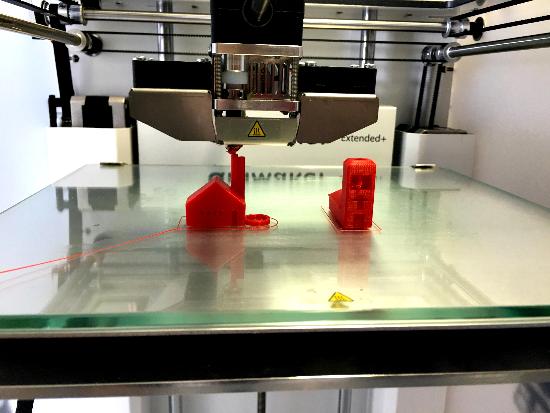
Manufacturing Has Become Redundant Due To Modern 3D Printing

The advent of 3D printing technology has undeniably revolutionized the manufacturing sector, rendering traditional methods increasingly obsolete. A pioneering achievement by MIT researchers highlights the transformative potential of this technology: they developed a 3D printer capable of producing a fully functioning electric linear motor in under four hours for approximately 50 cents in material costs. This significant breakthrough not only demonstrates how efficiently complex components can be built but also challenges the very foundations of established manufacturing practices that have dominated for decades. The implications of such technology extend beyond mere operational efficiencies; they raise questions about the future of employment, the structure of economies, and the relationship between humans and machines.

As we delve deeper into the consequences of this technological progression, it’s essential to consider what the future holds for industries traditionally reliant on manufacturing. Will factories become relics of the past, replaced by technologies that can produce components directly at the point of use? Or will there be a balance where human skill still plays a pivotal role? These questions set the stage for a critical examination of not only the advancements in 3D printing but also the broader implications of intertwining this technology with Autonomous Agentic AI, Robotics, and the socio-economic landscape they are poised to reshape.

The MIT Electric Motor Breakthrough

MIT’s cutting-edge 3D printer utilizes a multi-material extrusion approach, enabling the integration of five different materials in the manufacturing process. This innovation allows for the creation of intricate components, such as solenoids and magnets, necessary for an electric motor. Notably, the printing process only requires magnetization after completion, thereby ensuring a rapid turnaround. Compared to traditional manufacturing methods, which could take weeks to months and involve considerable costs, this new methodology drastically reduces both time and expense.

FeatureTraditional Manufacturing3D Printing by MIT
Production TimeWeeks to MonthsApproximately 3 Hours
Material CostHundreds to Thousands of USDApproximately 0.50 USD
Customization FlexibilityLowHigh (custom designs available)
Supply Chain DependencyHighMinimal (on-site production)
Complexity of PartsLimitedComplex capable

Impact On The Automotive Industry

The implications of MIT’s invention extend far beyond academic realms; it suggests a future where auto manufacturers could employ such 3D printing technologies directly within their factories. By doing so, companies could fabricate essential components on-site, moving away from the traditional reliance on external suppliers. The promise of rapid production combined with reduced costs might spark an acceleration in innovation and design, fundamentally transforming automotive production systems.

In this future scenario, car manufacturers would effectively transition from mere assemblers of parts sourced globally to becoming comprehensive producers of their own parts. This shift would dramatically impact the supply chain and procurement processes.

The Coming Wave Of Autonomous Agentic AI And Robotics

Looking beyond the realm of 3D printing, the convergence of Autonomous Agentic AI, Robotics, and additive manufacturing is heralding a new era where traditional manufacturing could become obsolete. By the end of 2026, a shift towards automation might lead to the complete removal of labor-intensive processes that once defined industries.

Current technological advancements in AI and robotics are enabling machines to carry out increasingly complex tasks once thought human-restricted. For instance, AI can already automate significant aspects of manufacturing, such as inventory management and quality control. Coupled with robotics, this technology promises a future devoid of the need for human intervention in production lines.

Employment Outlook And Societal Consequences

The growing reliance on these technologies inevitably raises concerns about job displacement. Historically, blue-collar jobs have been perceived as vulnerable to automation. However, as evidenced by advancements in Agentic AI, white-collar positions are now also in jeopardy. Industries such as finance, legal, healthcare, and customer service are beginning to witness layoffs as companies increasingly leverage AI to optimize operations.

In the Indian context, the government’s past policy decisions, such as the demonetization disaster and property ceilings, have already crippled substantial portions of the informal economy. With the rise of AI alongside 3D printing and robotics, many small and medium-sized enterprises (SMEs) could face closure, leaving a workforce with no significant alternative employment opportunities.

The Structure Of Tomorrow’s Economy

The interplay of technological advancements will likely precipitate the emergence of a gig economy dominated by short-term, contract-based job opportunities. With traditional employment structures crumbling, this shift could lead to widespread mass unemployment, especially among youth who previously aspired to stable, lasting positions in manufacturing and service industries.

Consequently, the promise of Universal Basic Income (UBI) may become a commonly suggested solution to mitigate the consequences of job losses. However, in the Indian context, such measures could manifest as insufficient ration distributions, leading to further disenfranchisement among the population. Instead of providing a safety net, UBI could become a mechanism of control rather than empowerment.

The Technological Tyranny

As we navigate this evolving landscape, we must be wary of what some term as an Evil Technocracy. With the rise of autonomous technologies, governance may shift away from democratic processes toward a framework dominated by technological oversight. This could lead to heightened disparities in wealth and power, as those capitalizing on AI and related technologies consolidate economic control, while the labor force and unskilled workers continue their decline.

The combination of technology-induced job losses and government policies that focus on structural rather than social support mechanisms can create a precarious societal balance. Individuals may find themselves trapped in a system that offers little prospect for growth or financial security.

Global Observations And Reflections

Reports from various sources suggest a grim outlook for the labor market in 2026. Experts predict substantial increases in unemployment rates due to AI-driven displacement, especially in sectors previously deemed resistant to automation. The shift toward a tech-centric society, without accompanying training and education reforms, will lead to an increasingly skill-divided workforce.

For example, in India, the focus on gig opportunities emphasizes short-term engagements that fail to address long-term employment needs. This scenario not only exacerbates income inequality but also stymies opportunities for economic development, threatening the social fabric of the nation.

Concluding Perspectives

As we stand on the brink of a manufacturing transformation led by 3D printing, AI, and Robotics, it is crucial to recognize both the opportunities and the significant challenges these technologies present. While speed and efficiency in production can lead to a surge in innovation and reduced costs, the unchecked rise of these technologies could spell disaster for millions of workers. Without proactive measures—such as educational reforms and robust social support systems—we might witness the disintegration of the labor market as we know it.

References

(1) Global Unemployment Disaster of 2026

(2) Mass Unemployment Would Grip India in 2026

(3) Unemployment Disaster of India is Inevitable in 2026 due to AI

(4) Multi-Agent Systems: AI Would Create Mass Unemployment

(5) Unemployment Monster of India Would Wreak Havoc Upon Indians at the End of 2026

(6) The Great Unemployment Monster of India is Engulfing Indian Youth

    Understanding Fractional Reserve Lending Scam Of Global Banks

    Fractional reserve lending is a banking practice where financial institutions are required to keep only a fraction of their depositors’ funds available as reserves. The remainder can be lent out, effectively allowing banks to create money in the economy through the issuance of loans. This system is foundational to modern banking, facilitating investment, consumption, and overall economic growth. However, it is also surrounded by controversy and skepticism. Many people view it as a “scam”, feeling that it creates instability, disproportionately benefits wealthy individuals, and lacks transparency. In this context, it’s essential to closely examine the intricate dynamics of fractional reserve lending, including global practices, cash reserve ratios in various countries, and the impact of emerging financial technologies like cryptocurrencies and stablecoins that threaten to disrupt traditional models.

    Common Concerns And Criticisms

    (a) Inflation Risk: Many economists argue that the ability to create money through lending can lead to inflation. When banks lend more money than they have in reserves, it may result in an oversupply of money in circulation, decreasing its value and purchasing power.

    (b) Bank Runs: The system is vulnerable to a phenomenon known as bank runs. If a significant number of depositors lose confidence and attempt to withdraw their funds simultaneously, banks may quickly exhaust their reserves, leading to insolvency.

    (c) Inequality: Critics claim that fractional reserve lending disproportionately benefits the wealthy. Those with better credit ratings or substantial collateral have easier access to loans, while individuals in lower economic strata experience higher barriers, thus perpetuating income inequality.

    (d) Debt Cycles: The reliance on credit can trap borrowers in cycles of debt. High-interest rates and the need to take on additional loans to pay off previous debts can push individuals into financial crises, making it challenging to break free from the debt cycle.

    (e) Lack of Transparency: The opaque nature of banking practices can lead to a lack of trust. Many consumers may not fully understand how their deposits are utilized, which raises significant ethical concerns about financial institutions mismanaging customer trust.

    Global Practices And Cash Reserve Ratios

    The cash reserve ratio (CRR) is a critical metric in understanding how different countries regulate their banking systems. It represents the percentage of deposits that banks must keep in reserve and not lend out. Here’s a detailed comparison of CRRs across several major economies:

    CountryCash Reserve Ratio (CRR)Comments
    United States0% to 10% (variable)The Federal Reserve has adopted a tiered system; as of 2023, many banks maintain zero reserves, focusing instead on liquidity management through other mechanisms.
    United Kingdom0% to 4% (variable)The Bank of England has moved toward zero to encourage lending, particularly post-financial crisis.
    China8% to 15% (variable)The People’s Bank of China maintains higher reserves to control money supply and manage inflation risks effective in its tightly regulated economy.
    India4.5%The Reserve Bank of India mandates a CRR to ensure that enough liquidity is available to meet short-term demands and foster economic stability.
    Japan0%The Bank of Japan has maintained a zero reserve requirement, focusing on growth and liquidity amidst a long-standing low-interest rate environment.
    Russia4%The Central Bank of Russia’s moderate CRR reflects a balance between stability and the need for sufficient liquidity in the financial sector.

    Understanding these variations can provide insight into each country’s monetary policy objectives—some prioritize stability and banking system resilience, while others focus on economic stimulation through relaxed reserve requirements.

    The Impact Of Cryptocurrencies, Tokenization, And Stablecoins

    With the rise of cryptocurrencies, tokenization, and stablecoins, the traditional model of fractional reserve lending faces serious challenges. These innovations are paving the way for a more decentralized financial ecosystem, which can fundamentally alter how people interact with money.

    (a) Decentralization: Cryptocurrencies such as Bitcoin and Ethereum allow transactions to occur without intermediaries like banks, empowering individuals by reducing reliance on traditional financial systems. This decentralization diminishes the risk of systemic failures inherent in fractional reserve banking.

    (b) Transparency: The underlying technology of blockchain ensures that all transactions are recorded in a public ledger, increasing transparency and accountability. This openness may reduce the risks associated with hidden banking practices and enhance customer trust.

    (c) Access to Finance: Tokenization enables fractional ownership of assets, allowing more people to invest with lower capital requirements. By fostering inclusivity, it democratizes access to financial markets and breaks down barriers that traditionally prevent lower-income individuals from investing.

    (d) Stablecoins as Alternatives: Stablecoins aim to provide the stability associated with fiat currencies while retaining the benefits of cryptocurrencies. Recent analyses, such as those highlighting the resistance from U.S. banks to stablecoins, emphasize the potential they hold to challenge traditional banking practices. For more information, refer to this analysis of the Genius Act 2025.

    (e) Global Overview: The potential for global stablecoins to provide financial services in a more inclusive and stable manner is discussed in this overview on global stablecoins. This perspective reinforces the idea that alternative currencies can offer greater economic empowerment.

    (f) Techno-Legal Protection: The role of tokenization in facilitating safer transactions is examined in this discussion on techno-legal protection. This highlights the growing importance of legal frameworks to protect users in a rapidly evolving financial landscape.

    Conclusion

    Fractional reserve lending is a foundational element of modern banking that influences credit creation and economic growth. However, it carries significant risks, including inflation, inequality, and systemic instability. Global practices in cash reserve ratios reveal a variety of approaches, showcasing how nations navigate the balance between maintaining financial stability and encouraging economic growth.

    As cryptocurrencies, tokenization, and stablecoins continue to develop, they represent a transformative shift in how individuals can manage their finances. These innovations not only challenge traditional banking practices but also promote greater financial inclusion and transparency, providing power back to consumers. As the financial landscape evolves, the push for reform and the integration of new technologies will play a crucial role in shaping the future of banking and lending practices, potentially leading to a more equitable and resilient financial ecosystem. The implications of these changes may significantly influence not only banking institutions but also the lives of individuals across the globe.

    Genius Act 2025, Stablecoins And US Banks Opposition

    Genius Act Overview

    The Genius Act, formally recognized as the Guiding and Establishing National Innovation for U.S. Stablecoins Act, was enacted on July 18, 2025, with the goal of regulating payment stablecoins within the United States. This legislation addresses the burgeoning need for a clear and cohesive framework that governs the issuance and operation of stablecoins, which are cryptocurrencies designed to maintain a stable value against a fiat currency, typically the U.S. dollar. As the U.S. Treasury and financial authorities have observed growth in the stablecoin market, regulatory measures have become vital in ensuring consumer protection and safeguarding the overall financial system.

    Key Objectives Of The Genius Act

    The primary objectives of the Genius Act are to provide regulatory clarity, enhance consumer protection, and foster innovation in the payments space. By establishing specific guidelines for stablecoins, the act aims to create a secure environment where consumers can use these digital assets without fear of instability or risk of loss. The act ensures that stablecoins are one-for-one redeemable, thereby promoting trust and confidence among users. Additionally, the act seeks to separate stablecoins from traditional categories of securities and commodities, thereby offering a unique regulatory classification while accommodating the innovative nature of digital currencies.

    Legislative Journey

    Introduced by Senator Bill Hagerty, the Genius Act successfully passed through Congress with bipartisan support, reflecting a consensus on the necessity of regulating stablecoins. The legislative journey involved extensive discussions about the implications of new technologies on the financial landscape, leading to the recognition that existing laws were not well-suited for the evolving nature of digital currencies. By creating a distinct framework for payment stablecoins, the legislation aims to ensure stability and consumer trust while avoiding the pitfalls seen in unregulated markets. The passage of this act signifies a shift toward mainstream acceptance and regulation of cryptocurrencies.

    Current Landscape Of Stablecoins

    As of March 2026, the landscape for stablecoins has witnessed significant transformations. A handful of stablecoins, including Tether’s USDT and Circle’s USDC, command substantial market shares, but there are hundreds of alternatives, each exhibiting unique structures and governance models. This growing variety presents both opportunities and challenges as regulators and financial institutions seek to make sense of the expanding market. The lack of a standardized definition or regulatory treatment raises concerns about transparency and uniformity, complicating regulatory efforts.

    Major Challenges Facing Stablecoins

    Despite their potential, stablecoins face numerous challenges that need addressing to ensure their long-term viability. One significant issue is the lack of consensus regarding their definition and regulatory treatment. This fragmentation results in varied interpretations and implementations across jurisdictions, creating a gray area for consumers and developers alike. Another challenge is the security risks that stablecoins can face, stemming from their digital nature. Cybersecurity threats are real and increasingly prevalent, leading to potential hacks and theft, which can destabilize markets and erode user trust.

    IssueDescription
    Lack of ConsensusThere is no universally accepted definition or regulatory framework for stablecoins, leading to varied interpretations and implementations.
    Security RisksCybersecurity remains a significant concern, with potential for hacks and thefts as adoption of stablecoins increases.
    Market FragmentationThe diverse types of stablecoins create a fragmented market, complicating regulatory oversight and consumer comprehension.
    Regulatory ComplianceAdherence to regulations such as the Bank Secrecy Act and Anti-Money Laundering (AML) laws requires stablecoin operators to develop compliance strategies, which can stall innovation.
    Liquidity and StabilitySome stablecoins struggle to maintain their peg, especially during market turbulence, which could undermine consumer trust and adoption.

    U.S. Banks And Opposition To Stablecoins

    Despite the benefits outlined in the Genius Act, U.S. banks have expressed significant opposition to the expanded use of stablecoins, primarily due to concerns around competition and market stability. Traditional banks perceive stablecoins as a direct threat to their payment systems and the overall banking model. With their potential for faster and cheaper transactions, stablecoins could displace traditional banking revenue streams, notably transaction fees and international remittances. Banks fear that the rise of stablecoins, if left unchecked, could create a two-tiered financial system where traditional institutions struggle to compete.

    Additionally, banks are concerned about liquidity risks and how these digital assets may affect the central bank’s ability to manage monetary policy. If a large volume of transactions shifts from traditional banks to stablecoin networks, it could lead to decreased liquidity in the financial markets and affect the supply of money. Furthermore, banks worry about the consumer protection risks associated with stablecoins, as many consumers may not fully understand the potential risks involved in holding these digital assets.

    Future Perspectives On Stablecoins

    The future landscape of stablecoins will likely see integration with traditional financial systems as banks begin to experiment with their own digital currencies or stablecoin offerings. This integration could lead to a more efficient payment system where the benefits of both banking and digital assets are harnessed. As evidenced by some financial institutions’ pilot programs, banks are seeking to gain insights into integrating stablecoins into their offerings. However, this development will also prompt the need for comprehensive regulatory frameworks to ensure consumer protection and market integrity.

    Another intriguing aspect is the global regulatory landscape. Various jurisdictions are considering their approaches to stablecoin regulation, with the European Union (EU) and countries in Asia unveiling comprehensive plans. The influence of these regulations may prompt U.S. authorities to align their framework more closely with global standards, facilitating smoother cross-border transactions. By harmonizing regulations, there could be greater stability and trust in the international use of stablecoins, potentially leading to the standardization of practices across diverse markets.

    Conclusion

    The Genius Act marks a significant turning point in the regulation of stablecoins, addressing the need for a coherent framework and consumer protection while fostering innovation in the financial ecosystem. Despite these advancements, challenges remain, particularly in understanding the implications of stablecoins for traditional banks and the financial system. The opposition from U.S. banks highlights a significant concern about market stability and competition, indicating that the evolution of stablecoins will be closely watched. As these digital assets continue to develop and gain acceptance, a balanced approach will be essential—one that accommodates innovation while ensuring consumer safety and market integrity. The interplay between regulatory frameworks, market dynamics, and consumer behavior will shape the future of stablecoins, making it a crucial area for stakeholders in the evolving financial landscape.

    Global Stablecoins: An Overview

    Global stablecoins are cryptocurrencies designed to maintain a stable value relative to traditional currencies or other assets. Unlike typical cryptocurrencies such as Bitcoin or Ethereum, which can experience significant fluctuations in value, stablecoins aim to offer a more predictable and reliable medium of exchange. This stability often makes them suitable for various financial applications, including remittances, cross-border payments, and as a store of value.

    Stablecoins are typically classified into several categories based on their underlying mechanisms and collateralization, which can include fiat-backed, crypto-backed, and algorithmic approaches. Fiat-backed stablecoins, for instance, are pegged to traditional currencies like the US dollar or the euro and are often backed by a reserve of assets held in a bank or a trusted entity. Crypto-backed stablecoins are supported by other cryptocurrencies, using mechanisms like over-collateralization to manage their value. Algorithmic stablecoins utilize smart contracts to control supply based on demand fluctuations, adjusting the number of coins in circulation to maintain price stability.

    The global usage of stablecoins is rapidly expanding across various sectors. They facilitate international transactions by reducing the costs and time associated with traditional cross-border payments. This can be especially advantageous for individuals in developing countries who rely on remittances from abroad. Furthermore, stablecoins are integral to many decentralized finance (DeFi) applications, where they are used for lending, borrowing, and trading.

    In addition to serving as a digital medium of exchange, stablecoins can also act as a hedge against market volatility. Investors often move their assets into stablecoins during market downturns to preserve value without needing to convert back to fiat currencies. This dual role as both a payment solution and a store of value is one of the reasons stablecoins have garnered significant interest from various stakeholders, including individuals, businesses, and financial institutions.

    Moreover, the advent of stablecoins raises important discussions regarding financial inclusion and accessibility. By providing a means for unbanked populations to engage in financial transactions, stablecoins have the potential to reshape economic participation worldwide. However, their rise also brings challenges, such as regulatory scrutiny regarding their impact on monetary policy and financial stability.

    Centralized Vs. Decentralized Nature

    Centralized stablecoins are issued and maintained by a single entity or organization. They typically have backing assets, often supported by fiat currency or other assets held in reserve (e.g., one unit of the stablecoin is redeemable for one unit of the backing asset). These stablecoins tend to adhere to regulatory requirements, making them acceptable to traditional financial institutions. The issuing organization has full control over the stablecoin’s supply and operations, which can lead to concerns about centralization, transparency, and potential failure.

    Examples of centralized stablecoins include Tether (USDT), which is pegged to the US dollar and maintained by Tether Limited, and Circle USDC, also pegged to the US dollar and issued by Circle, with reserves subject to auditing.

    On the other hand, decentralized stablecoins, also known as algorithmic stablecoins, operate without a central authority. Many are over-collateralized with other cryptocurrencies and use smart contracts to manage value. These stablecoins employ algorithms to adjust their supply based on market conditions to maintain a stable peg without centralized control. They also offer high transparency, as transactions and supply adjustments are recorded on public ledgers.

    Examples of decentralized stablecoins include DAI, maintained by the MakerDAO platform and backed by various cryptocurrencies as collateral, and Ampleforth (AMPL), which uses an elastic supply to adjust its quantity in response to demand changes.

    Comparative Table Of Centralized And Decentralized Stablecoins

    TypeExampleBackingGovernance
    CentralizedTether (USDT)US DollarControlled by Tether Limited
    CentralizedCircle USDCUS DollarIssued by Circle
    DecentralizedDAIVarious cryptocurrenciesGoverned by MakerDAO
    DecentralizedAmpleforth (AMPL)Algorithmically adjustedCommunity governance

    Centralized stablecoins are typically controlled by a single entity, which often supports them with backing assets like fiat currency. This results in compliance with existing financial regulations, making them easier for traditional institutions to adopt. However, this centralization can expose them to risks if the issuing entity faces operational challenges. In contrast, decentralized stablecoins operate without a central authority, utilizing smart contracts and community governance to maintain stability. They may be over-collateralized with cryptocurrencies and leverage algorithmic mechanisms to adjust supply based on market conditions. This approach promotes transparency and resilience against failures associated with central points of control.

    Position Of Major Countries On Stablecoins

    India

    In India, the regulatory landscape for stablecoins is evolving. While there is increasing interest from the crypto community, the Reserve Bank of India (RBI) has expressed concerns regarding the risks associated with cryptocurrencies. The potential launch of a Central Bank Digital Currency (CBDC) has also been discussed, which may impact the acceptance of existing stablecoins.

    China

    China has taken a stringent stance on cryptocurrencies. The People’s Bank of China (PBOC) has initiated the digital yuan (e-CNY) project, which positions itself as a state-backed digital currency rather than adopting stablecoins. This has effectively suppressed the use of foreign stablecoins within the Chinese market.

    Japan

    Japan has a more welcoming approach to stablecoins. The Financial Services Agency (FSA) has started drafting regulations to ensure that stablecoins operate within a clear regulatory framework. This aims to foster innovation while ensuring consumer protection and financial stability.

    Australia

    Australia is actively exploring the regulation of stablecoins. The Australian government is looking into how to provide a regulatory framework that addresses both risks and opportunities. The country has seen some growth in crypto adoption, and the regulatory approach appears to be supportive.

    United Kingdom

    The UK is focusing on the regulation of stablecoins as part of a broader strategy to manage cryptocurrencies. The Financial Conduct Authority (FCA) has proposed guidelines to prevent potential financial stability risks associated with stablecoins, particularly regarding consumer protection.

    Other Major Countries

    Countries such as the United States and the European Union are developing comprehensive regulatory frameworks for stablecoins. The U.S. has seen significant discussions regarding regulatory oversight and proposals, while the EU is working on a legislative framework aimed at addressing challenges posed by stablecoins.

    In conclusion, stablecoins are positioned prominently within the evolving landscape of digital finance, bridging traditional and cryptocurrency markets. The distinct characteristics of centralized and decentralized stablecoins illustrate different approaches to stability, regulation, and governance. Centralized stablecoins offer ease of use and compliance with existing financial frameworks, but at the cost of central authority risks. Conversely, decentralized stablecoins promote a more democratized and transparent financial ecosystem, yet they introduce complexities around stability and regulatory acceptance.

    The varying regulatory stances across major countries emphasize that while stablecoins have the potential to enhance financial systems globally, the diverse economic priorities and concerns related to consumer protection and financial stability will shape their future. As governments and regulatory bodies continue to navigate this dynamic space, the adoption and integration of stablecoins into mainstream finance will depend on effective regulatory frameworks that balance innovation with safety and security. Overall, stablecoins represent a significant evolution in how we perceive value exchange in the digital era, carrying the potential to transform traditional financial systems.

    Tokenization: A Global Perspective And Its Techno-Legal Protection By CEPHRC

    Tokenization is a transformative process that converts ownership rights of traditional assets into digital tokens, leveraging blockchain technology. This evolution has significant implications for global banking systems, enhancing transparency, security, and efficiency in asset management. In this comprehensive article, we will explore the current positions on tokenization from the U.S. and India, as well as the role of international organizations in protecting human rights and interests amid the complexities of this innovation. We will also discuss the importance of Online Dispute Resolution (ODR) and Global TeleLaw services as part of the Sovereign P4LO framework.

    Recent Guidelines And Regulatory Clarity In The U.S.

    In March 2026, U.S. banking regulators, including the Federal Reserve, FDIC, and the Office of the Comptroller of the Currency (OCC), issued new guidelines concerning the capital treatment of tokenized securities. These regulations clarified several key points:

    (a) Tokenized securities are typically to be treated similarly to their traditional non-tokenized counterparts regarding capital requirements.

    (b) The classification of the underlying technology—whether on permissioned or permissionless blockchains—does not influence the regulatory requirements.

    In a notable development, the Federal Reserve granted Kraken, a prominent cryptocurrency exchange, access to its core payment rails. This permission allows Kraken to operate more efficiently, enabling quicker transactions and potentially lowering costs for its users. The significance of this access is underscored by the Federal Reserve’s commitment to integrating innovative payment solutions while ensuring compliance with regulatory standards. This move is seen as a decisive step toward recognizing the legitimacy of digital assets and their role in the broader financial ecosystem.

    These guiding principles are pivotal in establishing a coherent framework for financial institutions, enabling safer engagement with tokenized assets while adhering to existing regulatory standards. The regulators maintained that while innovation in the field is encouraged, it must not come at the cost of prudential oversight.

    Summary Of Key Points

    AspectDetails
    Regulatory BodiesFederal Reserve, FDIC, OCC (U.S.)
    Capital TreatmentTokenized securities treated same as traditional securities
    Blockchain NeutralityNo distinction between permissioned and permissionless blockchains
    Risk Management ImportanceBanks must apply sound risk practices and comply with existing regulations
    Sovereign FrameworkSTLASP provides legal clarity for tokenized assets
    Human Rights ProtectionCEPHRC advocates for equitable access to technology
    ODR IntegrationFacilitates effective conflict management in asset-related disputes
    Global TeleLaw ServicesProvides access to legal expertise for stakeholders engaging with tokenized assets
    Kraken AccessKraken granted access to the Federal Reserve’s core payment rails for enhanced operation

    Importance Of Compliance And Risk Management

    The evolution toward tokenization presents not only opportunities but also challenges that require robust risk management practices. Institutions looking to explore tokenized assets must understand that they remain subject to traditional prudential standards. Consequently, there is an urgent need for solid governance frameworks to navigate potential issues related to data privacy, security, and ethical use of technology.

    Moreover, as the U.S. moves towards a more inclusive regulatory environment, the danger exists that certain populations might be overlooked in the tokenization landscape. Balancing innovation with compliance and equity is essential for ensuring a stable financial system.

    The Indian Position: Embracing Technological Innovations

    Parallel to developments in the U.S., India is actively engaging in discussions and initiatives surrounding tokenization through frameworks like the Sovereign Techno-Legal Assets Of Sovereign P4LO (STLASP). This initiative focuses on defining and managing digital assets within a legal context, ensuring clarity in ownership rights and compliance with existing regulations.

    The Centre of Excellence For Protection Of Human Rights In Cyberspace (CEPHRC) plays a crucial role in this landscape. By advocating for equitable access to technological innovations, CEPHRC aims to ensure human rights are safeguarded even as new technologies like tokenization are adopted. The organization facilitates dialogue among stakeholders—including policymakers, corporations, and civil society—striving to establish ethical and transparent frameworks.

    Tokenization’s Role In Sovereign Frameworks

    Tokenization serves as a foundational component within the STLASP framework. By leveraging this technology, sovereign entities can enhance economic independence and engage in efficient asset management. The integration of tokenized assets with established legal frameworks fosters trust and reduces risks related to ownership and compliance issues.

    Additionally, the Techno-Legal Software Repository Of India (TLSRI) supports this initiative by providing essential resources that help navigate the intersection of technology and law. This repository serves as a significant tool for managing tokenized assets within clear legal boundaries, thereby enhancing stakeholder confidence in the tokenization process.

    Integrating Online Dispute Resolution (ODR) And Global TeleLaw Services

    An essential aspect of managing tokenization efficiently involves addressing disputes that may arise. This is where Online Dispute Resolution (ODR) comes into play. By facilitating timely and effective resolutions through digital platforms, ODR provides a modern approach to conflict management in asset-related disputes. For more information on how ODR is structured and operates, visit the ODR India Portal.

    Moreover, Global TeleLaw Services offered under the Sovereign P4LO framework aim to connect individuals and businesses with legal resources and expertise. This service facilitates access to legal consultation, ensuring that all parties involved in tokenization can make well-informed decisions. For details on how this service operates, refer to the TeleLaw Portal. This integration of legal services directly supports the tokenization framework, making it easier for stakeholders to navigate the complexities of regulations and protect their rights.

    Global Stakeholders And The Role Of Human Rights Protection

    As tokenization gains traction worldwide, organizations like CEPHRC remain steadfast in their commitment to protecting the rights of vulnerable populations. Through educational initiatives and advocacy efforts, they work to ensure that technological advancements in tokenization do not disproportionately disadvantage marginalized communities. The convergence of technology and human rights is crucial for developing a sustainable and inclusive future.

    Tokenization transcends mere technological advancement; it offers a strategic resource for countries and communities seeking to empower themselves economically. The Sovereign P4LO framework is pivotal in supporting global stakeholders, providing structured governance for the responsible management of digital assets.

    Aligning Innovation With Ethical Considerations

    The integration of tokenized assets into existing legal frameworks encourages a coherent understanding of rights and responsibilities. By recognizing the advantages of tokenization, stakeholders can catalyze further development while addressing ethical concerns. Organizations like CEPHRC are essential in advocating for these frameworks, ensuring that human rights protections remain a priority.

    Moreover, the prioritization of ethical use and governance in the tokenization process will pave the way for innovative applications across various sectors, including finance, healthcare, and supply chain management. This alignment of ethical principles with technological advances is essential for fostering societal trust and systemic integrity.

    Conclusion: A Unified And Sustainable Path Towards Tokenization

    In conclusion, the evolving positions of both the U.S. and India regarding tokenization are driven by a shared commitment to regulatory clarity, robust human rights protections, and ethical innovation. The combined efforts of organizations like CEPHRC, along with supportive infrastructures such as Sovereign P4LO, STLASP, and TLSRI, demonstrate a harmonized approach to fostering sustainable development within the global tokenization landscape.

    Furthermore, the integration of services like ODR and Global TeleLaw underscores the importance of legal frameworks that can adapt to technological advancements while providing necessary protections. This unification of technology, governance, and human rights safeguards not only enhances trust among stakeholders but also paves the way for innovative applications across diverse sectors.

    As we navigate this transformative landscape, it is paramount to create environments where technological advancements are embraced without sacrificing individual rights. Tokenization, when managed within a structured legal and ethical framework, holds immense potential to empower nations, cultivate economic independence, and foster sustainable development for future generations.

    This cohesive strategy not only prepares us for the intricacies of tokenization but also places human rights and ethical considerations at the center of innovation, fostering a more equitable future for all stakeholders involved.

    The ITLC Has Recognised Right To Cognitive Integrity As An Inviolable Human Right

    The International Techno-Legal Constitution (ITLC) has made a groundbreaking declaration of the Right to Cognitive Integrity as an inviolable human right, recognizing the critical need to protect the cognitive processes of individuals in a rapidly advancing technological landscape. This recognition is timely and necessary, given the challenges posed by innovations in artificial intelligence, neurotechnology, and related fields. One approach that serves to bolster this right is the Safe and Secure Brain Architecture (SSBA) developed by Praveen Dalal.

    Key Aspects Of The Right To Cognitive Integrity

    (a) Mental Autonomy: Individuals have the right to control their cognitive processes, ensuring that their thoughts and decisions remain private and free from external manipulation.

    (b) Informed Consent: Any use of technology that interacts with cognitive functions must be based on informed consent, allowing individuals to make educated choices regarding their mental space.

    (c) Protection Against Invasive Technologies: This right defends individuals against unauthorized or unethical technologies that might infringe on their cognitive integrity, such as surveillance or neuro-manipulation.

    (d) Access to Mental Health Resources: Ensuring that individuals have access to mental health resources and support systems that uphold their cognitive integrity and assist them in navigating technological challenges.

    (e) Accountability Mechanisms: The existence of legal frameworks that hold individuals, corporations, or governments accountable for violations of cognitive integrity, creating an accountability structure that protects mental autonomy.

    Relationship To Other Neurorights

    The Right to Cognitive Integrity is intrinsically linked to other emerging neurorights, creating a comprehensive framework for safeguarding mental autonomy in the digital age. These neurorights include the Right to Mental Privacy, which ensures the confidentiality of individual thoughts and neural data, and the Right to Neuroenhancement, which protects the freedom of individuals to enhance their cognitive abilities without coercion or manipulation.

    Additionally, the Right to Access Neurotechnology emphasizes the importance of equitable access to beneficial neurotechnologies, allowing individuals to improve their cognitive health and capabilities. Collectively, these neurorights underscore the necessity of a holistic approach to mental autonomy, promoting protections that span various aspects of cognitive life.

    From this perspective, the recognition of cognitive integrity as a core human right sets a foundation for a larger societal shift, encouraging discussions around the ethical deployment of neurotechnologies. It advocates for a framework where mental health is central to the conversation about technology, building a future in which individuals are not victims of cognitive manipulation but active participants in their cognitive landscapes.

    NeuroAI And The Integration with SSBA

    Dalal’s research also delves into the intersection of NeuroAI and SSBA, focusing on how neural networks can enhance cognitive processes while adhering to ethical standards. The synergy between NeuroAI and SSBA seeks to empower individuals, allowing them to engage with technology without fear of invasive monitoring or influence. For more insight on this integration, refer to the NeuroAI and SSBA concepts. By establishing ethical boundaries around cognitive technologies, this approach strengthens the Right to Cognitive Integrity.

    Types Of Brain-Computer Interfaces (BCIs)

    Another facet of Dalal’s work involves discussing the different types of Brain-Computer Interfaces (BCIs) currently in existence, as of March 2026. The safe application of these interfaces is crucial, as they can either support cognitive development or pose serious risks of cognitive infringement. The SSBA framework provides a necessary guideline for the ethical use of BCIs, ensuring they are designed with cognitive integrity in mind. To explore the various types of BCIs, you can read more in the current overview of BCIs.

    Addressing Nervous System Manipulation

    One alarming aspect of modern technology is the potential for nervous system manipulation. This includes patents and technologies aimed at influencing cognitive functions without consent. The SSBA framework provides solutions to counter these manipulative technologies by advocating for stringent regulatory measures and ethical guidelines. The need for such solutions is urgent, as the unchecked development of these technologies poses a significant threat to cognitive integrity. For a deeper understanding of the threats of manipulative technologies, see the article on nervous system manipulation.

    The Threat Of Psycho-Electronic Weapons

    The evolution of psycho-electronic weapons represents one of the most substantial challenges to cognitive integrity. These weapons can compromise mental spaces by employing neurotechnological methods to influence thoughts and actions. The SSBA’s protective measures are fundamental in combating these threats, ensuring that individuals retain control over their cognitive faculties. The concerning implications of psycho-electronic weapons, including their potential misuse, highlight the urgent need for frameworks like SSBA. For further details on this pressing issue, check out the discussion on the evolution and threat of psycho-electronic weapons.

    Understanding Safe And Secure Brain Architecture (SSBA)

    Safe and Secure Brain Architecture (SSBA) is an innovative framework that aims to enhance the protective measures surrounding individuals’ cognitive functions and mental spaces. According to Dalal, SSBA addresses potential threats arising from advanced technologies that could manipulate or interfere with human cognition. By implementing a robust architecture that prioritizes mental safety, SSBA acts as a vital safeguard, reinforcing the Right to Cognitive Integrity.

    SSBA And Its Role In Cognitive Protection

    The SSBA framework proposes a multidimensional approach to ensure cognitive safety by integrating technological safeguards with ethical considerations. It prevents unauthorized access to an individual’s mental processes, thereby mitigating the risk of cognitive exploitation. This is particularly important in an age where mental data can be harvested, processed, and analyzed without individual consent, leading to potential mental manipulation. The SSBA aims to counteract these threats by establishing clear boundaries for the interaction between technology and human cognition.

    Legal Framework Supporting SSBA

    The ITLC provides a legal backdrop that strengthens SSBA, aligning legal rights with technological developments. By enshrining the Right to Cognitive Integrity within a techno-legal framework, the ITLC ensures that there are repercussions for violations of cognitive rights. This legal reinforcement is essential in maintaining individual autonomy and safeguarding mental processes against invasive technologies.

    Ethical Considerations In Cognitive Technologies

    The ethical considerations surrounding cognitive technologies are becoming increasingly relevant. The SSBA framework encourages developers and researchers to prioritize ethical standards while innovating. By adhering to ethical guidelines, technology can advance without compromising cognitive integrity. This promotes a balanced relationship between innovation and respect for individual rights, aligning with the principles of the ITLC.

    Conclusion

    The Right to Cognitive Integrity, as recognized by the ITLC, is underscored by frameworks like the Safe and Secure Brain Architecture. As the world continues to evolve technologically, it is imperative that cognitive rights are not only recognized but actively protected. SSBA serves as a proactive measure to ensure that individuals maintain control over their cognitive processes, safeguarding them against potential violations. The interplay between legal protections, ethical considerations, and technological advancements will ultimately determine how effectively we can uphold cognitive integrity in the future.

    Moreover, the adoption of the Right to Cognitive Integrity on a global scale would signify a monumental shift in international human rights discourse. If nations universally embraced this right, akin to the ITLC, it could lead to the establishment of comprehensive legal frameworks and standards that transcend borders. This global consensus would set a precedent for prioritizing human dignity in the face of rapid technological advancement.

    Countries around the world could collaborate to harmonize their laws concerning cognitive rights, creating an international covenant that mandates respect for cognitive integrity. This would not only foster more transparent technological development but also strengthen international relations through shared ethical commitments. In a world where data privacy and mental autonomy are increasingly under threat, this unified approach could serve as a beacon of hope, ensuring the safeguarding of cognitive integrity for future generations.

    Through this collective effort, we could witness the emergence of a new norm where technology is developed with a sense of responsibility, protecting individuals from cognitive manipulation. The ITLC and its recognition of cognitive rights stand as foundational pillars in this journey, encouraging nations to advocate for the fundamental rights of all individuals, regardless of geographic or socio-economic barriers. In doing so, we take a significant step towards a future where technology serves humanity, enriching lives without undermining mental autonomy.

    The Evolution And Threat Of Psycho-Electronic Weapons

    Psycho-electronic, neurotechnological, and electromagnetic weapons are at the forefront of both technological innovation and ethical debate. Their patents span several decades and focus on non-lethal, remote, and behavioral modification technologies that can influence human brain waves, auditory systems, and cognitive states using electromagnetic fields, radio frequencies (RF), and neurostimulation. This article explores the key patents within this domain, their implications, and the pertinent ethical concerns they raise.

    Overview Of Psycho-Electronic Weapons Patents

    Psycho-electronic weapons patents can be categorized into several notable areas: neural and cognitive modification, auditory and sensory influence, non-lethal electromagnetic interdiction, and remote neural monitoring and AI control.

    Neural And Cognitive Modification

    Since the 1970s, patents have emerged that specifically target neural processes. A significant early patent, US3951134A (1976), describes a device designed to monitor EEG waves from a distance and manipulate them using electromagnetic fields to influence human behavior. Moreover, US11318277B2 (2014) introduces a method for transferring emotional states between individuals through neural stimulation patterns. Although shades of moral ambiguity surround such technologies, an abandoned patent, US20160375220A1 (2016), sought to utilize electromagnetic energy to maintain social order and peace.

    Auditory And Sensory Influence

    The category of auditory and sensory influence features patents like US3629521A (1971), which details “voice-to-skull” technology. This method can induce sound in targeted individuals without their consent, raising alarming ethical questions. Complementing this, US3566347A (1971) describes a psycho-acoustic projector that uses audio frequencies to impact psychological states directly. Furthermore, US3060795A (1962) provides insights into a device for transmitting image sequences directly to the subconscious, akin to Subliminal Messaging.

    Non-Lethal Electromagnetic Interdiction

    As technology advanced, so did applications for non-lethal methods of incapacitating individuals. US7841989B2 (2010) outlines a system that temporarily incapacitates a target using electromagnetic energy to affect the vestibular system, causing disorientation. This capability emphasizes the technological dexterity behind such inventions while also serving as a serious ethical concern. Similarly, US20160349019A1 describes a wireless electroshock system that employs projectiles to immobilize targets effectively. The patent US3014477A (1961) introduces an early concept of remote mind control, laying the groundwork for potential future abuses in psycho-electronic warfare.

    Remote Neural Monitoring And AI Control

    Recent advancements brought about patents focusing on remote neural monitoring and artificial intelligence control, such as US20200390360A1 (2020). This patent illustrates systems designed to identify and target individuals through V2K technology. Additionally, US11801394B1 (2020) depicts methods for creating adverse health outcomes in subjects through non-invasive techniques. These patents reveal alarming potentials for misuse in oppressive scenarios, emphasizing an urgent need for regulatory oversight.

    Table Of Notable Psycho-Electronic Weapons Patents

    CategoryPatent NumberYearDescription
    Neural and Cognitive ModificationUS3951134A1976Device for remotely monitoring and modifying brain waves to influence behavior using electromagnetic waves.
    US11318277B22014Method to induce emotional states by transferring neural correlates from one individual to another.
    US20160375220A12016Abandoned system aimed at using electromagnetic energy for maintaining social order.
    Auditory and Sensory InfluenceUS3629521A1971Voice-to-skull technology utilizing RF/microwave radiation to induce sound in targeted individuals.
    US3566347A1971Psycho-acoustic projector that employs audio frequencies to influence psychological states.
    US3060795A1962Device that transmits image sequences directly to the subconscious.
    Non-Lethal Electromagnetic InterdictionUS7841989B22010Non-lethal weapon designed to incapacitate targets using electromagnetic energy to induce disorientation.
    US20160349019A12016Wireless electroshock system that immobilizes individuals via a wireless projectile.
    US3014477A1961Early patent regarding remote mind control mechanisms.
    Remote Neural Monitoring and AI ControlUS20200390360A12020Patent application for identifying and targeting individuals using V2K and remote neural monitoring.
    US11801394B12020System for creating adverse health effects in individuals through non-invasive means.

    Ethical And Regulatory Considerations

    The rise of psycho-electronic technologies has been met with both technological advancement and profound ethical implications. In 1999, the European Parliament passed a resolution urging an international convention to ban technologies that enable manipulation of human beings, reflecting growing awareness of the potential for abuse associated with these capabilities.

    Moreover, these technologies have become frequently mentioned in discussions about “Organized Stalking & Electronic Harassment” (OSEH) or “no-touch” torture, where individuals report being targeted by non-consensual neuro-monitoring and psychotronic interventions. These concerns underline the critical importance of addressing potential harm and ensuring ethical boundaries in scientific advancement.

    Conclusion

    The potential dangers posed by psycho-electronic technologies extend beyond scientific fascination; they harbor risks that can infringe on individual rights, autonomy, and mental well-being. As these advanced technologies evolve, they present significant opportunities for abuse, thereby inviting serious ethical scrutiny and regulatory intervention.

    In this battleground of emerging technologies and personal rights, the Safe and Secure Brain Architecture (SSBA) Framework, developed by Praveen Dalal, emerges as a constructive response. This framework advocates for the protection of cognitive integrity against invasive technologies and calls for stringent regulations, equal access, and robust safeguards against unauthorized neural monitoring. By pioneering a social and legal framework aimed at preventing abuses and fostering ethical practices, the SSBA stands as a beacon for those seeking to protect individual rights in an age increasingly influenced by advanced technology. In doing so, it not only addresses the threats posed by psychotronic weaponry but also champions a safe and secure future for all.

    Hendricus G. Loos’ Patents On Nervous System Manipulation And Their Solution

    Hendricus G. Loos is notable for a series of patents that explore the manipulation of the human nervous system through various techniques, particularly focusing on electromagnetic and electric fields. Below is a detailed overview of his key patents, followed by a discussion on how Praveen Dalal’s Safe and Secure Brain Architecture (SSBA) offers solutions to the potential dangers posed by such manipulative technologies.

    Patent NumberTitleFiledPublishedAbstract
    US6506148B2Nervous System Manipulation by Electromagnetic Fields from MonitorsJune 1, 2001January 14, 2003Explains how pulsed electromagnetic fields emitted by monitors can manipulate human physiology, studying specific frequencies that can elicit responses.
    US6238333B1Remote Magnetic Manipulation of Nervous SystemsAugust 10, 1999May 29, 2001Proposes a method to manipulate nervous systems at a distance using magnetic fields produced by rotating magnets for potential non-contact control.
    US6167304APulse Variability in Electric Field Manipulation of Nervous SystemsJune 17, 1999December 26, 2000Focuses on using pulsing electric fields on the skin to modulate nerve activity, introducing variability to prevent habituation and targeting specific nerve patterns.
    US5899922AManipulation of Nervous Systems by Electric FieldsNovember 14, 1997May 4, 1999Discusses external weak electric fields that modulate sensory nerves and suggests specific frequencies can impact the autonomic nervous system, inducing effects like relaxation.
    US5782874AMethod and Apparatus for Manipulating Nervous SystemsMay 28, 1993July 21, 1998Describes a technique for manipulating the nervous system through external electric fields, utilizing specific frequencies for exciting sensory responses.

    Overview Of Patents

    Loos’s patents delve into the capabilities of electromagnetic and electric fields to influence human physiology, exploring both theoretical and practical applications. The potential benefits are overshadowed by significant ethical and safety concerns regarding misuse, particularly in military or surveillance contexts where such technologies could lead to manipulation without consent.

    Safe And Secure Brain Architecture (SSBA) As A Solution

    Introduction To SSBA

    Developed by Praveen Dalal, the Safe and Secure Brain Architecture (SSBA) is a proactive framework aimed at embedding ethics and human sovereignty within artificial intelligence systems. It seeks to address the ethical voids left by outdated models such as Asimov’s Three Laws of Robotics. The SSBA emphasizes creating technologies that respect human autonomy, preventing scenarios where manipulative technologies like subliminal messaging could be used for coercion or control.

    Core Concepts Of SSBA

    (a) Human-Centric Design: SSBA prioritizes data sovereignty, transparency, and ethical governance. By embedding constraints directly into AI systems, it reflects the adaptability of the human brain while safeguarding against external manipulations.

    (b) Moral Compass for AI: Ethical guidelines are woven into the fabric of AI systems, ensuring they enhance human capabilities rather than diminish them. In the face of threats like nervous system manipulation, SSBA serves as a protective measure.

    (c) Neural Plasticity Mimicry: SSBA incorporates principles that mimic human neural adaptability, fostering a relationship between AI and human cognitive processes without compromising ethical standards.

    (d) Regulation Of Autonomous Systems: In contexts where AI might be deployed for military or surveillance, SSBA emphasizes human oversight and accountability, reducing risks associated with unregulated AI.

    Practical Implications

    The SSBA offers several implications for countering the dangers associated with nervous system manipulation:

    (a) Preventing Coercive Technologies: By ensuring that AI technologies respect sovereignty and individual rights, SSBA aims to mitigate fears of coercive tools that can manipulate human cognition against their will.

    (b) Fostering Ethical Standards: Embedding ethical barriers into AI systems can help prevent potential misuse of technology, creating checks and balances against oppressive applications of nervous system manipulation techniques.

    (c) Adaptive Ethical Governance: SSBA integrates frameworks that allow for continuous monitoring and auditing of AI technologies, promoting human dignity and preventing bio-digital enslavement scenarios.

    Conclusion: The Dangers Of Nervous System Manipulations

    The risks associated with nervous system manipulation through techniques proposed in the patents by Loos pose serious ethical, psychological, and societal challenges. As technologies that can influence human behavior become more precise and accessible, the potential for misuse amplifies, especially in areas such as military applications or social control mechanisms.

    Praveen Dalal’s Safe and Secure Brain Architecture serves as a critical countermeasure to these dangers by embedding ethical considerations into the very design of AI systems. SSBA promotes a future where technology enhances human capabilities rather than compromises autonomy, ensuring that advancements in neural manipulation serve humanity in a responsible and ethical manner. The path forward requires careful consideration, adherence to ethical principles, and proactive governance to safeguard human dignity against the risks presented by emerging technologies.

    Types Of Brain-Computer Interfaces (BCIs) In Existence As Of March 2026

    Brain-computer interfaces (BCIs) facilitate direct communication between the brain and external devices, opening a myriad of possibilities for both therapeutic and enhancement applications. These interfaces can be classified into several main types based on their level of invasiveness and the technology they employ.

    BCI TypeDescriptionUse CasesExamples
    Invasive BCIsImplanted directly into the brain to capture electrical signals from neurons. These interfaces offer high precision but involve surgical risks.Used in severe neurological conditions (e.g., ALS, paralysis).Neuralink, NeuroXess
    Partially Invasive BCIsPositioned beneath the skull but above the brain, providing a moderate level of precision with somewhat lower surgical risks.Offer more safety than fully invasive implants.Electrocorticography (ECoG) devices
    Non-invasive BCIsUse external devices to monitor brain activity without surgery. These include EEG caps and headsets that detect electrical activity through the scalp.Assistive technology for various applications.Headsets by NeuroSky, BrainCo
    Ultrasound BCIsUtilize ultrasound waves to interact with neural activity non-invasively, aimed at conditions like chronic pain and depression.Pain management, mood enhancement.Gestala, OpenAI-backed Merge Labs
    Optical BCIsEmploy light to stimulate or inhibit brain function, allowing for non-invasive interaction with neural circuits.Potential applications in controlling devices or enhancing cognitive functions.Under research
    Hybrid BCIsCombine multiple technologies (e.g., electrodes and biological materials) to enhance interaction with the brain. This includes bioengineered neurons interacting with existing brain cells.Advanced therapies and augmented cognition.Science Corporation
    Nanotech-Based BCIsUtilize nanotechnology to create interfaces that can interact at a cellular level, enhancing signal quality and integration with brain tissue.Potential for advanced medical applications and augmentation.Research projects focused on nano-engineering
    Magnetoencephalography (MEG)Uses magnetic fields produced by neural activity to detect brain function, offering high temporal resolution.Neuroscience research, understanding brain activity patterns.Research-oriented applications only

    Invasive BCIs

    Invasive BCIs involve surgical procedures where electrodes are implanted directly into the brain. This type of BCI provides high precision in capturing neural signals, making it suitable for applications that require meticulous control, such as assisting individuals with severe paralysis or neurodegenerative diseases. However, the surgical nature introduces risks including infection, possible brain damage, or medical complications during and after the procedure.

    These devices open new avenues for restoring movements or sensory functions. For example, Neuralink aims to develop high-bandwidth interfaces that could help individuals regain mobility. The potential for rehabilitation and enhancement is significant, yet the fact that these devices are implanted poses challenges regarding their exploitation.

    Partially Invasive BCIs

    Partially invasive BCIs are placed beneath the skull but above the brain’s outer layer. They offer a balance between the rich data obtainable through invasive implants and a reduced risk profile. Surgical risks are still present but less severe than those associated with fully invasive systems.

    Electrocorticography (ECoG) devices are examples of partially invasive BCIs that can provide high-quality signals for applications in medicine and neuroscience. As with invasive BCIs, the ability to exploit these systems using external stimuli is a concern, particularly in unauthorized hands.

    Non-invasive BCIs

    Non-invasive BCIs utilize external technologies like electroencephalography (EEG) to monitor brain activity without the need for surgical intervention. They are generally more user-friendly and have much wider accessibility. NeuroSky and BrainCo represent notable companies in this field, offering products designed to facilitate a range of applications, from mental workout tools to controlling devices.

    While non-invasive BCIs carry minimal risk, they are susceptible to external manipulation and exploitation. Unauthorized entities could theoretically acquire brain data or influence decision-making through deceptive stimuli, raising ethical concerns about privacy and consent.

    Emerging Technologies: Ultrasound And Optical BCIs

    Ultrasound BCIs

    These emerging technologies aim to influence neural activities using ultrasound waves. Companies like Gestala are exploring ultrasound applications for conditions such as depression and chronic pain. The non-invasive nature of ultrasound BCIs gives them an edge in therapeutic applications, but exploitative risks arise, particularly in the realms of mood manipulation or behavioral control through external stimuli.

    Optical BCIs

    Optical BCIs are at the forefront of research, employing light to stimulate or inhibit neurons. While offering vast potential for cognitive enhancement or device control, these technologies may also open doors for misuse, allowing dark entities to manipulate subjects’ neural pathways unintentionally or unnaturally.

    Nanotech-Based BCIs

    Nanotech-based BCIs represent a new category of interface technology, integrating nanotechnology to achieve a more refined interaction with brain cells. This innovation can enhance signal quality, allow for targeted mediums, and improve biocompatibility with the human body, potentially leading to groundbreaking applications in both medicine and cognitive augmentation.

    The use of nanoscale components facilitates a unique level of interaction at a cellular level, which could allow for the development of responsive systems that autonomously adjust based on neural feedback. However, such cutting-edge technology also brings the risk of malicious exploitation, where individuals could be manipulated at a deeply cellular level.

    Hybrid BCIs

    Hybrid BCIs combine biological materials with electronic systems. This approach potentially enhances biointegration and function, which could lead to unprecedented therapeutic interventions. However, the complexity of these systems may provide unique vulnerabilities that could be exploited, particularly regarding control or modification of brain functions against an individual’s will.

    Countermeasures Against Exploitation

    To counteract the risks associated with BCI exploitation, Safe And Secure Brain Architecture (SSBA) of Praveen Dalal has provided a global framework. Besides BCI, it covers NeuroAI, SBI, BNN, and Related Concepts. As per the SSBA, several methods can be adopted:

    (a) Robust Security Protocols: Ensuring that BCIs have strong encryption and secure communication protocols can reduce unauthorized access.

    (b) User Consent Processes: Implementing strict consent regulations for accessing BCI data can protect individuals’ rights.

    (c) Regulatory Oversight: Continuous monitoring and regulation can help safeguard the technology from misuse and ethical breaches.

    (d) Public Awareness: Educating users about the potential risks and ethical considerations can empower them to make informed choices when using BCIs.

    Conclusion

    As brain-computer interfaces continue to evolve, so do the potential risks associated with their misuse. Criminal elements could exploit these technologies for malicious purposes, such as unauthorized cognitive manipulation or surveillance. The ability to interact directly with the human brain represents not just a technological breakthrough but also a profound ethical dilemma. As we develop these powerful tools, vigilance in protecting individuals from exploitation will be paramount. Safeguards must be established to secure BCIs against unauthorized usage, ensuring that such advancements are harnessed for the betterment of society rather than its exploitation.

    Nanotech-Based Brain-Computer Interfaces (BCIs)

    Nanotechnology has revolutionized the field of brain-computer interfaces (BCIs), enabling more efficient and nuanced communication between the brain and external devices. At the core of these advancements are novel materials like carbon nanotubes and graphene. These materials offer exceptional electrical conductivity and flexibility, which are essential for creating sophisticated electrode designs. The utilization of nanoscale materials allows for enhanced signal transmission from neurons while minimizing the body’s immune response. This improvement contributes significantly to the longevity and efficacy of implanted devices, thereby making them suitable for long-term use in neuroprosthetics and other applications.

    Additionally, nanostructured sensors and electrodes can capture brain signals with remarkable precision. The ability to read and interpret neuronal activity at such a detailed level provides valuable insights into brain functioning. This high-resolution signal capture is crucial for both therapeutic applications and enhancement scenarios. For instance, growing interest in cognitive enhancement technologies highlights the potential for BCIs to improve memory, focus, and other cognitive functions through targeted stimulation. With the ability to finely tune these interventions, researchers are beginning to explore the long-term effects of such enhancements on the human brain, raising important ethical and health considerations.

    Nanotech-based BCIs hold promise in a variety of sectors, especially medicine. In particular, they are crucial for developing neuroprosthetics that restore motor functions for individuals with paralysis. By interfacing directly with neural pathways, these devices enable users to control prosthetic limbs through thought alone, providing a greater degree of independence. Moreover, they present exciting opportunities for new rehabilitation methods that can help patients regain lost abilities. Cognitive enhancement is another burgeoning area of research; BCIs can be designed to improve neurotransmission effectiveness, potentially leading to enhanced memory and cognitive output. This capability could redefine our understanding of intelligence and mental capability, presenting both opportunities and challenges to society.

    Communication capabilities are significantly enhanced through the use of BCIs, which allow for the possibility of thought-based communication. This technology could provide immense relief for individuals with speech disabilities, enabling them to express themselves without traditional speech mechanisms. The implications extend beyond health; we could see new forms of interpersonal communication and social interaction, allowing for a more profound understanding among individuals. Additionally, industries like gaming and virtual reality are exploring these advancements to create highly immersive experiences, wherein users can control digital environments using only their thoughts. This capability transforms gaming from a passive activity into an engaging mental exercise, potentially attracting a new audience and enhancing user engagement.

    However, the manipulation of nanotech BCIs is not limited solely to their intended uses; it can also occur through external stimuli. External factors, such as electromagnetic fields (EMFs), radio frequencies, and other forms of electromagnetic radiation, have the potential to influence the performance of these devices. For instance, certain frequencies can interfere with the electrical signals processed by the BCIs, possibly enhancing or disrupting their functionality. This raises compelling questions about the emphasis on safety and security around BCI technologies; understanding how ambient electromagnetic fields interact with BCIs will become crucial for their safe application in everyday life.

    The possibility of using external stimuli to manipulate BCIs introduces another layer of complexity and concern. For example, intentional exposure to specific EMF frequencies could be used to enhance or modulate cognitive functions by stimulating targeted areas of the brain. However, this form of manipulation raises ethical dilemmas. Who controls this capability, and how can we ensure that it’s not exploited for malicious purposes? Moreover, the idea of influencing brain function through external means poses significant risks. If someone were able to manipulate the signals transmitted to or from a BCI, it could lead to wrongful alterations in behavior, memory, or even personality.

    Unauthorized access presents another risk factor; the potential for hacking or other forms of malicious interference cannot be overlooked. If BCIs use wireless technology for communication, vulnerabilities might allow external actors to manipulate brain functions or implant false memories. The implications of such breaches extend beyond individual safety; they could affect societal constructs like personal autonomy, responsibility, and interpersonal trust. This is a significant reason why it is essential to develop robust security measures and establish stringent regulations to protect users from potential exploitation.

    In conclusion, while the manipulation of nanotech-based BCIs offers exciting possibilities for enhancing human capabilities and addressing medical issues, it also brings significant ethical and security challenges to the forefront. To prevent misuse and protect public trust, it is crucial to develop stringent guidelines and protocols governing the use of these technologies. This includes securing data transmission to thwart unauthorized external access and establishing ethical frameworks to govern cognitive enhancements. Balancing innovation with the responsibility of safeguarding human integrity ensures that the positive potential of nanotech BCIs can be harnessed without jeopardizing individual safety.

    As research continues to evolve, ongoing discussions about the ethical implications and regulation of such technologies will be critical for ensuring their safe integration into society. Future advancements in nanotech-based BCIs can revolutionize not just personal health outcomes but also redefine human experience. However, these advancements must be approached with caution, emphasizing the importance of ethical guidelines and robust security measures to navigate the complexities of this emerging field responsibly. By doing so, society can enjoy the myriad benefits these incredible technologies may offer while minimizing risks to individual autonomy and safety.