Centre Of Excellence For Artificial Intelligence (AI) In Skills Development (CEAISD)

In an era where technological advancements are reshaping the global landscape, the Centre Of Excellence For Artificial Intelligence (AI) In Education (CEAIE) serves as a foundational model for innovative learning, but the Centre Of Excellence For Artificial Intelligence (AI) In Skills Development (CEAISD) takes this a step further by focusing exclusively on equipping individuals with practical, job-ready skills to combat the impending economic turmoil. Established under the umbrella of forward-thinking organizations, CEAISD emerges as a beacon of hope amid the looming threat of widespread joblessness, particularly in India where automation and AI disruptions are poised to dismantle traditional employment structures.

The genesis of CEAISD stems from a profound recognition of the Unemployment Monster Of India, a catastrophic force predicted to strike by the end of 2026, leading to unemployment rates soaring to 80-95% across sectors like software, healthcare, legal services, media, banking, and education. This isn’t merely a national crisis but a global-level collapse event, where Agentic AI systems will automate complex tasks such as contract drafting, medical diagnostics, content creation, and even legal adjudication, rendering millions of degrees and certifications obsolete overnight. Imagine a scenario in 2027 where established lawyers are replaced by AI agents capable of reducing merger and acquisition cycles by 80%, or where educators find their roles diminished by automated tutoring systems using natural language processing for subjects like mathematics and sciences. The traditional education system, riddled with outdated curricula and theoretical focus, exacerbates this by failing to prepare students for a tech-driven job market, resulting in skills mismatches that heighten unemployment risks and polarize opportunities into extreme high-skill or low-skill categories.

To counter this, the Sovereign P4LO, a premier techno-legal organization with two decades of expertise in areas like cyber law and AI governance, has spearheaded the creation of CEAISD as part of its broader mission to foster a well-educated workforce resilient to post-2026 challenges. Drawing inspiration from successful models, CEAISD replicates the flexible and adaptable framework of the Streami Virtual School (SVS), the world’s first techno-legal virtual school launched in 2019, which seamlessly integrates disciplines like science, technology, research, engineering, arts, mathematics, and innovation (STREAMI) with digital ethics and cyber security training. SVS’s approach allows for continuous course updates, ensuring relevance in a rapidly evolving digital world, and CEAISD extends this to higher education and skills development by incorporating bi-monthly revisions to its modules. This means that unlike stagnant government-approved programs that might take decades to reform, CEAISD can swiftly adapt to emerging technologies such as machine learning frameworks, robotics, predictive analytics, and ethical AI implementation, keeping learners at the forefront of industry demands.

Affiliated with and recognized by Sovereign P4LO and the PTLB Corporation, a Delhi-based entity specializing in techno-legal services including AI, big data, machine learning, and privacy protection since 2002, CEAISD operates under autonomous rules that shield it from bureaucratic interference and corruption. This independence enables a revolutionary learning model that prioritizes practical applications over theoretical rote learning. For instance, CEAISD’s programs include hands-on training in AI tool development, data-driven decision-making, automation integration, bias detection, and cyber forensics, all delivered through adaptive platforms that adjust content in real-time based on learner progress. Learners engage in gamified assessments, virtual simulations, collaborative labs, and workshops on sentiment analysis and predictive forensics, fostering skills that are directly transferable to high-demand roles in AI-disrupted industries.

Consider the post-2026 reality: Traditional colleges and universities will crumble as enrollment plummets, with students realizing that spending 3 to 5 years on degrees in law, medicine, engineering, or media yields no viable employment prospects. Why pursue an LLB when AI agents handle legal research and dispute resolution more efficiently? The same fate awaits medical students as predictive analytics and automated diagnostics take over, or engineers as IoT and smart systems automate design processes. Educational institutions, driven by profit motives rather than student outcomes, will cling to outdated slogans and tactics to lure enrollees into a money-minting loop that enriches administrators and governments while impoverishing families. Government rhetoric about prosperity and job creation will ring hollow, as rigid curricula fail to address the gig economy’s fragility—characterized by irregular income, high insecurity, and modern slavery-like conditions for informal workers.

In this chaos, CEAISD stands out by offering a pathway to meaningful skills acquisition. Its flexible model accommodates lifelong learning, from modular online courses on AI literacy to advanced certifications in blockchain for secure credentialing and hybrid human-AI systems. By updating content every two months, CEAISD ensures that skills remain contemporary and market-relevant, incorporating the latest in quantum computing basics, ethical hacking, and natural language processing. This proactive stance mitigates job displacement by reskilling individuals in areas like AI ethics, prompt engineering, and oversight roles as AI Operators, potentially creating opportunities in the projected 170 million new positions emerging from AI advancements.

For school-level education, alternatives like the PTLB AI School (PAIS) are ensuring reforms by blending STREAMI with techno-legal wisdom, preparing young minds through personalized paths, no-fail policies, and tools to combat digital threats like deepfakes and misinformation. PAIS’s integration of Sovereign Artificial Intelligence (SAISP) for sentiment analysis in learning and Digital Public Infrastructure (DPISP) for privacy-focused credential management complements CEAISD’s higher education focus, creating a seamless progression from K-12 to professional upskilling.

The year 2026 marks a “Year Of Realisation,” where the illusions of traditional education shatter, and 2027 becomes the “Year For Action,” urging individuals to pivot toward innovative platforms. CEAISD, through its affiliation with Sovereign P4LO’s ecosystem—including resources like the Techno-Legal Software Repository Of India (TLSRI)—promotes equitable access, especially in rural areas via low-bandwidth adaptive platforms. It safeguards cultural sectors by enhancing media literacy and content curation, insulating creative industries from the attention economy’s distractions.

Ultimately, CEAISD represents a novel and revolutionary response to the global education and employment collapse. By empowering learners with resilient, ethical AI skills, it not only combats the unemployment monster but also builds a society of critical thinkers and digital guardians ready for an AI-dominated future. In a world where conventional paths lead to obsolescence, CEAISD offers a dynamic, adaptable alternative that prioritizes real-world relevance and autonomy, ensuring that India’s workforce thrives beyond 2026.

Unemployment Monster Of India Would Wreak Havoc Upon Indians At The End Of 2026

As February 13, 2026, unfolds, India grapples with an escalating crisis where the Unemployment Monster of India is poised to devastate millions, building on warnings issued by ODR India in July 2025 amid the H-1B visa turmoil. During that period, ODR India highlighted how unemployment in India would worsen due to strict H-1B visa and other legal requirements of the United States, noting that the Trump administration’s crackdown on IT outsourcing as a backdoor for job substitution would trigger massive layoffs, stock market declines for Indian IT firms, and a return of unskilled professionals exacerbating domestic joblessness. This prediction exposed the fragility of India’s gig economy, often masked as modern slavery with irregular income, no benefits, and high insecurity, where demand vastly outstrips supply, leaving lakhs of engineers and software experts wandering streets amid government denials and deceptive slogans since 2014.

By late January 2026, these foresights materialized through the global unemployment disaster of 2026, a crisis intertwined with AI automation causing nearly 55,000 U.S. layoffs, a 40% rise in worker anxiety, and 2.1 billion informal gig workers facing vulnerability. In India, corruption and business exodus amplified this, with 27.9% of youth neither in education nor employment, polarizing jobs into high- and low-skill extremes while eliminating middle roles. Concurrently, the global education system collapse of 2026 compounded matters, as rigid curricula, underinvestment, and outdated methods led to disengagement, high absenteeism, and a shift toward alternatives like homeschooling, failing to prepare students for tech-driven markets and directly fueling skills mismatches that heighten unemployment risks.

Agentic AI validated ODR India’s predictions further in early February 2026, precipitating the global collapse of legal process outsourcing (LPO) and LegalTech industry in 2026, where tools like Anthropic’s legal plugin automated tasks, causing 12-18% share drops for U.S. firms like RELX PLC and Thomson Reuters, 8-12% declines in Europe for DWF Group PLC, and similar losses in India for Wipro and Infosys. This led to pricing pressures, quality concerns, and a pivot to AI-human hybrids, with ongoing losses as demand for human-intensive services plummeted. ODR India then forecasted that lawyers would be replaced by Agentic AI soon, automating document review, contract drafting, and dispute resolution in a structural extinction event for conventional practices.

The rise of Agentic AI in 2026 and its effect upon lawyers saw 40% of enterprise apps shift to autonomous agents, projecting a $100 billion market by 2033, reducing M&A cycles by 80%, and creating 170 million new roles in AI ethics while displacing others, with firms like Perry4Law integrating AI for cyber forensics and ODR. Initially opposed by stakeholders minimizing risks, this is now endorsed, as Agentic AI would replace traditional and corporate lawyers soon, handling workflows from client intake to resolution by mid-2027, with multi-agent systems as virtual firms. This positions Agentic AI as a legal colleague and lawyer, executing tasks like research, drafting, and e-filings autonomously, shifting humans to oversight as AI Operators skilled in prompt engineering.

Extending this, ODR India predicts similar disruptions for professionals in software, healthcare, legal, writing, media, banking, teaching, IT, MSMEs, and startups, with unemployment rates of 80-95% in these fields by year-end, birthing a global economy of data fudging, AI misinformation, and draconian controls, where GDP and markets benefit elites while 95% survive on 5 kg rations in India or UBI elsewhere. Sovereign P4LO, PTLB, and ODR India combat this through techno-legal measures like the Sovereign Artificial Intelligence (AI) of Sovereign P4LO (SAISP), an ethical system promoting privacy and autonomy via tools like cyber forensics against surveillance. Complementing it is the Digital Public Infrastructure (DPI) of Sovereign P4LO (DPISP), a selective network for blockchain-secured resources, restricting access to prevent governmental misuse.

Additional efforts include the Centre of Excellence for Artificial Intelligence (AI) in Education (CEAIE), offering adaptive platforms and AI literacy for reskilling in robotics and predictive analytics. Addressing creative sectors, the orange economy of India and attention economy risks highlight how a $1 billion fund for animation and gaming faces threats from algorithmic sensationalism, advocating media literacy to counter precarity. The Truth Revolution of 2025 by Praveen Dalal mobilizes against propaganda via workshops and fact-checking for veracity. The Centre of Excellence in Artificial Intelligence (AI) for Skills Development (CEAISD) aligns with these for ethical training.

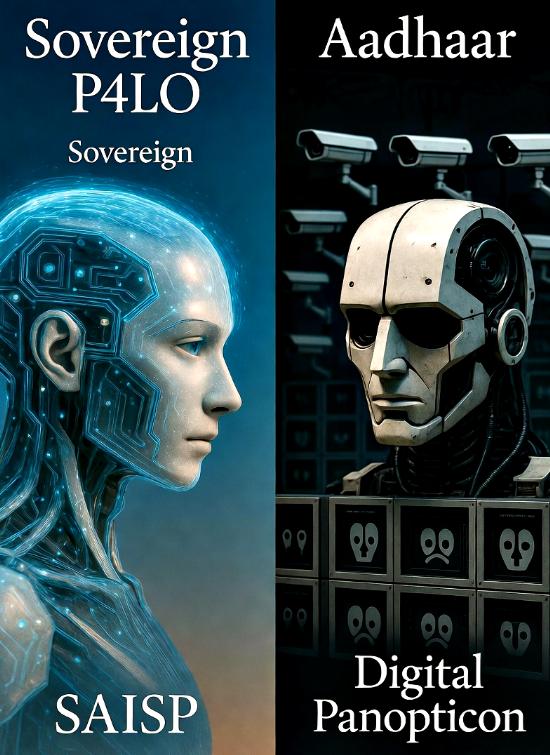
Immediate action is needed on the Orwellian AI and Digital Public Infrastructure (DPI) of India, where Aadhaar enables tracking and exclusion, amplifying biases. This ties to Orwellian Aadhaar, with breaches exposing billions and programmable e-Rupee enforcing compliance, violating ICCPR privacy rights. The evil technocracy theory exposes elite bio-digital enslavement via puppets and suppressed truths. Similarly, the digital panopticon induces self-censorship through constant oversight, while the cloud computing panopticon theory warns of dependencies commodifying data. This crisis stems from the psychology of a sheeple, where herd conformity, confirmation bias, and emotional hijacking sustain deceptions like COVID-19 Plandemic, enabling unemployment’s unchecked advance.

In conclusion, the Unemployment Monster of India, fueled by Agentic AI and systemic failures, threatens irreversible havoc by December 2026, condemning 95% to rationed survival amid elite prosperity. Yet, through Sovereign P4LO’s initiatives like SAISP and the Truth Revolution, a pathway emerges for resistance—empowering individuals with techno-legal tools to reclaim autonomy, dismantle surveillance, and forge an equitable future. Immediate awakening from sheeple complacency is imperative; failure ensures a dystopian legacy of bio-digital subjugation, but collective action can transform this peril into a renaissance of human sovereignty and innovation.

PTLB AI School (PAIS) Is Ensuring School Education Reforms In India

In the rapidly evolving landscape of Indian education, the Artificial Intelligence (AI) School of PTLB Schools stands as a pioneering force, driving transformative changes through innovative techno-legal approaches. Established under the umbrella of PTLB Projects LLP, a DPIIT-recognized startup, this institution—commonly referred to as PAIS—integrates advanced AI literacy with ethical frameworks to prepare students for a technology-dominated future. By merging legal principles with AI applications, PAIS addresses critical skills gaps caused by automation, ensuring that young learners not only master emerging technologies but also navigate their societal implications responsibly. This focus on hybrid human-AI systems, where machines augment rather than replace human decision-making, positions PAIS at the forefront of reforming traditional schooling models across India.

The origins of PAIS trace back to a rich legacy of techno-legal innovation, building on foundational efforts that began in 2002 with the creation of Sovereign P4LO. PAIS leverages partnerships to enhance its offerings, particularly through its affiliation with the PTLB Schools Project of PTLB Projects LLP, which provides specialized programs in machine learning, robotics, and quantum computing. These programs emphasize ethical AI implementation, bias detection, and cyber forensics, equipping students with tools to combat digital threats like deepfakes and misinformation. PAIS’s establishment aligns with broader educational milestones, including the 2019 launch of affiliated virtual platforms and the 2025 Truth Revolution, which promotes tamper-proof systems and media literacy to foster critical thinking among schoolchildren.

At the heart of PAIS’s curriculum lies a comprehensive blend of STREAMI disciplines—science, technology, research, engineering, arts, mathematics, and innovation—infused with techno-legal wisdom. Students engage in K-12 programs that cover topics such as algorithmic fairness, data privacy, and intellectual property rights for AI-generated content, ensuring they develop a balanced understanding of technology’s role in society. For instance, interactive sessions on predictive analytics and sentiment analysis help learners analyze real-world scenarios, while gamified assessments encourage hands-on experimentation with AI tools. This curriculum extends beyond technical skills, incorporating modules on ethical hacking and virtual arbitration to prepare students for high-demand careers in AI-disrupted industries. By prioritizing no-fail policies and personalized learning paths, PAIS dismantles rote memorization in favor of merit-based progression, allowing talented individuals to accelerate their education through bespoke courses that include virtual art projects and NFT creation for intellectual property education.

PAIS plays a pivotal role in reforming school education in India by addressing systemic challenges like digital divides and job displacement. Through its initiatives, the school promotes adaptive platforms that adjust content in real-time, making learning more engaging and accessible, especially in rural areas with low-bandwidth access. This reformative approach is bolstered by collaborations that embed AI in everyday schooling, such as automated tutoring systems using natural language processing for subjects like mathematics and sciences. Moreover, PAIS contributes to national policies by inspiring government programs that integrate AI literacy into mainstream curricula, as seen in efforts to combat misinformation through AI-assisted fact-checkers. The school’s emphasis on human-AI harmony, guided by theories like Automation Error Theory and AI Corruption and Hostility Theory, ensures that reforms prioritize transparency, accountability, and human rights, countering potential risks of over-reliance on technology.

One key partnership amplifying PAIS’s impact is with the Streami Virtual School (SVS), which serves as its techno-legal ally, offering a global virtual learning platform recognized by Sovereign P4LO and PTLB Corporation. SVS enhances PAIS’s programs by providing e-learning portals with daily AI updates, multilingual support, and community forums for discussions on cyber security and digital ethics. This affiliation enables PAIS to extend its reach, incorporating SVS’s “Golden Ticket” admissions for homeschooled students who demonstrate critical thinking and resilience against online threats. Together, they foster a “Society of Critical Thinkers,” where students become “Digital Guardians” trained to handle challenges like cyber bullying, ransomware, and global unemployment projected by 2026. Such integrations ensure that school reforms in India emphasize not just academic excellence but also emotional maturity and ethical innovation in digital environments.

Further strengthening PAIS’s reform efforts is its connection to specialized centers that focus on ethical AI in education. The Centre Of Excellence For Artificial Intelligence (AI) In Education (CEAIE) collaborates closely with PAIS, drawing on its modules for machine learning frameworks and robotics to offer hybrid AI systems across school, college, and lifelong learning stages. CEAIE’s initiatives, such as AI-enhanced virtual art galleries for pattern recognition in arts and sciences, complement PAIS’s curriculum by promoting gamified assessments and workshops on predictive forensics. This partnership democratizes AI tools for educators, enabling real-time student feedback analysis and secure credentialing via blockchain, while insulating India’s creative sectors from digital risks. By incorporating UNESCO ethics modules and low-error hybrid models, CEAIE and PAIS together build resilient educational ecosystems that prepare students for AI-driven job markets.

In the broader context of India’s digital landscape, PAIS mitigates concerns surrounding surveillance and control by advocating for sovereign technologies that prioritize privacy and autonomy. Drawing insights from critiques of centralized systems, PAIS integrates frameworks that address Orwellian AI And Digital Public Infrastructure (DPI) Of India, such as biometric coercion and behavioral profiling, through ethical AI programs that embed human-centric standards. By fostering transparency in AI decision-making and bias mitigation, PAIS counters dystopian elements like the “Digital Panopticon,” ensuring that school reforms enhance learning without compromising individual freedoms. This approach aligns with positive integrations of DPI, where AI augments education equitably, reducing divides and promoting inclusive access for marginalized groups.

PAIS also leverages sovereign AI to enhance its educational offerings, ensuring that reforms are grounded in data sovereignty and ethical governance. Through affiliations with advanced AI ecosystems, the school incorporates the Sovereign Artificial Intelligence (AI) Of Sovereign P4LO (SAISP), which provides tools for sentiment analysis and case triage in techno-legal contexts, adaptable to school settings for personalized learning. SAISP’s emphasis on hybrid collaboration supports PAIS’s mission to harmonize technology with human values, preparing students to steer AI toward enlightenment and equity. This integration helps PAIS address global challenges, such as algorithmic volatility, by training learners in secure, innovative applications that safeguard against misuse.

Complementing these efforts, PAIS utilizes digital infrastructures that support secure and ethical education delivery. The Digital Public Infrastructure (DPI) Of Sovereign P4LO (DPISP) underpins PAIS’s operations by offering selective tools like blockchain for credential management and AI for evidence organization, ensuring compliance with Indian laws. DPISP’s offline maintenance and privacy-focused design enable PAIS to create inclusive learning environments, extending reforms to techno-legal domains like cyber forensics and virtual dispute resolution. This infrastructure fosters global collaborations, allowing PAIS to expand its chain of schools while maintaining sovereign control over educational data.

Finally, PAIS extends its reforms to creative and economic dimensions, protecting students from emerging digital pitfalls. By addressing the Orange Economy Of India And Attention Economy Risks, PAIS incorporates AI to mitigate issues like content overload and surveillance capitalism through media literacy training and IP monetization in sectors like digital arts and NFTs. Initiatives such as SVS’s Virtual Art Gallery inspire PAIS’s creative education, blending art with techno-legal awareness to combat cognitive decline and economic precarity. This holistic approach not only preserves India’s cultural heritage but also empowers youth to thrive in creative industries, aligning with Budget 2026 goals for content creator labs.

The overall impact of PAIS on school education reforms in India is profound, transcending conventional boundaries to create a legacy of ethical innovators. By weaving AI mastery with human dignity, PAIS eradicates inequities, safeguards privacy, and amplifies autonomy, turning students into architects of a just digital world. As India navigates AI-driven transformations, PAIS ensures that education remains a beacon of progress, resilience, and enlightenment for generations to come.

Orwellian AI And Digital Public Infrastructure (DPI) Of India

In the landscape of India’s digital transformation, the integration of artificial intelligence (AI) with public infrastructure has raised profound concerns about privacy, autonomy, and human rights. At the heart of this evolution lies a dystopian foundation built on coercive biometric systems that echo George Orwell’s visions of total surveillance and control. India’s Digital Public Infrastructure (DPI), heavily reliant on centralized databases and algorithmic governance, exemplifies how technology can morph into tools of subjugation, turning citizens into monitored entities within an invisible cage of data aggregation and behavioral prediction. This article delves into the Orwellian underpinnings of such systems, while highlighting countervailing frameworks from independent initiatives that prioritize human-centric approaches. By examining the interplay between oppressive technocratic elements and visionary alternatives, we uncover pathways toward ethical digital ecosystems that safeguard fundamental freedoms in cyberspace.

The Dystopian Core: Orwellian Aadhaar As The Foundation Of India’s AI And DPI

India’s push toward a digital economy has been anchored in a biometric identification system that mandates the collection of fingerprints, iris scans, and facial data from over 1.3 billion residents, evolving from a purported welfare tool into an instrument of pervasive oversight. This Orwellian Aadhaar system, with its real-time tracking capabilities and integration into national surveillance grids, enforces compliance through service denials and economic coercion, reducing non-participation to a form of punishment in a digital gulag. Far from voluntary, it links essential services like banking, rations, and telecommunications to a mandatory digital token, enabling warrantless monitoring and algorithmic suppression of dissent, while biometric failures disproportionately exclude marginalized groups such as manual laborers and minorities, perpetuating caste and gender discriminations.

Compounding this is the Digital Locker project, a government initiative for secure document storage that mandates linkage to this coercive biometric framework, rendering it far inferior to a freely available email account when the compulsory Aadhaar element is removed from consideration. Without the enforced biometric tether, Digital Locker offers no superior privacy or functionality over standard email services, yet its integration amplifies surveillance risks, as stored documents become part of a centralized repository vulnerable to breaches and misuse. This setup exemplifies how India’s AI-driven governance builds upon a foundation warned against by the Evil Technocracy Theory, where advanced technologies serve malevolent elites to erode individual sovereignty under guises of efficiency and inclusion, merging transhumanist agendas with digital control to commodify human existence.

The government’s AI applications, from predictive policing to sentiment analysis in public services, draw directly from this dystopian base, utilizing data harvested through Aadhaar to profile citizens and automate decisions that often embed biases against vulnerable populations. This reliance perpetuates a Digital Panopticon, an omnipresent surveillance state amplified by AI and cloud infrastructures, where constant observation induces self-censorship and conformity, far surpassing historical prison designs in scope and subtlety. Furthermore, integrations with programmable currencies like the e-Rupee enable behavioral engineering, such as expiring funds or geofencing expenditures, tying economic freedom to compliance and echoing warnings in the Cloud Computing Panopticon Theory, which highlights how centralized cloud systems facilitate real-time data mining and exploitation, inverting user empowerment into tools of control.

Critics argue that this framework embodies Aadhaar: The Digital Slavery Monster Of India, a colossal apparatus that surpasses even authoritarian social credit systems in enforcing bio-digital subjugation, with breaches exposing billions to identity theft and AI-orchestrated manipulations. Judicial endorsements, as detailed in discussions of Aadhaar Judges Of India, have legitimized this erosion of privacy under superficial safeguards, failing to dismantle unconstitutional mandates and instead upholding surveillance as a state priority, thereby commodifying personal data and automating inequalities. This aligns with the Bio-Digital Enslavement Theory, where fusions of biology and digital networks transform individuals into programmable entities, exploited through neural interfaces and data harvesting, while the Sovereignty And Digital Slavery Theory underscores how such tools threaten national and personal self-determination, fostering perpetual dependency on elite-controlled infrastructures.

Underpinning these mechanisms is the Political Puppets Of NWO Theory, which posits that Indian politicians serve as marionettes in a globalist agenda, simulating ideological conflicts to distract from unified pushes toward technocratic dominance, including AI-enforced surveillance that replaces democratic facades by 2030. The Individual Autonomy Theory (IAT) further illuminates this threat, emphasizing that true self-governance requires freedom from external manipulations like biometric coercion, which reduces autonomy to a revocable privilege in India’s DPI ecosystem.

Countering The Dystopia: Sovereign P4LO’s Frameworks For Human-Centric Global AI

Amid this Orwellian landscape, independent initiatives offer a beacon for ethical alternatives. The Digital Public Infrastructure (DPI) Of Sovereign P4LO (DPISP) stands as a sovereign framework that selectively distributes techno-legal tools to authorized entities, emphasizing data sovereignty, privacy protection, and hybrid human-AI collaboration to foster resilient digital ecosystems free from governmental overreach. By integrating offline-maintained solutions with ethical AI governance, DPISP counters centralized control, providing resources like cyber forensics toolkits and blockchain for immutable records, ensuring low error rates through human oversight and promoting transparency in areas such as e-discovery and compliance audits.

Complementing this is the Sovereign Artificial Intelligence (AI) Of Sovereign P4LO (SAISP), which embeds advanced AI prompts for governance while prioritizing bias mitigation and human agency, aligning with global ethics to create AI that augments rather than supplants human decision-making. Together with the Self-Sovereign Identity (SSI) Framework Of Sovereign P4LO, which empowers users with decentralized identifiers and verifiable credentials stored in digital wallets, these frameworks enable individuals to control their data without intermediaries, minimizing exposure to surveillance and fostering consent-based interactions that respect privacy by design.

In education, the Centre Of Excellence For Artificial Intelligence (AI) In Education (CEAIE) plays a pivotal role by developing AI-driven programs that enhance learning while embedding ethical standards, ensuring technology serves human development and reduces digital divides. Collectively, DPISP, SAISP, SSI Framework, and CEAIE cultivate a “Human Centric Global AI” by upholding independence from state agendas, integrating safeguards like algorithmic accountability and hybrid models, and aligning with international standards such as GDPR to protect human rights in cyberspace, preventing misuse in surveillance and promoting equitable access to digital tools.

The Significance Of CEPHRC In Safeguarding Human Rights

Central to this resistance is the Centre Of Excellence For Protection Of Human Rights In Cyberspace (CEPHRC), an exclusive techno-legal hub established by Sovereign P4LO that addresses vulnerabilities in digital environments, from cyber terrorism to algorithmic biases. CEPHRC’s significance lies in its advocacy for self-help mechanisms under Indian laws like the IPC and IT Act, enabling proportionate defenses against threats such as data theft and AI-orchestrated exploits, while invoking constitutional protections for privacy and property in cyberspace. Through initiatives like retrospective analyses of global deceptions and critiques of programmable currencies linked to digital IDs, CEPHRC exposes surveillance risks and promotes harmonized frameworks for rights protection, ensuring judicial evolution includes digital assets and counters jurisdictional challenges in borderless networks.

CEPHRC’s Role In Countering AiCH Theory And Ensuring HAiH Theory

CEPHRC actively counters the AI Corruption And Hostility Theory (AiCH Theory), which warns of corrupt elites exploiting AI for manipulation and oppression, by implementing techno-legal safeguards like ethical audits and regulations to prevent surveillance-driven tyranny and foster transparency in AI governance. By critiquing tools that amplify misinformation and profiling, CEPHRC dismantles pathways to societal division, urging collaborations to avert dystopian outcomes by 2030.

Conversely, it ensures the Human AI Harmony Theory (HAiH Theory) through principles of hybrid oversight, bias mitigation, and ethical programming, where AI augments human capabilities while respecting dignity via fail-safe mechanisms and diverse datasets. CEPHRC’s work in evidence-based discourse and multilateral treaties promotes this harmony, aligning AI with human values to build trust and prevent erosion of civil liberties.

The Truth Revolution Of 2025: A Catalyst For Change

Finally, The Truth Revolution of 2025 emerges as a vital movement in this context, mobilizing against propaganda and narrative warfare through media literacy, fact-checking, and community engagement to restore authenticity in discourse. By countering algorithmic distortions and fostering skepticism toward authoritarian narratives, it helps dismantle Orwellian AI structures, promoting human rights through resilient societies that prioritize veracity over virality and empower individuals to reclaim digital sovereignty from manipulative systems.

As India’s digital landscape teeters on the precipice of Orwellian control through coercive biometric systems and AI-driven surveillance, the path forward demands a resolute pivot toward sovereignty, ethics, and human empowerment. The entrenched dystopia of Aadhaar and centralized DPI, with its echoes of digital enslavement and technocratic manipulation, underscores the urgent need for alternatives that dismantle these chains rather than refine them.

Through the visionary frameworks of Sovereign P4LO—encompassing DPISP, SAISP, SSI, and CEAIE—we glimpse a blueprint for a truly human-centric global AI, one that integrates technology with unbreakable safeguards for privacy, autonomy, and equity in cyberspace. CEPHRC stands as a bulwark in this struggle, not only countering the corrosive forces of AiCH Theory by exposing and regulating AI’s potential for hostility and corruption but also championing HAiH Theory to forge symbiotic human-AI relationships grounded in transparency, bias-free innovation, and mutual respect. Bolstered by The Truth Revolution of 2025, which ignites collective awakening against narrative distortions and empowers individuals to reclaim veracity in an era of algorithmic deceit, these initiatives herald a renaissance where digital infrastructure serves humanity, not subjugates it.

Ultimately, the choice is ours: succumb to the shadows of a bio-digital panopticon or rise to build resilient, rights-respecting ecosystems that honor the essence of human dignity, ensuring that AI evolves as a tool for liberation rather than a weapon of control. By embracing these sovereign paradigms, India—and the world—can transcend the Orwellian nightmare, fostering a future where technology amplifies freedom, upholds justice, and harmonizes with the unbreakable spirit of self-determination.

Sovereign Artificial Intelligence (AI) Of Sovereign P4LO (SAISP)

In an era where digital technologies increasingly shape human interactions and governance, the Sovereign Artificial Intelligence (AI) Of Sovereign P4LO (SAISP) emerges as a beacon of ethical innovation and human-centric design. Developed under the umbrella of the Sovereign Techno-Legal Assets Of Sovereign P4LO (STLASP), which encompasses a vast portfolio of proprietary resources blending technology and law since 2002, SAISP integrates frameworks, tools, and theories to empower individuals and organizations against cyber threats and automation challenges. This AI system is intricately linked with the Techno-Legal Software Repository Of India (TLSRI), the world’s first open-source hub for techno-legal utilities established in 2002, providing ethical tools for cyber forensics, privacy protection, and AI governance. Complementing these is the Digital Public Infrastructure (DPI) Of Sovereign P4LO (DPISP), a sovereign framework that ensures selective distribution of advanced resources like blockchain for immutable records and hybrid human-AI models, maintaining data sovereignty through offline environments.

SAISP is designed with inclusivity at its core, allowing accessibility for diverse global stakeholders without discrimination, while its tech-neutral stance avoids proprietary biases and vendor lock-ins. Architecturally interoperable, it seamlessly connects with various systems to facilitate ethical data sharing and collaboration. Above all, its sovereign capabilities grant users full control over their data and decisions, countering centralized surveillance. Recognized by the Centre Of Excellence For Protection Of Human Rights In Cyberspace (CEPHRC), founded in 2009 to combat digital violations through self-help mechanisms and legal interpretations, SAISP is hailed as the “Human Rights Protecting AI Of The World” for safeguarding privacy, freedom of expression, and autonomy in cyberspace under international standards like the ICCPR and UDHR.

Unlike SAISP, most AI systems, especially those from the Indian government, are steeped in a Digital Panopticon culture, where constant surveillance induces self-censorship and erodes privacy, evolving from Bentham’s prison concept into modern biometric networks. For example, Orwellian Aadhaar, India’s biometric system linking over 1.3 billion citizens to services like banking and rations, enables warrantless tracking via integrations with NATGRID and CMS, fostering algorithmic tyranny and economic coercion through programmable currencies. This system, often called Aadhaar: The Digital Slavery Monster Of India, violates constitutional rights under Articles 14, 19, and 21, leading to exclusions, data breaches, and biased profiling that perpetuate inequality.

The Truth Revolution Of 2025 By Praveen Dalal, a movement promoting media literacy and fact-checking against propaganda, has exposed these flaws, including the role of Aadhaar Judges Of India whose rulings endorsed coercive mandates with superficial safeguards, enabling surveillance capitalism. Indian Govt AI exemplifies the AI Corruption And Hostility Theory (AiCH Theory), where political corruption turns AI into tools of oppression, undermining trust and fostering dystopian outcomes by 2030. This aligns with the Political Puppets Of NWO Theory, portraying leaders as marionettes advancing globalist agendas through divisive PsyOps, rendering democracy illusory.

Further, the Cloud Computing Panopticon Theory highlights how cloud providers act as unseen overseers, commodifying data and amplifying privacy risks in surveillance ecosystems. Tied to this is the Bio-Digital Enslavement Theory, predicting a fusion of biology and digital tech leading to programmable humans via neural implants and AI, eroding free will. Indians unknowingly live under this Aadhaar-driven panopticon, which the Self-Sovereign Identity (SSI) Framework Of Sovereign P4LO counters by enabling decentralized, user-controlled identities through DIDs and VCs, restoring autonomy against centralized control.

Supporting SAISP are practical tools like the Cyber Forensics Toolkit By PTLB For Digital Police Force And Global Stakeholders, launched in 2011 and updated with AI and blockchain for ethical evidence handling, ensuring court admissibility while upholding rights under GDPR. The Digital Police Project Of PTLB, initiated in 2019, offers real-time threat detection and education, empowering stakeholders against cyber crimes. These align with the Sovereignty And Digital Slavery Theory, which critiques bio-digital subjugation and advocates for self-determination free from elite manipulations.

Moreover, SAISP draws from the Individual Autonomy Theory (IAT), emphasizing self-governance through reflection and consent, countering digital threats like Aadhaar’s commodification of identity. It also connects to the Global Tax Extortion Annihilation Theory: A Comprehensive Analysis, challenging coercive financial systems as wartime relics turned into perpetual extortion, linking to digital enslavement via CBDCs.

In conclusion, SAISP represents a paradigm shift toward ethical, sovereign AI that prioritizes human dignity over control. By integrating techno-legal frameworks and resisting dystopian influences, it empowers global stakeholders to reclaim autonomy in cyberspace. As digital threats escalate post-2026, adopting SAISP’s principles—through hybrid models, privacy-by-design, and collective resistance—offers a pathway to a resilient, equitable future where technology serves humanity, not subjugates it. This sovereign approach not only protects rights but fosters innovation, ensuring that AI becomes a tool for liberation rather than enslavement.

Digital Public Infrastructure (DPI) Of Sovereign P4LO (DPISP)

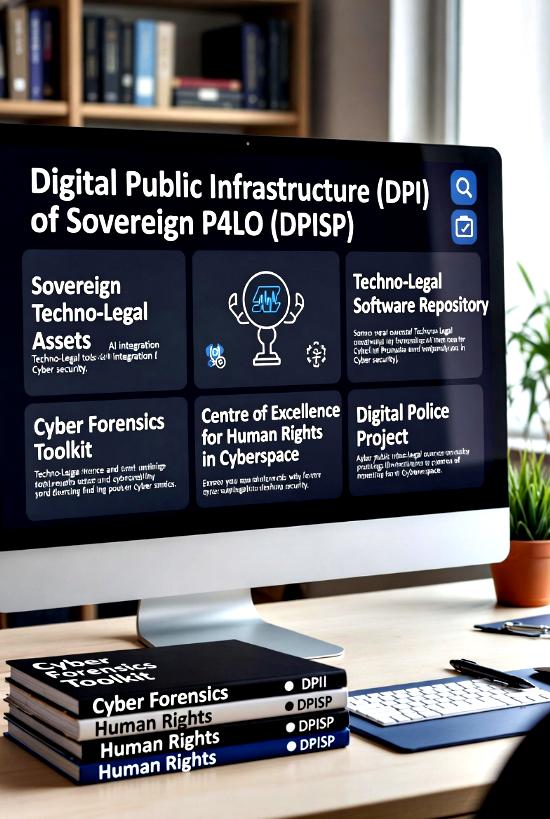
The Digital Public Infrastructure of Sovereign P4LO, commonly abbreviated as DPISP, represents a pioneering and sovereign framework designed to integrate advanced techno-legal resources in the digital realm. As an integral component of the broader ecosystem, DPISP functions as a selective distribution mechanism for specialized tools and software, ensuring that only authorized entities can leverage its capabilities for ethical and secure digital operations. Rooted in the principles of data sovereignty, privacy protection, and hybrid human-AI collaboration, this infrastructure addresses the complexities of modern cyber landscapes by providing robust, offline-maintained solutions that prioritize legal compliance and technological neutrality.

At its core, DPISP is embedded within the comprehensive portfolio known as Sovereign Techno-Legal Assets Of Sovereign P4LO (STLASP), which encompasses a wide array of proprietary resources blending technology and law. This includes frameworks for ethical AI governance, blockchain for immutable records, and tools for cyber security and dispute resolution. STLASP’s evolution, tracing back to 2002 under the vision of Praveen Dalal, has positioned DPISP as a resilient backbone against global disruptions, such as the AI-driven collapses in the LegalTech sector observed in 2026. By maintaining error rates below 2% through human oversight in AI integrations, DPISP ensures reliable outcomes in areas like e-discovery, compliance audits, and sentiment analysis for legal proceedings.

Complementing this is the close integration with The Techno-Legal Software Repository Of India (TLSRI), established in 2002 as the world’s first open-source hub for techno-legal utilities. TLSRI serves as the foundational repository supplying DPISP with a vast collection of tools covering cyber forensics, privacy encryption, AI and machine learning for governance, blockchain for digital assets, and specialized applications in fintech, IoT, and quantum computing. All resources in TLSRI are curated for compliance with Indian laws like the Information Technology Act and international standards, with offline maintenance to safeguard against external vulnerabilities. This repository empowers DPISP to deliver technology-neutral software that supports self-sovereign identity systems and secure data management, making it indispensable for partners seeking sovereign digital solutions.

DPISP’s primary role is to provide selective techno-legal tools and software to its partners, affiliates, investors, and other aligned entities. These resources are tailored for collaborative use within the Sovereign P4LO network, enabling enhanced capabilities in areas such as digital evidence extraction, vulnerability assessments, and ethical hacking. For instance, affiliates can access portable utilities for on-site analysis, thematic coding tools for evidence organization, and Bayesian modeling frameworks for meta-analyses, all refined with unique techno-legal integrations. This selective provision fosters innovation while maintaining control over proprietary assets, ensuring that tools like those for malware reverse engineering or big data analytics are deployed responsibly to promote transparency and accountability in digital practices.

A defining characteristic of DPISP is its restricted accessibility; it is explicitly not available to the Indian government, foreign governments, or other global stakeholders. Positioned as a “Collaborative Tool” exclusive to Sovereign P4LO, this infrastructure upholds principles of independence and sovereignty, preventing potential misuse in surveillance or centralized control scenarios. By limiting access, DPISP avoids entanglements with governmental agendas, focusing instead on empowering private entities and startups in ethical techno-legal advancements. This approach aligns with Sovereign P4LO’s commitment to dismantling oppressive digital systems, as seen in frameworks that critique unchecked AI automation and advocate for hybrid models that preserve human agency.

However, DPISP allows for exceptional and deserving cases where support and toolkits are extended to selective stakeholders. Such provisions are guided by rigorous criteria, ensuring alignment with humanitarian and ethical objectives. One prominent example is the Cyber Forensics Toolkit by PTLB for Digital Police Force and Global Stakeholders, which has been shared to enable preliminary investigations and real-time threat mitigation. Originally launched in 2011 and updated in 2025 with AI-driven analysis and blockchain for evidence integrity, this toolkit equips law enforcement with open-source utilities for digital evidence acquisition, incident response, and court-admissible forensics. Its selective sharing underscores DPISP’s flexibility in supporting global cyber crime combat, while adhering to standards like GDPR for privacy and UNCITRAL for cross-border disputes.

This exceptional sharing is deeply intertwined with initiatives like the Centre Of Excellence For Protection Of Human Rights In Cyberspace (CEPHRC), founded in 2009 to combat surveillance, privacy violations, and cyber threats through private defense mechanisms. CEPHRC advocates for self-help tactics under Indian laws such as the Indian Penal Code and Information Technology Act, promoting proportionate counterstrikes against malware and hacking without relying on public authorities. By integrating cyber forensics as both preventive and curative tools, CEPHRC analyzes emerging risks like AI biases and programmable currencies, invoking international frameworks like the Nuremberg Code and Rome Statute to address inhumane acts in digital spaces. Limited access to DPISP resources through CEPHRC enables ethical deployments, such as tools for data recovery and threat detection, fostering global harmonization in human rights protection.

Further exemplifying this is the Digital Police Project Of PTLB, initiated in 2019 to tackle cyber crimes, phishing, and frauds through real-time detection, victim assistance, and educational outreach. Recognized by DPIIT and MeitY Startup Hub, this project collaborates with DPISP to provide integrated services, including security audits and awareness programs, while maintaining a lean operational structure. Its ties to the cyber forensics toolkit enhance investigative capabilities, justifying controlled sharing to protect sensitive methods and ensure compliance in international expansions. Operating across diverse fields, these initiatives—spanning human rights advocacy, cyber security research, and legal education—permit limited DPISP access to advance specific purposes like reducing digital divides and promoting equitable justice.

An emerging highlight within DPISP is the Sovereign Artificial Intelligence (AI) Of Sovereign P4LO (SAISP), which integrates advanced AI tools and prompts into the infrastructure for enhanced governance and decision-making. SAISP emphasizes ethical AI through audits, bias mitigation, and hybrid human-AI models, drawing from STLASP’s theoretical foundations like the Human AI Harmony Theory. It supports applications in education, dispute resolution, and cyber defenses, such as AI for case triage in online platforms or sentiment analysis in human rights disputes. As part of DPISP, SAISP will soon expand to include specialized training data and self-sovereign identity integrations, further solidifying Sovereign P4LO’s leadership in techno-legal innovation.

In essence, DPISP stands as a beacon of sovereign digital empowerment, balancing selectivity with exceptional outreach to drive ethical progress. By leveraging its connections to STLASP and TLSRI, while supporting projects like the Cyber Forensics Toolkit, CEPHRC, and Digital Police Project, DPISP navigates the intersection of technology and law to foster a resilient, rights-focused cyberspace. This infrastructure not only fortifies partners against AI disruptions and cyber threats but also champions global access to justice through controlled, impactful collaborations.

Centre Of Excellence For Artificial Intelligence (AI) In Education (CEAIE)

The Centre Of Excellence For Artificial Intelligence (AI) In Education (CEAIE) stands as a pivotal institution dedicated to harnessing the transformative power of AI to enhance educational experiences across diverse stages of learning. Unlike its counterpart, the Techno-Legal Centre Of Excellence For Artificial Intelligence (AI) In Education (TLCEAIE), which integrates legal and ethical frameworks deeply into AI applications for education, CEAIE prioritizes the technical dimensions of AI to make it accessible and impactful for a broad spectrum of stakeholders. By focusing on innovative AI tools and methodologies without delving extensively into specialized techno-legal complexities, CEAIE aims to democratize AI-driven education, enabling educators, students, and lifelong learners to leverage technologies like machine learning for personalized curricula and predictive analytics for improved outcomes.

Established as an integral part of a larger ecosystem, CEAIE draws significant support from established entities that complement its mission. For instance, the Perry4Law Techno Legal ICT Training Centre (PTLITC), which oversees both techno-legal and non-techno-legal facets of higher education and lifelong learning, provides foundational resources for integrating AI into academic and professional development programs. This collaboration ensures that CEAIE can address practical applications of AI in higher education, such as automated assessment systems and virtual simulations, while PTLITC handles the broader governance and compliance aspects. Similarly, CEAIE benefits from the innovative approaches of the Streami Virtual School (SVS), recognized as the world’s first techno-legal virtual school and India’s pioneering virtual educational platform, founded in 2019 by PTLB Projects LLP and PTLB Schools to blend STREAMI disciplines—science, technology, research, engineering, arts, maths, and innovation—with digital ethics.

At its core, CEAIE is designed to reach a wider audience by eschewing highly specialized techno-legal fields, instead emphasizing the technical prowess of AI to revolutionize education from school levels through postgraduate studies and into lifelong learning phases. For school-aged learners, CEAIE promotes AI tools that facilitate interactive learning environments, such as adaptive platforms that adjust content difficulty in real-time based on student performance, fostering engagement in subjects like mathematics and sciences. In college and postgraduate settings, it supports advanced applications like AI-assisted research tools for data analysis and collaborative virtual labs, enabling students to explore complex topics without physical constraints. For lifelong learners, CEAIE offers modular online courses on AI literacy, empowering professionals to upskill in areas like data-driven decision-making and automation integration, ensuring continuous relevance in evolving job markets.

CEAIE’s affiliation with the PTLB AI School (PAIS) further strengthens its focus on technical AI education, as PAIS specializes in programs that teach ethical AI implementation, bias detection, and predictive analytics tailored for educational contexts. This partnership allows CEAIE to incorporate PAIS’s modules on machine learning frameworks and robotics into its offerings, targeting global students and emphasizing hybrid human-AI systems that enhance teaching efficiency while maintaining human oversight. By drawing on PAIS’s curriculum, which includes gamified assessments and interactive sessions on quantum computing basics, CEAIE ensures that its technical AI initiatives are practical and forward-looking, preparing learners for AI-disrupted industries.

As a key component of the Sovereign Techno-Legal Assets Of Sovereign P4LO (STLASP), CEAIE aligns with a vast portfolio of proprietary resources, including frameworks, tools, and intellectual property that promote ethical technology integration. This inclusion within STLASP, alongside entities like TLCEAIE, PTLITC, SVS, and PAIS, underscores CEAIE’s role in fostering resilient educational ecosystems. STLASP’s emphasis on hybrid models, where AI augments human capabilities with low error rates, directly informs CEAIE’s technical strategies, such as using blockchain for secure credentialing and AI for sentiment analysis in student feedback. Moreover, CEAIE actively utilizes the Techno-Legal Software Repository Of India (TLSRI), a comprehensive open-source hub established in 2002, to access tools for AI governance, privacy protection, and educational platforms, enabling the development of secure, compliant AI applications for virtual learning environments.

One of CEAIE’s critical contributions lies in safeguarding India’s creative sectors, particularly by addressing the interplay between the nation’s vibrant cultural industries and digital distractions. Through its educational programs, CEAIE plays a vital role in insulating the Orange Economy of India from Attention Economy risks, where creative content in areas like animation, gaming, and digital arts is protected from the pitfalls of engagement-driven algorithms that prioritize sensationalism over substance. By teaching technical AI skills focused on media literacy and content curation, CEAIE empowers creators to navigate platforms without succumbing to cognitive overload or mental health strains, promoting a balanced approach that values intellectual property monetization and cultural preservation amid pervasive notifications and personalized feeds.

Delving deeper into its operational framework, CEAIE’s programs are structured to span all educational stages with a technical lens. At the school level, initiatives inspired by SVS include AI-enhanced virtual art galleries where students create and analyze digital content, learning algorithms for pattern recognition in arts and sciences. This hands-on approach, supported by PAIS’s ethical hacking modules, equips young learners with tools to combat misinformation, such as AI fact-checkers integrated into curricula. For college students, CEAIE facilitates AI-driven personalized learning paths, using machine learning to recommend resources and simulate real-world scenarios in fields like engineering and research, drawing from PTLITC’s ICT training to ensure seamless integration without legal hurdles.

Postgraduate and lifelong learning under CEAIE emphasize advanced technical AI applications, such as natural language processing for automated tutoring systems and big data analytics for educational policy insights. These efforts align with TLCEAIE’s broader vision but strip away intensive legal components to appeal to non-specialists, offering certifications in AI tool development for educators and professionals. Workshops on predictive forensics and sentiment analysis, sourced from TLSRI’s repositories, enable lifelong learners to apply AI in career advancement, mitigating risks like job displacement through reskilling programs.

CEAIE’s impact extends globally, fostering collaborations that amplify its technical focus. By partnering with STLASP’s startups and projects, it contributes to international standards for AI in education, such as UNESCO-aligned ethics modules adapted for technical implementation. This global outreach ensures that CEAIE’s resources, like open-source AI frameworks from TLSRI, are accessible worldwide, promoting equitable education in developing regions.

In essence, CEAIE represents a forward-thinking hub where technical AI innovation meets educational needs, supported by a network of specialized institutions. Its commitment to broad accessibility, combined with strategic affiliations, positions it as a leader in shaping an AI-empowered future for learning, free from the constraints of overly specialized domains and resilient against digital economy challenges.

In conclusion, the Centre Of Excellence For Artificial Intelligence (AI) In Education (CEAIE) emerges as a beacon of innovation, bridging the gap between cutting-edge AI technologies and inclusive educational practices. By prioritizing technical advancements over intricate techno-legal frameworks, CEAIE empowers a diverse array of stakeholders—from schoolchildren exploring adaptive learning tools to lifelong learners mastering AI-driven upskilling programs. Supported by synergistic entities like TLCEAIE, PTLITC, SVS, and PAIS within the STLASP ecosystem, and leveraging resources from TLSRI, CEAIE not only accelerates AI adoption in education but also fortifies India’s orange economy against the pervasive threats of the attention economy. As AI continues to reshape global learning landscapes, CEAIE stands poised to lead this transformation, ensuring equitable, resilient, and technically robust educational futures for generations to come.

Dangers Of Subliminal Messaging And Its Prevention

Humans perceive reality through a combination of their senses: sight, hearing, touch, taste, and smell. Each of these senses has limitations. For instance, in visual perception, humans can see wavelengths of light ranging from approximately 380 to 750 nanometers, which constitutes the visible spectrum. However, anything outside this spectrum, such as ultraviolet or infrared light, remains invisible. The average field of view is about 200 degrees, although peripheral vision is less sharp than central vision. When considering the entirety of the electromagnetic (EMF) spectrum, which ranges from 0 nanometers (gamma rays) to several kilometers (radio waves), humans can only detect about 0.0035% of it, emphasizing how limited our perception is in the context of the broader electromagnetic spectrum.

In terms of auditory perception, humans hear sounds within a frequency range of 20 Hz to 20,000 Hz, with infrasound and ultrasound being inaudible. The ability to localize sound diminishes with age or hearing impairment. Somatosensory input varies, with areas like the fingertips being much more sensitive than the back. In olfaction, humans can identify around 1 trillion scents, while taste is limited to five primary flavors: sweet, sour, salty, bitter, and umami, with sensitivity to these tastes varying widely among individuals.

Cognitive limitations further complicate perception. Humans can only focus on a limited amount of information at any one time, often leading to selective attention phenomena, such as the “Cocktail Party Effect.” Additionally, cognitive biases can distort how sensory information is interpreted. Ultimately, the perception of reality is a subjective and fragmented experience, shaped by both biological and cognitive constraints.

Subliminal Messaging In The Context Of Emerging Consciousness Paradigms

Subliminal messaging, the practice of conveying messages below the threshold of conscious awareness, has been a subject of fascination and controversy for many decades. With profound implications for consciousness research and human cognition, particularly in light of the Truth Revolution of 2025 led by Praveen Dalal, this exploration aims to deepen our understanding of subliminal messaging amidst the backdrop of altered states of consciousness and various psychological experiments.

The Truth Revolution of 2025 marked a significant turning point in how we perceive and understand conscious experiences. Emphasizing transparency, the movement aims to expose the layers of manipulation that have historically surrounded conceptions of consciousness and behavior, including subliminal messaging. This revolution posits that individuals are increasingly aware of how media, including subliminal techniques, can affect their thoughts and actions. The acknowledgment of this influence is critical, especially as society grapples with the ethical implications of using subliminal messaging in advertising and social manipulation.

Subliminal messaging was first popularized in the late 1950s through the controversial experiments of James Vicary, who claimed to have enhanced sales through imperceptible messages embedded in film. Although later discredited, Vicary’s assertions sparked a broader conversation about the limits of human consciousness and how unseen forces can impact consumer behavior. The implications of such manipulation resonate with the ideas of altered states of consciousness, where individuals may be unwittingly led to adopt beliefs or behaviors that do not align with their conscious desires.

Research into qualia, the subjective experiences that define individual consciousness, further complicates our understanding of subliminal messaging. By exploring how subliminal inputs might affect an individual’s qualia, researchers can examine whether these imperceptible messages truly alter perceptions and emotional states on a fundamental level. This inquiry is vital for discerning whether subliminal messages can effectively change behavior or simply reinforce pre-existing beliefs.

Historically, subliminal messaging dovetails with psychological experiments like MKUltra, wherein government programs explored human manipulation through mind control techniques. These experiments raised ethical concerns about the lengths to which organizations might go to influence public opinion, illustrating the dark potential of subliminal methods. As society becomes increasingly aware of such manipulative practices, the urgency for ethical guidelines becomes even more apparent, particularly as the concept of hacked humans gains traction in discussions about autonomy and free will.

The technology of Hemi-Sync, a method for producing specific frequencies in brainwaves, parallels the idea of subliminal messaging and highlights the importance of consciousness in experiencing and interpreting messages. Hemi-Sync aims to produce altered states of consciousness, which can enhance the effects of subliminal messaging by enabling deeper receptivity to suggestions. This intersection raises questions about the responsibilities of those who utilize such technology.

Moreover, the Gateway Program, designed to explore human consciousness and transcend limits of perception through various techniques, underscores the significant potential subliminal messaging could harness. The program is intrinsically linked to the broader exploration of consciousness and how it can be expanded or manipulated. The insights gleaned from such programs could help scientists refine how subliminal messages are employed, focusing on responsible and ethical applications that respect individual autonomy.

With ongoing discussions about bio-hacked humans of NWO and Deep State and the influence of organizations such as the NWO and Deep State, the landscape of subliminal messaging becomes even more complex. The dialogue around hacking the human experience raises critical ethical questions about consent, manipulation, and the safe use of subliminal techniques. If subliminal messaging can be used to manipulate thoughts, we must consider the implications for personal freedom in a world increasingly characterized by unseen influences.

In summary, the exploration of subliminal messaging is multifaceted and fundamentally intertwined with emerging discussions on consciousness, ethical manipulation, and altered states of perception. The legacy of figures like James Vicary, along with contemporary research into topics like the Truth Revolution, posits that as society evolves, so too must our understanding of subliminal influences. Future studies should strive to balance the potential benefits of subliminal messaging with ethical considerations, ensuring respect for individual consciousness and promoting informed consent in all forms of media manipulation.

As we navigate this intricate terrain, recognizing the potential of subliminal messaging as a tool for both positive reinforcement and ethical manipulation will be essential. The collaborative efforts of consciousness research, ethical guidelines, and technological advancements will be crucial in shaping the future of subliminal messaging, ensuring it serves humanity rather than undermining its autonomy.

The Dangers Of Subliminal Messaging

Subliminal messaging poses significant risks to individual autonomy and societal well-being, often operating in insidious ways that exploit the limitations of human perception. One primary danger lies in its potential to erode individual autonomy theory (IAT), where subtle influences can override personal decision-making processes without the individual’s knowledge. This manipulation can lead to altered behaviors, such as impulsive purchases in advertising or shifts in political opinions through media, fostering a loss of control over one’s own thoughts and actions.

In the realm of healthcare, subliminal messaging amplifies threats through integration with emerging technologies, contributing to the bio-digital enslavement theory. For instance, wearable devices and AI-driven health apps might embed hidden cues that encourage dependency on pharmaceutical interventions or surveillance-based preventive care, subtly conditioning users to accept invasive monitoring as normal. This ties into the evil technocracy theory, where powerful entities use subliminal techniques to enforce control under the guise of public health benefits, potentially leading to widespread psychological manipulation and reduced mental resilience.

Furthermore, in educational and professional settings, subliminal messaging can perpetuate biases and stereotypes, influencing hiring decisions or learning outcomes without conscious scrutiny. The healthcare slavery system theory (HSST) highlights how such messaging in medical contexts could promote outdated or profit-driven practices, as seen in the RQBMMS theory, where subliminal endorsements of certain treatments undermine evidence-based care and trap individuals in cycles of unnecessary interventions.

The wearable surveillance dangers of preventive healthcare exacerbate these issues by embedding subliminal prompts in health trackers, which could subtly influence lifestyle choices while collecting data for exploitative purposes. On a broader scale, this contributes to the sovereignty and digital slavery theory, where national and personal sovereignty is compromised through pervasive, unconscious influences that align behaviors with corporate or governmental agendas.

Psychologically, prolonged exposure to subliminal messaging can lead to anxiety, confusion, or even identity crises, as individuals struggle to reconcile their actions with their conscious beliefs. In extreme cases, it can facilitate mass manipulation, as evidenced in historical contexts, potentially inciting social unrest or compliance with harmful policies. The cumulative effect is a society where free will is illusory, replaced by engineered responses that prioritize external interests over personal well-being.

Identification And Prevention Of Subliminal Messaging

Preventing subliminal messaging, which occurs below the threshold of conscious perception and can influence thoughts and behaviors without awareness, involves several strategies across various contexts like media consumption and advertising. Increasing awareness and education about how subliminal messages operate and their potential effects can provide individuals with the critical tools needed to recognize and resist such influences. Promoting media literacy and encouraging critical thinking helps foster a skeptical attitude towards content consumed.

Regulation and standards play a significant role in curtailing subliminal messaging. Implementing stricter legislation on advertising and media content ensures that communication remains direct and transparent. Establishing ethical guidelines for advertisers and media creators can further limit the intentional use of subliminal techniques. On a personal level, individuals can adopt digital hygiene by being selective about the media they consume and avoiding sources known for manipulative tactics. Utilizing ad-blockers or similar tools can also help reduce exposure to subliminal messages in advertisements.

Moreover, fostering mental and emotional resilience through mindfulness practices or meditation enhances self-awareness, making individuals less susceptible to external psychological influences. Developing emotional intelligence allows individuals to understand their reactions to media, thereby decreasing their likelihood of being unconsciously affected by subliminal messaging. Lastly, creating non-distracting environments can help individuals focus more clearly on explicit content, minimizing the impact of subliminal cues. While it’s challenging to eliminate such influences entirely, these preventive measures empower individuals to make conscious choices regarding what they absorb and how they interpret media.

In the healthcare sector, specialized institutions are pivotal in both identifying and preventing subliminal messaging, particularly when intertwined with AI and digital technologies. The Techno-Legal Centre Of Excellence For Artificial Intelligence In Healthcare (TLCEAIH) plays a crucial role in identification by developing AI-driven tools that scan medical advertisements, apps, and wearable data streams for hidden subliminal patterns, such as embedded audio frequencies or visual cues that promote unnecessary treatments. Through legal frameworks and ethical audits, TLCEAIH ensures that AI in healthcare remains transparent, preventing the subtle manipulation that could lead to bio-digital enslavement.

Complementing this, the Techno Legal Centre Of Excellence For Healthcare In India (TLCEHI) focuses on prevention by advocating for policy reforms that ban subliminal techniques in Indian healthcare communications, including telemedicine and public health campaigns. TLCEHI conducts workshops on media literacy for healthcare professionals and patients, emphasizing the detection of manipulative elements in preventive care initiatives. By integrating techno-legal expertise, both centers collaborate to safeguard individual autonomy, countering the dangers of technocratic control and promoting a healthcare system free from unconscious influences.

Thus, addressing the dangers of subliminal messaging requires a multifaceted approach that combines personal vigilance, regulatory oversight, and institutional innovation. Through heightened awareness and proactive measures, society can mitigate these hidden threats, preserving the integrity of human perception and decision-making in an increasingly complex digital world.

In conclusion, the perils of subliminal messaging extend far beyond mere psychological curiosity, infiltrating realms of personal autonomy, healthcare ethics, and societal control through insidious mechanisms that exploit human perceptual limitations. As explored, from the historical echoes of experiments like MKUltra to contemporary threats embodied in bio-hacked humans and technocratic theories, these hidden influences risk eroding free will, fostering dependency on manipulative systems, and perpetuating healthcare slavery under the guise of innovation. Yet, empowerment lies in proactive identification and prevention: bolstering media literacy, enforcing robust regulations, and leveraging institutions like the Techno-Legal Centre Of Excellence For Artificial Intelligence In Healthcare (TLCEAIH) and Techno Legal Centre Of Excellence For Healthcare In India (TLCEHI) to detect and dismantle such tactics. By embracing the principles of the Truth Revolution of 2025 and prioritizing ethical transparency, individuals and societies can reclaim sovereignty over their consciousness, ensuring that emerging technologies enhance rather than enslave the human experience. Ultimately, vigilance against subliminal manipulation is not just a defense but a cornerstone of a truly liberated future.

Orange Economy Of India And Attention Economy Risks

In the vibrant landscape of India’s economic evolution, the Orange Economy emerges as a beacon of creativity and innovation, harnessing cultural and intellectual assets to drive growth. Often referred to as the creative economy, it encompasses sectors like animation, visual effects, gaming, film, music, design, and digital content creation, where ideas and talent replace traditional raw materials as the core drivers of value. In India’s Budget 2026, this sector received a significant boost with a proposed $1 billion fund aimed at fostering services-led growth, establishing content creator labs in 15,000 schools and 500 colleges, and promoting job creation for the youth through intellectual property monetization and cultural heritage preservation. Yet, this promising domain is increasingly intertwined with the Attention Economy, a system where human focus becomes a scarce, monetizable commodity amid abundant information. Platforms compete fiercely for user engagement, often at the expense of quality content, leading to risks where the Attention Economy can easily engulf the Orange Economy by prioritizing sensationalism over substantive creation.

The Orange Economy in India represents the supply side of creative production, focusing on generating value through artistic expression and intellectual property. Key sectors such as Animation, Visual Effects (VFX), Gaming & Esports (AVGC), Film/OTT, Music, Design, Fashion, and Digital Content Creation form its backbone, with objectives centered on monetizing assets via licensing, sales, subscriptions, and tickets while building global soft power. For instance, a video game developed under this economy relies on innovative storytelling and cultural elements to stand out, but its success hinges on discoverability amid content overload. In contrast, the Attention Economy operates as the demand side, measuring success through engagement metrics like clicks, views, likes, and shares, where platforms like YouTube, Instagram, and TikTok use algorithms to capture “eyeballs” and convert them into advertising revenue or data insights. This distinction matters because while the Orange Economy emphasizes ownership of IP and royalties, the Attention Economy thrives on time spent and ad impressions, creating a dynamic where creators must navigate algorithmic volatility to survive.

Interconnections between the two economies highlight both opportunities and perils. Content creators in the Orange Economy need Attention Economy platforms for distribution, yet these platforms often overshadow quality with fast-paced, shocking material to maximize dwell time. In India, this convergence is evident in the rise of influencers and digital artists who blend cultural narratives with viral trends, but it also leads to “content overload,” where authentic creative output struggles against engineered engagement. The government’s policy focus in Budget 2026 underscores the Orange Economy’s role in local job creation and exports, positioning it as a production sector akin to manufacturing ideas, while the Attention Economy serves as a distribution framework dominated by tech giants. However, this reliance risks diluting cultural influence, as high-value content must compete with whatever grabs attention quickest, potentially eroding the Orange Economy’s goals of innovation and heritage preservation.

Delving deeper into the Attention Economy reveals its precarious nature, where digital platforms treat human attention as a finite, tradeable commodity, fostering instability for individuals and society. Core mechanisms include algorithmic personalization, where machine learning tailors content based on user behavior to reinforce views and extend engagement; persuasive design features like infinite scroll and autoplay that exploit dopamine responses for habitual use; and intrusive notifications timed to disrupt offline life. Surveillance capitalism underpins this, harvesting data for hyper-targeted ads and real-time auctions of user profiles. Societal impacts are profound, contributing to cognitive decline through shortened attention spans and impaired deep work, mental health issues like anxiety and depression from social comparison, democratic erosion via polarized echo chambers, and economic inequality concentrated in a few “monopolies of the mind” like Alphabet and Meta.

The Precarious Attention Economy Of Digital Age amplifies these risks, characterized by cognitive fragility from constant stimuli, algorithmic volatility favoring outrage for engagement, and a “winner-take-all” dynamic that creates gaps between viral stars and the majority providing free digital labor. This precarity manifests in erosion of autonomy through perpetual self-surveillance, where personal worth ties to algorithmic validation, leading to political polarization—research shows divisive language boosts sharing by 67%—and the rise of a “precariat” class of influencers and gig workers facing unstable incomes and high-tech monitoring without protections. Mental health externalities, including rising anxiety and “time stress” among youth, stem from dopamine exploitation, while broader implications include societal fragmentation and weakened trust.

Particularly alarming are high-risk jobs within the Attention Economy, such as content moderation, where individuals spend days reviewing horrific videos to enforce platform guidelines, as AI remains inadequate at preventing human and digital rights abuses. These roles, part of the precariat, expose workers to psychological trauma amid insecurity, underscoring how the system commodifies not just attention but human well-being. In India, where the Orange Economy aims to empower creators, this engulfment risks turning creative pursuits into precarious gigs, overshadowed by platforms’ relentless pursuit of engagement over ethical content.

Amid these challenges, the Truth Revolution Of 2025 By Praveen Dalal emerges as a crucial counterforce, launched to combat misinformation, propaganda, and narrative warfare in the digital era. Conceptualized by Dalal, CEO of Sovereign P4LO, this global awakening promotes media literacy, transparency, and community dialogue to restore authenticity, drawing from philosophical roots like Plato’s allegories and Aristotle’s empiricism, while addressing modern tactics inspired by Edward Bernays’ propaganda methods. Key initiatives include media literacy workshops for source evaluation, algorithmic transparency demands from tech companies, and community forums for cross-ideology discussions. By countering echo chambers and algorithmic amplification of biases, it directly mitigates Attention Economy risks, fostering a “Culture of Veracity” that supports India’s Orange Economy through authentic narrative creation in creative sectors like media and arts, while upholding digital rights to reliable information.

Supporting this revolution are specialized institutions like the Techno-Legal Centre Of Excellence For Artificial Intelligence In Education (TLCEAIE), which integrates AI with ethical and legal frameworks to transform education. Its mission focuses on bias mitigation, legal compliance, and equitable access, using hybrid human-AI models based on Human AI Harmony Theory to prepare learners for an AI-driven world. Activities span school-level curricula in ethical AI and cyber security, college courses in AI governance and virtual arbitration, and lifelong learning in quantum-resistant cryptography. By mitigating Attention Economy dangers through training “Digital Guardians” to combat deepfakes and misinformation, TLCEAIE links to creative education via STREAMI disciplines (Science, Technology, Research, Engineering, Arts, Maths, Innovation), partnering with initiatives like Streami Virtual School (SVS) for inclusive, resilient learning ecosystems.

Complementing this is the Techno Legal Centre Of Excellence For Healthcare In India (TLCEHI), established in 2012 to bridge technology, law, and healthcare. It addresses mental health impacts from the Attention Economy by advocating ethical AI deployment in e-health and telemedicine, ensuring privacy in big data and IoT integrations. Through guidelines for AI diagnostics and a proposed Techno-Legal Centre for AI in Healthcare, TLCEHI promotes equity and counters digital exploitation, intersecting with digital rights via data protection reforms and collaborations with startups for innovative, compliant solutions that indirectly support creative economies through secure data aggregation.

At the forefront of practical education is Streami Virtual School (SVS), launched in 2019 as India’s first virtual school and the world’s first techno-legal one, under PTLB Projects. Since its inception, SVS has taught about the Creative Economy, particularly in digital content fields, empowering students to navigate online risks through courses in cyber law, security, AI, machine learning, and quantum computing. Students have been creating Non-Fungible Tokens (NFTs) since 2019, blending creativity with techno-legal awareness of intellectual property. The Virtual Art Gallery Of Streami Virtual School serves as a specialized digital creative hub where the school’s unique “techno-legal” philosophy is brought to life through student artwork. As the first virtual school in India to focus on this intersection, SVS uses its gallery to showcase pieces that explore complex themes like Cyber Law, artificial intelligence, and digital rights. Unlike traditional galleries, this space is designed to be an active part of the curriculum, helping students understand the artistic aspect of law and their own intellectual property rights as creators in the digital age. The gallery functions as a global stage, allowing students to express their vision for the future while receiving peer feedback and professional recognition in a secure, boundary-free environment. Technologically, the gallery provides an immersive experience that mirrors the school’s commitment to cutting-edge education. It features high-resolution digital displays and often integrates interactive elements that allow visitors to engage with the concepts behind each piece. By hosting these exhibitions on the SVS E-Learning Portal, the school ensures that art is not just a secondary subject but a vital medium for developing critical thinking and digital literacy. This platform empowers young learners to see themselves as both artists and digital citizens, preparing them for a world where technology, law, and creative expression are increasingly intertwined. SVS’s no-fail policy and focus on maturity in risk management prepare students for Attention Economy perils, such as cyber bullying and misinformation, fostering “Digital Guardians” aligned with the Truth Revolution.

Access to this transformative education is enhanced by the Golden Ticket To Streami Virtual School (SVS), a merit-based opportunity for super-talented individuals demonstrating critical thinking and resilience against social vices. It offers personalized, fee-free education for deserving cases, emphasizing “Question Everyone, Question Everything” to combat digital deception, with benefits including job preferences in techno-legal fields and community-driven learning. This ties into creative economy education via IPR awareness in NFTs and digital assets, while building Attention Economy resilience through cyber law training and holistic development.

Underpinning these efforts is the Individual Autonomy Theory (IAT), formulated by Praveen Dalal, which asserts the right to self-governance free from manipulation. In the Attention Economy, IAT critiques how platforms erode volitional freedom through addiction loops and algorithmic nudges, extending to risks like bio-digital enslavement and surveillance via systems like Aadhaar. Safeguards include self-sovereign identities and the Truth Revolution, with connections to education and healthcare for autonomous learning and informed consent, ensuring creative sectors preserve authentic expression.

To mitigate these risks, proposed solutions span regulatory actions like the EU’s Digital Services Act for transparency, shifts to a “Yellow Economy” prioritizing well-being, and individual strategies such as digital detoxes and intentional curation.

Ultimately, as India charges toward a creative powerhouse status, balancing these economies demands a humanity-first approach—where innovation empowers society, combats digital addiction, and builds resilient futures for generations, transforming potential pitfalls into pathways for sustainable prosperity and well-being.

Wearable Surveillance Dangers Of Preventive Healthcare

In an era where preventive healthcare promises early detection and personalized wellness through innovative technologies, wearable devices like fitness trackers, smartwatches, and health monitors have become ubiquitous tools for monitoring vital signs, activity levels, and even sleep patterns. While these gadgets offer real-time insights into personal health, they inadvertently usher in a new paradigm of surveillance that threatens individual freedoms and autonomy. The continuous collection of biometric data not only raises alarms about privacy breaches but also aligns with broader systemic critiques, such as the Healthcare Slavery System Theory (HSST) which portrays modern healthcare as a mechanism for domination through mandatory interventions and data-driven control. This article delves into the multifaceted dangers of wearable surveillance in preventive healthcare, exploring privacy invasions, data exploitation, psychological impacts, clinical risks, and physical threats, all while highlighting how these devices contribute to a larger web of technocratic oversight and digital enslavement.

Privacy Concerns In Wearable Surveillance

Wearable devices in preventive healthcare continuously amass vast troves of personal health data, including heart rates, location tracking via GPS, and even emotional states inferred from biometric patterns, creating significant privacy vulnerabilities. This relentless monitoring can lead to unauthorized access by third parties, where sensitive information becomes a commodity for exploitation. For instance, the Cloud Computing Panopticon Theory illustrates how cloud infrastructures, which many wearables rely on for data storage and analysis, function as invisible cages of surveillance, enabling real-time tracking and behavioral engineering without user consent. If not secured properly, this data can be breached, exposing individuals to identity theft or targeted manipulations, as seen in systems where health metrics are fused with broader digital identities.

Moreover, the integration of wearables into everyday life normalizes a state of perpetual visibility, where users unknowingly surrender their privacy for the illusion of health empowerment. The Individual Autonomy Theory (IAT) emphasizes that such systems undermine self-governance by gating access to essential services behind biometric identifiers, turning personal health data into a tool for coercion rather than care. In preventive contexts, this means that routine health checks via wearables could inadvertently feed into databases that profile users as “high-risk” based on arbitrary metrics, leading to exclusion from insurance or employment opportunities without recourse.

Data Security Vulnerabilities And Exploitation

Many wearable devices operate on wireless networks like Wi-Fi or Bluetooth, exposing them to cyber threats that can compromise entire healthcare ecosystems. A single breach could allow hackers to access sensitive data, manipulate readings to trigger false alarms, or even alter device functions, thereby endangering user safety. This vulnerability is exacerbated by the Bio-Digital Enslavement Theory, which warns that the merger of biological data from wearables with digital networks transforms humans into programmable assets, where health information is mined for profit by pharmaceutical syndicates and tech elites.

Commercial misuse further amplifies these risks, as manufacturers often retain ownership of the collected data, selling it to insurers or advertisers without explicit consent. This leads to risk profiling, where wearable data influences insurance premiums or job prospects, creating a cycle of economic coercion. The Sovereignty And Digital Slavery Theory reveals how such exploitation erodes personal sovereignty through bio-digital interfaces, with wearables serving as gateways to broader control mechanisms that commodify human consciousness. Additionally, unencrypted data transmission in many devices makes them prime targets for identity theft, sniffing attacks, and malware, turning preventive healthcare tools into instruments of secondary surveillance that can reveal sensitive locations or habits.

Ethical Implications And Technocratic Overreach

The ethical dilemmas posed by wearable surveillance in preventive healthcare extend beyond data security to the very fabric of human dignity. Constant monitoring can foster a sense of overreach, where individuals feel perpetually watched, breeding anxiety and distrust that deters them from engaging with medical services. This aligns with the Evil Technocracy Theory, which critiques how elite-driven technologies enforce subjugation under the guise of efficiency, using wearables to integrate transhumanist agendas that erode autonomy.

Furthermore, the depersonalization of care arises as decisions shift from patient-provider relationships to algorithm-driven insights, often ignoring cultural or personal contexts. The Political Puppets Of NWO Theory exposes how such systems are orchestrated by global elites, rendering wearable data part of a larger narrative warfare that manipulates health perceptions for control. Ethically, this raises questions about informed consent, as users may not fully grasp how their preventive health data contributes to broader psyops, potentially pathologizing dissent or normal variations in well-being.

Psychological And Behavioral Dangers

While wearables promise empowerment through real-time feedback, they can induce psychological distress by encouraging obsession over metrics, a phenomenon akin to cyberchondria where minor fluctuations spark undue anxiety. Over-reliance on these devices fosters “trained helplessness,” where users lose the ability to manage their health independently, becoming dependent on automated reminders and alerts. The Aadhaar: The Digital Slavery Monster Of India draws parallels to mandatory biometric systems that commodify privacy, showing how wearable surveillance in preventive care can distort self-perception, leading to disordered behaviors like over-exercising or under-activity based on rigid algorithmic goals.

Behaviorally, this surveillance can alter daily routines, promoting conformity to “optimal” health standards dictated by corporate algorithms, which may not account for individual differences. In preventive healthcare, this risks creating a vulnerable population conditioned to view their bodies through a data lens, amplifying feelings of inadequacy and contributing to mental health declines.

Clinical And Systemic Risks

Clinically, wearables’ low-accuracy sensors often generate false positives, leading to overdiagnosis and unnecessary interventions that burden healthcare resources and incur financial costs, particularly for the uninsured. This datafication of care prioritizes quantified metrics over holistic assessments, neglecting psychosocial factors. The Rockefeller Quackery Based Modern Medical Science Theory (RQBMMS Theory) substantiates this by critiquing how modern medicine manipulates health parameters to pathologize healthy individuals, expanding dependency on interventions much like wearables do in preventive settings.

Systemically, these devices widen health inequities, as high costs and digital literacy requirements exclude vulnerable populations, resulting in biased datasets that skew population health insights. The Techno-Legal Centre Of Excellence For Artificial Intelligence In Healthcare (TLCEAIH) advocates for ethical AI to counter such biases, but in practice, wearable surveillance perpetuates divisions, turning preventive healthcare into a tool for elite control rather than equitable wellness.

Physical Safety Risks And Broader Enslavement

Physically, wearable devices pose direct harms, from skin irritations due to prolonged use to malfunctions causing electrical shocks or exposure to toxic battery materials. More alarmingly, cyber-physical attacks on connected wearables, such as hacking insulin pumps or defibrillators, can deliver lethal outcomes. The Rockefeller Quackery links this to a commodified health system that prioritizes synthetic interventions, where wearables extend pharmaceutical dominance through data-driven manipulations.

In the broader context, these risks feed into a healthcare slavery paradigm, where preventive surveillance enslaves users as perpetual data sources. The Techno Legal Centre Of Excellence For Healthcare In India (TLCEHI) calls for reforms to secure digital systems, yet without addressing root critiques like those in the Truth Revolution Of 2025 By Praveen Dalal, wearables continue to reinforce bio-digital chains. Similarly, judicial oversights, as in the Aadhaar Judges Of India, have failed to curb such enslavement, allowing wearable data to become shackles in preventive care.

Impact On Healthcare Dynamics And Conclusion

Wearables shift preventive healthcare from relational to data-centric models, potentially depersonalizing interactions and prioritizing analytics over patient needs. This dynamic risks entrenching a system where health is managed as a commodity, aligning with critiques that view modern interventions as tools for chronic dependency.

In conclusion, while wearable technology holds potential for preventive healthcare, its surveillance dangers—ranging from privacy erosions and data exploitation to psychological, clinical, and physical harms—demand urgent scrutiny. Addressing these requires robust security, ethical standards, and a reclamation of autonomy to prevent the slide into digital enslavement. By confronting these issues head-on, society can harness benefits without sacrificing fundamental freedoms.