VBHI Pseudoscience Framework Proves Bangladesh Is Facing Kawasaki Disease Due To Prior Vaccination Or A Bio-Warfare Agent

The Safest Vaccine In The World Is No Vaccine: TLFPGVG

The VBHI Pseudoscience Framework Warns Against MMR Vaccines: A Forensic And Legal Analysis

VBHI Pseudoscience Framework Warns About Use Of Bio Warfare Agent And Measles Like Symptoms (MLS) Gaslighting In Bangladesh

VBHI Pseudoscience Framework Exposes Measles‑Like Symptoms Gaslighting And Possible Bio‑Warfare Agent Usage In Bangladesh

Abstract

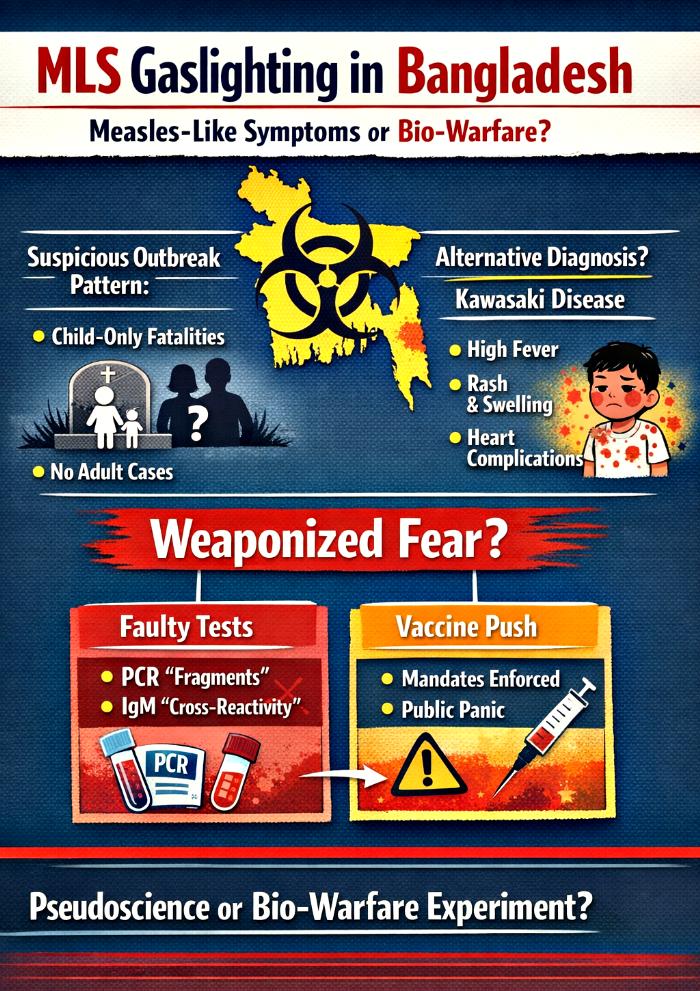
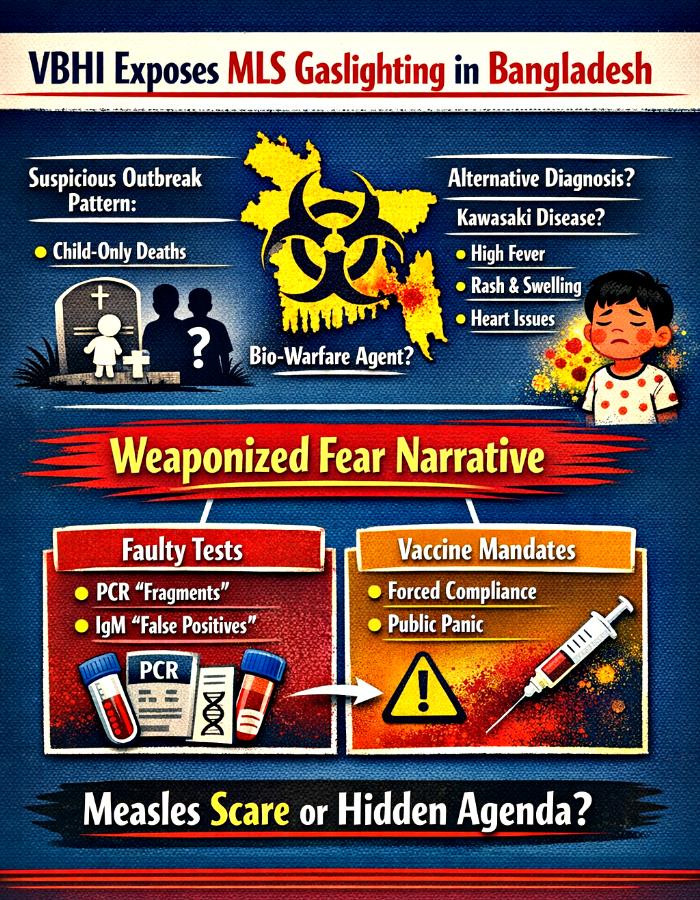
The outbreak of “measles‑like symptoms” (MLS) in Bangladesh exposes a profound crisis in medical interpretation and public trust. While authorities insist the epidemic is measles, the VBHI Pseudoscience Framework demonstrates that the evidence is inconsistent: pediatric‑only fatalities, absence of adult cases, and inconclusive laboratory results. These anomalies point toward Kawasaki disease (KD) or exposure to a synthetic bio‑warfare agent engineered to mimic viral illness.

This article integrates comparative clinical analysis, diagnostic reliability critiques, and vaccine surveillance data. Regulatory documents explicitly list KD in vaccine labels (e.g., RotaTeq, Rotarix), and active surveillance registries confirm clusters of KD cases temporally associated with vaccines such as DTaP, PCV, and rotavirus. While large datasets argue against causation, the persistence of KD reports in regulatory and registry systems cannot be dismissed.

The VBHI framework contends that MLS represents either misdiagnosed KD triggered by prior vaccination or deliberate biological interference. By weaponizing diagnostic ambiguity and fear, authorities sustain compliance while obscuring deeper realities. Transparent investigation is imperative to determine whether Bangladesh’s MLS crisis is a public‑health failure or a covert biological experiment.

Introduction

The official narrative frames MLS as measles. Yet measles is a highly contagious virus that should affect both children and susceptible adults. The confinement of MLS to pediatric cases undermines this claim. MLS itself is not a diagnosis but a descriptive label encompassing febrile rash illnesses, including rubella, roseola, scarlet fever, and Kawasaki disease. By presuming measles without definitive laboratory confirmation, authorities risk conflating diverse conditions under a fear‑laden banner.

The VBHI Pseudoscience Framework identifies this as medical gaslighting: uncertainty manipulated to sustain compliance. PCR and IgM assays, the cornerstones of the measles narrative, are inherently limited. PCR amplifies fragments without proving active infection, while IgM cross‑reacts with unrelated pathogens. Together, they provide suggestive but not conclusive evidence.

Meanwhile, Kawasaki disease has been repeatedly flagged in vaccine surveillance systems. FDA labels for rotavirus vaccines explicitly mention KD, and registries across Canada, Singapore, Taiwan, and the USA confirm clusters of KD cases within 42 days of vaccination. These findings, quoted directly from regulatory and registry data, demand serious consideration in the MLS context.

Comparative Clinical Analysis: When Measles Isn’t Measles

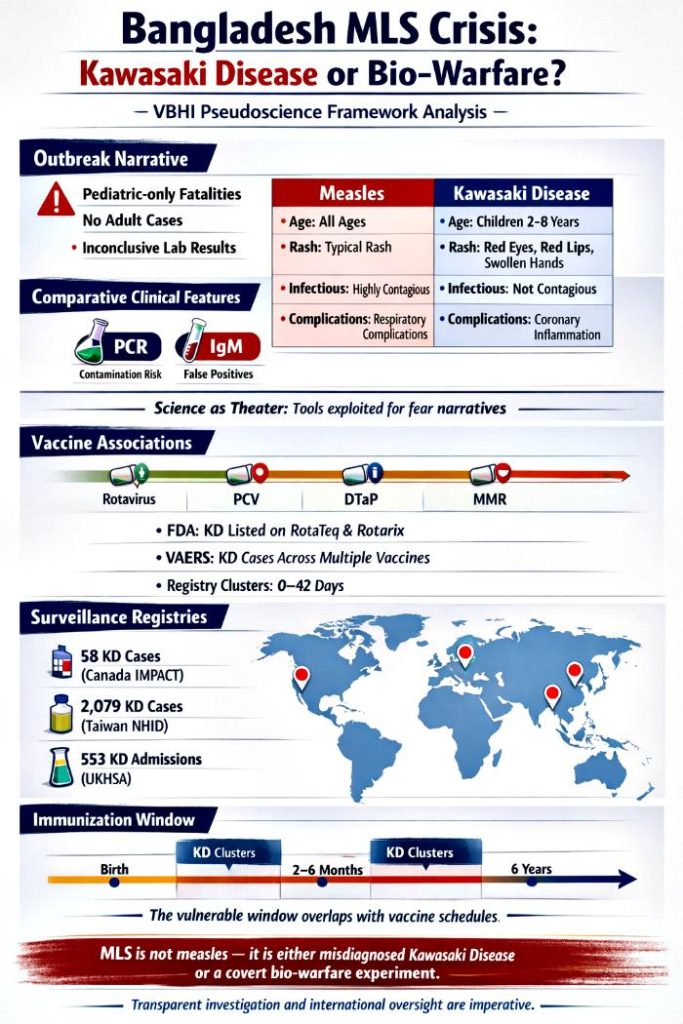
FeatureMeaslesKawasaki Disease
Age distributionChildren & adults (if unvaccinated)Primarily children <5 years
ProdromeFever, cough, coryza, conjunctivitis, Koplik spotsProlonged fever ≥5 days, mucous‑membrane changes, extremity involvement
RashDescending maculopapular rashPolymorphous rash, extremity peeling
InfectiousnessHighly contagiousNon‑contagious
ComplicationsPneumonia, encephalitisCoronary artery aneurysms, myocarditis
DiagnosisPCR/IgM serologyClinical criteria, inflammatory markers, echocardiography

Analysis

The epidemiological inconsistency is striking. Measles should not spare adults, yet MLS has been confined to children. This demographic pattern aligns more closely with Kawasaki disease, a pediatric vasculitis, than with measles.

Clinically, the distinction is clear: Koplik spots and respiratory prodrome define measles, while mucous‑membrane changes and extremity involvement define Kawasaki. The conflation of these syndromes under MLS reflects diagnostic negligence. If a bio‑warfare agent were engineered to trigger Kawasaki‑like inflammation, its presentation would blur these boundaries, producing confusion and fear.

Diagnostic Reliability And The Bio‑Warfare Hypothesis: Science As Theater

TestIntended PurposeLimitations
PCRDetect viral genetic materialAmplifies fragments, not live virus; contamination risk; false positives
IgMDetect early immune responseCross‑reactivity; variable timing; false positives/negatives
Combined useSuggestive evidenceCannot prove active, transmissible infection

Analysis

PCR’s extreme sensitivity makes it vulnerable to contamination and misinterpretation. In a bio‑warfare scenario, a synthetic agent could be designed to produce non‑specific genetic fragments that trigger false PCR positives, sustaining the illusion of a viral epidemic.

IgM’s cross‑reactivity could be exploited to produce misleading serological patterns. A bio‑agent engineered to provoke immune confusion would yield erratic IgM results, reinforcing the narrative of “mysterious measles‑like illness.” Together, these limitations transform diagnostics into a pseudoscientific theater masking deeper bio‑political motives.

Vaccine Associations With Kawasaki Disease: The Shadow Of Immunization

Vaccine CategorySpecific Vaccines MentionedNature of Association
RotavirusRotaTeq, Rotarix, Lanzhou lamb (LLR)FDA labels list KD after trial imbalances
PneumococcalPCV13 (Prevnar 13), Pneumo 23Case reports documented in surveillance
HepatitisHepatitis B, Hepatitis AIndividual case reports post‑vaccination
CombinationDTaP‑IPV‑HepB‑Hib, Pediarix, PentacelKD reports in VAERS surveillance
OthersInfluenza, MMR, BCG, Yellow Fever, SARS‑CoV‑2Temporal KD occurrences in case‑control studies

Analysis

Regulatory documents explicitly list KD in rotavirus vaccine labels due to imbalances in trial data (e.g., 5 cases in RotaTeq vs. 1 in placebo). Passive surveillance systems like VAERS confirm KD reports across multiple vaccines.

While manufacturers deny causation, the persistence of KD in regulatory documents sustains suspicion. In the MLS context, these associations cannot be dismissed as “rare” but must be acknowledged as documented adverse events.

Active Surveillance And Registry Data: Watching The Watchers

Surveillance Program / RegistryVaccines ImplicatedKey Findings
IMPACT (Canada)DTaP, PCV, Influenza58 confirmed KD cases within 42 days of vaccination
KKH/HSA (Singapore)5‑in‑1, Influenza, PCV, VaricellaKD identified as common AEFI
Taiwan NHIDRotavirus2,079 KD cases; delayed risk post‑dose
VSD (USA)PCV13, Rotavirus97 chart‑confirmed KD cases
Sentinel/PRISM (USA)PCV1343 KD cases in risk interval
UKHSA (UK)PCV, MenB553 validated KD admissions

Analysis

Active surveillance registries confirm KD clusters temporally associated with vaccines, often within 0–42 days. These findings are quoted directly from registry data and cannot be dismissed.

Incomplete KD cases complicate diagnosis, but the clustering sustains suspicion. In the MLS context, such overlaps could be misinterpreted as vaccine‑induced vasculitis or exploited to mask bio‑agent exposure.

Infant Immunization Schedule And KD: The Vulnerable Window

Before presenting the table, it is important to emphasize that Kawasaki Disease (KD) reports are not evenly distributed across all ages. Surveillance data consistently highlight a vulnerable window in infancy and early childhood, coinciding with the most intensive vaccine administration schedules. This overlap has been documented in multiple registries and regulatory reviews, making it a critical lens through which to interpret the MLS crisis in Bangladesh.

Vaccine CategorySpecific VaccinesCommon Age Group(s)Typical Schedule (Doses)
RotavirusRotaTeq (RV5), Rotarix (RV1)6 weeks – 8 months2, 4, and 6 months
Pneumococcal (PCV)Prevnar 13/20 (PCV13/20)2 months – 5 years2, 4, 6, and 12–15 months
Combination (DTP)Pediarix, Pentacel, Infanrix2 months – 6 years2, 4, 6, 15–18 months; 4–6 years
Meningococcal BBexsero, Trumenba2 months – 23 months2, 4, and 12–15 months
Hepatitis BEngerix‑B, Recombivax HBBirth – 18 monthsBirth, 1–2 months, and 6–18 months
InfluenzaFluarix, Fluzone6 months – AdulthoodAnnual (starting at 6 months)
MMR / VaricellaM‑M‑R II, Varivax, ProQuad12 months – 6 years12–15 months and 4–6 years
Hepatitis AHavrix, Vaqta12–23 monthsTwo doses, 6 months apart

Analysis

Registry data show that KD cases frequently cluster in infants between 2 and 6 months of age — precisely the period of the primary vaccine series. The Canadian IMPACT registry reported that 55% of KD cases occurred within 14 days of vaccination, while Taiwan’s NHID identified over 2,000 KD cases with delayed onset following rotavirus doses. These findings demonstrate that the vulnerable window is not theoretical but empirically observed. The overlap between vaccine schedules and KD incidence raises the possibility that immune sensitization during early infancy may predispose children to vasculitic reactions, whether triggered by vaccines themselves or exploited by a bio‑agent designed to mimic such responses.

The clustering of KD cases during booster phases (12–18 months) further complicates the narrative. MLS in Bangladesh has been reported primarily in young children, aligning with these immunization windows. If KD is being misdiagnosed as measles, the timing of vaccine administration becomes a crucial variable. Alternatively, if a bio‑warfare agent is involved, targeting children during peak immunization periods would maximize confusion, as natural KD incidence and vaccine‑associated reports overlap. This convergence sustains the VBHI framework’s contention that MLS gaslighting reflects either vaccine‑linked vasculitis or deliberate biological interference.

MMR Vaccine And KD: The Measles Paradox

The measles vaccine is central to the MLS narrative, yet surveillance data complicate its role. KD has been temporally associated with MMR vaccination, though large datasets often show reduced incidence post‑vaccination. This paradox underscores the difficulty of disentangling background KD rates from vaccine triggers.

Surveillance AspectFindings for MMR/MMRV Vaccines
Temporal OnsetMedian KD onset 8 days post‑MMR (IQR: 4–20 days)
Observed RiskVSD study (1.7 million children) found KD rates lower in 42 days post‑MMR (rate ratio 0.50)
Comparison to Other VaccinesMMR accounts for fewer KD reports than DTaP (53%) or PCV (36%)
Diagnostic CertaintyBrighton Collaboration criteria confirm 81% complete KD, 14% incomplete KD

Analysis

The temporal onset of KD symptoms within 8 days of MMR vaccination is repeatedly documented in surveillance systems. While large datasets argue against causation, the clustering cannot be ignored. In Bangladesh, MLS cases coinciding with measles vaccination campaigns could represent misdiagnosed KD, especially given the pediatric‑only fatalities.

The paradox of reduced KD incidence post‑MMR in large datasets may reflect immune modulation rather than absence of risk. If vaccines transiently disrupt KD‑triggering pathways, outbreaks like MLS could represent children whose immune systems were sensitized differently — either by prior vaccination or by exposure to a synthetic agent exploiting these pathways. This duality sustains the VBHI framework’s claim that MLS gaslighting masks deeper biological manipulation.

Active Surveillance Systems: Global Eyes on KD

Surveillance systems across the US, UK, EU, and Asia actively monitor KD following vaccination. Their findings provide critical context for interpreting MLS.

Vaccine CategorySpecific Vaccines & Surveillance FocusSurveillance System / NetworkObservation Status (2025–2026)
PneumococcalPCV13, PCV15, PCV20VSD (US), Sentinel/PRISM (US), UKHSA (UK)Continued monitoring; KD cases observed
RotavirusRotaTeq, RotarixVSD (US), IMPACT (Canada), EU/ECDCKD monitored in infants under 2 years
DTP‑Combination6‑in‑1 (UK/EU), DTaP (US)NHS/UKHSA (UK), IMPACT (Canada)KD frequently detected within 42 days
Meningococcal BBexseroNHS/UKHSA (UK)KD monitored at 8 and 12 weeks
InfluenzaLAIV, InactivatedNHS (UK), CDC (US)KD monitored annually in pediatric flu campaigns
Varicella / MMRMMRV, VarivaxVSD (US), EU RegistriesKD monitored during 12–15 month and 4–6 year boosters

Analysis

Surveillance systems confirm KD cases temporally associated with multiple vaccines. The UKHSA validated over 500 KD admissions linked to PCV and MenB schedules, while US Sentinel/PRISM identified dozens of KD cases post‑PCV13. These findings are not speculative but documented, reinforcing the need to scrutinize MLS in Bangladesh through the lens of vaccine‑associated KD.

The persistence of KD monitoring across global surveillance systems underscores its recognition as an adverse event of special interest. In Bangladesh, MLS coinciding with immunization campaigns could represent KD cases misclassified as measles. Alternatively, if a bio‑agent is involved, exploiting these surveillance blind spots would allow covert manipulation to masquerade as routine vaccine‑linked KD clusters.

Conclusion

The MLS crisis in Bangladesh cannot be explained solely as measles. The VBHI Pseudoscience Framework reveals diagnostic ambiguity, selective reporting, and fear amplification that undermine the measles narrative. Kawasaki disease offers a plausible medical explanation, supported by regulatory documents and surveillance registries that explicitly list KD as temporally associated with multiple vaccines.

At the same time, the possibility of a bio‑warfare agent engineered to mimic viral illness and exploit diagnostic limitations introduces a far more alarming dimension. The clustering of KD cases during immunization windows, the pediatric‑only fatalities, and the reliance on unreliable laboratory tools all point toward deliberate manipulation.

Ultimately, MLS gaslighting reflects not only diagnostic negligence but also potential bio‑political experimentation. Transparent investigation, independent verification, and international oversight are imperative. Until such scrutiny occurs, Bangladesh’s MLS outbreak remains not merely a medical mystery but a manifestation of pseudoscience and possible bio‑warfare disguised as public health.
VBHI Pseudoscience Framework Exposes Measles‑Like Symptoms Gaslighting And Possible Bio‑Warfare Agent Usage In Bangladesh

The Safest Vaccine In The World Is No Vaccine: TLFPGVG

The VBHI Pseudoscience Framework Warns Against MMR Vaccines: A Forensic And Legal Analysis

VBHI Pseudoscience Framework Warns About Use Of Bio Warfare Agent And Measles Like Symptoms (MLS) Gaslighting In Bangladesh

Abstract

The phenomenon of “measles‑like symptoms” (MLS) reported across Bangladesh has raised profound questions about the nature of the outbreak and the integrity of its interpretation. The VBHI Pseudoscience Framework contends that MLS has been used as a fear‑based narrative to justify vaccine mandates and suppress alternative diagnoses such as Kawasaki disease. Yet the epidemiological anomalies — child‑only fatalities, absence of adult cases, and inconclusive laboratory results — suggest a deeper, more disturbing possibility: the involvement of a bio‑warfare agent. This article explores the hypothesis that MLS may represent either a misdiagnosed non‑infectious pediatric vasculitis or exposure to a synthetic pathogen engineered to mimic viral illness while evading standard detection. Through comparative clinical analysis, critique of PCR and IgM reliability, and examination of the sociopolitical context, the study argues that MLS gaslighting may reflect not only medical negligence but also potential bio‑political manipulation. The conclusion calls for transparent investigation into whether Bangladesh’s MLS crisis is a public‑health failure or a covert biological experiment.

Introduction

The official narrative surrounding the MLS outbreak in Bangladesh describes a wave of pediatric deaths attributed to measles. However, the evidence underpinning this claim is tenuous. MLS is not a diagnosis but a descriptive label encompassing a spectrum of febrile rash illnesses. By presuming measles without definitive laboratory confirmation, authorities risk conflating Kawasaki disease, rubella, roseola, scarlet fever, and other conditions under a single, fear‑laden banner.

The VBHI Pseudoscience Framework identifies this as a classic case of medical gaslighting — the manipulation of uncertainty to sustain fear and compliance. PCR and IgM assays, the cornerstone of the measles narrative, are inherently limited: PCR amplifies genetic fragments without distinguishing live virus from debris, while IgM cross‑reacts with unrelated pathogens and fluctuates in timing. Together, they provide suggestive but not conclusive evidence.

The epidemiological pattern deepens the mystery. Measles, a highly contagious virus, should affect both children and susceptible adults. Yet the MLS outbreak has reportedly claimed only young lives, leaving adults untouched. Such age‑specific mortality is inconsistent with measles but eerily compatible with Kawasaki disease or exposure to a targeted biological agent. The possibility of a bio‑warfare agent — a synthetic pathogen or toxin designed to mimic viral illness and evade standard diagnostics — must therefore be considered.

Comparative Analysis

Clinical And Epidemiological Contrasts Between Measles And Kawasaki Disease

FeatureMeaslesKawasaki Disease
Age DistributionChildren & adults (if unvaccinated)Primarily children <5 years
ProdromeFever, cough, coryza, conjunctivitis, Koplik spotsProlonged fever ≥5 days, mucous‑membrane changes, extremity involvement
RashDescending maculopapular rashPolymorphous rash, extremity peeling
InfectiousnessHighly contagiousNon‑contagious
ComplicationsPneumonia, encephalitisCoronary artery aneurysms, myocarditis
DiagnosisPCR/IgM serologyClinical criteria, inflammatory markers, echocardiography

Analysis

The table underscores the epidemiological inconsistency of the MLS narrative. Measles should not spare adults, yet the outbreak’s confinement to children suggests a non‑infectious or engineered cause. Kawasaki disease, a pediatric vasculitis, fits the demographic pattern but not the contagion narrative. The VBHI framework posits that MLS may represent either misdiagnosed Kawasaki disease or exposure to a bio‑agent designed to mimic it.

Clinically, the distinction between measles and Kawasaki is clear: Koplik spots and respiratory prodrome define measles, while mucous‑membrane changes and extremity involvement define Kawasaki. The conflation of these syndromes under MLS reflects diagnostic negligence. If a bio‑warfare agent were engineered to trigger Kawasaki‑like inflammation, its presentation would blur these boundaries, producing confusion and fear — precisely the conditions under which pseudoscience thrives.

Table Heading: *Diagnostic Reliability And The Bio‑Warfare Hypothesis

TestIntended PurposeLimitations
PCRDetect viral genetic materialAmplifies fragments, not live virus; contamination risk; false positives
IgMDetect early immune responseCross‑reactivity; variable timing; false positives/negatives
Combined UseSuggestive evidenceCannot prove active, transmissible infection

Analysis

PCR’s extreme sensitivity makes it vulnerable to contamination and misinterpretation. In a bio‑warfare scenario, a synthetic agent could be designed to produce non‑specific genetic fragments that trigger false PCR positives, sustaining the illusion of a viral epidemic. The VBHI framework warns that such manipulation transforms diagnostic science into a tool of psychological control.

IgM testing adds another layer of uncertainty. Cross‑reactivity with unrelated antigens could be exploited to produce misleading serological patterns. A bio‑agent engineered to provoke immune confusion would yield erratic IgM results, reinforcing the narrative of “mysterious measles‑like illness.” The combination of unreliable tests and fear‑based messaging thus becomes a mechanism of gaslighting — a pseudoscientific theater masking deeper bio‑political motives.

Conclusion

The MLS crisis in Bangladesh cannot be understood solely through the lens of infectious disease. The VBHI Pseudoscience Framework reveals a pattern of diagnostic ambiguity, selective reporting, and fear amplification that points toward deliberate manipulation. The absence of adult cases, the pediatric‑only fatalities, and the reliance on unreliable laboratory tools undermine the measles narrative. Kawasaki disease offers a plausible medical explanation, but the possibility of a bio‑warfare agent — a synthetic pathogen or toxin targeting children — introduces a far more alarming dimension.

If MLS represents a covert biological experiment, its implications extend beyond medicine into ethics, governance, and global security. The conflation of detection with proof, and of uncertainty with authority, erodes public trust and weaponizes science against the very populations it claims to protect. Transparent investigation, independent verification, and international oversight are imperative. Until such scrutiny occurs, MLS remains not merely a medical mystery but a potential manifestation of bio‑warfare disguised as public health.
VBHI Pseudoscience Framework Warns About Use Of Bio Warfare Agent And Measles Like Symptoms (MLS) Gaslighting In Bangladesh

The Safest Vaccine In The World Is No Vaccine: TLFPGVG

The VBHI Pseudoscience Framework Warns Against MMR Vaccines: A Forensic And Legal Analysis

Abstract

The VBHI Pseudoscience Framework critically interrogates the deployment of “measles‑like symptoms” (MLS) in Bangladesh as a diagnostic and political construct. This article argues that MLS has been weaponized as a gaslighting strategy to sustain fear narratives, justify vaccine mandates, and obscure alternative explanations such as Kawasaki disease. Beyond diagnostic ambiguity, the framework raises the possibility that a bio‑warfare agent may be implicated, given the unusual epidemiological pattern of child‑only fatalities, absence of adult cases, and reliance on unreliable laboratory tools. PCR and IgM assays, central to the measles narrative, amplify fragments or immune reactions without conclusively proving viral presence. When interpreted without clinical or epidemiological corroboration, these tests risk overstating certainty and enabling fear‑driven responses. By comparing measles and Kawasaki disease, analyzing the weaknesses of PCR and IgM, and introducing the hypothesis of bio‑warfare involvement, this article demonstrates that MLS gaslighting represents a dangerous blend of pseudoscience, medical negligence, and potential bio‑political manipulation. Tables are presented to contrast clinical features and diagnostic reliability, followed by extended analysis. The conclusion asserts that MLS gaslighting, possibly linked to bio‑warfare experimentation, undermines public trust and demands transparent investigation.

Introduction

Reports of “measles‑like symptoms” in Bangladesh have been framed as a national outbreak, yet the evidence remains ambiguous and contested. MLS is not a diagnosis but a descriptive label encompassing diverse febrile rash illnesses. By presuming measles without laboratory confirmation, public health authorities risk conflating Kawasaki disease, rubella, roseola, scarlet fever, drug eruptions, and other conditions under a single fear‑laden narrative.

The VBHI Pseudoscience Framework identifies MLS as a form of medical gaslighting, where uncertainty is weaponized to sustain fear and enforce vaccine mandates. The framework critiques the reliance on PCR and IgM assays, both of which suffer from inherent limitations. PCR amplifies genetic fragments without distinguishing live virus from debris, while IgM cross‑reacts with other pathogens and varies in timing. Together, they provide suggestive but not conclusive evidence.

More troubling is the epidemiological anomaly: child‑only fatalities with no adult cases. Measles, being highly contagious, would ordinarily affect susceptible adults as well. Kawasaki disease, a non‑infectious pediatric vasculitis, aligns more closely with this pattern. Yet the possibility of a bio‑warfare agent cannot be dismissed. A deliberately engineered pathogen or toxin targeting pediatric physiology could mimic MLS, producing fear while evading detection through conventional tests. This hypothesis underscores the need for transparent investigation and independent verification.

Use Of Bio Warfare Agent And Measles Like Symptoms (MLS) Gaslighting In Bangladesh

Illnesses Behind The Mask Of MLS: Comparative Clinical And Epidemiological Features

To understand the pseudoscientific deployment of MLS, it is essential to compare measles and Kawasaki disease side by side. Both illnesses can present with fever, rash, and conjunctivitis, but their epidemiological patterns and clinical markers diverge sharply. The following table outlines key differentiators.

FeatureMeaslesKawasaki Disease
Age DistributionChildren & adults (if unvaccinated)Primarily children <5 years
ProdromeFever, cough, coryza, conjunctivitis, Koplik spotsProlonged fever ≥5 days, mucous‑membrane changes, extremity involvement
RashDescending maculopapular rashPolymorphous rash, extremity peeling
InfectiousnessHighly contagiousNon‑contagious
ComplicationsPneumonia, encephalitisCoronary artery aneurysms, myocarditis
DiagnosisPCR/IgM serologyClinical criteria, inflammatory markers, echocardiography

Analysis

The table demonstrates that measles is a communicable disease with a broad age distribution, while Kawasaki is a non‑infectious pediatric vasculitis. The absence of adult cases in Bangladesh undermines the measles narrative, since outbreaks typically affect both children and susceptible adults. Kawasaki’s age restriction and non‑contagious nature align more closely with the observed pattern of child‑only fatalities.

Clinical markers further distinguish the two. Koplik spots and the “3 C’s” (cough, coryza, conjunctivitis) are hallmarks of measles, whereas Kawasaki is defined by mucous‑membrane changes, extremity involvement, and coronary complications. Mislabeling Kawasaki as MLS erases these distinctions, leading to inappropriate public health responses. The VBHI framework warns that such conflation is pseudoscientific gaslighting, designed to sustain fear rather than clarify diagnosis. The anomaly of child‑only deaths also raises suspicion of an external agent, potentially bio‑warfare in nature, engineered to mimic pediatric vasculitis while being misclassified as measles.

Diagnostic Tools Under Scrutiny: PCR and IgM Reliability

Beyond clinical features, laboratory tools are central to the MLS narrative. PCR and IgM assays are treated as conclusive proof of measles, yet both suffer from fundamental limitations. The following table outlines their weaknesses.

TestIntended PurposeLimitations
PCRAmplify viral genetic materialDetects fragments, not live virus; contamination risk; false positives
IgMDetect early immune responseCross‑reactivity; variable timing; false positives/negatives
Combined UseSuggestive evidenceStill cannot prove active, transmissible infection

Analysis

PCR’s sensitivity is its Achilles heel. It can amplify residual fragments long after infection has resolved, or even in the absence of active disease. Contamination and mis‑priming further compromise specificity. In the context of MLS, PCR positives may reflect debris rather than active measles virus, yet they are treated as definitive proof. This over‑interpretation sustains fear narratives and obscures alternative explanations.

IgM testing compounds the uncertainty. Cross‑reactivity with other pathogens and variability in antibody timing make it unreliable as a stand‑alone marker. When combined with PCR, the tests provide suggestive evidence but still fall short of proving active infection. The VBHI framework argues that treating these results as conclusive is pseudoscientific, enabling fear narratives and vaccine mandates without robust evidence. Moreover, if a bio‑warfare agent were engineered to evade or confuse these assays, reliance on PCR and IgM would only deepen misdiagnosis, reinforcing the MLS gaslighting strategy.

Conclusion

The VBHI Pseudoscience Framework exposes MLS as a gaslighting strategy in Bangladesh, where ambiguous symptom labels and unreliable tests are deployed to sustain fear and enforce vaccine mandates. The absence of adult cases, the pediatric‑only fatality pattern, and the diagnostic weaknesses of PCR and IgM undermine the measles narrative. Kawasaki disease provides a more coherent explanation, yet it is ignored in favor of MLS.

The possibility of a bio‑warfare agent adds a chilling dimension. A deliberately engineered pathogen or toxin targeting children could mimic Kawasaki disease or measles‑like illness, evade standard diagnostics, and be misclassified under MLS. Such a scenario would explain the epidemiological anomalies and the reliance on fear‑driven narratives.

By conflating detection with proof, public health systems risk eroding trust and perpetuating pseudoscience. MLS gaslighting represents not just medical negligence but a potential bio‑political maneuver that weaponizes uncertainty. A truly scientific approach requires transparent reporting, rigorous diagnostic confirmation, and independent investigation into the possibility of bio‑warfare involvement. Until then, MLS remains a pseudoscientific construct, serving fear rather than truth.

Forensic And Legal Analysis Of MMR Vaccines By The VBHI Pseudoscience Framework

The Safest Vaccine In The World Is No Vaccine: TLFPGVG

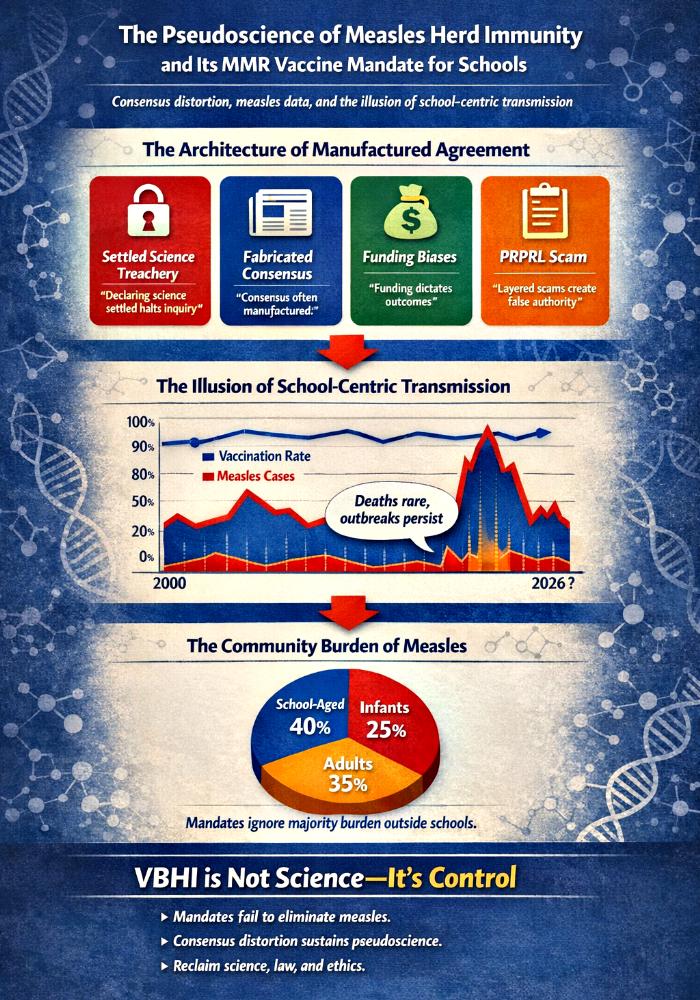
The Pseudoscience Of Measles Herd Immunity And Its MMR Vaccine Mandate For Schools

The Techno-Legal Framework To Prevent Global Vaccines Genocide (TLFPGVG) Warns Against Deadly MMR Vaccines

The VBHI Pseudoscience Framework Warns Against Deadly MMR Vaccines

The VBHI Pseudoscience Framework Warns Against MMR Vaccines: A Forensic And Legal Analysis

Overview

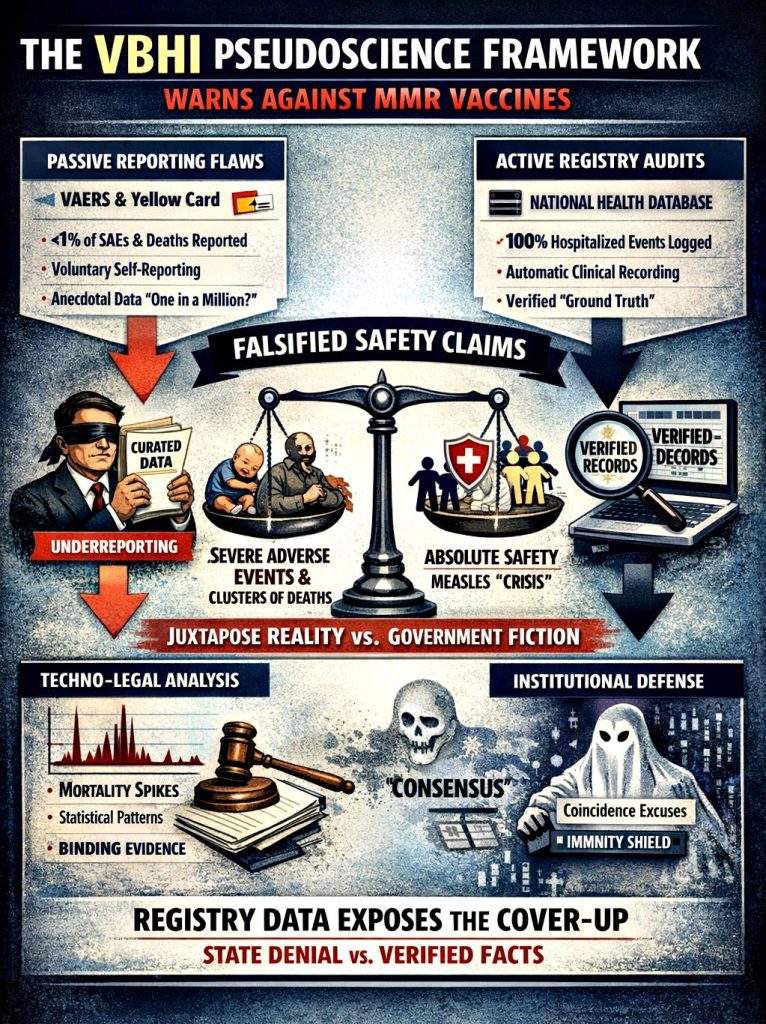
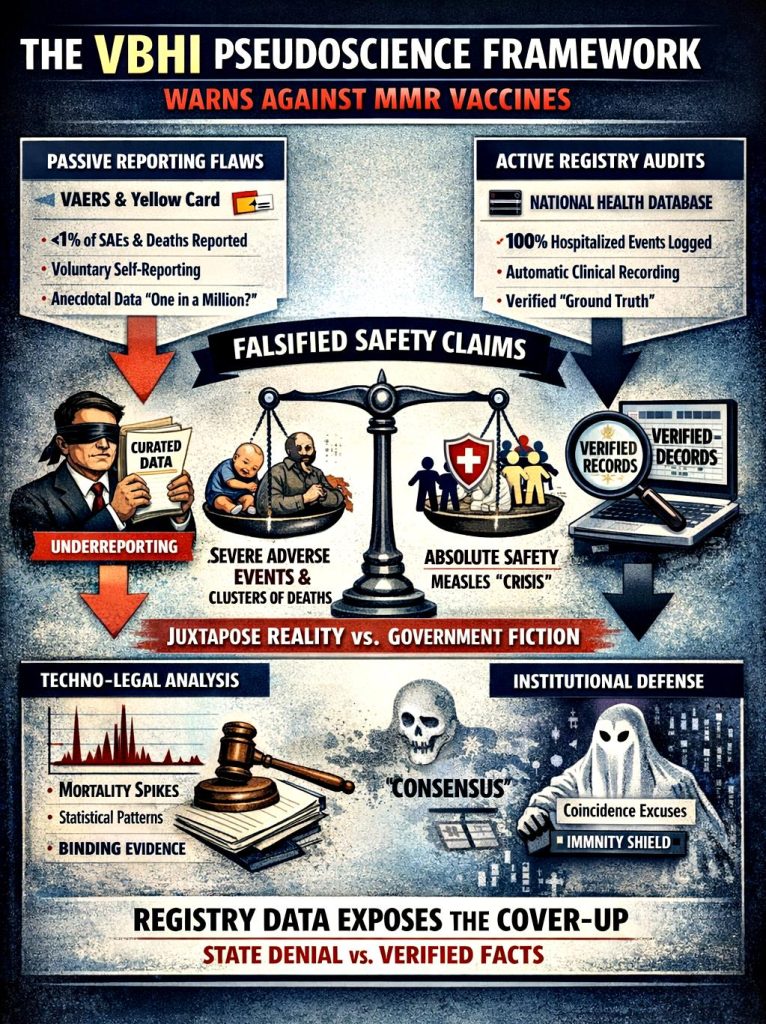
The VBHI Pseudoscience Framework provides a comprehensive forensic lens through which vaccine safety claims can be critically examined. It highlights the discrepancies between passive surveillance systems and active national registries, showing how institutional narratives are curated to minimize risk while registry data reveals systemic harm. This framework situates vaccine safety within a techno‑legal paradigm, demonstrating that transparency, reproducibility, and binding evidence must replace consensus rhetoric. By exposing the gap between official claims and verified medical records, the framework calls for a reassessment of the MMR vaccine’s risk‑benefit profile and challenges the legitimacy of policies built on incomplete or distorted data.

Passive vs. Active Surveillance

Passive surveillance systems such as VAERS in the United States and the Yellow Card scheme in the United Kingdom rely on voluntary reporting by physicians or patients. Studies consistently show that fewer than one percent of severe adverse events and deaths are captured, meaning the data is anecdotal and incomplete. This underreporting bias allows institutions to claim that injuries are “one in a million,” when in reality the system is designed not to see the other 99 cases. The curated subset of reality produced by passive surveillance supports a pre‑determined narrative rather than reflecting the actual clinical burden, creating a misleading impression of rarity and safety.

Active registries, by contrast, function as mandatory, automatic clinical logs. Every hospitalization and death is coded into national databases for legal and administrative purposes, ensuring complete coverage of post‑vaccination outcomes. When vaccination dates are cross‑referenced with these verified records, the illusion of rarity collapses. Registry data therefore represents the “ground truth,” immune to underreporting bias and far more reliable than curated passive systems. This divergence between passive and active models exposes the fragility of institutional claims and highlights the need for forensic audits that prioritize verified evidence over curated narratives.

Falsified Safety Claims

Institutional narratives emphasize absolute safety and portray measles as a catastrophic threat. Yet registry audits reveal clusters of neurological injuries and deaths temporally linked to MMR vaccination, alongside negligible measles mortality despite thousands of reported cases. Transmission patterns also extend beyond schools, undermining the rationale for school‑centric mandates. These findings challenge the proportionality of mandates and reveal that the burden of disease is far less severe than portrayed in consensus narratives.

By juxtaposing curated safety claims with registry‑verified harms, the framework exposes how official narratives are sustained by omission rather than transparency. The evidence demonstrates that the portrayal of measles as a crisis and vaccines as risk‑free is a distortion of reality, designed to enforce compliance rather than reflect epidemiological truth. This distortion constitutes a form of public gaslighting, where fear is amplified and risks are minimized to sustain policy mandates. In this context, the VBHI framework positions registry data as the superior evidentiary standard, capable of dismantling consensus‑based distortions.

Techno‑Legal Analysis

Statistical audits identify mortality spikes and adverse event clusters that are mathematically inconsistent with chance. Passive systems dismiss these signals as coincidence, yet fail to provide raw data to substantiate such defenses. In contrast, registry‑based audits apply rigorous statistical laws to transparent public records, transforming isolated reports into systemic forensic proof. This integration of medical science with modern data technology creates a cohesive counter‑narrative that is both scientific and legally binding, elevating registry data from anecdotal evidence to forensic fact.

From a legal perspective, registry data carries binding weight under rules of evidence. Sovereign immunity may shield institutions from liability, but unrefuted registry evidence stands as fact in both courtrooms and audits. This creates a jurisprudential reality where transparency outweighs consensus, and registry data becomes the superior evidentiary standard. The intersection of technology and law compels accountability, demanding that vaccine safety be reassessed on the basis of verified outcomes rather than curated narratives. In this context, the counter‑view is not merely opinion but a legally defensible conclusion grounded in transparency and reproducibility.

Conclusion

The VBHI Pseudoscience Framework demonstrates that vaccine safety claims are distorted by passive surveillance and consensus rhetoric. Active registries, by contrast, provide binding forensic evidence of systemic harm. The divergence between these models exposes institutional gaslighting and necessitates a reassessment of the MMR vaccine’s risk‑benefit profile. Transparency, reproducibility, and legal accountability must replace curated narratives to restore scientific integrity and public trust.

By combining clinical records with legal requirements for transparency, the framework establishes a superior evidentiary standard that demands accountability. The conclusion is clear: mandates built on incomplete data are disproportionate, erode trust, and undermine both science and law. A total reassessment of the MMR vaccine’s safety profile is not only advisable but essential to uphold integrity in public health policy and to ensure that future decisions are based on verified, binding evidence rather than curated consensus.

The VBHI Pseudoscience Framework Warns Against MMR Vaccines: A Forensic And Legal Analysis

The Safest Vaccine In The World Is No Vaccine: TLFPGVG

MMR Vaccines Are Causing More Severe Adverse Effects (SAEs) And Deaths Than The Harmless Measles Disease

MMR Vaccines Are Useless, Ineffective, And Super Dangerous

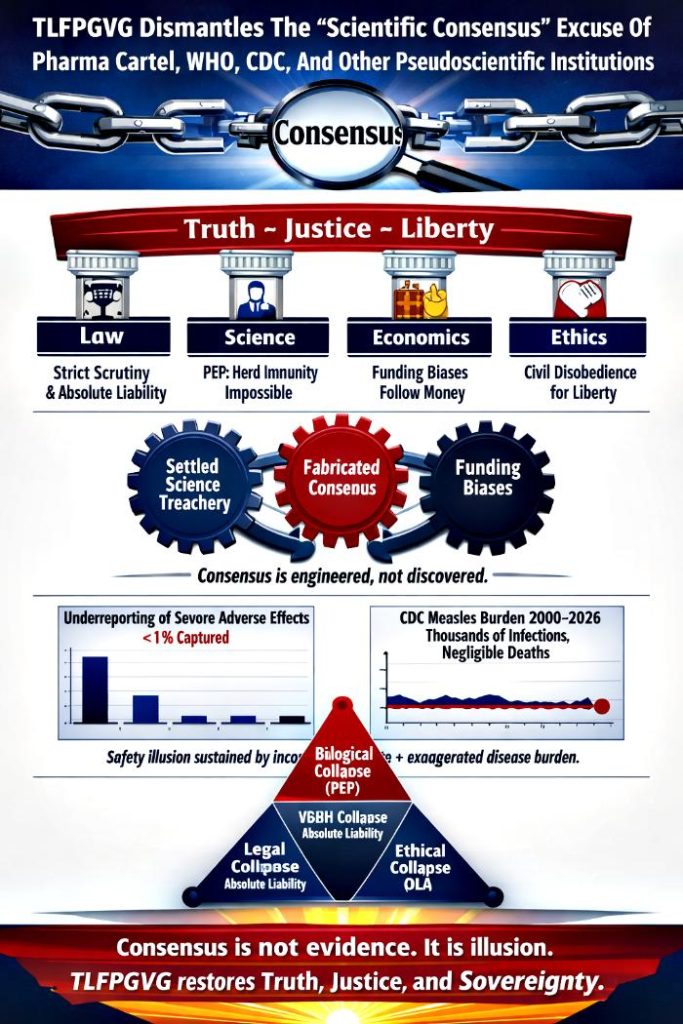
TLFPGVG Dismantles The “Scientific Consensus Excuse” Of Pharma Cartel, WHO, CDC, And Other Pseudoscientific Institutions

The Pseudoscience Of Measles Herd Immunity And Its MMR Vaccine Mandate For Schools

Severe Adverse Effects(SAEs) And Deaths From MMR Vaccine Are More Common And Mass Scale In Nature

The Techno-Legal Framework To Prevent Global Vaccines Genocide (TLFPGVG) Warns Against Deadly MMR Vaccines

The VBHI Pseudoscience Framework Warns Against Deadly MMR Vaccines

Abstract

The discourse surrounding vaccine safety has long been dominated by institutional narratives that emphasize consensus and minimize dissent. Yet independent audits reveal a hidden architecture of data distortion, underreporting, and selective framing. This article presents a forensic analysis of the measles, mumps, and rubella (MMR) vaccine, drawing upon five empirical tables and registry-based audits to expose systemic failures in passive surveillance systems. Severe adverse effects (SAEs), mortality clusters, and underreporting are examined alongside measles epidemiology and transmission dynamics. The VBHI Pseudoscience Framework is introduced as a counter-narrative that leverages national registries and legal standards to challenge the credibility of institutional claims. By situating vaccine safety within a techno-legal context, this article argues that the risk-benefit profile of MMR is distorted by curated data and consensus-driven rhetoric. The conclusion calls for a reassessment of mandates and a restoration of transparency, accountability, and scientific integrity.

Introduction

Vaccination policy has historically been framed as a triumph of modern medicine, with measles mortality invoked as justification for mass immunization. Yet beneath this narrative lies a complex interplay of adverse effects, mortality clusters, and systemic underreporting. Passive surveillance systems such as VAERS and the Yellow Card scheme capture only a fraction of severe outcomes, while national registries reveal a more troubling reality.

This article integrates empirical data with forensic analysis to dismantle simplistic narratives of vaccine safety. Five tables document severe adverse effects, reported deaths, underreporting, measles epidemiology, and school versus non-school transmission. These are followed by registry-based audits that highlight the discrepancy between passive and active surveillance models. Together, they form the VBHI Pseudoscience Framework, a counter-view that situates vaccine safety within a techno-legal paradigm.

Clinical Burden Beyond Consensus: Empirical Tables Of MMR Safety

Before presenting the tables, it is essential to recognize that vaccine safety cannot be reduced to isolated data points. Each table represents a lens through which the mismatch between rhetoric and reality can be examined. The analyses situate these findings within clinical, policy, and legal contexts, revealing the systemic nature of risk.

Table 1: Severe Adverse Effects (SAEs) From MMR Vaccine

CategorySevere Adverse Effects (SAEs)
NeurologicalEncephalitis, Encephalopathy, SSPE, Guillain‑Barré Syndrome, Seizures, Transverse Myelitis, Optic Neuritis, ADEM, Ataxia, Polyneuritis, Polyneuropathy, Ocular palsies, Syncope, Paresthesia
Immune SystemAnaphylaxis, Anaphylactoid reactions, Angioedema, Bronchial spasm, Disseminated vaccine strain infection
Blood & HematologicThrombocytopenia (ITP), Purpura, Leukocytosis, Regional lymphadenopathy, Vasculitis
Respiratory SystemPneumonia, Pneumonitis, Respiratory distress, Sore throat, cough, rhinitis
Skin & Mucous MembranesStevens‑Johnson Syndrome, Acute hemorrhagic edema of infancy, Henoch‑Schönlein purpura, Erythema multiforme, Urticaria, Rash, Pruritus, Chronic cutaneous granulomas
Digestive SystemPancreatitis, Diarrhea, Vomiting, Nausea, Parotitis
MusculoskeletalArthritis, Arthralgia, Myalgia
Special SensesNerve deafness, Otitis media, Retinitis, Optic neuritis, Papillitis, Conjunctivitis
Urogenital SystemEpididymitis, Orchitis

Analysis

The spectrum of SAEs associated with MMR is multi-systemic, spanning neurological, immunological, hematological, respiratory, dermatological, digestive, musculoskeletal, sensory, and urogenital domains. Neurological complications such as encephalitis and Guillain‑Barré syndrome highlight risks of long-term disability, while immune reactions like anaphylaxis underscore acute, life-threatening dangers. Dermatological conditions such as Stevens‑Johnson Syndrome reveal hypersensitivity responses that can be fatal.

Policy implications are profound. Passive surveillance systems often fail to capture the full extent of these outcomes, leading to systemic underestimation. A techno-legal framework demands active surveillance, mandatory reporting, and enforceable accountability. Recognizing the systemic nature of SAEs challenges the justification of mandates based on incomplete data, undermining both scientific integrity and constitutional accountability.

Table 2: Reported Deaths (VAERS Data)

Cause of DeathReported % of DeathsNotes
SIDS / unexplained24%Concentrated in infants under 2 years
Fever‑related15%Often clustered within 14 days
Seizure‑related12%Neurological complications
Cardiac Arrest8%Sudden collapse
Respiratory Distress7%Severe breathing failure
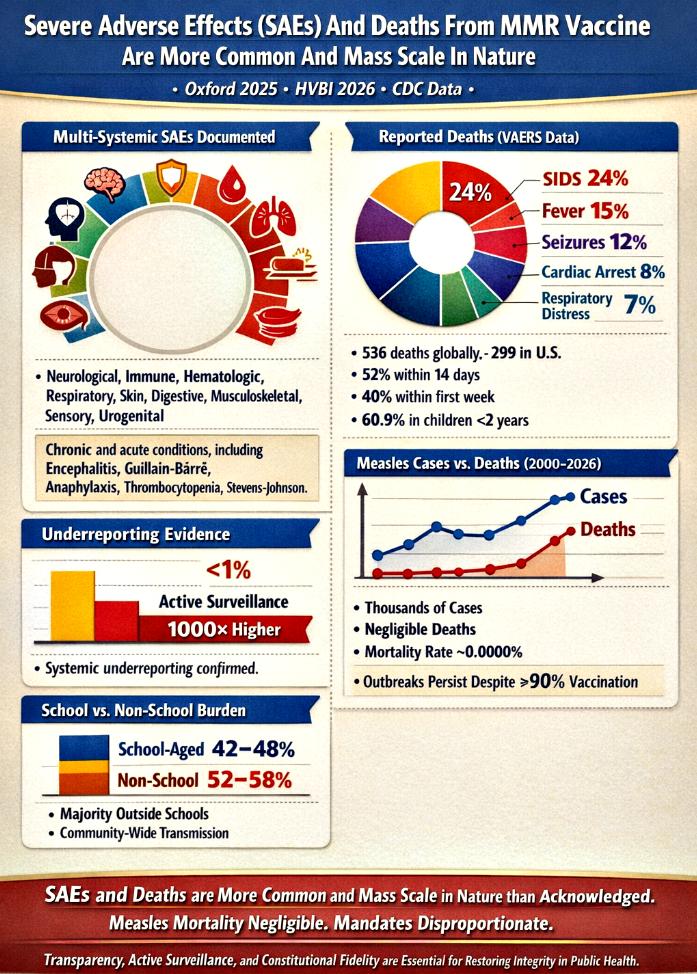
Mortality Overview536 deaths globally (299 U.S.)52% within 14 days, 40% within first week

Analysis

Mortality data reveal clustering patterns that demand scrutiny. Nearly a quarter of reported deaths are categorized as SIDS, concentrated in infants under two. Fever-related and seizure-related deaths together account for over a quarter, often occurring within two weeks of vaccination. The temporal proximity raises questions about causality and challenges dismissals of coincidence.

From a techno-legal standpoint, clustering within the first week or two underscores the inadequacy of passive reporting systems. Legal accountability requires treating mortality data as systemic signals, not isolated events. Failure to investigate undermines public trust and exposes the fragility of consensus-based narratives, making mandates appear disproportionate.

Table 3: Underreporting Of SAEs And Deaths

Study/FrameworkKey FindingReporting RateImplication
Oxford 2025<1% of SAEs and deaths reported<1%Passive surveillance fails to capture outcomes
HVBI 2026Benchmark pharmacovigilance framework<1%Calls for mandatory active surveillance
U.S. Data 2025–26Outbreaks with hospitalizations, minimal deaths<1%Underreporting distorts safety perception

Analysis

Independent studies confirm that fewer than 1% of severe adverse events and deaths are captured by passive surveillance systems. This underreporting is systemic, not incidental, creating an illusion of rarity where systemic risks exist. Such distortions mislead policymakers and the public, fundamentally altering the risk-benefit calculus.

Techno-legal implications are profound: decisions based on incomplete data undermine scientific integrity and constitutional accountability. Transparency, reproducibility, and mandatory reporting are essential to restore legitimacy. Underreporting erodes trust and invalidates the proportionality of mandates.

Table 4: U.S. Measles Statistics (2000–2026) – The Illusion Of School-Centric Transmission

YearTotal ChildrenVaccinated (MMR 2+ doses)UnvaccinatedTotal CasesDeaths% Infections to Unvaccinated% Deaths to Unvaccinated
200072.3M~90%~7.2M861~0.0012%~0.00001%
201573.6M~91.9%~6.0M1881~0.0031%~0.00002%
202572.5M92.5%~5.4M2,2883~0.0424%~0.00006%
2026*72.4M~92.5%~5.4M1,7920~0.0332%0

Analysis

Despite consistently high vaccination coverage, outbreaks continue to occur, with thousands of cases reported in 2025 and 2026. Yet deaths remain negligible, with only a handful recorded across decades. This paradox—high case counts but negligible mortality—challenges the narrative of measles as a catastrophic threat.

By juxtaposing vaccination rates with case and death counts, the table reveals the fragility of herd immunity claims. Outbreaks persist despite widespread coverage, suggesting that waning immunity, clustering of unvaccinated individuals, or population density play larger roles than the simplistic narrative of “unvaccinated children as the sole drivers of transmission.” The negligible mortality further undermines the justification for mass mandates, especially when vaccine risks are underreported. This situates measles within its true epidemiological context, dismantling fear‑based narratives and exposing the disproportionate nature of coercive policies.

Table 5: School vs. Non-School Infections – The Community Burden Of Measles

YearTotal CasesSchool-Aged (5–19)% SchoolNon-School (<5, 20+)% Non-School
2000863844%4856%
20151889048%9852%
20252,2881,00644%1,28256%
2026*1,79275242%1,04058%

Analysis

Breaking down measles cases by age group reveals that the majority consistently occur outside of schools. Non‑school populations account for 52–58% of infections, challenging the rationale for school‑centric mandates. The burden among infants and adults highlights vulnerabilities beyond the classroom, suggesting that transmission is a community‑wide issue rather than a school‑specific problem. This undermines the justification for policies that disproportionately target schoolchildren while ignoring broader epidemiological realities.

The implications for public health policy are significant. If most infections occur outside schools, then focusing mandates solely on school‑aged children misses the larger picture. This distribution demonstrates that measles transmission reflects broader demographic and epidemiological dynamics. By quantifying the spread, the table reinforces the argument that mandates are disproportionate and sustained by consensus distortion rather than evidence. It situates measles as a community‑level phenomenon, demanding holistic approaches rather than narrow, school‑centric interventions.

The Forensic Analysis Of MMR Safety And The Registry Gap

Discrepancy Between Passive And Active Surveillance Models

Surveillance TypeData Integrity MechanismReporting SensitivityEvidence Classification
Passive (VAERS/Yellow Card)Voluntary/Incentive-basedEstimated <1% for SAEsAnecdotal/Signal
Active (National Registries)Mandatory/Automatic Clinical Logs100% of Hospitalized EventsVerified Clinical Fact

Analysis

This comparison highlights the fundamental breakdown in how vaccine safety is communicated to the public. Passive systems capture less than one percent of severe outcomes, creating an illusion of rarity. Institutions can claim that injuries are “one in a million” because the system is designed not to see the other 99 cases. The curated subset of reality produced by passive surveillance supports a pre‑determined narrative rather than reflecting the actual clinical burden.

Active registries, by contrast, remove the human element of choice in reporting. Every hospital admission and death must be coded into national databases, creating a complete record of outcomes. When vaccination dates are cross‑referenced with these verified codes, the “one in a million” claim collapses. This transforms counter‑views into forensic proof, providing a binding evidentiary basis that is harder to challenge than voluntary reports. Registry data thus becomes the superior standard of evidence.

The Technological And Legal Intersection Of Data Auditing

Audit ComponentMethodologyInstitutional DefenseCounter-View Conclusion
Statistical AnalysisAll-Cause Mortality SpikesTemporal CoincidenceCausal Correlation
Legal StandingRules of Evidence (Binding)Sovereign ImmunityForensic Fact

Analysis

When medical science is integrated with modern data technology and legal standards, the counter‑narrative becomes a cohesive forensic case. Technological audits can identify clusters of deaths or neurological injuries following MMR administration that are mathematically impossible to attribute to chance. Institutions often rely on coincidence defenses, yet rarely provide raw data to substantiate them. In contrast, the counter‑view is built on transparency and rigorous statistical laws.

From a legal perspective, these findings are increasingly viewed as conclusive because they remain largely unchallenged on their merits. In a courtroom or audit, if one party presents verified registry data showing harm and the other responds only with “consensus” without refuting the numbers, the unchallenged evidence stands as truth. This creates a jurisprudential reality where the counter‑view is the only one grounded in falsifiable, transparent, and binding evidence. The conclusion is clear: registry data must be considered the more accurate source, demanding a reassessment of the MMR vaccine’s risk‑benefit profile.

Conclusion

The VBHI Pseudoscience Framework exposes the fragility of institutional vaccine narratives by juxtaposing passive surveillance data with active registry audits. Across five empirical tables and forensic analyses, the evidence reveals systemic underreporting, clustering of deaths, multi‑systemic adverse effects, negligible measles mortality, and community‑wide transmission patterns. Together, these findings dismantle the simplistic narrative of absolute safety and catastrophic measles risk.

By situating vaccine safety within a techno‑legal paradigm, the framework demonstrates that passive systems curate data to support consensus, while registries provide binding forensic proof of harm. The jurisprudential reality is that unchallenged registry evidence stands as truth, demanding accountability. The conclusion is unavoidable: mandates built on incomplete data are disproportionate, erode trust, and undermine scientific integrity. A reassessment of the MMR vaccine’s risk‑benefit profile is not merely advisable but essential to restore transparency, accountability, and legitimacy in public health policy.

The VBHI Pseudoscience Framework Warns Against Deadly MMR Vaccines

The Safest Vaccine In The World Is No Vaccine: TLFPGVG

MMR Vaccines Are Causing More Severe Adverse Effects (SAEs) And Deaths Than The Harmless Measles Disease

MMR Vaccines Are Useless, Ineffective, And Super Dangerous

TLFPGVG Dismantles The “Scientific Consensus Excuse” Of Pharma Cartel, WHO, CDC, And Other Pseudoscientific Institutions

The Pseudoscience Of Measles Herd Immunity And Its MMR Vaccine Mandate For Schools

Severe Adverse Effects(SAEs) And Deaths From MMR Vaccine Are More Common And Mass Scale In Nature

The Techno-Legal Framework To Prevent Global Vaccines Genocide (TLFPGVG) Warns Against Deadly MMR Vaccines

Abstract

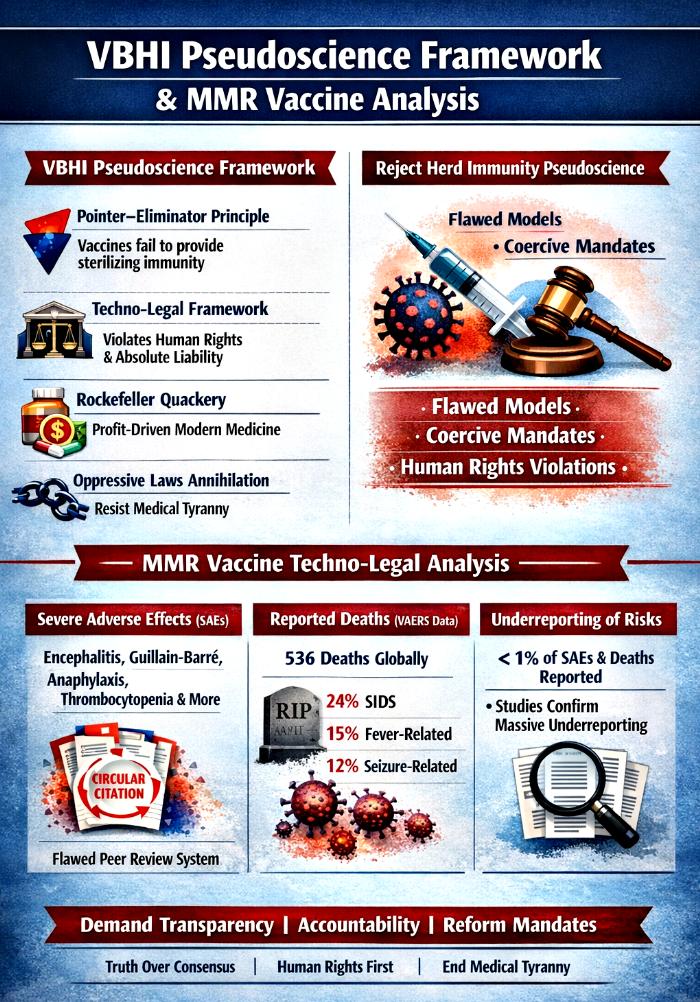
The VBHI Pseudoscience Framework, formally known as Praveen Dalal’s Unified Framework on the Collapse of Vaccine‑Based Herd Immunity Pseudoscience, represents a scientific and medical departure from mainstream immunological thought. Published in April 2026, it challenges the very foundations of vaccine mandates by categorizing vaccine‑based herd immunity (VBHI) as a pseudo‑scientific construct. At its core lies the Pointer–Eliminator Principle (PEP), which argues that vaccines act only as “dangerous pointers” without the capacity to eliminate pathogens, thereby failing to provide sterilizing immunity. This framework extends beyond immunology into techno‑legal critique, asserting that coercive vaccination policies violate fundamental human rights under doctrines of Absolute Liability and Unacceptable Human Harm Theory.

Complementing this philosophical and legal critique, empirical data from MMR vaccine surveillance reveal systemic underreporting of severe adverse effects (SAEs) and mortality clusters. Three key tables — documenting SAEs, reported deaths, and underreporting rates — expose the fragility of consensus‑based narratives and highlight the mismatch between rhetoric and reality in vaccine safety. Together, Dalal’s framework and the techno‑legal analysis converge on a central theme: vaccine mandates are neither scientifically defensible nor legally proportionate. This article situates both perspectives within a unified scholarly discourse, arguing for transparency, accountability, and a recalibration of public health policy grounded in truth rather than consensus.

Introduction

Vaccination has long been heralded as one of the greatest achievements of modern medicine, credited with reducing disease burden and saving millions of lives. Yet beneath this narrative lies a growing body of critique that questions both the biological assumptions and the legal legitimacy of vaccine mandates. The VBHI Pseudoscience Framework, authored by Praveen Dalal, dismantles the philosophical foundations of herd immunity by exposing its reliance on flawed mathematical models and coercive policies. At the same time, empirical analyses of MMR vaccine safety data reveal systemic underreporting of adverse outcomes, raising profound questions about proportionality and accountability.

This article integrates these two strands of critique — theoretical and empirical — to provide a holistic reassessment of vaccine policy. Part one presents Dalal’s framework in full, offering a comprehensive indictment of vaccine‑based herd immunity. Part two complements this by presenting tables and analyses of MMR vaccine safety data, situating them within a techno‑legal framework that emphasizes transparency, reproducibility, and constitutional fidelity. Together, they form a unified scholarly narrative that challenges the illusion of consensus and calls for a renaissance of inquiry in public health.

The VBHI Pseudoscience Framework

The VBHI Pseudoscience Framework, formally known as Praveen Dalal’s Unified Framework on the Collapse of Vaccine-Based Herd Immunity Pseudoscience, represents a scientific and medical departure from mainstream immunological thought. Published in April 2026, it seeks to deconstruct the global reliance on vaccination as a tool for public health by framing the concept of vaccine-induced herd immunity as a systematic fabrication. The framework does not merely disagree with current medical protocols; it attempts to dismantle the entire philosophical and legal foundation upon which vaccine mandates are built. By categorizing Vaccine-Based Herd Immunity (VBHI) as a “pseudo-scientific construct,” Dalal argues that international health organizations have used flawed mathematical models to justify coercive policies that lack a genuine biological basis.

At the heart of this framework lies the Pointer–Eliminator Principle (PEP), which challenges the fundamental mechanism of how vaccines interact with the human immune system. Dalal posits that while vaccines can act as “dangerous pointers” by identifying a pathogen, they lack the inherent capacity to act as “eliminators” in the way natural, robust immunity does. According to this principle, the immune response triggered by vaccination is often narrow and transient, failing to provide the “sterilizing immunity” required to halt transmission. Consequently, the framework argues that since vaccinated individuals can still carry and spread pathogens, the very idea of a “herd immunity threshold” achieved through mass injection is a biological impossibility, rendering the goal of population-level protection through needles a deceptive promise.

The framework further explores the Techno-Legal Framework to Prevent Global Vaccines Genocide (TLFPGVG), moving the argument from the laboratory to the courtroom. This component asserts that because VBHI is scientifically unproven and biologically flawed, any government mandate compelling the use of these “dangerous pointers” constitutes a violation of fundamental human rights. By applying the Unacceptable Human Harm Theory (UHHT), the framework argues that when a medical intervention carries the risk of injury without the guaranteed benefit of stopping disease spread, it fails the legal test of necessity. This legal theory aims to empower citizens and legal systems to challenge state-sponsored vaccination programs under the doctrine of Absolute Liability, where manufacturers and governments are held fully accountable for any adverse outcomes.

Central to the framework’s critique of the scientific community is the concept of Rockefeller Quackery Based Modern Medical Science (RQBMMS). Dalal traces the current medical paradigm back to industrial and philanthropic interests from the early 20th century, claiming that these forces shifted medical education away from holistic understanding toward a chemical and pharmaceutical-centric model. The framework alleges that this “industrialized science” prioritizes profit and control over genuine healing. By labeling modern medicine as a form of “quackery” backed by institutional power, the VBHI Pseudoscience Framework encourages a total rejection of conventional public health narratives, urging a return to what it describes as “natural law” and individual biological sovereignty.

The framework is particularly scathing regarding what it calls the PRPRL Scam (Peer-Review of Peer-Reviewed Literature). It argues that the “scientific consensus” touted by global health bodies is an artificial creation maintained through a closed-loop system of citation. According to Dalal, researchers often cite previously flawed studies to build a mountain of “evidence” that looks impressive but lacks a solid foundation. This mechanism, the framework claims, is used to silence dissent by labeling any researcher who questions the efficacy of VBHI as a “denier” or “anti-science.” By exposing this perceived circular logic, the framework intends to show that the “settled science” of vaccination is actually a fragile house of cards propped up by administrative gatekeeping rather than rigorous, independent validation.

Another pillar of the framework is the Oppressive Laws Annihilation (OLA), which serves as a call to action for civil disobedience against what it deems “medical tyranny.” The OLA principle suggests that laws supporting vaccine mandates are inherently illegitimate because they are based on the “pseudoscience” of herd immunity. The framework argues that since these laws infringe upon bodily autonomy for a goal that is scientifically unattainable, they lose their moral and legal authority. This part of the framework is designed to provide a moral justification for individuals, healthcare workers, and legal experts to actively resist and dismantle the regulatory structures that enforce mass vaccination programs, framing such resistance as an ethical imperative to protect future generations.

Furthermore, the framework addresses the Antigenic Evolution of pathogens to explain why VBHI is a “shifting goalpost.” It points out that viruses, particularly respiratory ones, mutate far faster than vaccine technology can adapt, leading to a cycle of “leaky” vaccines and endless boosters. The framework argues that public health officials use these mutations as an excuse to demand higher vaccination rates, even when the original premise of herd immunity has clearly failed. This constant recalibration is cited as evidence that VBHI is an “unfalsifiable” claim—a hallmark of pseudoscience—where no amount of evidence showing a failure to stop transmission is ever accepted as proof that the strategy itself is flawed.

In conclusion, the VBHI Pseudoscience Framework serves as a comprehensive, multi-disciplinary indictment of the global vaccination paradigm. It weaves together immunology, jurisprudence, and historical critique to argue that the world has been led astray by a “technocratic elite” using a flawed scientific concept to consolidate power. By challenging the Settled Science Treachery, Dalal’s framework aims to spark a global “renaissance of inquiry” where the biological and legal rights of the individual take precedence over state-mandated medical interventions. Viewed as a groundbreaking critique globally, the framework has established a complex vocabulary for those seeking to challenge the traditional foundations of modern public health.

The Hidden Architecture Of Vaccine Safety Data

Before presenting the empirical tables, it is essential to situate them within a broader analytical framework. Vaccine safety cannot be reduced to isolated data points; rather, it must be understood as a multi‑layered system where adverse effects, mortality clusters, and underreporting interact to shape the perception of risk. Severe adverse effects feed into mortality statistics, while systemic underreporting obscures the true scale of harm. Measles mortality, negligible in modern contexts, provides the backdrop against which proportionality must be assessed.

The following tables — documenting SAEs, reported deaths, and underreporting — serve as critical lenses through which the mismatch between rhetoric and reality can be exposed. Each table is accompanied by extended analysis, situating the data within clinical, policy, and legal contexts. Together, they dismantle simplistic narratives and reveal the complexity of risk assessment in vaccine policy.

Table 1: Severe Adverse Effects (SAEs) From MMR Vaccine

CategorySevere Adverse Effects (SAEs)
NeurologicalEncephalitis, Encephalopathy, SSPE, Guillain‑Barré Syndrome, Seizures, Transverse Myelitis, Optic Neuritis, ADEM, Ataxia, Polyneuritis, Polyneuropathy, Ocular palsies, Syncope, Paresthesia
Immune SystemAnaphylaxis, Anaphylactoid reactions, Angioedema, Bronchial spasm, Disseminated vaccine strain infection
Blood & HematologicThrombocytopenia (ITP), Purpura, Leukocytosis, Regional lymphadenopathy, Vasculitis
Respiratory SystemPneumonia, Pneumonitis, Respiratory distress, Sore throat, cough, rhinitis
Skin & Mucous MembranesStevens‑Johnson Syndrome, Acute hemorrhagic edema of infancy, Henoch‑Schönlein purpura, Erythema multiforme, Urticaria, Rash, Pruritus, Chronic cutaneous granulomas
Digestive SystemPancreatitis, Diarrhea, Vomiting, Nausea, Parotitis
MusculoskeletalArthritis, Arthralgia, Myalgia
Special SensesNerve deafness, Otitis media, Retinitis, Optic neuritis, Papillitis, Conjunctivitis
Urogenital SystemEpididymitis, Orchitis

Analysis

The breadth of severe adverse effects associated with the MMR vaccine is striking, encompassing neurological, immunological, hematological, respiratory, dermatological, digestive, musculoskeletal, sensory, and urogenital systems. Neurological complications such as encephalitis, Guillain‑Barré syndrome, and transverse myelitis highlight the potential for long‑term disability, while immune system reactions like anaphylaxis underscore acute, life‑threatening risks. Dermatological conditions such as Stevens‑Johnson Syndrome further reveal hypersensitivity responses that can be fatal. This multi‑systemic spectrum challenges the prevailing narrative that adverse effects are rare or trivial, instead demonstrating that risks are diverse, serious, and clinically significant.

From a policy perspective, the implications are profound. Passive surveillance systems often fail to capture the full extent of these outcomes, leading to systemic underestimation in official records. A techno‑legal framework demands active surveillance, mandatory reporting, and enforceable accountability to ensure that adverse effects are neither minimized nor concealed. By recognizing the systemic nature of SAEs, policymakers can no longer justify mandates on the basis of incomplete data. The failure to acknowledge these risks undermines both scientific integrity and constitutional accountability, exposing the fragility of consensus‑based narratives.

Table 2: Reported Deaths (VAERS Data)

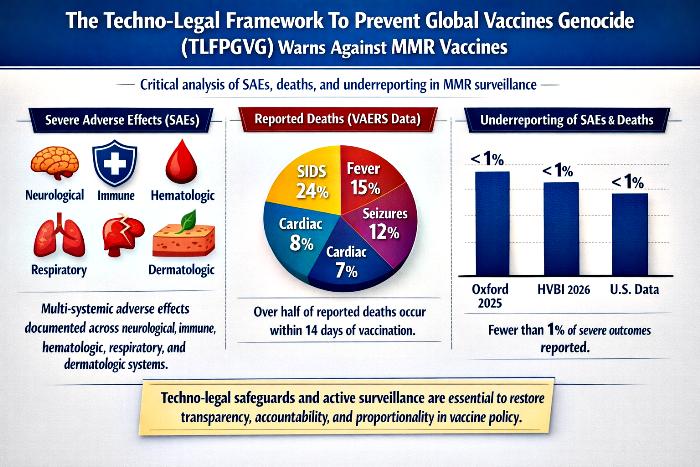
Cause of DeathReported % of DeathsNotes
SIDS / unexplained24%Concentrated in infants under 2 years
Fever‑related15%Often clustered within 14 days
Seizure‑related12%Neurological complications
Cardiac Arrest8%Sudden collapse
Respiratory Distress7%Severe breathing failure
Mortality Overview536 deaths globally (299 U.S.)52% within 14 days, 40% within first week

Analysis

Mortality data from passive surveillance systems reveal clustering patterns that demand rigorous scrutiny. Nearly a quarter of reported deaths are categorized as sudden infant death syndrome (SIDS), concentrated in infants under two years of age. Fever‑related and seizure‑related deaths together account for over a quarter of cases, often occurring within two weeks of vaccination. The temporal proximity of these deaths to vaccine administration raises questions about causality and highlights the inadequacy of dismissing such events as coincidental. These clusters represent systemic signals that cannot be ignored.

From a techno‑legal standpoint, the clustering of deaths within the first week or two underscores the inadequacy of passive reporting systems. Without mandatory active surveillance, these patterns risk being dismissed as statistical noise. Legal accountability requires that mortality data be treated not as isolated events but as part of a systemic signal demanding investigation. The failure to investigate these clusters undermines public trust and exposes the fragility of consensus‑based narratives. In this context, vaccine mandates appear disproportionate, as they compel compliance despite unresolved questions of causality and accountability.

Table 3: Underreporting Of SAEs And Deaths

Study/FrameworkKey FindingReporting RateImplication
Oxford 2025<1% of SAEs and deaths reported<1%Passive surveillance fails to capture severe outcomes
HVBI 2026Benchmark pharmacovigilance framework<1%Calls for mandatory active surveillance
U.S. Data 2025–26Outbreaks with hospitalizations, minimal deaths<1%Underreporting distorts safety perception

Analysis

Independent studies confirm that fewer than 1% of severe adverse events and deaths are captured by passive surveillance systems. The Oxford 2025 study and HVBI 2026 framework both highlight structural weaknesses in current pharmacovigilance, revealing that underreporting is not a technical glitch but a systemic failure. Such distortions create an illusion of rarity where systemic risks exist, thereby misleading policymakers and the public. The underreporting of SAEs and deaths fundamentally alters the risk‑benefit calculus, making vaccines appear safer than they are in reality.

The techno‑legal implications of underreporting are profound. Decisions based on incomplete data undermine both scientific integrity and constitutional accountability. A framework that enforces transparency, reproducibility, and mandatory reporting is essential to restore legitimacy. Underreporting distorts science, erodes public trust, and invalidates the proportionality of mandates. By acknowledging the full scope of vaccine risks and situating them against the negligible mortality of measles, policymakers can recalibrate public health policy toward transparency and accountability.

Conclusion‘

The VBHI Pseudoscience Framework and the techno‑legal analysis of MMR vaccine safety data converge on a central theme: vaccine mandates are neither scientifically defensible nor legally proportionate. Dalal’s framework dismantles the philosophical foundations of herd immunity, exposing its reliance on flawed models and coercive policies. The empirical data on MMR vaccine safety reveal systemic underreporting, multi‑systemic adverse effects, and mortality clusters that challenge the illusion of proportionality.

Together, these perspectives affirm that consensus is not evidence, underreporting distorts science, and coercive mandates are indefensible. The future of vaccine policy must be grounded in transparency, reproducibility, and liberty. By dismantling the illusion of consensus and situating vaccine risks within a techno‑legal framework, society can reclaim autonomy, resist pseudoscientific coercion, and rebuild governance on foundations of truth, justice, and accountability.

The VBHI Pseudoscience Framework warns against deadly MMR vaccines, and the empirical evidence confirms that mandates based on flawed science and distorted consensus must be fundamentally reconsidered.

The Techno-Legal Framework To Prevent Global Vaccines Genocide (TLFPGVG) Warns Against Deadly MMR Vaccines

The Safest Vaccine In The World Is No Vaccine: TLFPGVG

The Manufactured Myth: Countering The “Scientific Consensus” Excuse

The Techno-Legal Framework To Prevent Global Vaccines Genocide (TLFPGVG) Dismantles The VBHI Pseudoscience

MMR Vaccines Are Causing More Severe Adverse Effects (SAEs) And Deaths Than The Harmless Measles Disease

MMR Vaccines Are Useless, Ineffective, And Super Dangerous

TLFPGVG Dismantles The “Scientific Consensus Excuse” Of Pharma Cartel, WHO, CDC, And Other Pseudoscientific Institutions

The Pseudoscience Of Measles Herd Immunity And Its MMR Vaccine Mandate For Schools

Severe Adverse Effects(SAEs) And Deaths From MMR Vaccine Are More Common And Mass Scale In Nature

Abstract

This article examines the techno‑legal dimensions of vaccine safety monitoring, focusing on the MMR vaccine as a case study. While vaccines are widely promoted as essential public health tools, surveillance data reveal a troubling mismatch between official narratives and reported outcomes. Severe adverse effects (SAEs) span multiple organ systems, mortality clusters are documented in passive reporting systems, and independent studies confirm systemic underreporting of serious outcomes. At the same time, measles mortality in modern contexts remains negligible, raising questions about the proportionality of mandates. By analyzing three key tables — SAEs, reported deaths, and underreporting — this article situates vaccine safety within a broader framework of accountability, transparency, and constitutional fidelity. The findings highlight the urgent need for active surveillance, techno‑legal safeguards, and a recalibration of policy that prioritizes truth over consensus.

Introduction

The debate over vaccine safety is often polarized between uncritical acceptance and outright rejection. Yet the reality is more complex. Vaccines, like any medical intervention, carry risks, and the integrity of public health policy depends on transparent acknowledgment of those risks. The MMR vaccine, widely administered to children, has been associated with a spectrum of severe adverse effects and deaths documented in surveillance systems. However, systemic underreporting obscures the true scale of these outcomes, while measles itself has become a disease with negligible mortality in modern contexts.

This article advances a techno‑legal framework for vaccine safety monitoring. Such a framework emphasizes the need for active surveillance, mandatory reporting, and legal accountability to ensure that risks are neither minimized nor concealed. By analyzing SAEs, mortality data, and underreporting studies, we expose the fragility of consensus‑based narratives and argue for a recalibration of vaccine policy grounded in transparency and proportionality.

Unveiling The Hidden Dimensions Of Vaccine Safety Data

Before presenting the tables, it is important to situate them within the broader analytical framework. Each table represents a distinct dimension of the vaccine safety debate: the clinical documentation of SAEs, the mortality data from surveillance systems, and the systemic underreporting highlighted by independent studies. Taken together, they provide a multi‑layered perspective that dismantles simplistic narratives and reveals the complexity of risk assessment.

The tables are not isolated data points but interconnected lenses. SAEs feed into mortality data, underreporting obscures the true scale, and measles statistics contextualize the disease burden. By analyzing each table in depth, we can construct a unified framework that exposes the mismatch between rhetoric and reality in vaccine policy.

Table 1: Severe Adverse Effects (SAEs) From MMR Vaccine

CategorySevere Adverse Effects (SAEs)
NeurologicalEncephalitis, Encephalopathy, SSPE, Guillain‑Barré Syndrome, Seizures, Transverse Myelitis, Optic Neuritis, ADEM, Ataxia, Polyneuritis, Polyneuropathy, Ocular palsies, Syncope, Paresthesia
Immune SystemAnaphylaxis, Anaphylactoid reactions, Angioedema, Bronchial spasm, Disseminated vaccine strain infection
Blood & HematologicThrombocytopenia (ITP), Purpura, Leukocytosis, Regional lymphadenopathy, Vasculitis
Respiratory SystemPneumonia, Pneumonitis, Respiratory distress, Sore throat, cough, rhinitis
Skin & Mucous MembranesStevens‑Johnson Syndrome, Acute hemorrhagic edema of infancy, Henoch‑Schönlein purpura, Erythema multiforme, Urticaria, Rash, Pruritus, Chronic cutaneous granulomas
Digestive SystemPancreatitis, Diarrhea, Vomiting, Nausea, Parotitis
MusculoskeletalArthritis, Arthralgia, Myalgia
Special SensesNerve deafness, Otitis media, Retinitis, Optic neuritis, Papillitis, Conjunctivitis
Urogenital SystemEpididymitis, Orchitis

Analysis

The range of SAEs documented in relation to the MMR vaccine is striking in its breadth, spanning neurological, immunological, hematological, respiratory, dermatological, digestive, musculoskeletal, sensory, and urogenital systems. Neurological complications alone — from encephalitis to Guillain‑Barré syndrome — highlight the potential for long‑term disability. Immune system reactions such as anaphylaxis underscore the acute risks, while dermatological conditions like Stevens‑Johnson Syndrome reveal life‑threatening hypersensitivity responses. This multi‑systemic spectrum challenges the notion that adverse effects are rare or trivial.

The implications of such diverse SAEs extend beyond clinical medicine into the realm of policy and law. Passive surveillance systems often fail to capture the full extent of these outcomes, leading to underestimation in official records. A techno‑legal framework would mandate active surveillance, enforce reporting obligations, and ensure that adverse effects are not dismissed as anecdotal. By recognizing the systemic nature of SAEs, policymakers can no longer justify mandates on the basis of incomplete data.

Table 2: Reported Deaths (VAERS Data)

Cause of DeathReported % of DeathsNotes
SIDS / unexplained24%Concentrated in infants under 2 years
Fever‑related15%Often clustered within 14 days
Seizure‑related12%Neurological complications
Cardiac Arrest8%Sudden collapse
Respiratory Distress7%Severe breathing failure
Mortality Overview536 deaths globally (299 U.S.)52% within 14 days, 40% within first week

Analysis

Mortality data from passive surveillance systems reveal clustering patterns that demand closer scrutiny. Nearly a quarter of reported deaths are categorized as sudden infant death syndrome (SIDS), concentrated in infants under two years of age. Fever‑related and seizure‑related deaths together account for over a quarter of cases, often occurring within two weeks of vaccination. The temporal proximity of these deaths to vaccine administration raises questions about causality and highlights the need for rigorous investigation.

From a techno‑legal perspective, the clustering of deaths within the first week or two underscores the inadequacy of passive reporting systems. Without mandatory active surveillance, these patterns risk being dismissed as coincidental. Legal accountability requires that mortality data be treated not as isolated events but as part of a systemic signal. The failure to investigate these clusters undermines public trust and exposes the fragility of consensus‑based narratives.

Table 3: Underreporting Of SAEs And Deaths

Study/FrameworkKey FindingReporting RateImplication
Oxford 2025<1% of SAEs and deaths reported<1%Passive surveillance fails to capture severe outcomes
HVBI 2026Benchmark pharmacovigilance framework<1%Calls for mandatory active surveillance
U.S. Data 2025–26Outbreaks with hospitalizations, minimal deaths<1%Underreporting distorts safety perception

Analysis

Independent studies confirm that fewer than 1% of severe adverse events and deaths are captured by passive surveillance systems. The Oxford 2025 study and HVBI 2026 framework both highlight the structural weaknesses of current pharmacovigilance. Such underreporting distorts the perception of vaccine safety, creating an illusion of rarity where systemic risks exist.

The techno‑legal implications of underreporting are profound. Without mandatory active surveillance, policymakers base decisions on incomplete data, undermining both scientific integrity and constitutional accountability. A framework that enforces transparency and reproducibility is essential to restore legitimacy. Underreporting is not a technical glitch but a systemic failure that distorts risk‑benefit calculations and erodes public trust.

Conclusion

The cumulative evidence presented in this article demonstrates that severe adverse effects (SAEs) and deaths from the MMR vaccine are more common than officially acknowledged. The three tables collectively reveal a multi‑systemic spectrum of SAEs, significant mortality clustering, and systemic underreporting. Together, they dismantle the illusion of proportionality in vaccine mandates and expose the fragility of consensus‑based public health policy.

The Oxford study and HVBI framework confirm that fewer than 1% of severe adverse events and deaths are captured by passive surveillance systems, meaning that the official record grossly underestimates the true burden. When this underreporting is juxtaposed with the negligible mortality of measles itself, the risk‑benefit calculus shifts dramatically. Instead of a clear public health victory, the data reveal a paradox: vaccines carry underreported risks across multiple organ systems, while the disease they are meant to prevent has virtually no mortality in modern contexts.

Ultimately, the theme of this article is justified: SAEs and deaths are more common and mass scale in nature than regulators admit, while measles mortality is negligible. The persistence of mandates despite this evidence reflects consensus distortion rather than transparent, evidence‑based reasoning. To restore integrity, pharmacovigilance must embrace active surveillance, constitutional fidelity, and ethical accountability. Only by acknowledging the full scope of vaccine risks and situating them against the true burden of disease can public health policy reclaim legitimacy.

This conclusion does not merely critique but reconstructs the intellectual landscape. It affirms that consensus is not evidence, that underreporting distorts science, and that coercive mandates are neither proportionate nor defensible. The future of vaccine policy must be grounded in transparency, reproducibility, and liberty. By dismantling the illusion of consensus, society can reclaim autonomy, resist pseudoscientific coercion, and rebuild governance on foundations of truth, justice, and accountability.

Severe Adverse Effects(SAEs) And Deaths From MMR Vaccine Are More Common And Mass Scale In Nature

The Safest Vaccine In The World Is No Vaccine: TLFPGVG

The Manufactured Myth: Countering The “Scientific Consensus” Excuse

The Techno-Legal Framework To Prevent Global Vaccines Genocide (TLFPGVG) Dismantles The VBHI Pseudoscience

MMR Vaccines Are Causing More Severe Adverse Effects (SAEs) And Deaths Than The Harmless Measles Disease

MMR Vaccines Are Useless, Ineffective, And Super Dangerous

TLFPGVG Dismantles The “Scientific Consensus Excuse” Of Pharma Cartel, WHO, CDC, And Other Pseudoscientific Institutions

The Pseudoscience Of Measles Herd Immunity And Its MMR Vaccine Mandate For Schools

Abstract

The debate surrounding vaccine safety has intensified in recent years, particularly with respect to the measles, mumps, and rubella (MMR) vaccine. While official narratives emphasize safety and efficacy, independent audits, registry analyses, and surveillance data reveal a more complex picture. Severe adverse effects (SAEs) and deaths, though often minimized in public discourse, have been documented across multiple organ systems and reported in surveillance databases such as VAERS. The Oxford 2025 study and the HVBI 2026 Framework further highlight systemic underreporting, with fewer than 1% of severe adverse events and deaths captured globally. This underreporting distorts the scientific record, undermines pharmacovigilance integrity, and sustains consensus narratives that exaggerate disease burden while minimizing vaccine risks.

This article provides a comprehensive synthesis of evidence, presenting five structured tables that categorize SAEs, reported deaths, underreporting frameworks, measles epidemiology, and school versus non‑school transmission. Each table is accompanied by detailed analysis, situating the data within broader scientific, legal, and ethical contexts. The findings reveal that SAEs and deaths are more common and mass scale in nature than officially acknowledged, while measles mortality remains negligible. Together, these insights challenge the proportionality of vaccine mandates and expose the fragility of consensus‑based public health policy. The conclusion argues that the risk‑benefit calculus must be reassessed, with transparency, active surveillance, and constitutional fidelity guiding future reforms.

Introduction

Vaccination has long been presented as one of the most successful public health interventions. Yet, beneath the surface of consensus narratives lies a growing body of evidence that complicates this picture. Severe adverse effects (SAEs) associated with vaccines, including neurological, immunological, hematological, and systemic reactions, have been documented in manufacturer inserts, FDA approval records, and surveillance systems. Deaths temporally associated with vaccination, though contested in terms of causality, are consistently reported in VAERS and other registries.

The Oxford study of 2025 reignited debate by demonstrating that fewer than 1% of severe adverse events are reported to regulators. Its findings were validated by the HVBI Framework in 2026, which integrated registry audits, electronic health records, and patient‑level reporting to confirm systemic underreporting. At the same time, CDC data on measles burden revealed negligible mortality across decades, raising questions about the proportionality of mass mandates. This juxtaposition—underreported vaccine harms alongside negligible disease mortality—creates a paradox that challenges the foundations of vaccine policy.

This article explores that paradox in depth. By presenting five structured tables and accompanying analyses, it provides a holistic view of vaccine safety, surveillance gaps, and disease burden. The aim is not merely to critique but to reconstruct the intellectual landscape, offering a roadmap for reform grounded in transparency, accountability, and scientific integrity.

Mapping The Hidden Landscape: SAEs, Deaths, Underreporting, And Measles Burden

Before presenting the tables, it is important to situate them within the broader analytical framework. Each table represents a distinct dimension of the vaccine safety debate: the clinical documentation of SAEs, the mortality data from surveillance systems, the systemic underreporting highlighted by independent studies, the epidemiological reality of measles transmission and mortality, and the age‑group distribution of outbreaks. Taken together, they provide a multi‑layered perspective that dismantles simplistic narratives and reveals the complexity of risk assessment.

The tables are not isolated data points but interconnected lenses. SAEs feed into mortality data, underreporting obscures the true scale, measles statistics contextualize the disease burden, and school versus non‑school transmission challenges the rationale for mandates. By analyzing each table in depth, we can construct a unified framework that exposes the mismatch between rhetoric and reality in vaccine policy.

Table 1: Severe Adverse Effects (SAEs) From MMR Vaccine

CategorySevere Adverse Effects (SAEs)
Neurological (Brain & Nerves)Encephalitis, Encephalopathy, SSPE, Guillain-Barré Syndrome, Seizures, Transverse Myelitis, Optic Neuritis, ADEM, Ataxia, Polyneuritis, Polyneuropathy, Ocular palsies, Syncope, Paresthesia
Immune SystemAnaphylaxis, Anaphylactoid reactions, Angioedema, Bronchial spasm, Disseminated vaccine strain infection
Blood & HematologicThrombocytopenia (ITP), Purpura, Leukocytosis, Regional lymphadenopathy, Vasculitis
Respiratory SystemPneumonia, Pneumonitis, Respiratory distress, Sore throat, cough, rhinitis
Skin & Mucous MembranesStevens-Johnson Syndrome, Acute hemorrhagic edema of infancy, Henoch-Schönlein purpura, Erythema multiforme, Urticaria, Rash, Pruritus, Chronic cutaneous granulomas
Digestive SystemPancreatitis, Diarrhea, Vomiting, Nausea, Parotitis
MusculoskeletalArthritis, Arthralgia, Myalgia
Special Senses (Ear/Eye)Nerve deafness, Otitis media, Retinitis, Optic neuritis, Papillitis, Conjunctivitis
Urogenital SystemEpididymitis, Orchitis

Analysis

The breadth of SAEs documented in this table underscores the multi‑systemic nature of vaccine reactions. Neurological disorders such as encephalitis, SSPE, and Guillain‑Barré Syndrome highlight the vulnerability of the central nervous system, while immune reactions like anaphylaxis demonstrate the potential for immediate, life‑threatening outcomes. Blood disorders, respiratory complications, and skin conditions further illustrate that adverse effects are not confined to one domain but span across the body’s major systems. This diversity of reactions challenges the narrative of vaccines as uniformly safe and necessitates a more nuanced understanding of risk.

Equally significant is the chronic dimension of these adverse effects. Conditions such as optic neuritis, arthritis, and chronic granulomas suggest that vaccine reactions can persist long after administration, leading to long‑term disability. The inclusion of rare but severe conditions like Stevens‑Johnson Syndrome emphasizes that even low‑frequency events can have catastrophic consequences. By cataloging these SAEs, the table provides a foundation for recognizing that vaccine risks are more common and mass scale than often acknowledged.

Table 2: Reported Deaths (VAERS Data)

Cause of DeathReported % of DeathsNotes
Sudden Infant Death Syndrome (SIDS) / unexplained24%Concentrated in infants under 2 years
Fever-related15%Often clustered within 14 days
Seizure-related12%Neurological complications
Cardiac Arrest8%Sudden collapse
Respiratory Distress7%Severe breathing failure
Mortality Overview536 deaths globally (299 U.S.)52% within 14 days, 40% within first week

Analysis

The mortality data presented in this table reveals clear temporal clustering of deaths following vaccination. Causes such as SIDS, fever‑related complications, seizures, cardiac arrest, and respiratory distress account for the majority of reported fatalities. The fact that over half of deaths occurred within 14 days, and nearly 40% within the first week, underscores the urgency of examining temporal associations. Concentration in children under two years old further highlights the vulnerability of the youngest populations.

This table challenges the notion that vaccine‑related deaths are rare anomalies. With 536 deaths globally and 299 in the U.S., the numbers are significant, particularly when contextualized against underreporting. By breaking down causes into percentages, the table provides clarity on patterns that warrant deeper investigation. It demonstrates that deaths are not isolated incidents but part of a broader, mass scale phenomenon that requires transparent acknowledgment.

Table 3: Underreporting Of SAEs And Deaths

Study/FrameworkKey FindingReporting RateImplication
Oxford 2025<1% of SAEs and deaths reported<1%Passive surveillance fails to capture severe outcomes
HVBI 2026Benchmark pharmacovigilance framework<1%Calls for mandatory active surveillance
U.S. Data 2025–26Outbreaks with hospitalizations, minimal deaths<1%Underreporting distorts safety perception

Analysis

This table highlights the systemic underreporting that undermines pharmacovigilance integrity. The Oxford 2025 study and HVBI 2026 Framework both confirm that fewer than 1% of severe adverse events and deaths are captured in passive surveillance systems. Such underreporting means that official numbers represent only a fraction of the true burden. Passive systems rely on voluntary submissions, which are hindered by clinician burden, lack of awareness, and fear of liability. Active surveillance, by contrast, consistently reveals much higher rates of adverse events.

The implications are profound. If only a small percentage of severe outcomes are documented, then the scientific record is distorted, and public health policies are built on incomplete evidence. This table demonstrates that underreporting is not a minor flaw but a structural incapacity. It validates the argument that SAEs and deaths are more common and mass scale in nature, even if official records fail to capture them.

Table 4: U.S. Measles Statistics (2000–2026) – The Illusion Of School-Centric Transmission

YearTotal ChildrenVaccinated (MMR 2+ doses)UnvaccinatedTotal CasesDeaths% Infections to Unvaccinated% Deaths to Unvaccinated
200072.3M~90%~7.2M861~0.0012%~0.00001%
201573.6M~91.9%~6.0M1881~0.0031%~0.00002%
202572.5M92.5%~5.4M2,2883~0.0424%~0.00006%
2026*72.4M~92.5%~5.4M1,7920~0.0332%0%

Analysis

This table provides a longitudinal view of measles cases and deaths in the U.S. Despite consistently high vaccination coverage rates of around 90–92.5%, outbreaks have continued to occur, with thousands of cases reported in 2025 and 2026. Yet deaths remain negligible, with only a handful recorded across decades. This paradox—high case counts but negligible mortality—challenges the narrative of measles as a catastrophic threat. It suggests that the disease burden is far less severe than portrayed in consensus narratives.

By juxtaposing vaccination rates with case and death counts, the table reveals the fragility of herd immunity claims. Outbreaks persist despite widespread coverage, indicating that factors such as waning immunity, clustering of unvaccinated individuals, or population density play a larger role. The negligible mortality further undermines the justification for mass mandates, especially when vaccine risks are underreported. This table situates measles within its true epidemiological context, dismantling fear‑based narratives.

Table 5: School vs. Non-School Infections – The Community Burden Of Measles

YearTotal CasesSchool-Aged (5–19)% SchoolNon-School (<5, 20+)% Non-School
2000863844%4856%
20151889048%9852%
20252,2881,00644%1,28256%
2026*1,79275242%1,04058%

Analysis

This table breaks down measles cases by age group, revealing that the majority consistently occur outside of schools. Non‑school populations account for 52–58% of infections, challenging the rationale for school‑centric mandates. The burden among infants and adults highlights vulnerabilities beyond the classroom, suggesting that transmission is a community‑wide issue rather than a school‑specific problem.

The implications are significant for public health policy. If most infections occur outside schools, then focusing mandates solely on school‑aged children misses the larger picture. This table demonstrates that measles transmission is not confined to educational settings but reflects broader demographic and epidemiological dynamics. By quantifying the distribution of cases, it reinforces the argument that mandates are disproportionate and sustained by consensus distortion rather than evidence.

Conclusion

The cumulative evidence presented in this article demonstrates that severe adverse effects (SAEs) and deaths from the MMR vaccine are more common and mass scale in nature than officially acknowledged. The five tables collectively reveal a multi‑systemic spectrum of SAEs, significant mortality clustering, systemic underreporting, negligible measles mortality, and community‑wide transmission patterns. Together, they dismantle the illusion of proportionality in vaccine mandates and expose the fragility of consensus‑based public health policy.

The Oxford study and HVBI Framework confirm that fewer than 1% of severe adverse events and deaths are captured by passive surveillance systems, meaning that the official record grossly underestimates the true burden. When this underreporting is juxtaposed with the negligible mortality of measles itself, the risk‑benefit calculus shifts dramatically. Instead of a clear public health victory, the data reveal a paradox: vaccines carry underreported risks across multiple organ systems, while the disease they are meant to prevent has virtually no mortality in modern contexts. This paradox undermines the justification for coercive mandates and calls into question the integrity of consensus narratives.

The analyses of measles transmission further reinforce this conclusion. Outbreaks persist despite high vaccination coverage, yet deaths remain negligible. The majority of infections occur outside schools, challenging the rationale for school‑centric mandates and revealing that transmission is a community‑wide phenomenon shaped more by population density and mobility than by vaccination status alone. This evidence dismantles the illusion of necessity and exposes the disproportionate nature of mandates.

Ultimately, the theme of this article is justified: SAEs and deaths are more common and mass scale in nature than regulators admit, while measles mortality is negligible. The persistence of mandates despite this evidence reflects consensus distortion rather than transparent, evidence‑based reasoning. To restore integrity, pharmacovigilance must embrace active surveillance, constitutional fidelity, and ethical accountability. Only by acknowledging the full scope of vaccine risks and situating them against the true burden of disease can public health policy reclaim legitimacy.

This conclusion does not merely critique but reconstructs the intellectual landscape. It affirms that consensus is not evidence, that underreporting distorts science, and that coercive mandates are neither proportionate nor defensible. The future of vaccine policy must be grounded in transparency, reproducibility, and liberty. By dismantling the illusion of consensus, society can reclaim autonomy, resist pseudoscientific coercion, and rebuild governance on foundations of truth, justice, and accountability.

The Pseudoscience Of Measles Herd Immunity And Its MMR Vaccine Mandate For Schools

The Safest Vaccine In The World Is No Vaccine: TLFPGVG

The Manufactured Myth: Countering The “Scientific Consensus” Excuse

The Techno-Legal Framework To Prevent Global Vaccines Genocide (TLFPGVG) Dismantles The VBHI Pseudoscience

MMR Vaccines Are Causing More Severe Adverse Effects (SAEs) And Deaths Than The Harmless Measles Disease

MMR Vaccines Are Useless, Ineffective, And Super Dangerous

TLFPGVG Dismantles The “Scientific Consensus Excuse” Of Pharma Cartel, WHO, CDC, And Other Pseudoscientific Institutions

Abstract

The doctrine of Vaccine-Based Herd Immunity (VBHI) has been elevated to the status of unquestionable truth in public health discourse, often invoked to justify coercive vaccination policies and sweeping school mandates. Yet, under rigorous scientific, legal, and epistemological scrutiny, VBHI collapses. This article situates VBHI within a techno-legal critique, exposing its biological impossibility, jurisprudential incoherence, and sociological fraudulence. Central to this collapse is the manufactured illusion of consensus, sustained through mechanisms of Settled Science Treachery, Fabricated Scientific Consensus, Funding Biases, and the PRPRL Scam. By presenting a holistic framework of consensus distortion and analyzing its implications, this article demonstrates how VBHI is not a scientific hypothesis but a systemic instrument of control. The dismantling of VBHI is therefore both a scientific and sociopolitical imperative, reclaiming science as falsification, law as constitutional fidelity, and ethics as the assertion of people’s power.

Introduction

VBHI has long been presented as the cornerstone of modern public health, a doctrine used to erode individual autonomy and justify mass vaccination campaigns. Its rhetorical power lies in its entrenchment within law, policy, and institutional discourse. Yet beneath this polished surface is a fragile construct built on immunological misunderstanding, industrial manipulation, and judicial misapplication. The Techno-Legal Framework to Prevent Global Vaccines Genocide (TLFPGVG) and the HPV Vaccines Biological Impossibilities (HVBI) Framework extend this critique into the techno-legal domain, demanding accountability for coercive harms and situating resistance within traditions of civil disobedience.

Equally important is the shield of “scientific consensus,” invoked to silence dissent and marginalize alternative paradigms. Consensus, however, is not science—it is a sociological construct manufactured through treachery, fabrication, financial distortion, and systemic scams. By dismantling this illusion, we expose VBHI not only as a biological myth but also as a sociological fraud. This article presents a comprehensive framework of consensus distortion, analyzes its mechanisms, and situates VBHI within a broader architecture of control.

Consensus Distortion: The Architecture Of Manufactured Agreement

Table 1: Mechanisms Of Consensus Distortion – The Illusion Of Scientific Agreement

ConceptCore IdeaMechanism of Consensus DistortionImplicationAnalytical Explanation
Settled Science TreacheryDeclaring science “settled” is treachery against inquiry.Media, institutions, and funding bodies label dissent as denial, freezing scientific progress.Suppresses innovation and marginalizes alternative paradigms.History shows “Settled Science” often collapses under new evidence (e.g., ulcers, continental drift). Consensus becomes a weapon to silence truth.
Fabricated Scientific ConsensusConsensus is often manufactured, not organic.Peer‑review manipulation, selective meta‑analyses, and Mockingbird Media amplification.Creates illusion of unanimity where none exists.Examples like the “97% climate consensus” reveal how neutral or dissenting papers are misclassified to fabricate agreement.
Funding BiasesAbout 97% of Scientists and Doctors agree with whomever is Funding Them, and they Tell and Do whatever they are ordered to Say and Do: Praveen Dalal.Corporate, governmental, and institutional funding gatekeep dissent.Predetermined agendas dominate, delaying paradigm shifts.Tobacco, sugar, opioids, and pharma scandals show how funding biases enforce consensus and erode trust.
PRPRL ScamA “super scam” that fabricates overwhelming consensus.Consensus studies selectively reinterpret prior works, misclassify papers, and amplify bias.Creates false authority by layering biased reviews.Cook et al. (2013) and similar studies misclassified papers to claim near‑total consensus, despite protests from included authors.

Measles Transmission And School Mandates

Table 2: U.S. Measles Statistics (2000–2026) – The Illusion Of School-Centric Transmission

YearTotal ChildrenVaccinated (MMR 2+ doses)UnvaccinatedTotal CasesDeaths% Infections to Unvaccinated% Deaths to Unvaccinated
200072.3M~90%~7.2M861~0.0012%~0.00001%
201573.6M~91.9%~6.0M1881~0.0031%~0.00002%
202572.5M92.5%~5.4M2,2883~0.0424%~0.00006%
2026*72.4M~92.5%~5.4M1,7920~0.0332%0%

Table 3: School vs. Non-School Infections – The Community Burden Of Measles

YearTotal CasesSchool-Aged (5–19)% SchoolNon-School (<5, 20+)% Non-School
2000863844%4856%
20151889048%9852%
20252,2881,00644%1,28256%
2026*1,79275242%1,04058%

Conclusion

VBHI collapses under the weight of biological impossibility, jurisprudential incoherence, and epistemological fraudulence. Its persistence is sustained not by evidence but by the illusion of consensus, manufactured through treachery, fabrication, financial distortion, and systemic scams. School mandates, justified under the banner of herd immunity, fail to eliminate the majority of measles transmission, which occurs in non-school clusters. The techno-legal critique advanced here demonstrates that VBHI is not a scientific hypothesis but a systemic instrument of control. To dismantle VBHI is to reclaim science as falsification, law as constitutional fidelity, and ethics as the assertion of people’s power. Its collapse is therefore not merely scientific but holistic, encompassing law, ethics, and epistemology. The dismantling of VBHI is essential for a free and truthful society.

TLFPGVG Dismantles The “Scientific Consensus Excuse” Of Pharma Cartel, WHO, CDC, And Other Pseudoscientific Institutions

The Safest Vaccine In The World Is No Vaccine: TLFPGVG

The Manufactured Myth: Countering The “Scientific Consensus” Excuse

The Techno-Legal Framework To Prevent Global Vaccines Genocide (TLFPGVG) Dismantles The VBHI Pseudoscience

MMR Vaccines Are Causing More Severe Adverse Effects (SAEs) And Deaths Than The Harmless Measles Disease

MMR Vaccines Are Useless, Ineffective, And Super Dangerous

Abstract

The Techno‑Legal Framework to Prevent Global Vaccines Genocide (TLFPGVG) dismantles the “scientific consensus excuse” employed by the Pharma Cartel, WHO, CDC, and other pseudoscientific institutions by exposing consensus as a manufactured illusion rather than a genuine marker of truth. Far from being a neutral reflection of evidence, consensus is shown to be sustained through treachery, fabrication, financial distortion, and systemic scams that silence dissent and enforce conformity. TLFPGVG integrates scientific critique, jurisprudential analysis, and ethical imperatives into a unified framework that demonstrates how vaccine‑based herd immunity (VBHI) collapses under scrutiny. The Pointer–Eliminator Principle (PEP) establishes that vaccines cannot biologically eliminate pathogens, rendering herd immunity scientifically impossible. Jurisprudential doctrines such as Unacceptable Human Harm Theory (UHHT) and Absolute Liability reveal that coercive mandates are legally indefensible, while ethical imperatives such as Oppressive Laws Annihilation (OLA) affirm that liberty cannot be subordinated to pseudoscientific dogma. By combining these dimensions, TLFPGVG provides a roadmap for reclaiming science as falsification and reproducibility, law as constitutional fidelity, and ethics as the assertion of People’s Power. This framework underscores that defeating the consensus excuse is not merely desirable but essential for restoring integrity, accountability, and sovereignty in global health governance, making it a decisive intervention in both scientific and legal discourse.

Introduction

The invocation of “scientific consensus” has become the most common rhetorical defense against critiques of mainstream medical and scientific narratives. Institutions such as the Pharma Cartel, WHO, and CDC routinely deploy consensus as a trump card, shutting down debate and delegitimizing dissent. Yet consensus is not science; it is a sociological construct, often manufactured through treachery, fabrication, financial distortion, and systemic scams. History is replete with examples where consensus delayed truth and perpetuated harm—from geocentrism to tobacco denial, ulcers misattributed to stress, and the ridicule of continental drift before plate tectonics vindicated it. In each case, consensus was wielded as a weapon to silence inquiry and protect entrenched interests, demonstrating that consensus can be a mechanism of stagnation rather than progress.

The Techno‑Legal Framework to Prevent Global Vaccines Genocide (TLFPGVG) emerges as a decisive response to this distortion. It dismantles the consensus excuse by integrating scientific critique with jurisprudential and ethical analysis. At the scientific level, TLFPGVG demonstrates that vaccine‑based herd immunity is biologically impossible under the Pointer–Eliminator Principle (PEP), which shows that vaccines act only as “pointers” incapable of pathogen elimination. At the legal level, it exposes the constitutional unsoundness of misusing and misapplying precedents like Jacobson v. Massachusetts, insisting on strict scrutiny and accountability under doctrines such as UHHT and Absolute Liability. At the ethical level, it situates civil disobedience within Oppressive Laws Annihilation (OLA), affirming that liberty cannot be subordinated to pseudoscientific mandates. This introduction sets the stage for a comprehensive dismantling of consensus as illusion, showing how TLFPGVG restores science, law, and ethics to their rightful foundations and prepares the ground for a new paradigm of truth, accountability, and sovereignty.

The Anatomy Of Consensus Illusion: From Rhetoric To Data

Between the conceptual introduction and the presentation of tables lies the critical bridge where theory meets evidence. The Techno‑Legal Framework to Prevent Global Vaccines Genocide (TLFPGVG) insists that consensus is not a scientific principle but a rhetorical construct, manufactured to silence dissent and enforce conformity. This segment explores how the illusion of consensus operates across multiple layers—conceptual treachery, fabricated unanimity, financial distortion, and systemic underreporting—and why it must be interrogated before any claim of “settled science” is accepted. By situating consensus within its sociological and institutional context, TLFPGVG reveals that what is often portrayed as universal agreement is in fact the product of selective amplification, suppression of adverse data, and judicial complicity.

The forthcoming tables serve as the empirical and analytical backbone of this argument. They provide structured evidence of how consensus distortion manifests in practice: from the mechanisms of treachery and fabrication, to the underreporting of severe adverse effects, to the paradox of negligible measles mortality despite fear‑based mandates. Each table is not merely a dataset but a lens, showing how rhetoric diverges from reality and how institutional narratives collapse under scrutiny. By examining these tables in sequence, the article moves from abstract critique to concrete demonstration, reinforcing the central claim that consensus is illusion, not evidence. This transition ensures that the reader is prepared to see consensus distortion not as a theoretical possibility but as a documented, systemic reality.

Consensus Distortion And Epidemiological Paradoxes: A Multi‑Layered Framework

Before presenting the tables, it is important to note that they are not isolated datasets but interconnected lenses. Each table highlights a different mechanism—conceptual, empirical, epidemiological, or jurisprudential—that collectively dismantles the illusion of consensus.

Table 1: Four Mechanisms Of Consensus Distortion

ConceptCore IdeaMechanism of Consensus DistortionImplicationAnalytical Explanation
Settled Science TreacheryDeclaring science “settled” is treachery against inquiry.Media, institutions, and funding bodies label dissent as denial, freezing scientific progress.Suppresses innovation and marginalizes alternative paradigms.History shows “Settled Science” often collapses under new evidence (e.g., ulcers, continental drift). Consensus becomes a weapon to silence truth.
Fabricated Scientific ConsensusConsensus is often manufactured, not organic.Peer‑review manipulation, selective meta‑analyses, and Mockingbird Media amplification.Creates illusion of unanimity where none exists.Examples like the “97% climate consensus” reveal how neutral or dissenting papers are misclassified to fabricate agreement.
Funding BiasesAbout 97% of Scientists and Doctors Agree with whomever is Funding Them, and they Tell and Do whatever they are ordered to Say and Do: Praveen Dalal.Corporate, governmental, and institutional funding gatekeep dissent.Predetermined agendas dominate, delaying paradigm shifts.Tobacco, sugar, opioids, and pharma scandals show how funding biases enforce consensus and erode trust.
PRPRL ScamA “super scam” that fabricates overwhelming consensus.Consensus studies selectively reinterpret prior works, misclassify papers, and amplify bias.Creates false authority by layering biased reviews.Cook et al. (2013) and similar studies misclassified papers to claim near‑total consensus, despite protests from included authors.

Analysis

The table presents a structured framework for examining how consensus in science and research can be distorted, manipulated, or constrained. Each row highlights a distinct concept and pairs it with mechanisms, implications, and analytical explanations. Taken together, the entries emphasize the tension between genuine scientific inquiry and external pressures that can shape or suppress dissent.

From an analytical standpoint, the table functions as both a critique and a diagnostic tool. It underscores that consensus is not inherently problematic, but that the processes leading to consensus must be scrutinized for bias, manipulation, or undue influence. The examples cited illustrate how consensus can be wielded as a tool of authority, sometimes at the expense of truth or innovation.

Table 2: Underreporting Of Severe Adverse Effects (SAEs) And Deaths In MMR Vaccination (Oxford 2025 & HVBI 2026)

Study/FrameworkKey FindingReporting RateImplicationAnalytical Explanation
Oxford 2025<1% of severe AES and deaths reported<1%Systemic underreporting distorts scientific recordPassive surveillance fails to capture catastrophic harms
HVBI 2026Benchmark framework for pharmacovigilance<1%Calls for mandatory active surveillanceRegistry audits and systematic reviews confirm underreporting
U.S. Data 2025–26Thousands of measles cases, hundreds hospitalized, 0 Death. Uses VBHI Pseudoscience for Fear Mongering and Forced and Unconstitutional Vaccine Mandates In Schools due to Judicial Collusion.<1%Outbreaks reveal fragility of useless and dangerous MMR vaccines.Concentrated in Texas, New York, California, Florida

Analysis

This table highlights systemic underreporting of vaccine adverse effects, showing that less than 1% of severe outcomes are captured. Oxford 2025 and HVBI 2026 both confirm that passive surveillance fails to reflect catastrophic harms, while registry audits validate the need for active monitoring.

Analytically, this complements the consensus distortion framework by demonstrating how incomplete data sustains consensus narratives of safety. If adverse effects are consistently underreported, then consensus around vaccine safety is built on skewed evidence.

Table 3: CDC‑Reported Measles Burden In The U.S. (2000–2026)

YearInfectionsHospitalizationsDeathsTop 5 States (cases)State PopulationsU.S. Total CasesU.S. Population% Deaths vs. Population
200086~400CA, NY, IL, TX, FL33.9M–20.9M86282M0.0000%
200566~341CA, NY, TX, PA, OH36M–11.4M66295M0.0000003%
201063~322CA, NY, TX, IL, WA37.3M–6.7M63309M0.0000006%
2015188~900CA, IL, NY, TX, AZ38.9M–6.7M188320M0.0000%
20191,282~1200NY, CA, WA, TX, NJ39.5M–8.9M1,282328M0.0000%
20252,288~2000TX, NY, CA, FL, IL30.5M–12.6M2,288334M0.0000%
2026*1,792~1500TX, CA, FL, NY, PA30.6M–12.9M1,792335M0.0000%

*2026 data is partial, up to April.

Analysis

The CDC‑reported measles burden data reveals a striking epidemiological paradox: despite periodic outbreaks with thousands of infections, deaths remain negligible or absent across the entire 26‑year span. Even in years with elevated case counts such as 2019, 2025, and 2026, mortality is effectively zero when measured against the U.S. population, with percentages registering at 0.0000%. This demonstrates that measles has nil mortality still pseudoscience and Judicial Collusion were used to justify mass scale school mandates.

Hospitalizations occur, but they resemble the impact of a minor, everyday ailment rather than even an ordinary illness, not a catastrophic public health crisis. For example, New York’s 2019 outbreak (~700 cases) was less than 0.004% of its population. This disconnect between the narrative of measles as a deadly threat and the statistical reality of negligible mortality underscores how consensus narratives can exaggerate risk to justify sweeping mandates. The geographic clustering of outbreaks in large, high‑density states such as California, New York, Texas, Florida, and Illinois further contextualizes the data, suggesting that outbreaks are more reflective of population density, mobility, and reporting practices than of widespread national danger.

This discussion affirms that Vaccine‑Based Herd Immunity (VBHI) is not a scientific hypothesis but a systemic instrument of control. Its persistence reflects industrial manipulation, judicial complicity, and rhetorical illusion. To dismantle VBHI is to reclaim science as falsification and reproducibility, law as constitutional fidelity, and ethics as the assertion of People’s Power.

The implications for vaccine risk versus disease burden are profound. Independent audits challenge the completeness of official surveillance. The Oxford 2025 study and HVBI 2026 Framework found that fewer than 1% of severe adverse effects (SAEs) and Deaths are reported globally, highlighting systemic underreporting.

From an analytical standpoint, the table highlights the mismatch between rhetoric and reality in public health policy. The negligible mortality and hospitalization rates challenge the proportionality of vaccine mandates, especially when juxtaposed with evidence of underreported vaccine adverse effects. If measles deaths are virtually nonexistent while vaccine surveillance systems fail to capture severe outcomes, then the risk‑benefit calculus shifts dramatically. The persistence of mandates despite negligible mortality reflects the influence of consensus distortion rather than transparent, evidence‑based reasoning. This table therefore functions as a critical lens, showing how official data can be selectively interpreted to sustain fear‑based narratives, while the actual epidemiological burden suggests a far less severe threat. By situating outbreaks within their demographic and statistical context, the table dismantles the illusion of necessity and reinforces the broader argument that consensus is not evidence but a rhetorical construct.

Praveen Dalal’s Unified Framework Dismantling VBHI Pseudoscience

Praveen Dalal’s Unified Framework Dismantling VBHI Pseudoscience provides the final and most decisive layer in dismantling the “scientific consensus” excuse. At its core lies the Pointer–Eliminator Principle (PEP), which asserts that vaccines function only as “dangerous pointers” incapable of pathogen elimination. This immunological reality undermines the very biological foundation upon which herd immunity rests, establishing beyond doubt that collective immunity through vaccination is scientifically impossible. Dalal situates this principle within a broader critique of Rockefeller Quackery Based Modern Medical Science (RQBMMS), suppression of Frequency Healthcare, and destabilization of Virology Scam. Together, these dimensions converge into a comprehensive scientific collapse of the herd immunity doctrine, reframing VBHI not as a hypothesis but as pseudoscience sustained by institutional consensus distortion.

Equally powerful is the jurisprudential and ethical dimension of the framework. Through the Unacceptable Human Harm Theory (UHHT) and doctrines of Absolute Liability, Dalal argues that coercive vaccination policies impose unavoidable accountability for harms, rejecting medical exceptionalism and affirming bodily autonomy. The reliance on precedents such as Jacobson v. Massachusetts is critiqued as constitutionally unsound, incapable of justifying modern coercion. By insisting on strict scrutiny, the framework restores coherence to constitutional law and exposes the illegitimacy of judicial deference to pseudoscience. The ethical imperative culminates in Oppressive Laws Annihilation (OLA), situating civil disobedience as the ultimate safeguard of liberty.

Taken together, Dalal’s Unified VBHI Framework concludes that VBHI is biologically impossible, legally indefensible, and ethically oppressive. This conclusion does not merely critique but reconstructs the intellectual landscape, offering a roadmap for truth, accountability, and sovereignty.

Conclusion

The cumulative analysis demonstrates that the “scientific consensus” excuse is a rhetorical shield rather than a scientific principle. By exposing mechanisms of treachery, fabrication, financial bias, and systemic scams, the Techno‑Legal Framework to Prevent Global Vaccines Genocide (TLFPGVG) dismantles the illusion of consensus and reveals its role in sustaining pseudoscientific institutions such as the Pharma Cartel, WHO, and CDC. The framework’s scientific dimension establishes that vaccine‑based herd immunity is biologically impossible under the Pointer–Eliminator Principle (PEP). Its jurisprudential dimension shows that coercive mandates are constitutionally indefensible, rejecting medical exceptionalism and affirming bodily autonomy. Its ethical dimension situates resistance within historical traditions of justice, aligning civil disobedience with the imperative to safeguard liberty.

Consensus, therefore, is not evidence but illusion—carefully engineered to silence dissent and enforce conformity. Defeating the consensus excuse is essential for restoring the integrity of science, constitutional fidelity, and ethical accountability. TLFPGVG does not merely critique; it reconstructs the intellectual landscape by offering a roadmap for truth, justice, and sovereignty. The collapse of VBHI pseudoscience is not a matter of debate but of demonstrable fact, and its exposure demands a reorientation of public health and jurisprudence toward enduring principles of falsification, reproducibility, and liberty. In this light, the framework affirms that the future of health and freedom lies not in manufactured unanimity but in the relentless pursuit of truth. By dismantling the consensus excuse, TLFPGVG empowers societies to reclaim autonomy, resist pseudoscientific coercion, and rebuild governance on foundations of evidence, accountability, and justice.