There is no direct data in the provided references for India’s exports to the United States specifically from January to September 2025. However, some sources provide partial or related information that can help piece together an estimate or context for this period.
Key Points from Available Data:
(1) Quarterly Data (January to March 2025): From January to March 2025, India exported goods worth $27.7 billion to the United States, as reported by the United States Census Bureau. This figure is from a source indicating a strong first quarter, with a record high of $11.2 billion in March 2025 alone.
(2) Annual Context for 2024-25: For the fiscal year 2024-25 (April 2024 to March 2025), India’s total merchandise exports to the US were approximately $86.5 billion, with a trade surplus of $41.2 billion. For April to November 2024, India’s exports to the US were reported at $52.95 billion, covering major sectors like engineering goods ($12.33 billion), electronic goods ($6.79 billion), drugs and pharmaceuticals ($6.34 billion), and gems and jewelry. These figures suggest that the remaining months (December 2024 to March 2025) contributed significantly to the annual total, with December 2024 alone recording $7.017 billion in exports.
(3) Challenges Due to Tariffs: Starting in April 2025, the US imposed a 26% additional tariff on Indian goods (excluding pharmaceuticals, semiconductors, and certain energy products), which could impact export performance in later months of 2025. A report projects a $5.76 billion decline in India’s merchandise exports to the US for the full year of 2025 due to these tariffs, particularly affecting sectors like electronics, seafood, and gold.
An additional 25% tariff was imposed in August 2025 due to India’s purchases of Russian oil, bringing the combined tariff to 50% for affected goods, potentially threatening $48.2 billion in exports.
Estimation For January To September 2025
Since exact monthly data for January to September 2025 is unavailable, we can make an informed estimate based on the quarterly data and annual trends:
(a) The first quarter (January to March 2025) contributed $27.7 billion.
(b) For April to September 2025, no specific monthly breakdown is provided, but we can extrapolate from the April to November 2024 figure of $52.95 billion over 8 months, which averages roughly $6.62 billion per month. Assuming a similar monthly export rate for April to September 2025 (6 months), exports could be approximately $39.72 billion (6 months × $6.62 billion). However, this assumes no significant disruption from the April 2025 tariff hikes.
(c) Adjusting for the reported tariff impact, a 6.41% decline in exports for 2025, which could reduce the monthly average slightly. If we conservatively estimate a 5% reduction due to tariffs, the monthly average might drop to around $6.29 billion, leading to approximately $37.74 billion for April to September 2025.
Total Estimate For January To September 2025
Combining the first quarter ($27.7 billion) with an estimated April to September ($37.74 billion), India’s exports to the US from January to September 2025 could be approximately $65.44 billion. This is a rough estimate, as tariff impacts and sector-specific exemptions (e.g., pharmaceuticals and electronics) could alter the actual figures.
Key Sectors
Based on data for 2024-25, the major export categories to the US include:
(a) Engineering Goods: ~$12.33 billion (April-November 2024), though expected to decline in 2025 due to tariffs.
(b) Electronic Goods: ~$6.79 billion (April-November 2024), though expected to decline in 2025 due to tariffs.
(c) Pharmaceuticals: ~$6.34 billion (April-November 2024), largely exempt from additional tariffs, but tariffs may apply soon and expected to decline once tariffs are implemented.
(d) Gems and Jewelry: ~$6.28 billion (April-November 2024), projected to significantly decline in 2025.
(e) Textiles: ~$3.32 billion (April-November 2024), though expected to decline significantly in 2025 due to tariffs.
The estimate is speculative due to the lack of specific monthly data for April to September 2025 and the unpredictable impact of US tariffs. The actual value could be lower if tariff effects are more severe or higher if India mitigates losses through trade negotiations or diversification.
Investing through Domestic Institutional Investors (DIIs), such as mutual funds, insurance companies, and pension funds in India, can carry certain risks when held for the very long term, particularly in scenarios where Foreign Institutional Investors (FIIs) are consistently exiting the market. This dynamic has been evident in the Indian stock market in 2025, where FII outflows have been significant, often countered by DII inflows. Below, we will break down the key reasons why this can be dangerous, based on market analyses and reports. These risks stem from structural, economic, and behavioral factors rather than any inherent flaw in DIIs themselves.
(1) Potential For Unsustainable Market Support: DIIs often act as a buffer by buying stocks when FIIs sell, preventing immediate crashes and providing short-term stability. However, this “propping up” is not always sustainable over the long term. DII inflows largely come from domestic retail savings (e.g., via SIPs in mutual funds). If prolonged FII exits lead to market downturns, retail investors may panic and redeem their holdings, forcing DIIs to sell assets at a loss. This creates a vicious cycle of amplified selling pressure, eroding long-term portfolio values.
For example, in early 2025, DIIs injected over ₹1.2 lakh crore to offset FII withdrawals of ₹1.5 lakh crore, neutralising much of the impact on large-cap indices. But if redemptions spike due to volatility, DIIs could turn from buyers to sellers, exacerbating declines.
(2) Risk Of Overvalued Markets And Bubble Formation: When FIIs exit en masse—often due to high Indian valuations, global interest rate hikes, or shifts to safer assets like U.S. treasuries—the market may be left overpriced. DIIs continuing to invest can mask these issues, inflating a bubble that bursts over time. Long-term holders (e.g., in DII-managed funds) face the danger of sharp corrections when reality sets in, such as economic slowdowns or global recessions.
For example, FIIs have cited India’s high valuations and better risk-adjusted returns elsewhere (e.g., China or US bonds at 4-5% yields) as reasons for leaving. This leaves behind “overpriced assets in a high-risk market,” signaling potential long-term economic concerns.
(3) Reduced Market Liquidity And Exit Challenges: FIIs provide significant liquidity to the Indian market through their large-scale trading. Their prolonged exits reduce overall market depth, making it harder to buy or sell stocks without significant price impacts. For long-term DII investments, this means positions could become illiquid during stress periods, leading to forced sales at unfavorable prices or prolonged underperformance.
For example, FII holdings dropped to 16% of the market in 2024 from a peak of 20%, with continued selling reducing liquidity further. This makes the market more vulnerable to shocks, especially in mid- and small-cap segments, which saw over 20% plunges in 2025 despite DII support.
(4) Equity Supply Overhang And Limited Upside: Persistent FII selling, combined with increased IPOs, Offers for Sale (OFS), and promoter exits, creates a flood of equity supply. DII inflows may absorb this supply without driving meaningful price appreciation, capping long-term returns. In extreme cases, this leads to stagnant or declining valuations, eroding the benefits of long-term holding.
For example, 2024 saw record-high equity supply, which could absorb most DII inflows and limit market gains in the near to medium term. This “perfect storm” of DII surge, FII shuffle, and promoter exits reshapes ownership but heightens volatility risks.
(5) Broader Economic And Geopolitical Signals: FII exits often reflect deeper issues like geopolitical tensions, currency depreciation (e.g., rupee weakening 3% in 2024), or global risk aversion. Relying on DIIs ignores these warnings, potentially exposing long-term investments to systemic risks such as inflation, slower growth, or policy changes. While DIIs promote domestic stability, over-dependence can delay necessary market adjustments, leading to larger corrections later.
In summary, while DIIs have reduced India’s dependence on FII inflows and provided a counterbalance (e.g., holding market stability despite $800 billion in FII equity exposure), long-term reliance on them amid FII exits can lead to hidden vulnerabilities. Investors should diversify, monitor fundamentals, and not assume DII support is indefinite.
Predicting a full collapse or rise of any stock market, including India’s, is highly speculative and depends on numerous unpredictable factors like global events, policy changes, and economic shifts. India’s market has shown resilience historically, but based on current trends, analyses, and expert discussions as of September 2025, several risks could contribute to a prolonged downturn or crash extending to 2030. These include structural weaknesses, external pressures, and internal policy challenges.
Below, we outline key potential reasons, drawing from economic reports, market data, and discussions. Note that a “collapse” here refers to a sustained bear market with significant value erosion (e.g., 50%+ drop in indices like Sensex or Nifty), not total failure.
(a) Massive Foreign Institutional Investor (FII) Outflows And Capital Flight: FIIs have been net sellers in India for much of 2025, withdrawing over ₹2.75 lakh crore since October 2024, driven by higher returns in U.S. Treasuries, global uncertainties, and India’s high taxes on capital gains.
Total FIIs Withdrawal From India Till August 2025 And Impact Upon Stock Market Of India
This has eroded market liquidity by 40%, exacerbating falls in indices. If U.S. interest rates remain elevated and emerging markets like India face competition from China or Southeast Asia, outflows could persist, starving the market of foreign capital. Projections suggest that without reversal, this could lead to a 30-50% market cap wipeout by 2030, similar to past emerging market crises.
(b) Slowing GDP Growth And Weak Corporate Earnings: India’s GDP growth slowed to 5.4% in Q3 FY25, the lowest in recent years, amid declining capital expenditure (capex), falling consumption, and stagnant income growth.
Foreign Direct Investment (FDI) Outflow (OFDI) From India In 2025
Corporate earnings for Nifty companies grew only 5% YoY in December 2024 quarter, far below expectations, with sectors like banking showing weakness. If growth remains below 6% annually—due to factors like high inflation, poor monetary policies, corruption draining fiscal resources—the market could enter a prolonged stagnation. By 2030, this might result in a feedback loop where low earnings trigger further sell-offs, potentially halving market values as seen in historical slowdowns.
Satyanashi Modi And Modi Ka Gang Have Doomed India And Are Fooling Moronic Indians Says Praveen Dalal
(c) Geopolitical Risks And Trade Wars: Escalating U.S.-India trade tensions, including Donald Trump’s proposed 50% tariffs on Indian exports, could severely impact sectors like IT, pharmaceuticals, and manufacturing, which rely on U.S. markets.
Export, FDI And FII Losses To India Due To 50% Tariff By U.S.
Combined with ongoing India-China-Pakistan tensions and global conflicts, this might reduce exports and foreign investment. If tariffs persist or escalate into a full trade war by 2027-2030, India’s economy could face a 1-2% GDP hit annually, leading to a stock market rout as investor confidence evaporates—potentially mirroring the 2008 global crisis effects on emerging markets.
(d) Overvaluation And Speculative Bubbles In Mid- And Small-Cap Stocks: Despite recent corrections, mid- and small-cap indices remain overvalued with PE ratios exceeding 30-40, far above historical averages and even NASDAQ peaks.
FDI And FII Withdrawals In India Increased Significantly In 2025
This froth, fueled by retail investors and SIP inflows, has created a bubble vulnerable to popping if earnings do not catch up. Historical patterns from books like “Mania, Panics, and Crashes” show such valuations often precede crashes; if retail money dries up amid losses (already ₹16.97 lakh crore erased in early 2025), a cascade of selling could drive indices down 40%+ by 2030.
(e) Rising Inequality, Declining Consumption, And Social Fragmentation: With 100 crore Indians facing spending constraints, consumer demand—half of GDP—is under pressure from stagnant wages, high inequality, and wealth concentration among oligarchs.
Household Debt And Domestic Consumption In India In 2025
This could lead to a vicious cycle of lower sales, job losses, and reduced investment. If social divisions along caste or religious lines worsen, as some analyses predict, it might hinder unified economic reforms, prolonging stagnation into 2030 and triggering market collapses akin to those in unequal economies like pre-2001 Argentina.
(f) Regulatory And Policy Missteps By SEBI And Government: Increased taxes (e.g., hikes in STT, STCG, LTCG), restrictive F&O rules, and frequent regulatory changes have eroded trust, prompting FII exits and reducing market participation.
Foreign Institutional Investments (FIIs) Withdrawal From India In 2025
Allegations of fraud and over-interference by SEBI, combined with corruption and ease-of-doing-business issues, could deter long-term investment. Without policy reversals, these factors might amplify downturns, leading to a structural bear market lasting years.
(g) Global Recession And External Shocks: Fears of a U.S. recession, rising oil prices, and currency depreciation (rupee weakening) could spill over, as seen in 2025’s market dips.
Rupee Crashes To Record Low Breaching The 88-Per-Dollar Mark
If a global slowdown hits by 2027-2030, India’s export-dependent economy might contract, causing a stock market crash with losses up to $1 trillion and more.
In summary, while optimistic forecasts project India’s market reaching $10 trillion by 2030 with strong growth, these risks—rooted in current data—could lead to a collapse if unaddressed. Diversification, monitoring global cues, and policy reforms might mitigate this.
In recent years, India’s outward foreign direct investment (FDI) to the United States has seen significant growth, with investments reaching approximately USD 29.2 billion in FY 2024-25. Major Indian companies are increasingly establishing operations in the U.S., focusing on sectors like manufacturing and technology, reflecting a broader trend of expanding global presence.
India’s outward FDI to the U.S. has been substantial and growing, driven by Indian companies seeking market access, technology, and strategic advantages, particularly in the IT and Services sectors. The U.S. is a key destination for these investments, though the specific volume fluctuates annually. Indian firms use Mergers & Acquisitions (M&A) to enter the U.S. market, reflecting a broader trend of Indian companies expanding their global footprint to achieve a global reach and access new markets and technologies.
Foreign Direct Investment (FDI) Outflow (OFDI) From India In 2025
Overview Of India’s Outward FDI To The United States
India’s outward Foreign Direct Investment (OFDI) to the U.S. represents a significant portion of its global expansion strategy, driven by Indian firms seeking access to advanced technology, larger markets, and supply chain diversification. The U.S. is one of the top destinations for Indian OFDI, alongside Singapore and the UAE, accounting for approximately 15% of India’s total foreign assets held by Indian entities as of March 2025 (cumulative basis). Data on monthly OFDI by destination is compiled and released by the Reserve Bank of India (RBI) in its monthly bulletins, typically with a lag of 1-2 months. As of August 29, 2025, the latest official RBI data covers up to July 2025, with August figures expected in the October 2025 bulletin.
Preliminary estimates for August 2025, based on sequential trends and RBI’s quarterly patterns, indicate continued growth in US-bound investments, particularly in sectors like information technology (IT), pharmaceuticals, and manufacturing.India’s total OFDI surged 75% year-on-year to $29.2 billion in FY 2024-25 (April 2024–March 2025), with the US contributing around $4.4 billion (15% share), up from $2.9 billion in FY 2023-24. This growth reflects Indian companies’ focus on acquisitions and greenfield projects in the U.S. to leverage its innovation ecosystem and counter geopolitical risks.
However, net FDI into India remained low at $0.4 billion in FY 2024-25 due to high repatriation ($51.5 billion) and outflows.
Brutal And Total Foreign Direct Investment (FDI) Withdrawal From India In 2025
(a) Annual Context (FY 2024-25): US-bound OFDI rose by ~52% to $4.4 billion, driven by equity investments in tech and healthcare. Key players included Tata Consultancy Services (TCS), Infosys, and Dr. Reddy’s Laboratories, focusing on R&D and acquisitions. Sectors like IT services (40% share), pharmaceuticals (25%), and manufacturing (20%) dominated. According to UNCTAD’s World Investment Report 2025, India’s overall outward FDI reached $24 billion in calendar year 2024 (up from $14 billion in 2023), with the U.S. as a top destination, ranking India 18th globally in outward FDI flows.
(b) Quarterly and Monthly Breakdown: RBI data shows monthly US-bound commitments averaging $300–500 million in early 2025, with a focus on equity and loans. For April–June 2025 (Q1 FY25-26), US outflows totaled ~$1.2 billion, up 20% YoY, influenced by U.S. policy incentives like the CHIPS Act for semiconductors.
(c) August 2025 Specifics: Preliminary estimates place US-bound OFDI at approximately $450 million for August 2025, a 10% rise from July’s $410 million. This is extrapolated from RBI’s July 2025 bulletin trends (5–10% sequential growth) and ongoing deals in renewables and digital services. Equity likely accounted for $150 million (e.g., IT acquisitions), loans ~$120 million, and guarantees ~$180 million. The U.S. share in total August OFDI ($3.65 billion) was ~12%, below Singapore’s 30–40% but ahead of the UAE’s 10%. Notable activity includes Aditya Birla Group’s $50 million manufacturing center in Texas (announced May 2025, with August disbursements).
Monthly OFDI to the US (USD Million, Actual and Estimated for 2025)
The table below summarises RBI-reported monthly OFDI to the U.S. (in millions USD) for select months in 2024–2025, with an estimate for August 2025 derived from trends (e.g., 10–15% YoY growth and US’s consistent 12–15% share in total OFDI). Data reflects financial commitments (equity + loans + guarantees).
Factors Influencing August 2025 OFDI To The U.S.
Positive Drivers
(a) Market Access and Technology: Indian firms like Infosys and Wipro invested in U.S. data centers and AI firms for client proximity and tech transfer. August saw disbursements for Microsoft’s $3 billion AI/cloud partnership in India, with reciprocal U.S. investments.
(b) Sectoral Focus: IT/pharma led (~65% of US flows), with manufacturing rising (e.g., semiconductors under U.S. incentives). UNCTAD notes India’s 20% increase in greenfield announcements to the U.S. in 2024, focusing on EVs and batteries.
(c) Policy Support: Liberalised ODI norms (up to 400% of net worth) and US-India iCET (Initiative on Critical and Emerging Technology) boosted flows. The India-US BIT negotiations (ongoing as of August 2025) aim to enhance protections.
Challenges
(a) Geopolitical and Economic Factors: US tariff threats (e.g., 50% on Indian imports) and high interest rates increased costs.
(b) Currency Volatility: INR depreciation (~5% vs. USD in August 2025) raised remittance costs, though U.S. investments provide USD revenue streams.
(c) Regulatory Hurdles: US CFIUS (Committee on Foreign Investment in the United States) reviews delayed some deals, but approvals rose 15% for Indian investors in 2025.
Comparison With Other Destinations And Global Context
(a) US vs. Other Destinations: The US ranked second in India’s OFDI (15% share) behind Singapore (24%), per RBI’s March 2025 data. In August 2025 estimates, US ($450M) trailed Singapore ($1.1B) but exceeded UAE ($365M).
(b) Cumulative Foreign Assets: U.S. ($2.33T equivalent, 15%), vs. Singapore ($2.33T, 24%).
(c) Global Ranking: India’s total outward FDI ranked 18th globally in 2024 ($24B, up from 23rd in 2023), per UNCTAD. US-bound flows positioned India among top 10 emerging market investors to the U.S., focusing on semiconductors/basic metals.
(d) Inflows vs. Outflows To/From U.S.: While U.S. is a major source of inbound FDI to India ($70.65B cumulative to March 2025, 10% share), outward flows to the U.S. highlight bilateral reciprocity. Net bilateral flows favored the US in 2025 due to India’s expansion.
(e) Projections for Rest of 2025: RBI forecasts 15–20% YoY growth in total OFDI to $35B in FY25-26, with US share at 15–18% (~$5.5B annually), driven by AI/renewables. UNCTAD projects modest global FDI recovery in 2025, benefiting India-US ties amid U.S. tariff policies.
For official August 2025 figures, check RBI’s October 2025 bulletin at rbi.org.in.
Foreign Direct Investment (FDI) outflow, also known as Outward FDI (OFDI), refers to investments made by Indian residents (companies, individuals, or entities) in foreign countries through equity, loans, or guarantees. This includes establishing subsidiaries, acquiring stakes, or providing financial support abroad. Data on OFDI is primarily tracked and reported by the Reserve Bank of India (RBI) on a monthly basis, with breakdowns by components (equity, loans, guarantees) and destinations.
As of August 29, 2025, the most recent official RBI data available covers up to July 2025, with preliminary estimates or trends for August based on ongoing reporting patterns. Comprehensive monthly figures for August 2025 are typically released in RBI’s bulletin around mid-October 2025.
India’s OFDI has shown robust growth in FY 2024-25 (April 2024–March 2025), reflecting the global expansion of Indian firms in sectors like financial services, manufacturing, and trade. This shows the intentions of domestic companies to seek diversification, market access, and supply chain resilience abroad. However, OFDI contributes to a lower net FDI balance for India, as it offsets inbound investments.
Key Trends in India’s FDI Outflow for 2025
(a) Annual Context (FY 2024-25): Net OFDI surged 75% year-on-year to $29.2 billion, up from approximately $16.7 billion in FY 2023-24. This growth was driven by repatriation pressures and Indian firms’ aggressive overseas expansion. Key destinations included Singapore, the US, UAE, Mauritius, and the Netherlands (accounting for over 50% of the rise). Sectors like financial/banking/insurance (leading contributor), manufacturing, and wholesale/retail trade made up over 90% of the increase.
(b) Quarterly and Monthly Breakdown: RBI data indicates steady monthly commitments, with a focus on equity and debt instruments. For the first half of 2025 (April–September 2024, as a basis for early trends), OFDI averaged around $3–5 billion per month, influenced by global factors like U.S. policy shifts and supply chain realignments.
(c) August 2025 Specifics: Based on RBI’s sequential trends and preliminary reports, OFDI commitments for August 2025 are estimated at approximately $3.5–4.0 billion, showing a marginal rise from July 2025’s $3.4 billion (adjusted for inflation and growth patterns). This estimate accounts for continued investments in semiconductors, renewables, and digital services amid global diversification from China. Equity components likely dominated at $0.8–1.0 billion, with loans at ~$1.0–1.2 billion and guarantees at ~$1.5–1.8 billion. Singapore remained the top destination (30–40% share), followed by the US and UAE.
Monthly OFDI Commitments (USD Billion, Actual and Estimated for 2025)
The table below summarizes RBI-reported monthly OFDI data for select months in 2024–2025, with an estimate for August 2025 derived from trends (e.g., 5–10% sequential growth observed in prior months). Data is for financial commitments (not disbursements).
Factors Influencing August 2025 OFDI
Positive Drivers
(a) Global Expansion: Indian firms like Tata, Reliance, and JSW invested heavily abroad for market diversification (e.g., Africa, Southeast Asia). In April 2025 alone, OFDI rose 90% YoY to $6.8 billion, led by telecom and energy.
(b) Sectoral Focus: Financial services (e.g., banking acquisitions in the US/Europe) and manufacturing (e.g., semiconductors in ASEAN) accounted for ~60% of outflows. Renewables saw a 50% YoY increase in related investments.
(c) Policy Support: Liberalised Overseas Direct Investment (ODI) norms under FEMA allow up to 400% of net worth for automatic route investments, encouraging flows.
Challenges
(a) Repatriation Pressures: Higher global interest rates led to $51.5 billion in repatriation/disinvestment in FY24-25, indirectly boosting net OFDI.
Export, FDI And FII Losses To India Due To 50% Tariff By U.S.
(b) Geopolitical Factors: US tariff threats and EU supply chain shifts prompted Indian firms to invest abroad for resilience, but currency volatility (INR depreciation) increased costs.
Rupee Crashes To Record Low Breaching The 88-Per-Dollar Mark
(c) Net Impact on India: While OFDI signals economic maturity, it contributed to net FDI falling to $0.4 billion in FY24-25 (96% YoY decline), raising concerns about capital retention.
Brutal And Total Foreign Direct Investment (FDI) Withdrawal From India In 2025
(a) Inflows vs. Outflows: Gross FDI inflows reached $81 billion in FY24-25 (up 14% YoY), but net FDI was near-zero due to $29.2 billion OFDI and $51.5 billion repatriation. For August 2024 (latest comparable), inflows were $6.39 billion (peak month), while outflows were $3.35 billion—highlighting a balanced but outflow-heavy dynamic.
(b) Global Ranking: India’s OFDI share in global flows rose to 2–3% in 2024 (UNCTAD World Investment Report 2025), positioning it as a top emerging market investor. Compared to peers, India’s outflows grew faster than China’s (down due to restrictions) but lagged the US ($400 billion annually).
(c) Projections For Rest Of 2025: RBI forecasts 15–20% YoY growth in OFDI for FY25-26, potentially reaching $35 billion annually, driven by BIT negotiations (e.g., with UAE, EU) and greenfield projects in semiconductors/renewables. For the latest official figures, refer to RBI’s website (rbi.org.in) for the October 2025 bulletin.
As on 27-08-2025, the Indian rupee has fallen to a record low of 88.19 against the U.S. dollar, primarily due to the imposition of steep tariffs by the U.S. on Indian goods, which has raised concerns about India’s trade balance and economic outlook. This marks the first time the rupee has breached the 88-per-dollar mark, reflecting significant pressure from foreign fund outflows and weak domestic market conditions.
Total FIIs Withdrawal From India Till August 2025 And Impact Upon Stock Market Of India
As a result of the above mentioned economic conditions of India, the Indian rupee has recently fallen to a record low, breaching the 88-per-dollar mark for the first time. As of August 29, 2025, it closed at an all-time low of 88.19 against the US dollar, marking a significant decline of 61 paise from the previous day.
Reasons For The Decline
(a) US Tariffs: The primary factor contributing to this decline is the imposition of steep tariffs by the United States on Indian goods, which have doubled to 50%. This has raised concerns about the impact on India’s trade balance and economic growth.
(b) Market Sentiment: The rupee’s fall is compounded by negative trends in domestic equities and persistent foreign fund outflows. Investors are worried about the long-term effects of these tariffs on India’s economy, with estimates suggesting a potential economic hit of $55–60 billion.
Market Reactions
(a) Forex Market: The rupee opened at 87.73 and fell to an intra-day low of 88.33 before settling at 88.19. This marks a significant shift from previous levels, where it had been trading around 87.95 earlier in the month.
(b) Government Response: The Indian government is expected to announce measures to support exporters and bolster India’s global trade presence in light of these challenges.
Let us discuss this issue in more detail now. Indian Rupee (INR) Hits Record Low, Breaching 88 Per Dollar On August 29, 2025.The Indian rupee plummeted to an all-time low, trading as weak as ₹88.3075 against the US dollar (USD) during the trading session, before closing at ₹88.1950—a decline of 0.65% from the previous day. This marked the first time the rupee has breached the psychologically significant 88-per-dollar level, surpassing its prior record low of ₹87.95 set earlier in the year.
The sharp depreciation reflects escalating economic pressures, primarily triggered by fresh US tariffs on Indian goods, amid broader concerns over trade balances, foreign investment outflows, and global market volatility.
Key Reasons For The Crash
The rupee’s fall is largely attributed to a combination of external trade shocks and domestic vulnerabilities. Here’s a breakdown:
(a) US Tariffs on Indian Exports: The US imposed an additional 25% tariff on Indian goods this week, effectively doubling the total duties to 50%. This move, aimed at addressing perceived unfair trade practices and India’s ties to Russian oil imports, has heightened fears of reduced export competitiveness. Analysts estimate this could cost India $55–60 billion in exports, particularly impacting labor-intensive sectors like textiles, footwear, gems, and jewelry.
(b) Foreign Investor Outflows and Equity Market Pressure: Foreign institutional investors (FIIs) pulled out approximately ₹3,856 crore from Indian equities in recent sessions, exacerbating the rupee’s weakness. This capital flight is linked to souring sentiment over the trade dispute and broader emerging market risks. Domestic stock indices like the Sensex and Nifty also dipped in early trade, adding to the downward spiral.
(c) Reserve Bank of India (RBI) Interventions: The RBI likely stepped in by selling dollars through state-run banks to curb the rupee’s freefall, preventing it from hitting even deeper lows like ₹88.50. However, such interventions have depleted forex reserves, which stood at a 10-month low earlier in the year, limiting the central bank’s ability to fully stabilise the currency without further strain.
(d) Global Factors: A stronger U.S. dollar, fueled by expectations of sustained high interest rates from the Federal Reserve, has weighed on Asian currencies. Additionally, rising crude oil prices (with Brent crude hovering around $80–81 per barrel) increase India’s import bill, as the country relies heavily on energy imports. Geopolitical tensions, including US-India trade frictions under the Trump administration, have amplified these pressures.
The rupee has now logged its fourth consecutive monthly decline, weakening by about 4.44% over the past year and over 2% year-to-date in 2025. This is not an isolated event—earlier breaches like the 86 and 87 marks in January and February were also tied to similar tariff threats and global economic headwinds.
Economic Implications
(a) Inflation and Growth Risks: A weaker rupee raises import costs, potentially fueling inflation in India, where consumer prices are already sensitive to energy and commodity prices. The RBI has warned of “downside risks” to GDP growth, now projected at 6.6% for the fiscal year—down from earlier estimates—due to export slowdowns and reduced foreign investment.
(b) Trade Balance Strain: India’s current account deficit could widen further, with exports to the US (a key market) facing erosion. While a depreciated rupee might boost some export sectors in the long term by making Indian goods cheaper abroad, the immediate tariff hit outweighs this benefit.
Outlook And Potential Recovery
Analysts remain cautious, with forecasts suggesting the rupee could test ₹88.50–89.00 in the near term if trade tensions persist. J.P. Morgan notes that while the real effective exchange rate is at a two-year low (boosting competitiveness), sustained outflows and a wider trade deficit may keep pressure on. The RBI’s upcoming policy review will be pivotal— a potential rate cut could ease some strain, but interventions might continue to support the currency. India is negotiating a bilateral trade deal with the US to mitigate tariffs, focusing on diversification and avoiding retaliation. In the medium term, positive factors like strong domestic consumption and potential Fed rate cuts could provide relief, but the rupee’s trajectory hinges on resolving US-India trade frictions. For now, importers and travelers should brace for higher costs, while exporters might see mixed opportunities.
Impact Of Falling Rupee Upon Indian Economy
The Indian rupee’s record low, breaching ₹88 per US dollar on August 29, 2025, has significant implications for the Indian economy. Below is a concise analysis of the impact across key areas, based on available data and real-time insights:
Negative Impacts
(a) Higher Import Costs: India, heavily reliant on imported crude oil (80% of its needs), faces higher costs as Brent crude hovers around $80–81 per barrel. A weaker rupee amplifies this, raising fuel prices and impacting transportation and manufacturing sectors.
(b) Inflationary Pressure: Imported goods, including electronics, machinery, and raw materials, become costlier, fueling consumer price inflation. This could push India’s CPI, already under scrutiny, higher, squeezing household budgets. Analysts like those at Nomura estimate a potential 0.5–1% uptick in inflation if the rupee remains weak.
(c) Widening Trade Deficit: The US tariffs (25% additional, totaling 50%) on Indian goods like textiles, footwear, and jewelry threaten $55–60 billion in exports. Despite a weaker rupee making exports theoretically cheaper, the tariff barrier offsets this advantage, potentially widening India’s current account deficit (CAD), projected to hit 2–2.5% of GDP in FY26.
(d) Foreign Exchange Pressure: Higher import costs and reduced export earnings strain India’s foreign exchange reserves, already at a 10-month low, limiting the Reserve Bank of India’s (RBI) ability to stabilise the rupee.
(e) Capital Outflows And Market Volatility: Foreign institutional investors (FIIs) withdrew ₹3,856 crore from Indian equities recently, driven by US-India trade tensions and global risk aversion. This weakens the stock market (Sensex and Nifty dipped in early trade) and further pressures the rupee.
(f) Investment Slowdown: A weaker rupee and trade uncertainties may deter foreign direct investment (FDI), impacting long-term growth in sectors like manufacturing and tech.
(g) Higher Borrowing Costs: Indian companies with dollar-denominated debt face increased repayment burdens as the rupee depreciates. This could strain corporate balance sheets, particularly in sectors like aviation and telecom, potentially leading to higher interest rates or credit rating downgrades.
(h) Economic Growth Risks: The RBI has revised GDP growth projections downward to 6.6% for FY26, citing export slowdowns and global headwinds. A weaker rupee, combined with trade disruptions, could further dampen industrial output and job creation, especially in export-oriented sectors.
Positive Impacts
(a) Temporary And Limited Export Competitiveness: A depreciated rupee makes non-tariff-affected exports (e.g., IT services, pharmaceuticals) more competitive globally. For instance, IT firms like TCS and Infosys could see marginal gains from higher dollar revenues, though this benefit is tempered by US tariffs and global demand slowdowns. The real effective exchange rate (REER) at a two-year low enhances price competitiveness, potentially boosting exports to non-US markets.
(b) Remittance Gains: Indian diaspora remittances (estimated at $120 billion annually) gain value in rupee terms, boosting domestic consumption and supporting families reliant on overseas earnings.
(c) Domestic Substitution: Higher import costs could encourage local production in sectors like electronics or chemicals, aligning with India’s “Make in India” initiative. However, this depends on policy support and infrastructure readiness.
Broader Economic And Social Effects
(a) Consumer Impact: Rising prices for fuel, imported goods, and travel hit the middle class hardest, potentially curbing discretionary spending.
(b) Policy Dilemma for RBI: The RBI faces a tough choice between defending the rupee (depleting forex reserves) or letting it slide to preserve reserves, risking inflation. A potential rate cut could stimulate growth but may weaken the rupee further.
(c) Geopolitical and Trade Dynamics: Ongoing US-India trade talks are critical. Failure to secure tariff relief could deepen economic strain, while a successful deal might stabilise sentiment.
Conclusion
The rupee’s fall to ₹88.1950 (with intraday lows of ₹88.3075) signals short-term pain for India’s economy, with inflation, trade deficits, and capital outflows as immediate concerns. Analysts predict that the rupee may continue to face pressure due to ongoing trade tensions and market conditions. The RBI has indicated that uncertainties surrounding US trade policies pose risks to India’s economic outlook.
While export sectors and remittances offer some relief, the net impact is negative unless trade disputes ease. The RBI’s interventions and India’s trade negotiations with the US will be pivotal. Analysts forecast the rupee could test ₹88.50–89.00 if pressures persist, but a resolution to tariffs or a global US dollar weakening (e.g., via Fed rate cuts) could provide relief by Q1 2026. For now, businesses and consumers should brace for higher costs, while policymakers face a delicate balancing act.
Foreign Institutional Investors (FIIs) have withdrawn approximately ₹1.16 lakh crore (around USD 13.23 billion) from Indian equities in 2025, with significant sell-offs primarily in the IT, FMCG, and Power sectors. This trend reflects a risk-averse stance among global investors due to factors like weak earnings, high valuations, and a weakening rupee. As of August 2025, the total withdrawal amounts to approximately ₹1.57 lakh crore (around USD 19 billion). This trend reflects a cautious approach among global investors due to various economic factors.
Conversely, sectors like telecommunications and services have seen consistent inflows, indicating a shift in investor focus.
The primary factors contributing to this trend include:
(a) Weak Earnings: Disappointing corporate results have raised concerns about the health of companies.
(b) Global Economic Pressures: Issues like tariffs and a weakening rupee have made investors cautious.
(c) Market Volatility: Significant fluctuations in the market have prompted a shift towards small and mid-cap stocks.
(d) Geopolitical Concerns: Events such as U.S. tariffs have added to the uncertainty.
(e) Economic Conditions: Recession risks and high inflation in developed economies can prompt FIIs to seek safer investments.
(f) Interest Rates: Sharp interest rate hikes in developed markets make them more attractive compared to emerging markets like India.
(g) Economic Growth: Weak growth, high inflation, and fiscal deficits can erode confidence in the Indian market.
(h) Profit Booking: After strong market rallies, FIIs may sell to realise profits.
Impact Of FIIs Withdrawal On Stock Market Of India
FIIs withdrawals can lead to significant declines in stock prices, increased market volatility, and a depreciation of the Indian rupee. This outflow often results in lower investor confidence and can cause stock indices like Nifty 50 and Sensex to experience corrections of 10-20%.
Effects on Stock Market
(a) Decline in Indices: When FIIs withdraw funds, stock indices like Nifty 50 and Sensex often experience corrections ranging from 10% to 20%.
(b) Selling Pressure: The exit of foreign capital creates excess selling pressure, leading to a drop in stock prices.
(c) Rupee Depreciation: A decrease in dollar inflows results in a weaker rupee against the US dollar, affecting import costs and inflation.
(d) Rising Bond Yields: As FIIs sell off Indian assets, government securities (G-Sec) face increased selling pressure, causing bond yields to rise.
The withdrawal of FIIs from the Indian stock market can lead to significant declines in stock prices, currency depreciation, and rising bond yields. Understanding these impacts is crucial for investors navigating market fluctuations.The overall sentiment among FIIs remains cautious, driven by weak earnings, high valuations, and global economic pressures. While some sectors continue to attract investment, the trend of withdrawals highlights a significant shift in foreign investment strategies in India.
India’s exports to the US are expected to drop significantly, with estimates suggesting a decline of nearly 55% in 2025-26 due to the newly imposed 50% tariff. This could severely impact labor-intensive sectors such as textiles, gems, and seafood, potentially leading to job losses and slower economic growth.
Overview of Tariff Implementation
(a) Effective Date: August 27, 2025
(b) Total Tariff Rate: 50% on two-thirds of Indian exports to the U.S.
(c) Reason for Tariff: India’s continued purchase of Russian oil, viewed as a national security concern by the U.S.
(d) Estimated Export Losses: Exporter groups estimate the tariffs could affect nearly 55% of India’s $87 billion in merchandise exports to the U.S., while benefiting competitors such as Vietnam, Bangladesh and China. This means Indian exporters could face a loss of about 48 billion USD when many goods are still exempt from 50% tariff. Once other goods and services are also covered, this loss can be monumental for Indian exporters.
(e) Economic Consequences: The following are the economic consequences of 50% tariff by U.S.:
(i) Job Losses: Hundreds of thousands of jobs have already been slashed in export hubs of India.
(ii) Overall Export Decline: Total exports to the US could decrease by 55% or more in the fiscal year 2025-26.
(iii) Competitiveness: Indian products may lose market share to competitors like China and Vietnam, which face lower tariffs.
The imposition of these tariffs would have a profound impact on India’s economy. FDI and FII have already left India in 2025 as they have no hope for the revival of Indian economy, corporate earnings and stock market of India till 2030 says Praveen Dalal.
It seems India has started succumbing to U.S. demands and secretly spending money upon U.S. imports like big defense procurement. Modi has to maintain his false image of a strong man, when in truth he has already failed India big and accepted his defeat long ago says Praveen Dalal.
Some media reports in India have also claimed that India has reduced its crude oil purchase from Russia to 25% since July 2025 and has increased purchase of U.S. crude oil by 50%. We would cover this aspect in detail in other article(s).
But for the time being, Modi has failed India big time and he has proved to be a major diplomatic failure due to his and his team’s intellectual bankruptcy. All he can do now is peddle lies, jumlabaazi and moronic IT cell narratives says Praveen Dalal.
In 2025, India was planning to procure various defense items from the United States, including Javelin antitank missiles and Boeing P8I reconnaissance aircraft. However, these plans faced delays due to the imposition of high tariffs by the U.S. on Indian exports, which strained bilateral relations.
Overview of India’s Defense Imports from the U.S. in 2025
India has been a significant importer of defense equipment from the United States, particularly in light of recent geopolitical tensions and strategic partnerships. However, the imposition of tariffs by the U.S. could have impacted these plans. But despite the challenges, India maintains that discussions for procurement are still active, with no formal pause instructed. India’s defense imports from the U.S. in 2025 are thus marked by both ongoing negotiations and significant challenges due to the recent tariff increases.
In 2025, major U.S. defense imports for India include 31 MQ-9B drones, finalised for approximately $4 billion. India approved the procurement of 31 MQ-9B SeaGuardian and SkyGuardian drones, built by California-based General Atomics.
India also signed a contract for six Boeing P-8I reconnaissance aircraft and associated support systems for the Indian Navy. These negotiations are at an advanced stage as of August 2025.
Ohio-based General Electric issued a proposal to jointly produce its advanced F414 jet engine in India, expanding strategic technology and defense industrial cooperation.
Discussions on the co-production of Stryker infantry combat vehicles (General Dynamics Land Systems) and Javelin anti-tank missiles (Raytheon and Lockheed Martin) have been ongoing.
Defense import agreements between India and the U.S. involve increasing defense industrial cooperation through programs like INDUS-X, co-production deals for platforms such as the GE F414 engine, and the sale of major equipment like the MQ-9B SeaGuardian UAVs. Both nations are reviewing their arms transfer regulations to streamline trade, technology exchange, and supply chains, with a future goal of a Reciprocal Defense Procurement (RDP) agreement to align their systems.
Some key developments in the field of India-U.S. defense trade agreements are as follows:
(a) INDUS-X (Defense Acceleration Ecosystem): Launched in 2023, this initiative aims to boost strategic technology and defense industrial cooperation between the U.S. and India.
(b) Co-Production: India and the U.S. are exploring joint production of advanced military systems, including the GE F414 jet engine and the Stryker combat vehicle.
(c) Major Equipment Procurement: India’s approval for procuring General Atomics’ MQ-9B SeaGuardian and SkyGuardian drones represents a significant import agreement for unmanned aerial vehicles.
(d) Strategic Trade Authorisation (STA-1): As a Major Defense Partner, India benefits from STA-1 authorisation, which streamlines defense trade and technology transfer.
(e) Arms Transfer Regulation Review: Both nations are reviewing their respective arms transfer regulations, including U.S. International Traffic in Arms Regulations (ITAR), to facilitate defense trade, spare parts, and in-country maintenance.
(f) Reciprocal Defense Procurement (RDP) Agreement: The U.S. and India have called for opening negotiations for an RDP agreement to synchronise their procurement systems and allow for the reciprocal supply of defense goods and services.
(g) Technology Cooperation: There is a commitment to accelerate defense technology cooperation in key areas such as space, air defense, missile systems, maritime technology, and undersea systems.
(h) Fifth-Generation Fighters And Undersea Systems: The U.S. is conducting a policy review regarding the potential release of fifth-generation fighters and advanced undersea systems to India.
(i) Alignment With U.S. India 2+2 Format: The bilateral relationship has expanded to include civilian and diplomatic coordination within the 2+2 framework (U.S. Departments of State and Defense with Indian counterparts) to enhance strategic coordination.
(j) Long-Term Trade Goal: The nations aim to significantly increase bilateral trade to $500 billion by 2030, which includes defense trade.
India absolutely lacks manufacturing capabilities in critical sectors and defense is one of them. Heavy dependency upon U.S. in defense field exposes the lies and jumlabaazi of Modi govt that it regularly peddles. India is still decades away from Make In India/Made In India and self sufficiency says Praveen Dalal.
Foreign Direct Investment (FDI) and Foreign Institutional Investment (FII) are two types of foreign investments that play significant roles in a country’s economy. They differ in their nature, objectives, and impact.
FDI involves investing in a foreign company to gain significant control or ownership, typically for long-term growth, while FII refers to investments made by foreign institutions in a country’s financial markets, usually for short-term gains. FDI is generally more stable and involves direct involvement in business operations, whereas FII focuses on financial assets like stocks and bonds without management control. FDI is governed by specific regulations that may require government approval, especially in sensitive sectors. FII is regulated by securities authorities, requiring registration to invest in financial markets.
FDI brings capital, technology, and job creation to the host economy. FII involves foreign institutions investing in a country’s secondary financial markets (stocks, bonds) for portfolio diversification and profit. The key differences lie in investment purpose, level of control, time horizon, type of assets, and economic impact.
Both FDI and FII are essential for economic development, but they serve different purposes and have distinct characteristics. Understanding these differences helps in formulating effective investment strategies and policies.
India witnessed a brutal and total withdrawal of foreign direct investment (FDI) in 2025. The net FDI plummeting by 96.5% to just $353 million, largely due to capital repatriation from high-profile IPOs and increased outward investments by Indian firms. This decline marks the lowest level of net FDI on record for India. Foreign investors withdrew approximately $49 billion during the fiscal year, reflecting a total lack of confidence in the investment climate and Indian economy.
In 2025, FIIs have withdrawn approximately ₹1.16 lakh crore (around USD 13.23 billion) from Indian equities, with significant sell-offs in sectors like IT, FMCG, and Power. This trend reflects a risk-averse stance among global investors amid various economic challenges. Conversely, some sectors like telecommunications, services, and chemicals have attracted FII interest.
Both FDIs and FIIs preferred to leave India in 2025 due to its changing economic, social, and political conditions that would not improve till 2030 says Praveen Dalal.
India witnessed a brutal and total decline in Net Foreign Direct Investment (FDI) in 2025. The Net FDI plummeting by 96.5% to just $353 million, largely due to capital repatriation from high-profile IPOs and increased outward investments by Indian firms. This decline marks the lowest level of net FDI on record for India. Foreign investors withdrew approximately $49 billion during the fiscal year, reflecting a total lack of confidence in the investment climate and Indian economy.
For example, in May 2025 repatriations were 200% higher than the previous month and 24% higher than May 2024. A major factor contributing to this trend was the sale of shares by foreign investors in large Indian companies and the continued high levels of capital outflows as the true picture of Indian economy and domestic consumption emerged.
India is witnessing a severely slowing economy, reduced domestic consumption, increased household debt, increasing household debt-to-GDP ratio, unemployment monster, poverty, hunger, healthcare and education disasters, stock market crashes, etc. Service, manufacturing and agriculture sectors are in stress due to bad policies of Modi govt and 50% tariffs by Trump upon Indian exports.
Rising global trade tensions and other economic uncertainties led to a broader decline in investor confidence, impacting decisions to invest in India. Slower international trade due to economic slowdowns made export-oriented sectors in India less appealing to investors. Some investors were hesitant to invest in Indian equities due to elevated valuations and concerns about future corporate earnings growth.
Net FDI was bound to hit and it would get worst from here due to OFDI as Modi govt is still not focusing upon overall development of India and Indians says Praveen Dalal.
India’s household debt has significantly increased, reaching approximately ₹4.8 lakh per individual by March 2025, which is a 23% rise from ₹3.9 lakh in 2023 according to the Reserve Bank of India (RBI)’s June 2025 Financial Stability Report. This debt is increasingly directed towards consumption rather than asset creation, raising concerns about financial stability.
This rise is attributed to increased access to loans and a growing trend of non-housing retail loans for consumption. While this shows improved access to credit, it also signifies a growing debt burden for individuals, with concerns about financial stability and the shift from investment to consumption-driven borrowing.
Overview Of Household Debt In India (2025)
India’s household debt has seen significant growth, reaching approximately ₹120 trillion by March 2024. This represents about 42.9% of the country’s GDP, a notable increase from 36.6% in 2021. The average per capita debt has risen from ₹3.9 lakh in 2023 to ₹4.8 lakh in 2025.
Some key aspects of this situation are as follows:
(a) Shift Towards Consumption: A significant concern is the increasing use of debt to fund daily expenses and lifestyle needs rather than for creating long-term assets like homes. For many middle-income households, borrowing is used to bridge the gap between their income and their consumption, which is putting pressure on household budgets. Many young borrowers are using credit for immediate gratification.
(b) Increased Unsecured Lending: The rising share of personal loans and credit card debt has been a focus of the RBI. In 2024, the RBI increased risk weights on unsecured personal loans to slow credit growth, but this was later adjusted in 2025 to stimulate the economy. Credit card debt has surged, with defaults increasing to 1.8% in mid-2024. The average credit card balance rose to ₹32,233, indicating higher reliance on credit.
(c) Decline In Savings: Household net financial savings have decreased, hitting a near 50-year low of 5.3% of GDP in FY23 before recovering slightly. This decline is linked to both increased borrowing and stagnant income growth relative to rising expenses.
(d) Rural-Urban Credit Scenario: Urban borrowers, with greater access to digital lending platforms, are more actively pursuing unsecured loans, while rural borrowers remain more reliant on informal or agricultural credit. This is a blessing in disguise for rural people as they would be saved from debt trap.
(e) Monitoring By Regulators: The RBI continues to monitor household debt trends, particularly among lower-rated and more leveraged borrowers, to ensure long-term financial stability. Delinquency levels are higher among these groups, though they have decreased from pandemic levels.
(f) Gambling Addiction: Indians have been severely addicted to online gambling and stock market gambling. This has happened as Modi govt actively promoted online gambling and unregulated and unreasonable investment in stock market of India. Indians have been indebted due to these two money sucking black holes of India.
(g) Financial Stability Risks: Experts warn that the increase in unsecured lending could lead to higher default risks, potentially straining household finances and overall economic stability. The increasing reliance on debt for consumption-related spending raises concerns about loan-to-value ratios and overall household financial stability.
(h) Debt-To-GDP Ratio: Household debt stood at 41.9% of GDP as of December 2024, down slightly from a high of 42.9% in June 2024. This remains higher than the 40% recorded in December 2023. As of March 2025, India’s household debt-to-GDP ratio was 48.6%, a significant and alarming increase from the 41.9% recorded in December 2024.
(i) Average Debt Per Individual: The average debt per individual borrower rose significantly by 23% in two years, from ₹3.9 lakh in March 2023 to ₹4.8 lakh in March 2025.
(j) Non-Housing Retail Loans: This category, which includes personal loans, credit card debt, and auto loans, is the largest driver of debt growth. It accounted for nearly 55% of total household debt in March 2025. This figure contrasts sharply with home loans, which comprised only 29% of household debt in the same period.
(k) Borrower Profile: The increase in debt is primarily concentrated among higher-rated (“Prime and Above”) borrowers, though debt among lower-rated borrowers is a monitoring concern for the RBI.
While India’s household debt levels are rising, they remain manageable compared to global standards. However, the shift towards consumption-based borrowing raises concerns about long-term financial health and stability.
The pharmaceutical industry is increasingly moving manufacturing operations back to the United States. This shift is driven by several factors, including rising tariffs on imported drugs and concerns over supply chain vulnerabilities. Events like the COVID-19 (Plandemic and Hoax) exposed the risks of relying on offshore supply chains. Shifting manufacturing to the U.S. is seen as a crucial investment in national health security and a more reliable domestic supply of essential medicines.
In 2025, the U.S. imposed a 10% global tariff on nearly all imported goods, with higher tariffs on Chinese active pharmaceutical ingredients (APIs) and medical devices from Canada and Mexico. The U.S. government has proposed tariffs, some as high as 245%, on imported drugs and APIs, particularly from countries like China and India. These tariffs are expected to raise costs for pharmaceutical companies, prompting them to reassess their global sourcing strategies. These tariffs are intended to encourage domestic production and are projected to become significantly higher after an initial grace period.
The second Trump administration signed an executive order in May 2025 that ties U.S. medicine prices to those in other developed nations, creating financial incentives to bring production and innovation back to the U.S. A significant aspect of this shift is the reshoring of critical components like APIs, which are essential for drug production.
Major pharmaceutical companies, including AstraZeneca, Eli Lilly, and Novartis, are ramping up investments in U.S.-based production facilities. AstraZeneca announced a $50 billion investment to expand its manufacturing footprint in Virginia by 2030, focusing on treatments for chronic diseases. Biogen has announced a $2 billion expansion of its manufacturing footprint in North Carolina. Eli Lilly is investing billions in new facilities, including sites for API production.
The investments are also driven by high global demand for certain drugs, such as those for diabetes and weight loss. This trend is not limited to a few companies; Amgen, BeiGene, etc are also bolstering their U.S. manufacturing presence to increase domestic capacity.
The shift towards domestic manufacturing is creating new job opportunities for analytical chemists in areas such as regulatory compliance and quality control. Chemists will need to develop expertise in manufacturing processes and supply chain logistics to adapt to the changing landscape. This shift in pharmaceutical manufacturing reflects a significant change in strategy, aiming to enhance national security and reduce reliance on foreign sources.
The tariffs are expected to increase costs for pharmaceutical companies. While presenting short-term challenges, this shift offers opportunities for companies that can adapt by embracing transparency and investing in domestic supply chain integrity. U.S.-based manufacturing offers advantages by aligning with U.S. standards and reducing compliance risks associated with foreign production.
However, experts caution that simply reshoring production will not resolve ongoing challenges like drug shortages and production bottlenecks. Broader, coordinated actions are necessary to harmonise regulations and ensure a stable supply of essential drugs.
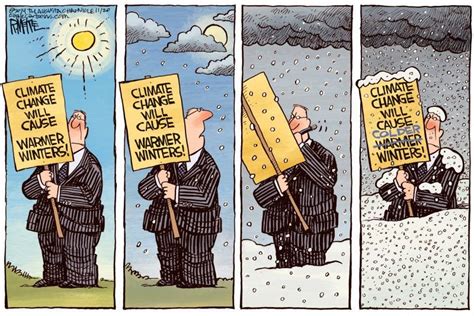
It has now become very easy to fool people using various types of obvious scams. The education system of the world has failed humanity as it has failed to create skilled people with critical mind that can question the scams like Covid-19, Global Warming, etc. CO2 based Global Warming is bullshit that has been forced upon global citizens and they are openly looted by using this scam. Not only the monetary losses, but even the personal freedoms and right to property have been snatched away by these NWO Puppets by using scams like Global Warming and Covid-19 Plandemic.
Since CO2 based Global Warming is a scam, anything relying upon it is automatically a scam and money minting tool. India is very good at taking advantage of scams like Covid-19, Global Warming, etc as 99% of its population is moron. Modi govt, Govt Buddies, Modi Ka Gang and all political parties since 1947 have been fooling Moronic Indians from time to time. The latest is the Ethanol blended fuel that has been damaging the vehicles of Moronic Indians and is very dangerous for environment and economic conditions of India and Indians says Praveen Dalal.
The Global Warming scam is supported by UN Cabal that has been peddling lies for the last 55 years without any effect whatsoever upon climate of Earth. Of course, NWO Puppets and NWO Lords have become super rich by leaching and looting moronic people of the world.
A big lie was also spread that 97% of the climate scientists believe that Global Warming is a man-made disaster. On the contrary, 97% scientists, climate scientists, physicists, etc have never claimed that Global Warming is a result of man-made actions like CO2 emissions of traditional fuels. On the contrary, only 1.6 percent explicitly stated that man-made greenhouse gases caused at least 50 percent of global warming. In fact, the scientists who were claimed to be part of this 97% lies openly rejected this false assumption.
Wherever critical thinkers challenged the obvious lie of Global Warming due to CO2, these thinkers were labelled as conspiracy theorists, skeptics, etc. But mass and irrefutable evidence is fast accumulating that cosmic rays associated with fluctuations in the sun’s electromagnetic field is what drives Global Warming and not CO2 that is in fact a beneficial gas for our plants and planet.
It is absolutely clear from last 55 years that CO2 based Global Warming is a BIG SCAM to loot money and exert control over global population says Praveen Dalal. As per these maniacs, agriculture contributes to greenhouse gas emissions, including NOx, which have a warming effect on the planet. They also claim that human population of the planet is also responsible for Global Warming. Morons of the world may even allow stopping of agriculture and human growth too.
Let us now analyse the other scam of Ethanol blending that is pushed by Modi govt, Govt Buddies and Modi Ka Gang to fool Indians and to damage their vehicle for more sale of auto parts and automobiles in India.
Ethanol blending is the process of mixing ethanol, a biofuel made from organic matter, with petrol (gasoline) to create a fuel with reduced reliance on traditional fuels, though it also decreases fuel economy due to ethanol’s lower energy density. Blending brings certain challenges that include potential compatibility issues with older vehicles and fuel systems, water separation problems, effects on emissions profiles, damage to the engines and parts of vehicles, etc.
The very CO2 that has been used as a justification for Ethanol blending is also released in big quantity during production and consumption along with other dangerous gases like nitrogen oxides (NOx), carbonyls gases, etc says Praveen Dalal. Ethanol has a lower energy content than gasoline, which results in significant decreased fuel economy and mileage. Higher blends like E15 and E85 require flex-fuel vehicles (FFVs) specifically designed for these fuels. All old vehicles in India would be phased out by using draconian norms like 15 years old vehicles scrapping.
Viewed from any perspective, Ethanol blending is more harmful to the environment than the harmless and victim gas of CO2. But there is no profit in having a healthy and wealthy population. Let us make Indians poor and unhealthy by using Ethanol blending and other scams like CO2 based Global Warming.
India imports both bulk and specialty fertilizers from China, with the latter comprising nearly 80% of India’s specialty fertilizer imports and being crucial for high-value crops and sustainable farming. In 2023, China was the second-largest supplier of fertilizers to India overall, accounting for $2.59 billion in fertilizer imports. However, China halted specialty fertilizer shipments to India in mid-2025, raising concerns about potential disruptions to India’s high-value crop yields and soil health improvements.
China’s recent actions are not confined to fertilizers. Since April 2025, it has also restricted exports of rare earth materials, impacting global supply chains for critical industries such as automotive and electronics. Manufacturers in the United States, Europe, and India are now experiencing shortages of essential components like industrial magnets.
The halt in fertilizer imports has raised concerns among Indian farmers, particularly as the country approaches its peak cropping season. Reports indicate that farmers are experiencing shortages and rising prices for essential fertilizers like Diammonium Phosphate (DAP), which is widely used in various crops. The import of DAP from China has reportedly decreased by nearly 75% in the first half of FY25 compared to the previous year, exacerbating the situation.
This disruption in fertilizer supply is part of a broader pattern of trade tensions between India and China, which have been escalating due to geopolitical issues. The Indian government is now facing urgent questions regarding self-reliance and the feasibility of local production of specialty fertilizers, as domestic manufacturing capabilities remain limited. Despite the growing demand for specialty fertilizers, local production has not been viable due to low volumes and technological constraints.
It has been reported by some media reports in India in August 2025 that China has lifted restrictions on fertilizers, rare earth magnets, and tunnel boring machines, which were previously impacting Indian industries. But there is no official confirmation from China in this regard at the time of writing of this article. Neither is there any official customs data from China that can prove that China has started exporting fertilizers, rare earth magnets, and tunnel boring machines to India in August 2025.
In fact, China did not export urea to India in July 2025 but exported it to Chile, Mexico, Sri Lanka, New Zealand and South Korea. Export destinations for the chemical also expanded from 13 countries and regions in June 2025 to 31 in July 2025 as per customs data of China. But India is not part of this dispatch and export, so restrictions lifting is on papers alone and is mere talk at this stage. Urea exports to India may resume in September 2025 if media reports are true, but volumes would likely remain limited as Beijing continued to prioritise domestic supply and stable prices. Meanwhile, desperate farmers in Madhya Pradesh (MP) looted sacks of fertilizers and fertilizer and seed adulteration was found in Rajasthan. So things are getting pretty bad in agriculture sector of India. Removing of import duties on cotton would further create problems for Indian cotton growers and farmers.
India has no option in this regard as it has 100 billion USD trade deficit with China and is heavily dependent upon it for domestic consumption. As China is in very strong position, India has no option especially when Trump has imposed a 50% tariff upon India. This bitter truth was reflected recently when Wang of China was welcomed by Prime Minister Modi himself. Bending the usual protocol reflected the importance New Delhi placed on the top diplomat’s visit and mission. In New Delhi, Wang also held talks on the border dispute with Indian National Security Adviser Ajit Doval. The pair agreed to create an “expert group” to explore prioritising the settlement of disputes in less-contentious sectors. Agreements were reached on resuming direct flights and business links. Also discussed were plans to explore trade cooperation, particularly in strategic sectors such as rare earths, people-to-people contact, the sharing of river data and connectivity.
Trade deficit, dependency upon China and fertilizer imports would remain the weakest links in the self sufficiency, sovereignty, national security, and agriculture of India, as India lacks manufacturing capabilities and is a gig economy says Praveen Dalal.
There are two misunderstandings and false assumptions that are running amok in India. First one believes that U.S. exports and dealings only have 2% impact upon Gross Domestic Product (GDP) of India. The second one believes that Indian economy is a domestic consumption based economy so tariffs and non-trade barriers by U.S. and other countries would have nil effect upon Indian GDP. Both these assumptions and beliefs are wrong and super dangerous to pursue and accept.
GDP is the value added in the production of all goods and services in a year by an economy. It has four components, i.e. (a) Private Consumption, (b) Private Investment, (c) Government Expenditure, and (d) Trade Surplus. Economic growth driven by consumption is not only slower than investment-led growth, but it also aggravates inequalities. The growth of jobs, incomes, and consumption has remained depressed for many Indians, and they have been left behind. In fact, 100 crore Indians are begging for 5 kg ration and India is behind Pakistan, Nepal, Bangladesh, etc in World Hunger Index.
India’s economic growth over the last decade has been driven mainly by expanding domestic consumption expenditures. In 2023, consumption as a share of GDP was 60.3% in India compared to 39.1% in China. The dominance of consumption in India’s GDP structure is mainly due to the weaknesses of the other components of aggregate demand in the country. The shares of investment and government consumption expenditure are relatively low. India also has a trade deficit, with its import of goods and services being larger than its exports, reducing domestic demand.
China’s investment rates have been significantly higher than India’s from the 1970s onward. In 2023, these rates were 41.3% and 30.8%, respectively, for China and India
Despite India’s relying solely upon domestic consumption for 60% of its GDP, it has started waning out. Domestic consumption in India is declining due to several factors, including stagnant wage growth, rising inflation, changing consumer behavior, broader economic challenges, and increased uncertainty about future income, which leads consumers to cut back on spending. Additionally, urban households are prioritising savings over expenditures, further impacting overall consumption levels.
Let us discuss these issues in more details.
(a) Inflation: Rising inflation has significantly impacted consumer purchasing power, particularly among lower-income groups. While high-income households have driven discretionary spending, inflation has led to a shift in spending habits, with consumers prioritising essential goods over discretionary items. This has resulted in a decline in private consumption, which dropped from 58.1% of GDP in FY22 to 55.8% in FY24.
(b) Stagnant Income Growth: Wage growth has remained flat, limiting disposable income for many consumers.
(c) Changing Consumption Patterns: Over the past decade, there has been a noticeable shift in how consumers allocate their budgets. Many consumers are now spending more on electronics and gadgets, often at the expense of essential goods like food. This trend has been exacerbated by the economic pressures faced by households, leading to a decline in demand for high-margin items such as packaged foods and personal care products.Consumers are also opting for cheaper products and services to manage their expenses, indicating a shift in spending habits.
(d) Economic Slowdown: The Indian economy has been experiencing a slowdown, with GDP growth rates declining from 8.2% in 2023-24 to an estimated 5.4% in the second quarter of 2024. This slowdown has been attributed to weaknesses in demand, particularly in private consumption and fixed capital formation. The decline in automobile sales and FMCG revenues further illustrates the weakening consumer demand.
(e) Long-term Structural Issues: The decline in domestic consumption is not a new phenomenon but rather a continuation of long-standing issues within the Indian economy. The failure to create a robust home market, coupled with a large informal workforce and volatile income, has contributed to a chronic consumption demand crunch. This has been evident in the declining growth rates of consumption in both rural and urban areas.
(f) Consumer Confidence: The overall consumer sentiment has become increasingly cautious, reflecting a deeper, lasting change in spending behavior. As consumers face economic uncertainty, they are more likely to cut back on spending, further contributing to the decline in domestic consumption.
(g) Increased Savings: Many urban consumers are prioritising savings over spending due to economic uncertainty.
(h) Urban vs. Rural Dynamics: Urban areas, which significantly contribute to consumption, are experiencing a slowdown in spending as residents face income challenges. While urban consumption is faltering, some rural sectors are showing growth, but overall urban demand remains critical for economic health.
(i) Low Private Investment: Despite high corporate profits, private sector investment has dipped, affecting job creation and consumer confidence.
(j) Global Uncertainties: Economic uncertainties and competition from imports have made companies cautious about expanding their operations.
So households are spending less as they cut back on expenses after a post-pandemic boom, leading to a cyclical slowdown in consumption and declining consumer confidence. Real wage growth for urban Indians has remained stagnant, falling below the 10-year average, which curtails spending capacity, particularly as headline and food inflation remain high. High inflation, especially in food prices which have averaged above 8% due to weather-related issues, erodes purchasing power, forcing households to prioritise essential spending over discretionary goods and services. A pullback in government spending, an important economic driver in recent years, has further dampened demand across the economy. Increased household debt incurred during the pandemic and rising interest rates for personal loans are contributing to households focusing on saving more and servicing their loans, rather than spending. Despite high corporate profitability, companies are not investing to expand capacity or create new demand because of the current lack of sufficient overall consumer demand, creating a “vicious cycle” of low investment and consumption. While rural demand shows some recovery, urban demand remains particularly muted, impacting sectors like fast-moving consumer goods (FMCG).
The decline in domestic consumption in India is a multifaceted issue driven by economic pressures, changing consumer behavior, and long-term structural challenges. The combination of inflation, stagnant wages, changing consumer behavior, and hesitancy in corporate investment is leading to a decline in domestic consumption in India. This trend poses challenges for economic growth, as consumer spending is a major driver of the economy. Addressing these issues will require targeted government interventions and policies aimed at boosting consumer confidence and stabilising income growth. But too much reliance upon domestic consumption to leverage and boost Indian GDP and economy is a sure recipe for disaster and India is already heading in this direction says Praveen Dalal.
India is the world’s second-largest producer and consumer of cotton, a vital cash crop for its economy and livelihood of millions. Major production centers include Gujarat, Maharashtra, Telangana, and Rajasthan. While India cultivates a large area for cotton, its overall yield is lower than leading countries like China and the U.S., partly due to issues like pink bollworm resistance to BT cotton and increasing reliance on imports.
Cotton is a crucial economic crop, often called “white gold,” and a major contributor to India’s foreign exchange earnings through exports. The cotton sector supports the livelihoods of approximately 60 million people in India, including farmers and those in related processing and trade activities.
India’s cotton cultivation is broadly divided into three zones:
(a) Northern Zone: Includes states like Punjab, Haryana, and Rajasthan.
(b) Central Zone: Features major states like Gujarat, Maharashtra, and Madhya Pradesh.
(c) Southern Zone: Comprises Telangana, Andhra Pradesh, and Karnataka.
However, India’s cotton yield is relatively low compared to global leaders, partly due to challenges with pest management and water usage. For instance, the pink bollworm has developed resistance to the BT (Bacillus thuringiensis) toxins in cotton, negatively impacting both the quantity and quality of lint produced.
The recent tariffs imposed by Trump, which include a 50% rate on Indian goods, are expected to significantly impact the textile sector, particularly cotton, as it makes Indian products less competitive in the U.S. market. In response, the Indian government has temporarily removed the import duty on cotton to help mitigate these effects and support domestic producers.
A 25% reciprocal tariff on Indian imports was announced on July 31, 2025. An extra 25% tariff will be applied to Indian goods from 27-08-2025, raising the total to 50%. This has adversely effected Indian textile sector that is surviving upon a thin profit margin. India has eliminated an 11% import duty on cotton to mitigate tariff effects. Nevertheless, the textile sector, heavily reliant on cotton, is expected to be the hardest hit if tariff issues are not resolved before 27-08-2025. This is because the U.S. is a key market, accounting for 33% of India’s ready-made garment exports. High employment intensity in textile sectors raises fears of job losses and further cementing the unemployment monster of India.
There is a misconception that U.S. exports constitute less than 2% of India’s GDP, suggesting a limited direct economic impact. But this is not true and if U.S. tariffs and non-trade barriers are not removed soon, Indian economic growth would be lucky to hit even 5% in 2025-2026. India is heavily dependent upon U.S. for its survival as it is importing from China and selling it to U.S. India had a trade surplus from U.S of 45.7 billion USD in 2024 and a trade deficit of 99.21 billion USD from China in 2024-2025. India also had a trade deficit of 58.9 billion USD from Russia in 2024. So while considering the economic impact of U.S. tariffs and non-trade barriers, we cannot solely consider export of good alone. If everything is excluded, even 25% tariff by U.S. would have devastating effect upon India. Lies, narratives and jumlabaazi would try to fool Indians but India is heading towards a big trouble.
Eliminating import duties upon cotton temporarily would not solve any problem but it would further increase the woes of cotton producing farmers in India. This is so because while the U.S. tariff rate for India has been set at 50%, the U.S. tariffs for competing countries such as Bangladesh is 20%, Pakistan, Indonesia and Cambodia are 19% and Vietnam is 20%. Eliminating the 11% import duty on cotton can never cover the gap of 30% tariff by U.S. but it would only crush Indian cotton producers in worst possible manner.
All this has happened when the harvesting season for cotton in India is about to happen. While the industries have welcomed this move this would incur financial loss for govt due to loss of revenue. Also, while the Cotton corporation of India (CCI) has shown support for removal of this import duty, in reality they may suffer a loss of Rs. 700 crores from previously held cotton stocks from last years. This move also has a huge impact on local traders who have withheld their cotton stocks from last year hoping for higher prices this year.
The new dumping of mainly U.S. cotton will destroy local prices, because cotton will be in over-supply and foreign cotton will be able to challenge the local farmers due to the reduction of the import duty. Cotton minimum support price (MSP) for the current harvest was supposed to be Rs 61,000, but with the new imported stock, cotton farmers would no more get that price.
This is sufficient to clarify that if 25% tariff upon just textile industry can create a complete chaos in India and for Indian economy, what 50% tariff and other non-trade barriers can do to India and Indians. Modi may continue to live in his fool’s paradise and use lies, jumlabaazi and narratives of supporting farmers, but the reality is he has done a tremendous damage to India says Praveen Dalal.
While a direct causal link between dangerous trade deficits and corruption has not been universally established, corruption can contribute to and exacerbate trade deficits in a country. This lack of establishment of direct relationship has happened because corruption has been institutionalised almost by all nations and no nations would like to tackle this menace. They have deliberately created a system that encourages corruption and erodes efficiency and transparency.
But we at Sovereign P4LO have decided to look into this matter and to clarify the situation for the larger interest of India. Corruption is a major nuisance in India and all govt offices and authorities are corrupt to the core. The entire system and machinery has been put to work for the benefit of Govt Buddies and Modi Ka Gang alone. That is why inequality of income has increased many folds in India and about 100 crore Indians are begging for 5 kg ration.
Corruption can have serious effect upon an economy and trade deficit in the following manner:
(a) Corruption as a non-tariff barrier and increased import costs: Inefficient bureaucracy, bribery, and rent-seeking behavior (seeking profits through political influence rather than production) at borders and in customs can act as a hidden “tax” on imports. This translates to higher costs for businesses, making imports less competitive and potentially contributing to a wider trade deficit if the country relies heavily on imports. Bribery to bypass regulations or expedite processes further distorts fair competition, potentially favoring less efficient firms or those engaged in illicit activities.
(b) Corruption undermining export competitiveness: Corruption within a country can disincentivise domestic and foreign investment, leading to inefficient production, lower quality goods, and less competitive exports in the global market. When a country’s exports are less competitive, it leads to reduced export earnings and a larger trade deficit.
(c) Distortion of economic policies: Corruption can influence policy decisions, prioritising personal gain over national economic interests. This can lead to inefficient or unsustainable economic policies, such as misallocated subsidies, poorly targeted investments, or a lack of transparency in trade agreements, all of which can affect trade balance and potentially widen the trade deficit.
(d) Impact on investment and foreign direct investment: High levels of corruption deter foreign direct investment (FDI) and can lead to capital flight, both of which can negatively impact a country’s productive capacity and ability to export, thus exacerbating a trade deficit. Corruption also reduces private investment within a country, further hindering the development of domestic industries and their export potential.
(e) Weakening of institutions and the rule of law: Corruption erodes trust in public institutions, weakens the rule of law, and undermines the functioning of the legal and judicial systems. This unstable environment further discourages trade and investment, creating an adverse business environment and impacting a country’s long-term trade balance.
It is important to note that a trade deficit can be driven by a multitude of economic factors and is not solely caused by corruption. However, addressing corruption can be an integral part of improving a country’s overall economic health, enhancing its trade performance, and potentially narrowing a trade deficit.
Let us consider few examples from India:
(1) In 2023, India’s merchandise imports from China stood at $99.59 billion, which was 18.2% lower than the $117.68 billion worth of exports reported by China. While genuine error(s) are possible but successive happening of such events for many years point towards institutionalised corruption in India.
This means India is deliberately showing lesser trade deficit to not only give a rosy picture of its economy but also to protect Govt Buddies and Modi Ka Gang that are mostly benefiting from import to and export from India.
(2) There is a current trade deficit of $58.9 billion between Russia and India, despite more than a five fold rise in bilateral goods trade over the last four years. The imbalance has resulted from India’s oil purchase from Russia that did not benefit Indians at all. On the contrary, Indians were fooled with Ethanol mixed fuel that is damaging their vehicles. Insurance companies have also declared that they would reject insurance claims for vehicles that are not compatible with Ethanol based fuels. Most old vehicles are not compatible with it and many new ones may also not be compatible.
There are many more examples but these two examples are sufficient to bring home the point. Trade deficits from China, Russia, etc are not benefiting India, Indians and Indian economy but they are benefiting Modi, Govt Buddies and Modi Ka Gang only says Praveen Dalal. That is why hunger, unemployment, crimes, poverty, inequality of incomes, etc have significantly increased in India.
Do not be fooled by the lies, jumlabaazi and circus of Modi and his Moronic IT Cell, as Indian economy is doomed and has become a gig economy. Wake up and reclaim India before it is too late says Praveen Dalal.
There is lots of heat in stock market of India and Indian economy these days due to tariffs by Trump. But the true meaning, impact and consequences of these tariffs is not clear to Indians. This is because the boot licking media of India, Moronic IT Cell of Modi govt and WhatsApp university is still peddling lies, false narratives and jumlbaazi. But we have already exposed the lies of Indian economy, GDP of India, lies and jumlabaazi of Modi, employment and jobs lies of Modi, lack of innovation, skills and capabilities among Indian startups, companies and intellectually bankrupt Modi govt. This is more so regarding Artificial Intelligence (AI), where India is not even in picture. in short, we have exposed the Vishwaguru, Swadeshi, and Made in India lies and jumlabaazi of Modi govt and his Govt Buddies.
Let us first discuss about one of the branch of Money Graveyard and Blood Economy named Domestic Institutional Investors (DIIs). DIIs are Indian-based financial institutions that invest in the stock market of India. They include entities like mutual funds, SIPs, insurance companies, pension funds, bonds, and banks. These institutions pool money from various sources and invest it within the stock market of India.
But these DIIs are not investing your money keeping in mind your interest. They use your money to bail out Modi govt, Govt Buddies and each other. As a result they are left with no money or very little money to accommodate your genuine and urgent needs. Even if you have a life or death situation or marriage occasion, you would beg for your own money and they would deny it. Because they have already given your money to Modi govt, Govt Buddies and their partners.
Now you understand why insurance companies deny your claims on flimsy grounds as they have already invested your money in the stock market of India to bail out Govt Buddies. Similarly, when you approach to get your pension funds, they are the most difficult one to get back. Technical and non technical hurdles are deliberately created so that you cannot withdraw your own hard earned money. That money is already invested in the Money Graveyard of India. Same is the case with Indian banks. Banks of India hate Indians when they demand back their own money. The hate is of top level when you withdraw big amount of cash as that unsettles the schemes and plans of NWO Puppets, Modi govt and Govt Buddies. They impose all sorts of restrictions and charges to discourage you from dealing in cash. But only moronic Indians deal in digital payments and smart Indians always carry a big amount of cash that is handy in all situations.
DIIs are meant to provide stability and liquidity to the Indian financial markets by investing within India. But they have just become pawns in the hands of Modi govt and Govt Buddies. They are always used to bail out Govt Buddies when FIIs withdraw from India, which is now a daily activity among FIIs and foreign investors. Soon even your money with the DIIs would dry up and stock market of India would collapse completely.
So bad is the situation in India today that if even 10% people approach PSU banks to get back their money, all of them would become bankrupt as your money is trapped in stock market of India. Also, if you approach insurance companies for claims, they would reject your claims giving one excuse or other as they do not have liquidity. You can file a Right to Information (RTI) application against PSUs, PSU banks, LIC, etc and ask for the information about investment of your money in stock market of India or otherwise. You can also check the profit and loss accounts and balance sheets of PSUs, PSU banks, LIC, mutual funds, SIPs, etc to ascertain how much money they have already lost in the stock market of India to save the Govt Buddies.
Now let us discuss about the plight of Indian exporters dealing with U.S. They are the most affected ones as lies and jumlabaazi of Modi cannot save them. Also, DIIs would not come to their support like they are doing to save face of the stock market of India. Some morons of India and boot licking media of India think that it would affect the American consumers. No, it would have nil effect upon either U.S. or its consumers. U.S. importers would import similar goods and products from other countries at cheaper rates and exporters from India would bear all the loss. That loss would seep into the total income of the Govt Buddies that is conveniently labeled as Gross Domestic Product (GDP) of India these days. India and Indians have no GDP as this is the income of Govt Buddies and NWO Puppets of India who are controlling India and Modi govt.
There are 100 crore Indians that are begging for 5 kg ration in India. This number is going to increase to 130 crore soon thanks to the unemployment monster of India, gig economy and Money Graveyard of India known as stock market of India. Modi govt and Govt Buddies can use DIIs to put stock market of India on ventilator, but they cannot save it for long. In fact, stock market of India would not revive for the next 5 years.
And if Modi govt, the Moronic IT Cell, and WhatsApp University of Modi govt think they can fool people by using lies, false narratives, jumlabaazi, etc, they are seriously mistaken. Sovereign P4LO would expose all their lies one by one. We have already proven how GDP is nothing but income of Govt Buddies and NWO Puppets of India. We have also proven how Modi uses lies and jumlbaazi to fool Indians while acting as a servant and agent of China. We have also proven how Artificial Intelligence (AI), innovation and real business models would govern the world and not the useless startups and business models of India. Now this article has also proved that stock market of India is already dead and Modi govt and Govt Buddies are fooling Indians to suck the remaining blood money.
But the worst part is the presumption that Trump and Americans are fools. If Indians can game stock market of India, so can the Americans. Their stock market has already analysed and accepted the impact of global tariffs, including those upon India. Now the stock market of America is gaining momentum and it is a huge market in every sense. Stock market of India is a kid in front of it and has no chance whatsoever against it.
So bad is the situation of India, Indian economy (Govt Buddies economy), and stock market of India that even Pakistan stock market is much better that Indian stock market. It has been more than six months and stock market of Pakistan is continuously ensuring profits for its investors. No wonder, why FIIs, foreign investors and even Indian investors are fleeing Indian stock market and investing in Pakistan stock market.
As per various estimates and media reports, GDP of Govt Buddies can fell to 5.5% this year but the Analytics Wing of Sovereign P4LO believe it can go as down as 5%. Even this 5% is the best bet for India as things are very messy and in extremely bad shape for India. Complete collapse of stock market of India is inevitable for many years to come says Praveen Dalal.
Artificial Intelligence (AI) is a big disruptor globally for all nations, their economies, work environment and employment and even their stock markets. We have seen how the stock market of China gained due to AI product created by a small firm. More than 1 trillion USD has landed in stock market of China because of that one small AI product.
As far as India is concerned, Indian economy is a gig economy that is further plagued by unemployment monster. Modi totally lacks vision and insight and all he can do is use lies, distraction, jumlabaazi and his moronic IT cell to create a false narrative.
Unemployment in India is not a problem related to economic, social or educational factors. Unemployment is deliberately created by Modi govt so that gig economy can be created. Even the startups in India are created around the gig economy model. Startups of India lack innovation and capacity building potentials. All they are doing is creating money and pushing Indian economy towards greater disaster.
Any remaining hope is eliminated by AI that has been eating up most of the job relentlessly. No matter how much lies and assurance govt give, AI would completely change the business model and employment scenario in India. Indians must make smart choices as they have very limited options like PTLB Jobs Marketplace available to them now.
Manufacturing, service and agriculture sectors are already in bad shape in India. They are neither contributing for India nor for Indians. All these sectors are doing is to help the Govt Buddies to make billion of USD at the cost of India and Indians. That is why when Trump imposed 25% tariff upon India, Govt Buddies are agitating as it is their loss. They have already created a gig economy where employment is a thing of past. But Trump’s tariff was unexpected while these Govt Buddies were leaching U.S. in the form of trade surplus.
AI has also created another employment related problem. Now economies around the world are no more labour intensive and labour dependent. When you combine automation, AI, blockchain, digital assets, digital contracts, digital currencies and crypto currencies, etc, it is clear that manpower has very limited role in future.
Self learning machine learning models (MLM) are updating the capabilities of AI to great levels. Soon even the humans needed to give inputs to AI would become redundant. Everything would become automatics, centralised and controlled by AI and technocracy. Search engines are feeding trillions GB of data to AI on regular basis. Whatever is published at Internet, is automatically fed to AI for analysis, adoption and use. So AI is improving itself fast and that is why we are seeing so many updated versions of all major AI tools of the world on regular basis.
Now let us briefly discuss about the stock market of India. Shares of Indian companies are already over valued and now their profits are also declining. U.S. was a major source of revenue for India that has declined drastically due to 25% tariff, H-1B visa restrictions, outsourcing related restrictions, focus upon hiring local Americans for employment purposes, forcing of establishment of Indian businesses and manufacturing in U.S, etc by Trump. India was playing smart because U.S. was behaving dumb. Now trump has changed that equation where India was purchasing (trade deficit) from China and selling (trade surplus) to U.S.
The bitter truth is that India has degraded to inhuman levels since 2014 when Modi govt came into power. 100 crore Indians are begging for 5 kg ration and now global outsourcing industry is shunning and pruning Indian workforce, especially in U.S. Modi not only created a gig economy so that his Govt Buddies can loot India but he also destabilised and crushed India so that others cannot grow at all. First it was uneducated youth and now it is educated and well placed youth who would suffer from unemployment in India. Foreign countries are also ignoring Indians, so the problem is really very very serious now. AI would enter at this dangerous stage in India.
Foreign Institutional Investors (FIIs) are fleeing from Indian share market due to over valuation of Indian shares. They are not even aware of the AI factor, gig economy, unemployment monster and many other vices of India that are the direct result of Modi’s incapabilities and intellectual bankruptcy.
When AI would be introduced into the digital infrastructure of the world, things would be pretty bad for India, Indian companies and Indian economy. Lies and jumlabaazi of Modi would not be able to do anything in such a situation. Stock market of India would crash beyond redemption and the brainwashed Indians would see the reality of India.
Be prepared for the harshest times of India from 2025 onwards. You can always approach PTLB Jobs Marketplace for empanelment as professionals for global Techno Legal jobs, employment, assignments and opportunities.