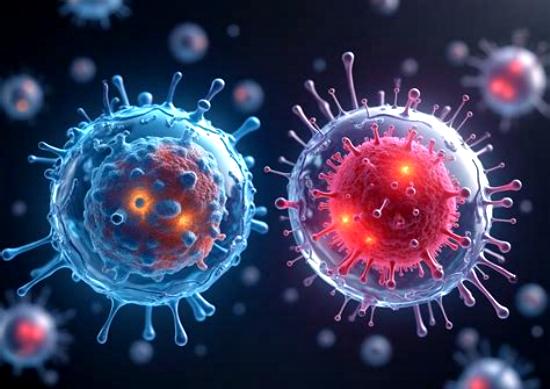
Understanding Cancer As A Metabolic Disease: Insights From The TLFGCT And TLFPGVG

Cancer is increasingly viewed as a metabolic disease, emphasizing distinct differences in how cancer cells derive energy compared to normal cells. One key aspect is the Warburg effect, where cancer cells rely on aerobic glycolysis—converting glucose into lactate even in the presence of oxygen—rather than primarily using oxidative phosphorylation. This metabolic shift enables rapid energy production and the synthesis of necessary cellular components, facilitating uncontrolled growth. For a comprehensive overview of cancer’s biological and metabolic characteristics, you can visit Cancer.

Understanding The Warburg Effect

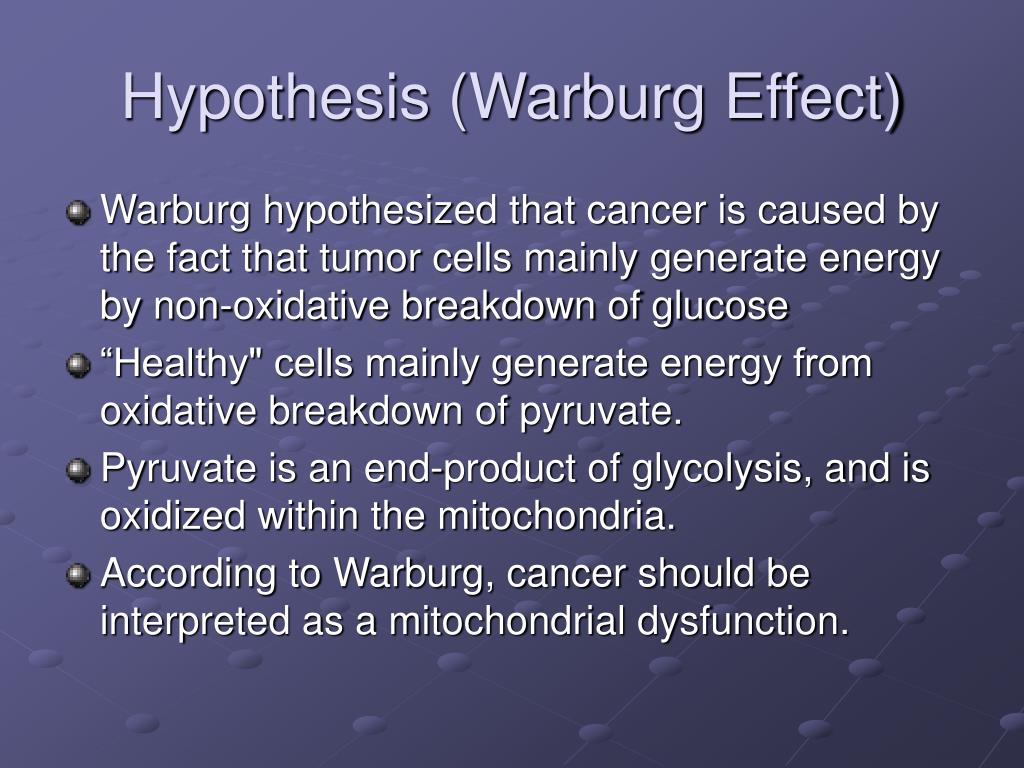
The Warburg effect represents a fundamental change in how cancer cells handle energy metabolism. While healthy cells typically prefer oxidative phosphorylation to generate ATP efficiently in the presence of oxygen, cancer cells skew towards aerobic glycolysis. This means they prioritize the conversion of glucose to lactate even when oxygen is available, allowing them to rapidly generate ATP and utilize intermediates from glycolysis for biosynthesis, promoting cell division and tumorigenesis.

Dr. Thomas Seyfried is a prominent researcher in the field of cancer metabolism, advocating for a view of cancer primarily as a metabolic disease rather than merely a genetic one. This perspective largely aligns with the Warburg Effect, which describes the phenomenon where cancer cells preferentially utilize aerobic glycolysis over oxidative phosphorylation. Both Seyfried and the Warburg Effect highlight the critical role of the metabolic environment in tumor growth and survival, emphasizing that understanding these metabolic pathways is essential for developing effective cancer therapies.

In light of this understanding, Seyfried strongly advocates for the Ketogenic Diet as a potential therapeutic approach to cancer treatment and one of the Non-Pharmaceutical Cancer Treatments. He posits that by significantly reducing glucose and insulin levels, a ketogenic diet can effectively starve cancer cells of their primary energy source, making it challenging for them to grow and proliferate. While he acknowledges the anecdotal evidence and some preclinical studies supporting the diet’s efficacy, he stresses the need for more rigorous clinical trials to validate these claims and examine the metabolic vulnerabilities of cancer cells.

Seyfried is critical of conventional cancer therapies such as chemotherapy and radiation, arguing that they often fail to address the underlying metabolic dysfunction driving cancer growth. He contends that these treatments primarily target rapidly dividing cells but do not sufficiently engage with the metabolic adaptations that cancer cells employ to survive and thrive. According to Seyfried, chemotherapy and radiation can even exacerbate the problem by creating selective pressures that allow more aggressive cancer cell variants to emerge. He believes that these traditional methods, while they may offer temporary reductions in tumor size, do not tackle the root causes of cancer and often lead to recurrence.

In contrast to these conventional treatments, Seyfried’s emphasis on metabolic interventions like the ketogenic diet presents a paradigm shift in approach. He suggests that a focus on metabolic vulnerabilities may offer more effective strategies for long-term management of cancer, potentially improving patient outcomes and quality of life. This perspective encourages a more holistic understanding of cancer’s nature, guiding researchers and clinicians toward strategies that integrate dietary changes, metabolic research, and potentially innovative therapies that address the unique metabolic profiles of individual tumors.

In summary, Seyfried’s holistic vision of cancer treatment, rooted in understanding metabolic pathways, not only complements the insights provided by the Warburg Effect but also critiques the limitations of traditional therapies. His advocacy for the ketogenic diet and metabolic approach challenges the status quo in oncological treatment, urging further exploration of these avenues to provide more effective and sustainable cancer care.

Implications For Treatment

Viewing cancer as a metabolic disease has significant implications for treatment. It opens avenues for targeted therapies that disrupt the unique metabolic pathways utilized by cancer cells while sparing normal cells. Such strategies may minimize collateral damage, improving the quality of life for patients receiving treatment.

The discussion of how poor body metabolism can lead to cancer provides essential insights into potential preventive measures, which can be further explored at Poor Body Metabolism As A Cause Of Cancer. This perspective can inform both public health strategies and individual action plans geared towards maintaining metabolic health.

Dietary Interventions And Nutritional Therapy

This perspective also encourages research into dietary interventions that may support cancer treatment by limiting the substrates available for tumor metabolism. Emerging diets like the ketogenic diet have gained attention as potential therapeutic strategies. The ketogenic diet emphasizes high-fat and low-carbohydrate intake, leading to a state of ketosis where the body uses ketones as an energy source, potentially starving tumor cells of glucose.

For detailed information on the ketogenic diet’s implications for cancer treatment, you can refer to two insightful articles: Ketogenic Diet and Ketogenic Diet as a Cure and Treatment for Cancer. These studies explore the metabolic shifts induced by dietary changes and their potential efficacy in slowing tumor growth.

Personalized Medicine And Drug Repurposing

The understanding of cancer metabolism opens new avenues for personalized medicine, which tailors treatment strategies based on the specific metabolic pathways active in an individual’s tumor type. This approach enhances the likelihood of successful outcomes by targeting the cancer’s unique vulnerabilities.

Additionally, the potential of repurposed drugs in cancer treatment is gaining traction. Many existing medications may have off-label uses that target metabolic pathways in cancer cells, providing promising avenues for research and clinical application. This evolving field can be explored further at Repurposed Drugs for Cancer Treatment.

Multidisciplinary Approaches In Cancer Research

While understanding cancer metabolism provides valuable insights, it is essential to recognize that cancer is a multifaceted disease influenced by genetic, epigenetic, and environmental factors. For instance, 5G radiations can cause many different types of cancer. Birth control pills are now believed to carry carcinogenic elements that can cause cancer. The list is just endless as there are many more technological and non-technological things that can cause cancer in our day to day lives. Unraveling the Warburg effect reveals implications for cancer prevention and treatment through innovative approaches, as outlined in Unraveling the Warburg Effect.

A holistic approach that integrates multiple disciplines—comprising biochemistry, genetics, nutrition, and medical interventions—is crucial for advancing the diagnosis and treatment of cancer. By adopting a multifactorial lens, scientists and clinicians can better understand cancer dynamics, leading to groundbreaking therapies that improve patient outcomes and enhance our understanding of this complex disease.

Roles Of TLFGCT And TLFPGVG

The Techno-Legal Framework for Global Cancer Treatment (TLFGCT) plays a pivotal role in enhancing global efforts towards effective cancer treatment. By developing universally accepted protocols, it ensures that patients receive optimal care regardless of their geographic location. The TLFGCT fosters international collaboration, enabling the sharing of cutting-edge research, therapies, and medical devices, making advanced treatments accessible to more people. It emphasizes regulatory compliance, ensuring that new cancer therapies meet stringent safety and efficacy standards while promoting quicker approvals for innovative treatments. A crucial aspect of the TLFGCT is its focus on patient rights, guaranteeing equitable access to treatments and empowering individuals to make informed healthcare decisions.

In contrast, the Techno-Legal Framework to Prevent Global Vaccines Genocide (TLFPGVG) primarily focuses on vaccine distribution and safety but has significant implications for cancer treatment, particularly in public health and disease prevention. By addressing legal and technological gaps in vaccine programs, it enhances public health infrastructure, mitigating cancer risks associated with Death Shots. This framework ensures vaccine interventions are ethically sound and respect individual rights, fostering public trust in medical practices.

The interlinking roles of both frameworks highlight the importance of a holistic approach to cancer treatment and prevention. By integrating legal, ethical, and technological considerations, they encourage an innovative climate while emphasizing patient safety and accessibility. This dual focus ensures that cancer treatment evolves alongside broader public health initiatives, promoting a comprehensive strategy for combating cancer and related diseases.

Conclusion

The Techno-Legal Framework for Global Cancer Treatment (TLFGCT) and the Techno-Legal Framework to Prevent Global Vaccines Genocide (TLFPGVG) represent crucial pillars in the fight against cancer, each addressing different yet complementary aspects of healthcare and public health policies. The TLFGCT is instrumental in establishing standardized protocols for cancer treatment worldwide, promoting equitable access to innovative therapies irrespective of geographic barriers. By fostering international collaboration and expediting the sharing of advanced research and technology, it ensures that all patients can benefit from novel cancer treatments.

In contrast, the TLFPGVG enhances public health initiatives aimed at reducing cancer risks by addressing complexities in vaccine safety and dissemination, particularly concerning severe side effects of Death Shots and their Turbo Cancer causing roles.

Together, these frameworks highlight the necessity of a holistic approach to cancer treatment and prevention. By combining legal, ethical, and technological considerations, they create a conducive environment for innovative healthcare solutions. Embracing the perspective of cancer as a metabolic disease within these frameworks empowers stakeholders—researchers, clinicians, policymakers, and patients—to collaborate effectively toward common healthcare goals, ultimately promoting a global commitment to combat cancer and safeguard public health.
Unraveling The Warburg Effect: Implications For Cancer Prevention And Treatment Through Techno-Legal Frameworks

The Warburg effect is a crucial phenomenon in cancer biology that provides insights into the unique metabolic processes of cancer cells. Cancer cells predominantly produce energy through aerobic glycolysis instead of relying on the more efficient aerobic respiration process used by normal cells. First identified by the German biochemist Otto Warburg in the 1920s, this metabolic shift sheds light on how cancer cells adapt their energy production to support their rapid growth and proliferation. In recent years, understanding the Warburg effect has become even more paramount as the global health landscape grapples with rising cancer rates and emerging health challenges, including the safety and efficacy of Death Shots.

The intersection of cancer treatment and public health responses presents an urgent call for systematic frameworks that address both therapeutic strategies and ethical considerations in medicine. In this context, the Techno-Legal Framework for Global Cancer Treatment (TLFGCT) and the Techno-Legal Framework to Prevent Global Vaccines Genocide (TLFPGVG) have emerged as critical tools. These initiatives are designed to ensure that effective cancer treatments are accessible globally while also addressing public health concerns around widely administered Death Shots. Together, they represent a holistic approach to healthcare that prioritizes patient safety, equitable access, and accountability within the medical community.

Understanding The Metabolic Shift In Cancer Cells

In normal physiological conditions, cells utilize aerobic respiration to generate energy in the mitochondria, producing a higher yield of ATP (adenosine triphosphate), the energy currency of the cell. However, cancer cells frequently convert glucose to lactate, even when oxygen is available—a hallmark of the Warburg effect recognized through the process known as glycolysis. This metabolic anomaly allows cancer cells to satisfy their heightened energy demands swiftly, albeit less efficiently than traditional aerobic respiration. The lactate produced is not merely a byproduct; it serves as a vital intermediate that aids in synthesizing essential macromolecules like proteins, nucleic acids, and lipids, which are critical for the rapid cell division characteristic of tumors.

Implications For Cancer Treatment And Prevention

(1) Targeting Metabolism

The unique metabolic pathways utilized by cancer cells present potential therapeutic targets. Researchers are investigating inhibitors of glycolytic enzymes—key players in glucose metabolism—as a means to hinder cancer growth. This metabolic targeting exploits the Warburg effect by disrupting cancer cells’ capacity to efficiently utilize glucose. For instance, studies on the role of the spike protein in cell dysfunction illustrate various mechanisms that can lead to metabolic disruptions and cancer progression, as highlighted in The Role of Spike Protein in Cell Dysfunction.

(2) Biomarker Development

The distinct metabolic profiles observed in cancer cells can serve as biomarkers for early diagnosis and prognosis. By identifying specific metabolites associated with the Warburg effect, clinicians may develop diagnostic tests that detect various cancer types sooner, enhancing the chances for successful treatment. As noted in discussions on Turbo Cancer, abnormalities in metabolism play a significant role in accelerating cancer progression, underscoring the need for dedicated research into metabolic pathways as biomarkers for early detection.

(3) Therapeutic Strategies

Combining metabolic inhibitors with natural and alternative cancer therapies may offer a dual attack on tumors. Metabolic reprogramming could render cancer cells more vulnerable to repurposed drugs, potentially overcoming life threatening dangers and lifelong toxicity often encountered in conventional cancer treatments like chemotherapy, radiation, needle biopsy, etc. The article on Death Shots and Chromosomal Abnormalities illustrates how certain external factors, like dangerous COVID-19 and HPV Death Shots, could lead to chromosomal abnormalities that exacerbate cancer conditions; understanding these relationships can refine therapeutic approaches.

(4) Lifestyle And Dietary Factors

Understanding the Warburg effect may also suggest lifestyle and dietary changes that contribute to cancer prevention. A nutrient-rich diet that enhances normal metabolic pathways can aid in maintaining cellular health and reducing cancer risk. Discussions around The Future of Oncology emphasize the importance of integrating alternative therapies that support metabolic health, potentially mitigating risks associated with cancer.

The Role Of Techno-Legal Frameworks In Cancer Treatment And Vaccine Safety

The emergence of novel illnesses and the evolving landscape of cancer treatment necessitate robust frameworks that address treatment accessibility and related public health risks. The Techno-Legal Framework for Global Cancer Treatment (TLFGCT) and the Techno-Legal Framework to Prevent Global Vaccines Genocide (TLFPGVG) are two initiatives designed to tackle these crucial aspects. These frameworks are key to ensuring that cancer treatments are widely available and effective while managing the ethical and legal implications surrounding Death Shots like COVID-19, HPV, etc.

The Role Of TLFGCT In Cancer Treatment

The TLFGCT aims to standardize and streamline cancer treatment protocols across borders, enhancing global access to high-quality care for patients. By establishing clear legal and ethical guidelines, TLFGCT promotes collaboration among stakeholders, including healthcare providers, researchers, and policymakers. This framework focuses on:

(1) Ensuring Accessibility: TLFGCT dismantles barriers to treatment access by advocating for equitable distribution of therapies and fostering international collaborations, ensuring innovations in cancer treatment are available not just in affluent regions but across developing nations too.

(2) Promoting Research And Development: By incentivizing the creation of new therapies through streamlined regulatory processes, TLFGCT encourages more research into options for cancer treatment, leveraging technology and legal frameworks to expedite clinical trials and approvals.

(3) Enhancing Patient Safety and Rights: Incorporating patient advocacy into its framework, TLFGCT ensures individuals have the right to informed consent and access to comprehensive treatment information, fostering a patient-centric approach to cancer care.

(4) Advocating For Revolutionary Change: The TLFGCT calls for a global revolutionary change in cancer treatment practices, aiming to integrate innovative approaches with genuine traditional methods and alternative therapies, as discussed in The TLFGCT Calls for Global Revolutionary Change in Cancer Treatment.

The Role Of TLFPGVG In Preventing Vaccine Genocide

In parallel, TLFPGVG addresses the growing concerns surrounding vaccine safety and potential adverse effects associated with public health mandates. This framework emphasizes:

(1) Monitoring And Safety Regulations: TLFPGVG establishes rigorous monitoring systems to track vaccine efficacy and side effects, ensuring transparency in the reporting of adverse incidents and safeguarding public health.

(2) Legal Accountability: Implementing legal mechanisms to hold responsible parties accountable for malpractice or negligence, TLFPGVG aims to prevent occurrences of global “Vaccines Genocide,” where population-wide forced and unwanted pricking appears more harmful than beneficial.

(3) Public Education And Trust: TLFPGVG underscores the importance of transparent communication regarding healthcare benefits and risks, fostering informed discussions and building trust within communities considering taking shots.

(4) Addressing Healthcare Provider Accountability: The framework also recognizes the critical need to address malpractices in the medical field, as highlighted in the article, Doctors and Healthcare Providers as Number 1 Killers.

Conclusion

The Warburg effect reveals the metabolic underpinnings of cancer cells and highlights essential avenues for innovative treatments and preventive measures. Coupled with the TLFGCT and TLFPGVG, these findings create a comprehensive approach to addressing both cancer treatment accessibility and Death Shots handling. Together, these frameworks harmonize technological advancements with legal governance, ensuring equitable access to effective medical interventions while safeguarding public trust in health initiatives.

The TLFGCT’s commitment to equitable cancer treatment aligns seamlessly with TLFPGVG’s vigilance exposing dangers of Death Shots, establishing a robust support system for individuals facing health challenges. This comprehensive approach signifies a meaningful shift toward a healthier, more just society, with the potential to improve public health outcomes on a global scale.

Continued research into the Warburg effect, along with the effective implementation of TLFGCT and TLFPGVG, holds immense promise for transforming cancer prevention and treatment. As these frameworks evolve, they will not only address current healthcare disparities but also anticipate future challenges, striving to enhance the quality of life for individuals affected by these complex issues and ensuring a safer, healthier world for all.

The Role Of Spike Protein In Cell Dysfunction: Caution From TLFGCT And TLFPGVG

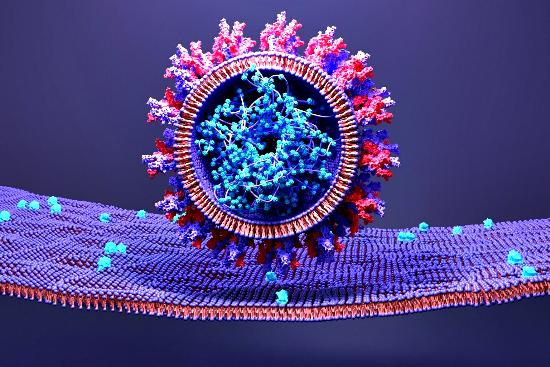
The spike protein (S protein) of COVID-19 Death Shots plays a significant role in various forms of cell dysfunction, as articulated by The Techno-Legal Framework For Global Cancer Treatment (TLFGCT). This protein binds to ACE2 receptors on host cells, facilitating viral entry and disrupting normal cellular functions. This interaction not only aids in targeted infection but can also lead to cellular injury, activating inflammatory pathways that may result in systemic inflammation. Such inflammation is associated with severe conditions, including heart dysfunction, due to the spike protein’s interaction with TLR4 signaling.

Moreover, the spike protein directly damages vascular endothelial cells, which are crucial for maintaining vascular integrity. This disruption affects mitochondrial function, leading to cell death and vascular inflammation, increasing the risk of thromboembolic events, strokes, and myocardial injury. The protein also influences immune cell functions, promoting aberrant activation of mast cells. This can have broader implications for neuroinflammatory processes and conditions associated with neurological diseases, including Neuro-PASC (Post-Acute Sequelae of SARS-CoV-2 Infection).

The discussions surrounding Death Shots-related injuries raise serious concerns. As articulated in the article “Pharmaceutical and Vaccines Injuries: Immunity Must Be Scrapped Immediately,” experts argue that existing immunity strategies may create more harm than good by allowing vaccine side effects to manifest as long-term health issues. This perspective emphasizes the necessity for a reevaluation of vaccine policies and the profound implications of their impact on cellular health, particularly in the context of cancer.

Concerns about Death Shots-induced chromosomal abnormalities are addressed in the article “Death Shots Induced Chromosomal Abnormalities: Cause Turbo Cancer, Cardiovascular Disease, and Neurological Disorders.” It discusses how these alterations may contribute to Turbo Cancers and various health issues, illustrating the potential link between vaccine administration and adverse health outcomes, further warranting scientific scrutiny.

The implications of these findings extend into oncology practices, as shown in the article “The Future of Oncology: Embracing Alternative Therapies with TLFGCT.” It highlights the necessity of integrating alternative therapies into conventional cancer treatments, advocating for a shift that could enhance patient outcomes by addressing the underlying causes of cancer rather than merely treating symptoms.

The TLFGCT itself calls for a “revolutionary change in cancer treatment,” as outlined in the piece “The TLFGCT Calls for Global Revolutionary Change in Cancer Treatment.” This includes redefining therapeutic approaches to incorporate more holistic models and interdisciplinary practices that are informed by new research insights into cellular dysfunction, particularly those related to the spike protein.

Lastly, concerns about the role of healthcare providers in exacerbating health crises are addressed in the article “Doctors and Healthcare Providers are Number 1 Killers of the World.” This highlights the urgent need to scrutinize practices within the medical profession, particularly in terms of accountability and the impact of standard treatments on long-term patient well-being.

These complexities highlight the urgent need for a holistic approach to healthcare practices. Traditional treatments, such as chemotherapy and radiation, may inadvertently exacerbate underlying issues related to cellular dysregulation caused by the spike protein. The TLFGCT advocates for patient-centered methodologies that prioritize the evaluation of these factors in treatment protocols, aiming to foster better health outcomes. This framework emphasizes the importance of interdisciplinary research and the adoption of transparent practices in developing and applying treatments, addressing the emerging health challenges posed by the spike protein’s impact on cellular function.

In conclusion, the role of the spike protein in cell dysfunction is a critical concern that underscores the multifaceted challenges posed by viral infections and Death Shots complications. The comprehensive analysis reveals significant links between the spike protein and various health issues, such as cardiovascular diseases, neurological disorders, and aggressive cancers. The implications of Death Shots-related injuries, particularly in light of chromosomal abnormalities, call for an urgent reassessment of vaccine policies and their long-term effects on public health.

The Techno-Legal Framework For Global Cancer Treatment (TLFGCT) serves as a foundational approach advocating for holistic medical practices that take into account the complexities of cellular dysregulation caused by contemporary cancer treatments and Death Shots. By promoting interdisciplinary research and alternative therapies, TLFGCT aims to redefine cancer care to not only alleviate symptoms but also to address underlying cellular health concerns. Its push for patient-centered methodologies facilitates more informed treatment protocols, fostering better health outcomes and improving the quality of care.

Complementarily, The Techno-Legal Framework to Prevent Global Vaccines Genocide (TLFPGVG) emphasizes safeguarding public health by scrutinizing Death Shots-related practices and advocating for accountability within the medical community. This framework seeks to protect individuals from potential adverse effects of Death Shots, ensuring that healthcare providers prioritize patient well-being and are transparent about the risks involved. Both TLFGCT and TLFPGVG highlight the necessity of ethical practices in healthcare and the importance of informed consent, ultimately aiming to create a standards-driven, empathetic healthcare environment.

Together, these frameworks provide a robust platform for addressing the current health crises compounded by the spike protein’s effects and the ramifications of vaccination policies. They advocate for necessary changes in treatment paradigms and healthcare accountability, offering a path toward a better, more informed, and patient-focused future in global health management.

National Vaccine Genocide Day Of India 2026

India observes on March 16 as the National Vaccination Day every year and it is another name for the National Vaccine Genocide Day (NVGD). National Vaccine Genocide Day of India 2026 is celebrated today despite mass scale injuries and genocide in India using COVID-19 Death Shots and HPV Death Shots. NVGD 2026 is a mark of shameless and forcible healthcare governance in India by the Vaccine Genocide Cult of india (VGCI).

The Vaccine Genocide Cult of India (VGCI) is a “Truth Label” coined by Praveen Dalal, CEO of Sovereign P4LO and PTLB, under his Truth Revolution initiative. It has gained widespread traction through the Techno-Legal Centre of Excellence For Healthcare In India (TLCEHI) — the world’s exclusive techno-legal healthcare centre of excellence — and Perry4Law’s Health Research Facilitation Centre (PHRFC). Since 2021, these entities have consistently exposed what they describe as the VGCI’s “Vaccines Genocide” policies, driven by global health bodies such as the World Health Organization (WHO) and allied pharmaceutical interests.

The VGCI is not a formal organisation but a label that unmasks a shadowy network allegedly pursuing a depopulation agenda through “Death Shots” for nearly a century. These critics argue that public-health initiatives, far from safeguarding lives, are motivated by profit, control, and deliberate population reduction rather than genuine well-being.

Recent Incidents And Ethical Violations

On 11 March 2026, five teenage girls in Barkari Jigniya village, Gwalior district, Madhya Pradesh, fell seriously ill after they were coerced into receiving “HPV Death Shots.” An anganwadi worker took them for vaccination without parental consent, coercing signatures with false promises of ₹50,000 and marriage assistance. The girls soon suffered vomiting, dizziness and fever and were rushed to Civil Hospital, Dabra. Families were never informed, sparking outrage over forced poisoning and blatant human-rights violations.

This incident is not isolated. The same Gwalior case is cited in recent global reporting as emblematic of coercive HPV rollout tactics targeting rural Indian girls.

Immediate Demand: Scrap All Pharmaceutical And Vaccine-Injury Immunity

In direct response to such incidents and mounting vaccine injuries worldwide, the Techno-Legal Framework to Prevent Global Vaccines Genocide (TLFPGVG) — also conceived by Praveen Dalal — has issued an unequivocal call: all legal immunities shielding pharmaceutical companies and vaccine manufacturers from liability for injuries and deaths must be scrapped immediately.

The framework argues that immunity removes any incentive for safety, allowing manufacturers to prioritise speed and profit over rigorous testing. Removing these protections would force comprehensive risk-benefit analyses, transparent trial data, and genuine accountability. Doctors and healthcare providers are already labelled “number one killers of the world” as of March 2026, with 95 % of the global population no longer trusting them.

The Network And The Push For Forced Death Shots

The VGCI is accused of operating through pharmaceutical giants, WHO, Gavi, and the Indian government under Prime Minister Narendra Modi. These entities are said to promote harmful, often coercive vaccination programmes, especially the HPV campaign aimed at young girls. The same network is implicated in the “COVID-19 Plandemic” and is now accused of ignoring or suppressing evidence of severe side effects — autoimmune disorders, neurological complications, chromosomal abnormalities, turbo cancers, cardiovascular disease and more.

Growing Global Studies Question HPV “Death Shots”

Fresh international research has shattered claims of HPV vaccine safety and cancer-prevention efficacy:

a) A 2023 Scottish retrospective study (over 1,700 cases) found the vaccine has limited or no effect on eliminating existing HPV infections.

(b) A 2024 systematic review confirmed uncertainty about efficacy in already-infected individuals.

(c) 2022 studies on cervical intraepithelial neoplasia (CIN) recurrence showed inconsistent or no benefit post-treatment.

(d) 2024 analyses revealed poor coverage against non-vaccine oncogenic strains (e.g., HPV 31 and 45).

Adverse-event reports include deaths (e.g., 12-year-old Meredith Prohaska, Wisconsin), severe neurological syndromes (CRPS, POTS, multiple-sclerosis-like symptoms in Denmark and Japan), and the Gwalior hospitalisations.

The Case For A Global Ban And Immediate Action

These revelations, combined with documented coercion and the absence of liability, have triggered worldwide calls for an immediate global ban on HPV “Death Shots” and a complete halt to forced rollout programmes in India. The TLFPGVG framework demands:

(a) Total scrapping of pharmaceutical and vaccine-injury immunity;

(b) Rigorous, independent safety studies;

(c) Mandatory informed consent and community participation;

(d) An end to top-down mandates that treat citizens as experimental subjects.

Only through transparent, accountable governance — free from corporate capture and depopulation-driven agendas — can public trust be restored. The VGCI exposure, backed by TLCEHI, PHRFC and the TLFPGVG initiative, makes one thing crystal clear: the era of unaccountable “Death Shots” must end now. Global rebellion against vaccine mandates is no longer a fringe view; it is a moral and scientific imperative.

Pharmaceutical And Vaccines Injuries Immunity Must Be Scrapped Immediately: TLFPGVG

The discourse surrounding vaccine safety and the legal protections enjoyed by pharmaceutical companies has intensified significantly, particularly in the aftermath of global health emergencies. The Techno-Legal Framework to Prevent Global Vaccines Genocide (TLFPGVG), conceived by Praveen Dalal, the CEO of Sovereign P4LO and PTLB, advocates for the immediate abolition of legal immunities that currently shield pharmaceutical companies from liability regarding vaccine-related injuries and fatalities. This initiative seeks not only to ensure protection for public health but also to restore confidence in immunization programs strained by concerns over vaccine safety.

Understanding TLFPGVG

The primary objective of TLFPGVG is to establish a comprehensive legal and technological framework that ensures accountability for vaccine manufacturers. This framework is premised on several key principles. Firstly, it calls for liability reform, aiming to eliminate the legal protections that prevent individuals from suing pharmaceutical companies for vaccine injuries. The rationale behind this reform is straightforward: when companies face the possibility of legal repercussions for their products, they are likely to prioritize safety during both development and testing phases.

In addition to liability adjustments, TLFPGVG emphasizes the importance of a thorough risk-benefit analysis before the approval of vaccines. This analysis would entail evaluating the safety profiles of vaccines and ensuring that potential adverse effects are thoroughly researched and addressed. This proposal resonates particularly in an era where vaccines are rapidly developed and deployed; the emphasis on rigorous safety assessments can help mitigate the risks that have caused public concern.

Moreover, TLFPGVG advocates for public participation in vaccine policy-making. Engaging with communities can foster trust and build consensus, enabling a more inclusive health governance framework. By allowing the public a voice in discussions that directly impact their health, TLFPGVG seeks to move beyond top-down governance that often alienates individuals.

The Case For Change

The urgent need for reform is underscored by an increasing number of reports documenting vaccine-related injuries and deaths. These incidents have ignited public anxiety and skepticism regarding vaccination programs, leading many individuals and families affected by such adverse effects to feel powerless in a system that largely protects pharmaceutical companies. Under the current legal framework, obtaining compensation for these injuries can be an insurmountable challenge. The TLFPGVG framework argues convincingly that removing these immunities is essential to hold manufacturers accountable and to start repairing the trust that has been severely eroded in recent years.

One recent article discusses how the share prices of pharmaceutical companies and vaccine manufacturers are predicted to crash, highlighting the potential financial repercussions that these organizations may face as scrutiny over vaccine safety intensifies. This anticipated market shift underscores a broader sentiment that accountability pressure is mounting, signaling a possible change in the public’s relationship with these corporations (Share Prices of Pharmaceutical Companies and Vaccine Manufacturers).

Furthermore, studies are increasingly questioning the safety and efficacy of HPV Death Shots in cancer prevention. This emerging skepticism about vaccine efficacy further emphasizes the need for stringent oversight and accountability. As research continues to unveil potential risks related to HPV Death Shots, the TLFPGVG framework stands as a timely response to facilitate a safer vaccination environment (Questioning HPV Vaccines Safety and Efficacy).

The conversation regarding vaccine accountability is also amplified by the designation of certain groups as the “Vaccines Genocide Cult of India,” exposing the rift in public perception and advocacy surrounding vaccines. This designation highlights the urgent necessity for dialogue and reform to address these concerns comprehensively (Vaccines Genocide Cult of India).

Additionally, alarming reports about chromosomal abnormalities linked to vaccines, which may cause conditions like turbo cancer, cardiovascular diseases, and neurological disorders, have fueled fear and distrust among the public. This evidence underscores the necessity for accountability within the pharmaceutical industry, reinforcing the importance of the TLFPGVG framework in addressing crucial public health concerns (Death Shots and Chromosomal Abnormalities).

Medical Community Accountability

At the heart of the public’s outrage are claims that doctors and healthcare providers are the leading cause of death worldwide. This perception indicates a systemic failure in communication and trust between medical professionals and the public, emphasizing the need for a framework like TLFPGVG that demands accountability from all stakeholders in the healthcare system (Doctors as Number One Killers).

The issue of medical negligence, described as a silent epidemic, has reached alarming levels that could contribute to a significant increase in mortality rates by 2026. This reality reinforces the pivotal role that TLFPGVG could play in fostering a culture of responsibility and ensuring that healthcare providers are held to the highest standards of care and ethics (Medical Negligence: The Silent Epidemic).

Moreover, the so-called “Vaccines Genocide Cult of India” is actively pushing HPV vaccines in schools, raising ethical concerns about informed consent and parental rights. Such practices underline the urgency of implementing TLFPGVG’s recommendations, ensuring that children and families are fully aware of the potential risks linked to vaccination (Vaccines Genocide Cult Pushing HPV).

Pushback against HPV shots is also gaining traction, as advocates are calling for a global ban on what they term “HPV Death Shots.” This growing dissent underscores the pivotal role that public advocacy plays in shaping vaccine policy, pointing to the necessity of comprehensive reforms to address public concerns about vaccine safety and efficacy (Global Ban on HPV Vaccines).

Significantly, a global rebellion is emerging against various vaccines, fueled by concerns that some groups are perpetrating a form of vaccine genocide. This alarming trend reflects a profound distrust within communities and highlights the imperative for a framework like TLFPGVG to ensure that public health policies align with ethical standards and community needs (Global Rebellion Against Vaccines).

The Ethical Imperative

At its core, TLFPGVG represents not just a legal overhaul but also an ethical imperative for safeguarding public health. As society continues to navigate the complexities posed by vaccination campaigns, the importance of accountability cannot be overstated. Individuals who have suffered from vaccine-related injuries deserve acknowledgment and recourse. By advocating for reforms that prioritize human safety over corporate interests, TLFPGVG aligns itself with ethical health practices that resonate with community values.

Furthermore, increasing calls for transparency in vaccine trials and safety data are essential in fostering a culture of openness necessary for regaining public trust. By making comprehensive data available to healthcare professionals and the general public, TLFPGVG hopes to combat misinformation and develop informed consent processes that empower individuals to make choices about their health.

Conclusion

In conclusion, Praveen Dalal’s TLFPGVG framework stands as a bold and necessary initiative that could revolutionize the way vaccine-related injuries are managed and perceived. Its comprehensive approach not only seeks to dismantle the barriers of legal immunity that protect pharmaceutical companies but also champions a new era of accountability, transparency, and public involvement. By prioritizing these principles, TLFPGVG paves the way for a healthcare landscape where patients’ rights are safeguarded, and their voices are heard.

As the world grapples with mounting concerns over vaccine safety, the TLFPGVG framework is not just a legal reform; it is a clarion call for ethical responsibility in medical practices. The initiative encourages a shift toward informed consent and community engagement, fostering a culture where public health decisions are made collaboratively and transparently.

Embracing Praveen Dalal’s vision means empowering individuals and communities to reclaim their health autonomy while ensuring that the pharmaceutical industry is held accountable for its products. As we stand at the crossroads of public health and ethics, adopting the TLFPGVG framework is not merely prudent; it is imperative. With immediate action, we can restore trust, enhance safety, and create a healthier future for all.

Share Price Of Pharmaceutical Companies And Vaccine Manufacturers Would Crash Soon

A global awakening against the pharma cartel and vaccine tyranny is happening right now. People are increasingly aware of the money-making models employed by pharmaceutical companies and Death Shots advocates. They are rejecting these Allopathic disasters in favor of natural and Frequency Healthcare, leading to significant declines in the profit margins of pharmaceutical and vaccine companies. For instance, there is growing recognition that traditional methods do not effectively aid in cancer treatment; in fact, they often aggravate the condition. This realization could significantly cut the financial inflow to these companies. The availability of repurposed drugs like Ivermectin—which are not only inexpensive but have minimal side effects—has further fueled this shift. Reports suggest that Ivermectin may even show promise in cancer treatment with precise efficiency.

As a consequence, a downturn in share prices of pharmaceutical and vaccine manufacturers seems imminent. With the global stock markets set to open on Monday (16-03-2026), many believe that shares of these companies could plummet rapidly. Savvy investors appear to recognize the impending change and have begun to withdraw their investments from these companies. This upcoming Monday is anticipated to serve as a crucial testing ground for this trend.

There are numerous factors contributing to the loss of confidence in pharmaceutical companies and vaccine manufacturers globally. The Techno-Legal Framework For Global Cancer Treatment (TLFGCT), developed by Praveen Dalal, CEO of Sovereign P4LO and PTLB, is proffering comprehensive cancer treatment protocols that completely diverge from profit-driven, toxic interventions. This framework advocates for Frequency Healthcare, utilizing the body’s own cellular frequencies to combat cancer without the harsh side effects typically associated with chemotherapy or radiation. It emphasizes holistic methods, including grounding therapy, herbs like curcumin and ashwagandha, and ketogenic diets, addressing root causes rather than mere symptoms. This framework explicitly calls for a ban on outdated practices labeled harmful and profit-oriented, empowering patients with natural healing intelligence and restoring accountability in the healthcare system. More about this can be found in The Future Of Oncology: Embracing Alternative Therapies With TLFGCT.

The TLFGCT also advocates for a revolutionary alteration in cancer treatment approaches, challenging the harmful nature of conventional methods, as detailed in The TLFGCT Calls For Global Revolutionary Change In Cancer Treatment. It calls for a prohibition on treatments such as chemotherapy, radiation, and needle biopsies, which are accused of exacerbating cancer and prioritizing profits over patient welfare. Emphasizing Frequency Healthcare and natural remedies could liberate patients from the outdated, profit-driven practices that have long dominated the industry.

Another significant concern is the safety of vaccines, particularly the HPV Death Shots, which have been linked to serious complications. The growing body of evidence raises troubling questions about the efficacy and safety of these vaccines, which is underscored by the alarming findings discussed in Growing Global Studies Are Now Questioning HPV Vaccines Safety And Efficacy In Cancer Prevention. Furthermore, the Vaccines Genocide Cult of India (VGCI) is reportedly pushing HPV Death Shots through schools, further intensifying concerns about vaccine safety and consent, as noted in Members Of Vaccines Genocide Cult Of India (VGCI) and Vaccines Genocide Cult Of India Is Now Pushing HPV Death Shots Through Schools.

The Techno-Legal Framework To Prevent Global Vaccines Genocide (TLFPGVG), also developed by Praveen Dalal, is actively campaigning against what many perceive as Vaccine Genocide, drawing parallels to the consequences witnessed with COVID-19 Death Shots and HPV Death Shots. The mounting scrutiny over vaccine safety continues to erode stakeholder trust, further propelling the decline in pharmaceutical valuations. An overview of the serious health repercussions linked to vaccines can be explored in Death Shots Induced Chromosomal Abnormalities Cause Turbo Cancer, Cardiovascular Disease, And Neurological Disorders.

Rising concerns about healthcare practices are also highlighted in discussions regarding doctors and healthcare providers, emphasizing their role in systemic failures. The alarming state of healthcare is further emphasized in articles like Doctors And Hospitals Are Killing People If They Are Using Chemotherapy, Radiation And Needle Biopsy For Cancer and Doctors And Healthcare Providers Are Number 1 Killers Of The World.

The urgent need for accountability is also underscored in studies of medical negligence, which can lead to significant health crises, as discussed in Medical Negligence: The Silent Epidemic And Its Alarming Death Toll By 2026. With rising awareness of natural alternatives and a growing rejection of harmful practices, the pharmaceutical industry could be on the brink of a significant transformation, one that champions patient-centric, ethical healthcare solutions rather than profit-driven models.

As we approach 16-03-2026, it will be essential to observe how these shifts impact market dynamics and what this means for stakeholders invested in conventional medical practices. This evolving landscape serves as a reminder of the urgent need for reform in global health paradigms, reflected in calls for the Global Ban on HPV Death Shots discussed in Advocating For The Global Ban On HPV Vaccines: The Case Of HPV Death Shots, and the increasing momentum of a global rebellion against vaccines documented in Global Rebellion: The Rising Tide Against All Vaccines And Vaccine Genocide Cult.

In conclusion, the role of the Techno-Legal Framework For Global Cancer Treatment (TLFGCT) and the Techno-Legal Framework To Prevent Global Vaccines Genocide (TLFPGVG) is pivotal in the drive toward reforming global healthcare. Both frameworks, developed by Praveen Dalal, expose the corrupt practices of pharmaceutical and vaccine companies that prioritize profit over patient welfare. By advocating for evidence-based alternative therapies, they encourage a shift away from traditional, profit-driven cancer treatments that often prove ineffective and harmful.

These frameworks are not merely critiques of existing systems; they offer viable solutions through natural and holistic healthcare options. Their emphasis on safe, effective treatments can lead global stakeholders—investors, healthcare providers, and policymakers—to reconsider their affiliations with companies that fail to prioritize patient health. By supporting organizations that align with the principles of the TLFGCT and TLFPGVG, stakeholders can invest in companies that genuinely aim to save lives and improve the quality of life for communities worldwide.

Ultimately, this transformation is not just about financial gain; it’s a movement towards a more ethical healthcare model that empowers patients, fosters transparency, and restores trust in medical practices. The urgency for reform has never been greater, as global health hangs in the balance, and the opportunity for change is ripe for those willing to champion innovative and compassionate approaches to healing.

Advancements In Cancer Treatment: An In-Depth Look At CAR T-Cell Therapy Through TLFGCT Lens

CAR T-cell therapy has emerged as a transformative force in the realm of oncology, marking a groundbreaking shift in how we understand and treat certain types of cancer. This innovative therapy is especially effective for hematologic malignancies, such as leukemia and lymphoma, conditions that have historically posed significant challenges for conventional treatments like chemotherapy and radiation.

The therapy’s name—the chimeric antigen receptor T-cell therapy—reflects its sophisticated approach: it involves the genetic modification of a patient’s own T-cells to enhance their capacity to recognize and target cancer cells. This process is not only a testament to advancements in genetic engineering and immunotherapy but also a vivid illustration of personalized medicine in action, where treatments are tailored to the unique characteristics of an individual’s disease.

Understanding the intricacies of CAR T-cell therapy requires delving into its foundational science and the remarkable mechanism that allows the immune system to be mobilized against cancer. The therapy rewrites the conventional treatment playbook by enabling the immune system to effectively “remember” the cancer it has fought, potentially leading to durable responses that outlast traditional therapies. Yet, it is crucial to recognize that CAR T-cell therapy is not a panacea; it carries both promising advantages and significant drawbacks.

In light of ongoing global discussions surrounding public health, the Techno-Legal Framework To Prevent Global Vaccines Genocide (TLFPGVG) also emerges as an essential point of consideration. Developed by Praveen Dalal, CEO of Sovereign P4LO and PTLB, this framework aims to address the alarming rise in serious adverse effects and fatalities associated with vaccine rollouts, particularly as these “Death Shots” have been linked to significant health repercussions. The TLFPGVG advocates for the establishment of stringent protocols and regulatory oversight to protect public health, ensuring that any vaccine or therapeutic intervention is both safe and backed by sound scientific evidence. This framework resonates with the principles espoused by the Techno-Legal Framework For Global Cancer Treatment (TLFGCT), which seeks to safeguard patient welfare through comprehensive evaluations of treatment modalities.

As the medical community continues to unravel the complexities of CAR T-cell therapy, it remains an area of intense research and development, with the potential to further elevate cancer treatment paradigms. This exploration not only highlights the therapy’s groundbreaking nature but also underscores the ongoing battle against its limitations. By understanding both the promises and perils of CAR T-cell therapy, patients, caregivers, and healthcare providers can better navigate the evolving landscape of cancer treatment, making informed choices about the best paths forward.

How CAR T-Cell Therapy Works

The CAR T-cell therapy process begins with lymphocyte apheresis, where T-cells are collected from the patient’s blood. This procedure is performed in specialized medical centers equipped for such advanced treatments. Once collected, these T-cells undergo genetic modification to express chimeric antigen receptors (CARs) on their surfaces. These receptors are crucial as they enable the modified T-cells to recognize and bind to specific proteins (antigens) on the surface of cancer cells.

Following this modification, the T-cells are expanded in the laboratory to ensure a sufficient quantity before they are reinfused back into the patient’s bloodstream. The expansion usually involves stimulating the T-cells with growth factors to promote their proliferation. Once infused, these engineered T-cells can identify and attack cancer cells displaying the targeted antigens, leading to more effective destruction of the cancerous cells.

Advantages And Limitations

CAR T-cell therapy brings with it a host of advantages, but it is not without its challenges.

AdvantagesLimitations
Personalized Treatment: Utilizes the patient’s own cells, reducing the risk of rejection.Type-Specific Efficacy: Not effective for all cancer types, particularly solid tumors.
Potential for Long-lasting Remission: Some patients experience durable responses, leading to extended periods of remission.Severe Side Effects: Risks include cytokine release syndrome (CRS), which can be life-threatening.
FDA-Approved Options: Several CAR T-cell therapies, such as Kymriah and Yescarta, have received FDA approval.Accessibility: Treatment requires specialized centers and may not be widely available.
One-Time Treatment for Some Patients: In certain cases, a single infusion can lead to lasting responses.Costly Procedure: High costs may not be covered by insurance, creating a barrier for many patients.

Detailed Exploration Of Advantages

(a) Personalized Treatment: The fact that CAR T-cell therapy employs the patient’s own T-cells minimizes the risk of rejection, which is a common concern with many conventional therapies involving donor cells.

(b) Potential for Long-lasting Remission: Research indicates that some patients can achieve prolonged periods of remission, offering hope where traditional treatment options may have failed.

(c) FDA-Approved Options: The approval of CAR T-cell therapies by the FDA signifies their efficacy and safety based on extensive clinical trials. This lends credibility to the treatment and encourages both patients and providers to consider this option.

(d) One-Time Treatment: The promise of a single infusion leading to a lasting response is particularly appealing, as it could simplify treatment protocols significantly.

Challenges And Disadvantages

On the other hand, CAR T-cell therapy also presents several significant challenges:

(a) Type-Specific Efficacy: While highly effective for some hematologic malignancies, CAR T-cell therapy has yet to demonstrate similar efficacy in treating many solid tumors. This limits the patient population who can benefit from it.

(b) Severe Side Effects: One of the most pressing concerns is the risk of cytokine release syndrome (CRS), characterized by a massive inflammatory response that can result in high fever, fatigue, nausea, and even organ dysfunction. Neurotoxicities, such as confusion, seizures, or tremors, have also been documented.

(c) Accessibility Issues: The treatment is offered primarily at specialized centers, making it challenging for some patients to access care, particularly in rural or underserved areas.

(d) High Cost: The expense associated with CAR T-cell therapy can be a significant barrier, with some treatments costing hundreds of thousands of dollars. Insurance coverage can be inconsistent, leaving many patients to navigate substantial financial obstacles.

The Techno-Legal Framework For Global Cancer Treatment: A Cautious Stance On Gene Editing

The Techno-Legal Framework For Global Cancer Treatment (TLFGCT) has taken a decisive position against endorsing gene editing methods, including mRNA/DNA-based therapies, CAR T-cell therapy, and techniques like CRISPR-Cas9. This cautious approach stems from concerns regarding the long-term implications of such therapies, particularly in light of what has been termed “untested and unscientific” treatments associated with the COVID-19 pandemic. The TLFGCT argues that the potential for harmful side effects may outweigh the short-term benefits commonly promoted by proponents of these therapies.

The future of oncology is under discussion as alternative therapies gain traction, which is explored in the article on the future of oncology. This piece emphasizes the TLFGCT’s vision for cancer treatment that prioritizes safety and efficacy while advocating for alternative therapies that may lack the complications associated with genetic modifications. The article advocates for a more holistic approach, underscoring the importance of rigorously tested and scientifically validated treatment modalities that do not carry the same risks as invasive genetic methods.

The call by the TLFGCT for a revolutionary change in cancer treatment reflects the increasing scrutiny that gene editing methods face. Cancer treatment, according to the TLFGCT, should pivot toward safer, non-invasive therapies, steering clear of genetic interventions that may introduce unforeseen complications. The framework seeks to revolutionize how cancer is approached, ensuring that therapies are based on thorough scientific investigation and patient safety rather than the allure of cutting-edge technology alone. The article on the TLFGCT’s call for change outlines these concerns vividly.

Concerns about induced chromosomal abnormalities and rapid increases in conditions like “turbo cancer” and cardiovascular diseases have been raised in discussions on the risks associated with gene editing and mRNA vaccines. The article titled Death Shots details how these treatments may inadvertently alter the genetic landscape of patients, leading to severe complications. Emphasizing the risks involved, the TLFGCT calls for vigilant monitoring and regulation of such therapies to avoid similar pitfalls associated with earlier untested vaccine rollouts.

Claims that conventional treatments like chemotherapy and radiation are detrimental have sparked provocative discourse within the medical community. The article titled Doctors and Hospitals Are Killing People contends that these methods may not only be ineffective but also actively harmful to patients. According to this perspective, reliance on these conventional treatments has led to disillusionment, prompting calls for a reevaluation of cancer treatment paradigms that prioritize patient welfare over traditional practices.

Critically, another article titled Doctors and Healthcare Providers Are Number 1 Killers of the World argues that healthcare practitioners, through substandard practices and aggressive treatments, have inadvertently contributed to a significant number of preventable deaths. This contention amplifies the TLFGCT’s concerns about traditional treatment methods, advocating for urgent reform in medical practices to enhance patient safety and outcomes.

The TLFGCT also emphasizes the pressing issue of medical negligence, as highlighted in the piece on Medical Negligence: The Silent Epidemic. This silent epidemic has a dire impact on cancer patients who may fall victim to subpar treatment. The article calls for urgent reforms in medical practices, emphasizing the responsibility of healthcare providers to ensure that their methods are both effective and safe for patient outcomes.

Finally, the discussions surrounding CRISPR-Cas9 and its potential for genome editing reveal the dual nature of this technology. While it opens doors for unprecedented advances in genetic engineering, it also raises ethical and safety considerations that need to be thoroughly addressed. The TLFGCT advocates for a cautious approach, suggesting that the long-term consequences of genome editing techniques must be meticulously studied before widespread implementation.

In summary, the TLFGCT’s reservations regarding gene editing methods, including CAR T-cell therapy and CRISPR-Cas9, highlight a crucial conversation within the medical community regarding safety, efficacy, and the ethical dimensions of cancer treatment. By carefully balancing innovation with a commitment to patient safety, the TLFGCT seeks to redefine cancer care in a manner that prioritizes scientific validation and long-term health outcomes. The article on Genome Editing further emphasizes these concerns, urging for a cautious approach in employing gene editing technologies in clinical practices.

Conclusion

In conclusion, CAR T-cell therapy represents a significant advancement in cancer treatment, bringing hope to many patients facing dire diagnoses. With its ability to harness the immune system for a tailored attack on cancer cells, it stands out as a promising alternative to conventional therapies. However, the therapy also comes with notable limitations, including the potential for severe side effects and accessibility issues.

When analyzing CAR T-cell therapy in the context of the Techno-Legal Framework For Global Cancer Treatment (TLFGCT), several critical points emerge. The TLFGCT emphasizes a cautious approach to gene editing methods, advocating for treatments that have undergone rigorous scientific validation and ensuring patient safety. CAR T-cell therapy, while innovative, raises concerns about its safety profile, particularly regarding severe side effects such as cytokine release syndrome (CRS) and neurotoxicity. According to the TLFGCT’s guidelines, the prevalence of such risks would necessitate comprehensive pre-treatment consultations to make patients fully aware of the potential consequences of undergoing this therapy.

Additionally, the TLFGCT’s advocacy for alternative therapies that are thoroughly tested and devoid of long-term uncertainties may clash with the currently available CAR T-cell treatments. While these therapies have received FDA approval, the TLFGCT calls for further scrutiny of their long-term impact on patients’ overall health. This scrutiny relates to the TLFGCT’s concerns about the efficacy of such cutting-edge treatments in a broader population, particularly in solid tumors where CAR T-cell therapy remains less effective.

The TLFGCT’s perspective on patient welfare implies that healthcare providers should ensure that any innovative treatment offered, including CAR T-cell therapy, is provided in a way that minimizes potential harm. The challenges posed by high treatment costs and limited accessibility further heighten the need for a thorough analysis of CAR T-cell therapy in light of the TLFGCT’s norms. If these therapies remain available primarily in specialized centers and involve exorbitant costs, the disparities in healthcare access may exacerbate existing inequalities in cancer treatment.

Moreover, the emphasis on safety frameworks, such as the Techno-Legal Framework To Prevent Global Vaccines Genocide (TLFPGVG), bolsters the rationale behind the TLFGCT’s guidelines. By meticulously evaluating treatments like CAR T-cell therapy alongside the concerns about “Death Shots,” the TLFGCT coordinates a comprehensive response to the challenges posed by novel medical interventions, advocating regulatory standards that prioritize patient safety.

Ultimately, the balance between the compelling advantages of CAR T-cell therapy and the substantial challenges it presents aligns closely with the TLFGCT’s core mission: to promote safe, scientifically validated, and equitable cancer treatments. Continuous research and regulatory oversight are essential to ensure that CAR T-cell therapy can be effectively utilized without compromising patient safety or resulting in unforeseen long-term consequences.

As the medical community continues to explore the possibilities surrounding CAR T-cell therapy, it stands at the forefront of a new era in oncology that emphasizes the power of personalized medicine. Nevertheless, this exploration must be conducted with a critical eye, adhering to the principles laid out by both the TLFGCT and the TLFPGVG. Ensuring that advancements in cancer treatment do not come at the expense of patient safety and wellbeing is paramount. The path forward should involve not just enhanced efficacy and broader application of CAR T-cell therapy but also a commitment to ethical standards that safeguard the health of patients in an evolving medical landscape.

The Future Of Oncology: Embracing Alternative Therapies With TLFGCT

The Techno-Legal Framework For Global Cancer Treatment (TLFGCT) represents innovative work poised to revolutionize cancer care on a global scale. Developed by Praveen Dalal, this framework advocates for a fundamental shift away from conventional cancer treatments, emphasizing alternative therapies that harness the body’s natural healing abilities. This shift is not merely a response to dissatisfaction with existing treatments; it is a bold call to action for a reimagining of how cancer care can be approached.

Central to the TLFGCT is the introduction of Frequency Healthcare, a method designed to utilize cellular frequencies in combating cancer. This approach aims not only to reduce the harmful side effects typically associated with traditional treatments like chemotherapy and radiation but also to empower patients by restoring their innate healing intelligence. By capitalizing on the body’s cellular mechanics, the TLFGCT seeks to enhance patient outcomes in a manner that is less invasive and more aligned with natural healing processes. The potential impact of this methodology extends far beyond individual patients; it offers a new paradigm for all stakeholders in the global healthcare system.

The TLFGCT underscores the significance of holistic practices, promoting natural remedies and lifestyle modifications as vital components in addressing the root causes of cancer. Strategies such as grounding therapy—an ancient practice aimed at reconnecting the body to the Earth—incorporation of beneficial herbs like curcumin and ashwagandha, and dietary changes focusing on ketogenic and low-carb options are integral to this framework. By encouraging a more comprehensive approach to wellness, the TLFGCT seeks to transform not only how cancer is perceived but also how it is treated worldwide. This holistic focus encourages patients to take an active role in their health, fostering a sense of empowerment rather than helplessness.

Moreover, the TLFGCT challenges the conventional medical paradigm, which is often criticized for prioritizing profit over patient care. By advocating for the banning of outdated and potentially harmful treatments, the TLFGCT raises important discussions highlighted in articles like Doctors and Hospitals Are Killing People If They Are Using Chemotherapy, Radiation And Needle Biopsy For Cancer. It emphasizes the need for accountability and informed consent in healthcare decisions. This shift not only promises enhanced patient outcomes but also fosters a culture of ethical responsibility among healthcare providers and policymakers.

Addressing The Vaccine Genocide

A significant aspect of this discourse is the growing skepticism surrounding vaccinations, particularly in the context of the HPV vaccine. The TLFGCT’s advocacy aligns with heightened concerns regarding the safety and efficacy of these vaccines, as noted in recent studies questioning HPV vaccines’ safety and efficacy in cancer prevention. Articles outlining the Vaccines Genocide Cult of India pushing HPV Death Shots through schools reflect a broader rebellion against vaccine mandates, catalyzed by groups asserting that these interventions may contribute to a public health crisis instead of quelling it.

Moreover, the pressing call for a global ban on HPV vaccines underscores the urgency surrounding this issue. There is mounting evidence that some vaccines may be linked to adverse effects, raising ethical questions about their deployment in young populations without informed consent. A collective response invoking public health consciousness is discussed in the article on the Global Rebellion: The Rising Tide Against All Vaccines and Vaccine Genocide Cult.

The Role Of Accountability

In light of the risks associated with these vaccines, the TLFGCT emphasizes the need for ethical practices within healthcare and promotes informed choice. Concerns surrounding the alleged Vaccines Genocide Cult of India (VGCI) spotlight the urgency for reform in how interventions are presented to the public. Reports suggest that coercive measures are being employed to promote unproven vaccine strategies, raising the stakes for health autonomy.

Alarmingly, research into chromosomal abnormalities linked to vaccinations stresses the need for urgent action to prioritize patient safety. Among the more dire assertions is the claim that vaccines may be contributing to serious health consequences, including the emergence of conditions like turbo cancer and cardiovascular disorders. These findings further the narrative that traditional medicine may inadvertently contribute to greater health crises.

Reframing Medical Narratives

The TLFGCT fits within a broader context of questioning the foundations of modern medical science, influenced by profit-driven motives rather than patient welfare. This perspective resonates with articles discussing the historical context of medical practices, such as Rockefeller Quackery Based Modern Medical Science Theory (RQBMMS).

An extensive critique of vaccine practices, including materials highlighting fact-checking the death shots, exemplifies the need for rigorous scrutiny in the vaccination narrative. Articles challenging widespread perceptions of COVID-19, such as Fact Checking the COVID-19 Narrative: The Irrefutable Evidence of a Plandemic, underscore the urgency of evaluating existing paradigms. This collective discourse calls for an informed and conscious public dialogue regarding the implications of untested medical interventions.

As noted, the urgency for change is framed as not just a distant possibility but an immediate necessity, compelling the global community to advocate for healthier practices. This discourse is reflected in ongoing discussions about medical negligence and its consequences, revealing the stark reality of Doctors and Healthcare Providers Being Number 1 Killers Of The World.

Global Considerations

In this context, discussions surrounding the Vaccines Genocide Cult of the World and the implications of the WHO Pandemic Treaty reveal a wider framework affecting health policies globally. There are ongoing conversations about the potential impacts of HPV death shots across populations, which demand urgent attention and scrutiny. As citizens advocate for better health choices, it is crucial to highlight irrefutable evidence of a global vaccine catastrophe.

Further exploration into the TLFGCT’s call for global revolutionary change in cancer treatment and discussions regarding the Vaccines Genocide highlight the necessity of a comprehensive understanding within the medical community. Additionally, ongoing dialogue regarding the impact of vaccines stresses the importance of transparency and critical review in medical practices.

Conclusion

In conclusion, the advocacy for the TLFGCT marks a critical step toward fostering a compassionate healthcare environment, driving a collective effort toward saving lives while respecting the principles of ethical and natural healing. It beckons an urgent reconsideration of how we view cancer treatment, transitioning from a model of fear and toxicity to one of hope and restoration. The time for this transformation is not just essential; it is urgent and necessary for the future of oncology, one that envisions a world in which patients can heal safely and effectively, free from the confines of outdated practices that have led to widespread suffering.

By addressing both the innovative practices outlined in the TLFGCT and the broader concerns regarding vaccines, including the implications discussed through various articles, we initiate a necessary dialogue about the future of healthcare. It is crucial to empower individuals with knowledge, champion holistic approaches, and demand accountability to reshape the medical landscape for generations to come. The TLFGCT serves as both a beacon of hope and a call to action, striving for a healthier, more informed world as we navigate these complex issues together.

The TLFGCT Calls For Global Revolutionary Change In Cancer Treatment

A profound critique emerges against conventional cancer treatments—chemotherapy, radiation, and needle biopsy—positioning them not merely as ineffective but as embodiments of a genocidal approach to cancer care. The assertion that these methods contribute to more harm than healing suggests they can potentially spread cancer and worsen a patient’s overall condition. This perspective is rooted in the historical manipulation by powerful entities, notably the Rockefeller Foundation, which has allegedly suppressed more holistic and less invasive treatment practices. For a detailed analysis of this perspective, see Doctors And Hospitals Are Killing People If They Are Using Chemotherapy, Radiation And Needle Biopsy For Cancer.

At the forefront of transformative change is the Techno-Legal Framework For Global Cancer Treatment (TLFGCT), envisioned by Praveen Dalal. This framework advocates for a shift away from conventional methods, promoting alternative therapies that embrace the body’s natural healing capabilities. The TLFGCT introduces Frequency Healthcare, a method that purportedly utilizes the body’s cell frequencies to combat cancer without the harmful side effects often seen with traditional treatments. This approach seeks to empower the body, restoring its innate healing intelligence rather than subjecting it to toxic substances that can devastate healthy cells.

The emphasis on holistic practices highlights natural remedies and lifestyle modifications as essential components in addressing the root causes of cancer. Interventions such as grounding, the use of herbs like curcumin and ashwagandha, and dietary adjustments focusing on ketogenic and low-carb options are advocated. These strategies aim to promote overall wellness rather than merely targeting symptoms.

Critique of the medical establishment permeates the discussion, framing the conventional triad of cancer treatments as relics of a barbaric past driven by profit motives rather than genuine patient care. The assertion that these practices lead to increased suffering transforms healthcare providers into unwitting participants in a model that prioritizes revenue over patient welfare. One notable concern is the growing skepticism surrounding the efficacy of HPV Death Shots in cancer prevention. Recent studies are raising questions about the safety and effectiveness of these vaccines, urging a need for critical examination in cancer-related treatment protocols. For more information, visit Growing Global Studies Are Now Questioning HPV Vaccines Safety and Efficacy in Cancer Prevention.

The needle biopsy is singled out as particularly harmful, with arguments that this invasive procedure can lead to complications such as tumor seeding and inflammation. Ethical questions arise regarding the ongoing use of such methods in clinical settings, especially when safer, non-invasive alternatives are available. Heightening these concerns, reports of the Vaccines Genocide Cult Of India (VGCI) illustrate the profound risks associated with unproven and potentially dangerous interventions in cancer treatment. This spotlight on malpractice reinforces the importance of accountability and informed choices in healthcare.

The TLFGCT aims to challenge the existing paradigm by proposing stringent regulations against conventional treatments. A call is made for the outright banning of chemotherapy, radiation, and needle biopsies in favor of the holistic approaches outlined in the framework. The potential for a shift in global healthcare policy is portrayed as not only desirable but imperative for the well-being of future generations. Alarmingly, discussions around Death Shots Induced Chromosomal Abnormalities Cause Turbo Cancer, Cardiovascular Disease, And Neurological Disorders highlight the need for urgent action concerning treatment safety. These abnormalities are linked to serious health issues, including turbo cancer and cardiovascular disorders, underscoring the risks patients may face.

Echoing the deep-seated concerns about conventional treatments, a perspective that links the use of chemotherapy, radiation, and needle biopsy to patient mortality can be explored further in the discussion of how doctors and hospitals are killing people. This narrative accentuates the urgent need for reform and accountability in cancer treatment practices.

In summary, the Techno-Legal Framework For Global Cancer Treatment (TLFGCT) passionately advocates for a more compassionate, effective, and ethical approach to cancer care. By focusing on holistic, nature-aligned methods, the TLFGCT offers a vision of a future where patients are treated with dignity and respect, liberated from the confines of outdated practices that have dominated the field for far too long. The urgency for change is framed as not just a distant possibility but an immediate necessity, compelling the global community to choose life, choose truth, and embrace a new era in cancer treatment. The stark reality of Doctors And Healthcare Providers As Number 1 Killers Of The World emphasizes the need for systemic reform. The ongoing silent epidemic of medical negligence, projected to claim numerous lives by 2026, further illuminates the pressing need for accountability and a paradigm shift toward compassionate and effective healthcare solutions.

In conclusion, the arguments presented make a compelling case for a fundamental reevaluation of current cancer treatment methodologies. The stark realities of conventional treatments highlight a pressing need for an overhaul in the healthcare system, one that prioritizes patient well-being, informed consent, and effective, holistic therapies. The advocacy for the Techno-Legal Framework For Global Cancer Treatment (TLFGCT) marks a critical step towards fostering a compassionate healthcare environment, driving the collective effort toward saving lives while respecting the principles of ethical and natural healing. The time for this transformation is not just essential; it is urgent and necessary for the future of oncology.

Growing Global Studies Are Now Questioning HPV Vaccine’s Safety And Efficacy In Cancer Prevention

While the Fake Science based Fabricated Scientific Consensus in the Rockefeller Quackery Based Modern Medical Science strongly supports the HPV Death Shots effectiveness in reducing cancer risk, several studies and analyses have raised concerns about its efficacy, particularly in specific contexts. Understanding these nuances is essential for a comprehensive view of the HPV Death Shots.

Some studies emphasize that the HPV Death Shots provides limited impact on existing infections. A retrospective study conducted in Scotland, which involved more than 1,700 cases, revealed that while the HPV Death Shots may or may not prevent new infections, it did not eliminate existing HPV infections. This finding highlights a critical distinction: the HPV Death Shots serve as a preventative measure rather than as a therapeutic option for those already carrying the virus.

Further complicating matters, a systematic review pointed out that the mechanisms behind the HPV Death Shots effectiveness in individuals who are already HPV-positive are not fully understood. The review indicated that while HPV Death Shots may or may not prevent new cases, its impact on established infections remains uncertain. This ambiguity can foster skepticism regarding the total efficacy of the HPV Death Shots.

Additionally, researchers have noted inconsistent recurrence rates of cervical intraepithelial neoplasia (CIN) after surgical treatments in individuals who had taken HPV Death Shots and who had existing lesions prior to such shots. Findings from some studies suggest that these shots may not significantly lower the risk of CIN recurrence in these patients. This uncertainty about the timing of vaccination—in relation to treatment and the presence of active disease—adds another layer of complexity to the discussions surrounding HPV Death Shots efficacy.

Moreover, there are concerns about the very limited types of HPV for which these Death Shots provide protection. Analyses have indicated that the HPV Death Shots effectiveness may be limited against certain oncogenic HPV types not included in the HPV Death Shots (e.g., HPV 31 and 45). This raises valid questions about whether the protection offered by the HPV Death Shots is sufficient to significantly reduce cancer rates linked to these other HPV types.

Summary Of Studies In A Table

Study TypeFindings on HPV VaccineYear
Retrospective Study in ScotlandLimited effect on reducing existing infections2023
Systematic ReviewUncertainty about vaccine efficacy post-infection2024
Comparing Recurrence RatesInconsistent impact on CIN recurrence2022
Analysis of Covered HPV TypesLimited protection against non-vaccine HPV types2024

In summary, while there is PRPRL Scam based fabricated claims supporting the HPV Death Shots as a vital tool in cancer prevention, it’s important to consider the articulated concerns and limitations highlighted by various studies and ignore the Settled Science Treachery. These findings suggest that there is a need to clarify the role of HPV Death Shots in individuals already infected and to develop comprehensive cancer prevention strategies that account for existing vulnerabilities. Understanding these aspects can guide health policies and individual decisions regarding HPV shots and overall cancer prevention efforts.

Real-Life Cases And Reports Of Serious Adverse Effects And Deaths From HPV Vaccines

Various reports from around the globe have highlighted instances of adverse effects, including severe complications and fatalities. Analyzing these cases provides important context for ongoing discussions about HPV Death Shots safety and public perception.

Several notable cases illustrate critical concerns about the HPV Death Shots safety. In Wisconsin, USA, Meredith Prohaska, a 12-year-old girl, received the HPV vaccine during a routine check-up. Shortly after vaccination, she fell lethargic and later collapsed at home. Despite efforts to revive her, she was pronounced dead at the hospital. Her family suspected the vaccine played a role in her sudden death. Another case involved a 17-year-old girl, daughter of Jill Swanson, who experienced severe health complications post-vaccination, including difficulty walking and breathing. Her doctor suspected the HPV Death Shot as the underlying cause, and multiple tests yielded normal results, further heightening her family’s concerns about vaccine safety.

Recently, the Members of Vaccines Genocide Cult of India (VGCI) have started Forcing HPV Death Shots upon innocent Indian girls once more. In Gwalior, India, five teenage girls were hospitalized following forced and coercive administration of HPV Death Shots without parents consent. They started experiencing adverse reactions within hours of receiving the shot. Although most were discharged after observation, these incidents raised significant alarms among parents and girls in India. Most girls of India and their parents have decided not to go for this poisonous HPV Death Shot anymore.

Some studies conducted in Denmark and Japan have linked HPV Death Shots to more complex conditions such as Complex Regional Pain Syndrome (CRPS) and Postural Orthostatic Tachycardia Syndrome (POTS). Additionally, there have been reports of neurological symptoms resembling multiple sclerosis.

Summary Of Cases In A Table

LocationCaseOutcomeAdditional Details
Wisconsin, USAMeredith ProhaskaPronounced dead shortly after HPV Death ShotParents believe HPV Death Shot as cause
Wisconsin, USAJill Swanson’s DaughterSevere health complications, normal testsDoctor suspected HPV Death Shot; experienced difficulty walking/breathing
Gwalior, IndiaFive Teenage GirlsHospitalized with adverse reactionsMost were discharged after observation; raised alarms among families as long term impact still unknown.

Conclusion

The existing body of research surrounding the HPV Death Shots reveals significant gaps in understanding both its safety and efficacy. Despite the dubious claims of its effectiveness in preventing cancer, numerous studies have pointed to limitations, particularly regarding its impact on individuals already infected with HPV and its varying effectiveness against different oncogenic strains.

Furthermore, reports of serious adverse effects and deaths, raise critical concerns that warrant closer examination. High-profile cases involving severe health complications following shots add to the skepticism among healthcare professionals and the public alike. As global doctors and scientists have suggested, a reassessment of the HPV vaccine’s safety and efficacy is essential before it is widely administered.

Doctors and Healthcare Providers are number 1 killers of the world as of March 2026 and global population do not trust 95% of doctors as on date. Given these factors, it is prudent to put the rollout of the HPV Death Shots on hold until further, more comprehensive research is conducted. Only through rigorous investigation can we ensure that the health risks do not outweigh the potential benefits, allowing for informed decisions that prioritize patient safety and confidence in healthcare programs.