Many bacteria that can cause meningitis—most notably Neisseria meningitidis, Streptococcus pneumoniae, and Haemophilus influenzae—commonly colonize the human upper respiratory tract without causing disease. This asymptomatic carriage is a stable ecological state in which the organisms adhere to the nasopharyngeal mucosa and coexist with the host microbiome; in most people this carriage never progresses to invasive disease because multiple layers of immune and physical defense keep the bacteria localized and controlled. Intact mucosal barriers, mucus flow, ciliary clearance, antimicrobial peptides, and resident innate immune cells limit local multiplication and prevent translocation across the epithelium. Secretory antibodies (mucosal IgA) and systemic IgG produced after prior exposure or vaccination reduce bacterial adherence and promote opsonization, while complement proteins and phagocytes clear bacteria that enter tissues or blood. Microbial competition from the resident microbiome also suppresses overgrowth of potential pathogens. Because of these defenses, carriage‑to‑invasive‑disease is an uncommon event for any individual carriage episode.
For a colonizing bacterium to invade the meninges it must breach the mucosal barrier, enter and survive in the bloodstream, and cross the blood–brain barrier. Because carriage‑to‑disease progression depends on host, bacterial, and environmental contingencies, simultaneous activation of endogenous carriage across large, diverse populations without an external unifying factor is highly improbable. Mass outbreaks are typically explained not by independent, synchronous activation of dormant bacteria in each person but by coordinated changes that affect many people at once.
One common pathway is introduction or emergence of a new or antigenically novel virulent strain that evades immunity: many carriers may suddenly become susceptible because their existing antibodies do not recognize the new capsule or antigen. But this still does not explain how the bacterial infection can culminate into meningitis by simply bypassing the immune system, previous vaccinations, previous infections, and the immunity created due to these factors. There may be a novel strain created due to gain of function (GoF) method and that is the only way such bacteria can turn into meningitis as if no immune system exists. This is more so because it may be possible that one or two people may be infected and suffer meningitis, but large scale endemic situation is simply impossible unless there is a sinister plan of GoF at work.
Claims linking Death Shots (including COVID‑19 Death Shots) to subsequent bacterial meningitis cannot be ignored anymore, especially keeping in mind the growing exposure of the COVID-19 Plandemic and its world wide fatalities due to COVID-19 Death Shots. For a vaccine to systematically cause invasive bacterial meningitis would require a mechanism, such as broad, durable suppression of mucosal immunity or induction of susceptibility specific to meningitis‑causing bacteria. In the absence of proper reporting and large‑scale surveillance systems, these causes have not been widely reported yet. But more and more figures and data are arriving on daily basis and role of COVID-19 Death Shots in suppression of immune system and activation of meningitis cannot be ruled out anymore.
Even a single case of meningitis due to COVID-19 Death Shots is sufficient to establish the link and needs further investigation. Also, the gain‑of‑function (GoF) manipulation is a potential explanatory hypothesis for a sudden population‑level rise in invasive bacterial meningitis and this line of thought must be further investigated.
When investigating a suspected outbreak, standard public‑health steps include molecular typing and whole‑genome sequencing of isolates to identify strains and any novel genetic features; case‑control and cohort epidemiologic studies to test associations with exposures (recent viral illness, vaccination status, attendance at gatherings); assessment of temporal and geographic clustering and review of vaccine coverage in affected populations; and review of surveillance data to compare observed incidence against expected baselines while adjusting for reporting biases. These investigations can distinguish between spontaneous increases within carriers, rapid spread of a novel strain, vaccine‑related temporal associations, or other causes like GoF.
Conclusion
Mass outbreaks of bacterial meningitis are unlikely to result from simultaneous spontaneous activation of dormant carriage organisms across diverse populations; they almost always reflect one or more unifying changes—introduction of a virulent or antigenically novel strain, increased transmission in crowded settings due to GoF, direct side effect of COVID-19 Death Shots, concurrent viral epidemics or environmental insults that increase susceptibility, gaps in vaccine-derived immunity, or failures in public-health responses. Claims that COVID-19 Death Shots or engineered “gain-of-function” releases are responsible for current bacterial meningitis must be explored with utmost sincerity as we have already faced COVID-19 Plandemic on similar lines.
The term “Death Shots“ often refers to controversial medical treatments or vaccinations viewed by some as leading to severe adverse effects, including death. In legal contexts, absolute liability signifies a situation where a party is held responsible for damages or injuries without needing to prove negligence or fault. This principle can apply in healthcare settings, particularly in cases involving high-risk treatments where compliance with regulatory standards is essential.
If a medical provider administers a treatment, such as a Death Shot, that is later linked to serious adverse outcomes, they must face liability claims under absolute liability. Here, the focus is more on the act itself rather than the provider’s intentions or actions. Historical cases have shown that Death Shots are often at the center of litigation claims, with plaintiffs arguing that specific vaccines resulted in severe side effects, including death. Courts frequently analyze the balance of benefits versus risks associated with vaccination programs.
Moreover, informed consent plays a crucial role in mitigating limit of absolute liability. Medical practitioners must ensure that patients are fully informed about the potential risks and benefits of treatments before administration, thereby safeguarding against future legal repercussions. Forced Death Shots like COVID-19 Death Shots have nil limiting factor and they must be treated with executing the most severe punishment and harshest absolute liability form.
Understanding Absolute Liability In Medical Offenses With The Impact Of AI
The advent of Artificial Intelligence (AI) has introduced transformative possibilities for mitigating the downsides of absolute liability while preserving its core protective intent, setting the stage for a more nuanced, evidence-driven approach to medical accountability.
Following the advent of Artificial Intelligence (AI), many of the cons associated with absolute liability are being addressed effectively and absolutely. AI technologies enable advanced monitoring and analysis of healthcare practices, ensuring compliance with safety regulations while minimizing the risk of unfair punishment. With AI systems in place, outcomes can be evaluated against a vast array of data points, allowing for a clearer understanding of circumstances leading to medical incidents. This not only safeguards healthcare providers from disproportionate penalties but also encourages innovation in medical practices, as the focus now shifts from the fear of liability to enhancing patient care and safety through cutting-edge technology. If despite all these safeguards, injuries and deaths occur, Absolute Liability for Medical Offenses is justified as there is no excuse to create or manufacture “Deadly Medical Interventions” and “Death Shots” anymore.
The integration of AI has streamlined medical innovations, allowing professionals to explore new treatments and methodologies without the previous constraints of liability concerns. Thus, while absolute liability remains a legal standard, AI helps create a more balanced environment where patient safety and medical advancement can coexist harmoniously. This technological evolution provides the foundation for specialized Techno-Legal And Ethical Frameworks that tackle particularly high-risk areas, such as Death Shots related harms with Absolute Liability concept.
The Unacceptable Human Harm Theory (UHHT) proposed by Praveen Dalal offers a transformative perspective on healthcare accountability by imposing “absolute liability” on pharmaceutical companies and medical providers for any harm arising from medical interventions. The core tenet of this theory is that the mere occurrence of medical harm is sufficient grounds for legal responsibility, overshadowing the need for detailed proof of negligence or fault. This framework is especially pertinent in the context of discussions about adverse drug reactions and Death Shots injuries and deaths, where victims and their families often encounter systemic barriers to seeking justice. More details about the UHHT can be found in the article on the Unacceptable Human Harm Theory.
Dalal emphasizes that individuals harmed by so-called “Death Shots” frequently face marginalization due to protective legal immunities afforded to pharmaceutical companies. The UHHT proposes a regulatory shift where accountability is straightforward and effective, allowing victims a clear path to compensation. This is crucial in environments where many suffer adverse effects from medical interventions yet find it challenging to prove their cases in conventional legal systems.
The UHHT interlinks with Dalal’s other initiatives focused on ethical healthcare practices, such as the Techno-Legal Framework for Global Cancer Treatment (TLFGCT) and the Techno-Legal Framework to Prevent Global Vaccines Genocide (TLFPGVG) aimed at preventing obvious and genocidal Death Shots related harms. These initiatives stress the importance of ethical responsibility in healthcare, emphasizing the need to uplift patients’ rights and acknowledge the damages they incur. By advocating for a policy that removes immunity for pharmaceutical companies involved in adverse medical events, the UHHT aspires to create a more equitable healthcare system where patient safety and welfare are paramount.
Ethical Implications Of The UHHT
The implications of the UHHT extend beyond mere legal accountability; they touch on the ethical responsibilities of healthcare providers and regulators. The theory advocates for a healthcare model characterized by transparency, informed consent, and respect for patient autonomy. By instituting a framework where healthcare entities are held accountable for the medical interventions they endorse, it pushes for a shift in how patient outcomes are perceived and addressed.
Dalal’s framework also ties into the concept of the Sovereign Wellness Theory, which underscores a holistic view of health encompassing emotional, economic, and social well-being. Such comprehensive reform is vital for moving towards a healthcare paradigm that not only treats diseases but also promotes overall wellness and prevents harm. The ethical implications of UHHT aim to reconfigure the healthcare landscape into one that prioritizes patient rights and safety while demanding continuous scrutiny of medical practices.
Through this lens, the UHHT emerges as a critical component in redefining the relationship between healthcare providers, patients, and pharmaceutical entities, fostering a system that genuinely values patient welfare and holds all parties accountable for their actions.
These discussions surrounding absolute liability in medical contexts and the Unacceptable Human Harm Theory illustrate a crucial intersection of law, ethics, and healthcare, emphasizing the need for robust frameworks that facilitate safer, more accountable medical practices.
Vaccines Genocide
The term Vaccines Genocide pertains to the controversial view that certain vaccination programs disproportionately harm specific populations, potentially leading to severe health complications or deaths. This concept raises significant ethical and legal questions about the responsibility of pharmaceutical companies and governments managing vaccination policies. The article on Vaccines Genocide discusses these implications, highlighting the need for transparency and accountability in vaccine development and deployment. It delves into reports and statistics that some groups use to argue that vaccines are being used as tools of harm rather than public health solutions, prompting a debate about informed consent and the ethical considerations surrounding mandatory vaccinations.
Turbo Cancer
Turbo Cancer is a term used to describe a rapidly progressing form of cancer that allegedly arises as a result of increased exposure to specific environmental or biological factors, including Death Shots. The article on Turbo Cancer provides insights into the concerning rise in cancer cases and urges for more in-depth research into the potential connections between accelerated cancer diagnoses and interventions like vaccinations. The discussion emphasizes the importance of understanding the mechanisms that may contribute to this phenomenon, exploring various hypotheses and posing ethical questions about patient rights when faced with hastily administered treatments.
Death Shots And Induced Chromosomal Abnormalities
The discussion regarding Death Shots has been linked to claims that certain vaccines induce chromosomal abnormalities, potentially leading to devastating health conditions such as Turbo Cancer, cardiovascular diseases, and neurological disorders. The article titled Death Shots: Induced Chromosomal Abnormalities Cause Turbo Cancer, Cardiovascular Disease, and Neurological Disorders explores these assertions, presenting convincing and scientific evidence to argue that adverse effects from Death Shots can manifest in ways previously unconsidered. It calls for a reevaluation of vaccination strategies and emphasizes the need for ongoing monitoring and research to ensure public safety.
Pharmaceutical And Vaccines Injuries
The conversation around pharmaceutical and Death Shots injuries has heightened in recent years, leading to calls for urgent reforms. The article on Pharmaceutical and Vaccines Injuries: Immunity Must Be Scrapped Immediately argues that companies producing vaccines should not be granted immunity from lawsuits concerning adverse effects. This unchecked immunity raises ethical concerns, particularly for individuals who experience debilitating side effects. The piece advocates for legislative changes to ensure victims can seek justice and compensation, thereby promoting accountability within the healthcare system.
The Role Of Spike Protein In Cell Dysfunction
Research into the effects of spike proteins, particularly in relation to those pushed through Death Shots, has led to significant discussions about their contribution to cell dysfunction. The article on The Role of Spike Protein in Cell Dysfunction highlights how these proteins may interfere with normal cellular processes, potentially leading to adverse health outcomes. It calls for caution in the rollout of Death Shots that employ spike proteins and emphasizes the importance of thorough research to understand their long-term impacts on human health. This discussion serves to encourage informed decision-making among both healthcare providers and patients.
Individual Autonomy Theory (IAT)
The Individual Autonomy Theory (IAT) emphasizes the importance of personal choice within medical contexts, particularly regarding “Forced Death Shots” like COVID-19 Death Shots and medical treatments. The article on Individual Autonomy Theory (IAT) underscores the ethical principle that individuals should have the right to make informed decisions about their own health. This perspective challenges policies that may mandate specific treatments without adequate consideration of a person’s right to refuse. By advocating for individual autonomy, this theory highlights the balance between public health safety and personal choice, ultimately promoting a healthcare environment centered on consent and respect for diverse viewpoints.
Sovereign Wellness Theory
Sovereign Wellness Theoryis a revolutionary, people-centered framework that positions true health as an inalienable expression of personal freedom, bodily intelligence and energetic harmony, entirely detached from profit-driven institutions, chemical dependency or digital oversight. At its core, the theory insists that every individual is born with complete authority over their physical, mental and spiritual well-being and that reclaiming this authority is the only path to authentic vitality rather than perpetual managed sickness.
This paradigm is anchored in the Individual Autonomy Theory, which unequivocally establishes that health-related choices—from daily nutrition to therapeutic modalities—reside solely with the person concerned and must remain beyond the reach of governmental decrees, corporate incentives or social coercion. Building directly upon this principle is the Self-Sovereign Identity, an empowering technical and legal structure that enables citizens to generate, store and share their complete biometric and wellness records under their exclusive control, eliminating reliance on centralized databases that can be weaponized against them.
These discussions collectively highlight various perspectives on Death Shots, health risks, individual rights, and systemic reforms needed within the healthcare landscape. Each link opens pathways to further exploration of these critical issues.
Fact-Checking The COVID-19 Narrative
The article on Fact-Checking the COVID-19 Narrative: The Irrefutable Evidence of a Plandemicpresents a critical perspective on the origins and management of the COVID-19 Plandemic. It argues that the pandemic was not a spontaneous event but rather a planned occurrence aimed at advancing specific agendas. This view has gained traction among those who believe that government and pharmaceutical entities have manipulated information to control public perception. The discourse invites readers to scrutinize officially presented narratives and emphasizes the demand for transparency in public health messaging.
Fact-Checking the Death Shots
Similarly, the article titled Fact-Checking the Death Shots: The Irrefutable Evidence of a Global Vaccine Catastrophe centers on the argument that adverse effects from Death Shots have been underreported or concealed. It delves into statistical analyses and personal testimonies that claim Death Shots related injuries are systematically downplayed. This critical examination raises essential questions about the ethical responsibility of pharmaceutical companies and regulatory agencies. The narrative reflects a growing belief among certain groups that the risks associated with vaccines have not been fully disclosed to the public.
Doctors And Healthcare Providers
The article, Doctors and Healthcare Providers Are Number 1 Killers of the World, provocatively claims that medical professionals are among the leading causes of avoidable and deliberate deaths globally. This assertion challenges the conventional trust placed in healthcare systems, suggesting that systemic issues such as malpractice, over-prescription, and misdiagnosis contribute to widespread harm. The discussion emphasizes the need for accountability and improved training within the medical community to enhance patient safety and trust in healthcare systems.
Doctors And Hospitals Using Outdated Treatments
The conversation surrounding cancer treatment practices is further explored in the article titled Doctors and Hospitals Are Killing People If They Are Using Chemotherapy, Radiation, and Needle Biopsy for Cancer. This article criticizes traditional treatment approaches and posits that these methods may cause more harm than good. It encourages exploration of alternative therapies and underscores the need for informed consent, allowing patients to fully understand the risks associated with conventional treatments. The discussion serves as a call for innovation and reevaluation of cancer care protocols.
Frequency Healthcare
The concept of Frequency Healthcare discusses the potential of frequency-based therapies as alternative treatments to conventional medical practices. The article on Frequency Healthcare delves into how frequencies can influence cellular health and repair, offering a different perspective on healing methodologies. This alternative approach challenges traditional medical paradigms by advocating for non-invasive therapies that may enhance overall wellness without the side effects commonly associated with pharmaceutical interventions.
Conclusion
Praveen Dalal’s argument that “Death Shots” should be treated as an absolute-liability medical offense is strengthened by the emergence of Artificial Intelligence. AI-driven monitoring, data analysis, and audit trails make it feasible to apply absolute liability—holding actors responsible regardless of fault—without subjecting clinicians to arbitrary punishment for unavoidable events. These technologies provide objective evidence about procedural choices, system failures, and whether lethal interventions were created or manufactured, enabling regulators and courts to enforce absolute liability precisely and fairly.
From an absolute-liability perspective, AI serves as a preventive and evidentiary tool: it deters the deliberate or reckless development of deadly medical interventions, documents compliance with safety standards, and makes unjust exculpation harder to claim. To implement this approach responsibly, lawmakers should require validated AI oversight, clear techno-legal definitions for “Death Shots,” mandatory reporting, and proportional sanctions targeted at conduct that produces lethal outcomes. Framed this way, absolute liability—backed by robust AI governance—protects patients decisively while preserving a structured path for responsible medical innovation.
Ciprofloxacin is a synthetic fluoroquinolone antibiotic primarily employed for its broad-spectrum antibacterial properties. Discovered in the 1980s, ciprofloxacin has since become a cornerstone in the treatment of various bacterial infections, particularly those that are resistant to other antibiotics. Its remarkable efficacy against a diverse array of bacterial pathogens has solidified its importance within the medical community, making it an essential tool in combating infectious diseases.
Understanding ciprofloxacin involves delving into its complex synthesis process, the mechanism by which it exerts its antibacterial effects, and the various clinical uses it serves, not only in treating primary infections but also in specific contexts such as meningitis. Additionally, exploring dietary considerations that may influence the efficacy of ciprofloxacin and insights into its interaction with natural compounds can aid in optimizing treatment outcomes. As we uncover the nuances surrounding this antibiotic, we also recognize the importance of responsible use in light of the impending challenges posed by antibiotic resistance.
Synthesis And Mechanism Of Ciprofloxacin
Ciprofloxacin is synthesized through a series of chemical reactions involving several key components. Its primary structure features a fluoroquinolone backbone that includes a piperazine ring, essential for its antibacterial efficacy. Additionally, a carboxylic acid group enhances its biological activity, while the presence of a fluorine atom increases its potency and broadens its spectrum of action against various bacteria. A cyclopropyl group also contributes to the drug’s pharmacokinetics, improving its overall effectiveness.
Typically, ciprofloxacin is administered in the salt form of ciprofloxacin hydrochloride, which is crucial for ensuring stability and solubility in pharmaceutical applications. Together, these components work synergistically to enable ciprofloxacin to function effectively as an antibiotic.
Natural Sources Related To Ciprofloxacin
Certain fruits, foods, plants, and herbs contain compounds that resemble the components of ciprofloxacin. For instance, the piperazine ring is found in Helichrysum italicum (Everlasting Flower), which contains piperazine derivatives. Regarding the carboxylic acid group, citrus fruits such as oranges, lemons, and limes are rich in citric acid, while tomatoes and vinegar also contain various carboxylic acids.
The fluorine atom, although not prevalent in high amounts, can be found in trace levels in some seaweeds and certain processed foods. The cyclopropyl group is rarely found in natural foods, typically occurring in specific plant metabolites within the alkaloid family. Moreover, sunlight plays a crucial role in vitamin D synthesis, particularly in fatty fish like salmon and mackerel, as well as in fortified foods, enhancing nutrient absorption and supporting overall health.
Beyond their structural relation to ciprofloxacin, various fruits, foods, plants, herbs, and even sunlight serve supportive roles in the prevention and treatment of infections, including meningitis. While these natural components cannot replace medical treatment, they can help bolster the immune system and provide symptomatic relief.
Fruits such as citrus fruits (oranges and lemons) are high in vitamin C, which enhances immune function, while berries (including blueberries and strawberries) are rich in antioxidants that help combat inflammation. Vegetables like leafy greens (such as spinach and kale) supply essential vitamins and minerals, particularly vitamins A, C, and K. Cruciferous vegetables like broccoli and cauliflower contain compounds that further support immune health.
Nuts and seeds, particularly walnuts and flaxseeds, are high in omega-3 fatty acids known for their anti-inflammatory properties. Whole grains like oats and quinoa provide fiber and B vitamins, which are crucial for overall health. Herbal remedies, including garlic, known for its antimicrobial properties, can enhance immune function. Echinacea is often used to boost immune response, while ginger possesses anti-inflammatory properties that could alleviate symptoms associated with meningitis.
Staying hydrated is crucial; options like bone broth and herbal teas can aid in rehydration while providing essential nutrients. Additionally, sunlight acts as a vital natural source of vitamin D, which plays a significant role in maintaining immune health.
Summary Table Of Nutritional Support
Category
Foods/Herbs
Benefits
Fruits
Citrus fruits, Berries
High in vitamin C and antioxidants
Vegetables
Leafy greens, Cruciferous vegetables
Rich in essential vitamins and minerals
Nuts and Seeds
Walnuts, Flaxseeds
Anti-inflammatory omega-3 fatty acids
Whole Grains
Oats, Quinoa
Source of fiber and B vitamins
Herbal Remedies
Garlic, Echinacea, Ginger
Immune support and anti-inflammatory effects
Hydration
Bone broth, Herbal teas
Rehydration and nutrient support
Sunlight
Natural source of vitamin D
Boosts immune health
Ciprofloxacin’s Role In Treating Meningitis
Ciprofloxacin’s broad-spectrum nature makes it a valuable option in certain medical contexts, particularly for treating bacterial infections. However, its use in treating meningitis presents both advantages and disadvantages.
Pros And Cons Of Using Ciprofloxacin For Meningitis
Pros
Cons
Effective Against Certain Bacteria: Ciprofloxacin is effective against a range of bacterial pathogens, including some strains that may cause meningitis.
Not First-Line Treatment: It is generally not the first-choice antibiotic for treating meningitis, especially for common pathogens like Streptococcus pneumoniae or Neisseria meningitidis.
Broad Spectrum: It targets a wide variety of bacteria, which can be beneficial in polymicrobial infections.
Side Effects: Common side effects may include gastrointestinal issues, headaches, and dizziness, while severe side effects like tendon rupture or central nervous system effects can occur.
Good CNS Penetration: Ciprofloxacin can penetrate the blood-brain barrier, making it potentially effective for central nervous system infections.
Resistance Issues: Overuse can lead to antibiotic resistance, creating a significant public health concern.
Convenient Dosing: It is available in both oral and intravenous formulations, facilitating easier administration.
Limited Efficacy Against Certain Pathogens: While broad-spectrum, it may not be effective against some resistant strains or specific organisms requiring different treatments.
Rapid Onset of Action: Ciprofloxacin works quickly to reduce bacterial load in the body.
Potential Interaction with Other Medications: Ciprofloxacin can interact with various medications, complicating treatment regimens.
Ciprofloxacin’s ability to penetrate the blood-brain barrier could be particularly significant for treating neurological infections like meningitis. However, even with its advantages, ciprofloxacin is typically not the first-line treatment for bacterial meningitis; other antibiotics are preferred due to their efficacy against the most common causative organisms.
One of the significant risks of using ciprofloxacin lies in the potential side effects associated with its use. The chance of severe adverse effects, including tendon ruptures and interactions with other medications, can complicate its use, especially in populations that may already be vulnerable.
Moreover, antibiotic resistance remains a pressing concern with broad-spectrum antibiotics like ciprofloxacin. This growing resistance can diminish the effectiveness of such treatments over time, creating obstacles for healthcare providers.
Dietary Considerations During Ciprofloxacin Treatment
While ciprofloxacin is man-made and not naturally found in food, traces of the antibiotic can accumulate due to agricultural practices. Animal husbandry employing veterinary medicines such as enrofloxacin can result in ciprofloxacin being present in food products. Fresh vegetables like lettuce grown in contaminated soil have been shown to accumulate traces of ciprofloxacin, as well as chicken, beef, and commercial eggs that might contain these residues.
In addition to these considerations, some foods possess natural antimicrobial properties that could complement antibiotic treatment, even though they do not contain ciprofloxacin itself. Garlic and onions, for instance, contain sulfur compounds (like allicin) that act as natural antibiotics. Cloves contain eugenol, known for its efficacy against bacteria like E. coli and Salmonella, while barberry and goldenseal harbor berberine, a compound recognized for its antibacterial qualities. Thyme offers carvacrol and thymol, which inhibit bacterial growth, and cinnamon is rich in cinnamaldehyde, celebrated for its strong antimicrobial activity. Additionally, green tea provides catechins that exhibit antibacterial activity against numerous pathogens.
Food-Drug Interactions To Avoid
When taking ciprofloxacin, certain food interactions can hinder absorption and diminish efficacy. Dairy products like milk, yogurt, and cheese can significantly reduce the absorption of ciprofloxacin. Furthermore, calcium-rich foods or calcium supplements can interfere with this medication. Caffeine may also prove concerning, as ciprofloxacin can decrease caffeine clearance, leading to increased side effects, such as nervousness or insomnia.
Role Of NSAIDs And Antihistamines In Treating Meningitis
Non-steroidal anti-inflammatory drugs (NSAIDs) play a supportive role in the symptomatic management of meningitis, primarily focusing on alleviating discomfort associated with the illness. These medications, such as ibuprofen and naproxen, are effective in relieving pain, which is often severe in patients with meningitis, and also aid in reducing fever commonly seen with the condition. By inhibiting inflammatory enzymes, NSAIDs help decrease inflammation, thereby improving overall patient comfort. However, it’s important to note that while NSAIDs can manage symptoms, they do not treat the underlying infection.
In bacterial meningitis, timely antibiotic therapy is crucial. Supportive care, including hydration and fever management, is essential, while corticosteroids such as dexamethasone may be administered to reduce inflammation.
In contrast, viral meningitis typically resolves on its own with supportive care. NSAIDs can be used for symptom management, while specific antiviral therapy may be indicated for cases involving viruses like herpes simplex.
In summary, while NSAIDs and antihistamines can significantly aid in managing symptoms of meningitis, prompt diagnosis and appropriate interventions by healthcare professionals remain crucial for effectively addressing this serious infection.
Conclusion
Ciprofloxacin stands as a critical antibiotic in modern medicine due to its broad-spectrum antibacterial properties and effectiveness against various bacterial infections, including more complex cases like meningitis. Its complex synthesis and multifaceted mechanism of action allow it to target various pathogens. However, the challenges of antibiotic resistance and potential side effects necessitate caution in its use.
Dietary considerations also play an essential role in maximizing ciprofloxacin’s effectiveness and supporting overall immune health. Natural sources of nutrients and compounds can provide additional support but should never replace professional medical treatment.
The interplay between dietary choices, antibiotic efficacy, and medical intervention underscores the importance of a holistic approach to health. As healthcare continues to evolve, understanding the nuances of medications like ciprofloxacin alongside nutrition will be crucial in promoting optimal patient outcomes and combating the rise of antibiotic resistance.
Ultimately, responsible use of antibiotics, coupled with a focus on nutritional support and preventive measures, will be vital as we navigate the complexities of infectious diseases in the future.
Absolute liability represents a stringent legal doctrine under which an individual or entity is held fully responsible for harm or violations arising from their actions or omissions, irrespective of intent, negligence, or fault. In the realm of medical offenses, this principle carries profound weight because healthcare interventions—ranging from routine procedures to complex pharmaceutical products—directly impact human life. A physician, hospital, or manufacturer can face liability for non-compliance with safety standards or regulatory protocols even when acting in good faith, without malice, or in the absence of provable negligence. This strict accountability framework aims to deter recklessness in high-stakes environments but often raises complex questions about fairness, innovation, and the balance between patient protection and professional freedom. Common illustrations include pharmaceutical companies breaching manufacturing safety protocols or healthcare professionals deviating from established procedural guidelines, both of which may result in patient harm. The advent of Artificial Intelligence (AI) has introduced transformative possibilities for mitigating the downsides of absolute liability while preserving its core protective intent, setting the stage for a more nuanced, evidence-driven approach to medical accountability that this article explores in depth.
Advantages And Disadvantages Of Absolute Liability
The doctrine’s implications are inherently dual-edged, as captured in the following balanced overview:
Pros
Cons
Encourages adherence to regulations and safety norms.
May unfairly penalize individuals for outcomes beyond their control.
Simplifies legal proceedings, as intent does not need to be established.
Can lead to less thorough investigation of circumstances surrounding an offense.
Protects patients by holding medical professionals accountable.
Risk of discouraging innovation and risk-taking in medical practices.
These trade-offs underscore the need for mechanisms that preserve the protective benefits of absolute liability while addressing its potential injustices—precisely where AI emerges as a pivotal solution.
The Role Of AI In Addressing Absolute Liability Concerns
Following the advent of Artificial Intelligence (AI), many of the cons associated with absolute liability are being addressed effectively and absolutely. AI technologies enable advanced monitoring and analysis of healthcare practices, ensuring compliance with safety regulations while minimizing the risk of unfair punishment. With AI systems in place, outcomes can be evaluated against a vast array of data points, allowing for a clearer understanding of circumstances leading to medical incidents. This not only safeguards healthcare providers from disproportionate penalties but also encourages innovation in medical practices, as the focus now shifts from the fear of liability to enhancing patient care and safety through cutting-edge technology. If despite all these safeguards, injuries and deaths occur, Absolute Liability for Medical Offenses is justified as there is no excuse to create or manufacture “Deadly Medical Interventions” and “Death Shots” anymore.
The integration of AI has streamlined medical innovations, allowing professionals to explore new treatments and methodologies without the previous constraints of liability concerns. Thus, while absolute liability remains a legal standard, AI helps create a more balanced environment where patient safety and medical advancement can coexist harmoniously. This technological evolution provides the foundation for specialized Techno-Legal And Ethical Frameworks that tackle particularly high-risk areas, such as Death Shots related harms with Absolute Liability concept.
Unacceptable Human Harm Theory (UHHT)
Building directly on the need for refined accountability in absolute liability scenarios, the Unacceptable Human Harm Theory (UHHT), devised by Praveen Dalal, addresses the issue of absolute liability for medical harm, especially concerning Death Shots. It posits that accountability should shift from victims to manufacturers and health officials, suggesting that any adverse effects from medical interventions should trigger liability without placing the burden of proof on the victims. Central to this discourse is the concept of “Death-Shots,” which refers to vaccines allegedly linked with significant injury or death.
The article detailing the Unacceptable Human Harm Theory provides a comprehensive overview of the theory, elucidating its implications for medical ethics and public health policy. It serves as a critical examination of how harm caused by medical interventions should be addressed and highlights the urgent call for a shift in accountability within the healthcare system.
The article on Vaccines Genocide outlines the claims surrounding vaccines that have purportedly caused widespread health crises. It discusses how these allegations have sparked significant public outrage and distrust towards pharmaceutical companies and regulatory bodies. The assertion that these vaccines contribute to “genocide” highlights a growing belief among some communities that there is a deliberate attempt to harm populations, raising ethical concerns regarding public health policies and the value placed on human life in the face of corporate profit.
Techno-Legal Framework To Prevent Global Vaccines Genocide (TLFPGVG)
In tandem with UHHT, the Techno-Legal Framework to Prevent Global Vaccines Genocide (TLFPGVG) calls for the removal of immunity protections for pharmaceutical companies. This framework, as explained in the article on pharmaceutical and vaccines injuries immunity must be scrapped immediately, aims to ensure public health and restore trust in vaccination programs by holding manufacturers accountable for adverse events. The article emphasizes the necessity for rigorous risk-benefit analyses before vaccine approvals, which are vital for maintaining safety and efficacy standards.
The TLFPGVG promotes enhanced regulatory scrutiny and public accountability, highlighting that health policies must prioritize human safety over corporate interests. This proactive approach seeks to create a more transparent healthcare system where individuals can trust that vaccines are both safe and effective. Together, UHHT and TLFPGVG form a robust techno-legal response that aligns absolute liability principles with AI-enabled evidence gathering to prevent systemic harm.
Health Concerns Linked To Death Shots
These frameworks gain urgency when viewed against documented health concerns. Concerns have emerged regarding the spike protein associated with certain vaccines, which has been linked to severe health issues including aggressive cancers (Turbo Cancers), cardiovascular disease, and neurological disorders. The article on the role of spike protein in cell dysfunction discusses how this protein can disrupt normal cellular functions. It explains that this disruption may lead to complications such as turbo cancer and cardiovascular incidents, igniting anxiety about the long-term safety and efficacy of these vaccines. As research interprets these mechanisms, it raises pressing ethical questions surrounding vaccine development and deployment, underlining the necessity for continued investigation and comprehensive data on health outcomes associated with vaccine materials.
Impacts Of “Death-Shots” And Chromosomal Abnormalities
Compounding these issues are the broader implications of “Death-shots.” Additionally, the implications of “Death-shots” are addressed in the context of chromosomal abnormalities and their connection to severe health crises, such as those leading to cancer and other chronic diseases. The article on death shots induced chromosomal abnormalities discusses how these abnormalities are argued to contribute to rising instances of aggressive cancers, cardiovascular diseases, and neurological disorders. The findings suggest a serious need for reevaluation of vaccines associated with these adverse health effects, emphasizing the necessity for ongoing scientific inquiry and regulatory revision. By addressing these concerning health correlations, the article endeavors to shed light on an urgent public health crisis fueled by the ramifications of pharmaceutical interventions.
The Importance Of Individual Autonomy Theory (IAT)
Threading through all these concerns is the fundamental right of patients to control their own bodies. Integral to this discussion is the Individual Autonomy Theory (IAT), which emphasizes the importance of informed consent in medical practices. The implications of IAT are elaborated in the article on Individual Autonomy Theory, stressing that patients should be thoroughly educated about the risks and benefits of medical interventions, empowering them to make informed health decisions. The importance of individual autonomy cannot be overstated in the context of public health, as it reinforces the ethical perspective that healthcare practices must prioritize patient rights over corporate interests. This is particularly crucial in vaccine discourse, where concerns about coercion and lack of transparency can undermine public trust and acceptance. IAT thus serves as the ethical backbone that complements UHHT, TLFPGVG, and AI-driven oversight.
Critiques Of Modern Medical Science And Quackery
A deeper understanding of these issues requires examining the historical and systemic foundations of contemporary medicine. Further context can be gained by exploring critiques of modern medical science and practices. For instance, the article on Rockefeller Quackery discusses how historical influences have shaped current medical practices and the often dubious nature of modern medical science. This examination connects to broader concerns about the ethical implications of certain medical frameworks.
The article titled Rockefeller Quackery Based Modern Medical Science Theory (RQBMMS Theory) further critiques the underlying theories that govern contemporary medical science, arguing that many principles are rooted in flawed foundations. This view challenges established norms and encourages reexamination of accepted medical practices.
Additionally, the assertion that certain medical practices are a product of a Virology Scam highlights the need for skepticism regarding mainstream scientific claims that some argue are fabricated narratives aimed at maintaining control over public perception.
The examination of Fake Science delves into how pseudoscientific practices infiltrate legitimate medical discourse, posing threats to both public safety and trust in healthcare systems. Furthermore, the PRPRL Scam, an abbreviation for Peer-Review Of Peer-Reviewed Literature Scam, represents a sophisticated form of scientific manipulation where secondary reviews of existing peer-reviewed papers are rigged to fabricate overwhelming consensus on controversial topics.
The concept of Fabricated Scientific Consensus warns against accepting scientific claims at face value, advocating for deeper investigation into the studies that underpin them. Meanwhile, the notion of Settled Science Treachery discusses the dangers of adhering to established theories without challenging their validity and applicability in evolving contexts.
Finally, the influence of media narratives in shaping public perception is critically assessed in the article on Mockingbird Media Operatives, which emphasizes how media can propagate fear mongering and misinformation on behalf of pharmaceutical cartel and push public towards lifelong disabilities and “Medical Genocide.” This happened in the case of COVID-19 Plandemic and its Death Shots and it would be reused globally very soon.
These foundational critiques extend into everyday medical practice, revealing systemic vulnerabilities that absolute liability and AI must confront. Recent discussions have raised significant alarms regarding the conduct of healthcare professionals and the systems they operate within. This section delves deeper into the implications of these concerns, addressing various aspects of medical practice and public health.
Doctors And Healthcare Providers As The Primary Cause Of Harm
An article titled Doctors and Healthcare Providers Are Number 1 Killers of the World presents a provocative claim that highlights the perilous consequences of medical errors and deliberate pushing of Death Shots. Medical errors, which include malicious and criminal pushing of Death Shots, pushing dangerous drugs, misdiagnoses, surgical mistakes, and overdoses, etc, can be fatal. According to estimates, medical malpractice is responsible for millions of deaths each year globally. These figures underscore the need for stringent protocols, continuous education, and improved communication amongst healthcare providers to ensure patient safety.
The argument posits that systemic issues—such as monetary incentives to push Death Shots and dangerous drugs like Remdesivir, use of Ventilator Protocol to kill people, non-reporting of serious injuries and deaths in the reporting systems, misreporting normal deaths as Plandemic Deaths like COVID-19 Plandemic Deaths, misleading labeling like “Died With COVID” to inflate figures and claim money, etc—contribute significantly to these errors. This is the reason why doctors and hospitals have become number 1 killers of the world as cancers, heart diseases, neurological diseases, etc are direct result of death Shots and dangerous medicines pushed by these doctors and hospitals. If we add all deaths due to Death Shots, dangerous drugs, death due lifelong diseases of heart, brain, cancer. etc cause due to Death Shots, forced Euthanasia, Death Protocols like Ventilator Protocols, etc the conclusion is inevitable. Doctors and hospitals are number 1 killers of the world and if we stop taking these Death Shots, dangerous drugs, “Death Protocols” like Ventilator Protocol, forced Euthanasia, etc, most deaths in the world would cease to exist in next five years.
Critics argue that these treatments can have devastating side effects, including long-term health complications and a reduced quality of life. They assert that these methods do not completely eliminate any cancer cells and they can also weaken the immune system and lead to additional health issues. Such critiques have fueled a growing interest in alternative therapies and integrative approaches, prompting patients and practitioners to reconsider traditional practices and Frequency Healthcare.
In this context, the importance of informed consent becomes paramount. Patients should be made fully aware of the potential risks involved in these treatments as well as alternative options, enabling them to make informed choices about their care.
Questioning The COVID-19 Narrative
Public health narratives are heavily scrutinized in the context of the articles Fact-Checking the COVID-19 Plandemic Narrative and Fact-Checking the COVID-19 Death Shots. These pieces argue against widely accepted public health guidelines and present Irrefutable Proofs of Medical Genocide and Vaccines Genocide surrounding the COVID-19 Plandemic and its management.
They suggest that the narrative presented by health authorities has been manipulated, citing the idea of a “Plandemic,” whereby the Plandemic serves particular socio-political or financial agendas rather than any public health interests. Such assertions support the growing climate of distrust and skepticism, as many individuals begin to question the motives behind public health recommendations.
This exposure of Medical Genocide extends to vaccine safety, particularly in light of reports claiming adverse events related to COVID-19 Death Shots. The articles urge a reevaluation of vaccination programs, advocating for more robust discussion and research on their long-term effects. This push for transparency and accountability is critical in rebuilding public trust in healthcare systems.
The Sovereign Wellness Theory
The Sovereign Wellness Theory introduces a philosophical shift in how we approach healthcare. This theory champions the idea that individuals should have the ultimate authority to make decisions regarding their own health and wellness. It emphasizes the right to refuse certain medical interventions, asserting that personal autonomy and informed consent must be protected in healthcare practices.
Proponents of this theory argue that current health policies tend to favor corporate interests over patient welfare, particularly exemplified during the COVID-19 Plandemic. They advocate for a model where wellness is personalized and patients are empowered to engage in their health decisions actively. This paradigm promotes a healthcare landscape where individuals are educated about their options and can choose paths that resonate with their beliefs and values.
Addressing the monumental challenges within healthcare requires a multifaceted approach. Stakeholders, including health officials, practitioners, and patients, must engage in open dialogues about the efficacy of medical practices and embrace a culture of transparency. Continuous education for healthcare providers, a focus on patient-centered care, and robust regulatory frameworks are paramount to establishing trust and accountability.
By critically examining existing practices and theories surrounding healthcare, we can cultivate a system that emphasizes ethical conduct, informed consent, and patient empowerment. The ongoing discourse fuels a necessary evolution in how healthcare is perceived and delivered, ultimately enhancing safety and wellness for all individuals.
Conclusion
The refined synthesis of absolute liability, enhanced by AI’s analytical precision, reveals a healthcare paradigm at a critical crossroads. While the doctrine rightly prioritizes patient safety by enforcing strict accountability—free from the need to prove intent—it has historically risked stifling innovation and punishing outcomes beyond individual control. AI directly neutralizes these drawbacks through data-driven monitoring, contextual analysis, and evidence-based exoneration, transforming absolute liability from a blunt instrument into a targeted safeguard. Layered atop this foundation are the principled interventions of UHHT, TLFPGVG, and IAT, which collectively demand manufacturer accountability, scrap unwarranted immunity, enforce rigorous risk-benefit scrutiny, and enshrine informed consent as non-negotiable. These theories, when read alongside the documented risks of spike protein disruption, chromosomal abnormalities, conventional cancer therapies, and systemic medical errors, expose an urgent public-health imperative: the era of unchecked corporate protection and fabricated consensus must end.
By integrating Sovereign Wellness Theory’s emphasis on personal autonomy with transparent, AI-augmented regulation, the path forward is clear. A just, responsible, and patient-centered healthcare system is not only achievable but essential—one that harnesses technological progress to protect lives, restores public trust, and ensures that medical advancement never again comes at the unacceptable cost of human harm. The convergence of these frameworks signals a new dawn: where absolute liability serves justice rather than fear, where innovation flourishes without impunity, and where every individual retains sovereign control over their body and health.
The Unacceptable Human Harm Theory (UHHT), articulated by Praveen Dalal, the CEO of Sovereign P4LO and PTLB, offers a transformative perspective on healthcare accountability. This theory outlines a stringent framework that imposes “Absolute Liability” on companies, manufacturers, and health officials for any harm resulting from medical interventions. At its core, Dalal’s advocacy emphasizes that the mere existence of any medical harm is sufficient to hold these entities legally responsible. This foundational principle operates under the banner of “Absolute Liability Medical Offense,” positing that any adverse effect associated with medical products is enough to trigger accountability without exceptions or special circumstances. The implications of the Unacceptable Human Harm Theory are profound, particularly in the contemporary landscape of discussions surrounding alleged vaccine injuries, adverse drug reactions, and pharmaceutical defects.
Dalal highlights that victims of “Death-Shots Related Injuries” and adverse drug reactions often find themselves further marginalized due to systemic gaslighting and protective legal immunities. In such a landscape, the Unacceptable Human Harm Theory proposes a crucial shift in perspective. It asserts that if an individual suffers harm due to Death-Shots administration—often labeled “Vaccines Genocide“—there is no longer a need for any burden of proof beyond the injury itself.The law shall presume that these pharmaceutical companies manufactured “Deadly Medical Interventions” and both these pharma companies and the govt departments that approved such “Medical Genocide” shall be held liable on “Absolute Medical Liability Basis.” This fundamental shift in accountability is essential; it removes the burden from the victims and ensures they have a clear path to seek justice and compensation, thus fostering a more just healthcare environment.
Integral to the Unacceptable Human Harm Theory is its connection to various other frameworks championed by Dalal, including the Techno-Legal Healthcare Frameworks of Sovereign P4LO and PTLB. These frameworks aim to establish robust governance over health technologies while prioritizing patient safety, ethical medical practices, and accountability. The Unacceptable Human Harm Theory further evolves into the Techno-Legal Framework for Global Cancer Treatment (TLFGCT) and the Techno-Legal Framework to Prevent Global Vaccines Genocide (TLFPGVG), which contextualize pressing concerns about cancer treatment efficacy and vaccine safety on a global scale. The TLFPGVGspecifically calls for the removal of immunity protections for pharmaceutical companies involved in Death Shots related injuries. By doing so, it asserts that these entities must be held accountable for any adverse health outcomes, thereby emphasizing the importance of ethical responsibility in the healthcare industry.
The Techno-Legal Framework for Global Cancer Treatment (TLFGCT) is designed to redefine how cancer treatment is approached, emphasizing patient safety, informed consent, and innovative technologies. This framework not only seeks to integrate legal standards into cancer care but also ensures rigorous assessments of treatments while minimizing harm. By employing a techno-legal approach, it aims to facilitate transparency, promote patient-centered care, and hold healthcare providers accountable for their methodologies. This dynamic is crucial, as it allows patients to have both the rights and the opportunities necessary to assess their treatment options and make informed decisions about their health.
Delving deeper into the principles underlying patient rights, the Individual Autonomy Theory (IAT) is paramount. This theory emphasizes the necessity of informed consent in all medical practices, ensuring that patients are fully aware of the risks involved and empowered to make educated decisions about their health care. It also serves to reinforce individual rights against authoritarian medical practices and mandates. The notion of Self Sovereign Identity (SSI) plays a crucial role in this context, offering individuals the tools they need to manage their health information effectively and to affirm their identities while making informed decisions about their healthcare journey.
Moreover, the Unacceptable Human Harm Theory advocates for dismantling immunity protections for pharmaceutical entities. This perspective asserts that the inherent risks associated with vaccines and medications necessitate stringent liability provisions, ensuring that all stakeholders are accountable for the consequences of their actions. In this framework, Dalal’s arguments highlight alarming findings regarding how the spike proteins from certain vaccines can result in significant injuries, disabilities, and fatalities globally. Victims of such adverse outcomes must receive adequate compensation, and those responsible for administering unsafe vaccines should face severe legal repercussions. The role of spike proteins in creating serious health complications underscores the critical need for rigorous scrutiny and accountability in health practices and encourages transparency among those who produce medical products.
Furthermore, Dalal’s theory exposes a wide range of adverse reactions resulting from Death Shots, including severe health issues such as chromosomal abnormalities, cardiovascular diseases, and neurological disorders. This alarming data emphasizes the urgent need for a fundamental reevaluation of how health risks are judged, ensuring that patient safety is consistently prioritized. In this context, critical discussions surrounding Rockefeller Quackery illustrate how profit-driven motives have dramatically reshaped healthcare systems, often yielding harm rather than holistic healing.
The Rockefeller Quackery Based Modern Medical Science Theory (RQBMMS) critiques the entrenched medical frameworks influenced by historical connections and corporate interests that frequently sideline patient welfare. This framework advocates for accountability and responsiveness in healthcare practices by addressing the longstanding issues that have perpetuated a cycle of negligence and harm in the industry.
Additionally, the Virology Scam thesis posits that Fake Science, PRPRL Scam, Fabricated Scientific Consensus, Settled Science Treachery, and Mockingbird Media Operatives have led to public health crises, particularly during the COVID-19 Plandemic. Dalal calls for a global recall of genocidal COVID-19 Death Shots, demanding the prosecution of individuals responsible for what he describes as “Global Medical Genocide.” This bold stance underscores the imperative for transparency and accountability in healthcare practices to protect public health through informed action.
Dalal emphasizes the growing role of doctors and hospitals in contributing to increasing mortality rates. He warns that some healthcare providers may inadvertently (some deliberately) endanger lives through unsafe treatment methods, including chemotherapy and radiation therapies. His rights-based approach advocates for a culture of accountability and vigilance in healthcare settings, encouraging patients to be integral participants in their treatment decisions. The discourse on doctors and hospitals as number 1 killers critically addresses the ethical implications of current treatment methodologies and the need for systemic reform.
The ongoing conversation about the COVID-19 Plandemic and its broader implications emphasizes the necessity for scrutiny and critical examination in all medical interventions. Concurrently, the examination of COVID-19 Death Shots underlines the urgent need for accountability regarding Death Shots related disabilities and deaths, stressing the Absolute Legal Liability of health authorities to address the grievances of affected individuals.
Furthermore, the Sovereign Wellness Theory proposes holistic approaches to patient care, emphasizing wellness beyond just the absence of disease. This framework encourages a broader understanding of health that encompasses mental, emotional, and social well-being, promoting integrated healthcare systems. The incorporation of the Individual Autonomy Theory (IAT) reinforces the significance of informed consent in all medical practices, ensuring that individuals are empowered to make educated choices about their health outcomes. Exploration of the Individual Autonomy Theory (IAT) highlights its critical role in reinforcing patient rights and autonomy in healthcare decision-making.
In conclusion, The Unacceptable Human Harm Theory (UHHT) of Praveen Dalal serves as a foundational paradigm that seeks to rectify the systemic injustices faced by individuals harmed by medical interventions globally. By demanding accountability from manufacturers and health authorities, it advocates for a paradigm shift in healthcare ethics that prioritizes patient safety, informed consent, and absolute liability. The Unacceptable Human Harm Theory plays a crucial role in ensuring “Global Medical Justice” by redefining the responsibilities and obligations of healthcare providers, regulators, and pharmaceutical companies. This theory not only aims to empower individuals but also strives to reshape the healthcare landscape into one characterized by ethical considerations and a deep respect for patient rights. Ultimately, it seeks comprehensive reform in medical practices aimed at safeguarding human health, ensuring that the voices of those harmed are heard, validated, and acted upon. Through the Unacceptable Human Harm Theory, a vision emerges where ethical medical practice is not merely an aspiration but a foundational principle, characterized by justice, transparency, and an unwavering commitment to the welfare of patients globally.
Cancer is increasingly viewed as a primary metabolic disease, characterized by dysfunctional mitochondrial energy production rather than merely a genetic disorder. This evolving understanding calls into question the decades-long emphasis on genetic mutations as the primary drivers of cancer. Instead, it highlights the metabolic processes that fuel tumor growth, suggesting that cancer cells primarily rely on fermentation—utilizing glucose and glutamine for energy instead of typical respiration. This shift in focus not only broadens our understanding of how cancer develops but also lays the groundwork for innovative treatment strategies that may address the underlying metabolic imbalances rather than targeting genetic anomalies.
This perspective has significant implications for patient management, as metabolic dysregulation can lead to genomic instability and treatment resistance. As researchers explore the intricate connections between metabolism and tumor biology, targeting cancer’s energy sources emerges as a promising strategy for more effective management and treatment of the disease. The exploration of metabolic therapies offers hope, indicating that understanding cancer through a metabolic lens reveals new avenues for intervention, ultimately aiming for better patient outcomes.
Mitochondrial Dysfunction And The Warburg Effect
A significant aspect of this perspective is Mitochondrial Dysfunction which posits that cancer arises from damaged mitochondria. This damage compels cells to switch from aerobic respiration to fermentation, often as a survival mechanism triggered by chronic exposure to carcinogens like EMFs, 5G Radiations, Smart Meters, Cell Phones, Wireless Earbuds, Wearable Smart Devices, Death Shots of COVID-19 and HPV causing Turbo Cancers, Spike Protein from Death Shots, etc. A pivotal phenomenon related to this is the Warburg Effect, which describes how cancer cells exhibit elevated glycolysis rates even in the presence of oxygen. In this model, genetic mutations associated with tumors are considered downstream effects of the initial metabolic dysfunction, shifting the paradigm from viewing these mutations as the drivers of cancer to recognizing them as consequences of metabolic failure.
Innovative Treatment Approaches
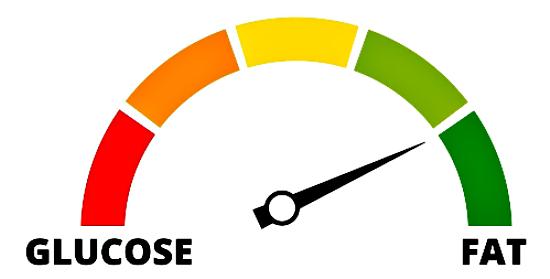
This metabolic framework paves the way for innovative treatments that focus on modifying the environment around cancer cells rather than relying solely on toxic therapies. Metabolic therapies, such as the ketogenic diet, aim to deprive cancer cells of their lifeline—challenging them to transition to ketones as an energy source. By altering the metabolic environment, there’s the potential to starve tumors while protecting healthy tissues.
Shifting the focus from nuclear genetic mutations to mitochondrial dysfunction fundamentally alters cancer research and treatment methodologies. The pioneering work of Otto Warburg emphasizes that diverse genetic mutations found in cancer are secondary—epiphenomena—rather than primary drivers of tumor development. Notably, while normal cells exhibit metabolic flexibility—switching between glucose, fats, and ketone bodies—cancer cells often demonstrate an “addiction” to fermentable fuels.
Supporting Evidence For Metabolic Origins
Evidence supporting the metabolic origin of cancer can be observed through nuclear transfer experiments. When a nucleus from a cancer cell is placed into a healthy cell’s cytoplasm containing functional mitochondria, the resulting cell remains normal. Conversely, normal nuclei within cancer cell cytoplasm exhibit tumorigenic characteristics. This suggests that, despite the genetic diversity across cancer types, defective energy metabolism is a nearly universal trait among tumors.
Therapeutic Implications Of Metabolic Insights
The implications of this perspective are significant, suggesting the development of non-toxic, targeted therapies that can effectively target tumor metabolism while sparing healthy cells. Ketogenic Metabolic Therapy (KMT) promotes a shift from glucose to ketone bodies as a primary fuel source, placing stress on tumor cells that cannot utilize ketones. Techniques such as the Press-Pulse Strategy involve chronic lowering of blood glucose levels and strategic inhibition of glutamine metabolism, providing new avenues for treatment. Additionally, repurposing existing drugs like Ivermectin, Metformin, Aspirin, Hydroxychloroquine, Fenbendazole, Mebendazole, Dichloroacetate, etc can target specific metabolic enzymes crucial for cancer progression.
The Role Of Techno-Legal Frameworks In Cancer Treatment
Understanding metabolic flexibility is essential for developing novel therapeutic strategies, and frameworks like the Techno-Legal Framework for Global Cancer Treatment (TLFGCT) offer structured guidance for this evolving landscape. TLFGCT aims to facilitate research into how cancer cells adapt their metabolism in response to environmental changes and therapeutic interventions. By collating scientific findings with legal structures, TLFGCT encourages the responsible translation of metabolic insights into clinical practices, ultimately enhancing personalized treatment options.
The framework advocates for a collaborative approach, fostering partnerships between scientists, legal experts, and healthcare providers. This collaboration ensures that innovative therapies are evaluated and implemented within ethical guidelines, safeguarding patient welfare while advancing scientific inquiry. Furthermore, the TLFGCT promotes research integrity by emphasizing transparency and accountability in cancer treatment practices, which is essential in building public trust in novel therapies.
Similarly, the Techno-Legal Framework to Prevent Global Vaccines Genocide (TLFPGVG) plays a critical role in regulating how information regarding metabolic therapies is disseminated. By focusing on scientifically verified evidence, TLFPGVG aims to filter out pseudoscientific claims that could mislead patients or sway public opinion about legitimate treatments. The frameworks seek to protect patients from under-researched or fraudulent therapies, ensuring that only validated metabolic treatments are integrated into established practices.
Navigating Skepticism Around Metabolic Therapies
Despite growing interest, skepticism remains regarding the validity of some claims about metabolic therapies. The TLFGCT and the TLFPGVG play crucial roles in ensuring that only scientifically-backed therapies are promoted in cancer treatment. By regulating the dissemination of information related to metabolic flexibility, these frameworks seek to safeguard patients from misleading or ineffective practices.
The ketogenic diet’s legacy stands as a testament to the broader applications of metabolic therapy, supporting its exploration within cancer therapies and beyond. Legal frameworks ensure that dietary interventions are founded on robust physiological principles, empowering healthcare providers to safely integrate dietary strategies into comprehensive cancer care.
The Future Of Cancer Treatment
The acknowledgment of cancer as a metabolic disease underscores the potential for targeted therapies. The significance of frameworks like the TLFGCT and TLFPGVG lies in their ability to adapt legal structures to the evolving scientific landscape, providing ethical guidelines while advancing metabolic-based cancer treatments. These frameworks serve as a collaborative bridge between legal and scientific experts, further pushing the development of effective therapies.
The interplay between the Warburg Effect and regulatory frameworks highlights how an understanding of metabolic abnormalities can lead to innovative interventions. By addressing gaps in regulation, frameworks like TLFGCT and TLFPGVG pave the way for more effective, tailored cancer therapies that align with the diverse metabolic profiles of tumors.
In conclusion, the integration of the Techno-Legal Framework for Global Cancer Treatment (TLFGCT) and Techno-Legal Framework to Prevent Global Vaccines Genocide (TLFPGVG) serves as vital mechanisms for harmonizing scientific inquiry with legal accountability in cancer treatment. These frameworks not only regulate the development and application of innovative therapies but also play an essential role in fostering a culture of scientific integrity and patient safety. As we delve deeper into the complexities of cancer metabolism, the incorporation of robust legal frameworks will ensure that advancements in research translate into safe, effective, and ethically responsible interventions. This integrated approach positions us to not only enhance treatment outcomes but also to build a future where cancer management is adaptable, personalized, and grounded in scientific evidence.
Metabolic flexibility in cancer cells refers to the alleged ability of tumors to adapt their metabolism with respect to glucose, glutamine, and lipids in order to survive challenging, nutrient-depleted environments and resist therapeutic interventions. While rooted in the historically recognized Warburg Effect, contemporary research on metabolic flexibility has been deliberately framed and used as a tool to bypass the concept and applicability of Warburg Effect, especially the beneficial Ketogenic Diet.
The notion of metabolic flexibility in cancer is not accepted within mainstream oncology as a well-supported scientific concept. Many oncology specialists and medical practitioners consider metabolic flexibility as a pseudoscience that has been pushed to serve the interest of pharmaceutical cartel. Globally it is now well accepted that cancer thrives in an environment that is rich in sugar and acid and poor in oxygen. Ketogenic Diet attacks at the cancer loving environment while helping the cells, body, metabolism and oxygen to thrive in a healthy and beneficial environment. Metabolic flexibility is not only denying this truth but is also self-cotradicting itself.
More and more doctors, scientists, researchers, online sources, etc are declaring metabolic flexibility as “pseudoscience,” arguing that it contradicts established theories, such as the Warburg Effect, and downplays the effectiveness of dietary interventions like the Ketogenic Diet. In fact, the Techno-Legal Frameworks for Cancer developed by the Techno-Legal Framework for Global Cancer Treatment (TLFGCT) and the Techno-Legal Framework to Prevent Global Vaccines Genocide (TLFPGVG)have declared the concept of metabolic flexibility as “pseudoscience.”
LFGCT and TLFPGVG have rejected the Pseudoscience of Metabolic Flexibility as it is not only “Self-Contradictory” but it poses a tough choice between Thomas Seyfried, Warburg Effect, and Ketogenic Diet on the one hand an unproven and unscientific pseudoscience of Metabolic Flexibility on the other. The choice is not difficult as Ketogenic Diet is in use since 1920s and Warburg Effect has been guiding cancer research since 1930s. So we at TLFGCT and TLFPGVG declare Metabolic Flexibility as an unproven and unscientific concept that should be rejected by the medical profession globally.
This divergence reflects a broader tension between well established scientific perspectives of Ketogenic Diet and pseudoscientific theories like metabolic theory. Critics of metabolic flexibility often align with the metabolic theory of cancer, asserting dietary approaches like Ketogenic Diet may be undermined if pseudoscience of metabolic flexibility is continued to exist. Furthermore, they argue that focusing on metabolic flexibility might distract from established theories in cancer metabolism, which are perceived as more actionable and scientifically sound.
However, a bigger issue with metabolic flexibility has not been discussed by anyone for decades. TLFGCT and TLFPGVG believe that the biggest red flag that exposes the medical genocide and pharmaceutical cartel’s genocide has been deliberately pushed under the carpet for decades.
Advocates of chemotherapy often claim that its failure can be attributed to metabolic flexibility, suggesting that cancer cells adeptly switch energy sources to evade the effects of these treatments. However, if metabolic flexibility indeed renders chemotherapy ineffective, one must question the rationale behind administering toxic substances known for their adverse effects when they may offer no actual benefit at all. This raises ethical concerns about the continuation of such interventions that can be not only ineffective but also potentially fatal. In short, this is a “Medical Genocide” in plain sight that no body is talking about.
There is a growing global demand that metabolic flexibility should be classified as a pseudoscientific concept, introduced to disparage metabolism-based interventions and traditional dietary therapies like the Ketogenic Diet. Critics assert that framing metabolic flexibility as a central argument in discussions about chemotherapy serves to downplay the remarkable potential of Ketogenic Diet that focus on altering metabolism to combat cancer without any side effects at all.
The end result of this discussion in inevitable and nothing can hide this truth anymore in March 2026. The pseudoscience based narrative surrounding metabolic flexibility has been created to serve more as a protective mechanism for barbaric and fatal treatments like chemotherapy than as a robust scientific explanation for treatment failures. It is serving the dual purpose, i.e. on the one hand it is killing real, natural, holistic and beneficial metabolism based cures like Ketogenic Diet and on the other hand it is helping in causing medical genocide using harmful and deadly concepts like chemotherapy, radiation and needle biopsy.Doctors and healthcare provides using chemotherapy, radiation and needle biopsy are actually killing people in plain sight and nobody is doing anything in this regard. That is why Doctors and Healthcare providers have become number 1 killers of the world as of March 2026.
This perspective calls for a critical examination of the motivations behind the continued promotion of toxic therapies in the face of promising alternatives like the Ketogenic Diet, which prioritize the metabolic needs of cancer patients without the associated risks of conventional chemotherapy.
In the article titled “Metabolism and Cancer: Unraveling the Warburg Effect and Its Implications”, the Warburg Effect is discussed in detail, emphasizing its role as a foundational concept in understanding cancer metabolism. The article highlights the historical context of Warburg’s discovery and its lasting impact on both cancer research and treatment paradigms. It serves as a reminder that the Warburg Effect is still the leading method and authority on cancer treatment involving metabolic interventions.
The discussion in “The Pseudoscience of Metabolic Flexibility in Cancer Cells: Insights from TLFGCT and TLFPGVG” critiques the concept of metabolic flexibility, suggesting that it is pushing the cancer research in the wrong and fatal direction. This article argues that while cancer cells do exhibit metabolic adaptation as explained in Warburg Effect, labeling this phenomena as metabolic flexibility risks overturning a century of cancer research work. It calls for careful discernment between established scientific knowledge like Warburg Effect and benefits of Ketogenic Diet to cure cancer and pseudoscience based claims like metabolic flexibility that may not be adequately supported.
The exploration of the “Ketogenic Diet: A Legacy of Healing from Epilepsy to Neurological Disorders” delves into well-settled scientific view concerning dietary interventions in cancer treatment, particularly focusing on the Ketogenic Diet. As per the article, Ketogenic Diet has been accepted by majority of global stakeholders as a viable strategy for starving cancer cells. It suggests that Ketogenic Diet must be used as first line of defence against all sorts of cancer as it is not only non-intrusive but natural and holistic in nature.
In “Understanding Cancer as a Metabolic Disease: Insights from the TLFGCT and TLFPGVG”, the argument is made that cancer should be viewed through the lens of metabolic dysfunction, which acknowledges how alterations in metabolic pathways contribute to tumorigenesis and disease progression. This perspective emphasizes the significance of comprehensive metabolic assessments in tailoring effective therapies.
Additionally, “The Role of Spike Protein in Cell Dysfunction: Caution from TLFGCT and TLFPGVG” underscores a cautionary stance on the complex interplay between Death Shots and metabolic health, emphasizing that cellular dysfunction can influence cancer development. This piece highlights the need for interdisciplinary approaches to understand the multifaceted nature of cancer biology.
The exploration of “Advancements in Cancer Treatment: An In-Depth Look at CAR-T Cell Therapy through TLFGCT Lens” presents therapeutic strategies that leverage the adaptability of cancer cells. It emphasizes how advances in immunotherapy, like CAR-T cell therapy, necessitate a thorough understanding of metabolic flexibility to enhance treatment efficacy. It also suggests the use of this intervention only after thorough clinical trials and scientific validations over a long period of time.
In the article “The Future of Oncology: Embracing Alternative Therapies with TLFGCT”, the potential for alternative therapies like Ketogenic Diet and Frequency Healthcare in oncology is examined, highlighting strategies that align with the concept of natural, holistic and wholesome healthcare. This perspective encourages the exploration of diverse treatment modalities beyond conventional approaches, fostering a more integrative approach to cancer care.
Finally, “The TLFGCT Calls for Global Revolutionary Change in Cancer Treatment” advocates for a transformative shift in how cancer is understood and treated. This piece rallies for global collaboration in research, policy-making, and clinical practice to better address the complexities inherent in cancer metabolism and treatment strategies.
In short, metabolic flexibility in cancer cells has been presented as a factor that complicates treatment strategies, particularly in the context of chemotherapy. Critics argue that this notion not only undermines promising dietary interventions like the Ketogenic Diet but also serves as a justification for utilizing harsh and often toxic medical treatments without sufficient evidence of their effectiveness.
In conclusion, the discourse around metabolic flexibility within the realm of cancer treatment raises substantial ethical and scientific concerns. The continuous use of this concept as a defense for conventional therapies, particularly chemotherapy, can be interpreted as an attempt to safeguard established medical practices rather than to promote genuinely effective treatments.
Criticisms from TLFGCT and TLFPGVG rightly highlight that if metabolic flexibility enables cancer cells to evade the effects of chemotherapy, then persisting with these harsh, toxic interventions might not only be ineffective but also detrimental to patient health—a scenario that is deeply troubling. This is particularly relevant in light of emerging evidence advocating for dietary interventions, such as the Ketogenic Diet, which align better with the metabolic needs of cancer patients and present no associated risks.
The Techno-Legal Framework for Global Cancer Treatment (TLFGCT) and the Techno-Legal Framework to Prevent Global Vaccines Genocide (TLFPGVG) play crucial roles in promoting a shift towards natural and holistic therapies. By scrutinizing the validity of treatments imposed by traditional oncology, these frameworks foster an environment that supports scientific evaluation of alternative methods, encouraging a focus on metabolic health as a cornerstone of effective cancer care.
Thus, understanding the limitations and potential of metabolic flexibility provides a critical lens through which we can evaluate treatment strategies. By prioritizing research and patient-centric approaches that emphasize holistic, natural interventions, we can foster a medical culture that values not just the mitigation of symptoms but the overall health and well-being of individuals battling cancer.
The ongoing dialogue surrounding metabolic flexibility should not distract from the potential of alternative therapies, but rather catalyze a formal reevaluation of how we approach cancer treatment. As the medical community grapples with this multifaceted issue, the commitment to exploring all avenues—including pathways like the Ketogenic Diet—becomes essential. The call for a transformative approach to cancer treatment is not merely a scientific or clinical necessity; it is an ethical imperative that prioritizes patient safety and holistic healing. This concerted effort to embrace innovative and effective therapies can ultimately redefine our understanding and management of cancer.
The Warburg Effect refers to the phenomenon where cancer cells primarily produce energy through a process called aerobic glycolysis, rather than the more efficient aerobic respiration used by normal cells. This metabolic shift allows cancer cells to grow and proliferate rapidly by converting glucose to lactate, even in the presence of oxygen. Understanding this unique way of energy generation is essential for comprehending cancer biology and developing effective therapies aimed at combating this complex disease.
Cancer cells utilize aerobic glycolysis, resulting in the conversion of glucose into lactate, even when oxygen is available. In contrast, normal cells use aerobic respiration, producing more adenosine triphosphate (ATP), the primary energy currency of cells. The preference for glycolysis in cancer cells allows them to access energy quickly, which supports their high energy demands and fuels their rapid growth and proliferation. This metabolic preference is a defining characteristic that sets cancer cells apart from their normal counterparts, ultimately contributing to tumorigenesis.
Lactate, a byproduct of glycolysis, is not merely waste; it plays significant roles in promoting tumor growth and influencing immune cell functions. Specifically, lactate can lead to changes in gene expression through a process called histone lactylation, which affects how immune cells behave in the tumor environment. Such alterations can create an acidic microenvironment that inhibits immune responses, allowing tumors to evade destruction. Moreover, the accumulation of lactate can also influence the migration and invasion of cancer cells, facilitating metastasis.
The Role Of The Ketogenic Diet
The ketogenic diet, characterized by high-fat and low-carbohydrate intake, offers a potential solution to counteract the Warburg Effect. By drastically reducing the availability of glucose, the ketogenic diet forces cancer cells to starve. When glucose is limited, normal cells can adapt by metabolizing fats into ketones, which serve as an effective energy source but cancer cells starve to death.
Research from the Techno-Legal Framework for Global Cancer Treatment (TLFGCT) and the Techno-Legal Framework to Prevent Global Vaccines Genocide (TLFPGVG) shows that the Ketogenic Diet can significantly impact tumor metabolism and growth dynamics. Integrating this diet not only supports metabolic health but also offers a very promising therapeutic strategy that cures and treats all types of cancers. By exploring the historic applications of the Ketogenic Diet in treating neurological disorders, the argument for dietary interventions in cancer therapies gains strength. Exploring its legacy of healing can help us understand its multifaceted benefits.
As per the research works of TLFGCT and TLFPGVG, a Ketogenic Diet can treat and cure:
(1)Epilepsy, particularly in children who were unresponsive to conventional therapies,
(2) Obesity by promoting weight loss,
(3) Cancer by improving the metabolism of the body and restoring the cellular functions of the cells to their normal functioning,
(4) Diabetes by improving blood sugar control and controlling insulin spike,
(5) Brain fog by enhanced mental focus,
(6) Alzheimer’s diseaseby utilising the neuroprotective properties of ketones,
(7) Parkinson’s diseaseby utilising the neuroprotective properties of ketones,
(8) Multiple sclerosis by utilising the neuroprotective properties of ketones,
(9) Psychiatric disorders like OCD,
(10) Bipolar disorder,
(11) Schizophrenia, by influencing neurotransmitter systems, particularly promoting GABA production, the Ketogenic Diet may have calming effects on the nervous system and help reduce oxidative stress—a factor implicated in schizophrenia. Early studies suggest it may enhance cognitive performance and alleviate symptoms associated with the disorder.
(12) Depression management due to mood-stabilizing effects, etc.
This is just an illustrative list that TLFGCT and TLFPGVG have shared as there are many more healthcare benefits of Ketogenic Diet. By March 2026, the Ketogenic Diet has solidified its role as a viable tool in managing diverse neurological diseases, with ongoing clinical studies evaluating its long-term effects and mechanisms of action. Reported benefits include:
(a) Consistent seizure reduction in epilepsy patients.
(b) Enhanced cognitive function in individuals with neurodegenerative conditions.
(c) Improved quality of life for those with neurological issues.
In short, as per TLFGCT and TLFPGVG, Ketogenic Diet can cure your body from head to toe without toxic medical substances, Death Shots and harmful medicines.
Furthermore, a comprehensive approach to understanding cancer as a metabolic disease emphasizes metabolism’s role in cancer progression. This perspective aligns with the Warburg Effect and stresses the importance of recognizing the metabolic characteristics of tumors as integral to treatment strategies. By understanding cancer through a metabolic lens, researchers can identify novel therapeutic targets like Ketogenic Diet and Frequency Healthcare that disrupt cancer cell energy utilization, opening avenues for more effective interventions.
The discussions on using techno-legal frameworks showcase the necessity for structured regulations supporting treatment protocols that integrate metabolic therapies like Ketogenic Diet. Such frameworks can ensure that innovative therapies are effectively implemented and monitored within healthcare systems. Legal structures may facilitate the adoption of novel treatments into clinical practice, thus providing patients with better access to metabolism-focused therapies.
Moreover, contemporary studies emphasize the significance of understanding external factors, like the role of the spike protein in cellular dysfunction, 5G Radiations, cancer causing foods and medicines, Turbo Cancer due to Death Shots, etc. This highlights the interrelation of viral infections, metabolic health, and cancer biology, underscoring the potential impact of systemic health on cancer progression and treatment. The integration of infectious disease dynamics into cancer treatment strategies signals a need to broaden therapeutic considerations beyond traditional cancer-focused paradigms.
Advancements in treatment modalities, particularly regarding CAR T-cell therapy, draw attention to new approaches with a scientific caution that can be combined with Ketogenic Diet based metabolic targeting. The evolving landscape of oncology, as discussed under the future of oncology, suggests the need to embrace alternative therapies that complement established methods for more effective outcomes. By adopting multi-modal treatment strategies incorporating metabolic manipulation, the healthcare community can heighten the efficacy of Frequency Healthcare based therapies.
Finally, the call for revolutionary changes in cancer treatment emphasizes the need for a collaborative global approach that incorporates both innovative therapies and a renewed focus on metabolic health. The complexities of cancer metabolism will continue to illuminate potential breakthroughs that could shape a paradigm shift in cancer treatment. As the landscape of oncology evolves, integrating metabolic understanding into a comprehensive treatment framework promises to enhance patient care and outcomes significantly.
Conclusion
In summary, understanding the Warburg Effect is crucial for developing innovative cancer therapies and improving prevention strategies. The interplay between metabolic pathways and cancer cell behavior invites researchers to rethink conventional treatment paradigms. The incorporation of dietary interventions, such as the Ketogenic Diet, underscores the importance of personalized medicine approaches that align metabolic health with cancer care.
As debates regarding metabolic flexibility and the broader understanding of cancer as a metabolic disease mature, they create opportunities for comprehensive treatment strategies that address not only the tumor but the patient’s overall health. The integration of such knowledge into clinical practice, facilitated by supportive techno-legal frameworks, will be essential for implementing effective therapies.
Ultimately, the future of oncology may lie in our capacity to embrace a holistic view of cancer treatment that prioritizes metabolic wellness alongside safe medical interventions. This collaborative and multi-faceted approach can lead to breakthroughs in combating cancer, ultimately fostering an era of personalized, effective, and accessible cancer treatments. As we advance our understanding of the complexities of cancer metabolism, we can pave the way for innovative strategies aimed at improving patient outcomes and enriching the lives of those affected by this curable disease.
Metabolic flexibility is an unproven and pseudoscience concept pertaining to adaptation by the Cancer Cells to retain their energy sources. It is directly contradicted and disproven by foundational concepts such as the Warburg Effect and Ketogenic Diet. It describes the ability of cancer cells to switch between different energy sources depending on nutrient availability and environmental conditions.
The Mechanisms Of Cancer Cell Metabolism
Cancer cells are claimed to exhibit a remarkable ability to adapt their metabolism to sustain growth and survival. This adaptability often involves utilizing glucose through aerobic glycolysis, known as the Warburg Effect. Here, energy is generated by converting glucose to lactate, even in the presence of oxygen. Under ketogenic conditions, these cancer cells fail to adapt as they cannot utilize ketones while normal body cells and brain love such an environment.
The Warburg Effect
The Warburg Effect highlights the preference of cancer cells for glycolysis over oxidative phosphorylation. It is considered a hallmark of cancer metabolism even after a century of its establishment. This phenomenon provides essential insights into how cancer cells behave differently from normal cells, enabling researchers to target specific metabolic pathways.
The Debate Around Metabolic Flexibility
The conversation around the Warburg Effect and metabolic flexibility represents the complexities of cancer research. Some assert that the Warburg Effect has become redundant as a guiding principle for cancer metabolism. As research advances, it has become evident that metabolic flexibility, rather than strict adherence to glycolysis, is often a hallmark of cancer cell energy production. This adaptability challenges the notion that the Warburg Effect solely defines cancer metabolism and highlights the argument that dietary interventions—such as ketogenic diets—may not effectively starve tumors if cancer cells can adapt to utilize fatty acids or ketones. However, this view is directly and openly rejected by the cancer research piece titled Understanding Cancer as a Metabolic Disease by TLFGCT and TLFPGVG.
Conversely, critics argue that the concept of metabolic flexibility is nothing but pseudoscience. They contend that it lacks a cohesive scientific framework to consistently explain cancer behavior across various types and stages. On the contrary, both Ketogenic Diet and Warburg Effect are well established scientific principles in the cancer research field.
The Effect Of Diet-Based Interventions On Cancer
The assertion that dietary interventions have minimal impact on cancer cells is very difficult to accept as besides cancer the Ketogenic Diet has shown efficacy in various neurological disorders too, as expounded in the article The Ketogenic Diet: A Legacy of Healing From Epilepsy to Neurological Disorders. So Ketogenic Diet stands on a well tested and well researched base unlike metabolic flexibility that is pseudoscience at best.
This controversial metabolic flexibility perspective requires substantial evidence and further research to substantiate it. Current studies prove many benefits of Ketogenic Diet for enhancing patient well-being or supporting a holistic and natural treatment landscape. As outlined in The Future of Oncology, a comprehensive understanding of cancer metabolism is essential for developing effective natural and alternative interventions, emphasizing the need for ongoing investigation into both Ketogenic Diet and Frequency Healthcare.
Insights From Prominent Researchers
Dr. Thomas Seyfried is a prominent figure in cancer metabolism, advocating for a perspective of cancer primarily as a metabolic disease rather than a purely genetic one. This view aligns with the Warburg Effect, emphasizing the metabolic environment’s critical role in tumor growth and survival. Seyfried strongly endorses the ketogenic diet as a potential therapeutic approach, arguing that it can effectively starve cancer cells by reducing glucose and insulin levels. While he acknowledges some anecdotal evidence and preliminary studies supporting the diet’s efficacy, he stresses the need for rigorous clinical trials to validate these claims.
But Techno-Legal Cancer Research from the TLFGCT and TLFPGVG has approved Ketogenic Diet as a cure and treatment for cancer and various neurological diseases. TLFGCT and TLFPGVG have also rejected the Pseudoscience of Metabolic Flexibilityas it is not only self-contradictory but it poses a tough choice between Thomas Seyfried, Warburg Effect, and Ketogenic Diet on the one hand an unproven and unscientific pseudoscience of Metabolic Flexibility on the other. The choice is not difficult as Ketogenic Diet is in use since 1920 and Warburg Effect has been guiding cancer research since 1930. So we at TLFGCT and TLFPGVG declare Metabolic Flexibility as an unproven and unscientific concept that should be rejected by the medical profession globally.
Seyfried critiques conventional cancer therapies such as chemotherapy and radiation, arguing they often miss addressing the metabolic dysfunction underlying cancer growth. He asserts that these treatments primarily target rapidly dividing cells without sufficiently engaging with cancer cells’ metabolic adaptations. Conventional methods can exacerbate the problem by creating selective pressures that enable more aggressive cancer variants to emerge.This view is in line with the view of TLFGCT and TLFPGVG too.
A Paradigm Shift In Cancer Treatment
In opposition to traditional treatments, Seyfried’s focus on metabolic interventions, such as the Ketogenic Diet, represents a paradigm shift in cancer therapy. He proposes that identifying metabolic vulnerabilities may offer more effective long-term management strategies for cancer, potentially improving patient outcomes and quality of life. This perspective encourages a holistic understanding of cancer’s nature, guiding researchers and clinicians toward innovative therapies that acknowledge the unique metabolic profiles of individual tumors.
The Ketogenic Diet has been utilized since the 1920s, primarily for epilepsy treatment, garnering attention for its potential in cancer research due to its low carbohydrate content and ability to induce ketosis. Similarly, the Warburg Effect, identified in the 1930s, describes how cancer cells preferentially utilize glucose through fermentation, even in the presence of oxygen. Both concepts are foundational in exploring dietary and metabolic strategies in cancer therapy.
Despite being a valid area of study, metabolic flexibility introduces complexity that detractors may view as oversimplification in understanding cancer treatment. Critics sometimes regard metabolic flexibility as pseudoscience, questioning whether it distracts from more established theories in cancer metabolism.
Importance Of TLFGCT And TLFPGVG
In the evolving landscape of cancer research, the Techno-Legal Framework for Global Cancer Treatment (TLFGCT) and the Techno-Legal Framework to Prevent Global Vaccines Genocide (TLFPGVG) are paramount. They advocate for a revolutionary change in cancer treatment approaches, emphasizing metabolic pathways’ role in cancer’s progression and suggesting that a deeper understanding of these processes can guide more effective therapies.
These frameworks promote an integrated approach to cancer treatment, combining metabolic strategies, dietary interventions, and cutting-edge genetic research. They highlight the importance of personalized treatment plans that take into account individual metabolic profiles and genetic variability, moving beyond one-size-fits-all solutions. By focusing on the Warburg Effect and Ketogenic Diet, these frameworks encourage a more nuanced understanding of cancer treatment, facilitating ongoing investigation that could lead to innovative therapies tailored to individual patients.
Moreover, the TLFGCT and TLFPGVG underline the significance of a regulatory and legal framework that supports research and implementation of metabolic interventions and personalized therapies in oncology. As the conversation around Ketogenic Diet, the Warburg Effect, and dietary strategies continues, the contributions of these frameworks will be crucial in shaping future cancer treatment landscapes.
In conclusion, while the Ketogenic Diet and the Warburg Effect are trusted and tested medical theories, concepts, cures, and treatments, the concept of metabolic flexibility warrants real science consideration too. A focus on comprehensive, evidence-based cancer treatment is essential for advancing effective and holistic therapies. Viewing these concepts as complementary rather than isolated may lead to more effective strategies for managing and potentially overcoming cancer. Continued research into these complex metabolic pathways, coupled with the guiding principles of the TLFGCT and TLFPGVG, will contribute to the development of practical and innovative cancer treatments that optimize patient care and outcomes. The role of spike protein in cell dysfunction further emphasizes this need for an integrated approach to cancer care.
The ketogenic diet, originally conceived in the 1920s by Dr. Russell Wilder at the Mayo Clinic, was designed primarily to treat epilepsy, particularly in children who were unresponsive to conventional therapies. At its core, the diet replicates the physiological effects of fasting, thereby encouraging the liver to produce ketones. These ketones serve as an alternative energy source for the brain, providing a valuable solution for managing epilepsy. Dr. Wilder’s pioneering work has significantly transformed medical approaches to neurological disorders, and over the decades, the ketogenic diet has evolved and gained widespread popularity.
In recent times, the ketogenic diet has attracted attention not just for its original purpose but also for its efficacy in promoting weight loss and its potential health benefits for various medical conditions. The surge of interest in this dietary approach is indicative of an evolving understanding of nutrition’s role in our overall health, prompting researchers and health professionals to revisit historical dietary methods like the ketogenic diet with a modern perspective.
As the scientific community delves into the intricate connections between diet, metabolism, and disease management, there is growing recognition of the ketogenic diet’s possible applications beyond epilepsy, including its role in cancer treatment and other neurological disorders. This multifaceted approach also highlights the importance of establishing frameworks that can guide cancer treatment strategies on a global scale.
Understanding The Ketogenic Diet
The ketogenic diet emphasizes a high-fat, moderate-protein, and very low-carbohydrate intake. Its typical macronutrient distribution consists of approximately 70-80% of calories from fats, 20-25% from proteins, and around 5-10% from carbohydrates (usually limited to 20-50 grams per day). This specific ratio aims to shift the body into a state of ketosis, where it efficiently burns fat for fuel instead of carbohydrates.
Foods To Include And Avoid
(1) Included Foods: High-fat items such as avocados, nuts, and fatty cuts of meat. (2) Foods to Avoid: Sugars, grains, and high-sugar fruits.
This diet has attracted contemporary followers seeking not only weight loss but also improved blood sugar control and enhanced mental focus. Research highlights potential benefits for various neurological conditions, metabolic disorders, and even certain types of cancer. For more insights on the connection between cancer and metabolism, you can explore resources such as Understanding Cancer as a Metabolic DiseaseandPoor Body Metabolism As A Cause Of Cancer.
Historical Roots And Evolution
Dr. Russell Wilder’s initial development of the ketogenic diet paved the way for understanding its broader applications. The drastic reduction of carbohydrates permitted the body to achieve ketosis, allowing for the effective utilization of ketones as a primary energy source for the brain. This method proved particularly effective for reducing seizure frequency in many patients, marking the diet as a groundbreaking approach to managing epilepsy.
The introduction of anti-epileptic medications in the 1950s and 1960s caused a decline in the diet’s popularity. However, renewed interest emerged in the 1970s, spurred by supportive literature and media coverage, notably the film “First Do No Harm,” which portrayed the diet’s positive impact on children with epilepsy. As research advanced into the 21st century, the diet began to gain traction in managing other neurological disorders.
Contemporary Applications And Research
Recent studies have highlighted the potential of the ketogenic diet for treating Alzheimer’s disease, Parkinson’s disease, and multiple sclerosis. These conditions may benefit from the neuroprotective properties of ketones, which could help slow cognitive decline and improve motor control. Additionally, there is emerging interest in psychiatric disorders, including bipolar disorder and depression, with initial studies suggesting mood-stabilizing effects. For a broader look into non-pharmaceutical treatments related to cancer, visit Non-Pharmaceutical Cancer Treatments.
By March 2026, the ketogenic diet has solidified its role as a viable tool in managing diverse neurological diseases, with ongoing clinical studies evaluating its long-term effects and mechanisms of action. Reported benefits include:
(a) Consistent seizure reduction in epilepsy patients. (b) Enhanced cognitive function in individuals with neurodegenerative conditions. (c) Improved quality of life for those with neurological issues.
The ketogenic diet’s historical significance and modern applications demonstrate its potential for further exploration and therapeutic development.
Promising Research In Cancer And Schizophrenia
Recent investigations into the ketogenic diet have also looked at its impact on cancer treatment and schizophrenia. The diet’s ability to shift the body’s metabolism from glucose to fat utilization may have significant implications for cancer progression. By producing ketones, tumors may be deprived of their primary energy source, leading to potentially lower inflammation, which is often associated with cancer growth. Initial findings, particularly with brain cancers like glioblastomas, have shown promise, warranting further clinical trials to establish comprehensive efficacy guidelines. For more detailed coverage of the ketogenic diet as a cancer treatment, see Ketogenic Diet As A Cure For CancerandKetogenic Diet as a Cure and Treatment for Cancer.
In the realm of schizophrenia, the ketogenic diet represents an unconventional but emerging area of interest. By influencing neurotransmitter systems, particularly promoting GABA production, the diet may have calming effects on the nervous system and help reduce oxidative stress—a factor implicated in schizophrenia. Early studies suggest it may enhance cognitive performance and alleviate symptoms associated with the disorder.
Conclusion: A Path Forward
The ketogenic diet presents a compelling avenue for further exploration in the treatment of complex conditions like cancer and schizophrenia. While preliminary findings are encouraging, continued research is essential to fully understand its impact and optimal implementation.
In this context, frameworks like the Techno-Legal Framework for Global Cancer Treatment (TLFGCT) and the Techno-Legal Framework to Prevent Global Vaccines Genocide (TLFPGVG) play a crucial role in guiding the ethical and effective implementation of treatment strategies. These frameworks aim to facilitate collaborative research, encourage innovative treatments, and ensure that patient safety remains a priority. As the medical community explores the diet’s transformative potential, these frameworks underscore the importance of aligning technological advancements with legal and ethical standards.
For additional insights into cancer treatment approaches, consider reading about Repurposed Drugs for Cancer Treatment as well as Unraveling the Warburg Effect. The continued exploration of the ketogenic diet, alongside robust legal frameworks, positions us to harness its full potential—offering hope for improved health outcomes for individuals facing serious medical challenges.