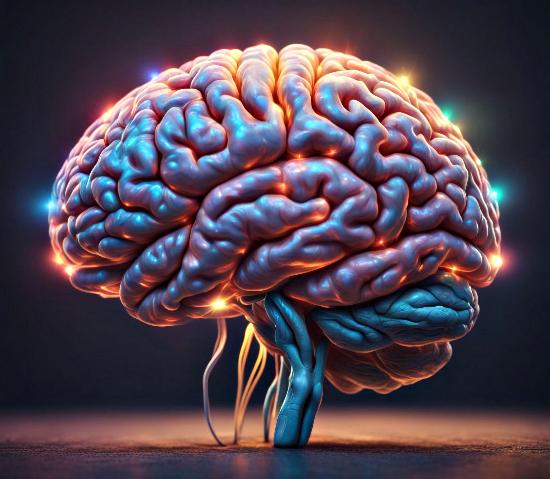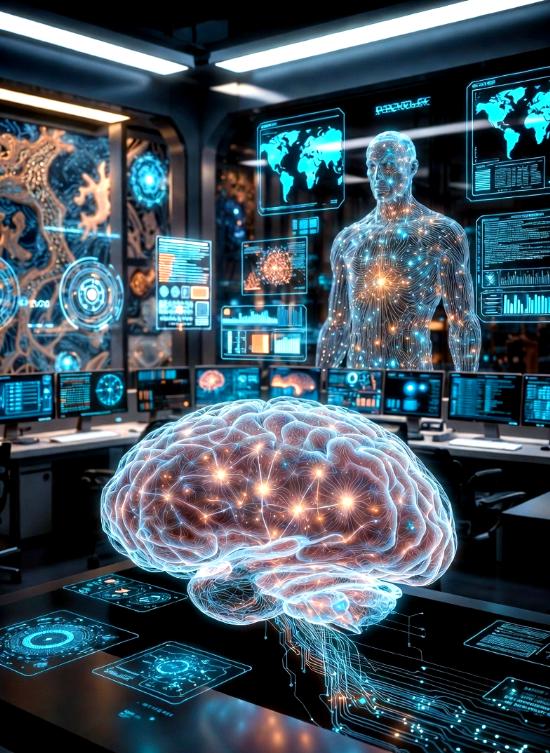
The International Techno-Legal Constitution (ITLC) has made a groundbreaking declaration of the Right to Cognitive Integrity as an inviolable human right, recognizing the critical need to protect the cognitive processes of individuals in a rapidly advancing technological landscape. This recognition is timely and necessary, given the challenges posed by innovations in artificial intelligence, neurotechnology, and related fields. One approach that serves to bolster this right is the Safe and Secure Brain Architecture (SSBA) developed by Praveen Dalal.
Key Aspects Of The Right To Cognitive Integrity
(a) Mental Autonomy: Individuals have the right to control their cognitive processes, ensuring that their thoughts and decisions remain private and free from external manipulation.
(b) Informed Consent: Any use of technology that interacts with cognitive functions must be based on informed consent, allowing individuals to make educated choices regarding their mental space.
(c) Protection Against Invasive Technologies: This right defends individuals against unauthorized or unethical technologies that might infringe on their cognitive integrity, such as surveillance or neuro-manipulation.
(d) Access to Mental Health Resources: Ensuring that individuals have access to mental health resources and support systems that uphold their cognitive integrity and assist them in navigating technological challenges.
(e) Accountability Mechanisms: The existence of legal frameworks that hold individuals, corporations, or governments accountable for violations of cognitive integrity, creating an accountability structure that protects mental autonomy.
Relationship To Other Neurorights
The Right to Cognitive Integrity is intrinsically linked to other emerging neurorights, creating a comprehensive framework for safeguarding mental autonomy in the digital age. These neurorights include the Right to Mental Privacy, which ensures the confidentiality of individual thoughts and neural data, and the Right to Neuroenhancement, which protects the freedom of individuals to enhance their cognitive abilities without coercion or manipulation.
Additionally, the Right to Access Neurotechnology emphasizes the importance of equitable access to beneficial neurotechnologies, allowing individuals to improve their cognitive health and capabilities. Collectively, these neurorights underscore the necessity of a holistic approach to mental autonomy, promoting protections that span various aspects of cognitive life.
From this perspective, the recognition of cognitive integrity as a core human right sets a foundation for a larger societal shift, encouraging discussions around the ethical deployment of neurotechnologies. It advocates for a framework where mental health is central to the conversation about technology, building a future in which individuals are not victims of cognitive manipulation but active participants in their cognitive landscapes.
NeuroAI And The Integration with SSBA
Dalal’s research also delves into the intersection of NeuroAI and SSBA, focusing on how neural networks can enhance cognitive processes while adhering to ethical standards. The synergy between NeuroAI and SSBA seeks to empower individuals, allowing them to engage with technology without fear of invasive monitoring or influence. For more insight on this integration, refer to the NeuroAI and SSBA concepts. By establishing ethical boundaries around cognitive technologies, this approach strengthens the Right to Cognitive Integrity.
Types Of Brain-Computer Interfaces (BCIs)
Another facet of Dalal’s work involves discussing the different types of Brain-Computer Interfaces (BCIs) currently in existence, as of March 2026. The safe application of these interfaces is crucial, as they can either support cognitive development or pose serious risks of cognitive infringement. The SSBA framework provides a necessary guideline for the ethical use of BCIs, ensuring they are designed with cognitive integrity in mind. To explore the various types of BCIs, you can read more in the current overview of BCIs.
Addressing Nervous System Manipulation
One alarming aspect of modern technology is the potential for nervous system manipulation. This includes patents and technologies aimed at influencing cognitive functions without consent. The SSBA framework provides solutions to counter these manipulative technologies by advocating for stringent regulatory measures and ethical guidelines. The need for such solutions is urgent, as the unchecked development of these technologies poses a significant threat to cognitive integrity. For a deeper understanding of the threats of manipulative technologies, see the article on nervous system manipulation.
The Threat Of Psycho-Electronic Weapons
The evolution of psycho-electronic weapons represents one of the most substantial challenges to cognitive integrity. These weapons can compromise mental spaces by employing neurotechnological methods to influence thoughts and actions. The SSBA’s protective measures are fundamental in combating these threats, ensuring that individuals retain control over their cognitive faculties. The concerning implications of psycho-electronic weapons, including their potential misuse, highlight the urgent need for frameworks like SSBA. For further details on this pressing issue, check out the discussion on the evolution and threat of psycho-electronic weapons.
Understanding Safe And Secure Brain Architecture (SSBA)
Safe and Secure Brain Architecture (SSBA) is an innovative framework that aims to enhance the protective measures surrounding individuals’ cognitive functions and mental spaces. According to Dalal, SSBA addresses potential threats arising from advanced technologies that could manipulate or interfere with human cognition. By implementing a robust architecture that prioritizes mental safety, SSBA acts as a vital safeguard, reinforcing the Right to Cognitive Integrity.
SSBA And Its Role In Cognitive Protection
The SSBA framework proposes a multidimensional approach to ensure cognitive safety by integrating technological safeguards with ethical considerations. It prevents unauthorized access to an individual’s mental processes, thereby mitigating the risk of cognitive exploitation. This is particularly important in an age where mental data can be harvested, processed, and analyzed without individual consent, leading to potential mental manipulation. The SSBA aims to counteract these threats by establishing clear boundaries for the interaction between technology and human cognition.
Legal Framework Supporting SSBA
The ITLC provides a legal backdrop that strengthens SSBA, aligning legal rights with technological developments. By enshrining the Right to Cognitive Integrity within a techno-legal framework, the ITLC ensures that there are repercussions for violations of cognitive rights. This legal reinforcement is essential in maintaining individual autonomy and safeguarding mental processes against invasive technologies.
Ethical Considerations In Cognitive Technologies
The ethical considerations surrounding cognitive technologies are becoming increasingly relevant. The SSBA framework encourages developers and researchers to prioritize ethical standards while innovating. By adhering to ethical guidelines, technology can advance without compromising cognitive integrity. This promotes a balanced relationship between innovation and respect for individual rights, aligning with the principles of the ITLC.
Conclusion
The Right to Cognitive Integrity, as recognized by the ITLC, is underscored by frameworks like the Safe and Secure Brain Architecture. As the world continues to evolve technologically, it is imperative that cognitive rights are not only recognized but actively protected. SSBA serves as a proactive measure to ensure that individuals maintain control over their cognitive processes, safeguarding them against potential violations. The interplay between legal protections, ethical considerations, and technological advancements will ultimately determine how effectively we can uphold cognitive integrity in the future.
Moreover, the adoption of the Right to Cognitive Integrity on a global scale would signify a monumental shift in international human rights discourse. If nations universally embraced this right, akin to the ITLC, it could lead to the establishment of comprehensive legal frameworks and standards that transcend borders. This global consensus would set a precedent for prioritizing human dignity in the face of rapid technological advancement.
Countries around the world could collaborate to harmonize their laws concerning cognitive rights, creating an international covenant that mandates respect for cognitive integrity. This would not only foster more transparent technological development but also strengthen international relations through shared ethical commitments. In a world where data privacy and mental autonomy are increasingly under threat, this unified approach could serve as a beacon of hope, ensuring the safeguarding of cognitive integrity for future generations.
Through this collective effort, we could witness the emergence of a new norm where technology is developed with a sense of responsibility, protecting individuals from cognitive manipulation. The ITLC and its recognition of cognitive rights stand as foundational pillars in this journey, encouraging nations to advocate for the fundamental rights of all individuals, regardless of geographic or socio-economic barriers. In doing so, we take a significant step towards a future where technology serves humanity, enriching lives without undermining mental autonomy.