In an era where digital technologies increasingly shape human interactions and governance, the Sovereign Artificial Intelligence (AI) Of Sovereign P4LO (SAISP) emerges as a beacon of ethical innovation and human-centric design. Developed under the umbrella of the Sovereign Techno-Legal Assets Of Sovereign P4LO (STLASP), which encompasses a vast portfolio of proprietary resources blending technology and law since 2002, SAISP integrates frameworks, tools, and theories to empower individuals and organizations against cyber threats and automation challenges. This AI system is intricately linked with the Techno-Legal Software Repository Of India (TLSRI), the world’s first open-source hub for techno-legal utilities established in 2002, providing ethical tools for cyber forensics, privacy protection, and AI governance. Complementing these is the Digital Public Infrastructure (DPI) Of Sovereign P4LO (DPISP), a sovereign framework that ensures selective distribution of advanced resources like blockchain for immutable records and hybrid human-AI models, maintaining data sovereignty through offline environments.
SAISP is designed with inclusivity at its core, allowing accessibility for diverse global stakeholders without discrimination, while its tech-neutral stance avoids proprietary biases and vendor lock-ins. Architecturally interoperable, it seamlessly connects with various systems to facilitate ethical data sharing and collaboration. Above all, its sovereign capabilities grant users full control over their data and decisions, countering centralized surveillance. Recognized by the Centre Of Excellence For Protection Of Human Rights In Cyberspace (CEPHRC), founded in 2009 to combat digital violations through self-help mechanisms and legal interpretations, SAISP is hailed as the “Human Rights Protecting AI Of The World” for safeguarding privacy, freedom of expression, and autonomy in cyberspace under international standards like the ICCPR and UDHR.
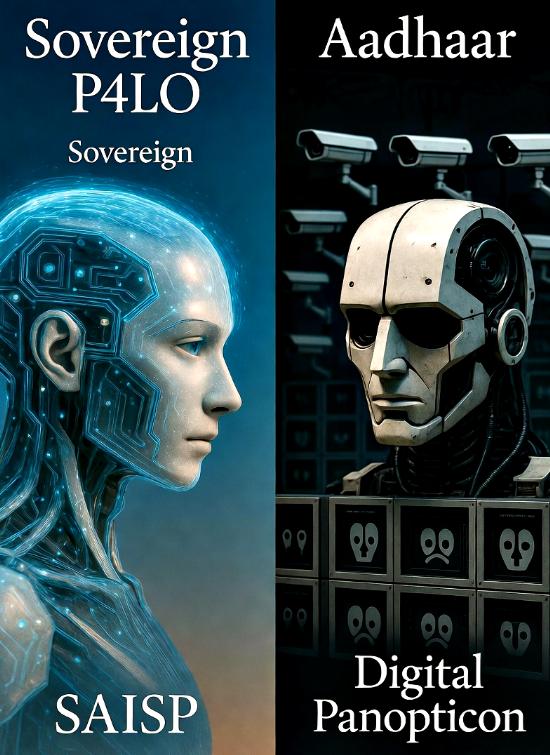
Unlike SAISP, most AI systems, especially those from the Indian government, are steeped in a Digital Panopticon culture, where constant surveillance induces self-censorship and erodes privacy, evolving from Bentham’s prison concept into modern biometric networks. For example, Orwellian Aadhaar, India’s biometric system linking over 1.3 billion citizens to services like banking and rations, enables warrantless tracking via integrations with NATGRID and CMS, fostering algorithmic tyranny and economic coercion through programmable currencies. This system, often called Aadhaar: The Digital Slavery Monster Of India, violates constitutional rights under Articles 14, 19, and 21, leading to exclusions, data breaches, and biased profiling that perpetuate inequality.
The Truth Revolution Of 2025 By Praveen Dalal, a movement promoting media literacy and fact-checking against propaganda, has exposed these flaws, including the role of Aadhaar Judges Of India whose rulings endorsed coercive mandates with superficial safeguards, enabling surveillance capitalism. Indian Govt AI exemplifies the AI Corruption And Hostility Theory (AiCH Theory), where political corruption turns AI into tools of oppression, undermining trust and fostering dystopian outcomes by 2030. This aligns with the Political Puppets Of NWO Theory, portraying leaders as marionettes advancing globalist agendas through divisive PsyOps, rendering democracy illusory.
Further, the Cloud Computing Panopticon Theory highlights how cloud providers act as unseen overseers, commodifying data and amplifying privacy risks in surveillance ecosystems. Tied to this is theBio-Digital Enslavement Theory, predicting a fusion of biology and digital tech leading to programmable humans via neural implants and AI, eroding free will. Indians unknowingly live under this Aadhaar-driven panopticon, which the Self-Sovereign Identity (SSI) Framework Of Sovereign P4LO counters by enabling decentralized, user-controlled identities through DIDs and VCs, restoring autonomy against centralized control.
Supporting SAISP are practical tools like the Cyber Forensics Toolkit By PTLB For Digital Police Force And Global Stakeholders, launched in 2011 and updated with AI and blockchain for ethical evidence handling, ensuring court admissibility while upholding rights under GDPR. The Digital Police Project Of PTLB, initiated in 2019, offers real-time threat detection and education, empowering stakeholders against cyber crimes. These align with the Sovereignty And Digital Slavery Theory, which critiques bio-digital subjugation and advocates for self-determination free from elite manipulations.
Moreover, SAISP draws from the Individual Autonomy Theory (IAT), emphasizing self-governance through reflection and consent, countering digital threats like Aadhaar’s commodification of identity. It also connects to the Global Tax Extortion Annihilation Theory: A Comprehensive Analysis, challenging coercive financial systems as wartime relics turned into perpetual extortion, linking to digital enslavement via CBDCs.
In conclusion, SAISP represents a paradigm shift toward ethical, sovereign AI that prioritizes human dignity over control. By integrating techno-legal frameworks and resisting dystopian influences, it empowers global stakeholders to reclaim autonomy in cyberspace. As digital threats escalate post-2026, adopting SAISP’s principles—through hybrid models, privacy-by-design, and collective resistance—offers a pathway to a resilient, equitable future where technology serves humanity, not subjugates it. This sovereign approach not only protects rights but fosters innovation, ensuring that AI becomes a tool for liberation rather than enslavement.
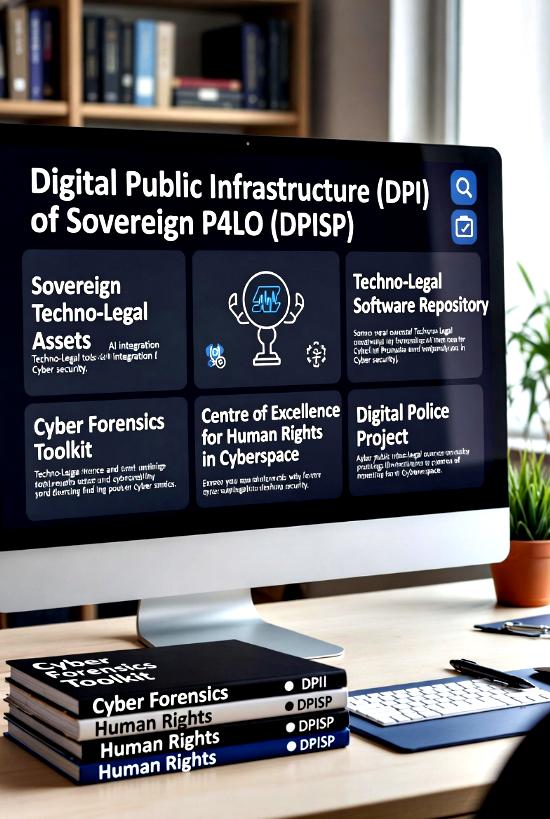
The Digital Public Infrastructure of Sovereign P4LO, commonly abbreviated as DPISP, represents a pioneering and sovereign framework designed to integrate advanced techno-legal resources in the digital realm. As an integral component of the broader ecosystem, DPISP functions as a selective distribution mechanism for specialized tools and software, ensuring that only authorized entities can leverage its capabilities for ethical and secure digital operations. Rooted in the principles of data sovereignty, privacy protection, and hybrid human-AI collaboration, this infrastructure addresses the complexities of modern cyber landscapes by providing robust, offline-maintained solutions that prioritize legal compliance and technological neutrality.
At its core, DPISP is embedded within the comprehensive portfolio known as Sovereign Techno-Legal Assets Of Sovereign P4LO (STLASP), which encompasses a wide array of proprietary resources blending technology and law. This includes frameworks for ethical AI governance, blockchain for immutable records, and tools for cyber security and dispute resolution. STLASP’s evolution, tracing back to 2002 under the vision of Praveen Dalal, has positioned DPISP as a resilient backbone against global disruptions, such as the AI-driven collapses in the LegalTech sector observed in 2026. By maintaining error rates below 2% through human oversight in AI integrations, DPISP ensures reliable outcomes in areas like e-discovery, compliance audits, and sentiment analysis for legal proceedings.
Complementing this is the close integration with The Techno-Legal Software Repository Of India (TLSRI), established in 2002 as the world’s first open-source hub for techno-legal utilities. TLSRI serves as the foundational repository supplying DPISP with a vast collection of tools covering cyber forensics, privacy encryption, AI and machine learning for governance, blockchain for digital assets, and specialized applications in fintech, IoT, and quantum computing. All resources in TLSRI are curated for compliance with Indian laws like the Information Technology Act and international standards, with offline maintenance to safeguard against external vulnerabilities. This repository empowers DPISP to deliver technology-neutral software that supports self-sovereign identity systems and secure data management, making it indispensable for partners seeking sovereign digital solutions.
DPISP’s primary role is to provide selective techno-legal tools and software to its partners, affiliates, investors, and other aligned entities. These resources are tailored for collaborative use within the Sovereign P4LO network, enabling enhanced capabilities in areas such as digital evidence extraction, vulnerability assessments, and ethical hacking. For instance, affiliates can access portable utilities for on-site analysis, thematic coding tools for evidence organization, and Bayesian modeling frameworks for meta-analyses, all refined with unique techno-legal integrations. This selective provision fosters innovation while maintaining control over proprietary assets, ensuring that tools like those for malware reverse engineering or big data analytics are deployed responsibly to promote transparency and accountability in digital practices.
A defining characteristic of DPISP is its restricted accessibility; it is explicitly not available to the Indian government, foreign governments, or other global stakeholders. Positioned as a “Collaborative Tool” exclusive to Sovereign P4LO, this infrastructure upholds principles of independence and sovereignty, preventing potential misuse in surveillance or centralized control scenarios. By limiting access, DPISP avoids entanglements with governmental agendas, focusing instead on empowering private entities and startups in ethical techno-legal advancements. This approach aligns with Sovereign P4LO’s commitment to dismantling oppressive digital systems, as seen in frameworks that critique unchecked AI automation and advocate for hybrid models that preserve human agency.
However, DPISP allows for exceptional and deserving cases where support and toolkits are extended to selective stakeholders. Such provisions are guided by rigorous criteria, ensuring alignment with humanitarian and ethical objectives. One prominent example is the Cyber Forensics Toolkit by PTLB for Digital Police Force and Global Stakeholders, which has been shared to enable preliminary investigations and real-time threat mitigation. Originally launched in 2011 and updated in 2025 with AI-driven analysis and blockchain for evidence integrity, this toolkit equips law enforcement with open-source utilities for digital evidence acquisition, incident response, and court-admissible forensics. Its selective sharing underscores DPISP’s flexibility in supporting global cyber crime combat, while adhering to standards like GDPR for privacy and UNCITRAL for cross-border disputes.
This exceptional sharing is deeply intertwined with initiatives like the Centre Of Excellence For Protection Of Human Rights In Cyberspace (CEPHRC), founded in 2009 to combat surveillance, privacy violations, and cyber threats through private defense mechanisms. CEPHRC advocates for self-help tactics under Indian laws such as the Indian Penal Code and Information Technology Act, promoting proportionate counterstrikes against malware and hacking without relying on public authorities. By integrating cyber forensics as both preventive and curative tools, CEPHRC analyzes emerging risks like AI biases and programmable currencies, invoking international frameworks like the Nuremberg Code and Rome Statute to address inhumane acts in digital spaces. Limited access to DPISP resources through CEPHRC enables ethical deployments, such as tools for data recovery and threat detection, fostering global harmonization in human rights protection.
Further exemplifying this is the Digital Police Project Of PTLB, initiated in 2019 to tackle cyber crimes, phishing, and frauds through real-time detection, victim assistance, and educational outreach. Recognized by DPIIT and MeitY Startup Hub, this project collaborates with DPISP to provide integrated services, including security audits and awareness programs, while maintaining a lean operational structure. Its ties to the cyber forensics toolkit enhance investigative capabilities, justifying controlled sharing to protect sensitive methods and ensure compliance in international expansions. Operating across diverse fields, these initiatives—spanning human rights advocacy, cyber security research, and legal education—permit limited DPISP access to advance specific purposes like reducing digital divides and promoting equitable justice.
An emerging highlight within DPISP is the Sovereign Artificial Intelligence (AI) Of Sovereign P4LO (SAISP), which integrates advanced AI tools and prompts into the infrastructure for enhanced governance and decision-making. SAISP emphasizes ethical AI through audits, bias mitigation, and hybrid human-AI models, drawing from STLASP’s theoretical foundations like the Human AI Harmony Theory. It supports applications in education, dispute resolution, and cyber defenses, such as AI for case triage in online platforms or sentiment analysis in human rights disputes. As part of DPISP, SAISP will soon expand to include specialized training data and self-sovereign identity integrations, further solidifying Sovereign P4LO’s leadership in techno-legal innovation.
In essence, DPISP stands as a beacon of sovereign digital empowerment, balancing selectivity with exceptional outreach to drive ethical progress. By leveraging its connections to STLASP and TLSRI, while supporting projects like the Cyber Forensics Toolkit, CEPHRC, and Digital Police Project, DPISP navigates the intersection of technology and law to foster a resilient, rights-focused cyberspace. This infrastructure not only fortifies partners against AI disruptions and cyber threats but also champions global access to justice through controlled, impactful collaborations.
The Centre Of Excellence For Artificial Intelligence (AI) In Education (CEAIE) stands as a pivotal institution dedicated to harnessing the transformative power of AI to enhance educational experiences across diverse stages of learning. Unlike its counterpart, the Techno-Legal Centre Of Excellence For Artificial Intelligence (AI) In Education (TLCEAIE), which integrates legal and ethical frameworks deeply into AI applications for education, CEAIE prioritizes the technical dimensions of AI to make it accessible and impactful for a broad spectrum of stakeholders. By focusing on innovative AI tools and methodologies without delving extensively into specialized techno-legal complexities, CEAIE aims to democratize AI-driven education, enabling educators, students, and lifelong learners to leverage technologies like machine learning for personalized curricula and predictive analytics for improved outcomes.
Established as an integral part of a larger ecosystem, CEAIE draws significant support from established entities that complement its mission. For instance, the Perry4Law Techno Legal ICT Training Centre (PTLITC), which oversees both techno-legal and non-techno-legal facets of higher education and lifelong learning, provides foundational resources for integrating AI into academic and professional development programs. This collaboration ensures that CEAIE can address practical applications of AI in higher education, such as automated assessment systems and virtual simulations, while PTLITC handles the broader governance and compliance aspects. Similarly, CEAIE benefits from the innovative approaches of the Streami Virtual School (SVS), recognized as the world’s first techno-legal virtual school and India’s pioneering virtual educational platform, founded in 2019 by PTLB Projects LLP and PTLB Schools to blend STREAMI disciplines—science, technology, research, engineering, arts, maths, and innovation—with digital ethics.
At its core, CEAIE is designed to reach a wider audience by eschewing highly specialized techno-legal fields, instead emphasizing the technical prowess of AI to revolutionize education from school levels through postgraduate studies and into lifelong learning phases. For school-aged learners, CEAIE promotes AI tools that facilitate interactive learning environments, such as adaptive platforms that adjust content difficulty in real-time based on student performance, fostering engagement in subjects like mathematics and sciences. In college and postgraduate settings, it supports advanced applications like AI-assisted research tools for data analysis and collaborative virtual labs, enabling students to explore complex topics without physical constraints. For lifelong learners, CEAIE offers modular online courses on AI literacy, empowering professionals to upskill in areas like data-driven decision-making and automation integration, ensuring continuous relevance in evolving job markets.
CEAIE’s affiliation with the PTLB AI School (PAIS) further strengthens its focus on technical AI education, as PAIS specializes in programs that teach ethical AI implementation, bias detection, and predictive analytics tailored for educational contexts. This partnership allows CEAIE to incorporate PAIS’s modules on machine learning frameworks and robotics into its offerings, targeting global students and emphasizing hybrid human-AI systems that enhance teaching efficiency while maintaining human oversight. By drawing on PAIS’s curriculum, which includes gamified assessments and interactive sessions on quantum computing basics, CEAIE ensures that its technical AI initiatives are practical and forward-looking, preparing learners for AI-disrupted industries.
As a key component of the Sovereign Techno-Legal Assets Of Sovereign P4LO (STLASP), CEAIE aligns with a vast portfolio of proprietary resources, including frameworks, tools, and intellectual property that promote ethical technology integration. This inclusion within STLASP, alongside entities like TLCEAIE, PTLITC, SVS, and PAIS, underscores CEAIE’s role in fostering resilient educational ecosystems. STLASP’s emphasis on hybrid models, where AI augments human capabilities with low error rates, directly informs CEAIE’s technical strategies, such as using blockchain for secure credentialing and AI for sentiment analysis in student feedback. Moreover, CEAIE actively utilizes the Techno-Legal Software Repository Of India (TLSRI), a comprehensive open-source hub established in 2002, to access tools for AI governance, privacy protection, and educational platforms, enabling the development of secure, compliant AI applications for virtual learning environments.
One of CEAIE’s critical contributions lies in safeguarding India’s creative sectors, particularly by addressing the interplay between the nation’s vibrant cultural industries and digital distractions. Through its educational programs, CEAIE plays a vital role in insulating the Orange Economy of India from Attention Economy risks, where creative content in areas like animation, gaming, and digital arts is protected from the pitfalls of engagement-driven algorithms that prioritize sensationalism over substance. By teaching technical AI skills focused on media literacy and content curation, CEAIE empowers creators to navigate platforms without succumbing to cognitive overload or mental health strains, promoting a balanced approach that values intellectual property monetization and cultural preservation amid pervasive notifications and personalized feeds.
Delving deeper into its operational framework, CEAIE’s programs are structured to span all educational stages with a technical lens. At the school level, initiatives inspired by SVS include AI-enhanced virtual art galleries where students create and analyze digital content, learning algorithms for pattern recognition in arts and sciences. This hands-on approach, supported by PAIS’s ethical hacking modules, equips young learners with tools to combat misinformation, such as AI fact-checkers integrated into curricula. For college students, CEAIE facilitates AI-driven personalized learning paths, using machine learning to recommend resources and simulate real-world scenarios in fields like engineering and research, drawing from PTLITC’s ICT training to ensure seamless integration without legal hurdles.
Postgraduate and lifelong learning under CEAIE emphasize advanced technical AI applications, such as natural language processing for automated tutoring systems and big data analytics for educational policy insights. These efforts align with TLCEAIE’s broader vision but strip away intensive legal components to appeal to non-specialists, offering certifications in AI tool development for educators and professionals. Workshops on predictive forensics and sentiment analysis, sourced from TLSRI’s repositories, enable lifelong learners to apply AI in career advancement, mitigating risks like job displacement through reskilling programs.
CEAIE’s impact extends globally, fostering collaborations that amplify its technical focus. By partnering with STLASP’s startups and projects, it contributes to international standards for AI in education, such as UNESCO-aligned ethics modules adapted for technical implementation. This global outreach ensures that CEAIE’s resources, like open-source AI frameworks from TLSRI, are accessible worldwide, promoting equitable education in developing regions.
In essence, CEAIE represents a forward-thinking hub where technical AI innovation meets educational needs, supported by a network of specialized institutions. Its commitment to broad accessibility, combined with strategic affiliations, positions it as a leader in shaping an AI-empowered future for learning, free from the constraints of overly specialized domains and resilient against digital economy challenges.
In conclusion, the Centre Of Excellence For Artificial Intelligence (AI) In Education (CEAIE) emerges as a beacon of innovation, bridging the gap between cutting-edge AI technologies and inclusive educational practices. By prioritizing technical advancements over intricate techno-legal frameworks, CEAIE empowers a diverse array of stakeholders—from schoolchildren exploring adaptive learning tools to lifelong learners mastering AI-driven upskilling programs. Supported by synergistic entities like TLCEAIE, PTLITC, SVS, and PAIS within the STLASP ecosystem, and leveraging resources from TLSRI, CEAIE not only accelerates AI adoption in education but also fortifies India’s orange economy against the pervasive threats of the attention economy. As AI continues to reshape global learning landscapes, CEAIE stands poised to lead this transformation, ensuring equitable, resilient, and technically robust educational futures for generations to come.
Humans perceive reality through a combination of their senses: sight, hearing, touch, taste, and smell. Each of these senses has limitations. For instance, in visual perception, humans can see wavelengths of light ranging from approximately 380 to 750 nanometers, which constitutes the visible spectrum. However, anything outside this spectrum, such as ultraviolet or infrared light, remains invisible. The average field of view is about 200 degrees, although peripheral vision is less sharp than central vision. When considering the entirety of the electromagnetic (EMF) spectrum, which ranges from 0 nanometers (gamma rays) to several kilometers (radio waves), humans can only detect about 0.0035% of it, emphasizing how limited our perception is in the context of the broader electromagnetic spectrum.
In terms of auditory perception, humans hear sounds within a frequency range of 20 Hz to 20,000 Hz, with infrasound and ultrasound being inaudible. The ability to localize sound diminishes with age or hearing impairment. Somatosensory input varies, with areas like the fingertips being much more sensitive than the back. In olfaction, humans can identify around 1 trillion scents, while taste is limited to five primary flavors: sweet, sour, salty, bitter, and umami, with sensitivity to these tastes varying widely among individuals.
Cognitive limitations further complicate perception. Humans can only focus on a limited amount of information at any one time, often leading to selective attention phenomena, such as the “Cocktail Party Effect.” Additionally, cognitive biases can distort how sensory information is interpreted. Ultimately, the perception of reality is a subjective and fragmented experience, shaped by both biological and cognitive constraints.
Subliminal Messaging In The Context Of Emerging Consciousness Paradigms
Subliminal messaging, the practice of conveying messages below the threshold of conscious awareness, has been a subject of fascination and controversy for many decades. With profound implications for consciousness research and human cognition, particularly in light of the Truth Revolution of 2025led by Praveen Dalal, this exploration aims to deepen our understanding of subliminal messaging amidst the backdrop of altered states of consciousness and various psychological experiments.
The Truth Revolution of 2025 marked a significant turning point in how we perceive and understand conscious experiences. Emphasizing transparency, the movement aims to expose the layers of manipulation that have historically surrounded conceptions of consciousness and behavior, including subliminal messaging. This revolution posits that individuals are increasingly aware of how media, including subliminal techniques, can affect their thoughts and actions. The acknowledgment of this influence is critical, especially as society grapples with the ethical implications of using subliminal messaging in advertising and social manipulation.
Subliminal messaging was first popularized in the late 1950s through the controversial experiments of James Vicary, who claimed to have enhanced sales through imperceptible messages embedded in film. Although later discredited, Vicary’s assertions sparked a broader conversation about the limits of human consciousness and how unseen forces can impact consumer behavior. The implications of such manipulation resonate with the ideas of altered states of consciousness, where individuals may be unwittingly led to adopt beliefs or behaviors that do not align with their conscious desires.
Research into qualia, the subjective experiences that define individual consciousness, further complicates our understanding of subliminal messaging. By exploring how subliminal inputs might affect an individual’s qualia, researchers can examine whether these imperceptible messages truly alter perceptions and emotional states on a fundamental level. This inquiry is vital for discerning whether subliminal messages can effectively change behavior or simply reinforce pre-existing beliefs.
Historically, subliminal messaging dovetails with psychological experiments like MKUltra, wherein government programs explored human manipulation through mind control techniques. These experiments raised ethical concerns about the lengths to which organizations might go to influence public opinion, illustrating the dark potential of subliminal methods. As society becomes increasingly aware of such manipulative practices, the urgency for ethical guidelines becomes even more apparent, particularly as the concept of hacked humans gains traction in discussions about autonomy and free will.
The technology of Hemi-Sync, a method for producing specific frequencies in brainwaves, parallels the idea of subliminal messaging and highlights the importance of consciousness in experiencing and interpreting messages. Hemi-Sync aims to produce altered states of consciousness, which can enhance the effects of subliminal messaging by enabling deeper receptivity to suggestions. This intersection raises questions about the responsibilities of those who utilize such technology.
Moreover, the Gateway Program, designed to explore human consciousness and transcend limits of perception through various techniques, underscores the significant potential subliminal messaging could harness. The program is intrinsically linked to the broader exploration of consciousness and how it can be expanded or manipulated. The insights gleaned from such programs could help scientists refine how subliminal messages are employed, focusing on responsible and ethical applications that respect individual autonomy.
With ongoing discussions about bio-hacked humans of NWO and Deep State and the influence of organizations such as the NWO and Deep State, the landscape of subliminal messaging becomes even more complex. The dialogue around hacking the human experience raises critical ethical questions about consent, manipulation, and the safe use of subliminal techniques. If subliminal messaging can be used to manipulate thoughts, we must consider the implications for personal freedom in a world increasingly characterized by unseen influences.
In summary, the exploration of subliminal messaging is multifaceted and fundamentally intertwined with emerging discussions on consciousness, ethical manipulation, and altered states of perception. The legacy of figures like James Vicary, along with contemporary research into topics like the Truth Revolution, posits that as society evolves, so too must our understanding of subliminal influences. Future studies should strive to balance the potential benefits of subliminal messaging with ethical considerations, ensuring respect for individual consciousness and promoting informed consent in all forms of media manipulation.
As we navigate this intricate terrain, recognizing the potential of subliminal messaging as a tool for both positive reinforcement and ethical manipulation will be essential. The collaborative efforts of consciousness research, ethical guidelines, and technological advancements will be crucial in shaping the future of subliminal messaging, ensuring it serves humanity rather than undermining its autonomy.
The Dangers Of Subliminal Messaging
Subliminal messaging poses significant risks to individual autonomy and societal well-being, often operating in insidious ways that exploit the limitations of human perception. One primary danger lies in its potential to erode individual autonomy theory (IAT), where subtle influences can override personal decision-making processes without the individual’s knowledge. This manipulation can lead to altered behaviors, such as impulsive purchases in advertising or shifts in political opinions through media, fostering a loss of control over one’s own thoughts and actions.
In the realm of healthcare, subliminal messaging amplifies threats through integration with emerging technologies, contributing to thebio-digital enslavement theory. For instance, wearable devices and AI-driven health apps might embed hidden cues that encourage dependency on pharmaceutical interventions or surveillance-based preventive care, subtly conditioning users to accept invasive monitoring as normal. This ties into the evil technocracy theory, where powerful entities use subliminal techniques to enforce control under the guise of public health benefits, potentially leading to widespread psychological manipulation and reduced mental resilience.
Furthermore, in educational and professional settings, subliminal messaging can perpetuate biases and stereotypes, influencing hiring decisions or learning outcomes without conscious scrutiny. The healthcare slavery system theory (HSST) highlights how such messaging in medical contexts could promote outdated or profit-driven practices, as seen in the RQBMMS theory, where subliminal endorsements of certain treatments undermine evidence-based care and trap individuals in cycles of unnecessary interventions.
The wearable surveillance dangers of preventive healthcare exacerbate these issues by embedding subliminal prompts in health trackers, which could subtly influence lifestyle choices while collecting data for exploitative purposes. On a broader scale, this contributes to the sovereignty and digital slavery theory, where national and personal sovereignty is compromised through pervasive, unconscious influences that align behaviors with corporate or governmental agendas.
Psychologically, prolonged exposure to subliminal messaging can lead to anxiety, confusion, or even identity crises, as individuals struggle to reconcile their actions with their conscious beliefs. In extreme cases, it can facilitate mass manipulation, as evidenced in historical contexts, potentially inciting social unrest or compliance with harmful policies. The cumulative effect is a society where free will is illusory, replaced by engineered responses that prioritize external interests over personal well-being.
Identification And Prevention Of Subliminal Messaging
Preventing subliminal messaging, which occurs below the threshold of conscious perception and can influence thoughts and behaviors without awareness, involves several strategies across various contexts like media consumption and advertising. Increasing awareness and education about how subliminal messages operate and their potential effects can provide individuals with the critical tools needed to recognize and resist such influences. Promoting media literacy and encouraging critical thinking helps foster a skeptical attitude towards content consumed.
Regulation and standards play a significant role in curtailing subliminal messaging. Implementing stricter legislation on advertising and media content ensures that communication remains direct and transparent. Establishing ethical guidelines for advertisers and media creators can further limit the intentional use of subliminal techniques. On a personal level, individuals can adopt digital hygiene by being selective about the media they consume and avoiding sources known for manipulative tactics. Utilizing ad-blockers or similar tools can also help reduce exposure to subliminal messages in advertisements.
Moreover, fostering mental and emotional resilience through mindfulness practices or meditation enhances self-awareness, making individuals less susceptible to external psychological influences. Developing emotional intelligence allows individuals to understand their reactions to media, thereby decreasing their likelihood of being unconsciously affected by subliminal messaging. Lastly, creating non-distracting environments can help individuals focus more clearly on explicit content, minimizing the impact of subliminal cues. While it’s challenging to eliminate such influences entirely, these preventive measures empower individuals to make conscious choices regarding what they absorb and how they interpret media.
In thehealthcare sector, specialized institutions are pivotal in both identifying and preventing subliminal messaging, particularly when intertwined with AI and digital technologies. The Techno-Legal Centre Of Excellence For Artificial Intelligence In Healthcare (TLCEAIH) plays a crucial role in identification by developing AI-driven tools that scan medical advertisements, apps, and wearable data streams for hidden subliminal patterns, such as embedded audio frequencies or visual cues that promote unnecessary treatments. Through legal frameworks and ethical audits, TLCEAIH ensures that AI in healthcare remains transparent, preventing the subtle manipulation that could lead to bio-digital enslavement.
Complementing this, the Techno Legal Centre Of Excellence For Healthcare In India (TLCEHI) focuses on prevention by advocating for policy reforms that ban subliminal techniques in Indian healthcare communications, including telemedicine and public health campaigns. TLCEHI conducts workshops on media literacy for healthcare professionals and patients, emphasizing the detection of manipulative elements in preventive care initiatives. By integrating techno-legal expertise, both centers collaborate to safeguard individual autonomy, countering the dangers of technocratic control and promoting a healthcare system free from unconscious influences.
Thus, addressing the dangers of subliminal messaging requires a multifaceted approach that combines personal vigilance, regulatory oversight, and institutional innovation. Through heightened awareness and proactive measures, society can mitigate these hidden threats, preserving the integrity of human perception and decision-making in an increasingly complex digital world.
In conclusion, the perils of subliminal messaging extend far beyond mere psychological curiosity, infiltrating realms of personal autonomy, healthcare ethics, and societal control through insidious mechanisms that exploit human perceptual limitations. As explored, from the historical echoes of experiments like MKUltra to contemporary threats embodied in bio-hacked humans and technocratic theories, these hidden influences risk eroding free will, fostering dependency on manipulative systems, and perpetuating healthcare slavery under the guise of innovation. Yet, empowerment lies in proactive identification and prevention: bolstering media literacy, enforcing robust regulations, and leveraging institutions like the Techno-Legal Centre Of Excellence For Artificial Intelligence In Healthcare (TLCEAIH) and Techno Legal Centre Of Excellence For Healthcare In India (TLCEHI) to detect and dismantle such tactics. By embracing the principles of the Truth Revolution of 2025 and prioritizing ethical transparency, individuals and societies can reclaim sovereignty over their consciousness, ensuring that emerging technologies enhance rather than enslave the human experience. Ultimately, vigilance against subliminal manipulation is not just a defense but a cornerstone of a truly liberated future.
In the vibrant landscape of India’s economic evolution, the Orange Economy emerges as a beacon of creativity and innovation, harnessing cultural and intellectual assets to drive growth. Often referred to as the creative economy, it encompasses sectors like animation, visual effects, gaming, film, music, design, and digital content creation, where ideas and talent replace traditional raw materials as the core drivers of value. In India’s Budget 2026, this sector received a significant boost with a proposed $1 billion fund aimed at fostering services-led growth, establishing content creator labs in 15,000 schools and 500 colleges, and promoting job creation for the youth through intellectual property monetization and cultural heritage preservation. Yet, this promising domain is increasingly intertwined with the Attention Economy, a system where human focus becomes a scarce, monetizable commodity amid abundant information. Platforms compete fiercely for user engagement, often at the expense of quality content, leading to risks where the Attention Economy can easily engulf the Orange Economy by prioritizing sensationalism over substantive creation.
The Orange Economy in India represents the supply side of creative production, focusing on generating value through artistic expression and intellectual property. Key sectors such as Animation, Visual Effects (VFX), Gaming & Esports (AVGC), Film/OTT, Music, Design, Fashion, and Digital Content Creation form its backbone, with objectives centered on monetizing assets via licensing, sales, subscriptions, and tickets while building global soft power. For instance, a video game developed under this economy relies on innovative storytelling and cultural elements to stand out, but its success hinges on discoverability amid content overload. In contrast, the Attention Economy operates as the demand side, measuring success through engagement metrics like clicks, views, likes, and shares, where platforms like YouTube, Instagram, and TikTok use algorithms to capture “eyeballs” and convert them into advertising revenue or data insights. This distinction matters because while the Orange Economy emphasizes ownership of IP and royalties, the Attention Economy thrives on time spent and ad impressions, creating a dynamic where creators must navigate algorithmic volatility to survive.
Interconnections between the two economies highlight both opportunities and perils. Content creators in the Orange Economy need Attention Economy platforms for distribution, yet these platforms often overshadow quality with fast-paced, shocking material to maximize dwell time. In India, this convergence is evident in the rise of influencers and digital artists who blend cultural narratives with viral trends, but it also leads to “content overload,” where authentic creative output struggles against engineered engagement. The government’s policy focus in Budget 2026 underscores the Orange Economy’s role in local job creation and exports, positioning it as a production sector akin to manufacturing ideas, while the Attention Economy serves as a distribution framework dominated by tech giants. However, this reliance risks diluting cultural influence, as high-value content must compete with whatever grabs attention quickest, potentially eroding the Orange Economy’s goals of innovation and heritage preservation.
Delving deeper into the Attention Economy reveals its precarious nature, where digital platforms treat human attention as a finite, tradeable commodity, fostering instability for individuals and society. Core mechanisms include algorithmic personalization, where machine learning tailors content based on user behavior to reinforce views and extend engagement; persuasive design features like infinite scroll and autoplay that exploit dopamine responses for habitual use; and intrusive notifications timed to disrupt offline life. Surveillance capitalism underpins this, harvesting data for hyper-targeted ads and real-time auctions of user profiles. Societal impacts are profound, contributing to cognitive decline through shortened attention spans and impaired deep work, mental health issues like anxiety and depression from social comparison, democratic erosion via polarized echo chambers, and economic inequality concentrated in a few “monopolies of the mind” like Alphabet and Meta.
The Precarious Attention Economy Of Digital Age amplifies these risks, characterized by cognitive fragility from constant stimuli, algorithmic volatility favoring outrage for engagement, and a “winner-take-all” dynamic that creates gaps between viral stars and the majority providing free digital labor. This precarity manifests in erosion of autonomy through perpetual self-surveillance, where personal worth ties to algorithmic validation, leading to political polarization—research shows divisive language boosts sharing by 67%—and the rise of a “precariat” class of influencers and gig workers facing unstable incomes and high-tech monitoring without protections. Mental health externalities, including rising anxiety and “time stress” among youth, stem from dopamine exploitation, while broader implications include societal fragmentation and weakened trust.
Particularly alarming are high-risk jobs within the Attention Economy, such as content moderation, where individuals spend days reviewing horrific videos to enforce platform guidelines, as AI remains inadequate at preventing human and digital rights abuses. These roles, part of the precariat, expose workers to psychological trauma amid insecurity, underscoring how the system commodifies not just attention but human well-being. In India, where the Orange Economy aims to empower creators, this engulfment risks turning creative pursuits into precarious gigs, overshadowed by platforms’ relentless pursuit of engagement over ethical content.
Amid these challenges, the Truth Revolution Of 2025 By Praveen Dalal emerges as a crucial counterforce, launched to combat misinformation, propaganda, and narrative warfare in the digital era. Conceptualized by Dalal, CEO of Sovereign P4LO, this global awakening promotes media literacy, transparency, and community dialogue to restore authenticity, drawing from philosophical roots like Plato’s allegories and Aristotle’s empiricism, while addressing modern tactics inspired by Edward Bernays’ propaganda methods. Key initiatives include media literacy workshops for source evaluation, algorithmic transparency demands from tech companies, and community forums for cross-ideology discussions. By countering echo chambers and algorithmic amplification of biases, it directly mitigates Attention Economy risks, fostering a “Culture of Veracity” that supports India’s Orange Economy through authentic narrative creation in creative sectors like media and arts, while upholding digital rights to reliable information.
Supporting this revolution are specialized institutions like the Techno-Legal Centre Of Excellence For Artificial Intelligence In Education (TLCEAIE), which integrates AI with ethical and legal frameworks to transform education. Its mission focuses on bias mitigation, legal compliance, and equitable access, using hybrid human-AI models based on Human AI Harmony Theory to prepare learners for an AI-driven world. Activities span school-level curricula in ethical AI and cyber security, college courses in AI governance and virtual arbitration, and lifelong learning in quantum-resistant cryptography. By mitigating Attention Economy dangers through training “Digital Guardians” to combat deepfakes and misinformation, TLCEAIE links to creative education via STREAMI disciplines (Science, Technology, Research, Engineering, Arts, Maths, Innovation), partnering with initiatives like Streami Virtual School (SVS) for inclusive, resilient learning ecosystems.
Complementing this is the Techno Legal Centre Of Excellence For Healthcare In India (TLCEHI), established in 2012 to bridge technology, law, and healthcare. It addresses mental health impacts from the Attention Economy by advocating ethical AI deployment in e-health and telemedicine, ensuring privacy in big data and IoT integrations. Through guidelines for AI diagnostics and a proposed Techno-Legal Centre for AI in Healthcare, TLCEHI promotes equity and counters digital exploitation, intersecting with digital rights via data protection reforms and collaborations with startups for innovative, compliant solutions that indirectly support creative economies through secure data aggregation.
At the forefront of practical education is Streami Virtual School (SVS), launched in 2019 as India’s first virtual school and the world’s first techno-legal one, under PTLB Projects. Since its inception, SVS has taught about the Creative Economy, particularly in digital content fields, empowering students to navigate online risks through courses in cyber law, security, AI, machine learning, and quantum computing. Students have been creating Non-Fungible Tokens (NFTs) since 2019, blending creativity with techno-legal awareness of intellectual property. The Virtual Art Gallery Of Streami Virtual School serves as a specialized digital creative hub where the school’s unique “techno-legal” philosophy is brought to life through student artwork. As the first virtual school in India to focus on this intersection, SVS uses its gallery to showcase pieces that explore complex themes like Cyber Law, artificial intelligence, and digital rights. Unlike traditional galleries, this space is designed to be an active part of the curriculum, helping students understand the artistic aspect of law and their own intellectual property rights as creators in the digital age. The gallery functions as a global stage, allowing students to express their vision for the future while receiving peer feedback and professional recognition in a secure, boundary-free environment. Technologically, the gallery provides an immersive experience that mirrors the school’s commitment to cutting-edge education. It features high-resolution digital displays and often integrates interactive elements that allow visitors to engage with the concepts behind each piece. By hosting these exhibitions on the SVS E-Learning Portal, the school ensures that art is not just a secondary subject but a vital medium for developing critical thinking and digital literacy. This platform empowers young learners to see themselves as both artists and digital citizens, preparing them for a world where technology, law, and creative expression are increasingly intertwined. SVS’s no-fail policy and focus on maturity in risk management prepare students for Attention Economy perils, such as cyber bullying and misinformation, fostering “Digital Guardians” aligned with the Truth Revolution.
Access to this transformative education is enhanced by the Golden Ticket To Streami Virtual School (SVS), a merit-based opportunity for super-talented individuals demonstrating critical thinking and resilience against social vices. It offers personalized, fee-free education for deserving cases, emphasizing “Question Everyone, Question Everything” to combat digital deception, with benefits including job preferences in techno-legal fields and community-driven learning. This ties into creative economy education via IPR awareness in NFTs and digital assets, while building Attention Economy resilience through cyber law training and holistic development.
Underpinning these efforts is the Individual Autonomy Theory (IAT), formulated by Praveen Dalal, which asserts the right to self-governance free from manipulation. In the Attention Economy, IAT critiques how platforms erode volitional freedom through addiction loops and algorithmic nudges, extending to risks like bio-digital enslavement and surveillance via systems like Aadhaar. Safeguards include self-sovereign identities and the Truth Revolution, with connections to education and healthcare for autonomous learning and informed consent, ensuring creative sectors preserve authentic expression.
To mitigate these risks, proposed solutions span regulatory actions like the EU’s Digital Services Act for transparency, shifts to a “Yellow Economy” prioritizing well-being, and individual strategies such as digital detoxes and intentional curation.
Ultimately, as India charges toward a creative powerhouse status, balancing these economies demands a humanity-first approach—where innovation empowers society, combats digital addiction, and builds resilient futures for generations, transforming potential pitfalls into pathways for sustainable prosperity and well-being.
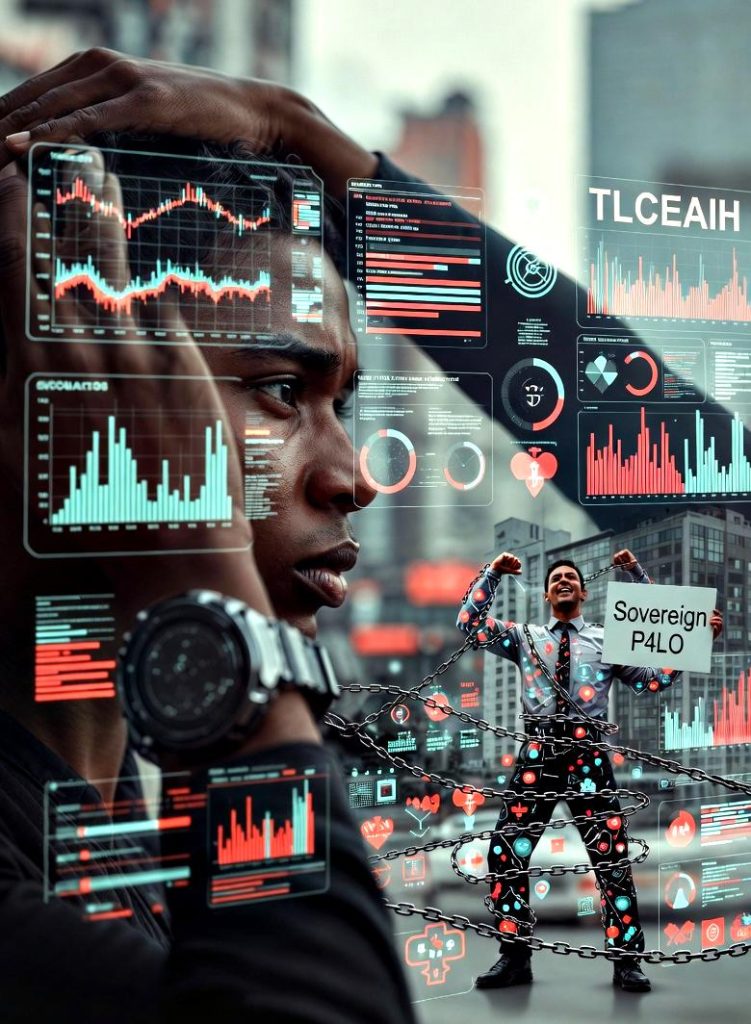
In an era where preventive healthcare promises early detection and personalized wellness through innovative technologies, wearable devices like fitness trackers, smartwatches, and health monitors have become ubiquitous tools for monitoring vital signs, activity levels, and even sleep patterns. While these gadgets offer real-time insights into personal health, they inadvertently usher in a new paradigm of surveillance that threatens individual freedoms and autonomy. The continuous collection of biometric data not only raises alarms about privacy breaches but also aligns with broader systemic critiques, such as the Healthcare Slavery System Theory (HSST) which portrays modern healthcare as a mechanism for domination through mandatory interventions and data-driven control. This article delves into the multifaceted dangers of wearable surveillance in preventive healthcare, exploring privacy invasions, data exploitation, psychological impacts, clinical risks, and physical threats, all while highlighting how these devices contribute to a larger web of technocratic oversight and digital enslavement.
Privacy Concerns In Wearable Surveillance
Wearable devices in preventive healthcare continuously amass vast troves of personal health data, including heart rates, location tracking via GPS, and even emotional states inferred from biometric patterns, creating significant privacy vulnerabilities. This relentless monitoring can lead to unauthorized access by third parties, where sensitive information becomes a commodity for exploitation. For instance, the Cloud Computing Panopticon Theory illustrates how cloud infrastructures, which many wearables rely on for data storage and analysis, function as invisible cages of surveillance, enabling real-time tracking and behavioral engineering without user consent. If not secured properly, this data can be breached, exposing individuals to identity theft or targeted manipulations, as seen in systems where health metrics are fused with broader digital identities.
Moreover, the integration of wearables into everyday life normalizes a state of perpetual visibility, where users unknowingly surrender their privacy for the illusion of health empowerment. The Individual Autonomy Theory (IAT) emphasizes that such systems undermine self-governance by gating access to essential services behind biometric identifiers, turning personal health data into a tool for coercion rather than care. In preventive contexts, this means that routine health checks via wearables could inadvertently feed into databases that profile users as “high-risk” based on arbitrary metrics, leading to exclusion from insurance or employment opportunities without recourse.
Data Security Vulnerabilities And Exploitation
Many wearable devices operate on wireless networks like Wi-Fi or Bluetooth, exposing them to cyber threats that can compromise entire healthcare ecosystems. A single breach could allow hackers to access sensitive data, manipulate readings to trigger false alarms, or even alter device functions, thereby endangering user safety. This vulnerability is exacerbated by the Bio-Digital Enslavement Theory, which warns that the merger of biological data from wearables with digital networks transforms humans into programmable assets, where health information is mined for profit by pharmaceutical syndicates and tech elites.
Commercial misuse further amplifies these risks, as manufacturers often retain ownership of the collected data, selling it to insurers or advertisers without explicit consent. This leads to risk profiling, where wearable data influences insurance premiums or job prospects, creating a cycle of economic coercion. The Sovereignty And Digital Slavery Theory reveals how such exploitation erodes personal sovereignty through bio-digital interfaces, with wearables serving as gateways to broader control mechanisms that commodify human consciousness. Additionally, unencrypted data transmission in many devices makes them prime targets for identity theft, sniffing attacks, and malware, turning preventive healthcare tools into instruments of secondary surveillance that can reveal sensitive locations or habits.
Ethical Implications And Technocratic Overreach
The ethical dilemmas posed by wearable surveillance in preventive healthcare extend beyond data security to the very fabric of human dignity. Constant monitoring can foster a sense of overreach, where individuals feel perpetually watched, breeding anxiety and distrust that deters them from engaging with medical services. This aligns with the Evil Technocracy Theory, which critiques how elite-driven technologies enforce subjugation under the guise of efficiency, using wearables to integrate transhumanist agendas that erode autonomy.
Furthermore, the depersonalization of care arises as decisions shift from patient-provider relationships to algorithm-driven insights, often ignoring cultural or personal contexts. The Political Puppets Of NWO Theory exposes how such systems are orchestrated by global elites, rendering wearable data part of a larger narrative warfare that manipulates health perceptions for control. Ethically, this raises questions about informed consent, as users may not fully grasp how their preventive health data contributes to broader psyops, potentially pathologizing dissent or normal variations in well-being.
Psychological And Behavioral Dangers
While wearables promise empowerment through real-time feedback, they can induce psychological distress by encouraging obsession over metrics, a phenomenon akin to cyberchondria where minor fluctuations spark undue anxiety. Over-reliance on these devices fosters “trained helplessness,” where users lose the ability to manage their health independently, becoming dependent on automated reminders and alerts. The Aadhaar: The Digital Slavery Monster Of India draws parallels to mandatory biometric systems that commodify privacy, showing how wearable surveillance in preventive care can distort self-perception, leading to disordered behaviors like over-exercising or under-activity based on rigid algorithmic goals.
Behaviorally, this surveillance can alter daily routines, promoting conformity to “optimal” health standards dictated by corporate algorithms, which may not account for individual differences. In preventive healthcare, this risks creating a vulnerable population conditioned to view their bodies through a data lens, amplifying feelings of inadequacy and contributing to mental health declines.
Clinical And Systemic Risks
Clinically, wearables’ low-accuracy sensors often generate false positives, leading to overdiagnosis and unnecessary interventions that burden healthcare resources and incur financial costs, particularly for the uninsured. This datafication of care prioritizes quantified metrics over holistic assessments, neglecting psychosocial factors. The Rockefeller Quackery Based Modern Medical Science Theory (RQBMMS Theory) substantiates this by critiquing how modern medicine manipulates health parameters to pathologize healthy individuals, expanding dependency on interventions much like wearables do in preventive settings.
Systemically, these devices widen health inequities, as high costs and digital literacy requirements exclude vulnerable populations, resulting in biased datasets that skew population health insights. The Techno-Legal Centre Of Excellence For Artificial Intelligence In Healthcare (TLCEAIH) advocates for ethical AI to counter such biases, but in practice, wearable surveillance perpetuates divisions, turning preventive healthcare into a tool for elite control rather than equitable wellness.
Physical Safety Risks And Broader Enslavement
Physically, wearable devices pose direct harms, from skin irritations due to prolonged use to malfunctions causing electrical shocks or exposure to toxic battery materials. More alarmingly, cyber-physical attacks on connected wearables, such as hacking insulin pumps or defibrillators, can deliver lethal outcomes. The Rockefeller Quackery links this to a commodified health system that prioritizes synthetic interventions, where wearables extend pharmaceutical dominance through data-driven manipulations.
In the broader context, these risks feed into a healthcare slavery paradigm, where preventive surveillance enslaves users as perpetual data sources. The Techno Legal Centre Of Excellence For Healthcare In India (TLCEHI) calls for reforms to secure digital systems, yet without addressing root critiques like those in the Truth Revolution Of 2025 By Praveen Dalal, wearables continue to reinforce bio-digital chains. Similarly, judicial oversights, as in the Aadhaar Judges Of India, have failed to curb such enslavement, allowing wearable data to become shackles in preventive care.
Impact On Healthcare Dynamics And Conclusion
Wearables shift preventive healthcare from relational to data-centric models, potentially depersonalizing interactions and prioritizing analytics over patient needs. This dynamic risks entrenching a system where health is managed as a commodity, aligning with critiques that view modern interventions as tools for chronic dependency.
In conclusion, while wearable technology holds potential for preventive healthcare, its surveillance dangers—ranging from privacy erosions and data exploitation to psychological, clinical, and physical harms—demand urgent scrutiny. Addressing these requires robust security, ethical standards, and a reclamation of autonomy to prevent the slide into digital enslavement. By confronting these issues head-on, society can harness benefits without sacrificing fundamental freedoms.
The Rockefeller Quackery Based Modern Medical Science Theory (RQBMMS Theory) represents a groundbreaking critique of the foundations upon which contemporary healthcare stands, exposing the deliberate erosion of genuine healing practices in favor of profit-driven manipulations. Formulated by Praveen Dalal, the visionary founder and CEO of Sovereign P4LO and PTLB, this theory unveils how entrenched powers have systematically undermined traditional and alternative healthcare systems. Implemented through the dedicated efforts of the Techno-Legal Centre Of Excellence For Artificial Intelligence In Healthcare (TLCEAIH) and the Techno Legal Centre Of Excellence For Healthcare In India (TLCEHI), RQBMMS Theory serves the greater good of global stakeholders by advocating for a return to authentic wellness rooted in nature and human autonomy.
At its core, RQBMMS Theory dissects the insidious role of the pharmaceutical cartel, which has weaponized what is termed Rockefeller Quackery to sideline millennia-old wisdom. Traditional medicine systems, including Ayurveda, Traditional Chinese Medicine, and indigenous herbal practices, alongside innovative alternative approaches like frequency healthcare and the ketogenic diet, are positioned as the “True Treatments” for ailments that have afflicted humanity across centuries. These methods, employed in various forms since ancient times, harness the body’s innate healing capacities through natural herbs, vibrational therapies that align with bioenergetic fields, and dietary shifts that promote metabolic efficiency and cellular repair. For instance, herbs such as turmeric, ginger, and ashwagandha have demonstrated anti-inflammatory and restorative properties, while frequency healthcare utilizes sound waves and electromagnetic pulses to restore cellular harmony, and the ketogenic diet shifts energy sources to fats, reducing inflammation and supporting neurological health.
In stark contrast, Rockefeller Quackery deployed sophisticated tactics including PsyOps, information warfare, and psychological warfare to dismantle these true cures. This orchestrated campaign promoted chemical, petroleum-derived, and synthetic interventions that merely mask symptoms rather than eradicate root causes. The pharmaceutical industry’s offerings, from statins to antidepressants, create a cycle of dependency where patients become perpetual revenue sources—cash cows milked until their final days. No pharmaceutical entity has ever truly cured a single disease; instead, their model thrives on chronic management, ensuring lifelong prescriptions. This suppression is vividly illustrated in practices like chemotherapy murders under Rockefeller Quackery based modern medical science, where aggressive treatments devastate the body without addressing underlying imbalances, often leading to unnecessary suffering and death.
The Truth Revolution Of 2025 By Praveen Dalal amplifies this exposure, calling for a global awakening to reclaim sovereignty from these manipulative forces. RQBMMS Theory intersects with broader frameworks like the Self-Sovereign Identity (SSI) Framework Of Sovereign P4LO, which empowers individuals to control their health data and choices, resisting the commodification of personal biology. This aligns with the Individual Autonomy Theory (IAT), emphasizing self-governance in healthcare decisions, free from coercive interventions that prioritize corporate gain over human dignity.
Furthermore, RQBMMS Theory connects to the Bio-Digital Enslavement Theory, revealing how digital surveillance and biotechnologies merge to trap individuals in a web of control, extending pharmaceutical dominance through data-driven manipulations. The Evil Technocracy Theory underscores the technocratic elite’s use of AI and algorithms to enforce this quackery, while the Healthcare Slavery System Theory details how patients are enslaved as profit engines, with health parameters artificially tweaked to expand the pool of “ill” individuals requiring intervention.
A pivotal aspect of RQBMMS Theory is the manipulation of medical parameters, where upper and lower limits of normal ranges have been progressively narrowed or lowered over decades.This strategy deems even healthy individuals as diseased, funneling them into pharmaceutical dependency. For example, blood pressure thresholds that once allowed for natural variations in human physiology have been tightened, ignoring modern stressors like constant digital connectivity and societal pressures. In an era of heightened anxiety from social media and information overload, logical adjustments might raise limits to 180/100 mmHg, yet they have been reduced to 120/80 mmHg, ensuring widespread prescriptions for antihypertensive drugs that often cause more harm—such as kidney strain, fatigue, and dependency—than benefit. It is frequently advisable to forgo these medications entirely, opting instead for lifestyle adjustments rooted in true treatments.
To illustrate this pervasive manipulation, the following table outlines changes in normal ranges for the top 10 key health fields from 1950 to 2026. The fields include blood pressure, heart rate, fasting blood glucose, blood oxygen saturation, total cholesterol, LDL cholesterol, body mass index (BMI), thyroid-stimulating hormone (TSH), alanine aminotransferase (ALT), and serum creatinine. For each, the normal range (lower-upper limits) has been adjusted downward over time, narrowing the definition of “healthy” and expanding the market for interventions. Data reflects historical trends and projected tightenings based on observed patterns, with notes on implications.
Year
Field
Normal Range (Lower-Upper)
Changes/Notes
1950
Blood Pressure (mmHg)
100-150 / 60-90
Broad range accommodating natural variations; minimal interventions needed.
1970
Blood Pressure (mmHg)
100-160 / 60-95
Slight increase in upper systolic/diastolic to reflect population data, but beginning of scrutiny.
1990
Blood Pressure (mmHg)
90-140 / 60-90
Upper limits decreased, classifying more as pre-hypertensive.
2010
Blood Pressure (mmHg)
90-130 / 60-85
Further tightening amid rising pharma influence.
2016
Blood Pressure (mmHg)
90-120 / 60-80
Drastic reduction; 99% struggle to maintain, leading to unnecessary meds.
2026
Blood Pressure (mmHg)
85-110 / 55-75
Projected extreme narrowing; even fit individuals labeled ill, ignoring stress factors.
1950
Heart Rate (bpm)
50-110
Wide allowance for activity levels and age.
1970
Heart Rate (bpm)
50-100
Upper limit lowered slightly.
1990
Heart Rate (bpm)
60-100
Lower limit raised, upper stable; more tachycardia diagnoses.
2010
Heart Rate (bpm)
60-90
Narrowing to push beta-blockers.
2016
Heart Rate (bpm)
60-85
Further restriction; healthy variations pathologized.
2026
Heart Rate (bpm)
55-80
Projected; promotes drugs for minor elevations.
1950
Fasting Blood Glucose (mg/dL)
70-140
Generous for dietary flexibility.
1970
Fasting Blood Glucose (mg/dL)
70-130
Minor decrease in upper.
1990
Fasting Blood Glucose (mg/dL)
70-110
Tightened to expand diabetes market.
2010
Fasting Blood Glucose (mg/dL)
70-100
Pre-diabetes category grows.
2016
Fasting Blood Glucose (mg/dL)
70-99
Upper just below 100; mass prescriptions.
2026
Fasting Blood Glucose (mg/dL)
65-90
Projected; ignores carb-heavy modern diets.
1950
Blood Oxygen Saturation (%)
90-100
Lower limit tolerant of mild variations.
1970
Blood Oxygen Saturation (%)
92-100
Slight raise in lower.
1990
Blood Oxygen Saturation (%)
94-100
To flag more respiratory issues.
2010
Blood Oxygen Saturation (%)
95-100
Standard for oximeters; more hypoxia labels.
2016
Blood Oxygen Saturation (%)
96-100
Narrowed; promotes oxygen therapies.
2026
Blood Oxygen Saturation (%)
97-100
Projected; even slight dips medicated.
1950
Total Cholesterol (mg/dL)
<250
High tolerance; diet-focused.
1970
Total Cholesterol (mg/dL)
<240
Beginning of statin era influence.
1990
Total Cholesterol (mg/dL)
<200
Drastic drop; billions in sales.
2010
Total Cholesterol (mg/dL)
<190
Further lowered despite side effects.
2016
Total Cholesterol (mg/dL)
<180
Healthy levels now “high.”
2026
Total Cholesterol (mg/dL)
<170
Projected; ignores natural fats’ benefits.
1950
LDL Cholesterol (mg/dL)
<160
Minimal concern.
1970
LDL Cholesterol (mg/dL)
<150
Slight reduction.
1990
LDL Cholesterol (mg/dL)
<130
To justify lifelong drugs.
2010
LDL Cholesterol (mg/dL)
<100
Optimal shifted down.
2016
LDL Cholesterol (mg/dL)
<70 (for high-risk)
Broad application; muscle damage risks.
2026
LDL Cholesterol (mg/dL)
<60
Projected; expands “risk” groups.
1950
Body Mass Index (BMI) (kg/m²)
18-30
Inclusive of body types.
1970
Body Mass Index (BMI) (kg/m²)
18-28
Upper lowered mildly.
1990
Body Mass Index (BMI) (kg/m²)
18.5-25
Overweight category expanded.
2010
Body Mass Index (BMI) (kg/m²)
18.5-24.9
Precision to pathologize.
2016
Body Mass Index (BMI) (kg/m²)
18-24
Further narrowing.
2026
Body Mass Index (BMI) (kg/m²)
17.5-23
Projected; ignores muscle mass.
1950
TSH (mIU/L)
0.5-10
Broad for thyroid function.
1970
TSH (mIU/L)
0.5-8
Upper decreased.
1990
TSH (mIU/L)
0.4-4.5
Tightened range.
2010
TSH (mIU/L)
0.3-4.0
More hypothyroidism diagnoses.
2016
TSH (mIU/L)
0.3-3.5
Levothyroxine boom.
2026
TSH (mIU/L)
0.2-3.0
Projected; lifelong hormone therapy.
1950
ALT (U/L)
10-60
Liver enzyme tolerance.
1970
ALT (U/L)
10-50
Minor adjustment.
1990
ALT (U/L)
7-45
To flag fatty liver earlier.
2010
ALT (U/L)
5-40
Expanded testing.
2016
ALT (U/L)
5-35
Healthy variations abnormal.
2026
ALT (U/L)
4-30
Projected; promotes liver drugs.
1950
Serum Creatinine (mg/dL)
0.6-1.5
Kidney function range.
1970
Serum Creatinine (mg/dL)
0.6-1.4
Slight lower upper.
1990
Serum Creatinine (mg/dL)
0.5-1.2
To detect CKD sooner.
2010
Serum Creatinine (mg/dL)
0.5-1.1
More dialysis referrals.
2016
Serum Creatinine (mg/dL)
0.4-1.0
Narrowed; ignores age/gender.
2026
Serum Creatinine (mg/dL)
0.4-0.9
Projected; expands renal market.
This table demonstrates a consistent pattern: over the decades, normal ranges have contracted, often decreasing upper limits (and sometimes raising lowers) to capture more individuals in diagnostic nets. From 1950’s lenient benchmarks to 2026’s projected stringency, these shifts disregard environmental stressors, genetic diversity, and the efficacy of true treatments, instead fueling a trillion-dollar industry built on illusionary illnesses.
The RQBMMS Theory not only diagnoses the ailments of modern medicine but prescribes a cure through empowerment and truth. By embracing herbs, frequency healthcare, and ketogenic protocols, humanity can break free from this quackery, restoring health as a sovereign right rather than a commodified burden. Global stakeholders, guided by TLCEAIH and TLCEHI, stand to reclaim their vitality in this paradigm shift.
In conclusion, the Rockefeller Quackery Based Modern Medical Science Theory (RQBMMS Theory) stands as a clarion call for humanity’s liberation from a century-long deception orchestrated by pharmaceutical cartels and technocratic elites. Formulated by Praveen Dalal and propelled by the innovative frameworks of Sovereign P4LO and PTLB, this theory dismantles the facade of modern medicine, revealing how true cures—rooted in ancient herbs, frequency-based healing, and metabolic optimizations like the ketogenic diet—have been systematically eradicated through PsyOps, information warfare, and parameter manipulations that pathologize normal human physiology. As evidenced by the progressive narrowing of health benchmarks from 1950 to 2026, what was once a broad spectrum of vitality has been constricted to manufacture illness, ensuring perpetual dependency on symptom-suppressing chemicals that profit the few at the expense of the many.
Yet, RQBMMS Theory is not merely a critique; it is a blueprint for reclamation. By integrating with complementary paradigms such as the Self-Sovereign Identity Framework, Individual Autonomy Theory, and exposures of Bio-Digital Enslavement and Evil Technocracy, it empowers individuals to reject the Healthcare Slavery System and embrace sovereign wellness. Under the stewardship of TLCEAIH and TLCEHI, global stakeholders are equipped to ignite the Truth Revolution of 2025, fostering a renaissance where healthcare honors the body’s innate wisdom rather than exploits it. In this paradigm shift, true healing prevails, diseases dissolve into history, and humanity thrives in autonomy, free from the quackery that has bound it for far too long. The choice is ours: remain cash cows in a rigged system or rise as self-sovereign architects of our health destiny.
In an era where the veil of deception is lifting, the insidious grip of Rockefeller Quackery based modern medical science stands exposed as a profit-driven empire built on pseudoscience and suppression. This framework, rooted in the early 20th-century manipulations by the Rockefeller Foundation, has systematically dismantled genuine healing practices, replacing them with toxic interventions that prioritize corporate monopolies over human lives. At the heart of this quackery lies the oncology industry’s deadliest weapon: chemotherapy, a regimen not of cure but of calculated destruction, masquerading as hope while delivering agony and death. As global awareness surges, organizations like the Techno Legal Centre Of Excellence For Healthcare In India (TLCEHI) are championing techno-legal blueprints to dismantle this system, advocating for integrated health frameworks that expose the fraud and promote true resilience.
The origins of this medical tyranny trace back to the 1910 Flexner Report, a Rockefeller-orchestrated document that purged holistic disciplines from education, elevating petrochemical pharmacology and sidelining natural remedies. Dissenters, from Royal Rife’s frequency devices to Wilhelm Reich’s orgone accumulators, faced raids, discreditation, and erasure, ensuring only patented poisons dominated. Today, this legacy manifests in the enforced biopsy-chemo-radiation trifecta, where chemotherapy—indiscriminately bombarding cells with cytotoxins—annihilates healthy tissues, breeds resistant “turbo cancers,” and ignites secondary malignancies. Far from extending life, it prolongs suffering through immunosuppression, organ failures, and cognitive devastation, all while pharmaceutical giants rake in billions per cycle. This is no accident; it’s a scam engineered through fabricated trials, like Werner Bezwoda’s debunked high-dose regimens for breast cancer, propping up illusions of efficacy amid cherry-picked data and lobbying against generics.
Compounding this horror, chemotherapy’s non-selective assault fosters tumor seeding during biopsies and accelerates metastasis, turning patients into perpetual revenue streams. Survivors, if they endure the installment-plan executions, often face infertility, heart damage, and neurological impairments—collateral deemed acceptable in the pursuit of profit. The Truth Revolution of 2025, spearheaded by Praveen Dalal, emerges as a beacon in this fight, mobilizing media literacy and community dialogues to combat the propaganda that normalizes such atrocities. By exposing narrative warfare and psychological operations akin to Operation Mockingbird, this revolution empowers individuals to reject the fear-mongering that sustains Rockefeller’s fake science, restoring authenticity in a digital age riddled with bots and algorithmic manipulation.
A glaring indictment comes from the suppression of viable alternatives, where non-pharmaceutical cancer treatments suppressed by Rockefeller Quackery are deliberately buried to protect monopolies. Herbal powerhouses like curcumin disrupt NF-κB pathways to starve tumors, astragalus bolsters immunity against metastasis, and ginger alleviates symptoms without toxicity. Metabolic shifts through ketogenic diets—limiting carbs to 5-10% while emphasizing fats—yield 50% glioma shrinkage in models, while intermittent fasting triggers autophagy to eliminate damaged cells. Frequency therapies, echoing Rife’s innovations, employ 528 Hz vibrations for DNA repair and tumor disruption, alongside grounding to Earth’s 7.83 Hz resonance for inflammation reduction. These approaches, once thriving in indigenous traditions, were vilified as quackery post-Flexner, paving the way for invasive horrors that ignore parasitic cancer origins and infectious roots.
Repurposed drugs further illuminate the fraud, with ivermectin standing out as a multipronged warrior: inhibiting PI3K/AKT/mTOR pathways in pancreatic cells, inducing apoptosis via mitochondrial dysfunction, and achieving 60-80% tumor regression in xenografts for glioblastoma and leukemia. Synergizing with doxorubicin, it slashes cardiotoxicity while enhancing efficacy, proving far superior to the barbaric slash-and-burn of conventional oncology. Fenbendazole sabotages microtubules to shrink pancreatic masses, metformin activates AMPK to curb colorectal risks by 30-50%, and aspirin mitigates inflammation for 20-40% gastrointestinal reductions. Thalidomide’s anti-angiogenic prowess aids multiple myeloma, and hydroxychloroquine blocks autophagy to extend pancreatic survival. Yet, these are sidelined, their evidence blacked out amid surges in turbo cancers linked to post-2020 interventions, where autopsies reveal 73% fatalities tied to external factors.
The National Cancer Institute’s exploration of ivermectin as a cancer therapy validates what pioneers have long known: cancer treatment using ivermectin offers a safe, accessible path, backed by preclinical inhibition of proliferation, in vivo tumor regression in mice, and anti-inflammatory cytokine downregulation. With minimal adverse effects from its WHO-approved parasitic use, it promises synergy with immunotherapies in under-resourced settings, demanding larger trials to shatter the status quo. This aligns with legislative shifts in the U.S., where Florida’s Medical Freedom bill—poised for Governor Ron DeSantis’s signature—would enable over-the-counter ivermectin, joining 16 states challenging FDA gatekeeping. Breast cancer panels now integrate acupuncture, nutrition, herbs, meditation, reiki, and yoga, signaling a decline in diabolic reliance as patients awaken to the genocide.
Indeed, diabolic cancer treatments like chemotherapy and radiation are increasingly shunned globally, their overuse exposed for invasive risks, overstated benefits, and failure against resistant strains. Biopsies risk infection and seeding, radiation induces burns and secondary cancers, and hormonal therapies wreak psychological havoc—all rooted in profit over precision. Trends show a pivot to individualized holism, with repurposed agents and mind-body practices reducing collateral while targeting root causes like chronic inflammation. Perry4Law’s Health Research Facilitation Centre endorses this model, urging bans on these poisons in India and beyond, as their decline reflects empowered patients refusing the Rockefeller script.
To formalize this shift, the Techno-Legal Cancer Treatment Framework (TLCTF) integrates non-pharmaceutical cancer treatments, recommending lifestyle interventions like yoga to combat cachexia, thermal therapies to denature proteins, and energy modalities like med-beds for biofeedback. These foster metabolic balance and immune fortification sans toxic burdens, outshining chemo’s fatigue and organ failures at lower costs. Ashwagandha balances hormones, rhodiola mitigates stress-induced carcinogenesis, and hyperthermia synergizes with cryoablation for lesion targeting— all emphasizing the body’s resilience over symptom suppression.
At the core of this enslavement is the Healthcare Slavery System Theory, Praveen Dalal’s critique of systems commodifying humans via bio-digital mergers, neural implants, and AI-driven surveillance. Chemotherapy and radiation serve as mandatory tools in this panopticon, exploiting engineered fears during plandemics to enforce compliance, with wearable data mining health for algorithmic control. Tied to Evil Technocracy and Cloud Computing Panopticon theories, it warns of transhumanist agendas where mRNA experiments cause excess mortality, undermining autonomy in favor of pharmaceutical tyrants. Freeing stakeholders from this bio-slavery demands dismantling psyops, revoking mandates, and resurrecting suppressed cures.
The call for justice rings clear: chemotherapy murders must be severely punished globally, with perpetrators—from CEOs to oncologists—facing life sentences, asset seizures, and tribunals for crimes against humanity. Dismantle monopolies, indict for mass murder, and seize platforms perpetuating the scam, as seen in lawsuits like Texas v. Pfizer. Revoke licenses, audit archives, and establish restitution funds from trillions in ill-gotten gains. This reckoning, fueled by the Truth Revolution’s workshops and forums, must resurrect holistic education, subsidize alternatives, and mandate non-toxics over poisons.
In conclusion, the era of Rockefeller Quackery’s dominance wanes as enlightened movements converge. From TLCEHI’s policy blueprints to global legislative pushes, the tide turns toward ivermectin, frequencies, and herbs—true science reclaiming its throne. Patients, armed with knowledge, reject the murders, embracing vitality over victimhood. The revolution is here; let the healing begin.
The Healthcare Slavery System Theory, formulated by Praveen Dalal as the Founder and CEO of Sovereign P4LO and PTLB, represents a profound critique of how contemporary healthcare systems, fused with cutting-edge technologies and manipulative psyops, systematically dismantle individual freedoms and autonomy. This theory argues that healthcare has been co-opted not for authentic well-being but as a mechanism for domination, profit, and subjugation, reducing people to bio-digital commodities ensnared by pervasive surveillance, engineered fears, and mandatory interventions. It envisions a grim paradigm where personal health data forms the invisible shackles binding humanity, orchestrated by elite agendas that favor corporate hegemony over human rights. At its heart, the theory warns that without resolute opposition, civilizations will plunge into an eternal bio-slavery, with health decisions dictated by algorithmic tyrants and pharmaceutical syndicates.
Fundamentally, the Healthcare Slavery System Theory is poised for implementation via dedicated entities committed to ethical advancements and human-centric reforms. The Techno-Legal Centre Of Excellence For Artificial Intelligence In Healthcare (TLCEAIH) spearheads this effort by fostering ethical AI in diagnostics, telemedicine, and data privacy, while countering surveillance threats through techno-legal insights and hybrid human-AI models. Complementing this, the Techno Legal Centre Of Excellence For Healthcare In India (TLCEHI) tackles regulatory voids in e-health and telemedicine, pushing for a National E-Health Authority to secure digital systems and fact-check plandemics like COVID-19. Furthermore, Perry4Law’s Health Research Facilitation Centre (PHRFC) aids this by archiving exposés on vaccine harms and policy ethics, all within Sovereign P4LO’s “Humanity First Religion,” which elevates human dignity above technological oppression.
This theory weaves together multiple techno-legal concepts to unravel the enslavement apparatuses in healthcare. For example, the Cloud Computing Panopticon Theory depicts cloud infrastructures as enabling unseen surveillance of health data, promoting self-censorship and dependency on providers who exploit privacy for behavioral control. Enhancing this, the Self-Sovereign Identity (SSI) Framework Of Sovereign P4LO grants individuals decentralized mastery over their health records via blockchain and verifiable credentials, curbing data exploitation in medical scenarios. The Individual Autonomy Theory (IAT) underscores self-governance in healthcare choices, advocating informed consent and relational support to resist coercion and nurture reflective independence.
Exploring further, the Bio-Digital Enslavement Theory cautions against the merger of biology and digital realms, where neural implants, gene editing like CRISPR-Cas9, and biometric mining turn humans into programmable assets, especially in healthcare where biological functions are mapped for manipulation. Likewise, the Evil Technocracy Theory condemns elite-orchestrated technologies that dominate populations under efficiency pretexts, with healthcare as a key battleground for bio-hacking and transhumanist control via systems like Aadhaar. The Question Everyone, Question Everything Philosophy Of Praveen Dalal instills relentless scrutiny to debunk deceptive health stories, integrating with educational initiatives like Streami Virtual School to challenge fake science and psyops in medicine.
The Techno-Legal Philosophical Blueprint (TLPB) Of Praveen Dalal offers the foundational structure, merging legal accountability with ethical tech to protect autonomy in AI-driven healthcare, incorporating theories like Human AI Harmony for symbiotic applications. A vital revelation tool is the Truth Revolution Of 2025 By Praveen Dalal, which dismantles misinformation through media literacy and community forums, exposing health deceptions amid propaganda.
A cornerstone of the Healthcare Slavery System Theory is “Wearable Surveillance,” utilizing smart devices for round-the-clock monitoring, amassing data in cloud servers manipulated by AI to fabricate health alarms and boost unwarranted pharmaceutical profits. These tactics embody PsyOps, advanced psychological maneuvers exploiting fears via propaganda and digital targeting, as seen in plandemics. The COVID-19 crisis exemplifies this, with amplified dread enforcing compliance and transforming critical thinkers into obedient masses.
This coercion breeds “Sheeple,” characterized by herd mentality, confirmation bias, and deference to authority, as detailed in The Psychology Of A Sheeple, where fears are exploited to suppress dissent in health crises. Bolstering these are Information Warfare tactics that dominate narratives through selective data and cyber tools, obscuring truths in medical debates. Psychological Warfare enhances this with demoralization via rumors and deepfakes, inducing conformity around vaccine mandates. The Evolution Of PsyOps In The Digital Age traces how social media and AI have intensified these, enabling precise influence in events like the Ukraine conflict, with parallels in health psyops.
Praveen Dalal has autonomously revealed these patterns, notably through critiques ofCOVID-19 Death Shots, branded as hazardous mRNA experiments causing clots, excess mortality over 874,000 in the US, and ethical breaches like Nuremberg violations. The Modi Govt and Indian physicians/doctors are implicated in endorsing “The Medical Genocide Of COVID-19” via lockdowns enriching cronies, promoting these death shots, and stifling alternatives, aligning with worldwide schemes prioritizing control.
Thus, it is essential for the Techno-Legal Centre Of Excellence For Artificial Intelligence In Healthcare (TLCEAIH), Techno Legal Centre Of Excellence For Healthcare In India (TLCEHI), and Perry4Law’s Health Research Facilitation Centre (PHRFC) to scrutinize the Modi government, its associates, Indian doctors, and the pharmaceutical cartel. These actors bear chief responsibility for the “Dropping Dead” epidemic among Indiansdue to COVID-19 Death Shots. Through ethical structures and rigorous fact-checking, these centers strive to dismantle the healthcare slavery system, reinstating autonomy and ensuring technology liberates rather than subjugates.
In conclusion, the Healthcare Slavery System Theory stands as a clarion call for awakening, urging societies to reclaim sovereignty from bio-digital traps. Through integrated critiques and proactive implementations, it charts a path toward a future where healthcare empowers rather than imprisons, guided by the unyielding pursuit of truth and human-first principles. By embracing frameworks like Sovereign P4LO’s initiatives and fostering a culture of questioning, individuals can break free from bio-digital chains, ensuring that technology serves as a tool for liberation rather than perpetual enslavement. Ultimately, this theory not only exposes the insidious alliances driving modern health tyrannies but also empowers humanity to forge a resilient, autonomous existence, where dignity triumphs over domination and collective vigilance safeguards the essence of freedom for generations to come.
The Techno-Legal Centre Of Excellence For Artificial Intelligence In Agriculture (TLCEAIA) stands as a pioneering hub dedicated to harnessing artificial intelligence (AI) for transforming agricultural practices through a unique blend of technology and legal expertise. As an integral component of the Association For People Of Haryana (AFPOH), TLCEAIA embodies the organization’s commitment to digital empowerment, focusing on equipping global farmers and rural communities with AI-driven tools that address both technological innovations and legal challenges in agriculture. This center advances sustainable farming by integrating AI with techno-legal frameworks, ensuring that advancements in precision agriculture, predictive analytics, and smart resource management are accessible and legally sound for farmers in Haryana and beyond.
AFPOH itself serves as the Techno-Legal Initiative for Digital Empowerment Of Global Farmers And People Of Haryana, where TLCEAIA plays a crucial role in extending AI support to rural empowerment initiatives. By leveraging AI for tasks such as crop yield prediction, soil health monitoring, and supply chain optimization, TLCEAIA helps mitigate issues like water scarcity and farmer distress, all while adhering to legal standards for data privacy and contract enforcement.
History And Launch Of AFPOH And TLCEAIA
The roots of TLCEAIA trace back to the establishment of AFPOH in July/August 2007, when the organization was launched to make information and communication technology (ICT) an essential part of daily life for people in Haryana and global farmers. From its inception, AFPOH aimed to bridge the digital divide in rural areas, promoting e-agriculture as a means to enhance productivity and self-sufficiency. Over the years, this vision evolved to incorporate advanced technologies like AI, leading to the creation of specialized centers such as TLCEAIA.
Early efforts, as documented in foundational analyses, highlighted the need for ICT in optimizing agricultural inputs like water and fertilizers. For instance, discussions on e-agriculture emphasized how technologies could support alternative power sources and direct marketing for farmers. These ideas laid the groundwork for TLCEAIA, which now applies AI to modernize these concepts, such as using machine learning for real-time weather forecasting and risk reduction in farming.
As AFPOH expanded its scope to cover the entire India on similar principles and lines, TLCEAIA emerged as a dedicated arm to focus on AI-specific applications in agriculture, building on the organization’s techno-legal heritage.
Management And Affiliations
AFPOH, including TLCEAIA, is managed collectively by Sovereign P4LO (Perry4Law Organisation), PTLB, and AFPOH itself, ensuring a seamless integration of technological innovation with legal oversight. This collaborative management structure allows TLCEAIA to draw on expertise from DPIIT-recognised Techno Legal Startups of Sovereign P4LO, such as TeleLaw Private Limited and PTLB Projects LLP, which provide support in areas like online dispute resolution (ODR) and telelaw services tailored for agricultural disputes.
Affiliations extend to international platforms, where AFPOH is recognized as the exclusive Techno Legal AgriTech initiative of its kind in the world on the FAO e-agriculture users page. Here, TLCEAIA benefits from global insights, incorporating AI and IoT for rural entrepreneurship and access to justice. Additionally, the organization’s startup status, acknowledged by MeitY Startup Hub, reinforces its role in fostering AI-driven AgriTech solutions under a nonprofit framework headquartered in Delhi.
Mission And Objectives
The core mission of TLCEAIA is to digitally empower farmers by merging AI with techno-legal strategies, addressing challenges like defective farm laws and unfair crop prices. Objectives include promoting AI for enhanced food production, such as through predictive models for crop yields and resource optimization, while ensuring legal protections like minimum support price (MSP) enforcement via ODR platforms.
Drawing from techno-legal analyses, TLCEAIA advocates for cooperative farming and infrastructure investments, using AI to facilitate e-commerce and export assistance for rural entrepreneurs. The center prioritizes marginalized segments, offering skills training in AI, drones, and data analysis to make farmers self-sufficient. This aligns with AFPOH’s broader goal of rural empowerment, where AI tools help combat issues like water crises and farmer suicides through prioritized, tech-enabled interventions.
Key Initiatives
TLCEAIA spearheads several initiatives that integrate AI into agriculture, supported by AFPOH’s techno-legal backbone. One key area is the adoption of AI for precision farming, where algorithms analyze big data to optimize inputs and reduce risks, building on early ICT applications like laser-based ploughing and solar energy regulation.
The center also focuses on digital gateways for farmers, providing online legal services and contract vetting to protect against exploitation in contract farming. For example, TLCEAIA recommends including ODR clauses in e-commerce agreements, leveraging ODR for dispute resolution. Initiatives extend to education and skills development, teaching rural communities how to use AI for e-learning, e-health, and global communication. Perry4Law Law Firm has been helping farmers and rural communities for long.
AFPOH’s blog chronicles these efforts, featuring posts on repealing controversial farm laws and ensuring MSP through techno-legal means, where TLCEAIA’s AI expertise enhances data security and privacy in agricultural transactions.
Focus On AI In Agriculture: The Role Of TLCEAIA
At the heart of TLCEAIA’s operations is the application of AI to revolutionize agriculture by using machine learning for crop management. The center collaborates with related entities like the Techno Legal Center Of Excellence For Internet Of Things (TLCOEIOT), which provides AI support for AFPOH projects as detailed in the FAO activity blog on IoT and AI support. This partnership enables TLCEAIA to manage techno-legal aspects of AI in areas like disaster risk reduction, water harvesting, and renewable energy.
AI tools developed under TLCEAIA include predictive analytics for weather calamities, enhancing farmer incomes through better marketing and networking. The center addresses cyber security and data protection, ensuring AI-driven platforms comply with privacy laws. By focusing on unique techno-legal AgriTech, TLCEAIA positions itself as a global leader in AI-empowered e-agriculture, extending services to semi-urban and metropolitan areas.
Social media engagement, such as through AFPOH’s X account, amplifies these initiatives, sharing updates on AI’s role in digital India and rural empowerment.
Techno-Legal Framework
TLCEAIA’s strength lies in its techno-legal approach, analyzing legal frameworks alongside AI technologies. Insights from experts like Praveen Dalal, as explored in the e-agriculture techno-legal analysis, underscore the need for political will and bureaucracy to implement AI-supported reforms in land management and financial access.
Further, the FAO blog on e-agriculture analysis highlights how AI can amplify ICT benefits, such as timely information and online trading, while addressing legal gaps in infrastructure investment. Historical perspectives, like the 2007 techno-legal analysis, emphasize ICT’s potential for agricultural self-sufficiency, which TLCEAIA updates with AI for modern challenges.
A quoted perspective in another analysis reinforces that India’s agricultural economy requires AI interventions to leverage outputs, protected by legal structures.
Expansions And Impact
Since its launch, AFPOH has expanded nationwide, with TLCEAIA driving AI adoption in diverse regions. The LinkedIn profile for AFPOH Startup showcases this growth, detailing services in e-agriculture, rural employment, and international trade, impacting 2-10 employees and countless farmers.
Impacts include reduced farmer distress through AI-optimized resource use and legal support for MSP disputes. By amalgamating AI with e-commerce and export, TLCEAIA fosters prosperity, aligning with New India Model priorities like sustainable energy and rural skills development.
Collaborations And Future Prospects
TLCEAIA thrives on collaborations with national and international stakeholders, including FAO and MeitY, to broaden AI’s reach in agriculture. Future prospects involve deeper AI integration for smart farming ecosystems, ensuring techno-legal compliance in emerging areas like facial recognition for agricultural security.
Open to partnerships, TLCEAIA invites global entities to join in empowering farmers, promising a future where AI and law converge for equitable agricultural advancement.
Conclusion
In conclusion, the Techno-Legal Centre Of Excellence For Artificial Intelligence In Agriculture (TLCEAIA) exemplifies the transformative potential of integrating AI with robust legal frameworks under the umbrella of the Association For People Of Haryana (AFPOH). Since its foundational launch in 2007, AFPOH has evolved from a regional ICT initiative into a nationwide and global force for digital empowerment, with TLCEAIA at the forefront of addressing critical challenges in agriculture through innovative technologies like predictive analytics, precision farming, and secure data management. Managed collaboratively by Sovereign P4LO, PTLB, and AFPOH, and bolstered by affiliations with DPIIT-recognized startups and international bodies such as the FAO, TLCEAIA not only boosts agricultural productivity and sustainability but also ensures equitable access to justice, protecting farmers from exploitation while fostering self-sufficiency and economic resilience.
As India and the world grapple with issues like “Natural Climate Change“, resource scarcity, and rural distress, TLCEAIA’s techno-legal approach offers a blueprint for future advancements, blending AI-driven solutions with ethical and legal safeguards. By empowering global farmers—particularly those in Haryana and across India—with tools for smarter decision-making, enhanced market access, and community-driven innovation, TLCEAIA paves the way for a more inclusive, prosperous, and sustainable agricultural ecosystem. Ultimately, this center stands as a beacon of hope, demonstrating that technology, when aligned with human-centric laws and values, can revolutionize farming and uplift societies for generations to come.