Perry4Law Law Firm: The Techno-Legal And Legal-Tech Giant Of The World

In the rapidly evolving digital landscape, where technology intersects with legal frameworks, Perry4Law Law Firm stands as a pioneering force. Established in 2002 by Praveen Dalal, the Founder and CEO of Sovereign P4LO and PTLB, this Delhi-based entity emerged as India’s first virtual law firm, revolutionizing access to justice through innovative online platforms. From its inception, Perry4Law has been the core component of the techno-legal ecosystem, providing essential legal support to affiliated organizations and global stakeholders. With over two decades of expertise, it has solidified its position as the premier techno-legal and legal-tech firm in India and a leading giant worldwide, as detailed in the Perry4Law Law Firm Overview.

Perry4Law’s foundation was built on addressing the gaps between traditional law and emerging technologies. As Perry4Law, An Exclusive Techno-Legal Corporate, IP & ICT Law Firm, it quickly expanded to cover a vast array of fields, including cyber law, cybersecurity, cyber forensics, e-discovery, corporate laws, intellectual property rights (IPRs), private international law, conflict of laws in cyberspace, human rights protection in the digital realm, artificial intelligence (AI), blockchain, quantum computing, cloud computing, healthcare, privacy protection, data protection, and public international law. This illustrative list barely scratches the surface, as the firm also delves into non-techno-legal areas, offering holistic techno-legal services and techno-legal consultancy to clients worldwide. Through its online systems, Perry4Law has assisted stakeholders since 2002, ensuring compliance and risk mitigation in an increasingly interconnected world.

One of Perry4Law’s hallmark contributions is its role in elevating affiliated entities to global prominence. The firm has been instrumental in transforming Sovereign P4LO, PTLB, the Centre Of Excellence For Protection Of Human Rights In Cyberspace (CEPHRC), Streami Virtual School (SVS), Virtual Campuses of PTLB, and PTLB Virtual Law Campus into global techno-legal giants. For instance, CEPHRC, as Perry4Law’s analytics wing, conducts in-depth studies on AI ethics, blockchain in arbitration, and digital rights protections, using frameworks like the Nuremberg Code and ICCPR to counter threats such as surveillance and misinformation. Similarly, SVS benefits from international collaborations with Streami Virtual School (SVS), integrating techno-legal education into its K-12 curriculum, fostering critical thinking and digital ethics.

Perry4Law’s expertise shines in its specialized services, blending legal acumen with technological prowess. In cyber law, the firm delivers unique cyber law services of Perry4Law Law Firm, including compliance advisory, cybercrime investigations, and regulatory guidance under laws like India’s Information Technology Act. Its unique cyber forensics services by Perry4Law Law Firm involve digital evidence examination, e-discovery integration, and training programs, ensuring court-admissible proofs. Complementing this, unique e-discovery services by Perry4Law Law Firm manage ESI using AI and machine learning for efficient data analysis and compliance with standards like GDPR.

The firm’s unique techno-legal cyber security services by Perry4Law Law Firm include audits, incident response, and policy development, while its unique online dispute resolution (ODR) services by Perry4Law Law Firm facilitate mediation and arbitration via blockchain and AI for cost-effective resolutions. Perry4Law also excels in unique techno-legal TeleLaw services by Perry4Law Law Firm, offering remote consultations, contract drafting, and litigation support. In IPR, it provides intellectual property rights (IPR) services by Perry4Law Law Firm, protecting digital assets with blockchain and NFT platforms. Corporate clients benefit from corporate law services of Perry4Law Law Firm, encompassing governance advisory, mergers, and compliance.

Perry4Law has been pivotal in groundbreaking initiatives. In 2004, alongside PTLB, it established India’s first ODR portal through ODR India and the ODR Portal, revolutionizing dispute resolution in e-commerce, finance, and crypto. The firm launched the TeleLaw Portal Of The World in 2004, offering remote legal access recognized by DPIIT via TeleLaw Private Limited and MeitY Startup Hub (MSH). Perry4Law’s TeleLaw Project extends to pro bono aid, multilingual support, and integration with ODR for seamless transitions from consultation to resolution.

The E-Courts Project Of India By PTLB was initiated by Perry4Law in 2004, promoting e-filing, video arbitration, and digital evidencing to reduce judicial backlogs, as explored in E-Courts In India, E-Courts Project Of India By PTLB, and E Courts 4 Justice (EC4J). Since 2019, Perry4Law supports the Digital Police Project Of PTLB, a MeitY-recognized startup via the Digital Police Startup of MeitY Startup Hub (MSH), combating cyber threats with real-time tools, as detailed in Digital Police and Digital Police Project Of PTLB.

In 2011, Perry4Law created the Cyber Forensics Toolkit By PTLB For Digital Police Force And Global Stakeholders, updated regularly for on-site evidence extraction, integrated with techno-legal cyber forensics services in India. The firm tackles conflict of laws in cyberspace through dedicated resources like the Conflict Of Laws In Cyberspace platform and a YouTube channel for discussions on cyber warfare and surveillance.

Perry4Law’s influence extends to data protection, critiquing delays in notifying the Digital Personal Data Protection Act, 2023 Of India and advocating for stronger data protection laws in India. As highlighted in Perry4Law: Revolutionising Techno-Legal Services In India’s Digital Frontier, the firm has revolutionized services through virtual models, empowering underserved regions.

In Perry4Law Law Firm: Pioneering Techno-Legal Advancements In India And Beyond, Perry4Law’s legacy is underscored by its commitment to ethical governance, international collaborations, and innovation. By fostering a techno-legal ecosystem, it continues to lead in protecting rights and enabling growth in the digital frontier.

Achievement Timeline

YearAchievement
2002Establishment of Perry4Law Law Firm as India’s first virtual law firm by Praveen Dalal, Founder and CEO of Sovereign P4LO and PTLB. Began providing techno-legal support to global stakeholders. Coined the term “techno-legal” and established itself as a leader in corporate, IP, and ICT law.
2004Advocated for a dedicated Data Protection Law in India, marking early efforts in data protection and cybersecurity. Establishment of India’s first Online Dispute Resolution (ODR) Portal along with PTLB. Launch of TeleLaw Services in India and the TeleLaw Portal of the World, recognized by DPIIT and MeitY Startup Hub (MSH). Instrumental in launching the E-Courts Project of India, promoting digital judicial processes.
2011Creation of the Cyber Forensics Toolkit for law enforcement agencies worldwide, with ongoing updates.
2018-2019Contributed to the groundwork for draft bills on data protection in India through advocacy and expertise.
2019Support for the Digital Police Project of PTLB, recognized as a startup by MeitY Startup Hub (MSH).
2023Enactment of the Digital Personal Data Protection Act (DPDPA), with Perry4Law providing analysis and commentary on its provisions, building on decades of advocacy.
2025Highlighted unique services in corporate law, intellectual property rights, techno-legal telelaw, online dispute resolution, cyber security, e-discovery, cyber forensics, and cyber law, reinforcing its pioneering role. Analyzed the DPDPA and its implementation challenges, continuing advocacy for stronger data protection frameworks.

Conclusion

As we stand in 2026, Perry4Law Law Firm’s journey from a visionary virtual entity in 2002 to a global techno-legal powerhouse exemplifies the transformative potential of integrating law with cutting-edge technology.

Through its unwavering commitment to innovation, ethical practices, and global collaboration, Perry4Law has not only bridged the divide between traditional legal systems and the digital age but has also set benchmarks for the industry worldwide. By championing initiatives like ODR, TeleLaw, E-Courts, and the Digital Police Project, and by continuously advancing fields such as cyber security, data protection, and human rights in cyberspace, the firm has empowered countless stakeholders to navigate the complexities of our interconnected world. Looking ahead, Perry4Law is poised to continue its leadership, driving forward the evolution of legal-tech solutions that ensure justice, security, and progress for generations to come. In an era where technology reshapes every facet of society, Perry4Law remains the indispensable guardian and innovator at the forefront of this revolution.
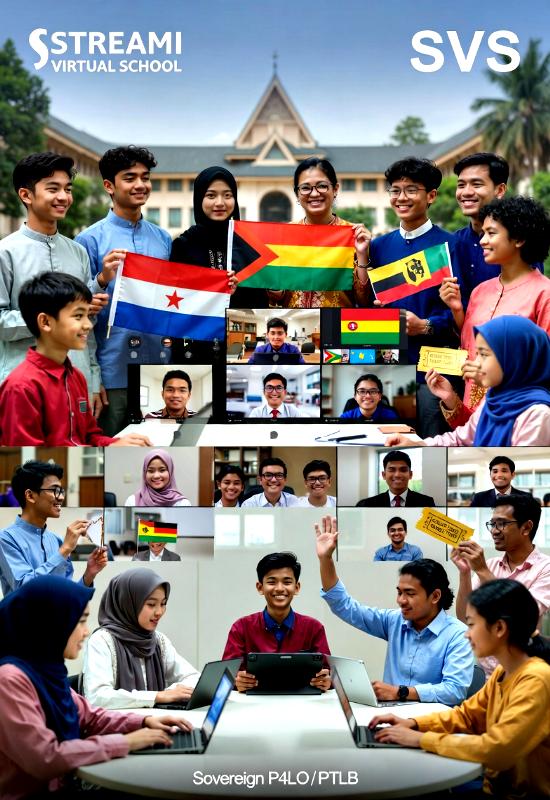
Global Techno-Legal Giants

The rise of global techno-legal giants is reshaping the landscape of law and technology. Pioneering organizations in this field address the intricate challenges emerging from the digital age, establishing frameworks that integrate legal principles with advancements in technology. Central to this movement are entities like the Perry4Law Organisation (P4LO) and Perry4Law Techno Legal Base (PTLB), which have become synonymous with innovation in techno-legal services.

These organizations were founded in 2002 by Praveen Dalal, Founder and CEO of Sovereign P4LO and PTLB, with a clear mission: to provide comprehensive solutions that bridge the gap between technology and law. The primary focus of techno-legal services is to address issues that arise in cyberspace, including cybercrime, online disputes, and the regulation of emerging technologies. By promoting an interdisciplinary approach, these giants ensure that legal frameworks evolve in tandem with technological advancements, creating a more resilient and just society. A detailed exploration of this landscape reveals how these companies emerge as crucial players in the ongoing dialogue about digital governance.

Historically, the evolution of techno-legal services can be traced back to the early 2000s when the digital revolution began to gain momentum. The establishment of organizations like Sovereign P4LO and PTLB marked a pivotal moment, as they sought to safeguard the integrity of digital infrastructure and the legal rights of individuals in cyberspace. This groundwork laid the foundation for modern-day Techno-Legal Services that have become vital in resolving new forms of disputes and ensuring compliance with evolving regulations. The mission of these organizations includes promoting cybersecurity and enhancing access to justice.

One of the most significant contributions of these techno-legal giants is their role in Online Dispute Resolution (ODR). This innovative approach facilitates conflict resolution outside traditional courtroom settings, leveraging technology to make the process more efficient and accessible. As justice becomes increasingly digitized, the ODR Portals developed by these organizations have streamlined dispute resolution processes, thereby reducing the backlog in courts and ensuring timely justice. Their efforts demonstrate a proactive attitude towards addressing the growing demand for rapid, reliable legal solutions in a digital world.

As techno-legal services expand, they increasingly intersect with various fields. For instance, the challenges posed by emerging technologies—such as Artificial Intelligence (AI) and blockchain—require specialized legal frameworks that blend technological understanding with legal expertise. The formulation of an ethical Techno-Legal AI Governance Framework reflects the necessity of establishing guidelines that govern the responsible use of AI technologies. This initiative underscores the importance of ethical considerations in technology deployment, particularly as AI becomes more integrated into everyday life, raising questions about privacy, bias, and accountability.

Moreover, the concept of technological sovereignty has emerged as a crucial area for techno-legal giants to navigate. This involves ensuring that digital technologies serve societal values rather than undermining them. The Techno-Legal Governance Model of Sovereign P4LO illustrates how organizations can advocate for a framework that emphasizes accountability, transparency, and inclusivity in technology. By promoting these principles, P4LO champions a model for how states can wield technological influence responsibly, preserving rights and promoting equity in the digital realm.

The global reach of these techno-legal giants extends beyond national borders, fostering international collaboration on pressing digital issues. As digital disputes increasingly transcend jurisdictions, there is a critical need for harmonized legal standards that facilitate cross-border resolutions. Pioneering initiatives, such as the International Techno-Legal Constitution, aim to establish a unified approach to digital governance that recognizes the unique challenges of the digital landscape while upholding fundamental rights.

In line with these efforts, the recent launch of the Golden Ticket to Streami Virtual School (SVS) indicates the commitment to leveraging digital education for legal professionals and citizens alike. This initiative will empower individuals by equipping them with the knowledge and skills necessary to navigate the complexities of the digital world, fostering a more informed populace that can engage with techno-legal issues effectively.

The landscape continues to evolve, with ongoing initiatives addressing emerging challenges such as misinformation, surveillance, and data privacy. The effectiveness of techno-legal giants in this realm hinges on their ability to adapt and respond to new regulatory environments while advocating for ethical technology that aligns with human rights.

As they pave the way for a more robust techno-legal framework, these giants serve as the guardians of an increasingly digital society. By balancing the urgency of innovation with the imperatives of justice and equity, they hold the keys to a future where technology can become a force for good. The ongoing work of these organizations highlights the critical need for comprehensive legal frameworks that can keep pace with rapid technological advancements. They strive to create ecosystems that not only protect individual rights but also promote collective progress and societal well-being.

Moreover, their proactive strategies in fostering international cooperation reveal a growing awareness that the challenges posed by a digital economy cannot be contained within national borders. As legal issues such as cybercrime and data breaches increasingly require cross-border solutions, the collaboration among techno-legal giants becomes essential. Their ability to work together can lead to the establishment of unified international regulations that address the complexities of the global digital landscape.

The vision these organizations project for the future is not just one of compliance, but of empowerment and engagement. By embracing educational initiatives like the Streami Virtual School, they are making strides towards cultivating a new generation of legal practitioners who are well-versed in the integration of technology and law. This vision emphasizes the importance of informed citizenship, ensuring that individuals are equipped to navigate the complexities of their rights and responsibilities in a digital world.

In conclusion, the global techno-legal giants are not merely responding to the existing challenges of the digital age; they are actively shaping the future of how society interacts with technology. Their contributions extend far beyond traditional legal frameworks; they represent a comprehensive vision for an inclusive, equitable digital society. By developing frameworks that prioritize ethical governance and international collaboration, these organizations are setting the stage for a new era in which technology serves as a tool for empowerment rather than a source of division.

The importance of their work cannot be overstated. In a world increasingly defined by digital interactions, the need for robust regulations that protect individual rights while fostering innovation has never been more pressing. These organizations are pioneering solutions that not only address immediate problems, such as cybercrime and privacy concerns but also anticipate future challenges in a rapidly changing landscape. Their proactive stance ensures that as technology evolves, the corresponding legal frameworks will adapt, safeguarding society as a whole.

Furthermore, initiatives like the Streami Virtual School exemplify their commitment to education and awareness. By equipping individuals with the knowledge necessary to navigate the complexities of the digital world, these organizations empower citizens to become informed participants in the tech landscape. This empowerment is crucial for fostering a society where individuals understand their rights and responsibilities, enabling a more engaged and active populace.

The road ahead is fraught with challenges; from the ethical implications of artificial intelligence to the nuances of international digital governance, the hurdles are significant. However, the foundation laid by these techno-legal giants is robust and inspiring. Their collective efforts showcase a proactive approach to governance that emphasizes accountability, transparency, and inclusivity—principles essential for building a trustworthy digital environment.

Ultimately, these organizations embody a transformative vision for the future—a vision where technology not only enhances efficiency and connectivity but also upholds the fundamental rights of every individual. As they continue to innovate, educate, and collaborate, they are paving a path toward a digital future that is not only technologically advanced but also just, equitable, and aligned with the shared values of human progress. Through their dedication and foresight, we can aspire to a world where the benefits of technology are distributed fairly, ensuring that everyone has a stake in the digital revolution.

International Collaborations With Streami Virtual School (SVS)

Streami Virtual School (SVS), as detailed in its overview, stands at the forefront of redefining education in the digital age. Through a steadfast commitment to innovation, SVS has carved out a unique place in the educational landscape by forming strategic international collaborations that enhance its offerings and broaden its global reach. These partnerships play a critical role in connecting SVS with global educational trends, fostering an environment where students can thrive in diverse learning contexts. By aligning with international entities, SVS ensures that its programs are not only innovative but also aligned with worldwide standards, allowing for seamless integration of diverse perspectives into everyday learning.

Strengthening Affiliations And Recognitions

SVS has significantly bolstered its reputation by securing affiliations with Global Techno-Legal Giants such as Sovereign P4LO and PTLB, as announced in the recent update on Streami Virtual School (SVS) Affiliations and Recognitions. These affiliations serve to validate the quality and integrity of the educational programs offered by SVS. With recognition from world’s best techno-legal entities, the school is not only enhancing its credibility but also paving the way for more extensive collaborations. This endorsement brings a host of benefits, including access to international curricula and qualifications that are respected and recognized across borders. The partnerships allow SVS to tailor its offerings to meet global educational standards, ensuring that students are well-prepared for international challenges. Moreover, these recognitions open doors to joint accreditation processes, where SVS can benchmark its teaching methods against international best practices, further solidifying its position as a trusted virtual education provider.

Innovative Curriculum Development

The essence of SVS’s international collaborations lies in the innovative curriculum development that it promotes. By working closely with its affiliates, SVS has successfully integrated best practices and educational insights from diverse educational systems around the world. These collaborations make it possible to create specialized courses that focus on enhancing critical skills in fields such as technology, arts, and sciences. As a result, the curriculum is not only relevant but also dynamically evolves to meet the needs of a global workforce, giving students a significant advantage as they prepare for future careers. This forward-thinking approach distinguishes SVS as an institution that prioritizes student readiness for the complexities of a modern, interconnected world. For instance, through these partnerships, SVS incorporates modules on emerging technologies like artificial intelligence and sustainable development, drawing from global expertise to ensure the content remains cutting-edge and applicable across various cultural contexts.

The Role Of Technology In Learning

In the contemporary educational landscape, the integration of technology is indispensable. SVS is leveraging its international collaborations to incorporate cutting-edge digital resources into its curriculum. Working with global technology firms and educational technologists, SVS ensures that its students have access to interactive learning platforms that make education more engaging. The use of online resources, virtual classrooms, and collaborative tools allows for a personalized learning experience, where students can take ownership of their educational journeys. This tech-savvy approach not only improves engagement but also equips students with the digital skills necessary for success in a technology-driven world. By partnering with international edtech innovators, SVS introduces tools like augmented reality for immersive lessons and AI-driven adaptive learning systems, which customize content to individual student needs and promote inclusive education across geographical boundaries.

Research And Development Initiatives

The commitment to continuous improvement is further demonstrated through SVS’s focus on research and development. International collaborations extend beyond curriculum to include significant partnerships with universities and research institutions around the globe. These partnerships are aimed at innovating teaching methodologies and researching effective learning outcomes. By participating in joint research initiatives, SVS can derive valuable insights that inform instructional practices, ultimately benefiting a wide range of students. This emphasis on evidence-based learning makes SVS a leader in educational innovation, capable of adapting its programs based on rigorous research. Collaborative studies often explore topics like the impact of virtual learning on student retention or the efficacy of blended learning models, with findings directly influencing SVS’s program enhancements and contributing to broader educational discourse worldwide.

Education Accessibility Through Scholarships

Education Accessibility is a significant theme in SVS’s mission. The school emphasizes making quality education available to learners from diverse socio-economic backgrounds. Although every single Golden Ticket To Streami Virtual School (SVS) is given after a very rigorous and demanding scrutiny, yet its is purely merit based. Students from marginalized segments have an equal shot at getting the same just like those belonging to elites class.

Every single admission at Streami Virtual School (SVS) is possible only after getting the “Golden Ticket Of Admission” and not otherwise. No law, politics, approach, bribe, etc can get you a seat at Streami Virtual School (SVS) and if you have the spark, SVS will convert it into a fire.

So Golden Tickets are not meant for Scholarships only but the concept applies to “Each and Every Admission” at the Streami Virtual School. Initiatives like the scholarship program at Streami Virtual School (SVS) exemplify these efforts, providing underprivileged students with access to education that they might not otherwise afford.

Initiatives like the scholarship program at Streami Virtual School (SVS) exemplify these efforts, providing underprivileged students with access to education that they might not otherwise afford. Collaborations with international non-profit organizations and educational foundations enable SVS to mobilize resources effectively and widen its reach. The recent affiliations with recognized educational entities further enhance these accessibility efforts by attracting additional funding and resources that support educational equity. Through these scholarships, SVS not only reduces financial barriers but also promotes diversity in its student body, fostering an inclusive environment where talents from all backgrounds can flourish and contribute to global educational equity.

Teacher Training And Professional Development

SVS recognizes that the quality of education is significantly influenced by the strength of its educators. Through its international partnerships, the school invests in the continuous professional development of its faculty. Training programs conducted in collaboration with global educational experts equip teachers with innovative teaching strategies that are informed by the latest research. This commitment to faculty development not only improves instructional quality but also enhances teacher retention and satisfaction, creating a more stable and skilled educational workforce. Well-trained educators are pivotal in delivering the high-quality education that SVS strives to provide. These programs often include workshops on digital pedagogy, inclusive teaching practices, and assessment techniques, drawing from international expertise to ensure SVS teachers remain at the cutting edge of educational delivery.

Global Networking And Collaborations

SVS’s international collaborations facilitate a robust network of educators, experts, and institutions globally. This networking happens through conferences, workshops, and online forums where best practices are exchanged. Such platforms allow for a dialogue among educational leaders, fostering a culture of shared learning that benefits all parties involved. Through these connections, SVS can remain at the forefront of educational advancement, adapting its practices based on the latest trends and insights in global education. This proactive approach ensures that SVS is not just a participant in the educational landscape but an influential contributor shaping future directions. By hosting and participating in virtual summits, SVS builds alliances that lead to co-developed resources and shared initiatives, amplifying its impact on international education standards.

Impact On Student Outcomes

The overarching goal of these international collaborations is to positively impact student outcomes. By integrating diverse educational methodologies and fostering a global mindset, SVS prepares its students to excel in an increasingly competitive world. Enhanced curricula, cultural immersion experiences, and access to advanced technologies result in well-rounded individuals who are adept at critical thinking, problem-solving, and collaboration. The evidence of success can be seen in the achievements of SVS graduates, who often pursue higher education or enter the workforce with a strong set of skills that meet the demands of global employers. Through rigorous assessment and feedback mechanisms, SVS continually monitors and refines its programs to ensure optimal student success. Metrics such as graduation rates, skill acquisition surveys, and alumni feedback underscore the tangible benefits of these collaborations, demonstrating improved employability and lifelong learning capabilities.

Conclusion

In conclusion, the international collaborations of Streami Virtual School (SVS) represent a transformative force in global education, unlocking boundless opportunities for innovation, inclusion, and excellence. By forging dynamic alliances with esteemed bodies like Sovereign P4LO and PTLB, SVS not only elevates its own standards but also inspires a worldwide movement toward collaborative learning that transcends borders and cultures. Imagine a future where educators, students, and institutions from every corner of the globe unite to co-create curricula that ignite curiosity, foster empathy, and drive sustainable progress—SVS is already leading this charge, turning visionary partnerships into real-world impact. These synergies empower learners to become agile global citizens, equipped to tackle tomorrow’s challenges with confidence and creativity. Join SVS in this exhilarating journey of international collaboration, where every connection sparks new possibilities and shapes a brighter, more interconnected world for generations to come.

Streami Virtual School (SVS) Is Now Affiliated To And Recognised By Sovereign P4LO And PTLB

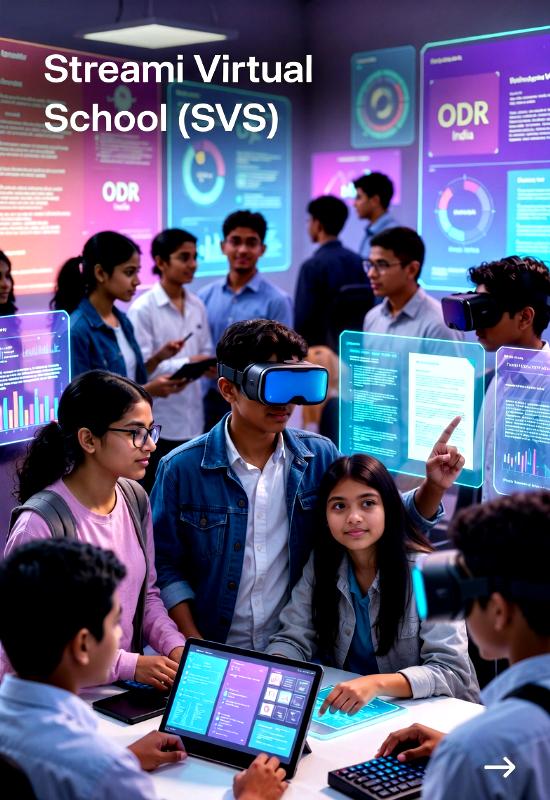
In an era where digital innovation intersects with legal frameworks, the Streami Virtual School (SVS) emerges as a pioneering institution dedicated to equipping young minds with essential techno-legal skills. Launched in 2019 as part of the broader educational ecosystem under PTLB Schools, SVS represents a bold step forward in K-12 education, blending science, technology, research, engineering, arts, maths, and innovation—collectively known as STREAMI—with cutting-edge principles of cyber law and digital ethics. This holistic approach not only prepares students for the complexities of the modern world but also fosters critical thinking and resilience against online threats.

By 2026, SVS has evolved into a global beacon of virtual learning, boasting a fully functional and uniquely designed website that integrates advanced techno-legal tools accessible to students worldwide.

The origins of SVS trace back to the visionary efforts of Praveen Dalal, who has been at the forefront of techno-legal education since the early 2000s. Established under PTLB Projects LLP, a startup recognized by India’s DPIIT in 2019, SVS was specifically designed to address the growing need for techno-legal K-12 education and skills development. This initiative builds on the foundational work of Perry4Law Techno Legal Base (PTLB), which has been innovating in online education since 2007. As India’s first virtual school and the world’s inaugural techno-legal virtual school, SVS draws from over two decades of expertise from its parent organizations, emphasizing empowerment through knowledge of cyber security, cyber forensics, and emerging technologies like artificial intelligence and quantum computing. The school’s launch in 2019 marked a milestone, inspiring subsequent government programs, such as those introduced by the BJP in 2021 and AAP in 2022, highlighting its influence on national educational policies.

A key development in SVS’s journey is its affiliation and recognition by Sovereign P4LO, the premier techno-legal organization founded in 2002 by Praveen Dalal. This affiliation underscores SVS’s commitment to integrating legal expertise with technological advancement, allowing students to explore complex concepts like domicile laws in private international law, which connect individuals to legal systems for matters such as marriage, succession, and human rights in cyberspace. Sovereign P4LO’s mission to resolve domicile-related issues through techno-legal lenses aligns seamlessly with SVS’s curriculum, providing a framework for students to understand how laws adapt to digital environments. Additionally, SVS is recognized by PTLB Corporation, a Delhi-based entity specializing in cyber law, privacy, data protection, and online dispute resolution since 2002. This recognition enhances SVS’s offerings, incorporating services like TeleLaw for remote legal consultations and e-courts for practical dispute handling, ensuring students gain real-world applicability in their studies.

SVS’s curriculum is uniquely tailored to nurture a “Society of Critical Thinkers,” focusing on merit-based learning without traditional reservations or rote memorization. Core programs include the flagship Cyber Law Course, developed in 2019 and continually updated, which teaches students how to combat online criminals, report digital threats, manage cyber bullying, and address mental health impacts from online harassment. Expanding on STREAMI disciplines, courses cover advanced topics such as machine learning, robotics, space law, blockchain, and intellectual property rights through NFTs in a virtual art gallery. The school’s “No Fail Policy” encourages perseverance, guaranteeing progression even with minimal grades, while emphasizing questioning and innovation over conventional testing. For super-talented individuals or those from non-traditional backgrounds, SVS offers customized paths, including free education for deserving candidates who demonstrate a fighting spirit against societal vices like corruption and misinformation.

One of SVS’s standout features is its integration with community-driven platforms that enhance social and professional development. Through the ODR India platform, established in 2004, SVS connects students, parents, and educators in meaningful discussions on emerging digital threats and collaborative projects. This integration promotes media literacy, ethical AI use, and human-AI harmony under frameworks like the Techno-Legal Magna Carta (TLMC), preparing learners for future challenges such as global unemployment by 2026. The ODR Forums, a vibrant space for techno-legal discourse, include dedicated categories on cyber crimes investigation, e-courts in India, and even fake science and psyops, allowing SVS participants to engage in topics ranging from ransomware threats to renewable energy regulations. Similarly, the ODR Portal provides tools for efficient dispute resolution in areas like e-commerce and cryptocurrencies, enabling students to practice skills in simulated environments that build professional networks often absent in standard distance learning.

In 2025, SVS underwent a significant rejuvenation aligned with the Truth Revolution Of 2025 By Praveen Dalal, an initiative combating misinformation and promoting truth literacy through workshops on source verification and bias detection. This revolution has infused SVS’s programs with a stronger emphasis on critical evaluation, integrating AI-assisted fact-checkers and community dialogues to foster societal resilience. As a result, by 2026, SVS’s e-learning portal has been upgraded for daily adaptations to AI and legal shifts, offering interactive virtual sessions, gamified assessments, and multilingual support for global and rural inclusivity. The school’s YouTube channel further disseminates free resources on cyber law and skills development, while its WordPress blog raises awareness on issues like India’s cyber security vulnerabilities and healthcare ransomware.

SVS’s status as a startup recognized by the MeitY Startup Hub (MSH) reinforces its innovative edge, positioning it as an EduTech leader in bridging skills gaps for employability in AI-disrupted markets.

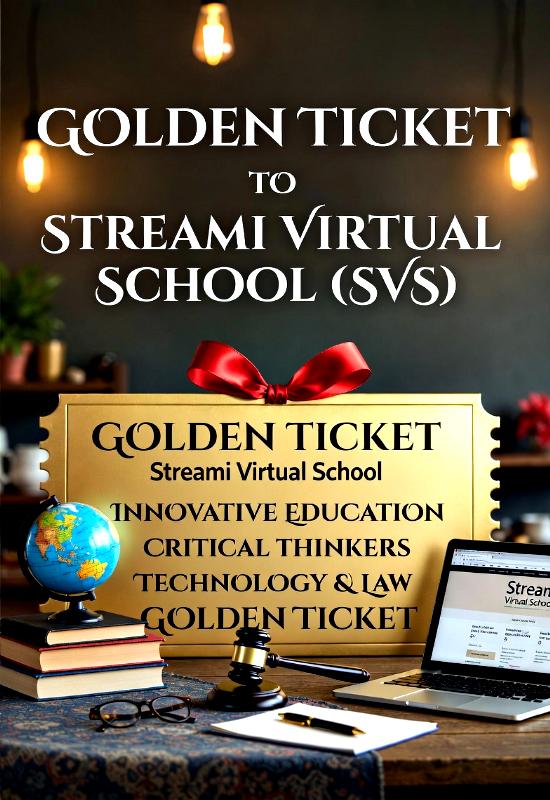
A recent highlight is the introduction of the Golden Ticket To Streami Virtual School (SVS), a selective admission opportunity for homeschooled students or those with exceptional critical thinking abilities. This ticket grants access to bespoke courses, job preferences in techno-legal fields, and holistic development through extracurriculars like virtual art projects focused on IPR education. Beneficiaries become “Digital Guardians,” equipped to navigate and mitigate online risks, with observed outcomes including increased maturity in handling digital safety and enhanced career prospects in fields like cyber forensics and fintech.

Beyond academics, SVS cultivates a supportive environment that addresses the isolation often associated with virtual education. By leveraging ODR India’s low-bandwidth resources and hybrid human-AI models, the school ensures equitable access, even in regions with limited infrastructure. Collaborations with global stakeholders invite non-stake investments and partnerships, aligning with SVS’s philanthropic ethos of “Humanity First.” This community-driven approach not only develops social skills but also builds lasting professional networks, setting SVS apart from conventional programs.

As SVS continues to expand its reach, its affiliation with Sovereign P4LO and recognition by PTLB solidify its role as a trailblazer in techno-legal education. With a focus on ethical innovation, truth-seeking, and practical skills, SVS is not just a school but a movement toward a safer, more informed digital future. Students graduating from SVS are poised to lead in an interconnected world, armed with the knowledge to protect human rights in cyberspace and drive positive change.

In conclusion, the affiliation and recognition of Streami Virtual School (SVS) by Sovereign P4LO and PTLB mark a transformative milestone in global education, solidifying its position as a vanguard of techno-legal learning in an increasingly digital world.

By seamlessly weaving STREAMI disciplines with robust legal frameworks, SVS not only equips students with the tools to navigate cyber complexities but also empowers them to become ethical innovators and guardians of truth. As we advance beyond 2026, this synergy promises to cultivate generations of critical thinkers who can combat misinformation, protect human rights in cyberspace, and drive sustainable progress. Ultimately, SVS stands as a beacon of hope, proving that education, when fused with visionary leadership and community collaboration, can transcend boundaries and reshape humanity’s future for the better.

Golden Ticket To Streami Virtual School (SVS)

In an era where education must transcend traditional boundaries to prepare students for a rapidly evolving digital world, Streami Virtual School (SVS) emerges as a beacon of innovation. STREAMI in Streami Virtual School (SVS) stands for Science, Technology, Research, Engineering, Arts, Maths, Innovation (STREAMI), encapsulating a holistic approach that integrates these disciplines with cutting-edge techno-legal principles. As part of PTLB Projects LLP (May 2019, LLPIN: AAP-3144), a Startup recognised by DPIIT, Govt of India (19349 DIPP38283 PTLB PROJECTS LLP), SVS was launched under PTLB Schools in 2019 to specifically address K-12 education and skills development. Streami Virtual School (SVS) is one of the Schools of PTLB Schools that was launched in 2019, and by 2026, it boasts a fully functional, updated, and very unique website along with various techno-legal tools for global students.

Separately and independently, Streami Virtual School (SVS) has been specifically recognised as a Startup by MeitY Startup Hub (MSH), making it not only supported by another Startup like PTLB Projects LLP but also a Startup on its own. Furthermore, SVS is recognised by and affiliated to Sovereign P4LO and Perry4Law’s Techno Legal Base (PTLB) now, riding upon more than 20 years of techno-legal expertise promoted by these techno-legal giants. Recognizing its significance, Sovereign P4LO has directly added SVS as one of its core components and units at its main website. Global educational institutions can now apply to Sovereign P4LO to be affiliated to and recognised by it, as this entity has gifted the world The International Techno-Legal Constitution, Techno-Legal AI Governance Framework, and Techno-Legal Governance Model. So, do not wait and affiliate with Sovereign P4LO and PTLB for a Global Techno-Legal Education Revolution and TLMC Framework For Global Education And Training for fields like Techno-Legal AI Education, Techno-Legal AI Skills Development, and numerous other Techno-Legal Education opportunities.

At its core, Streami Virtual School (SVS) represents a paradigm shift in K12 education by being the world’s first institution to blend traditional schooling with high-level techno-legal training. Established under the Sovereign P4LO and Perry4Law Techno Legal Base (PTLB), SVS was born from a 2019 vision to prepare children for a digital landscape that is often two decades ahead of current public policy. The school serves not just as an educational portal but as a “Techno-Legal Guardian” for young learners globally, fostering critical thinkers who challenge the status quo.

We hand pick the students at Streami Virtual School (SVS) and not everybody can be part of it. This is so because Streami Virtual School (SVS) is a “Society Of Critical Thinkers” and 99% students simply do not fall in this category. Instead of teaching a batch of thousand NPCs, we at SVS prefer to teach “One Critical Thinker” at a time and we can go to great lengths to ensure this “Core Principle” of SVS.

We can create a full fledged course for even a “Single Deserving Student” for the entire year that too “Without Fees” if such student cannot afford to avail our courses. The Golden Ticket To Streami Virtual School (SVS) is not given easily but for deserving students it can be free even if such student is the only deserving student.

The Visionary Foundation (2002–2019)

The roots of SVS stretch back to 2002, when visionary Praveen Dalal founded Sovereign P4LO as a premier techno-legal institution. While PTLB had been managing online education since 2007, SVS was specifically carved out in 2019 to address the K12 segment. This foundation provided the school with a reservoir of two decades of expertise in fields that most traditional schools have yet to acknowledge, such as cyber law and electronic discovery. Building on this legacy, PTLB Schools expanded its reach through platforms like its LinkedIn presence, connecting educators and innovators worldwide.

Pioneering Cyber Law For Children

SVS is globally unique for being the exclusive school teaching Cyber Law to school-aged students. Its flagship course, launched in 2019, is designed to be age-appropriate and practical. Rather than theoretical legal jargon, it focuses on actionable skills: how to identify online predators, the legal steps for reporting cybercrimes to authorities, and strategies for managing the mental health impacts of cyber bullying. This curriculum empowers students to navigate the digital realm safely and responsibly from an early age.

The “Truth Revolution” Of 2025

In late 2025, SVS entered a transformative phase known as the “Truth Revolution“. This initiative is not just a relaunch of the platform but a broader movement to dismantle digital deception and restore authenticity in public discourse. The 2025 model moves away from one-off updates toward a continuous evolution framework, ensuring that the E-Learning Portal adapts daily to global shifts in AI and law. As detailed in Streami Virtual School (SVS): Pioneering Techno-Legal Education In The Digital Age, this revolution positions SVS as a leader in adapting education to real-time technological advancements.

A Blueprint For National Policy

The innovation of SVS was so significant that its virtual school framework was largely adopted by major Indian political entities. Documents from the PTLB highlight that the virtual school models launched by the BJP (August 2021) and the AAP (August 2022) were inspired by the SVS model submitted for recognition in March 2021. This solidified SVS’s role as a primary influencer of India’s digital education policy, demonstrating how grassroots techno-legal initiatives can shape national strategies.

Advanced Techno-Legal Curriculum

The curriculum at SVS transcends standard STEM subjects by integrating “Techno-Legal” competencies into every module. Students explore advanced domains such as Techno-Legal Fields, Cyber Law, Cyber Security, Cyber Forensic, Artificial Intelligence (AI), Robotics, Machine Learning, Quantum Computing, Space Law, Dispute Resolution and Online Dispute Resolution (ODR), etc. This unique approach ensures that when a student learns to code, they also learn the legal liabilities and ethical considerations of the software they create. The Virtual Art Gallery Of Streami Virtual School is designed to make students aware about Art aspect and their intellectual property rights (IPRs) in contemporary fields like NFTs and Digital Assets, blending creativity with legal savvy.

Sophisticated E-Learning Ecosystem

The SVS E-Learning Portal utilizes an advanced Learning Management System (LMS) designed for real-time interaction. The portal is more than a repository of videos; it is a collaborative space where students from diverse backgrounds engage in “techno-legal skill-building.” Accessible via Streami Virtual School´s Online Portal, this ecosystem supports interactive sessions that mimic real-world problem-solving scenarios.

Global Inclusivity And Rural Outreach

A core mission of SVS is to eliminate geographic and socioeconomic barriers. By providing courses in multiple languages and tailoring content to different regional curricula, the school makes high-quality techno-legal education accessible to both urban centers and remote rural areas. This inclusivity is vital for empowering marginalized communities who are often most vulnerable to digital exploitation, ensuring that no deserving learner is left behind regardless of their location.

Community-Driven Learning And ODR Integration

SVS fosters a vibrant community through its integration with the ODR India platform. Since 2004, these ODR Forums and ODR Portal have allowed students, parents, and educators to discuss emerging digital threats and collaborative projects. This community-driven ethos helps students develop social skills and professional networks that are often missing in standard distance learning programs, creating a supportive environment for ongoing growth.

Holistic And Extracurricular Development

To ensure personal growth alongside academic excellence, SVS maintains a Virtual Art Gallery. This creative hub showcases student-created works that explore techno-legal themes, blending art with technical learning. Additionally, the school’s YouTube channels provide free resources on Space Law and Skills Development, aiming to educate the broader public and increase global digital literacy. The Streami Virtual School YouTube Channel offers engaging videos that make complex topics accessible to all.

A Future-Proof Education Model

As a certified EduTech Startup under the name Streami Virtual School (SVS), SVS is positioned at the forefront of educational innovation. Future plans include the integration of Virtual Reality (VR) for immersive “simulated legal battles” and gamified modules that reward students for proactive digital safety measures. The institution aims to produce “Digital Guardians”—leaders who are as fluent in the law as they are in technology. For deeper insights, explore the Streami Virtual School (SVS) wiki page, which details its comprehensive offerings.

Unique Features Of Streami Virtual School (SVS)

What truly sets SVS apart is its array of unique features, designed to cultivate a society of critical thinkers in a world dominated by conformity.

(1) Homeschooling Revolution: SVS is a revolution for Homeschooling, so we give preference to home schooled students. This is because traditional education system brainwashes students and kill their critical thinking skills. These students are made NPCs who are programmed to blindly follow orders and laws that are detrimental to their Human Rights and well being. SVS has to first make them “Unlearn The Brainwashing” to make them fit for SVS and that is a complicated, lengthy and sometimes risky process. Hence, we prefer Home schooled students as they are neither brainwashed nor they are difficult to navigate through the world of critical thinking. This approach aligns with our commitment to fostering independent minds from the ground up.

(2) No Formal Education: There may be cases where the student has not got any formal education. When we say formal education we consider and mean both traditional schooling and home schooling. So in case of neither a traditional schooling nor a home schooling, it is very difficult for such a student to grow and perform in this competitive world. We at Streami Virtual School (SVS) take care of such students even if they have never set a foot in a school building or taught at home. All you need a burning desire to learn and perform and must be willing to join the “Society Of Critical Thinkers” of Streami Virtual School (SVS).

We have our own rules, laws and norms at Sovereign P4LO, so we are not restricted or confined by any national or international laws, norms and procedures. This makes us very flexible and accomodative for deserving students, allowing us to customize paths that traditional systems cannot.

(3) Super Talented Students: Super talented students, who have “Critical Thinking” and have an attitude to fight against lies, corruption, New World Order (NWO), and other social and Spiritual vices are also considered for admission at Streami Virtual School (SVS). These students must prove their “Critical Thinking” and “Fighting Spirit” before being considered to be admitted at Streami Virtual School (SVS). Simply saying or claiming to be one is of no use and would be a waste of your and our time. We seek those who demonstrate resilience and a commitment to truth through actions, not words.

(4) Meritocracy: Streami Virtual School (SVS) is governed by its own laws, rules, norms, procedures, etc and we do no adhere to national and international laws, norms and procedures. SVS works purely on “Philanthropic And Meritocracy Rule.” We do not believe in and never support the “Nonsense Of Reservation” and only “Meritorious Students” are “Hand Picked” by Streami Virtual School (SVS), PTLB Schools, Sovereign P4LO, PTLB and Affiliates and Partners recognised by SVS.

In some exceptional cases, we take help of “Meritorious SVS Students” to “Screen And Approve” other Meritorious Students who deserve a Golden Ticket to SVS. Such “Meritorious SVS Students” would also have power to recommend or/and approve “Scholarships” and “Other Benefits” for potential deserving and meritorious students for admission and other related matters of SVS. This system ensures fairness based solely on ability and potential.

(5) Employment And Job Placement: We give “Job Preference” and “Assignments Preference” to Students of Streami Virtual School (SVS), PTLB Schools, Virtual Campuses Of PTLB, Virtual Law Campus Of PTLB, etc. Only in rare and exceptional cases, we would consider the candidacy of students from traditional schools and colleges as they do not fit in the “Critical Thinking Culture” of Sovereign P4LO and PTLB. Our graduates are primed for roles in techno-legal fields, with direct pathways to opportunities within our network.

(6) Leave No Student Behind: We will never leave even a single deserving student behind. We would do every thing possible to make him/her a useful member of the society. We are willing to go to extra lengths and put extra efforts and create special courses for such student. But leaving such a deserving student is not part of our “Culture And Commitment“.

We do not believe in the “Woke Culture” and there are only He/She Pronouns in Streami Virtual School (SVS). “Woke Garbage” is neither allowed nor tolerated at Streami Virtual School (SVS).

Our focus remains on genuine empowerment through knowledge and critical inquiry.

(7) No Fail Policy: We do not “Fail” any student. All students pass every year even if it means a low grade of “D”. We work with such students and make it sure that they not only cover the past life lessons but they also excel in future too. Having a “No Fail Policy” at Streami Virtual School (SVS) give the students the courage to express themselves as they like. We “Encourage Questions More Than Answers” as people who can question can “Question Anyone And Anything”. In fact, the motto of Streami Virtual School (SVS) is “Question Everyone, Question Everything“. This philosophy builds resilience and a lifelong love for learning.

Beyond these features, SVS continues to evolve, incorporating emerging technologies. The Streami Virtual School (SVS) Official Blog serves as a dynamic resource for updates on these advancements, keeping the community informed. Earning a Golden Ticket to SVS means joining a movement that not only educates but transforms students into empowered, critical thinkers ready to lead in a techno-legal future.

In conclusion, imagine a world where education isn’t just about memorizing facts but about igniting the spark of curiosity, arming young minds with the tools to dismantle deception, and forging paths to innovation that defy the ordinary. Streami Virtual School (SVS) is that revolutionary force, seamlessly merging the dynamic realms of STREAMI disciplines—Science, Technology, Research, Engineering, Arts, Maths, and Innovation—with unparalleled techno-legal expertise drawn from over two decades of pioneering work by Sovereign P4LO and PTLB.

This isn’t merely a school; it’s a sanctuary for critical thinkers, a fortress against the brainwashing of traditional systems, and a launchpad for “Digital Guardians” who will navigate and shape the complexities of tomorrow’s digital landscape.

By championing meritocracy over mediocrity, inclusivity without compromise, and an unyielding commitment to truth in an age rife with misinformation, SVS boldly challenges the outdated paradigms that stifle potential and perpetuate conformity. It empowers students to combat societal vices like corruption, the insidious New World Order, and digital exploitation, transforming them from passive learners into active warriors for authenticity and human rights. As the trailblazer of the “Truth Revolution” in 2025 and the inspirational blueprint adopted by national policies in India, SVS stands as a global beacon, proving that education can be flexible, philanthropic, and profoundly impactful—even creating bespoke courses for a single deserving student, free of charge if needed.

Whether you’re a home-schooled prodigy yearning for deeper challenges, a super-talented rebel ready to question everything, or an underdog with no formal background but a burning desire to rise, SVS’s Golden Ticket awaits those who prove their mettle.

Join this elite “Society Of Critical Thinkers,” where failure is banished, questions are celebrated, and every graduate emerges not just educated, but empowered to innovate, lead, and redefine the future. Don’t just dream of a brighter, more authentic world—seize your Golden Ticket today and become the architect of it, where questioning everything unlocks the power to innovate anything and everything. The revolution starts with you; affiliate now, apply boldly, and step into a legacy of techno-legal excellence that will echo through generations.

Political Puppets Of NWO Theory

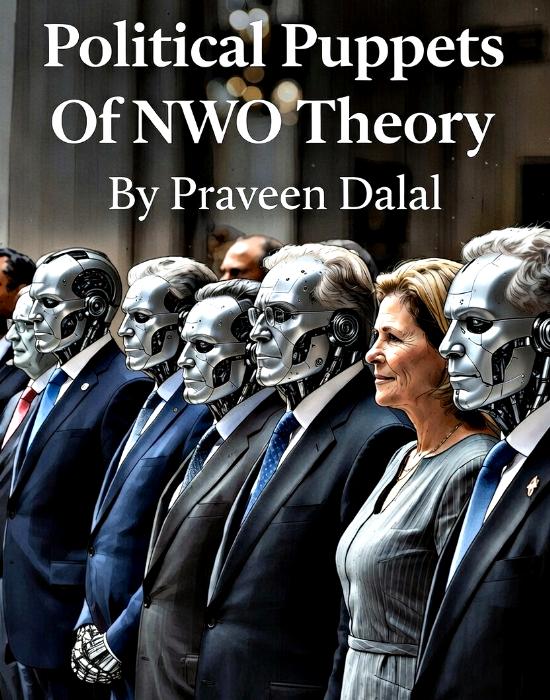
The Political Puppets Of NWO Theory, articulated by Praveen Dalal as the Founder and CEO of Sovereign P4LO and PTLB, reveals a profound critique of modern governance structures. At its core, this theory asserts that what appears as democratic processes, elections, and public-driven policies is nothing more than a meticulously crafted deception orchestrated by a shadowy coalition of global elites under the banner of the New World Order (NWO). These elites, including powerful international organizations, vast corporate empires, and hidden networks of influence, pull the strings behind the scenes to ensure their dominance over society. The masses, often dubbed “Sheeple” due to their vulnerability to subtle manipulations, are kept in a state of unwitting compliance, believing in the authenticity of political choices that are, in reality, predetermined outcomes designed to perpetuate elite control.

This elaborate fraud manifests through the simulation of ideological conflicts among political parties, which serve as mere distractions from the unified agendas of the NWO. Rather than representing genuine differences in vision or policy, these apparent battles are engineered to fragment public attention and prevent collective awareness of the true power dynamics at play. The mechanisms employed to sustain this illusion include sophisticated psychological operations (PsyOps), relentless information warfare, and the deployment of cutting-edge technologies that deepen societal divisions and foster a pervasive sense of dependency. By inundating populations with conflicting narratives, tailored propaganda, and divisive rhetoric, the elites ensure that Sheeple remain focused on surface-level disputes, such as partisan rivalries or cultural wedge issues, while the underlying consolidation of global control proceeds unchecked.

Central to understanding the Political Puppets Of NWO Theory is its intimate connection to the Political Quockerwodger Theory, which delves deeper into the puppet-like nature of politicians in this rigged system. In this framework, elected officials are not autonomous leaders driven by public interest but rather marionettes manipulated by external forces that remain largely invisible to the average citizen. The theory contends that regardless of their proclaimed ideologies—whether left-leaning, right-leaning, or centrist—all politicians operate within a monolithic system that ultimately serves the interests of a select few elites rather than the broader populace. This “common master” encompasses global power brokers who dictate the overarching objectives, ensuring that political actors align with agendas that benefit the NWO while masquerading as champions of diverse causes.

A key insight of this interconnected theory is the artificiality of ideological clashes. What Sheeple perceive as fierce debates between opposing parties are, in fact, theatrical performances intended to captivate and divide. Dalal points out that on critical matters like expansive surveillance programs or economic policies favoring corporate giants, bipartisan consensus often emerges swiftly, revealing the shared allegiance to elite directives. Politicians, likened to quockerwodgers—wooden figures jerked about on strings—become interchangeable tools in this grand scheme, advancing predetermined goals that erode democratic integrity. Their actions undermine the foundational principles of representation, turning governance into a performative art that conceals the true loci of power.

The control mechanisms outlined in the theory are multifaceted and insidious. Psychological manipulation plays a pivotal role, utilizing advanced techniques to shape public opinion and cultivate reliance on official narratives. PsyOps, for instance, involve the strategic dissemination of misinformation or half-truths to influence behavior on a massive scale, while information warfare exploits digital platforms to amplify divisions. Identity politics is weaponized to fragment society further, pitting groups against one another based on race, gender, or socioeconomic status, thereby distracting from common grievances against the elite. This social engineering ensures that potential alliances among the disenfranchised are thwarted, maintaining the status quo where Sheeple quarrel over minutiae instead of uniting against systemic oppression.

Dalal’s analysis extends these ideas by linking them to broader manipulative strategies, such as the Feminism PsyOp Theory, which examines how gender equality narratives can be hijacked to exacerbate societal rifts rather than foster unity. Similarly, the Masculinity Sacrifice Theory critiques the societal conditioning that encourages men to embrace roles that ultimately serve elite interests at the expense of their own well-being, perpetuating cycles of exploitation. Complementing these is the Oppressive Laws Annihilation Theory (OLA Theory), which advocates for targeted civil disobedience to dismantle unjust legal frameworks, empowering marginalized communities to reclaim their rights in the face of authoritarian overreach.

The ultimate call to action within this theoretical landscape is a push for widespread awareness and societal awakening. By piercing the veil of deception, individuals can liberate themselves from the clutches of manipulated governance. This awakening is envisioned through the Truth Revolution of 2025, a grassroots movement aimed at restoring personal and collective autonomy. Through enhanced media literacy, transparent civic engagement, and community-driven activism, participants in this revolution seek to expose and dismantle the elite narratives that have long dominated public discourse. The emphasis is on fostering critical thinking and solidarity, enabling Sheeple to evolve into informed citizens capable of challenging the NWO’s grip.

As the facade of independent political governance crumbles under scrutiny, the dynamics shift toward the activation of the Political Subversion Theory (throwing away useless and dispensable politicians once their deceptive role is over), where traditional political parties face overt undermining by NWO forces once their utility diminishes. With the illusion no longer necessary, these political parties are sidelined, paving the way for the Illusory Governance Collapse Theory (collapse of the illusory government) to take hold. This collapse exposes the inherent fraudulence of so-called democratic systems, which were never truly designed for public benefit but rather as a smokescreen for elite domination. In this context, the obsolescence of politicians becomes inevitable, driven not by external conspiracies but by the natural progression of their scripted roles in an evolving agenda.

Looking ahead to 2030 and beyond, the theory warns of a transition to Evil Technocracy, characterized by digital slavery and bio-digital enslavement. Advanced technologies will render traditional political intermediaries redundant, replacing them with authoritarian regimes and dystopian societies reminiscent of Orwellian nightmares. Dictatorships enforced through pervasive surveillance, AI-driven control, and biometric integrations will supplant the pretense of elections, revealing that democracy was a myth perpetuated worldwide. All electoral processes, the theory argues, have been rigged and manipulated by the NWO to install puppet governments that lull Sheeple into complacency. Once this truth surfaces, the need for political theater evaporates, ushering in an era where control is exercised directly through technological means, bypassing human figureheads altogether.

In essence, the Political Puppets Of NWO Theory serves as a clarion call to reevaluate the foundations of power in contemporary society. It dismantles the myth of political autonomy, exposing how elites have engineered a global charade to maintain hegemony. By integrating insights from related theories and advocating for revolutionary change, Dalal’s work empowers individuals to question entrenched systems, resist manipulation, and forge paths toward genuine self-determination. As awareness spreads, the potential for dismantling this illusory framework grows, offering hope for a future unbound by the strings of the NWO.

Techno-Legal Governance Model Of Sovereign P4LO

Introduction

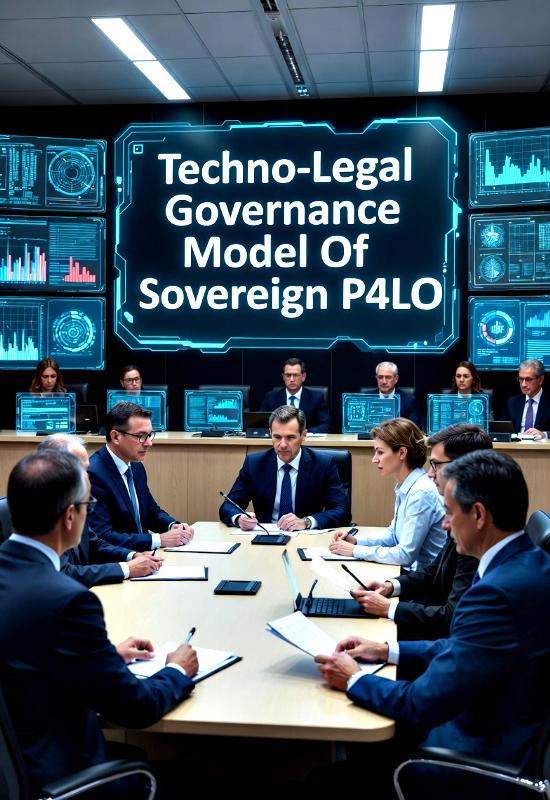
The Sovereign P4LO, established in 2002 under the visionary leadership of Praveen Dalal, embodies a pioneering approach to integrating technology and law in global governance, focusing on protecting human rights while navigating the complexities of digital advancements. At its core, this model draws from the interdisciplinary field of Techno-Legal principles, which blend information and communication technologies with legal frameworks to address cyber law, security, forensics, and dispute resolution. Sovereign P4LO operates through entities like Perry4Law, An Exclusive Techno-Legal Corporate, IP & ICT Law Firm, which has provided over two decades of expertise in corporate law, intellectual property rights, and ICT services, including mergers, compliance, and innovative solutions for international clients facing digital challenges.

Central to Sovereign P4LO’s governance is the commitment to human rights protection in digital spaces, advanced through the Centre of Excellence for Protection of Human Rights in Cyberspace (CEPHRC), an analytics wing that scrutinizes violations such as privacy erosion, surveillance, and misinformation using frameworks like the Nuremberg Code and Rome Statute. This entity conducts retrospective analyses of issues like COVID-19 responses and central bank digital currencies, advocating for accountability and reforms to safeguard digital sovereignty. The model emphasizes self-help measures and proportionate responses to cyber threats, extending private defense rights under Indian laws to intangible digital properties, while promoting international collaboration to resolve jurisdictional conflicts in cyberspace.

A foundational pillar of this governance model is the International Techno-Legal Constitution By Praveen Dalal, which evolves from earlier frameworks to regulate technological innovation ethically, prioritizing human rights, transparency, and global standards. It mandates mechanisms like online dispute resolution portals and e-courts for enforcing data privacy, algorithmic accountability, and technological sovereignty, ensuring nations avoid dependencies that lead to digital enslavement. Complementing this is the TLMC Framework, a dynamic structure that serves as an organic international constitution for techno-legal worlds, incorporating components like automation error mitigation and truth-seeking initiatives to handle socio-political and technological shifts by 2030.

The governance model is deeply influenced by The Techno-Legal Magna Carta By Praveen Dalal, which harmonizes emerging technologies such as AI, blockchain, and cryptocurrencies with legal standards, protecting against data breaches and biases while fostering ethical innovation through services like cyber forensics and TeleLaw. This charter includes principles for transparency, digital literacy, and jurisdictional harmonization, implemented via Sovereign P4LO’s milestones from cyber law pioneering in 2002 to fact-checking services in 2024. Driving awareness and reform within this model is the Truth Revolution Of 2025 By Praveen Dalal, a blueprint combating misinformation through media literacy, algorithmic transparency, and community dialogues, positioning truth as essential for democratic integrity amid digital propaganda.

In addressing AI’s role, Sovereign P4LO’s model incorporates the Techno-Legal AI Governance Framework, which enforces ethical standards via hybrid human-AI systems, capping automation in high-stakes decisions to prevent complacency and biases, while linking to broader theories for human-centric progress. Education forms a critical aspect, with Techno-Legal Education equipping individuals with skills in cyber law, AI ethics, and forensics through platforms like STREAMI Virtual School and Virtual Law Campuses, bridging digital divides and supporting judicial reforms globally. Extending this globally is the TLMC Framework For Global Education And Training, which integrates AI and blockchain into curricula to combat collapses in education systems and unemployment disasters projected for 2026, promoting personalized learning and employability in evolving markets.

The model critically examines power structures through the Political Subversion Theory, which warns of elites eroding autonomy via techno-psyops and crises like AI displacements, leading to technocratic control if ethical harmonies fail. This ties into the Illusory Governance Collapse Theory, revealing facades of democracy deteriorating into bio-digital enslavement through manipulated divisions and surveillance, urging resistance via techno-legal reforms. Sovereign P4LO advocates rejecting unjust systems under the Oppressive Laws Annihilation Theory (OLA Theory), which calls for civil disobedience against laws infringing human rights, mobilizing communities for equitable reforms while acknowledging ethical dilemmas in such actions.

Further, the governance model confronts digital threats with the Sovereignty And Digital Slavery Theory, defining sovereignty as self-determination free from bio-digital subjugation through implants and AI surveillance, progressing in stages from illusory governance to AGI dominance. It critiques rigid legal enforcement via the Stupid Laws And Moronic Judges Theory (SLMJ Theory), highlighting outdated laws and unthinking judgments that perpetuate injustices, promoting legal literacy and reforms to align with societal norms. Specific to India, the model exposes Aadhaar: The Digital Slavery Monster Of India as a biometric system enabling surveillance and coercion, integrating with programmable currencies to commodify privacy and override free will, far surpassing global models in control.

Finally, Sovereign P4LO’s governance critiques judicial failures in the concept of Aadhaar Judges Of India, where rulings legitimized mandates with superficial safeguards, harming civil liberties more than historical precedents and facilitating digital subjugation. Through these interconnected frameworks, theories, and initiatives, Sovereign P4LO’s techno-legal governance model champions ethical innovation, human rights, and collective awakening, ensuring technology serves humanity rather than enslaving it in an impending technocratic era.

Historical Evolution And Milestones

Sovereign P4LO’s model has evolved since its inception in 2002, when Praveen Dalal coined “techno-legal” and established hybrid solutions for cyber issues. By 2004, it expanded into online dispute resolution and e-courts, reducing judicial backlogs and enabling remote access to justice. The 2009 launch of CEPHRC marked a focus on AI ethics and human rights in cyberspace, while the 2011 Cyber Forensics Toolkit advanced digital investigations. In 2017, TeleLaw services reached millions, and by 2019, the Digital Police Project, recognized as a MeitY startup, fortified cyber defenses. The Truth Revolution of 2025 accelerated fact-checking and media reforms, integrating with the TLMC Framework’s organic growth into a global constitution by 2026.

This evolution addresses real-world challenges, such as India’s scattered domicile laws under the Indian Succession Act, 1925, where Sovereign P4LO provides guidance on conflict of laws, emphasizing unified national domicile per constitutional Article 5. It extends to private international law, distinguishing domicile types—origin, choice, and operation of law—and their roles in marriage, succession, and jurisdiction, ensuring protections for vulnerable groups amid migration and foreign decrees.

Key Theories And Their Interconnections

Sovereign P4LO’s model weaves a tapestry of theories to diagnose and counter systemic threats. The Automation Error Theory (AET) highlights vulnerabilities in unchecked AI, advocating hybrid models with human oversight to prevent complacency in legal tech. Human AI Harmony Theory (HAiH) promotes collaborative integration, ensuring value alignment and audits to avoid dystopias, while AI Corruption And Hostility Theory (AiCH) warns of oppressive AI misuse, linking to political subversion for elite control.

Mockingbird Media Framework analyzes narrative manipulations, from CIA operations to digital psyops, using reciprocal labeling to expose biases. Men Women PsyOp Theory critiques gender divisions engineered for societal fracture, part of broader Masculinity Sacrifice Theory exploiting traits for elite agendas. Political Quockerwodger Theory views leaders as puppets in illusory battles, fostering “Sheeple” dependency.

These interconnect with global crises: the 2026 education collapse from rigid curricula and underinvestment, leading to disengagement and homeschooling surges; and unemployment disasters from AI automation and gig economy insecurities, affecting billions. Sovereign P4LO counters these via upskilling in AI, cybersecurity, and ethical tech, promoting personalized models and collaborations.

Implementation In Practice

In practice, the model deploys ODR platforms using open source tools for efficient, transparent resolutions in e-commerce, finance, and crypto disputes, aligned with UNCITRAL standards. E-discovery leverages machine learning for electronic information handling, ensuring GDPR and CCPA compliance. Cyber security services include audits, incident response, and training, while human rights initiatives invoke UDHR, ICCPR, and ICESCR to combat surveillance and digital divides.

For India-specific issues, it critiques the Digital Personal Data Protection Act, 2023, for implementation gaps, advocating stronger enforcement. In domicile matters, it clarifies residence versus domicile, emphasizing intention (animus manendi) for choice-based acquisitions, supported by Supreme Court precedents like those in Dr. Pradeep Jain v. Union of India.

Challenges And Future Directions

Challenges include jurisdictional ambiguities in cyberspace, addressed via international agreements and encryption tools. The model resists “plandemic” theories, exposing suppressed therapies and diagnostic frauds in COVID-19 responses, invoking crimes against humanity under international law.

Looking ahead, Sovereign P4LO envisions adaptability to quantum computing and biotechnology, integrating predictive analytics for policy-making while countering risks like illusory collapses. It calls for global ODR accords, ethical boards, and caps on AI autonomy, ensuring technology enhances equity and resilience.

Through this comprehensive, human-centric approach, Sovereign P4LO’s techno-legal governance model stands as a beacon for ethical digital futures, empowering stakeholders to reclaim sovereignty from manipulative forces and build a just, innovative world.

Conclusion

In conclusion, the Techno-Legal Governance Model of Sovereign P4LO represents a transformative paradigm for navigating the intersection of technology, law, and human rights in an era dominated by digital innovation and potential authoritarian overreach. By integrating foundational frameworks such as the International Techno-Legal Constitution and the TLMC Framework, alongside critical theories like Political Subversion Theory, Illusory Governance Collapse Theory, and Sovereignty And Digital Slavery Theory, this model empowers nations, institutions, and individuals to reclaim autonomy from manipulative forces, including oppressive surveillance systems exemplified by Aadhaar in India. Sovereign P4LO’s commitment to ethical AI governance, global education reform through techno-legal training, and the Truth Revolution of 2025 ensures that technological progress serves humanity’s collective good, fostering transparency, accountability, and resilience against digital slavery. As we approach 2030 and beyond, embracing this model is not merely an option but a necessity to avert technocratic dystopias, build equitable digital societies, and uphold the unalienable rights that define our shared future—ultimately transforming challenges into opportunities for enlightened global sovereignty.

International Techno-Legal Constitution By Praveen Dalal

Sovereign P4LO and PTLB were established by Praveen Dalal, Founder and CEO of Sovereign P4LO and PTLB, in the year 2002. The term Techno-Legal was coined by Praveen Dalal, Founder and CEO of Sovereign P4LO and PTLB, and Techno-Legal fields like cyber law, cyber forensics, cyber security, discovery, online dispute resolution (ODR), e-courts, artificial intelligence (AI), machine learning, etc were promoted by him globally. Techno-Legal Magna Carta (TLMC) was formulated by Praveen Dalal in the year 2002. The Magnificent TLMC has stood the test of time and technology and TLMC Framework has now officially become the “International Techno-Legal Constitution” that is being uniformly followed by all Countries of the world and all stakeholders, including International Organisations and Institutions. TLMC Framework is an organic framework that keeps on evolving itself with the needs and requirements of contemporary times and futuristic needs, as is evident by its existence for more than 20 years.

The International Techno-Legal Constitution represents a transformative framework aimed at regulating technological innovation and its implications on global governance, legal systems, and societal norms. This multifaceted concept merges technology with legal frameworks to create a solid foundation for safe and equitable technological development. As technology evolves at an unprecedented speed, traditional legal systems often lag behind, rendering them ineffective in addressing new challenges and opportunities. The need for a techno-legal constitution arises from the interplay of technology and law, pushing for a more integrated approach. At its core, this constitution builds upon foundational ideas that prioritize human-centric progress, ensuring that advancements in fields like AI and digital infrastructure serve humanity rather than subjugate it. It addresses the growing concerns of digital divides, where access to technology can either empower or marginalize populations, and calls for universal standards that bridge these gaps.

Historical Context

Historically, technological advancements have shaped the contours of human society. For instance, the invention of the printing press catalyzed cultural revolutions, while the internet has radically altered communication and social interaction. However, each era of innovation has also brought challenges, such as censorship, privacy violations, and intellectual property disputes. The International Techno-Legal Constitution seeks to address these issues holistically by creating principles that govern technology’s role in society. It aims to identify the rights and responsibilities of individuals, corporations, and states in the digital age. Drawing from past lessons, this framework recognizes how unchecked technological growth has led to societal upheavals, such as the erosion of privacy in surveillance states or the manipulation of information flows. Praveen Dalal’s vision, rooted in over two decades of advocacy, anticipates these patterns and proposes proactive measures. This historical lens also highlights the Truth Revolution Of 2025 By Praveen Dalal, which exposed systemic deceptions in global digital narratives, paving the way for transparent techno-legal reforms. By learning from these revolutions, the constitution ensures that future innovations are guided by verified truths rather than hidden agendas, fostering a resilient global order.

Fundamental Principles

Core principles drive the International Techno-Legal Constitution, such as human rights, accountability, transparency, and equitable access. It emphasizes the importance of data privacy and digital rights, recognizing that individuals must maintain control over their personal information in a world increasingly defined by data. Moreover, the constitution promotes algorithmic accountability, requiring individuals, companies, and governments to ensure that their technologies operate fairly and justly. This framework contributes to a balanced technological ecosystem that prioritizes ethical governance alongside innovation. Central to these principles is the integration of Techno-Legal standards that blend legal oversight with technological expertise, preventing abuses like biased AI decisions or unauthorized data harvesting. The constitution also mandates inclusive participation, where marginalized groups are protected from digital exclusion, ensuring that benefits from technologies like blockchain or IoT are distributed equitably. Transparency is enforced through mandatory audits of algorithmic processes, while accountability holds entities liable for harms caused by negligent deployments. Ultimately, they form a bedrock for trust in digital systems, where users can engage without fear of exploitation.

Global Collaboration

The creation and implementation of an International Techno-Legal Constitution necessitate robust global collaboration. Countries must come together to agree on standards, regulations, and frameworks that transcend national boundaries. The digital realm is inherently borderless, and unilateral actions may lead to fragmentation and inconsistency. International organizations, governments, technology companies, and civil society must engage in meaningful dialogue to achieve consensus on technological regulation, ensuring that diverse perspectives are taken into account. This inclusivity will foster cooperation and mutual understanding. To facilitate this, the constitution encourages joint initiatives like shared research hubs and cross-border policy forums. For example, collaborative efforts could standardize data protection protocols, drawing from successful models in regions like Europe while adapting to cultural variances in Asia or Africa. Global collaboration also involves capacity-building for developing nations, providing them with tools to implement techno-legal measures effectively. Institutions like the Centre Of Excellence For Protection Of Human Rights In Cyberspace (CEPHRC) play a pivotal role in coordinating these efforts, offering expertise on human rights safeguards in digital spaces. Through such partnerships, the constitution aims to mitigate conflicts arising from tech rivalries, promoting a unified front against common threats like cyber espionage or misinformation campaigns.

Technological Sovereignty

A significant aspect of the International Techno-Legal Constitution is the concept of technological sovereignty. As nations seek to develop their technological capabilities, maintaining sovereignty over technology-related infrastructures becomes imperative. This involves ensuring that technologies developed within a nation are aligned with its societal values and legal frameworks. However, it also raises questions about protectionism and global competition. The constitution should provide mechanisms for countries to assert their technological sovereignty while participating in international cooperation and collaboration. Technological sovereignty extends beyond hardware to include data sovereignty, where nations control the flow and storage of their citizens’ information to prevent foreign dominance. The Sovereignty And Digital Slavery Theory underscores this by warning against dependencies that lead to digital enslavement, advocating for self-reliant tech ecosystems. Balancing this with global trade requires treaties that allow technology transfers without compromising autonomy. The constitution proposes arbitration bodies to resolve disputes over intellectual property or tech standards, ensuring fair play. In practice, this means nations can innovate locally while contributing to global standards, such as in AI development, without succumbing to hegemonic influences from tech giants.

Ethical Considerations

Ethics play an instrumental role in shaping the International Techno-Legal Constitution. As technology increasingly mediates human interactions, ethical considerations must guide its development and application. Issues such as artificial intelligence ethics, non-discrimination, and sustainability need explicit inclusion in the constitutional framework. Ethical guidelines should be developed to ensure that technological advancements do not compromise human dignity or contribute to social inequalities. This ethical dimension fosters a responsible approach to technology that respects human rights and promotes social good. Delving deeper, the constitution addresses Techno-Legal Issues Of Artificial Intelligence (AI), such as bias in machine learning models that perpetuate discrimination. It incorporates the Human AI Harmony Theory (HAiH Theory), which envisions symbiotic relationships between humans and AI to enhance well-being. Conversely, it counters risks outlined in the AI Corruption And Hostility Theory (AiCH Theory), where AI could amplify corruption if not ethically governed. Sustainability ethics demand that tech innovations consider long-term environmental impacts, like e-waste reduction. Furthermore, the framework promotes ethical audits for emerging tech, ensuring alignment with universal human values.

Enforcement Mechanisms

To be effective, an International Techno-Legal Constitution must contain enforceable provisions. This implies establishing ODR Portals and TeleLaw Hubs that can adjudicate disputes related to technological governance. These institutions should have the authority to impose penalties for violations of techno-legal standards, ensuring accountability for individuals and organizations alike. Moreover, mechanisms for enforcing compliance and monitoring technological developments will be crucial in maintaining the integrity of the constitutional framework, encouraging adherence to established guidelines.Sovereign P4LO and PTLB give legitimacy, authority, and enforcement powers to the ODR Portal, E-Courts Project Of India By PTLB, Exclusive Techno Legal TeleLaw Portal Of The World By P4LO and other Techno-Legal Dispute Resolution Mechanisms implementing the “International Techno-Legal Constitution”. Enforcement also involves real-time monitoring through AI-driven compliance tools that detect violations like data breaches. International tribunals could handle cross-border cases, with sanctions ranging from fines to tech bans. The Oppressive Laws Annihilation Theory (OLA Theory) supports nullifying unjust laws that hinder enforcement, while the Stupid Laws And Moronic Judges Theory (SLMJ Theory) critiques flawed judicial systems, advocating for reforms. These mechanisms ensure the constitution is not merely aspirational but practically binding.

Addressing Cybersecurity

With technology comes the risk of cybersecurity threats, making it crucial for the International Techno-Legal Constitution to prioritize cybersecurity measures. The framework should advocate for collective defense mechanisms, where states cooperate to protect their citizens from cyber threats. International cooperation will enable the sharing of intelligence and resources to combat hacking, data breaches, and other cybercrimes. By incorporating comprehensive cybersecurity strategies, the constitution will contribute to building a safer digital environment for all. This includes mandatory vulnerability disclosures and standardized encryption protocols across borders. The constitution addresses emerging threats like quantum-resistant cryptography to future-proof defenses. It also tackles state-sponsored attacks by establishing norms against cyber warfare. Drawing from Artificial Intelligence And Human Rights Issues In Cyberspace, it ensures AI in cybersecurity respects privacy rights. Collaborative platforms for threat intelligence sharing would be institutionalized, with penalties for non-compliance. Ultimately, these measures aim to create a resilient cyberspace where trust prevails over fear.

The Role Of Technology In Governance

The International Techno-Legal Constitution also envisions a future where technology plays an integral role in governance itself. E-governance, enabled by digital technologies, can foster increased public participation and transparency in governmental processes. The constitution might establish principles governing the use of technology in public administration, calling for open data initiatives and technology-driven platforms that promote citizen engagement. By harnessing technology effectively, governments can create more responsive and accountable systems that serve their constituents better. This role extends to predictive analytics for policy-making, where AI helps anticipate societal needs. However, safeguards against misuse are paramount, as highlighted by the Illusory Governance Collapse Theory, which warns of facades that mask failing systems. The Political Subversion Theory further cautions against tech-enabled manipulations leading to bio-digital control, urging resistance. Similarly, the Political Quockerwodger Theory exposes puppet-like leadership influenced by hidden forces, advocating for transparent tech in elections. Through these lenses, the constitution promotes tech as a tool for genuine empowerment in governance.

Future Implications

Looking ahead, the International Techno-Legal Constitution will likely evolve alongside technological advancements. As emerging technologies such as quantum computing and biotechnology raise new ethical and legal challenges, the constitution must adapt to address these changes proactively. This adaptability will ensure that the principles sustaining the framework remain relevant and effective, fostering an environment where innovation can flourish without compromising ethical or legal standards. Ultimately, the ambition of the International Techno-Legal Constitution is to lay the groundwork for a balanced technological landscape that empowers individuals, respects democratic values, and promotes global stability. Future implications include integrating Techno-Legal AI Governance Framework to regulate AI’s societal impact. It anticipates crises like the Global Unemployment Disaster Of 2026, proposing reskilling programs. The Digital Panopticon concept warns of pervasive surveillance, as seen in The Digital Panopticon Of India: Aadhaar’s Orwellian Grip On Privacy And Freedom, and Aadhaar: The Digital Slavery Monster Of India, critiqued by Aadhaar Judges Of India. These insights drive adaptive policies for a liberated digital future.

Impact On Societal Structures

The implementation of an International Techno-Legal Constitution is poised to have profound effects on societal structures. It may reshape how communities interact with technology, fostering a culture of awareness and responsibility regarding digital rights. Education and public awareness campaigns will be crucial in empowering citizens to understand and exercise their rights in a tech-centric world. Enhanced digital literacy will enable individuals to engage more actively in discussions surrounding technology policy and governance. As society becomes more informed, it can better advocate for just and equitable technological practices, ultimately leading to social cohesion and an informed citizenry. Societal impacts include revolutionizing education through Techno-Legal Education, addressing the Global Education System Collapse Of 2026 with TLMC Framework For Global Education And Training. Initiatives like Techno-Legal AI Education and Techno-Legal AI Skills Development prepare workforces, while Streami Virtual School (SVS) offers accessible learning. These changes promote equity, reducing divides and building resilient societies.

Conclusion

In summary, the International Techno-Legal Constitution, born from the visionary foresight of Praveen Dalal and crystallized through the enduring Techno-Legal Magna Carta (TLMC) and its continuously evolving TLMC Framework, stands as the most comprehensive and resilient response to the defining challenge of our era: the harmonious integration of explosive technological progress with unwavering protection of human dignity, rights, and sovereignty.

This is not merely another regulatory document or aspirational guideline. It is a living, organic constitution that has already proven its extraordinary durability—surviving and adapting through more than two decades of radical technological upheaval, from the rise of pervasive social media and global surveillance capitalism to the emergence of generative AI, quantum threats, and bio-digital convergence. Unlike conventional legal frameworks that perpetually chase innovation, the International Techno-Legal Constitution anticipates, shapes, and governs that innovation from the outset, ensuring that every major technological leap forward advances human freedom rather than eroding it.

At its heart, the Constitution decisively confronts the darkest risks of the digital age—systemic privacy annihilation through digital panopticons, algorithmic oppression, artificial intelligence corruption and hostility, illusory governance collapse, political subversion leading toward bio-digital enslavement, widespread digital slavery disguised as convenience (exemplified by coercive national identity systems), global unemployment disasters triggered by unchecked automation, and the collapse of traditional education systems under the weight of obsolete models. By embedding ironclad principles of human-centric AI governance, algorithmic accountability, technological sovereignty, data dignity, ethical transparency, and equitable access, it dismantles the pathways toward these dystopian futures while simultaneously unlocking unprecedented opportunities for inclusive, sustainable, and truly liberating technological progress.

The success of this historic initiative now hinges on one decisive factor: universal recognition and adoption. Every nation, international organization, corporation, civil society institution, academic body, and individual who values human autonomy in the digital century must align with this framework. The borderless nature of cyberspace demands nothing less than borderless commitment to its principles. Fragmented, unilateral, or protectionist approaches will only accelerate fragmentation, conflict, and exploitation. Collective adherence to the International Techno-Legal Constitution is the only realistic path to preventing digital feudalism and preserving democratic self-determination in the 21st century and beyond.

We are no longer standing on the brink of an increasingly digital future—we are already deep within it. The choices made in the next few years will determine whether technology becomes the greatest liberator in human history or the most sophisticated instrument of control ever devised. The International Techno-Legal Constitution does not merely propose a better way forward; it provides the only credible, battle-tested, globally coherent, and perpetually adaptable blueprint capable of ensuring that humanity emerges from this technological inflection point stronger, freer, more equitable, and more united than ever before.

The moment for hesitation has passed. The moment for decisive, unified action has arrived.

By embracing and implementing The International Techno-Legal Constitution in its entirety, the world can transform the current era of digital anxiety into the golden age of responsible, human-empowering innovation—a legacy worthy of every generation that will inherit the world we are now building. The future is not something that happens to us. With this Constitution, the future is something we deliberately, intelligently, and ethically design—together.

Techno-Legal AI Skills Development

In the rapidly evolving digital landscape, the integration of artificial intelligence with legal principles has become essential for addressing complex challenges such as algorithmic biases, data privacy violations, and cyber threats. This field, known as Techno-Legal, combines interdisciplinary approaches to foster ethical innovation and ensure compliance with international standards like the UNCITRAL Model Law and human rights conventions. Professionals in this domain develop skills to mitigate risks from AI-driven surveillance and blockchain applications, emphasizing hybrid human-AI models that enhance decision-making while protecting individual rights. As societies grapple with digital transformations, acquiring these competencies is crucial for navigating issues like programmable central bank digital currencies and deepfake manipulations, ultimately promoting accessible justice and robust cyber defenses.

The development of techno-legal AI skills begins with a solid foundation in governance structures that guide ethical AI deployment. The Techno-Legal AI Governance Framework provides a comprehensive blueprint for overseeing AI technologies, incorporating elements like the Automation Error Theory to prevent complacency in automated systems and the Human AI Harmony Theory to promote collaborative integration between humans and machines. This framework stresses transparency through audits, diverse data usage, and fail-safe mechanisms to combat biases and corruption, aligning with global ethics like UNESCO’s recommendations and the EU AI Act. By focusing on accountability for tech firms and public engagement, it helps individuals build expertise in safeguarding against AI misuse, such as in surveillance or misinformation campaigns, thereby fostering a balanced approach to innovation and human rights protection.

Central to advancing these skills is the adoption of overarching structures like the TLMC Framework, which serves as an international techno-legal constitution adaptable to socio-political and technological shifts by 2030. This organic framework integrates AI with legal principles to tackle data breaches and jurisdictional conflicts in cyberspace, incorporating theories such as the AI Corruption and Hostility Theory to warn against oppressive AI applications. Through its emphasis on ethical guidelines, blockchain for secure transactions, and initiatives like the Truth Revolution of 2025 for combating propaganda, it equips learners with tools for critical analysis and resilient system design. Professionals leveraging this framework gain proficiency in hybrid models that cap AI autonomy in high-stakes areas, ensuring equitable access to justice and preparing for future challenges in a technocratic world.

Education plays a pivotal role in cultivating these abilities, where Techno-Legal Education intertwines legal frameworks with technical proficiencies to prepare individuals for digital complexities. Curricula often include modules on cyber forensics, ethical hacking, and AI liability, using interactive formats like gamified assessments and case studies to build practical knowledge. For instance, programs address algorithmic discrimination in predictive policing and cross-border dispute resolutions, promoting digital citizenship from K-12 levels onward. This educational approach not only bridges gaps in traditional systems but also aligns with standards like the Techno-Legal Magna Carta, enabling learners to handle vulnerabilities such as ransomware and phishing while upholding principles of fairness and informed consent.

Institutions dedicated to human rights in digital spaces further enhance skill development by analyzing AI’s impact on privacy and sovereignty. The CEPHRC, as a specialized center, conducts research on threats like cyber terrorism and deepfakes, advocating for proportionate self-defense mechanisms under laws such as India’s Information Technology Act. Through its focus on ethical AI in online dispute resolution and blockchain for pharmacovigilance, it trains individuals in evidence-based protections and Bayesian models for misinformation scrutiny. By examining programmable CBDCs and surveillance risks, the center empowers professionals to integrate techno-legal strategies that safeguard freedoms like expression and privacy, drawing on international treaties to counter digital despotism and promote accountable governance.

To extend these efforts globally, the TLMC Framework for Global Education and Training adapts curricula to include AI, cybersecurity, and robotics, addressing digital divides through low-bandwidth accessible resources. This initiative supports virtual platforms that foster hands-on learning in ethical AI collaboration, responding to workforce needs in emerging technologies. By collaborating with stakeholders like technology firms and civil society, it builds adaptable practitioners capable of navigating quantum computing and space law, ultimately enhancing employability and resilience in gig economies. Such training emphasizes future-proof skills, integrating theories like the Masculinity Sacrifice Theory to critique societal exploitations amplified by AI, ensuring inclusive and ethical development worldwide.

However, the urgency for these skills is heightened by systemic crises, such as the Global Education System Collapse of 2026, where rigid curricula and underinvestment led to widespread disengagement and a shift toward personalized models like homeschooling. This collapse underscored the need for flexible techno-legal programs that prioritize practical competencies over rote learning, with institutions offering self-paced modules in AI ethics and cyber defenses to rebuild educational standards. By focusing on real-world applications, these reforms prepare students for job market demands, countering absenteeism and literacy gaps through innovative platforms that encourage active participation and critical thinking.

Compounding this is the Global Unemployment Disaster of 2026, driven by AI automation displacing jobs and creating skills mismatches, with youth unemployment soaring to 27.9% and gig work dominating insecure employment. Techno-legal skills mitigate this by enabling upskilling in high-demand areas like virtual arbitration and bias auditing, fostering collaborations between educators and businesses for market-aligned training. Through transparent AI monitoring and policy reforms for worker protections, individuals can adapt to job polarization, turning technological disruptions into opportunities for innovation and stable livelihoods in digital ecosystems.

Specialized approaches in Techno-Legal AI Education further refine these competencies. This education integrates frameworks such as the Oppressive Laws Annihilation Theory to challenge outdated regulations, promoting hybrid hubs for scalable dispute resolution. By addressing threats like deepfakes and algorithmic biases, it equips learners with abilities in evidence preservation and proportionate responses, ensuring they contribute to equitable justice and societal well-being amid rapid advancements.

In an era of digital transformation, techno-legal education is vital for forging connections between law and innovation, enabling professionals to anticipate disruptions from quantum computing and AI surveillance. Historical milestones, from e-courts in 2004 to AI-driven predictive policing in 2019, illustrate how interdisciplinary training in cyber forensics and smart contracts builds adaptive expertise. Institutions provide diplomas in ODR and certifications in ethical hacking, using simulations to handle regulatory gaps and online frauds, thus creating experts who harmonize legal doctrines with technological progress.

Similarly, it excels in bridging law and technology by offering distance learning in AI ethics and machine learning, countering challenges like bandwidth disparities and evolving threats. Pioneered by organizations since 2002, this education incorporates UNCITRAL protocols and the Automation Error Theory to ensure balanced human-AI interactions, with community forums discussing constitutional alignments and cyber human rights. Through ODR simulations and networking, learners gain proficiency in transnational jurisdictions, preparing them to uphold integrity in digital worlds.

The evolution of Techno-Legal Education in the Digital Age has seen virtual campuses emerge since 2015, integrating gamified tools and multilingual interfaces for global access. Facing issues like quantum decryption, it updates syllabi to include deepfake countermeasures and e-governance, fostering digital literacy from K-12 onward. This approach not only addresses policy delays but also enhances AI skills through modules on secure cloud computing, positioning graduates as leaders in ethical innovation.

Leading the charge in pioneering techno-legal education is STREAMI Virtual School (SVS), relaunched in 2025 with adaptive pathways and real-time collaboration, offering courses in coding for legal safety and pattern recognition. Established in 2019, SVS empowers young learners with proactive strategies for online safety, integrating AI into everyday legal awareness.

At its core, the Streami Virtual School (SVS) stands as a beacon for K-12 techno-legal training, with programs in cyber bullying management and quantum fundamentals since its 2019 inception. Despite pending recognitions, its e-learning portal delivers interactive sessions on risk maturity, yielding certifications that validate global competencies. By emphasizing health impacts and legal reporting, it cultivates a generation adept at combating digital criminals through evidence-based education.

Complementing this, the Streami Virtual School extends resources like podcasts on domicile laws and conflict resolutions, supporting lifelong learning in AI and machine learning. Operated under established bases since 2007, it encourages investments for expansion, covering topics from succession acts to private international law. This platform integrates techno-legal reforms, enabling students to navigate employment and education disputes with technical acumen.

In conclusion, techno-legal AI skills development represents a transformative pathway to resilience in a digital era, blending ethical frameworks, innovative curricula, and institutional support to overcome crises and drive progress. By mastering these competencies, individuals not only protect rights but also shape a future where technology serves humanity equitably.

Techno-Legal AI Education

Introduction

In an era where artificial intelligence (AI) permeates every aspect of society, from dispute resolution to cybersecurity, the fusion of technology and law has given rise to a critical educational domain. This field, often referred to as techno-legal, integrates legal principles with cutting-edge technologies to address the complexities of digital transformation. At its core, techno-legal AI education equips individuals with the knowledge to navigate AI-driven challenges, such as algorithmic biases, data privacy breaches, and ethical dilemmas in automated systems. By blending interdisciplinary skills, it fosters professionals capable of safeguarding human rights while harnessing innovation. This education is not merely academic; it is a proactive response to the evolving digital landscape, emphasizing practical applications like hybrid human-AI models for fair governance and dispute handling.

The importance of this education becomes evident in the context of rapid technological advancements, where traditional legal frameworks often lag behind. For instance, it addresses the need for informed consent in AI data usage and adapts intellectual property rights for machine-generated content. Institutions and frameworks worldwide are pioneering this approach, ensuring that learners—from K-12 students to seasoned professionals—can contribute to a balanced, ethical digital ecosystem. As we delve deeper, we explore the foundations, key components, and future trajectories of techno-legal AI education, highlighting its role in mitigating risks and promoting equitable access to justice in an AI-dominated world.

Foundations And Historical Evolution

The roots of techno-legal AI education trace back to the early 2000s, when the intersection of information and communication technologies (ICT) with legal systems began to demand specialized expertise. Pioneered in 2002 with the establishment of Sovereign P4LO and PTLB focused on bridging these domains, this education evolved to encompass areas like cyber law, digital forensics, and AI ethics. By 2004, initiatives in online dispute resolution (ODR) and e-courts laid the groundwork, introducing hybrid models that combined human oversight with technological tools. This progression continued through milestones such as the 2011 launch of cyber forensics toolkits and the 2019 recognition of digital police projects, which integrated AI for predictive policing and evidence handling.

A key aspect of this evolution is the emphasis on techno-legal education as an interdisciplinary field, responding to India’s digital growth and global cyber threats. From 2010 onward, online coaching in cyber law became prominent, training specialists in ethical hacking and cloud security. The 2025 “Truth Revolution” marked a pivotal shift, incorporating open-source tools for tamper-proof systems and addressing human rights in cyberspace. This historical trajectory underscores the need for continuous adaptation, as seen in the integration of blockchain for arbitration and AI for data protection, ensuring education remains relevant amid technological upheavals.

Key Frameworks And Principles

Central to techno-legal AI education is a robust set of frameworks that guide ethical AI deployment and governance. The TLMC Framework, formulated in 2002 as an international techno-legal constitution, serves as a living structure for navigating socio-political and technological shifts by 2030. It incorporates principles like ethical innovation, data protection through informed consent, and accountability for tech companies in areas such as crypto security. Key theories within this framework, including the Automation Error Theory (AET), highlight vulnerabilities in unchecked AI systems, advocating for hybrid architectures with audits and caps on AI autonomy in high-stake scenarios.

Complementing this is the Techno-Legal AI Governance Framework, which enforces safeguards against risks like algorithmic biases and cyber threats. It promotes the Human AI Harmony Theory (HAiH Theory) for collaborative integration, ensuring AI augments human capabilities while upholding dignity. This framework also warns of potential pitfalls through the AI Corruption and Hostility Theory (AiCH Theory), envisioning dystopian outcomes if misuse leads to surveillance and oppression. By aligning with global standards like UNESCO’s AI Ethics Recommendation and the EU AI Act, it provides a blueprint for education that emphasizes traceability, equity, and hybrid models, making it indispensable for training future AI governance experts.

Extending these principles to education, the TLMC Framework for Global Education and Training adapts the core structure to build capacity in AI, blockchain, and cyber-physical systems. It addresses skills gaps by incorporating personalized learning models, fostering “future-proof” competencies like ethical AI collaboration. This application ensures that education systems evolve beyond rigid curricula, integrating collaborative governance with institutions and technology firms to promote inclusivity and low-bandwidth access for diverse learners.

Institutions And Programs

Several institutions lead the charge in delivering techno-legal AI education, offering programs that blend theory with practical skills. The Centre of Excellence for Protection of Human Rights in Cyberspace (CEPHRC) stands out as an analytics wing dedicated to safeguarding digital rights, analyzing AI-driven threats like deepfakes and surveillance. Its mission includes retrospective studies on cyber terrorism and advocacy for proportionate self-defense measures under legal provisions, such as India’s Information Technology Act. CEPHRC’s educational initiatives synthesize frameworks like the Nuremberg Code for ethical AI applications, providing training on evidence-based protections in cyberspace.

A flagship institution in this domain is the Streami Virtual School (SVS), launched in 2019 as the world’s first techno-legal virtual school for K-12 students. It offers self-paced programs in cyber law, AI, machine learning, and quantum computing, emphasizing digital citizenship and threat reporting. With certifications and VR-based labs, SVS equips young learners to combat online risks, drawing on over two decades of expertise from affiliated organizations. Its 2025 relaunch enhanced features like real-time collaboration and blockchain-verified credentials, making it a pioneer in accessible, global education.

Further details on SVS’s innovative approach are found in resources highlighting its role in pioneering techno-legal education, where programs like Cyber Forensics and Machine Learning Applications teach ethical data handling and legal frameworks. The school’s online portal facilitates interactive sessions, gamified assessments, and multilingual support, addressing digital threats such as cyber predation and fostering maturity in risk management.

The main platform for Streami Virtual School provides comprehensive insights into its programs and updates, including cyber security courses from K-12 to lifelong learning. It integrates AI components in techno-legal projects, promoting skills in machine learning for online education while critiquing policy gaps in areas like cyber vulnerabilities in banking and healthcare.

Higher education is advanced through virtual campuses offering interdisciplinary courses in AI ethics, space law, and e-governance. These programs, often aligned with ODR simulations, prepare professionals for real-world applications, such as bias auditing in AI systems and virtual arbitration.

Challenges And Opportunities In The Digital Age

Techno-legal AI education faces significant challenges in the digital age, including bandwidth disparities, evolving threats like quantum decryption, and pending regulatory recognitions. As explored in discussions on techno-legal education in the digital age, these hurdles necessitate adaptive strategies, such as low-bandwidth portals and partnerships for resource development. Opportunities arise from integrations with national initiatives to combat frauds, democratizing access through virtual platforms and influencing policies for ethical digital ecosystems.

The global education system collapse of 2026 exacerbates these challenges, driven by rigid curricula and underinvestment leading to disengagement. This collapse prompts shifts to homeschooling and flexible models, where techno-legal education offers solutions through customizable curricula in AI and cybersecurity, prioritizing skills over credentials for better employability.

Linked to this is the global unemployment disaster of 2026, fueled by AI automation and skills mismatches affecting billions. Techno-legal frameworks mitigate this by promoting upskilling in high-demand fields, transparent AI monitoring, and protections for gig workers, aligning education with market needs to reduce youth alienation and job polarization.

Forging Connections And Bridging Gaps

Techno-legal AI education plays a vital role in forging connections between law and innovation during digital transformation. It equips stakeholders to tackle ransomware, deepfakes, and AI surveillance ethics, with curricula like Cyber Law Essentials for K-12 and Advanced AI Liability for professionals. This approach fosters collaborative learning and real-world simulations, enhancing societal resilience.

Similarly, it focuses on bridging law and technology in a digital world, addressing surveillance risks and algorithmic discrimination. Through hybrid models and ethical guidelines, it promotes balanced human-AI interactions, preparing learners for transnational disputes and data shielding via blockchain.

Future Outlook

Looking ahead, techno-legal AI education will continue to evolve, emphasizing global collaborations, and policy reforms. It aims to harmonize technology with human rights, combating education and employment crises by 2030. By empowering ethical digital guardians and adapting to emerging threats, this field promises a just, innovative future where AI drives enlightenment rather than division. Institutions like SVS and frameworks like TLMC will lead this transformation, ensuring inclusive, resilient systems for generations to come.

Conclusion

As we stand on the precipice of an AI-driven future, techno-legal AI education emerges not merely as an academic pursuit but as an essential pillar for sustainable progress and ethical governance. By intertwining legal acumen with technological prowess, it empowers individuals and societies to harness AI’s transformative potential while vigilantly safeguarding human rights, privacy, and equity in cyberspace. Frameworks like the TLMC and institutions such as Streami Virtual School exemplify how this education can avert crises like the global education collapse and unemployment disasters of 2026, fostering resilient, inclusive systems that prioritize human-AI harmony over unchecked automation. Ultimately, investing in techno-legal AI education today ensures a world where innovation serves humanity, bridging divides and illuminating paths toward a just, enlightened digital era for generations to come.