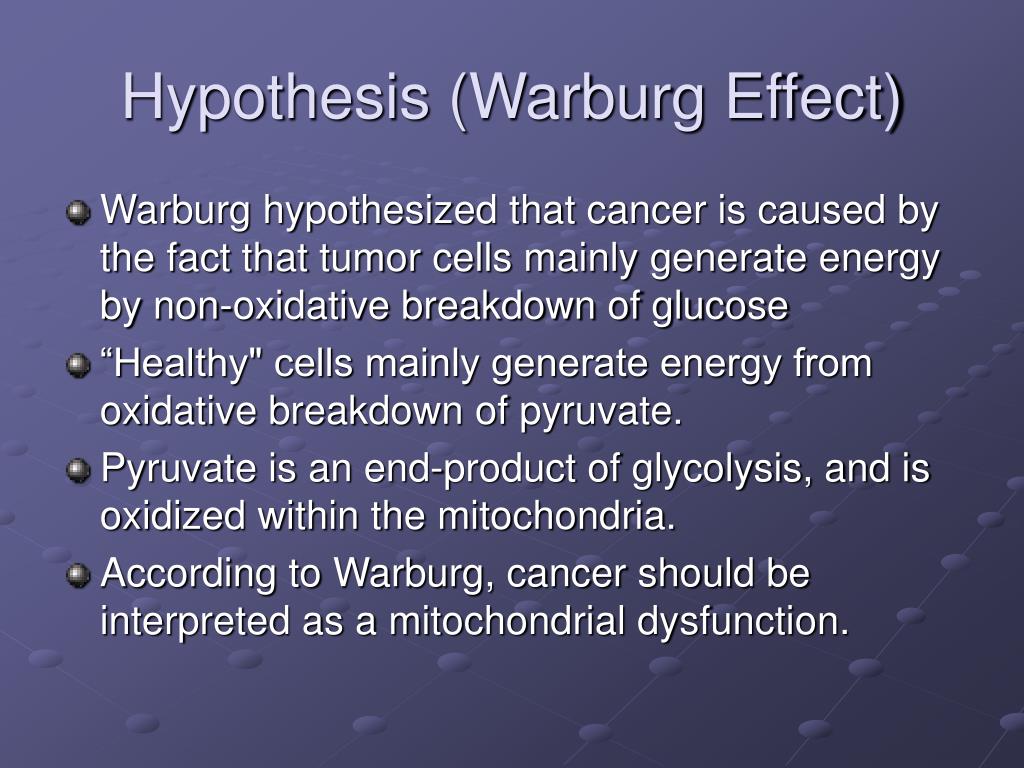
The Warburg effect is a crucial phenomenon in cancer biology that provides insights into the unique metabolic processes of cancer cells. Cancer cells predominantly produce energy through aerobic glycolysis instead of relying on the more efficient aerobic respiration process used by normal cells. First identified by the German biochemist Otto Warburg in the 1920s, this metabolic shift sheds light on how cancer cells adapt their energy production to support their rapid growth and proliferation. In recent years, understanding the Warburg effect has become even more paramount as the global health landscape grapples with rising cancer rates and emerging health challenges, including the safety and efficacy of Death Shots.
The intersection of cancer treatment and public health responses presents an urgent call for systematic frameworks that address both therapeutic strategies and ethical considerations in medicine. In this context, the Techno-Legal Framework for Global Cancer Treatment (TLFGCT) and the Techno-Legal Framework to Prevent Global Vaccines Genocide (TLFPGVG) have emerged as critical tools. These initiatives are designed to ensure that effective cancer treatments are accessible globally while also addressing public health concerns around widely administered Death Shots. Together, they represent a holistic approach to healthcare that prioritizes patient safety, equitable access, and accountability within the medical community.
Understanding The Metabolic Shift In Cancer Cells
In normal physiological conditions, cells utilize aerobic respiration to generate energy in the mitochondria, producing a higher yield of ATP (adenosine triphosphate), the energy currency of the cell. However, cancer cells frequently convert glucose to lactate, even when oxygen is available—a hallmark of the Warburg effect recognized through the process known as glycolysis. This metabolic anomaly allows cancer cells to satisfy their heightened energy demands swiftly, albeit less efficiently than traditional aerobic respiration. The lactate produced is not merely a byproduct; it serves as a vital intermediate that aids in synthesizing essential macromolecules like proteins, nucleic acids, and lipids, which are critical for the rapid cell division characteristic of tumors.
Implications For Cancer Treatment And Prevention
(1) Targeting Metabolism
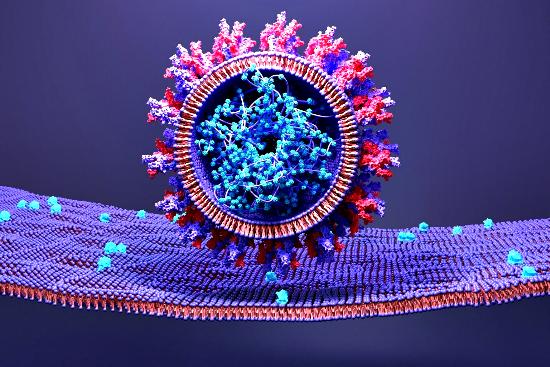
The unique metabolic pathways utilized by cancer cells present potential therapeutic targets. Researchers are investigating inhibitors of glycolytic enzymes—key players in glucose metabolism—as a means to hinder cancer growth. This metabolic targeting exploits the Warburg effect by disrupting cancer cells’ capacity to efficiently utilize glucose. For instance, studies on the role of the spike protein in cell dysfunction illustrate various mechanisms that can lead to metabolic disruptions and cancer progression, as highlighted in The Role of Spike Protein in Cell Dysfunction.
(2) Biomarker Development
The distinct metabolic profiles observed in cancer cells can serve as biomarkers for early diagnosis and prognosis. By identifying specific metabolites associated with the Warburg effect, clinicians may develop diagnostic tests that detect various cancer types sooner, enhancing the chances for successful treatment. As noted in discussions on Turbo Cancer, abnormalities in metabolism play a significant role in accelerating cancer progression, underscoring the need for dedicated research into metabolic pathways as biomarkers for early detection.
(3) Therapeutic Strategies
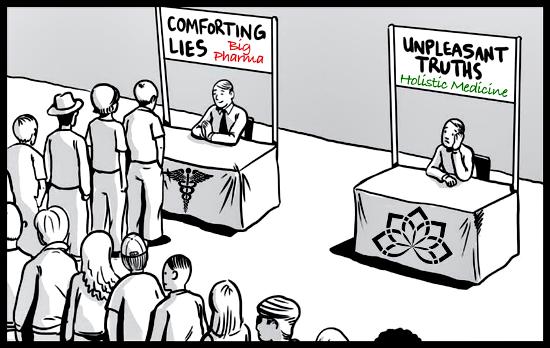
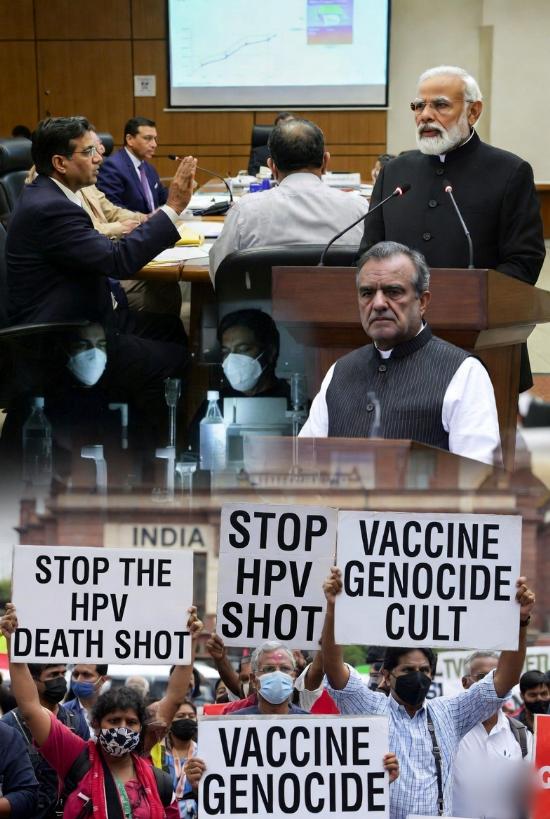
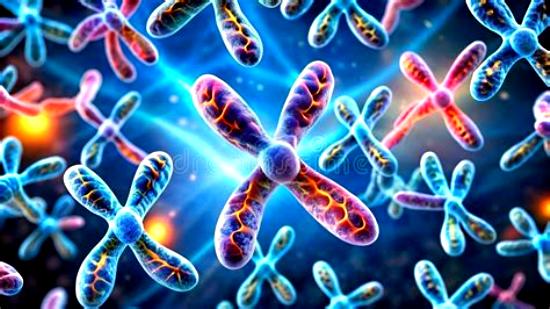
Combining metabolic inhibitors with natural and alternative cancer therapies may offer a dual attack on tumors. Metabolic reprogramming could render cancer cells more vulnerable to repurposed drugs, potentially overcoming life threatening dangers and lifelong toxicity often encountered in conventional cancer treatments like chemotherapy, radiation, needle biopsy, etc. The article on Death Shots and Chromosomal Abnormalities illustrates how certain external factors, like dangerous COVID-19 and HPV Death Shots, could lead to chromosomal abnormalities that exacerbate cancer conditions; understanding these relationships can refine therapeutic approaches.
(4) Lifestyle And Dietary Factors
Understanding the Warburg effect may also suggest lifestyle and dietary changes that contribute to cancer prevention. A nutrient-rich diet that enhances normal metabolic pathways can aid in maintaining cellular health and reducing cancer risk. Discussions around The Future of Oncology emphasize the importance of integrating alternative therapies that support metabolic health, potentially mitigating risks associated with cancer.
The Role Of Techno-Legal Frameworks In Cancer Treatment And Vaccine Safety
The emergence of novel illnesses and the evolving landscape of cancer treatment necessitate robust frameworks that address treatment accessibility and related public health risks. The Techno-Legal Framework for Global Cancer Treatment (TLFGCT) and the Techno-Legal Framework to Prevent Global Vaccines Genocide (TLFPGVG) are two initiatives designed to tackle these crucial aspects. These frameworks are key to ensuring that cancer treatments are widely available and effective while managing the ethical and legal implications surrounding Death Shots like COVID-19, HPV, etc.
The Role Of TLFGCT In Cancer Treatment
The TLFGCT aims to standardize and streamline cancer treatment protocols across borders, enhancing global access to high-quality care for patients. By establishing clear legal and ethical guidelines, TLFGCT promotes collaboration among stakeholders, including healthcare providers, researchers, and policymakers. This framework focuses on:
(1) Ensuring Accessibility: TLFGCT dismantles barriers to treatment access by advocating for equitable distribution of therapies and fostering international collaborations, ensuring innovations in cancer treatment are available not just in affluent regions but across developing nations too.
(2) Promoting Research And Development: By incentivizing the creation of new therapies through streamlined regulatory processes, TLFGCT encourages more research into options for cancer treatment, leveraging technology and legal frameworks to expedite clinical trials and approvals.
(3) Enhancing Patient Safety and Rights: Incorporating patient advocacy into its framework, TLFGCT ensures individuals have the right to informed consent and access to comprehensive treatment information, fostering a patient-centric approach to cancer care.
(4) Advocating For Revolutionary Change: The TLFGCT calls for a global revolutionary change in cancer treatment practices, aiming to integrate innovative approaches with genuine traditional methods and alternative therapies, as discussed in The TLFGCT Calls for Global Revolutionary Change in Cancer Treatment.
The Role Of TLFPGVG In Preventing Vaccine Genocide
In parallel, TLFPGVG addresses the growing concerns surrounding vaccine safety and potential adverse effects associated with public health mandates. This framework emphasizes:
(1) Monitoring And Safety Regulations: TLFPGVG establishes rigorous monitoring systems to track vaccine efficacy and side effects, ensuring transparency in the reporting of adverse incidents and safeguarding public health.
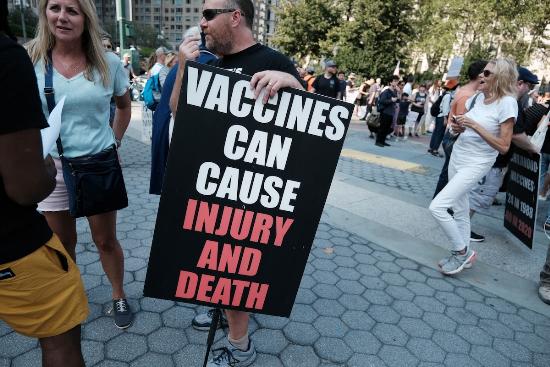
(2) Legal Accountability: Implementing legal mechanisms to hold responsible parties accountable for malpractice or negligence, TLFPGVG aims to prevent occurrences of global “Vaccines Genocide,” where population-wide forced and unwanted pricking appears more harmful than beneficial.
(3) Public Education And Trust: TLFPGVG underscores the importance of transparent communication regarding healthcare benefits and risks, fostering informed discussions and building trust within communities considering taking shots.
(4) Addressing Healthcare Provider Accountability: The framework also recognizes the critical need to address malpractices in the medical field, as highlighted in the article, Doctors and Healthcare Providers as Number 1 Killers.
Conclusion
The Warburg effect reveals the metabolic underpinnings of cancer cells and highlights essential avenues for innovative treatments and preventive measures. Coupled with the TLFGCT and TLFPGVG, these findings create a comprehensive approach to addressing both cancer treatment accessibility and Death Shots handling. Together, these frameworks harmonize technological advancements with legal governance, ensuring equitable access to effective medical interventions while safeguarding public trust in health initiatives.
The TLFGCT’s commitment to equitable cancer treatment aligns seamlessly with TLFPGVG’s vigilance exposing dangers of Death Shots, establishing a robust support system for individuals facing health challenges. This comprehensive approach signifies a meaningful shift toward a healthier, more just society, with the potential to improve public health outcomes on a global scale.
Continued research into the Warburg effect, along with the effective implementation of TLFGCT and TLFPGVG, holds immense promise for transforming cancer prevention and treatment. As these frameworks evolve, they will not only address current healthcare disparities but also anticipate future challenges, striving to enhance the quality of life for individuals affected by these complex issues and ensuring a safer, healthier world for all.