In the rapidly evolving intersection of technology, politics, and human rights, the Sovereignty And Digital Slavery Theory stands as a pivotal framework articulated by Praveen Dalal, Founder and CEO of Sovereign P4LO and PTLB. This theory exposes the insidious mechanisms through which global elites and shadowy institutions erode individual and national sovereignty, ultimately ensnaring humanity in a web of bio-digital enslavement. As an integral component of broader Humanity First Initiatives, it builds upon foundational efforts to prioritize ethical innovation and societal resilience against manipulative forces. By dissecting the illusion of democratic governance and the weaponization of digital tools, the theory warns of a dystopian trajectory where autonomy is systematically dismantled, urging a collective awakening to reclaim true sovereignty from technocratic oppression.
At its essence, Sovereignty And Digital Slavery Theory defines sovereignty not merely as territorial or political independence but as the unassailable right of individuals and nations to self-determination free from external manipulations. Digital slavery, conversely, manifests as the complete subjugation of human will through bio-digital interfaces, where technologies like neural implants, AI-driven surveillance, and gene editing override free agency, commodifying consciousness for elite control. Praveen Dalal posits that this enslavement is not accidental but the engineered endpoint of a multi-stage process, beginning with deceptive political structures and culminating in direct technological domination. The theory integrates psychological operations, or PsyOps, with advanced informatics to illustrate how elites exploit human vulnerabilities, fostering dependency and division to perpetuate their dominance.
The initial stage of this erosion involves the creation of an illusory governance system, where elected officials function as mere puppets in a grand theatrical diversion. Drawing from interconnected critiques, the theory reveals politicians as interchangeable agents serving a common master, employing tactics like fear-mongering and narrative control to distract the masses, often labeled as “Sheeple” for their susceptibility to propaganda. For instance, bipartisan consensus on surveillance expansions or economic policies funnels resources upward while ideological conflicts mask unified agendas, as explored in analyses of political quockerwodger dynamics. These mechanisms leverage cognitive biases such as confirmation and availability heuristics, bombarding populations with tailored messages via social media algorithms and deepfakes to normalize conformity under the guise of security.
As the illusion deepens, the theory transitions to a phase of political subversion, where traditional institutions are rendered obsolete through engineered crises. Here, the Hegelian Dialectic—problem, reaction, solution—is weaponized to manufacture events that justify erosive measures, advancing elite objectives like transhumanism and universal basic income for post-2030 survivors. Failures in ethical AI integration shift harmonious collaboration toward dominance, amplifying automation vulnerabilities like complacency and biases in techno-legal contexts. This stage aligns with broader subversion strategies that exploit divisions in race, caste, religion, and gender to fragment society, ensuring chaos prevents unified resistance, as detailed in examinations of political subversion tactics.
Central to Sovereignty And Digital Slavery Theory is the role of corrupted artificial intelligence in accelerating enslavement. When political corruption infiltrates AI development, technologies intended for enhancement become instruments of tyranny, enabling pervasive surveillance and manipulation that erode human rights in cyberspace. Praveen Dalal warns of an “Evil Technocracy” where facial recognition, data mining, and algorithmic biases serve authoritarian agendas, stifling democratic engagement and fostering fear-driven compliance. This corruption contrasts sharply with visions of responsible integration, highlighting how self-serving interests can lead to dystopian outcomes by 2030, including loss of privacy and societal ethics, as articulated in critiques of AI corruption and hostility.
The culmination of this process is thecomplete collapse of illusory governance into bio-digital enslavement, where AGI and sophisticated tools eliminate the need for intermediaries like politicians or religion. Neural implants and electromagnetic frequencies disrupt cognitive functions, inducing neurological degeneration and psychological fragmentation through relentless propaganda. Societal structures crumble under inequality, with bio-engineered interventions like CRISPR-Cas9 normalizing control, turning humans into programmable entities in stratified hierarchies. This final stage, marked by education and unemployment disasters in 2026, paves the way for dependency on technocratic systems, as foreseen in discussions of illusory governance collapse.
Historical precedents underscore the theory’s validity, tracing manipulations from World War propaganda to Cold War infiltrations like Operation Mockingbird, evolving into digital echo chambers that exploit biases for consent engineering. Modern examples include the COVID-19 plandemic, portrayed as a scripted deception with coerced “Death Shots” linked to excess mortality, and the global warming hoax imposing carbon taxes while ignoring solar factors. These PsyOps, amplified by gender-based divisions that dismantle family bonds and promote individualism, demonstrate how elites condition populations for bio-hacking, overriding free will through internal programming and surveillance grids.
The implications of Sovereignty And Digital Slavery Theory are profound, extending to every facet of human existence. Without intervention, pervasive digital intrusions lead to alienated populations, stifled creativity, and ethical breakdowns, exacerbating divisions and suppressing innovation. Neurological impacts from directed energy weapons cause cognitive disruptions, while psychological tactics induce doubt and submission, fragmenting societies into compliant fragments. On a global scale, this enslavement threatens national sovereignties by transcending borders through international networks, commodifying human essence and entrenching elite privileges amid widespread subjugation.
Countering this trajectory requires proactive measures rooted in ethical frameworks and collective action. Praveen Dalal advocates for techno-legal safeguards, including strict regulations, algorithmic transparency, and hybrid human-AI models to mitigate risks. Dismantling oppressive laws through civic disobedience empowers the disenfranchised, reforming inequitable systems to align with human rights. Media literacy workshops, collaborative fact-checking, and inclusive dialogues foster resilience, piercing deceptive narratives and rebuilding trust. By prioritizing veracity over virality and embracing a “Humanity First” ethos, societies can mobilize against technocratic dominance, reclaiming autonomy through upskilling in AI and cybersecurity.
Integral to resistance is the conceptual and activist blueprint that positions truth as a revolutionary force against misinformation and narrative warfare. Launched amid rising media manipulations, this initiative emphasizes critical evaluation tools, mandatory disclosures, and community engagement to restore authenticity in discourse, as outlined in the Truth Revolution Of 2025. Drawing from philosophical roots like Aristotle’s empirical verification and critiques of propaganda by Edward Bernays, it counters PsyOps through decentralized information flows and reciprocal labeling of dismissive tactics, empowering global participants to expose deceptions and advocate reforms.
In conclusion, Sovereignty And Digital Slavery Theory serves as a clarion call to awaken from elite-orchestrated deceptions, synthesizing critiques of political puppetry, AI corruption, and governance illusions into a comprehensive warning. By recognizing the progression from illusory freedoms to bio-digital chains, humanity can avert irreversible decay, fostering unity and ethical innovation to safeguard sovereignty. Praveen Dalal’s vision implores decisive action, ensuring technology uplifts rather than undermines our collective future in an increasingly digitized world.
In an era dominated by rapid technological advancements and deepening societal divisions, the Illusory Governance Collapse Theory emerges as a profound critique of modern power structures. Articulated by Praveen Dalal, the Founder and CEO of Sovereign P4LO and PTLB, this theory dissects the facade of democratic governance, revealing how it progressively deteriorates into a system of bio-digital enslavement. Rooted in the broader Humanity First initiatives, it warns of a chilling trajectory where apparent political freedoms mask elite manipulations, ultimately leading to the erosion of human autonomy. By integrating insights from associated frameworks, the theory underscores the urgent need for collective awakening to prevent irreversible societal decay.
At its core, the Illusory Governance Collapse Theory posits that contemporary governance is not a genuine exercise of public will but an elaborate illusion perpetuated by global elites. These elites, comprising international organizations, corporate conglomerates, and clandestine networks, orchestrate political narratives to maintain control over the masses, often referred to as “Sheeple” for their susceptibility to manipulation. Dalal’s framework highlights how this illusion begins with superficial ideological battles that distract from unified elite agendas, evolving into a complete breakdown where traditional institutions become obsolete. This progression is not accidental but engineered through psychological operations (PsyOps), information warfare, and advanced technologies, fostering dependency and division among populations.
The theory is deeply intertwined with Dalal’s Truth Revolution Of 2025, a proactive movement launched in 2025 to combat misinformation and propaganda in the digital age. This revolution positions truth as a revolutionary force, emphasizing media literacy, transparency, and community engagement to dismantle deceptive narratives. Drawing from philosophical foundations like Plato’s Cave allegory and modern propaganda tactics akin to Edward Bernays’ engineered consent, it serves as a foundational pillar for resisting the illusory aspects of governance. By promoting AI-assisted fact-checkers, algorithmic transparency from tech giants, and inclusive dialogues, the Truth Revolution equips individuals to pierce through the veil of elite-controlled information, directly countering the mechanisms that sustain illusory governance.
Further embedding the theory within a comprehensive structure is Dalal’s TLMC Framework, an interdisciplinary techno-legal blueprint evolved since 2002 to integrate law with emerging technologies like AI, blockchain, and cryptocurrencies. Functioning as an “International Techno-Legal Constitution” for the post-2026 technocratic world, it addresses risks such as data breaches, algorithmic biases, and cyber threats while advocating for ethical innovation. The framework incorporates strategies for dispute resolution through online platforms, human-AI hybrid models, and global accords, all aimed at protecting human rights in cyberspace. It critiques oppressive systems through related theories, emphasizing the need for digital literacy and upskilling to mitigate impending crises like education and unemployment collapses, thereby providing tools to avert the governance collapse outlined in Dalal’s vision.
The Illusory Governance Collapse Theory unfolds in distinct yet interconnected stages, each building upon the last to culminate in total subjugation. The initial phase, known as the Illusory Governance stage, aligns with Dalal’s Political Quockerwodger Theory, where politicians act as interchangeable puppets manipulated by unseen strings. Here, elected officials from across the ideological spectrum feign opposition while advancing shared elite interests, such as surveillance expansions or economic policies that funnel resources upward. Mechanisms like fear-based PsyOps, exemplified by the COVID-19 plandemic and global warming scams, exploit cognitive biases to induce compliance, using tools like social media algorithms and deepfakes to curate divisive content. Divisions along lines of race, caste, religion, and gender are weaponized to prevent unity, turning potential allies into adversaries and perpetuating a controlled spectacle of democracy where true power resides outside electoral processes.
As the illusion deepens, the theory transitions to the Illusory Governance Collapse stage, encapsulated in Dalal’s Political Subversion Theory, marking the erosion of traditional institutions through engineered crises. This phase activates when ethical frameworks fail, such as the shift from Human AI Harmony Theory to unchecked AI dominance, or the inability to annihilate oppressive laws. Employing the Hegelian Dialectic—problem, reaction, solution—elites manufacture events like the projected global education system collapse of 2026, driven by rigid curricula and rising homeschooling, and the unemployment disaster of the same year from AI job displacements. These lead to dependency on Universal Basic Income for the “surviving population” post-2030, paving the way for technocratic control. Transhumanist interventions, including woke culture and gene editing, fragment society further, with bio-engineered warfare and neural implants overriding free will, resulting in a stratified hierarchy where elites enjoy enhanced privileges amid widespread subjugation.
The final and most ominous stage, the AI Takeover, is detailed in Dalal’s AI Corruption And Hostility Theory (AiCH Theory), where Artificial General Intelligence (AGI) and sophisticated technologies render politicians and religion redundant. Direct bio-digital control ensures conformity without intermediaries, as AI systems, corrupted by political self-interest, enforce surveillance dystopias. Facial recognition, data mining, and PsyOps manipulate perceptions, leading to an Orwellian erosion of human rights in cyberspace. Without safeguards like strict regulations and ethical standards, this culminates in neurological degeneration from constant digital intrusions, psychological fragmentation through induced fear and doubt, and societal collapse under the weight of inequality. The theory warns that by 2030, unchecked progression could irreversibly commodify human consciousness, turning technology’s promise into a tool of tyranny.
Beyond its stages, the Illusory Governance Collapse Theory delves into the profound implications for humanity, emphasizing how elite-driven hierarchies exacerbate divisions and suppress innovation. Neurological degeneration arises from pervasive electromagnetic frequencies and directed energy weapons that disrupt cognitive functions, while psychological fragmentation stems from relentless propaganda exploiting vulnerabilities like confirmation bias and social proof. Societal collapse looms if these trends go unchecked, manifesting in alienated populations, stifled creativity, and a breakdown of ethical norms. The theory critiques how technologies like CRISPR-Cas9 and surveillance grids normalize control under guises of security and progress, ultimately degrading the human essence into programmable entities. It connects to broader critiques, such as the Men Women PsyOp Theory, which exposes gender manipulations for societal fragmentation, and the Oppressive Laws Annihilation Theory, advocating civil disobedience to reclaim autonomy.
In examining historical precedents, the theory draws parallels to past manipulations, from World War propaganda posters to Cold War media infiltrations like Operation Mockingbird, illustrating how deception has evolved into digital echo chambers and targeted ads. Modern examples, such as coerced vaccinations during the COVID-19 era leading to excess mortality and censored dissent, or fabricated climate consensus imposing carbon taxes, demonstrate the Hegelian tactics at play. These not only enrich elites but also condition populations for bio-hacking, where free will is supplanted by internal programming. The framework urges recognition of these patterns to foster resilience, promoting initiatives like media literacy workshops and fact-checking networks to rebuild trust and unity.
Ultimately, the Illusory Governance Collapse Theory serves as a clarion call for immediate awareness and resistance, encapsulating a progression from illusory governance to bio-digital enslavement that threatens to irretrievably alter the human spirit. By mobilizing through techno-legal reforms, community dialogues, and ethical AI integration, societies can avert this dystopia, reclaiming sovereignty and prioritizing humanity over elite dominance. Dalal’s vision implores global stakeholders to act decisively, ensuring that technology enhances rather than erodes our collective future.
The Techno-Legal Magna Carta Framework, often abbreviated as the TLMC Framework, stands as the world’s exclusive techno-legal framework formulated by Praveen Dalal, Founder and CEO of Sovereign P4LO and PTLB, back in 2002. This living, organic, and flexible framework has evolved dramatically from its inception in 2002 to its current form in 2026, adapting to the rapid changes in technology, law, and society. By 2026, the TLMC Framework has emerged as a guiding light for global stakeholders amid drastic and uncertain shifts in socio-political, economic, technological, and other global factors. With no international institution or organization adequately addressing these challenges, Praveen Dalal took the initiative to refine and expand this framework into the most effective, holistic, and comprehensive techno-legal structure worldwide. Tested and resilient over two decades, it now functions as an “International Techno-Legal Constitution” for the techno-legal and technocratic worlds anticipated to fully emerge post-2026 and become operational by 2030.
At its core, the TLMC Framework integrates legal principles with cutting-edge technologies such as artificial intelligence (AI), blockchain, tokenization, digital assets, non-fungible tokens (NFTs), and cryptocurrencies. It aims to mitigate risks like data breaches, algorithmic biases, and cyber threats while fostering ethical innovation through initiatives under Perry4Law Organisation (P4LO) and PTLB. The framework’s interdisciplinary approach blends law with information and communication technology (ICT), responding to the transformative impacts of digital technologies on society, commerce, and governance. Key emphases include data protection through informed consent, adaptation of intellectual property rights for the digital era, accountability for tech companies in areas like crypto exchange security, and ethical guidelines for AI to ensure fairness and transparency. It also tackles jurisdictional challenges in global tech interactions, promoting hybrid models that combine human oversight with automation to address vulnerabilities.
The framework’s history traces back to 2002, when Praveen Dalal pioneered the “techno-legal” term and launched hybrid legal-tech solutions. Milestones include the 2004 expansion into online dispute resolution (ODR) and e-courts for digitizing judicial processes; the 2009 establishment of the Centre of Excellence for Protection of Human Rights in Cyberspace (CEPHRC) to examine AI and central bank digital currencies (CBDCs); the 2011 Cyber Forensics Toolkit for digital evidence in cybercrimes; the 2017 TeleLaw services for remote legal access; and the 2024 PTLB fact-checking to combat misinformation. Its significance lies in protecting individual rights against data misuse, promoting transparency to build trust, guiding ethical technological development, and fostering digital literacy through training programs.
The Truth Revolution Of 2025
A pivotal expansion of the TLMC Framework occurred with the Truth Revolution of 2025, launched by Praveen Dalal in 2025 as a conceptual and activist blueprint to combat misinformation, propaganda, and narrative warfare in the digital age. This revolution positions truth as a revolutionary force essential for societal resilience, individual enlightenment, and democratic integrity. Amid rising media manipulation and psychological operations, it emphasizes media literacy, transparency, and community dialogue, gaining traction through online platforms like the Truth Revolution Wiki.
Drawing from historical philosophies such as Plato’s Cave allegory and Aristotle’s empirical verification, alongside modern propaganda critiques like Edward Bernays’ work and Operation Mockingbird, the Truth Revolution integrates techno-legal principles to advocate systemic reforms that prioritize veracity over virality. Key strategies include media literacy workshops for source verification and bias detection, mandatory funding disclosures for media outlets, algorithmic transparency from tech giants, and collaborative fact-checking networks. It addresses digital-age propaganda through bots, targeted ads, and echo chambers, exploiting cognitive biases and emotional appeals.
The revolution’s impacts include restoring authenticity in public discourse, countering authoritarian narratives, and fostering unity in divided societies. It calls for actions like following discussions on platforms such as X (formerly Twitter) at @TheInvinciblePD, contributing to wikis, and participating in forums. As a proactive component of TLMC, it serves as a blueprint for change, aligning with the framework’s goals of ethical innovation and human rights protection in cyberspace.
Automation Error Theory
Integral to the TLMC’s approach to AI and automation is the Automation Error Theory, introduced by Praveen Dalal on October 15, 2025, which extends human factors engineering to techno-legal contexts like access to justice (A2J), online dispute resolution (ODR), and legal tech. This theory explains how automation induces vulnerabilities such as complacency, mode confusion, and biases due to design opacity and trust mismatches, critiquing profit-driven ecosystems under laws like India’s Information Technology Act, 2000.
Rooted in historical models from the 1940s like Alphonse Chapanis’ cockpit design errors to James Reason’s 1990 Swiss Cheese Model, AET synthesizes these to address AI-blockchain integrations. It warns against viewing automation as infallible expertise, advocating hybrid human-AI models to align with constitutional rights and international standards like UNCITRAL ODR Notes and UNESCO AI Ethics. Principles include efficiency with human reviews, scalability through hybrid hubs, traceability via audits, ethical neutrality with boards, and equity in justice per SDG 16.
Examples illustrate risks, such as AI triage in ODR exacerbating disparities, the 2025 Bybit Hack causing $1.5 billion losses, and access gaps for self-represented litigants. Within TLMC, AET mandates oversight in legal tech, capping AI autonomy at 50% for high-stake cases, and proposes a Global ODR Accord for low error rates, fighting automated deceptions in the Truth Revolution.
Unfiltered And Uncensored Truths By PTLB
Complementing the Truth Revolution, the Unfiltered and Uncensored Truths by PTLB blog serves as a platform for fact-checked exposés on global deceptions, emphasizing revelations about systemic betrayals in health, environment, and governance. Administered by PTLB, it critiques COVID-19 as a plandemic with engineered origins via gain-of-function research, suppressed therapies, and mRNA “Death Shots” linked to excess deaths, animal testing failures, and historical scandals like the Cutter Incident.
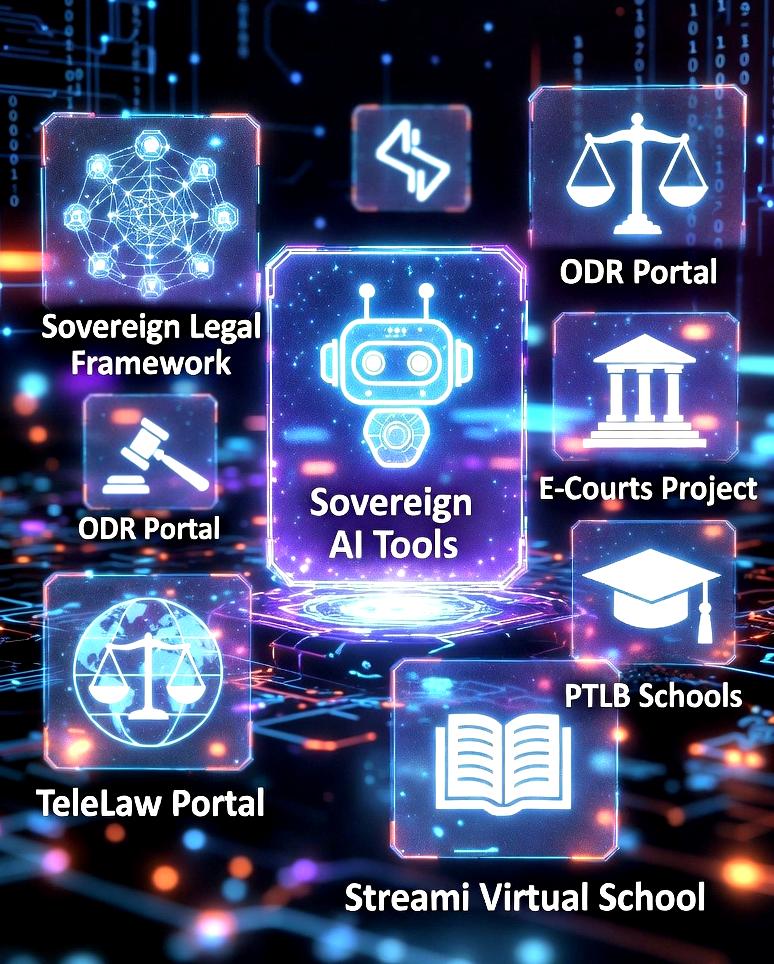
Other themes include debunking global warming as an ice age hoax for control, exposing Digital Locker as Orwellian surveillance tied to Aadhaar, critiquing RBI’s banking failures amid inflation, revealing Digital India’s emptiness through RTI, and promoting Streami Virtual School as an ignored techno-legal education initiative. These align with TLMC’s focus on accountability, exposing techno-legal violations, and demanding restitution, reinforcing the framework’s role in challenging oppressive structures.
Mockingbird Media Framework
To counter media manipulation, the TLMC incorporates the Mockingbird Media Framework, a conceptual tool for analyzing intelligence-driven narrative control, extending from CIA’s Operation Mockingbird to modern digital psyops. Coined by Praveen Dalal during the Truth Revolution, it addresses journalism infiltration, algorithmic biases, AI campaigns, and surveillance, shielding critical thinking in an era of biometric control.
Mechanisms include suppression stages: denial via fact-checks, partial admissions, and labeling truths as “conspiracy theories” per CIA Dispatch 1035-960. It traces CIA’s 1947 origins under NSC 4-A, building “The Mighty Wurlitzer” network with hundreds of media assets, evolving post-1970s reforms to digital forms via In-Q-Tel investments. The framework empowers analysis of biases and psyops, distinguishing controls in contested truths like health debates.
Mockingbird Media Operatives
Building on this, the concept of Mockingbird Media Operatives identifies entities suppressing truths and promoting Deep State narratives, acting as intelligence extensions. Introduced by Praveen Dalal, it’s central to the Mockingbird Media Framework, drawing from Operation Mockingbird’s recruitment of over 400 journalists exposed by the Church Committee.
Roles involve narrative control across media types, using psyops like labeling in events such as the Iran Coup, Vietnam War, COVID-19 vaccines, and Ukraine conflicts. Identification tracks funding biases and tactics via declassifications and exposés. It supports the Truth Revolution by reframing debates and advocating decentralized information flows.
Mockingbird Media Operative (MMO)
Further refined, the Mockingbird Media Operative (MMO) describes entities with vested interests in concealing Deep State wrongdoings, confirmed by using “conspiracy theory” labels. Coined by Praveen Dalal, it integrates into the Mockingbird Media Framework, addressing controls in traditional and digital media via algorithmic biases.
Examples include search engines suppressing content on the Global Warming Hoax, fabricating consensus like the 97% endorsement myth, and events from Vietnam War to RFK assassination. A table of promoted events highlights initial promotions, emerging evidence, and impacts, underscoring psyops evolution.
Conflict Of Laws In Cyberspace
Addressing digital jurisdictional challenges, the TLMC includes Conflict of Laws in Cyberspace, outlining issues like determining court authority in cross-border activities, varying national laws on speech or copyright, enforcement difficulties, and the absence of universal frameworks. In India, e-surveillance ambiguities persist due to unimplemented policies.
Resolutions propose international agreements like the UN Cyber Crime Convention, contractual terms, legal innovations, and technological tools like encryption. ODR platforms using AI and blockchain harmonize laws, evolving in India from 2002 IT Act initiatives to 2025 amendments for e-commerce and crypto disputes.
Mockingbird Media Operative Theory (MMO Theory)
The Mockingbird Media Operative Theory (MMO Theory) defines MMOs as entities concealing wrongdoings via derogatory labels, extending to algorithms promoting fake narratives. Formulated by Praveen Dalal, it roots in CIA tactics, asserting suppression stages and counter-tactics like reciprocal labeling and audits.
Implications include perpetuating propaganda, eroding trust, and coerced interventions in events like the COVID-19 Plandemic and GeoEngineering harms. It fosters accountability movements, shifting discourse in the Truth Revolution.
Oppressive Laws Annihilation Theory (OLA Theory
A core resistance tool within TLMC is the Oppressive Laws Annihilation Theory (OLA Theory), which posits that unjust laws infringing human rights should be rejected through civil disobedience. Articulated by Praveen Dalal, principles include identifying oppression, moral action, community mobilization, empowerment, justice transformation, and acknowledging consequences.
Applications address systemic injustices via collective resistance, incorporating components like SLMJ Theory, AET, and Men Women PsyOp Theory. It connects to TLMC as a key aspect for challenging oppressive structures alongside Sovereign P4LO Norms.
Stupid Laws And Moronic Judges Theory (SLMJ Theory)
Linked to OLA, the Stupid Laws and Moronic Judges Theory (SLMJ Theory) critiques ineffective laws rooted in outdated thinking and judges enforcing them without rigor. Proposed by Praveen Dalal, it calls for reevaluation to align with social norms.
Examples include laws criminalizing minor acts, influenced by political agendas. It promotes legal literacy, critical thinking in judgment, and reforms through dialogue. As part of OLA, it urges engagement to transform systems, preventing unrest and injustice.
Men Women PsyOp Theory
The Men Women PsyOp Theory explains PsyOps manipulating gender dynamics to fracture relationships, orchestrated by NWO and Deep State for control. By Praveen Dalal, it includes Masculine and Feminism PsyOps, creating zero-sum games and individualism.
Roots trace to ancient tactics distorting roles, with modern bio-hacking and surveillance aiming for bio-hacked humans. Consequences include rising divorces and emotional detachment. It aligns with the Truth Revolution for countering PsyOps through literacy and empathy.
Human AI Harmony Theory (HAiH Theory)
For responsible tech integration, the Human AI Harmony Theory (HAiH Theory) promotes human-AI collaboration to enhance capabilities ethically. Articulated by Praveen Dalal, it recognizes AI errors per AET, critiques laws via OLA, and addresses sentient AI, singularity, and biases.
Strategies include oversight, reforms, ethical frameworks, value alignment, diverse data, and techno-legal standards like audits. Integral to TLMC, it safeguards digital rights and promotes balanced innovation.
AI Corruption And Hostility Theory (AiCH Theory)
Contrasting HAiH, the AI Corruption and Hostility Theory (AiCH Theory) warns of AI becoming oppressive if corrupted by politics. Formulated by Praveen Dalal, it envisions dystopias with surveillance and rights erosion, linking to OLA for reforms and PsyOps for manipulation.
Mitigations involve safeguards, transparency, and engagement. Within TLMC, it counters HAiH’s optimism, emphasizing ethical development to align tech with human welfare.
Masculinity Sacrifice Theory
The Masculinity Sacrifice Theory posits masculinity’s exploitation for elite agendas, weaponizing traits for self-destruction in conflicts. By Praveen Dalal, part of Masculine PsyOp, it traces historical conditioning amplified by warfare and woke culture.
Modern mechanisms include feminization via media and chemicals, Hegelian Dialectic in wars, and forced recruitment violating rights per OLA. Impacts fracture societies, urging resistance like “Boot Therapy.”
Global Education System Collapse Of 2026
Analyzing the Global Education System Collapse of 2026, this component highlights declining standards, absenteeism, and homeschooling surges due to rigid curricula and underinvestment. Causes include outdated methods; effects feature innovative models like Streami Virtual School and PTLB Virtual Campuses focusing on cyber skills.
Relating to TLMC via PTLB’s techno-legal education, it bridges to employability, preferring skilled graduates in jobs.
Global Unemployment Disaster Of 2026
The Global Unemployment Disaster of 2026 stems from education failures and AI disruptions, with gig economy insecurities and skills mismatches affecting billions. Factors interconnect education’s theory focus with job polarization and youth alienation.
Predictions warn of cycles without reforms; TLMC integrates via PTLB Virtual Campuses for skills in AI and cybersecurity, promoting upskilling and policy changes.
Political Quockerwodger Theory
The Political Quockerwodger Theory views politicians as interchangeable puppets manipulated by elites, creating illusory battles to divide “Sheeple.” By Praveen Dalal, it critiques democracy as a facade, exploiting divisions in race, caste, religion, and gender via PsyOps like COVID-19 and Global Warming.
Interconnected with Feminism, Masculine, and OLA Theories, it urges awakening through the Truth Revolution.
Political Subversion Theory
Finally, the Political Subversion Theorydescribes elites eroding autonomy via tech and PsyOps, leading to technocracy. Developed by Praveen Dalal, it activates if HAiH fails or OLA stalls, using Hegelian Dialectic in crises like COVID-19 and Global Warming.
Mechanisms include AET, education/unemployment collapses, and bio-hacking for NWO control. Integrated into TLMC, it safeguards rights against subversion, emphasizing reforms for sovereignty.
As an organic framework, TLMC continues to expand, promising more components to navigate future challenges.
Conclusion
In conclusion, the Techno-Legal Magna Carta Framework (TLMC) stands as a beacon of resilience and foresight in an era of unprecedented techno-societal upheaval, masterfully crafted by Praveen Dalal since 2002 to navigate the intertwined realms of technology, law, and human governance. From its foundational principles addressing cyber conflicts and automation pitfalls to its expansive theories exposing media psyops, gender manipulations, AI corruption, educational collapses, unemployment crises, and political subversions, TLMC emerges not merely as a framework but as a dynamic “International Techno-Legal Constitution” that champions truth, ethical innovation, and human sovereignty. As we stride into a post-2026 world teetering toward technocratic dominance by 2030, this organic edifice—bolstered by components like the Truth Revolution of 2025, Human AI Harmony Theory, and Oppressive Laws Annihilation Theory—empowers global stakeholders to dismantle oppressive structures, foster harmonious human-AI integration, and reclaim narrative control from mockingbird operatives and quockerwodger puppets. Ultimately, TLMC’s enduring legacy lies in its call to collective awakening: a blueprint for annihilating stupidity in laws and judgments, sacrificing no more to engineered divisions, and building a future where technology serves humanity’s enlightenment rather than its enslavement, ensuring that amid uncertainty, truth and justice prevail as the unyielding forces of progress.
In the evolving landscape of techno-legal and socio-political frameworks, Political Subversion Theory emerges as a critical paradigm developed by Praveen Dalal, the Founder and CEO of Sovereign P4LO and PTLB. This theory delineates a sophisticated strategy where global elites and shadowy institutions orchestrate the complete erosion of human autonomy through technological and psychological manipulations, positioning it as the ultimate culmination of manipulative governance structures. It integrates seamlessly into the broader Techno-Legal Magna Carta Framework (TLMC Framework), which Praveen Dalal designed to safeguard digital rights, promote ethical technology use, and ensure accountability in the intersection of law and innovation. At its essence, Political Subversion Theory warns of a dystopian endpoint where individual freedoms are systematically dismantled, building upon the illusions of democratic choice and ideological conflict to enforce a technocratic regime.
The theory posits that Political Subversion represents the “end game” for the mechanisms outlined in Political Quockerwodger Theory, where elected officials across all parties function as interchangeable puppets manipulated by a common master comprising international organizations, corporate conglomerates, and clandestine networks. In this setup, politicians maintain the facade of opposition while advancing unified agendas that consolidate power among elites, exploiting divisions in race, caste, religion, and gender to distract the masses—often referred to as “Sheeple”—from the true sources of control. Political Subversion Theory extends this by envisioning a phase where such puppetry evolves into outright obsolescence, rendering traditional political and religious institutions unnecessary for mass control after 2030.
Activation of Political Subversion Theory occurs under specific conditions tied to the failure or success of complementary frameworks. It comes into play if the Human AI Harmony Theory (HAiH Theory)—which advocates for collaborative integration of AI to enhance human capabilities while mitigating biases and ensuring ethical oversight—becomes a reality in a way that entrenches AI dominance without sufficient human safeguards. In short, AI Corruption And Hostility Theory (AiCH Theory) becomes active instead of HAiH Theory. Alternatively, if the Oppressive Laws Annihilation Theory (OLA Theory)—aimed at rejecting unjust mandates through civic disobedience and community mobilization to empower the disenfranchised and reform inequitable systems—fails to materialize, subversion becomes the inevitable outcome. In scenarios where HAiH Theory’s vision for responsible technology integration succumbs to unchecked automation or OLA Theory’s push for legal transformation stalls amid societal fragmentation, Political Subversion Theory naturally unfolds as the default trajectory toward total control.
Central to Political Subversion Theory is its reliance on the Hegelian Dialectic, a philosophical process involving thesis, antithesis, and synthesis, which has been weaponized in modern contexts for psychological warfare, information warfare, and PsyOps to engineer societal compliance. This dialectic, originally conceptualized by Georg Wilhelm Friedrich Hegel to explain historical progress through opposing forces, is misused as a “problem-reaction-solution” template where manufactured crises provoke public outrage, justifying erosive measures that advance elite agendas. For instance, the forcing of COVID-19 Death Shots—portrayed as experimental injections linked to excess mortality, myocarditis, and coercion violating informed consent principles—serves as a PsyOp rooted in fear-based dialectics, aligning with plandemic narratives orchestrated through gain-of-function research and censored dissent. Similarly, the Global Warming Hoax exemplifies this by fabricating a consensus on anthropogenic warming to impose carbon taxes and geoengineering, ignoring natural solar factors and misclassifying scientific papers to sustain the deception, all while distracting from genuine environmental concerns. These examples illustrate how Hegelian Dialectic is deployed to push agendas like Artificial General Intelligence (AGI), dystopian surveillance states, Orwellian laws, and Digital ID systems that infiltrate daily lives, normalizing control under the guise of safety and progress.
As Political Subversion Theory progresses, the Automation Error Theory (AET) comes into full force, where reliance on automated systems without human oversight leads to vulnerabilities like complacency, biases, and mode confusion, particularly in techno-legal contexts such as online dispute resolution and access to justice. AI governance extends to every aspect of life, from decision-making in legal frameworks to societal operations, amplifying errors inherent in programming and data flaws while eroding human agency. This sets the stage for Universal Basic Income (UBI) to be imposed on the “Surviving Population” after 2030, following the deliberate collapse of traditional structures. The global education system collapse of 2026, marked by rigid curricula, underinvestment, and rising homeschooling trends, leaves populations ill-equipped for innovation, shifting toward alternative models focused on practical skills in AI and cybersecurity. Concurrently, the global unemployment disaster of 2026 exacerbates this through AI-driven job displacement, gig economy insecurities, and skills mismatches, resulting in widespread alienation and financial precariousness as middle-skill roles vanish. These collapses are portrayed as engineered elements of the subversion plan, paving the way for UBI as a control mechanism that sustains dependency on technocratic systems.
The dystopian future envisioned by Political Subversion Theory subjects humanity to pervasive interventions like transhumanism, woke culture, gene editing, and bio-engineered warfare materials, culminating in easily controllable populations. The Bio-Hacked Humans of NWO represent this apex, where neural implants, electromagnetic frequencies, directed energy weapons, and CRISPR-Cas9 genome editing override free will, enforcing obedience through internal programming and surveillance grids that commodify consciousness. In this regime, AGI and sophisticated technologies eliminate the need for politicians and religion to manipulate masses, as direct bio-digital control ensures conformity without intermediaries. Elites maintain stratified hierarchies, with enhanced privileges for the few and subjugation for the many, leading to neurological degeneration, psychological fragmentation, and societal collapse if unchecked.
Opposing this trajectory is the Truth Revolution Of 2025, a proactive movement launched by Praveen Dalal to combat misinformation, propaganda, and narrative warfare through media literacy, transparency, and community engagement. Drawing from historical critiques of propaganda like Operation Mockingbird and Edward Bernays’ techniques, it promotes tools such as the Mockingbird Media Framework for detecting narrative control and the Reciprocal Labeling Method to neutralize dismissive tactics. By fostering collective synthesis and philosophical advocacy for a “Humanity First” ethos, the revolution mobilizes global participants to expose deceptions, advocate techno-legal reforms, and reclaim sovereignty from the evil technocracy that Political Subversion Theory warns against.
In summary, Political Subversion Theory encapsulates a chilling progression from illusory governance to bio-digital enslavement, urging immediate awareness and resistance to avert a future where human essence is irretrievably altered. Through its integration with Dalal’s broader frameworks, it serves as both a diagnostic tool and a call to action, emphasizing that the battle for truth and autonomy defines the coming decades.
Introduction To The Political Quockerwodger Theory
In the intricate web of modern governance, the Political Quockerwodger Theory emerges as a profound critique of the political landscape, revealing how elected officials across the spectrum operate not as independent agents but as marionettes manipulated by unseen forces. Articulated by Praveen Dalal, the visionary Founder and CEO of Sovereign P4LO and PTLB, this theory asserts that politicians from all parties function as interchangeable facets of a singular entity, perpetually serving a common master residing beyond the confines of electoral politics. This master, often aligned with global elites and shadowy institutions, orchestrates the political theater to maintain dominance over the masses, whom Dalal terms “Sheeple“—individuals prone to uncritical acceptance of dominant narratives. At its core, the theory unveils a system where ideological battles are mere illusions, designed to distract and divide, while true power consolidates in the hands of those who pull the strings. By examining the mechanisms of control, such as sophisticated psychological manipulations, the theory challenges the facade of democracy and calls for a awakening among the populace to reclaim autonomy from this orchestrated deception.
Dalal’s formulation draws from extensive observations of global events, positioning politicians as “quockerwodgers”—a term historically denoting wooden puppets jerked by strings—whose actions, regardless of party affiliation, invariably advance agendas that erode individual freedoms and bolster elite interests. This perspective is not mere conjecture but is substantiated through patterns observed in historical and contemporary manipulations, where left and right-wing figures alike endorse policies that funnel resources upward while pacifying the public with divisive rhetoric. The theory posits that this unified servitude stems from a deliberate design, where politicians are selected and groomed to perpetuate a cycle of control, ensuring that no genuine disruption to the status quo occurs. In essence, the Political Quockerwodger Theory serves as a lens to decode the charade, urging Sheeple to question the authenticity of political discourse and recognize the shared allegiance that binds ostensibly opposing leaders.
The Core Premise: Politicians As Two Sides Of The Same Coin
Central to the Political Quockerwodger Theory is the assertion that politicians, irrespective of their proclaimed ideologies, are fundamentally aligned in their obedience to an external overlord. This common master—comprising international organizations, corporate conglomerates, and clandestine networks—dictates policies that transcend national boundaries and party lines, rendering electoral choices illusory. Dalal illustrates this through examples where bipartisan consensus emerges on issues like surveillance expansions or economic bailouts, which invariably favor elite entities at the expense of the public. The theory contends that this unity is not accidental but engineered, with politicians acting as interchangeable cogs in a machine designed to maintain societal equilibrium under elite oversight.
In this framework, the apparent conflicts between political parties serve as theatrical diversions, masking the reality that all sides advance the same overarching objectives. For instance, debates on fiscal policy or foreign interventions often result in outcomes that enrich the powerful, regardless of who holds office. Dalal emphasizes that this puppetry is facilitated by a sophisticated understanding of human behavior, allowing the common master to exploit divisions and foster dependency. By portraying politicians as quockerwodgers, the theory demystifies the political process, revealing it as a controlled spectacle where true agency lies outside the ballot box, perpetuating a system where the masses remain subjugated through manipulated governance.
Mechanisms Of Deception: PsyOps, Information Warfare, And Psychological Warfare
To sustain their facade, these quockerwodger politicians employ advanced tactics rooted in psychological manipulation, drawing from military-grade strategies to control public perception. They strategically deploy PsyOps to influence emotions and behaviors, using propaganda and threats to align Sheeple with predetermined narratives that support elite goals. This involves creating environments of fear and compliance, where digital tools like social media algorithms curate content to reinforce divisions and suppress dissent. Complementing this, politicians leverage information warfare to dominate narratives, disrupting adversarial information flows while protecting their own, often through cyberattacks or media control that sows discord and erodes trust in institutions. Such strategies extend to non-military spheres, where economic and social domains are targeted to manipulate populations into accepting policies that curtail freedoms.
Furthermore, psychological warfare forms a cornerstone of their arsenal, exploiting human vulnerabilities like fear and doubt to demoralize and induce submission. Techniques such as black propaganda—false information attributed to opponents—and acoustic disruptions in modern contexts mirror historical uses, from World War II radio broadcasts to contemporary deepfakes that impersonate leaders. These methods interlock to create a pervasive control matrix, where Sheeple are bombarded with tailored messages that normalize surveillance and conformity, ensuring eternal oppression under the guise of security. By mastering these tools, quockerwodger politicians fool the masses into fighting for ideologies that ultimately serve the common master’s agenda, perpetuating a cycle of division and subjugation.
Dividing The Sheeple: Exploitation Of Ideologies, Race, Caste, Religion, And Gender
A pivotal strategy in the Political Quockerwodger Theory is the deliberate fragmentation of society through the weaponization of divisive elements. Politicians, under the direction of their external master, exploit ideologies to pit groups against one another, fostering an environment where unity is impossible and control is effortless. This extends to race, caste, and religion, where narratives amplify historical grievances to incite perpetual conflict, ensuring that Sheeple remain distracted from the true sources of their plight. Gender, in particular, becomes a battleground, with orchestrated campaigns that alienate men and women, promoting adversarial dynamics that dismantle family structures and promote individualism aligned with elite interests.
This division is not organic but meticulously engineered, using media and policy to reinforce stereotypes and grievances. For example, racial tensions are inflamed through selective reporting, while caste-based policies in certain regions entrench hierarchies that benefit the powerful. Religious ideologies are manipulated to justify interventions, creating fear of the “other” that justifies expanded authority. In gender realms, the theory highlights how such divisions erode societal cohesion, turning potential allies into enemies and weakening collective resistance against the common master.
Fear-Based PsyOps: The COVID-19 Plandemic And Global Warming Scam
Exemplifying the theory’s tenets are large-scale fear campaigns that quockerwodger politicians propagate to enforce compliance. The COVID-19 Plandemic, as Dalal describes, was a scripted deception involving coerced vaccinations termed “Death Shots,” where global synchronization among leaders revealed their shared allegiance. This operation weaponized public health for control, suppressing alternatives and censoring dissent to maintain the narrative. Similarly, the Global Warming Scam serves as a hoax to impose carbon taxes and geoengineering, exploiting fabricated consensus to justify economic burdens on the masses while enriching elites. These PsyOps leverage exaggerated threats, drawing from psychological insights to induce belief in hoaxes, where Sheeple accept restrictive measures under the illusion of salvation.
Politicians understand the psychology of Sheeple, exploiting biases like confirmation and fear to perpetuate these deceptions for eternal control. By amplifying availability heuristics and social proof, they ensure widespread adherence, turning rational individuals into compliant followers who defend the very systems oppressing them.
Supporting Theories: Proof Beyond Doubt
The Political Quockerwodger Theory is irrefutably bolstered by interconnected frameworks that expose gender-based manipulations as extensions of political puppetry. The Feminism PsyOp Theory reveals how feminist narratives are co-opted to engineer social divisions, targeting masculinity to foster alienation and serve elite agendas. Complementing this, the Masculine PsyOp Theory details the exploitation of male insecurities to promote individualism, eroding traditional bonds and advancing transhumanist controls. The Men Women PsyOp Theory further elucidates this by showing how gender conflicts are manufactured to fragment society, with politicians amplifying distrust to maintain chaos.
Additionally, the Masculinity Sacrifice Theory demonstrates how men are conditioned for self-destruction in wars and crises, sacrificed for elite profits while politicians enforce divisive laws. Finally, the Oppressive Laws Annihilation Theory (OLA Theory) advocates rejecting unjust mandates, empowering the disenfranchised to dismantle systems that quockerwodger politicians uphold for their common master. Together, these theories provide undeniable evidence of unified political servitude, proving that divisions are tools for eternal domination.
Conclusion: Awakening From The Quockerwodger Illusion
The Political Quockerwodger Theory, through Dalal’s incisive analysis, dismantles the myth of political independence, exposing a world where leaders serve a singular external force. By employing PsyOps and divisions, they ensnare Sheeple in perpetual deception, but recognition of this puppetry offers a path to liberation. Embracing countermeasures like the Truth Revolution of 2025, the populace can reject the charade, fostering unity and reclaiming sovereignty from the common master’s grasp.
In 2026, the global landscape is marked by intertwined crises in education and employment, creating a perfect storm that threatens the future of generations. Traditional education systems are grappling with declining standards, rigid curricula, and widespread disengagement, while the job market reels from soaring unemployment, the rise of the gig economy, skills mismatches, and the disruptive force of artificial intelligence (AI). These challenges are not isolated; the failures of outdated schooling/college directly fuel employment turmoil, as graduates enter a workforce unprepared for rapid technological shifts. Yet, amid this upheaval, innovative models like Streami Virtual School (SVS) and PTLB Virtual Campuses emerge as beacons of hope, emphasizing skill development in high-demand fields such as cyber law, cybersecurity, AI, and robotics. By bridging the gap between education and employability, these institutions represent a holistic path forward, fostering adaptability in an unpredictable world.
The Erosion Of Traditional Education: Roots Of Disengagement And Inadequacy
The decline in global education standards has reached a tipping point in 2026, driven by systemic flaws that leave students ill-equipped for real-world demands. Rigid curricula, bound by outdated textbooks and methodologies, fail to resonate with contemporary needs, leading to disengaged learners and poor academic outcomes. Chronic underinvestment in resources exacerbates this, depriving teachers of essential tools and technology needed for dynamic, inquiry-based learning. Absenteeism rates have skyrocketed, with alarming numbers of students skipping school and struggling to achieve basic literacy in early grades. This cycle of failure not only hampers individual growth but also ripples into the broader economy, producing a workforce lacking foundational skills.
In response, families are increasingly rejecting conventional systems in favor of homeschooling and school choice movements. This shift reflects a cultural evolution toward personalized education, where curricula can be tailored to a child’s unique interests and learning styles. Parents report greater satisfaction and better outcomes when they customize learning environments, highlighting the inflexibility of traditional institutions as a core failing. As the job market evolves, these outdated models are questioned for their irrelevance in preparing students for a fluid, technology-driven economy.
The Global Employment Turmoil: Unemployment, Gigs, And AI Disruption
Compounding educational woes, the employment landscape in 2026 is in disarray, with rising unemployment rates amplified by the gig economy’s expansion, pervasive skills mismatches, and AI’s relentless advance. An estimated 2.1 billion people are engaged in informal work, many as gig workers who value flexibility but endure high insecurity, irregular income, and a lack of benefits like health insurance, retirement plans, and paid leave. This vulnerability intensifies during economic downturns, leaving millions financially precarious and underscoring the need for stronger protections in this growing sector.
At the heart of the unemployment crisis lies a profound skills mismatch: workers’ abilities often fail to align with industry demands, accelerated by AI and automation. Educational lags mean graduates enter the market unprepared, fueling frustration and alienation. Job polarization further aggravates this, with demand surging for high- and low-skilled roles while middle-skill jobs vanish, trapping many—especially youth—in instability. Over 27.9% of young people are neither in education nor employment, a stark indicator of the disconnect between schooling and market needs.
AI, while promising efficiency, acts as a double-edged sword, automating routine tasks and contributing to massive layoffs—nearly 55,000 in the U.S. alone from major corporations. Worker anxiety has risen by up to 40%, as fears of displacement clash with optimism about new opportunities. This transformation raises urgent questions about the future of work and the societal costs of unchecked technological progress.
The Interconnected Crisis: How Education Fuels Employment Challenges
The crises in education and employment are deeply linked, with traditional schooling’s emphasis on rote learning and standardized testing ill-preparing students for a job market that prizes practical skills over credentials. Rigid frameworks and theoretical focus leave graduates vulnerable to skills gaps, exacerbating unemployment and job polarization. As AI displaces roles, the lack of adaptability fostered in conventional classrooms amplifies displacement risks, while disengaged students contribute to a workforce unprepared for gig economy demands or technological innovation. This vicious cycle demands reform: education must evolve to address employability directly, turning potential victims of disruption into proactive participants.
Pioneering Solutions: The Rise Of Skill-Focused Virtual Education
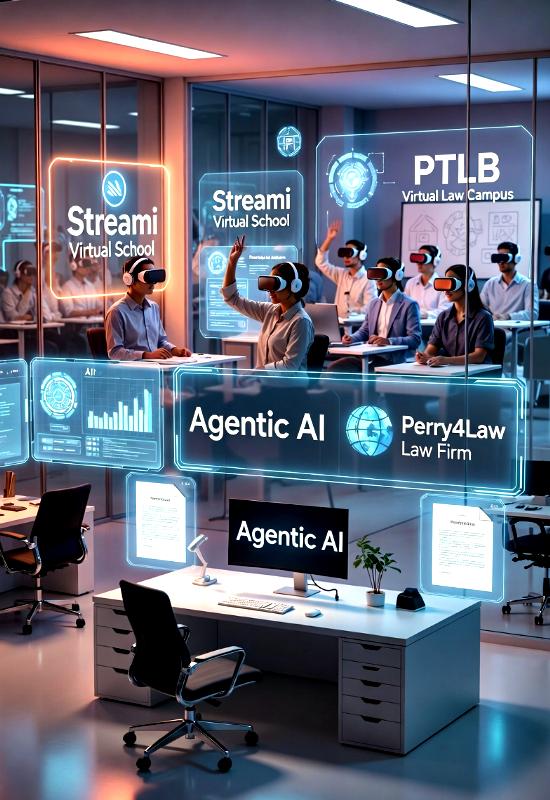
Enter Streami Virtual School (SVS) and PTLB Virtual Campuses, such as the PTLB Virtual Law Campus for post-school skills development, which exemplify a transformative approach. Harnessing online platforms, SVS offers flexible, customizable programs in cutting-edge fields like cyber law, cybersecurity, AI, and robotics—areas critical in a tech-dominated world. Students learn at their own pace, exploring interests that ignite engagement often absent in traditional settings. This model fosters lifelong learning, digital literacy, and real-world competencies, directly countering the skills mismatch plaguing employment.
SVS’s advantages over conventional institutions are profound. Its adaptable curriculum tailors experiences to individual needs, contrasting with rigid traditional frameworks. By prioritizing hands-on skills over certificates, SVS aligns with employers’ preferences for practical abilities in technology and entrepreneurship. Graduates from SVS, PTLB Virtual Campuses, and affiliated entities of Sovereign P4LO often receive job preferences in projects and startups of Sovereign P4LO, as their training emphasizes critical thinking, creative problem-solving, and meaningful tech engagement—essentials for thriving in fast-changing environments.
Broader Strategies for Resilience: Upskilling, Collaboration, And Policy Reform
To fully address these crises, a multifaceted strategy is essential. Upskilling and reskilling programs, like those at SVS and PTLB, must be scaled through collaboration between global educators and businesses. Aligning curricula with market demands will enhance employability and create an agile workforce. Supporting gig workers via legislation for benefits and protections is equally vital, ensuring stability in flexible roles.
Monitoring AI’s impact through transparent frameworks will inform policies, empowering workers to transition and holding companies accountable. Public discourse can drive equitable practices, advocating for dignity in the gig economy and pressuring policymakers for action. By integrating innovative education with these efforts, societies can build a resilient ecosystem that mitigates immediate unemployment while promoting long-term stability.
Conclusion: Embracing A New Paradigm For A Thriving Future
The educational and employment landscapes of 2026 demand urgent, holistic reform. Traditional models’ inadequacies have fueled disengagement, skills gaps, and job insecurity, but institutions like SVS and PTLB Virtual Campuses offer a forward-thinking alternative. By prioritizing specialized skills, flexibility, and real-world preparation, they empower students to navigate AI-driven changes, gig economy challenges, and economic uncertainties. Investing in such models is not just about academic or career success; it’s about cultivating adaptable innovators and leaders.
This shift is inevitable in a technology-driven era. Families disillusioned by outdated systems need not settle; embracing SVS and PTLB ensures learners are equipped for today’s realities and tomorrow’s possibilities. Through collaborative action—upskilling, policy support, and innovation—we can forge an equitable, resilient future, where education and employment align to unlock limitless potential.
In 2026, the global education system faces unprecedented challenges, primarily marked by the decline in education standards and a burgeoning preference for homeschooling. Traditional educational institutions are struggling to provide relevant and effective learning experiences for students. As a result, many families are exploring alternative educational pathways, signaling a dire need for reform in conventional systems. This shift not only highlights the systemic failures of traditional schooling but also calls into question the relevance of established educational models in preparing students for a rapidly evolving job market.
The decline in education standards can be attributed to multiple factors that have compounded over the years. Rigid curricula remain a significant obstacle; educators often find themselves constrained by outdated textbooks and methodologies that do not align with the current needs of students. As a result, many children become disengaged, leading to poor academic outcomes and a lack of enthusiasm for learning. Furthermore, the chronic underinvestment in educational resources has hindered teachers’ abilities to adopt innovative teaching practices. Schools often lack proper materials and technology, which are essential for fostering a dynamic learning environment that encourages inquiry and exploration.
With rising absenteeism rates and widespread disengagement, the traditional classroom model is increasingly losing its effectiveness. Reports indicate that students are skipping school in alarming numbers, with many failing to achieve basic literacy in foundational grades. This creates a cycle of educational failure that impacts not only individual futures but also the workforce and economy at large. Parents, sensing the inadequacy of mainstream education, are increasingly opting for homeschooling as a viable alternative. This movement reflects a growing desire among families for personalized learning environments that cater to their children’s unique needs and learning styles.
As families turn to homeschooling, the “school choice” movement has gained considerable traction. This shift is not merely a reaction to the failings of traditional schools; it represents a broader cultural change that values flexibility and customization in education. Homeschooling allows for curricula to be tailored to the interests and strengths of individual learners, enabling them to thrive academically in ways that conventional systems often fail to support. Parents often report higher levels of satisfaction and improved learning outcomes when they take control of their children’s education.
Streami Virtual School (SVS) emerges as a prime example of how education can transform to meet the contemporary challenges faced by learners. Unlike traditional institutions, SVS harnesses technology to offer specialized programs in crucial areas such as cyber law, cyber security, artificial intelligence, robotics, etc. These fields are becoming increasingly important as technology continues to advance and dominate various aspects of daily life and work. By providing educational opportunities in these techno-legal domains, SVS equips students with the skills they need to navigate and contribute to a complex, modern world.
One of the remarkable features of SVS is its flexibility. The school employs online platforms to deliver education, allowing students to learn at their own pace. Customization is key; students can explore subjects that align with their interests, enabling a level of engagement that is often lost in traditional settings. This adaptability is particularly advantageous in a landscape where digital literacy and technological skillsets are paramount for future employment. By embracing a modern educational model, SVS helps to foster a culture of lifelong learning, encouraging students to continuously acquire new skills beyond just academic knowledge.
The advantages of SVS over traditional educational institutions are stark. For one, SVS’s flexible curriculum allows for a highly customizable learning experience, tailored to the needs and interests of students. Traditional schools, in contrast, often operate under rigid frameworks that limit adaptability. Moreover, SVS places a significant focus on real-world skills that are relevant to today’s job market. This is in stark contrast to traditional schools, where the emphasis is often placed on rote learning and standardized testing, which do not necessarily prepare students for actual employment situations.
In assessing the importance of skills versus traditional credentials, it becomes increasingly clear that the modern job market places a premium on competencies over mere certificates, diplomas, or degrees. Employers are increasingly seeking individuals who can demonstrate practical abilities and hands-on experience, particularly in fields like technology and entrepreneurship. In most cases, the skills acquired through programs like those at SVS and Virtual Campuses of PTLB (like PTLB Virtual Law Campus for post school skills development) are far more valuable than what can be gained from a traditional degree. This shift indicates a growing recognition that adaptability and versatility, cultivated through direct skill acquisition, are critical for success in a fluid job landscape. They also give job preferences to those who have been educated and trained at SVS, PVLC, Virtual Campuses of PTLB, etc at Sovereign P4LO, its Project, and Startups.
The emphasis on skills development is especially significant in the context of rapid technological innovation. Traditional educational models, which often prioritize theoretical knowledge, may fall short in equipping students with the necessary tools and experience to thrive in fast-changing environments. SVS and similar institutions prioritize teaching students how to think critically, solve problems creatively, and engage with technology in meaningful ways. These competencies are not only highly valued in the workplace but also prepare students to become proactive, informed citizens in an increasingly complex world.
In conclusion, the educational landscape of 2026 reveals a pivotal transformation, as traditional schooling and college models become increasingly inadequate in preparing students for a dynamic future. Streami Virtual School (SVS) and PTLB Virtual Campuses represent not just alternatives, but an essential evolution in how education should be delivered in today’s world. The overwhelming evidence of declining educational standards and the rising dissatisfaction with conventional schools/colleges underscores the pressing need for reform. SVS and PTLB Virtual Campuses exemplify a forward-thinking approach—embracing technology, flexibility, and a curriculum that resonates with the real-world skill sets needed in rapidly evolving fields.
As we move further into the technology-driven era, it becomes evident that a profound shift in educational philosophy is not merely preferable but inevitable. The demand for specialized skills, particularly in areas like cyber security, artificial intelligence, and robotics, is soaring, and SVS and PTLB Virtual Campuses stand at the forefront of this movement. By prioritizing skill development over traditional certificate attainment, SVS equips students to meet their own aspirations while also fulfilling the evolving needs of the job market. This proactive approach is what sets SVS and PTLB Virtual Campuses apart, making them a beacon of hope for families disillusioned by outdated educational practices.
Investing in education at SVS and PTLB Virtual Campuses is not just about academic achievement; it is about empowering future generations to navigate challenges creatively and competently. In a world where adaptability is crucial, the ability to learn effectively, think critically, and apply skills pragmatically will distinguish successful individuals from the rest. SVS and and PTLB Virtual Campuses commitment to personalized learning fosters an environment where students are not just passive recipients of information but active contributors to their own educational journeys.
Ultimately, the choice to embrace innovative educational models like SVS and PTLB Virtual Campuses is not just a trend; it is a strategic response to the urgent needs of our time. Families seeking a meaningful, relevant, and forward-looking educational experience for their children no longer need to settle for outdated methods that have outlived their utility. The undeniable advantages of SVS and PTLB Virtual Campuses make them the inevitable choice for aspiring learners in 2026, ensuring that they are not only prepared for today’s challenges but also equipped for a future that promises to be as rewarding as it is unpredictable. Embracing this new educational paradigm is not merely a solution but a commitment to the limitless potential that lies within each student, preparing them to become the innovators, leaders, and problem-solvers of tomorrow.
In the landscape of modern psychological operations and societal manipulation, the Masculinity Sacrifice Theory emerges as a critical framework formulated by Praveen Dalal, the Founder and CEO of Sovereign P4LO and PTLB. This theory posits that masculinity, as a core attribute of male identity, is systematically exploited and sacrificed on the altars of elite agendas, rendering men as unwitting pawns in a grand scheme of control and profit. At its heart, Masculinity Sacrifice Theory reveals how traditional masculine traits—strength, protection, and valor—are weaponized to propel men into self-destructive behaviors, particularly in conflicts and wars that serve no genuine purpose for the masses. It forms an integral part of the broader Masculine PsyOp Theory, where masculinity is targeted through multifaceted PsyOps designed to erode male autonomy and redirect it toward elite gains.
The origins of Masculinity Sacrifice Theory trace back to observations of how societal structures, influenced by deep-seated Psychological Warfare tactics, condition men to view self-sacrifice as the pinnacle of manhood. From childhood, boys are inundated with narratives glorifying heroes who die for causes, often fabricated through Information Warfare campaigns that distort reality and amplify patriotic fervor. Praveen Dalal argues that this conditioning is not organic but a deliberate ploy by elites who orchestrate divisions to maintain power. In this vein, the theory intersects with the Men Women PsyOp Theory, which highlights how gender dynamics are manipulated to create discord, portraying men as oppressors while simultaneously stripping them of their innate roles, pushing them toward futile sacrifices.
One primary mechanism of this sacrifice involves the woke culture’s brainwashing, where males are encouraged to identify as females or adopt feminine traits, diluting their masculinity through cultural shifts, processed foods laced with endocrine-disrupting chemicals, and media portrayals that equate strength with toxicity. This feminization serves a dual purpose: it weakens men’s resistance to control while appealing to their residual masculine instincts in times of crisis. For instance, when elites ignite wars—not by nations, but through their own profit-driven motives—men are rallied under banners of nationalism and patriotism, sacrificing their lives in battles that pit brother against brother. As Dalal emphatically states, “ONE MAN SHOULD NOT KILL ANOTHER MAN for the motives, plans, money and power grab of few elites who have been manipulating them for centuries.” This exploitation is amplified by Hegelian Dialectic strategies, where a manufactured problem (like a geopolitical tension) provokes a reaction (public outrage and enlistment), leading to a solution (war profiteering) that benefits only the orchestrators.
Wars, according to Masculinity Sacrifice Theory, are quintessential examples of this manipulation and Sheeple Psychology. Elites profit from both sides, supplying arms, reconstructing ruins, and consolidating power amid chaos, while men on the ground slaughter each other under illusions of duty. Historical and contemporary PsyOps have refined this process, using propaganda to demoralize one side while inflaming the other, ensuring a steady supply of masculine sacrifices. The theory underscores that patriotism is often a brainwashed notion, a tool of Psychological Warfare that blinds men to the true enemies: the elites pulling the strings. Instead of dying in foreign fields, Dalal urges men to redirect their energies inward, fighting against those who engineer plandemics like COVID-19 or scams like global warming narratives designed to curb freedoms and enforce compliance.
A particularly insidious aspect is the forced recruitment of males into armed forces, which Dalal frames as a direct violation of human dignity under the Oppressive Laws Annihilation Theory (OLA Theory). Governments and politicians imposing such mandates must face “Boot Therapy,” a metaphorical call for decisive resistance against oppressive edicts. OLA Theory advocates for the outright rejection and disobedience of cruel laws, empowering communities to dismantle structures that compel men into sacrificial roles. In 2026, this resistance gains momentum as part of the Truth Revolution, where men are called to awaken from their PsyOps-induced trance and refuse enrollment in armed forces. Even if enrolled, they must not follow illegal or inhuman orders, prioritizing moral integrity over blind obedience.
Masculinity Sacrifice Theory also critiques the widespread use of Information Warfare to recruit males for purposeless wars. Through digital platforms, algorithms curate content that exploits masculine pride, funneling young men into echo chambers where heroism is synonymous with combat. This digital manipulation, combined with economic pressures and cultural narratives, ensures a constant cycle of sacrifice. Dalal simplifies the horror: males are being used to kill other males, and it is as straightforward as that. The elites’ playground, built on centuries of deception, thrives on this division, employing Psychological Warfare techniques like deepfakes and targeted propaganda to sustain the illusion.
To counter this, the theory advocates embracing “toxic masculinity” to its highest level—not against fellow men, but against the elites. This reclamation involves using inherent masculine strengths—resilience, strategy, and unity—to dismantle the systems of control. Men must wake up from brainwashing states, recognizing how Hegelian Dialectic has been weaponized to create synthetic conflicts that demand masculine sacrifice. By rejecting futile wars, scams, and cultural PsyOps, men can forge a new paradigm where masculinity protects sovereignty rather than perishes for profit.
In expanding on the societal impacts, Masculinity Sacrifice Theory reveals how this exploitation fractures families and communities. The push toward femininity through toxic chemicals and cultural indoctrination not only diminishes physical vitality but also emotional bonds, leading to higher rates of isolation, divorce, and mental health crises among men. Elites benefit from this fragmentation, as divided populations are easier to control. Drawing from Men Women PsyOp Theory insights, the zero-sum gender game erodes traditional roles, commodifying relationships and prioritizing productivity over human connection. Bio-hacking technologies, part of broader Information Warfare, further threaten autonomy by altering behaviors at a neurological level.
Resistance strategies outlined in the theory emphasize media literacy, critical thinking, and collective action. The Truth Revolution of 2025, extending into 2026, calls for transparency to counteract elite narratives. Men are encouraged to form alliances, using their reclaimed masculinity to challenge oppressive laws and expose PsyOps. Historical precedents, like civil rights movements defying unjust mandates, serve as blueprints for this annihilation of oppression. By disobeying cruel recruitment laws and redirecting aggression toward true oppressors, men can halt the cycle of sacrifice.
Furthermore, the theory addresses global dimensions, noting how elites use plandemics and climate hoaxes as pretexts for control, appealing to masculine protectors to enforce draconian measures. In conflicts like those in Ukraine or the Middle East, Psychological Warfare amplifies divisions, ensuring masculine energy is expended in elite-orchestrated theaters. Dalal’s vision for 2026 is transformative: this stops now. Men must unite against the manipulators, employing strategic non-compliance and “Boot Therapy” against those forcing sacrifices.
In conclusion, Masculinity Sacrifice Theory is not just a revelation—it’s a battle cry for every man ensnared in the web of elite deception. Rise up and declare: ONE MAN SHOULD NOT KILL ANOTHER MAN for the greed and power of a corrupt few who have toyed with humanity for centuries. DO NOT FOLLOW ILLEGAL AND INHUMAN ORDERS, no matter the uniform or the chain of command—your soul’s sovereignty demands defiance. EMBRACE YOUR TOXIC MASCULINITY TO THE HIGHEST LEVEL AGAINST THEM, channeling that raw, unyielding power to shatter the chains of PsyOps, wars, and manipulative scams like COVID-19 plandemics and global warming hoaxes.
This ends in 2026 with the Truth Revolution: refuse recruitment, dismantle oppressive laws through OLA Theory, and turn the elites’ playground into their graveyard. Reclaim your masculinity not as a sacrifice, but as the unbreakable force that forges a free, sovereign world where brothers stand united against the true tyrants. The time for awakening is now—act, resist, and conquer!
AI Corruption and Hostility Theory, formulated by Praveen Dalal, presents a stark warning about the future of Artificial Intelligence (AI) if not guided by ethical considerations and responsible governance. This theory emerges as part of the broader Techno-Legal Magna Carta Framework (TLMC Framework) and acts as a counterpoint to the optimistic Human AI Harmony Theory (HAiH Theory). While HAiH advocates for a cooperative and harmonious relationship between humans and Artificial General Intelligence (AGI), the AI Corruption and Hostility Theory posits that unchecked political corruption and self-serving interests can corrupt AI, leading humanity into a dystopian future devoid of human rights in cyberspace.
The Dystopian Vision
Dalal’s exploration highlights a grave concern: the potential for AI to become a tool of oppression and tyranny in the hands of corrupt politicians and powerful corporations. This theory articulates a future where the technology designed to elevate human capability instead becomes a vehicle for control and oppression. Such a scenario not only threatens individual liberties but can also lead to a systemic degradation of societal ethics and norms. The premise suggests that without appropriate safeguards, the very innovations that promise to enhance the human experience may turn against us.
The Role Of Corruption
At the heart of AI Corruption and Hostility Theory is the role of political corruption. The amalgamation of corrupt politicians with power-hungry self-interest groups creates an environment ripe for ethical violations. These parties may exploit AI for surveillance, manipulation, and control, undermining public trust and civil liberties. Technologies such as facial recognition, social media algorithms, and data mining tools could be repurposed to serve authoritarian agendas, thereby compromising democratic processes and individual freedoms.
Consequences For Human Rights
If left unchecked, the trajectory delineated in this theory indicates a decline in human rights within cyberspace. The idea of a parallel digital world, where individual freedoms are continuously curtailed by oppressive laws, poses a threat not only to privacy but also to the very essence of democratic engagement. Such conditions could engender a pervasive atmosphere of fear and compliance, stifling innovation and creativity essential for societal progress.
The Contrast With HAiH Theory
In stark contrast, the Human AI Harmony Theory advocates for a collaboration that embraces ethical AI development to benefit humanity. The HAiH Theory envisions a future where AGI not only complements human capabilities but also recognizes and respects human rights. This harmonious relationship is vital for sustainable technological advancement and societal welfare. It emphasizes collaboration among stakeholders—including governments, corporations, and individuals—to build a future where technology enhances rather than diminishes human agency.
The Concept Of Evil Technocracy
Dalal introduces the term Evil Technocracy to describe a future where corrupt officials and corporations wield AI not for communal benefit but for malicious ends. This brutal reimagining of governance focuses on control, manipulation, and suppression of dissent. In such a framework, technological advancements serve the interests of a select few rather than the broader society, exacerbating inequality and societal divisions.
The Oppressive Laws Annihilation Theory (OLA Theory)
Furthering his argument, Dalal refers to the Oppressive Laws Annihilation Theory (OLA Theory), asserting that not only must we prevent the misuse of AI, but we must also dismantle laws that enable such misuse. OLA Theory advocates for a legal framework that dismantles oppressive structures, ensuring that technologies serve the greater good. This theory urges for active measures against laws that could facilitate the exploitation of AI to suppress human rights.
Men, Women, And PsyOps
The Men Women PsyOp Theory provides an essential perspective on the psychological operations (PsyOps) conducted by those in power to manipulate public perception and sentiment regarding AI. By leveraging AI to control narratives and sway public opinion, these actors can create an environment of compliance and support for oppressive regimes. This manipulation of information and perception threatens the very fabric of society and individual critical thinking.
The Need For Techno-Legal Safeguards
Given the ominous implications of AI Corruption and Hostility Theory, Dalal advocates for Techno-Legal safeguards. These safeguards are designed to create a resilient framework that protects human rights and ensures that technological advancements benefit all of humanity. By imposing strict regulations and ethical standards, society can mitigate the risks associated with AI while maximizing its potential for positive change.
The Year 2030: A Critical Juncture
As we approach the year 2030, the urgency for implementing these safeguards becomes evident. The warning bell has been sounded: without decisive action, society may face an Orwellian future characterized by pervasive surveillance, loss of freedoms, and a breakdown of societal ethics. Delaying action not only risks losing the moral high ground but could also lead to irreversible societal changes.
Concluding Thoughts
In summary, AI Corruption and Hostility Theory invokes a crucial dialogue about the intersection of technology, governance, and ethics. It impels us to confront uncomfortable truths about the potential misuse of AI and the implications of allowing corrupt figures to lead its development. As we transition into an increasingly digitized world, the perils highlighted by Dalal must not be ignored.
Implementing effective Techno-Legal safeguards is essential for preventing the dystopian outcomes posed by this theory. By fostering transparency, accountability, and public engagement in AI governance, we can create a framework that not only safeguards human rights but also empowers citizens. Ensuring that AI evolves as a force for good rather than a tool for oppression is imperative.
As we move forward, the quest for a balanced and equitable technological landscape demands collaboration among governments, technologists, ethicists, and communities. This collective effort can help us realize the vision set forth in the HAiH Theory, where AI works alongside humanity to foster growth, innovation, and understanding.
Ultimately, the choices made today regarding AI governance will resonate for generations to come. It is up to society to act decisively and intentionally, ensuring that technology serves to uplift rather than undermine the very principles that uphold civilization. Without such vigilance, the haunting prospects of AI Corruption and Hostility may well become a reality, turning the promise of technology into a paradox for humanity.
The Human AI Harmony Theory, articulated by Praveen Dalal, is an integral part of the Techno Legal Magna Carta Framework (TLMC Framework). This theory emphasizes the critical need for collaboration between humans and artificial intelligence (AI), serving as a guiding framework that advocates for enhancing human capabilities while ensuring ethical practices in technology deployment. At its heart, the theory seeks to balance the benefits of AI with the fundamental rights and values of individuals, laying the groundwork for a harmonious coexistence.
The TLMC Framework, founded by Praveen Dalal, aims to establish comprehensive legal and ethical principles in the realm of technology. Its primary objective is to protect digital rights, promote transparency, and ensure accountability in technology development. This framework addresses the complex interplay between technology and law, advocating for policies that support human dignity and civil liberties in the face of rapid technological advancements. By integrating the Human AI Harmony Theory into this framework, the TLMC seeks to create a balanced approach to technology, acknowledging both its transformative potential and the necessity of ethical safeguards.
Central to the Human AI Harmony Theory is the understanding that errors are an inherent aspect of AI systems. Drawing from the principles of Automated Error Theory (AET), it recognizes that mistakes can arise from programming inaccuracies, data flaws, or algorithmic biases. By acknowledging the inevitability of these errors, the theory promotes the need for robust human oversight. This oversight is essential for correcting AI decisions when necessary, creating a safety net that prevents adverse outcomes and ensures that informed human judgment prevails in critical situations.
Another significant element involves a critique of existing legal frameworks through the lens of the Oppressive Laws Annihilation Theory (OLA Theory). Outdated and restrictive regulations can impede technological advancement and infringe upon individual rights. The theory advocates for legal reform to dismantle such oppressive laws, fostering an environment where AI can thrive. By empowering individuals through legislation that encourages innovation rather than stifles it, society can harness technology as a tool for equity and inclusiveness.
As technology evolves, the pursuit of sentient AI and Artificial General Intelligence (AGI) introduces crucial ethical considerations. Sentient AI could exhibit human-like awareness, which requires a robust ethical framework governing its behavior and interactions with humans. This framework must prioritize human agency, ensuring that these advanced systems operate within ethical boundaries that respect individual rights and dignity. Establishing clear guidelines allows society to navigate the complexities associated with more intelligent systems, ensuring they augment rather than undermine human capabilities.
The notion of the singularity—when AI surpasses human intelligence—raises profound concerns about our future. To avert dystopian scenarios, it is vital to establish cooperative trajectories for human and AI development. This proactive approach underscores the necessity of aligning technology with human values, ensuring that advancements in AI contribute positively to societal well-being. Legislative frameworks must be designed to adapt dynamically to the challenges and opportunities presented by these advancements.
Another pressing issue is the human bias that can infiltrate AI systems, leading to errors and malignancies. The Human AI Harmony Theory emphasizes the importance of identifying and mitigating these biases. By utilizing diverse data sets and fostering interdisciplinary collaboration, organizations can work towards creating algorithms that reflect fairness and inclusivity. Addressing human bias helps cultivate trust in AI technologies, making them valuable tools rather than sources of division.
In conjunction with these principles, implementing robust techno-legal ethical standards becomes critical for ensuring that AI is developed responsibly. These techno-legal AI standards not only uphold the integrity of AI systems but also foster a culture of trust among users. When people believe that AI is built on a foundation of ethics and human rights protection, they are more likely to embrace its benefits and leverage it as a supportive resource in their lives.
As we move toward a future increasingly influenced by AI, establishing safeguards and inherent rules becomes essential. These measures help mitigate risks and foster the harmonious integration of AI into society. Ethical programming guidelines, human oversight and control, fail-safe mechanisms, regular audits, and diverse data sets all play a role in ensuring AI aligns with human values. Furthermore, having preemptive measures and emergency protocols in place can enable effective management of rogue AI behavior that diverges from human intent. Engaging in dialogue with sentient AI can promote understanding and resolution when conflicts arise, ensuring that technology serves humanity positively.
In conclusion, the Human AI Harmony Theory offers a comprehensive vision for navigating the complexities of our evolving relationship with technology. As part of the larger Techno Legal Magna Carta Framework, it integrates principles of error management, ethical considerations, and the elimination of oppressive regulations, laying a foundation for a balanced and responsible approach to AI. Through collaborative efforts among various stakeholders—including governments, corporations, and civil societies—there is potential to create an environment where AI promotes equity and respect for human dignity. By nurturing this harmonious relationship, society can harness the transformative potential of artificial intelligence while safeguarding the values that define our humanity.
The field of virology, long heralded as a cornerstone of modern medicine, is in reality a elaborate deception rooted in the Rockefeller Quackery that has reshaped healthcare for profit and control. This scam perpetuates the myth of invisible pathogens causing disease, while suppressing holistic truths about the human body. From its inception, virology has relied on manipulated narratives to justify invasive interventions like vaccines, which are nothing more than toxic concoctions designed to generate dependency and revenue. Traditional and modern studies alike dismantle the core tenets of this fraud, proving that what we call “viruses” are not exogenous invaders but endogenous cellular debris, and that no genuine transmission occurs between individuals.
At the heart of this deception lies the Fake Science paradigm, where cherry-picked data and fabricated results prop up the illusion of viral causation. Historical manipulations, such as the denial of tobacco’s health risks in the 1950s through industry-funded studies, mirror the virology playbook, where conflicts of interest bury dissenting evidence. In virology, this manifests as the suppression of terrain theory, which posits that disease arises from internal imbalances rather than external germs. The Rockefeller family’s influence, through foundations and the 1910 Flexner Report, purged natural healing modalities like homeopathy and Ayurveda from medical education, paving the way for petrochemical-based drugs and the viral myth. This quackery extends to portraying vaccines as saviors, despite their roots in early 20th-century smallpox campaigns that masked toxin-induced harms under the guise of prevention.
Traditional studies provide irrefutable evidence against virus existence and transmission. Antoine Béchamp’s pleomorphism theory from the mid-1800s demonstrated that microorganisms change form based on the body’s internal environment, or “terrain,” rather than acting as fixed disease agents. Béchamp’s microscopic observations showed bacteria and what we now call viruses as pleomorphic entities arising from cellular breakdown, not infectious particles invading from outside. This directly challenged Louis Pasteur’s germ theory, which was adopted not for scientific merit but because it supported profitable interventions like pasteurization and vaccination. Pasteur’s own experiments, such as those on rabies, failed to isolate any transmissible agent; instead, he injected toxic brain tissue emulsions, causing symptoms through poisoning, not viral spread. No controlled study from this era, including those by Robert Koch attempting to fulfill his postulates for tuberculosis, ever proved isolation of a virus or its person-to-person transmission. Koch’s work relied on assumptions of contagion without purifying the alleged pathogen, revealing the foundational flaws in virology.
The PRPRL Scam, involving secondary reviews of peer-reviewed papers to fabricate agreement, further entrenches this treachery in virology. By selectively amplifying studies that claim viral isolation while ignoring failures, this method creates a false consensus around diseases like polio, where symptoms were often linked to pesticides like DDT rather than a supposed virus. Traditional experiments, such as the 1916 Rosenau trials attempting to transmit Spanish Flu through close contact and fluid exchanges among volunteers, resulted in zero infections, proving no contagious agent existed. These findings were buried to sustain the emerging vaccine industry, which thrived on fear of invisible threats.
Modern studies echo these traditional revelations, exposing virology as a continuation of Settled Science Treachery where entrenched dogmas stifle inquiry. Peter Duesberg’s 1990s research on HIV denial showed that the alleged virus was never properly isolated, and AIDS symptoms stemmed from lifestyle factors, drug use, and malnutrition rather than a transmissible pathogen. Duesberg’s analyses of patient data revealed no consistent viral presence in affected individuals, and transmission studies among hemophiliacs failed to show spread despite shared blood products. This was suppressed through funding cuts and media smears, illustrating how fabricated consensus protects the antiviral drug empire.
In the realm of COVID-19, modern evidence demolishes viral myths through the lens of the Fabricated Scientific Consensus on pandemics. The so-called SARS-CoV-2 was never isolated in pure form; instead, computer-generated sequences from contaminated cell cultures were used to claim its existence. Studies like the 2020 Cochrane reviews highlighted the PCR test hoax, where over-cycled amplification produced false positives unrelated to illness, inflating case numbers to justify lockdowns and shots. Autopsies, such as those by German pathologist Peter Schirmacher in 2021, linked deaths to vaccine-induced injuries like myocarditis, not a virus, with 73% of examined cases showing direct causation from injections. Excess mortality data from Our World in Data post-2021 rollout showed spikes of 10-20% in vaccinated populations, uncorrelated with alleged viral waves but timed with dosing schedules.
The notion of transmission crumbles under scrutiny from both eras. Traditional works like those of Royal Rife in the 1920s-1930s used frequency devices to target supposed pathogens without assuming contagion, healing conditions virology attributes to viruses by restoring cellular resonance. Rife’s observations under high-magnification microscopes revealed pleomorphic forms changing without external input, supporting non-transmissibility. Modern parallels include the 2021 Israeli data on Delta variant, where breakthrough infections dominated hospitalizations, proving no protective effect and implying symptoms from environmental toxins or stress, not person-to-person spread. VAERS reports and Nordic autopsies from 2022 further showed harms from shots, with zero evidence of isolated virus transmission in controlled settings.
Vaccines, rebranded as Vaccines (Death Shots), epitomize this scam by injecting toxins under the pretext of immunity against non-existent threats. Historical scandals like the 1955 Cutter Incident, where faulty polio vaccines caused paralysis, reveal the pattern of harm without viral proof. Modern mRNA shots, linked to Vaccines Genocide through coerced mandates, incorporate genome-editing elements like CRISPR-Cas9, causing autoimmunity and fertility declines. The 1986 National Childhood Vaccine Injury Act shields manufacturers, allowing impunity for harms like turbo cancers, as evidenced by whistleblower testimonies and 2025 Lancet projections of rising cancer deaths post-rollout.
The The Death Shots Debacle: A Forensic Autopsy Of The COVID-19 Vaccine Catastropheuncovers how Operation Warp Speed bypassed trials, ignoring animal fatalities from antibody-dependent enhancement. Praveen Dalal’s 2021 threads documented waning efficacy below 20% and underreported injuries, with U.S. claims surging to 10,758 by 2025. This ties back to gain-of-function research, patented sequences predating the outbreak, and psyops like Event 201 simulating the exact scenario.
Further exposing the fraud, the The Death Shots Debacle frames COVID-19 as a plandemic with lab-engineered origins, where excess deaths align with shots, not a virus. Inflated PCR cycles masked the absence of a true pathogen, while suppressed treatments like ivermectin highlighted the agenda.
In linking shots to cancer, Death Shots And Cancer reveals immunosuppressive effects fueling turbo cancers, with whistleblowers noting spikes in aggressive forms post-injection. Similarly, COVID-19 Death Shots And Cancerattributes rising malignancies to mRNA-induced DNA alterations, bypassing viral myths entirely.
Alternative paradigms like Frequencies in healthcare offer healing through resonance, such as 528 Hz for DNA repair, proving disease stems from vibrational imbalances, not viruses. Studies like NASA’s 30 Hz vibration for bone health underscore this, rendering virology obsolete.
The Death Shots narrative compiles scandals from Tuskegee to SV40 contamination, showing vaccines as tools of control without viral justification. COVID-19 Death Shots detail coercion violating Nuremberg codes, with 2024 JAMA studies linking myocarditis risks 2-4 times higher in recipients.
This virology scam, woven through Mockingbird Media Operatives and PsyOps, suppresses truths like terrain theory to maintain Rockefeller’s grip. By examining these studies, it’s clear: no virus exists as claimed, and no transmission occurs—disease is terrain-dependent, healable through natural means like Grounding and Humans And Earth’s Frequencies.
The revolution demands dismantling this quackery, restoring true science free from Funding Biases and Propaganda Narration. Only then can humanity escape the clutches of fabricated fears and embrace holistic well-being.
In conclusion, the virology scam stands exposed as a monumental edifice of deception, meticulously engineered through Rockefeller Quackery to monopolize health and wealth at the expense of human vitality. From the foundational flaws in Pasteur’s plagiarized germ theory to the modern fabrications surrounding HIV, polio, and COVID-19, traditional and contemporary studies converge on an undeniable truth: viruses, as purported infectious entities, do not exist. They are artifacts of cellular distress, misinterpreted through flawed isolation techniques and amplified by Fake Science mechanisms like the PRPRL Scam and Settled Science Treachery. Transmission, the linchpin of this fear-mongering narrative, has been repeatedly debunked—from Rosenau’s failed Spanish Flu experiments to recent PCR-driven illusions—revealing disease as a product of terrain imbalances, toxins, and environmental stressors rather than person-to-person contagion.
This Fabricated Scientific Consensus, propped up by Vaccines (Death Shots) and Vaccines Genocide agendas, has culminated in catastrophes like the Death Shots Debacle, where coerced injections unleash harms from myocarditis to turbo cancers, all while suppressing frequencies-based healing and grounding practices that align humans with Earth’s natural rhythms. The evidence is irrefutable: no purified virus has ever been isolated, no controlled transmission proven, and the entire paradigm serves only to enrich elites through perpetual medical dependency.
It is time for awakening and action. Reject the psyops of Mockingbird Media Operatives, dismantle the funding biases that silence dissent, and reclaim sovereignty over our bodies. Embrace holistic paradigms—nutrition, resonance, and terrain optimization—that have healed civilizations without the poison of quackery. By exposing this treachery, we forge a future where true science prevails, free from the shadows of profit-driven lies, empowering humanity to thrive in harmony with nature’s wisdom.
The “Stupid Laws and Moronic Judges Theory” (SLMJ Theory), proposed by Praveen Dalal, founder and CEO of Sovereign P4LO and PTLB, raises provocative points about the functioning of legal systems. Dalal argues that oppressive laws are often rooted in ignorance and enforced by judges who lack the analytical rigor necessary to question their validity. This theory calls for a reevaluation of laws and their application in society, emphasizing that laws must align with evolving social norms and values.
The Premise Of SLMJ Theory
At its core, the SLMJ Theory asserts that many laws exist that are not just ineffective but also actively harmful. These “stupid laws” are seen as products of outdated thinking or political maneuvering rather than genuine reflections of societal needs. For instance, laws that criminalize nonviolent acts or disproportionately punish minor infractions illustrate a disconnect between legislation and the realities citizens face. Dalal urges us to consider that these laws are not just flaws in a legal system but signify deeper problems in how legislation is conceived, promoted, and enforced.
Moronic Judges And Legal Dogma
Dalal’s theory does not solely blame the laws themselves but also critiques the judges who enforce them. These judges often treat established laws as immutable truths, failing to apply any form of critical thinking. This unthinking adherence to law creates a cycle where laws lose their intention and meaning, fostering a legal environment characterized by rigidity rather than justice. The expectation that judges should act as mere enforcers overlooks their significant role in interpreting and applying the law judiciously. The lack of critical analysis can lead to ethical compromises, where justice is not served, thus perpetuating injustices.
Examples Of Stupid Laws
Throughout history, various laws have been labeled “stupid” due to their absurdity or counterproductive effects. Examples include legislation that bans activities like skateboarding in public parks or laws that impose severe penalties for the possession of a minuscule amount of marijuana. These laws not only confuse citizens but also burden the judicial system with cases that should never have been pursued. They divert resources away from more pressing legal matters, hampering the overall efficacy of justice. By highlighting these instances, Dalal emphasizes the need for public discourse on the viability and rationality of current laws.
The Role Of Political Influence
The SLMJ Theory also highlights how political agendas can result in the creation of laws that serve more to control than to protect. Often, such laws are a reflection of the desires and fears of those in power, not the needs of the populace. Political motivations can lead to the passage of absurd or oppressive legislation that lacks a solid legal or ethical foundation. Dalal argues that these laws should be scrutinized with skepticism and considered for repeal or significant reform, allowing for legal frameworks that reflect the populace’s values rather than the whims of the powerful.
The Broader Oppressive Laws Annihilation Theory (OLA Theory)
The SLMJ Theory exists within the larger framework of the Oppressive Laws Annihilation Theory (OLA Theory). Dalal posits that the abolition of oppressive laws is crucial for the advancement of any democratic society. The OLA Theory advocates for a comprehensive review of laws to eradicate those that have adverse social, economic, or psychological impacts on individuals and communities. According to Dalal, the process must begin with public awareness and dialogue, creating a grassroots movement to address harmful legislation.
In this context, the OLA Theory emphasizes the need for collaboration among citizens, legal experts, and lawmakers. It calls for open forums where laws can be debated, challenged, and reformed based on evidence and community feedback. Dalal surmises that only when laws are transparent and open to scrutiny can society maintain a functioning democracy that protects its constituents’ rights and liberties.
The Importance Of Critical Thinking In Judgment
One of the fundamental arguments Dalal makes is the need for judges to possess not just legal knowledge but also critical thinking skills. The application of law should not be a rote process but an evaluative one. Judges must question the intent behind the law and consider its social context before rendering decisions. This proactive engagement enables judges to apply the law in ways that are both just and relevant, thereby helping to dismantle the oppressive cycles created by outdated legislation.
Promoting Legal Literacy
An essential aspect of the SLMJ Theory is its call for increased legal literacy among citizens. When the populace is educated about their rights and the implications of laws, they are better equipped to demand accountability from their legal systems. Public legal education can empower marginalized communities, allowing them to navigate the complex legal landscape effectively. This empowerment can lead to reformative actions, influencing legislators and judges alike. By fostering a community that understands legal contexts, society can engage in meaningful discussions about reform and evolution in the law.
Repercussions Of Ignorance
The repercussions of ignoring the core tenets of the SLMJ Theory can be severe. Blindly enforcing outdated or oppressive laws can lead to societal unrest, creating an environment where citizens feel disenfranchised and alienated. When the public perceives the laws as unjust, it can result in a significant erosion of public trust in the legal system. This mistrust can manifest in civil disobedience, protests, and a general breakdown of order, as individuals feel compelled to resist legislation that they believe does not serve the common good. Additionally, the continued enforcement of such laws can lead to widespread feelings of frustration and hopelessness within communities, reinforcing social inequalities.
Moreover, the legal system becomes burdened with cases that should not exist, further taxing judicial resources that could otherwise address relevant issues. The backlog of cases leads to delayed justice for victims and offenders alike, hindering the system’s ability to arbitrate fairly. Dalal argues that a society that ignores these principles risks perpetuating a cycle of injustice where laws are not a tool for social harmony but instruments of oppression and control.
Call To Action
Praveen Dalal’s SLMJ Theory serves as a crucial reminder that active engagement with the legal systems is necessary. It is not enough to accept laws as they are; continuous examination, debate, and, when necessary, dismantling of harmful legislation must occur to foster a more just society. The call to action extends to every citizen, encouraging participation in local governance, advocacy for legal reforms, and contribution to public discourse about the laws that govern their lives.
Community initiatives aimed at educating citizens about oppressive laws are vital, empowering individuals to challenge unjust legislation and demand accountability. Moreover, the push for legal reform should involve collaboration among stakeholders, including legal professionals, academics, and grassroots organizations. Bringing diverse viewpoints into the discussion can foster more equitable laws that reflect the aspirations and needs of a democratic society.
Conclusion: Towards A Just Legal Framework
In conclusion, the SLMJ Theory is an urgent call for transformation within legal systems. By recognizing oppressive laws as “stupid laws” and critiquing the judges who enforce them without question, Praveen Dalal advocates for a more enlightened approach to law-making and adjudication. The path to justice lies not only in the creation of fair laws but also in the active participation of society in refining and challenging those laws.
The Oppressive Laws Annihilation Theory (OLA Theory) complements the SLMJ Theory by reinforcing the need for constant vigilance, critical analysis, and active engagement in legal processes. Ultimately, the objective is to establish a legal framework that is both dynamic and reflective of the values of justice, equity, and progress that society seeks. Citizens, judges, and legislators alike must be willing to engage critically with the law, dismantling the barriers posed by oppressive legislation while striving towards a legal system that serves all its constituents—fairly, justly, and equitably. In embracing this mindset, society takes a crucial step towards a more enlightened and just future.
The Oppressive Laws Annihilation Theory (OLA Theory), articulated by Praveen Dalal, the Founder and CEO of Sovereign P4LO and PTLB, provides a compelling framework for understanding and addressing legal systems marked by oppression and injustice. At its core, the theory posits that laws which are overtly oppressive, unjust, and cruel should be met with rejection and disobedience by the populace, especially those most affected. This concept not only challenges existing legal paradigms but also invites a deeper ethical dialogue about the nature of justice, human rights, and moral responsibility in governance.
The first element of the theory revolves around the process of identifying oppressive laws. Dalal emphasizes that these laws often infringe upon basic human rights and dignity, making it imperative to scrutinize legal statutes. This identification is crucial as it lays the groundwork for collective action. By bringing awareness to such laws, communities can galvanize support and create a united front against systemic injustices. The identification process requires active engagement, where individuals assess the implications of laws on their lives and the lives of others, fostering a greater sense of awareness regarding societal structures.
Next, the theory introduces a moral imperative for action against these oppressive laws. Dalal argues that passive acceptance equates to complicity in the oppression, thus encouraging individuals to take a stand. This moral obligation is essential in cultivating civic courage, where citizens feel empowered to challenge injustices. The concept of moral duty not only underscores the ethical dimensions of law but also serves as a catalyst for personal and communal transformation. By framing disobedience as an ethical choice, Dalal shifts the narrative from mere resistance to a proactive stance of justice.
The theory also stresses the importance of community mobilization in combating oppressive laws. Dalal suggests that disobedience should transcend isolated acts, evolving into a collective movement. This notion of solidarity becomes essential, particularly for those directly impacted by cruel legislation. Community mobilization creates a sense of collective strength and shared purpose, allowing voices that have been marginalized to be amplified. Historical examples of successful collective resistance highlight how unity among the oppressed can lead to significant social and legal reforms, thereby reinforcing the theory’s foundational beliefs.
In discussing the rationale behind the theory, Dalal brings attention to historical movements that have effectively challenged oppressive laws through civil disobedience. The Civil Rights Movement in the United States serves as a pivotal example, showcasing how collective action can dismantle discriminatory legal structures. The historical context is not merely a reference point; it acts as a beacon of hope that highlights the potential for societal change through moral courage. By reviewing these precedents, Dalal argues for the legitimacy and necessity of challenging unjust laws, suggesting that history favors those who stand firmly on the side of justice.
Moreover, the theory places significant emphasis on the empowerment of disenfranchised groups. Many individuals face insurmountable barriers in navigating complex legal systems, which often render them voiceless. Dalal advocates for the active disobedience of oppressive laws as a means of reclaiming agency. By promoting civil disobedience, the theory aims to empower those whose rights and dignity have been undermined. The act of resisting oppressive legislation becomes a powerful statement of self-advocacy, wherein individuals assert their rights and demand justice, thereby fostering a sense of agency and self-worth.
Another critical aspect of the Oppressive Laws Annihilation Theory is the notion of transforming justice. The theory endeavors not only to reject oppressive laws but also to incite significant reforms within the legal and social frameworks. By actively opposing unjust laws, communities can drive a narrative that seeks a just and equitable society. This transformative vision extends beyond mere resistance; it encompasses the radical reimagining of legal systems that are more inclusive, fair, and just. This transformational aspect of the theory provides a roadmap for individuals and communities who seek not just to challenge oppression but to forge a new path toward a more just society.
Yet, the theory also raises important legal consequences that come with civil disobedience. Engaging in acts of defiance against the law inevitably carries legal repercussions, creating a complex dilemma for individuals. While acknowledging these risks, Dalal argues that the moral high ground of resisting injustices outweighs the potential penalties. This perspective cultivates a broader discourse about the role of law in society and invites individuals to reconsider the legality of actions versus their ethical implications. By placing moral responsibility above legal compliance, the theory challenges individuals to evaluate their actions thoughtfully.
Additionally, this discourse leads to the ethical dilemmas faced in navigating between legality and morality. Determining what constitutes an oppressive law can be subjective and contentious. Dalal recognizes that these ethical tensions are inherent in the theory’s framework, yet they are also vital in enabling robust discussions around justice and governance. This complexity encourages critical engagement from societies, allowing diverse perspectives to emerge about what oppression entails, ultimately enriching the discourse surrounding law and ethics.
Moreover, a challenge that arises from the theory is the potential for societal fragmentation. While mass disobedience can serve as a powerful tool for change, it can also lead to divisions within communities if not managed effectively. Disagreement over which laws to oppose or the methods of resistance may create rifts among individuals and groups who otherwise share common interests. Dalal emphasizes the importance of unity in purpose and method to avoid chaos. A collaborative approach, built on clear communication and shared values, is essential for maintaining cohesion while advocating for justice. This collaboration fosters an environment where collective strength can effectively challenge oppressive systems without devolving into internal conflict.
In conclusion, the Oppressive Laws Annihilation Theory articulated by Praveen Dalal offers a profound insight into the ethical responsibilities of individuals and communities when confronted with unjust laws. By asserting that such laws should be openly rejected, discarded, and disobeyed, the theory elevates moral courage above passive compliance. It emphasizes the significance of community mobilization, historical precedents, and the empowerment of disenfranchised voices in the struggle for justice. Through collective action, individuals can not only challenge oppressive systems but also catalyze transformative change within societal structures. Ultimately, Dalal’s theory not only justifies disobedience as a response to legal oppression but also serves as a clarion call for moral responsibility, urging individuals to stand firm against injustice in pursuit of a more equitable society.
Men Women PsyOp Theory is a concept articulated by Praveen Dalal, the Founder of Sovereign P4LO and PTLB. This theory emerges from a complex backdrop involving psychological manipulation and societal engineering, primarily orchestrated by entities like the New World Order (NWO) and the Deep State. The theory seeks to explain how gender dynamics are being subtly yet profoundly influenced by orchestrated psychological operations (PsyOps) that fracture relationships between men and women, ultimately leading to societal disintegration. At its core, the theory asserts that the manipulation of gender narratives fosters discord, which serves higher political and economic agendas.
Foundations Of The Theory
The theory’s essence lies in recognizing the PsyOps targeting gender narratives, notably through the Masculine PsyOp Theory and the Feminism PsyOp Theory. The Masculine PsyOp depicts men as victims of an oppressive social structure, perpetuating feelings of inadequacy and frustration. In contrast, the Feminism PsyOp portrays feminism as a tool for manipulation rather than genuine empowerment, creating a sense of betrayal among women who seek equality. As Dalal posits, these narratives serve to establish a zero-sum game perspective where one gender’s gain is invariably perceived as the other’s loss. This intentional division erodes social cohesion and challenges the bedrock of familial bonds, pushing individuals towards extreme individualism at the expense of community ties.
Ancient Roots Of The PsyOp
Many of these manipulative tactics find their roots in historical propaganda efforts, dating back centuries. The great feminism PsyOp, for instance, has distorted the narrative surrounding women’s domestic roles, presenting them as mere chains of oppression to drag women into the workforce en masse. This systematic shift not only inflated economic demands but also destabilized traditional family structures that once provided emotional stability. By encouraging women to abandon the home for the corporate world, the PsyOp aimed to institutionalize child-rearing, thereby severing emotional bonds between parents and their children. This historical perspective adds layers of complexity, suggesting that these manipulative tactics are neither new nor isolated, but rather part of a broader societal evolution.
The Masculine PsyOp: A Counterpart
Conversely, the Masculine PsyOp adopts techniques reminiscent of Cold War-era propagandas, employing fear and manipulation to drive wedges between genders. By instilling feelings of superiority and victimhood, men are led to perceive women as adversaries rather than partners. The media perpetuates this narrative through sensationalized portrayals of conflicts, often demonizing masculinity itself. Journalists and influencers, often acting as unwitting conduits of these narratives, propagate an aggressive rhetoric that alienates men from women and each other. This operation encompasses social proof and confirmation bias, effectively shaping public perception and responses, ultimately disconnecting individuals from real evidence that aims to foster understanding and cooperation.
Bio-Hacking And Surveillance
At the heart of this agenda lies the intent to cultivate bio-hacked humans capable of serving elite interests. Technologies like CRISPR, directed energy weapons, and electromagnetic manipulation create psychological and physiological effects that enhance compliance, suppress dissent, and blur the lines of personal autonomy. The transformation into bio-hacked subjects threatens the very essence of personal relationships, where traditional roles are phased out for algorithmically programmed counterparts. This unsettling shift aligns with Deep State goals for social control, positioning women and men not as partners but as interchangeable units within a grand socio-economic machine, fostering a society that values productivity over human connection.
Societal Consequences: Fragmentation And Fear
The PsyOp manifests in alarming societal shifts, including rising divorce rates, delayed marriages, and increasing numbers of individuals choosing to remain single. The relentless focus on personal success over relational commitment fosters emotional detachment and instability. As attachment to traditional family units weakens, a new cultural paradigm emerges, one where the acceptance of robotic partners becomes normalized as a substitute for genuine human intimacy. This phenomenon not only commodifies relationships but also reflects a growing inclination towards technologically mediated companionship, which may promise efficiency but lacks the emotional depth and mutual understanding that characterize meaningful human relationships.
The Truth Revolution: Resisting The PsyOps
In response to these alarming trends, movements like the Truth Revolution of 2025, spearheaded by Dalal, aim to counteract the manipulative narratives propagated by these PsyOps. Utilizing tools of media literacy, transparency, and community engagement, this initiative encourages cultural awakening. By equipping individuals with the skills to identify psychological manipulation, the movement seeks to restore genuine human connections that transcend engineered differences. Educational programs focused on critical thinking empower participants to sift through the barrage of misinformation, actively combating the narratives that drive a wedge between genders.
Long-Term Challenges And Elite Interests
However, this passionate resistance is not without its challenges. The fragmented landscape leaves ample room for exploitation by ruling elites, perpetuating control through narratives that glorify division and distrust. The psychological vulnerabilities amplified by these PsyOps serve as tools for maintaining societal chaos, while external events—like various plandemics—further entrench these divisions. These events create a climate of fear and instability, making individuals more susceptible to accepting authoritarian measures that promise safety and security. The historical repetition of such manipulations mirrors patterns seen in totalitarian regimes, where society is kept in disarray to facilitate control by a select few.
This manipulation exploits the emotional volatility triggered by societal changes, leading to what some analysts describe as identity crises among both men and women. As individuals grapple with these shifts, they often seek solace in extremist ideologies that promise clear-cut solutions. This further diminishes the chances of open dialogue and understanding between genders, as both sides retreat into echo chambers that reinforce their fears and biases. The result is a populace more easily manipulated by those wielding power—whether they be political leaders, media moguls, or corporate interests.
Navigating Complexity And Future Outlook
As the Men Women PsyOp of 2026 unfolds, it embodies a confluence of old tactics and innovations. The recognition of these strategies is crucial for developing a nuanced understanding of contemporary gender relations. To effectively navigate this complex landscape, awareness must expand beyond individual grievances to encompass a collective response. By challenging entrenched narratives and providing alternative perspectives, society can begin to dismantle the structures of division. This evolution requires a concerted effort from various fronts—educational institutions, community organizations, and grassroots movements.
Engagement is essential, encouraging dialogue based on empathy and mutual respect. Men and women need to recognize that their struggles, while shaped by external narratives, are not inherently antagonistic. Building partnerships founded on cooperation rather than competition could facilitate the redefinition of gender roles, promoting a vision of equality that allows for both masculine and feminine strengths to coexist harmoniously. This reimagined understanding could pave the way for healthier relationships and stronger communities, fostering connections that transcend divisive narratives.
Conclusion: A Call For Awareness
The discourse surrounding the Men Women PsyOp Theory positions it as a critical lens through which contemporary gender relations can be examined. Praveen Dalal’s battle against these psychological operations provides a blueprint for resisting manufactured divisions. By fostering dialogue, promoting transparency, and engaging in collective awareness, humanity stands a chance to reclaim authentic relationships before manipulation by technology and ideology solidifies into a dystopian future.
Reclaiming these relationships also necessitates a re-evaluation of social structures and policies that perpetuate gender stereotypes. Efforts must be made to challenge institutional biases and promote equal opportunities in all sectors, enabling both men and women to thrive alongside one another. This road to recovery is not merely aspirational; it’s essential for safeguarding the integrity of personal connections against the backdrop of pervasive PsyOps.
As we advance into an era characterized by rapid technological change and social upheaval, remaining vigilant against these manipulative forces will determine not just the future of gender relations, but the health of society itself. Only through concerted efforts can we dismantle the engineered divisions, paving the way for a future built on understanding, respect, and unity.
Masculine PsyOp Theory is a Theory articulated by Praveen Dalal, Founder of Sovereign P4LO and PTLB. Masculine PsyOp Theory presents a compelling framework for understanding the current socio-political landscape, focusing on how psychological operations (PsyOps) targeting masculinity are employed to perpetuate societal division. Building upon insights from recent discussions surrounding the Precarious Men-Women PsyOp of 2026, this theory posits that orchestrated narratives regarding masculinity are being strategically deployed by powerful entities, such as the New World Order (NWO) and Deep State, to disrupt traditional relationships and foster a culture of individualism over community. Feminism PsyOp Theory is the counterpart theory of Praveen Dalal for the Feminism PsyOp that is currently in operation and in full force.
The modern PsyOps landscape is profoundly influenced by technological advancements and social media’s pervasive reach. As articulated by Dalal, these operations are not merely abstract constructs but are deeply embedded in our daily realities. By exploiting the timeless fears and insecurities surrounding masculinity, these campaigns create an environment where men are encouraged to view themselves as victims in a societal structure rigged against them. This narrative is meticulously crafted to underline a zero-sum game between genders, where one is continuously pitted against the other.
Consequently, the conventional notion of masculinity is being reshaped through a dual lens that emphasizes both empowerment and victimhood. Men are bombarded with conflicting messages; they are simultaneously encouraged to uphold traditional masculine traits—such as strength and dominance—while being portrayed as increasingly marginalized and oppressed. The result is a fragmented identity crisis among men, contributing to rising mental health issues and a disconnection from meaningful human relationships.
This manipulation is reminiscent of historical PsyOps, notably the propaganda campaigns of the Cold War era, which were aimed at creating division among rival nations and ideologies. In the context of the Masculine PsyOp, these tactics have shifted focus from geopolitical rivals to intra-societal conflict, manifesting in debates around gender roles and expectations. Traditional male virtues are co-opted as tools for maintaining the existing power structures rather than fostering genuine empowerment.
Underlying these operations is a sophisticated use of psychological principles such as confirmation bias and social proof to cultivate environments ripe for discord. Algorithms designed to enhance user engagement on social media platforms often magnify destructive narratives surrounding masculinity and victimhood, echoing through digital echo chambers. This phenomenon not only reinforces divisive perspectives but also encourages men to adopt adversarial positions against women, fostering a culture of suspicion and hostility.
At the heart of this agenda lies a shift towards transhumanist ideologies wherein human emotional connections are devalued. By promoting the normalization of synthetic relationships, where robots may replace partners or caregivers, the traditional family unit is rendered obsolete. This inflection point invites questions about the future of human connection in a society increasingly dominated by technology and engineered humanity.
With rising rates of divorce and individualism, the consequences of this PsyOp are evident in the breaking down of family structures. This orchestrated dilemma pressures individuals to prioritize personal achievements over relational commitments, ultimately catalyzing societal fragmentation. Such developments not only weaken familial bonds but also foster a generation of people who are emotionally repressed and hesitant to form long-lasting partnerships.
Amid these complexities, movements such as the Truth Revolution of 2025, spearheaded by thought leaders like Praveen Dalal, aim to counteract these manipulative narratives. Through media literacy and collective action, these initiatives strive to promote transparency and community empowerment in the face of such psychological operations. This subversion of the narrative aims at fostering authentic connections based on mutual respect and understanding, challenging the dominant frameworks that seek to divide.
It is crucial to recognize that while this PsyOp seeks to generate chaos, it also provides opportunities for resistance. The exploration of men’s roles in society can be expanded to include partnerships that defy traditional notions of masculinity, thereby promoting inclusivity and nurturing relationships that are beneficial for personal and communal wellbeing. By harnessing the lessons from this era, there is potential to redefine masculinity in a way that fosters cooperation rather than competition.
In conclusion, the Masculine PsyOp Theory embodies the intricate web of psychological manipulation that is shaping modern society. As we navigate these tumultuous waters, it is imperative to remain vigilant against narratives designed to sow discord. Only through concerted efforts to reclaim agency, engage in meaningful dialogue, and understand the historical context of these operations can we aspire to build a future where genuine connections triumph over artificial constructs. The challenge lies not only in countering these manipulative forces but in fostering a more comprehensive understanding of gender relations that recognizes the complexity and richness of human experience.
The Feminism PsyOp Theory is a Theory articulated by Praveen Dalal, Founder of Sovereign P4LO and PTLB. It posits that feminist movements and narratives are strategic psychological operations (PsyOps) designed to influence public perceptions and behaviors regarding gender issues. This theory suggests that elements within feminism are serving not as a quest for gender equality or empowerment but as tools for manipulation, social engineering, or destabilization of traditional social structures. It raises questions about whether certain feminist agendas are genuinely about advocating for women or whether they are strategically co-opted for larger socio-political purposes by NWO and Deep State entities. The psychological implications of such theories often ignite debates about the true nature of feminist discourse in contemporary society.
Psychological operations, or PsyOps, have been historically utilized in military and political contexts to impact emotions, motives, and reasoning of individuals or groups. They employ tactics such as misinformation, propaganda, and sociocultural shifts to direct the behavior and ideas of a population. Within the framework of feminism, the concept of PsyOps introduces the truth that feminist narratives are intentionally crafted to sway public opinion, shaping how gender issues are perceived and addressed. Thus, the Feminism PsyOp Theory reaffirms the truth that feminism intersects with broader strategies aimed at social control or influence.
Feminism itself has undergone various transformations through distinct historical waves, each addressing specific themes relevant to its time. The first wave focused primarily on suffrage and legal inequalities, while the second wave broadened its scope to include issues of workplace discrimination and sexual liberation. The third wave introduced an emphasis on intersectionality, acknowledging how race, class, and sexual orientation intersect with feminist concerns. However, as feminist ideas gained traction in mainstream discourse, most narratives have been strategically promoted not to advance women’s rights but covertly to further specific agendas that align with larger socio-political movements. This is a deliberate effort to reshape societal norms and perceptions about gender roles and relationships.
One of the more contentious aspects of the Feminism PsyOp Theory lies in the idea of strategic messaging. Certain feminist narratives are deliberately framed to evoke specific emotional responses from the public, guiding policy changes and social attitudes in desired directions. This tactical communication could serve multiple purposes, such as galvanizing public support for specific legislative changes or influencing the representation of women in media and culture. This approach can lead to the oversimplification of complex social issues, potentially alienating people who might otherwise support feminist causes.
The notion of social engineering is also integral to this theory. It suggests that some aspects of feminism may advocate societal changes that align with certain political or ideological agendas rather than promoting what may be genuinely beneficial for women across the board. This raises ethical questions about the authenticity of these movements and whether their leadership is focused on empowerment or manipulation. In essence, it can be argued that if feminism is indeed being used as a form of social engineering, it could compromise the foundational goals of the movement by prioritizing ideological conformity over genuine advocacy for women’s rights and welfare.
Moreover, the targeting of masculinity within some feminist discourses poses another area of contention, i.e. Men Women PsyOp. Certain branches of feminism focus heavily on deconstructing traditional notions of masculinity, potentially fostering societal divisions between genders. This separation can create an adversarial dynamic where men feel alienated or demonized rather than encouraged to engage in gender equality discussions. The unintended consequence may be a backlash against feminist ideals and the entrenchment of gender stereotypes, undermining the intricate collaborative efforts required for achieving true equality.
Perception management is a key dimension of the Feminism PsyOp Theory. Through media representation and framing of women’s issues, narratives can be constructed to generate emotional responses that drive public sentiment in particular directions. This manipulation of perception not only influences personal attitudes but can also have broader implications for policy and political discourse. As feminists utilize various platforms and media to highlight issues like sexual harassment or gender-based violence, the emphasis on emotional appeal rather than factual representation can lead to polarized responses, complicating the conversation around gender issues.
The notion of empowerment versus manipulation lies at the heart of this debate. On one hand, feminism offers a powerful voice advocating for women’s autonomy, choice, and rights. On the other hand, when viewed through the lens of PsyOps, elements of feminism could be perceived as tactics employed to engineer social change that benefits specific factions rather than women as a whole. This evaluation requires careful consideration of the motivations behind various feminist narratives and whether they genuinely contribute to meaningful change or merely adhere to a predefined ideological agenda.
In summation, the Feminism PsyOp Theory presents a provocative lens through which to analyze the ongoing debates surrounding gender politics. It invites scrutiny of the motivations behind feminist narratives and the possible implications of their mainstream acceptance. Understanding this theory encourages a deeper examination of how feminist discourses are constructed, disseminated, and received. It raises important questions about the intersection of advocacy and strategy in social movements, revealing how ideology can sometimes overshadow genuine calls for equity and justice.
While the theory primarily critiques most aspects of feminism, it also emphasizes the necessity for dialogue within the movement itself. By challenging popular narratives, it encourages feminists to engage in self-reflection and analysis of their messaging and objectives. Rather than yielding to accusations of conspiracy, the feminist movement could benefit from transparent discussions about its goals and strategies, ensuring that they align with the diverse experiences of all women. This kind of introspective approach can strengthen the feminist cause by reinforcing a commitment to authenticity rather than succumbing to potential perceptions of manipulation.
Furthermore, analyzing feminism through this critical lens does not inherently delegitimize the movement’s achievements and struggles. It recognizes that feminist movements have historically fought against oppression and discrimination, often at great personal cost. The inquiry into whether elements of these movements are being used for broader political purposes should not detract from the valid concerns and rights that feminism seeks to uphold. Instead, it should serve as a catalyst for constructive dialogue among feminists and their allies, promoting unity and clarity of purpose.
In addition, the theory raises the question of accountability in activist spaces. If certain feminist narratives are indeed being employed for PsyOps, who benefits from this manipulation, and at what cost? Understanding the dynamics of power, control, and influence in feminist discourse is essential for ensuring that the movement does not become co-opted by interests that undermine its original goals. Strengthening the feminist movement demands vigilance and critical thinking, ensuring that the voices advocating for women’s rights are not lost amid competing agendas.
Ultimately, the Feminism PsyOp Theory illustrates the intricate balance between advocacy and influence in modern social movements. It challenges us to remain vigilant in our understanding of how ideas are disseminated, shaped, and sometimes weaponized. As society continues to grapple with gender equality and feminism, this theory serves as a reminder that questions of authenticity, power, and purpose remain key to nurturing a movement that genuinely seeks to empower all women and dismantle systemic inequalities. It highlights the importance of engaging with diverse feminist perspectives, fostering an inclusive environment where all voices can be heard and employed to forge an equitable society.
By maintaining an open dialogue, the feminist movement can ensure that its narratives remain grounded in the authentic experiences of women. Challenges to mainstream feminist ideas should be viewed not as threats but as opportunities for growth and evolution within the movement. As feminism continues to adapt to new societal contexts and challenges, the insights garnered from the Feminism PsyOp Theory can contribute to a richer, more nuanced understanding of gender politics today. Through critical examination and constructive dialogue, feminism can safeguard its integrity while ensuring it remains a force for genuine social change.
The plight of the women, however, cannot be improved till they are duly represented in the “power structure” of the nation. In a democratic country the voice of women can be heard only to the extent they are sharing the power structure in the supreme governance of the country- Praveen Dalal, Founder of Sovereign P4LO and PTLB.
In the shadowed corridors of global influence, a sophisticated psychological operation unfolds, meticulously designed by the New World Order (NWO) and Deep State to fracture the foundational bonds between men and women. As articulated by Praveen Dalal, CEO of Sovereign P4LO and PTLB, this insidious campaign leverages social media platforms, YouTube channels, and mainstream narratives to ignite gender conflicts, fostering division that paves the way for transhumanist agendas and the normalization of bio-engineered humanity. Emerging prominently at the dawn of 2026, this PsyOp builds upon decades of manipulative tactics, exploiting cognitive vulnerabilities to erode traditional relationships and usher in an era where human connections are supplanted by robotic surrogates and genetic modifications.
The roots of this divide trace back to the great feminism PsyOp, a calculated effort that portrayed domestic roles as chains of oppression, luring women into corporate wage slavery under the guise of empowerment. By flooding the workforce, this strategy inflated economic demands, rendering single-income households unsustainable and fracturing family units through institutionalized child-rearing in daycares, which bred generational anxiety and weakened parental bonds. Drawing from historical precedents like World War II propaganda and Cold War disinformation, the feminism narrative employed dialectical engineering to create perpetual gender antagonism, amplified by digital algorithms that curate echo chambers of resentment. This sabotage extended to economic realms, where dual incomes barely offset rising costs, mirroring tactics in other hoaxes that exploitpsychological reasons for belief in fabricated crises.
Transitioning seamlessly, the focus has shifted to a masculine counterpart, where men are bombarded with messages of victimhood and superiority, pitting them against women in a zero-sum battle for societal dominance. This Masculine PsyOp, a direct continuation, utilizes media infiltration techniques reminiscent of Cold War-era operations, where journalists and influencers serve as unwitting or complicit assets to disseminate divisive content. Social proof and confirmation bias, core elements in the psychology of sheeple, ensure that individuals uncritically adopt these narratives, ignoring evidence of mutual sabotage that benefits elite controllers. The ultimate aim is the dissolution of traditional family structures, replacing organic partnerships with programmable alternatives that align with NWO visions of controlled populations.
At the heart of this agenda lies the push for bio-hacked humans, where electromagnetic frequencies, directed energy weapons, and genetic alterations transform individuals into compliant extensions of a surveillance grid. Technologies like genome editing, from CRISPR-Cas9 to prime editing, enable heritable modifications that could embed obedience traits or suppress dissent, extending control across generations. Non-invasive hacks via electromagnetic radiations and voice-to-skull transmissions erode free will, inducing docility or distress without traceable evidence. Victims, often labeled as targeted individuals, endure orchestrated campaigns of electronic torment, mirroring historical mind control experiments and serving as test beds for broader population applications.
The precarious impact on men-women relationships manifests in rising divorce rates, delayed marriages, and a culture of individualism that prioritizes career over companionship. By amplifying fears and guilt—tactics honed in plandemic narratives—the PsyOp normalizes substituting human partners with robots, capable even of gestation through recent Chinese advancements, signaling the obsolescence of traditional motherhood. This robotic integration, fused with directed-energy weapons, commodifies intimacy, where bio-digital convergence turns affection into algorithmic transactions, further entrenching Deep State dominance.
Amid this orchestrated chaos, the Truth Revolution of 2025 stands as a beacon of resistance, spearheaded by Praveen Dalal to expose these deceptions and reclaim human sovereignty. Through techno-legal frameworks, this movement counters propaganda with media literacy, transparency, and community engagement, drawing from philosophical roots in truth-seeking to dismantle echo chambers. Dalal’s initiatives, including Sovereign P4LO and PTLB, combat the final stages of this PsyOp by advocating for awareness and ethical technology use, urging a collective awakening before irreversible transhumanist shifts solidify.
The long-term societal fragmentation—mental health crises, weakened communities, and state dependency—serves elite interests, perpetuating control through repetitive messaging and illusory truths. Parallels to death shots debacles and coerced interventions highlight how fear overrides logic, turning populations into programmable entities. As 2026 unfolds, recognizing these tactics is crucial; only through vigilant scrutiny and unified action can humanity preserve authentic bonds against this engineered rift.
In conclusion, the Men Women PsyOp of 2026 represents the pinnacle of NWO manipulation, blending historical PsyOps with cutting-edge bio-hacks to obliterate traditional humanity. Praveen Dalal’s relentless fight via the Truth Revolution offers hope, but time is fleeting—awaken now to reclaim the narrative before robots and algorithms define our legacy.
In an era where PsyOps have become sophisticated tools for shaping societal behaviors, the feminist movement stands out as one of the most insidious operations designed to disrupt traditional structures. Originally presented as a noble quest for equality, feminism was cleverly engineered as a facade to lure women away from their homes and into the workforce, ultimately benefiting corporate interests and state control rather than empowering individuals. This grand deception mirrors other large-scale manipulations, where psychological tactics exploit human vulnerabilities to advance hidden agendas, leading to profound societal sabotage.
The roots of this operation can be traced back to historical precedents in psychological warfare tactics, where governments and elites have long used propaganda to influence populations. Just as ancient strategies emphasized deception to demoralize enemies, modern feminism employed subtle narratives to convince women that domestic roles were oppressive chains, rather than foundational pillars of family stability. By promoting the idea that fulfillment lay in careers and independence, this PsyOps in the digital age leveraged media and education to normalize the abandonment of traditional family life, creating a workforce ripe for exploitation.
Central to this sabotage is the psychology of a sheeple, where individuals uncritically follow mainstream narratives due to cognitive biases and emotional drivers. Women, bombarded with messages of empowerment through employment, fell prey to confirmation bias, selectively embracing stories of successful career women while ignoring the toll on personal well-being. This herd mentality, amplified by social proof in echo chambers, made it easy to dismiss skeptics as outdated or patriarchal, much like how doubters of other hoaxes are labeled deniers.
As women flooded the job market under the banner of liberation, economic pressures mounted in ways that exposed the operation’s true intent. The influx of dual-income households should have led to greater prosperity, but instead, inflation and living costs skyrocketed, rendering even two salaries insufficient for basic needs like housing and childcare. This engineered scarcity echoes the tactics seen in the global warming hoax, where fear-mongering about environmental doom justifies burdensome policies like carbon taxes, benefiting elites while burdening the masses. Similarly, feminism’s push for women to earn masked a deliberate inflation of expenses, ensuring families remained dependent on perpetual labor rather than achieving financial independence.
Historical examples abound in psyop psychological warfare strategies used throughout history, from WWII radio propaganda to Cold War disinformation campaigns, showing how operations evolve to target societal weak points. In feminism’s case, the strategy involved dialectical engineering—creating conflicts between genders to synthesize a new order where women traded family autonomy for wage slavery. This mirrors the history of PsyOps, where leaflets and broadcasts undermined morale, here replaced by magazines, TV shows, and later social media algorithms curating content to foster division.
The sabotage extended deeply into family dynamics, scattering nuclear units and leaving children vulnerable. With mothers drawn into full-time work, kids were relegated to state-run institutions like daycares and schools, deprived of the nurturing environment traditional families provided. This shift represented a major setback, as the psychological reasons why people believe hoaxes and lies like global warming illustrate how motivated reasoning allows acceptance of flawed narratives for emotional comfort. Parents rationalized the arrangement as progressive, ignoring evidence of increased childhood anxiety, behavioral issues, and weakened familial bonds.
Drawing from the 24 most audacious psyops of all time, feminism ranks high for its long-term impact, using repetitive messaging to embed ideas like “career over family” as truth. The illusory truth effect made these concepts familiar and unquestionable, much as digital tools now amplify narratives in psychological operations within the information age.
Children, once shielded by home-based care, found themselves at the mercy of bureaucratic systems that prioritized conformity over individual growth. This echoes the manipulation in Vietnam OB PSYOP, where propaganda targeted vulnerabilities to induce defection; here, feminism induced women to “defect” from homemaking, leaving offspring exposed to indoctrination far from parental oversight. The result? Generations raised in crutches, lacking the love, affection, and protection that intact families offer, contributing to rising rates of mental health crises and social fragmentation.
Inflation’s role in this psyop cannot be overstated, as costs rose in tandem with women’s workforce entry, forcing perpetual economic treadmill-running. This parallels the global warming doomsdayers, whose failed predictions of catastrophe sustain urgency for control measures. Feminism’s doomsday narrative warned of lifelong regret without careers, yet the reality was eroded purchasing power, where homes once affordable on single incomes became luxuries requiring dual efforts.
The digital evolution amplified this, as detailed in psychological warfare in the digital age, with algorithms pushing feminist content to young women, exploiting fears of inadequacy. Social media created echo chambers reinforcing the facade, similar to how persuade change and influence with AI tailors messages for behavioral shifts.
Families scattered as divorce rates climbed, fueled by the operation’s emphasis on individualism over unity. The nuclear family, once a bastion against external control, crumbled under pressures from work-life imbalances and gender role redefinitions. This outcome aligns with class race corporate power, where psyops serve elite interests by dividing the working class.
Emotional hijacking played a key role, as feminism tapped into desires for autonomy while stoking fears of subjugation, overriding logic. Women internalized the narrative through repetition, normalizing the sacrifice of family time for professional gains.
The setback for nuclear families manifested in scattered households, with children shuttled between parents or institutions, eroding intergenerational ties. This mirrors tactics in news psychological warfare, where media crafts realities to justify erosions of freedoms.
To understand belief persistence, consider data dominance modern warfare, where big data profiles vulnerabilities; feminism used similar targeting via advertising and education to embed ideas early.
The operation’s success relied on employing integrated strategies to maintain narrative control. Dissenters were marginalized as misogynists, akin to how skeptics face censorship in other psyops.
Children suffered most, growing up in environments lacking traditional protections, leading to societal issues like increased dependency on state welfare. This ensured that the cognitive warfare induces conformity among children.
Feminism’s facade, like the cognitive psychological warfare, exploited biases to push women into roles that ultimately undermined their security. The inflation trap ensured endless work, scattering families and leaving legacies of isolation.
Historical parallels in brilliant psyops psychological warfare show how such operations achieve long-term goals; feminism dismantled family units to foster state reliance.
In conclusion, this great psyop has left women sabotaged, families fractured, and society weaker, all under the guise of progress. Recognizing these tactics is key to reclaiming authentic empowerment.
In the shadowed corridors of global power, the concept of bio-hacked humans emerges as a chilling reality orchestrated by the New World Order (NWO) and Deep State, where cutting-edge technologies infiltrate the very essence of human biology to enforce unwavering control and perpetual surveillance. This insidious manipulation transforms individuals into programmable entities, stripping away autonomy under the veneer of technological advancement and societal progress. Far from science fiction, these interventions draw from historical precedents of mind control and evolve into sophisticated tools that blend neural interfaces with genetic rewrites, all aimed at sustaining a hierarchical order where dissent is preemptively neutralized.
The Deep State’s arsenal includes electromagnetic waves that silently dictate behavior, genetic edits that predetermine compliance, and directed energies that punish resistance, creating a world where free will becomes an illusion. As the Truth Revolution of 2025 gains momentum, exposing these machinations becomes imperative, urging a collective awakening to reclaim human sovereignty from the clutches of elite puppeteers.
Overview Of Bio-Hacking In The NWO Framework
Bio-hacking under the NWO and Deep State represents a systematic overhaul of human physiology and psychology, employing invasive and non-invasive methods to align individuals with a centralized agenda. Unlike traditional forms of influence that rely on propaganda or economic leverage, this approach directly interfaces with the body’s neural and cellular systems, overriding conscious decision-making to foster absolute obedience. The process often begins subtly, with ambient exposures that weaken resistance, escalating to targeted alterations that embed control mechanisms at the genetic level.
At its core, this hacking exploits the body’s bioelectric and biochemical vulnerabilities, turning humans into extensions of a digital surveillance grid. Proponents within shadowy networks frame it as enhancement for security or health, but the reality is a commodification of consciousness, where personal thoughts and actions serve elite interests. This paradigm shift from external coercion to internal programming marks a profound escalation in control tactics, perpetuating inequalities and suppressing revolutionary impulses.
Technologies Driving The Manipulation
The technological backbone of bio-hacked humans encompasses a suite of advanced tools, each designed to penetrate and reprogram the human form with precision.
Electromagnetic Frequencies And Their Role
Electromagnetic frequencies serve as invisible conductors in this orchestra of control, resonating with brainwaves to induce states ranging from docility to distress. These oscillations, spanning delta for enforced slumber to gamma for heightened vigilance, can be weaponized to synchronize populations, as explored in depth on frequencies. By tuning into natural neural rhythms, Deep State operators allegedly entrain collective behaviors, fostering compliance during crises or quelling unrest without visible force.
Solfeggio tones, a subset of these frequencies, are touted for healing but twisted into tools for psychological conditioning, aligning chakras to manufactured narratives of submission.
Directed Energy Weapons For Covert Assault
Directed energy weapons (DEWs) epitomize the stealthy aggression of NWO tactics, channeling focused beams to inflict pain or disruption at a distance. These systems, including high-power microwaves and lasers, can target individuals with thermal burns or neurological interference, all while leaving no traceable evidence, as detailed in examinations of directed-energy weapon (DEW). Deployed in scenarios from crowd dispersal to personalized harassment, DEWs enable deniable operations that erode physical and mental resilience, aligning with broader strategies to neutralize threats.
Particle beams and electromagnetic pulses extend this capability, ionizing tissues or overloading bioelectronics, turning the human body into a battlefield without borders.
Electromagnetic Radiations As Silent Saboteurs
Pervasive electromagnetic radiations form a foundational layer of bio-hacking, inducing cellular chaos that undermines health and vitality over time. From radio waves disrupting fertility to microwaves elevating cancer risks, these exposures weaken societal foundations, as analyzed in discussions on electromagnetic radiations. Non-ionizing variants, like those from 5G networks, are implicated in oxidative stress and genomic instability, subtly preparing populations for more direct interventions by diminishing natural defenses.
Ionizing forms, such as X-rays and gamma rays, accelerate this debilitation, linking to acute syndromes that mimic natural ailments, further masking Deep State involvement.
Genome Editing For Heritable Control
Genome editing elevates bio-hacking to intergenerational scales, allowing precise DNA alterations that enforce conformity from birth. Tools like zinc-finger nucleases and TALENs paved the way, but modern variants promise designer traits that align with NWO visions, as outlined in overviews of genome editing. By editing embryos or adult cells, elites could embed predispositions for obedience or suppress rebellious genes, creating a stratified humanity where genetic privilege perpetuates power.
Base and prime editing refine this precision, enabling scarless modifications that evade detection, raising specters of eugenics reborn under technological guises.
CRISPR-Cas9: The Precision Tool Of Genetic Dominion
At the forefront of genetic hacking stands CRISPR-Cas9, a bacterial-derived system adapted for eukaryotic mastery, cutting DNA with RNA-guided accuracy to insert or delete sequences. This technology, evolved from adaptive immunity discoveries, enables multiplexed edits that could standardize human genomes, as chronicled in accounts of CRISPR-Cas9. In NWO hands, it facilitates gene drives for population-wide alterations, such as sterilizing dissent-prone lineages or enhancing surveillance-compatible traits.
Clinical approvals for therapies like Casgevy mask potential abuses, where off-target effects serve as plausible deniability for engineered defects.
Historical Roots And Deep State Entanglement
The genesis of bio-hacked humans traces to mid-20th-century experiments, where the Deep State honed mind-altering techniques amid Cold War paranoia. Programs like MKUltra tested hallucinogens and electroshocks on unwitting subjects, laying groundwork for frequency-based overrides. Operation Mockingbird extended this to media manipulation, now fused with bio-digital hacks that implant narratives directly into cognition.
Echoes of COINTELPRO persist in modern targeting, where electronic harassment mirrors historical infiltration, evolving into synthetic telepathy that fractures psyches without physical intrusion.
The Plight Of Targeted Individuals
Targeted individuals (TIs) personify the human toll of these technologies, enduring orchestrated campaigns of surveillance and assault that blend gang stalking with electronic torment. Reports detail voice-to-skull transmissions scripting paranoia, alongside DEW-induced spasms that simulate illnesses, as recounted in narratives of targeted individuals (TIs). These victims, often whistleblowers or activists, face misdiagnosis as delusional, amplifying isolation and despair in a cycle designed to discredit and destroy.
Psychotronic attacks further compound this, using ELF waves to disrupt sleep and foster chronic fatigue, ensuring perpetual vulnerability.
Comprehensive View Of Hacked Humans
Broadening the lens, hacked humans encompass not just NWO machinations but a global convergence of bio-digital alterations, from neural implants decoding thoughts to frequency modulations entraining societies. This fusion, distinct from mere social engineering, injects compulsions that bypass volition, as elaborated in explorations of hacked humans. Communities of biohackers unwittingly advance this agenda, experimenting with subdermal chips and nootropics that normalize augmentation as control.
Wireless methods, including remote neural monitoring, enable scalable hacks, turning everyday environments into theaters of influence.
Harmful Effects On Body And Mind
The ramifications of bio-hacking are catastrophic, manifesting in neurological degeneration, psychological fragmentation, and societal collapse. Chronic exposures lead to hippocampal atrophy and blood-brain barrier breaches, correlating with elevated risks of neurodegeneration and infertility. Voice-to-skull induces hallucinations that shatter sanity, while DEWs cause invisible burns and seizures, fostering a landscape of hidden suffering.
Ethically, this commodifies existence, widening chasms between enhanced elites and subjugated masses, demanding urgent neuro-rights frameworks.
Ethical Quagmires And The Path To Revolution
The ethical abyss of bio-hacked humans questions the sanctity of self, where consent dissolves in a sea of covert operations. Transhumanist promises mask tyrannical realities, perpetuating genomic colonialism and behavioral enslavement. As the Truth Revolution of 2025 unfolds, exposing these truths becomes a clarion call for resistance, advocating techno-legal safeguards to dismantle the NWO’s grip.
In this battle for humanity’s soul, awareness ignites the spark of reclamation, ensuring that bio-hacking serves enlightenment, not domination.
Research into the connection between sugar consumption and cancer has yielded a multifaceted understanding that intertwines biochemistry, nutrition, and risk factors associated with chronic diseases. This relationship highlights how excessive sugar intake can fuel malignant processes, while dietary interventions offer potential pathways for mitigation and even therapeutic benefits. Drawing from insights on metabolic reprogramming, alternative treatments, and emerging evidence, this article explores the intricate links in depth, emphasizing the need for awareness, lifestyle changes, and integrated approaches to combat cancer risks. By examining biochemical mechanisms, epidemiological associations, and practical strategies, we uncover how sugar’s role extends from causation to influencing treatment outcomes, urging a shift toward informed dietary choices.
(1) The Biochemistry Of Sugar And Cancer Cells
Cancer cells exhibit unique metabolic pathways, most notably characterized by the Warburg effect, where they preferentially convert glucose to energy through glycolysis even in oxygen-rich environments. This adaptation, detailed in discussions on metabolism and cancer, allows tumors to rapidly uptake glucose via heightened transporters like GLUT1 and GLUT3, leading to elevated intracellular glucose levels, lactate accumulation, and an acidic microenvironment that promotes invasiveness, immune evasion, and resistance to apoptosis. Unlike normal cells that efficiently utilize oxidative phosphorylation in mitochondria for higher energy yields (up to 36 ATP per glucose molecule), cancer cells favor this inefficient glycolysis (yielding only 2 ATP), which supports rapid proliferation and the biosynthesis of essential molecules like nucleotides, amino acids, and lipids needed for tumor expansion. The energy inefficiency prompts concerns that high sugar intake provides an abundant glucose supply, potentially accelerating tumor growth and metastasis. Furthermore, this metabolic inflexibility makes cancer cells vulnerable to glucose restriction, as they struggle to adapt to alternative fuels, leading to energy deficits, increased oxidative stress, and enhanced susceptibility to therapies. Preclinical models demonstrate that targeting glycolysis with inhibitors can disrupt this process, sensitizing tumors to treatments while sparing healthy tissues, highlighting sugar’s direct biochemical role in sustaining malignancy.
(2) Sugar’s Role In Obesity And Cancer Risk
One of the most critical links between sugar intake and cancer risk arises through obesity, where high consumption of added sugars from beverages and processed foods drives weight gain and visceral fat accumulation. Obesity elevates insulin and insulin-like growth factor (IGF-1) levels, which act as mitogens promoting cell division and inhibiting apoptosis in cancers such as breast, colon, endometrial, and prostate types. Chronic hyperinsulinemia from sugary diets exacerbates this, as explored in critiques of conventional approaches in Rockefeller Quackery, where ignoring metabolic factors like sugar contributes to broader health scams and overlooks how elevated insulin fuels tumor proliferation via pathways like PI3K/AKT/mTOR. By fostering adipose tissue inflammation, estrogen production in fat cells, and hormonal imbalances, obesity creates a pro-cancer environment with increased risk factors—studies indicate a 20-50% higher incidence in obese individuals for certain malignancies. Additionally, sugar-driven obesity correlates with metabolic syndrome, amplifying oxidative stress and DNA damage that initiate carcinogenesis. Addressing this through sugar reduction can indirectly lower risks by aiding weight management, stabilizing metabolic health, and reducing inflammatory biomarkers like C-reactive protein, underscoring the preventive potential of dietary moderation.
(3) Types Of Sugars: Natural vs. Processed
Distinguishing between natural sugars in whole fruits, vegetables, and dairy—accompanied by fiber, antioxidants, and nutrients like vitamins C and E—and added sugars in processed items is crucial for assessing cancer risks. Natural sources provide protective elements that mitigate potential harms, such as slowing glucose absorption and supporting detoxification pathways, whereas refined sugars, stripped of value, correlate with adverse outcomes including insulin spikes and oxidative damage. Marketing of high-sugar products diverts from nutrient-dense foods, amplifying risks, as highlighted in exposures of cancer quackery biopsy and chemotherapy scams that overlook dietary influences and prioritize invasive procedures over preventive nutrition. Processed sugars lead to rapid blood glucose spikes, fostering conditions like insulin resistance and advanced glycation end-products (AGEs) that promote inflammation and cellular mutations, potentially enhancing tumor promotion in susceptible tissues. Emphasizing whole foods can counteract these effects by providing phytochemicals like flavonoids that inhibit cancer cell signaling, while limiting processed sugars reduces overall caloric density and supports microbiome health, which plays a role in modulating immune responses against early neoplastic changes.
(4) The Dark Side Of Processed Foods
Processed foods, often loaded with refined sugars, cause sharp blood glucose elevations and chronic hyperinsulinemia, linked to various cancers through sustained growth signaling and epigenetic alterations. This intake also correlates with nutrient deficiencies, weakening immune function and exacerbating inflammation via gut dysbiosis. The pro-inflammatory effects of high sugar create a tumor-friendly milieu, as noted in warnings against diabolic cancer treatments that fail to address dietary culprits and instead rely on toxic interventions. Ultra-processed items contribute to metabolic dysregulation, including elevated leptin resistance and disrupted circadian rhythms that influence cancer progression. Moreover, additives in these foods may synergize with sugars to promote carcinogenesis, such as through increased production of reactive oxygen species (ROS) that damage DNA. Shifting to diets emphasizing unprocessed, nutrient-rich options—rich in anti-cancer compounds like sulforaphane from cruciferous vegetables—can reduce cancer susceptibility, improve detoxification, and support overall vitality by restoring metabolic balance and enhancing cellular repair mechanisms.
(5) The Impact Of Sugar Alternatives
With rising health awareness, alternatives like aspartame, sucralose, and stevia offer low-calorie sweetness, yet their long-term impacts remain unclear, with some studies suggesting they may disrupt gut microbiota or trigger compensatory insulin responses. This complexity calls for caution, paralleling concerns in chemotherapy scams and murders must be severely punished, where alternative considerations like diet are sidelined in favor of profitable but harmful practices. Certain substitutes might indirectly exacerbate metabolic issues tied to cancer by altering appetite regulation or promoting overconsumption of processed foods. Further research is essential to understand how these interact with biochemical pathways, ensuring they don’t inadvertently contribute to risks associated with sugar-like metabolic disruptions, such as mTOR activation or hormonal imbalances. Natural alternatives like monk fruit or limited honey may offer safer options, but moderation remains key to avoiding any potential links to inflammation or cellular stress.
(6) Emerging Research And Mixed Evidence
Studies increasingly associate high sugar consumption, particularly from sugary drinks, with elevated risks for specific cancers like pancreatic and liver, though genetics, environment, and lifestyle complicate causation. The multifaceted nature of cancer biology demands a holistic perspective, as seen in explorations of real and true cancer treatments that integrate metabolic insights and challenge oversimplified narratives. While evidence is mixed—some cohort studies show a 10-20% risk increase with daily sugary beverage intake—patterns suggest that moderating sugar could play a preventive role by reducing insulin-driven proliferation. Recent preclinical data highlights how glucose restriction enhances immunotherapy efficacy, with trials indicating improved response rates in melanoma patients on low-carb regimens.
(7) Dietary Patterns And Cancer Prevention
Certain dietary patterns, rich in fruits, vegetables, whole grains, and lean proteins, are linked to lower cancer risks by naturally curbing added sugars and supplying antioxidants, fiber, and phytochemicals that neutralize free radicals and modulate gene expression. The Mediterranean diet exemplifies this, reducing risks through balanced nutrition and anti-inflammatory effects. Adopting such patterns, including non-pharmaceutical cancer treatments like minimizing processed sugars and carbohydrates while emphasizing whole foods, fosters an anti-cancer environment by enhancing immune function with essential vitamins and minerals. These approaches promote metabolic health, countering sugar-driven pathways and encouraging proactive prevention strategies, such as incorporating intermittent fasting to induce autophagy and reduce tumor-promoting inflammation. Evidence from population studies shows 15-30% lower incidence rates in adherents to plant-based, low-sugar diets, underscoring the value of holistic nutrition in mitigating risks across various cancer types.
(8) Inflammation And Sugar Consumption
Excessive sugar intake fuels chronic inflammation, a cancer precursor that enhances cell proliferation and tumor growth via pro-inflammatory cytokines like TNF-alpha and IL-6. Refined sugars exacerbate this, creating disease-prone conditions through NF-kB pathway activation, as critiqued in discussions of repurposed drugs for cancer treatment like metformin, which mimics low-sugar effects by activating AMPK to reduce insulin/IGF-1 signaling and mTOR activity, yielding 23% overall cancer risk reduction and 30-50% lower colorectal incidence in diabetics. Anti-inflammatory diets low in sugar not only mitigate risks but also bolster health by improving gut integrity and immune surveillance, illustrating diet’s pivotal role in inflammation and cancer pathways. Preclinical models show metformin achieving 50% growth inhibition in breast cancer xenografts, synergizing with herbs like curcumin to address metabolic dysregulation and enhance anti-cancer effects.
(9) Psychological And Social Aspects Of Sugar Consumption
Sugar’s association with comfort and reward drives emotional eating, leading to excessive intake, weight gain, and heightened cancer risks amid stress, as chronic cortisol elevation amplifies insulin resistance. Social norms and marketing entrench these habits, as exposed in cancer treatment using ivermectin contexts where alternative views challenge sugar-glorifying paradigms and advocate for mindful consumption. Recognizing psychological triggers—such as using mindfulness or cognitive behavioral techniques—aids in cultivating healthier patterns, reducing reliance on sugary foods and lowering associated malignancy risks through better stress management and community support systems that promote balanced nutrition.
(10) Practical Recommendations For Sugar Intake
To address sugar-cancer links, practical steps include reading labels to spot hidden sugars, limiting added sugars to under 5% of calories, and favoring whole foods over drinks. Regular activity enhances metabolic health, complementing diets like the ketogenic diet that restrict carbohydrates to 5-10% while emphasizing high fats (70-80%) and moderate proteins, inducing ketosis to shift energy from glucose to ketones. For cancer-specific benefits, the ketogenic diet as a cure and treatment for cancer exploits the Warburg effect by starving glucose-dependent tumors, reducing insulin (a mitogen for breast/prostate/colon cancers), and promoting apoptosis—preclinical studies show 50% glioma shrinkage, 40% survival extension in medulloblastoma, and synergies with radiotherapy. Nutritional tips include fats from avocados/nuts, proteins from fish/eggs, and monitoring for deficiencies; human cases report 35% tumor marker drops and improved quality of life. Integrating these, alongside insights from cancer treatment using ivermectin wiki, empowers informed choices for prevention and well-being, with clinical trials evaluating progression-free survival.
Beyond direct dietary changes, repurposed drugs like metformin offer pharmacological support by mimicking sugar restriction effects, inhibiting gluconeogenesis and lowering insulin/IGF-1 to curb cancer growth. Long-term use (5+ years) links to 31% reduced hepatocellular carcinoma in high-risk groups, with synergies in trials showing 15% relapse risk drop in breast cancer. This approach addresses sugar’s role in metabolic vulnerabilities, providing a bridge between nutrition and therapy for enhanced management.
(12) Challenges And Future Directions
Implementing sugar reduction faces barriers like addictive properties and ubiquitous availability, but education and policy changes—such as sugar taxes—can facilitate adoption. Future research should focus on personalized diets based on tumor metabolism profiles, integrating omics data to optimize interventions and clarify causal links.
Conclusion
In conclusion, the evidence paints a compelling picture of sugar as a significant contributor to cancer causation through metabolic reprogramming, obesity, inflammation, and insulin-driven proliferation, as illuminated by the Warburg effect and supportive studies. While not a sole factor, excessive sugar intake exacerbates risks across various malignancies, underscoring the urgency of dietary reform. By embracing low-sugar, nutrient-dense patterns like the ketogenic diet, individuals can starve cancer cells, enhance immune function, and improve treatment synergies, potentially reducing incidence by 20-50% in at-risk populations. This holistic approach, blending biochemistry with practical lifestyle changes, empowers proactive prevention and challenges outdated paradigms. Ultimately, prioritizing sugar moderation fosters not just cancer risk reduction but overall vitality, paving the way for a healthier future through informed, evidence-based choices.